Best Small SUVs

Gallery 1
Particularly in current times with the cost of living crisis at the forefront of many of our minds, value for money is a strong consideration point for those looking at a new car. However, value can mean more than just a low price of entry and for many, value can be applied to more standard features or a better warranty coverage. With that in mind, these are the best value small SUVs for 2026.
Contenders
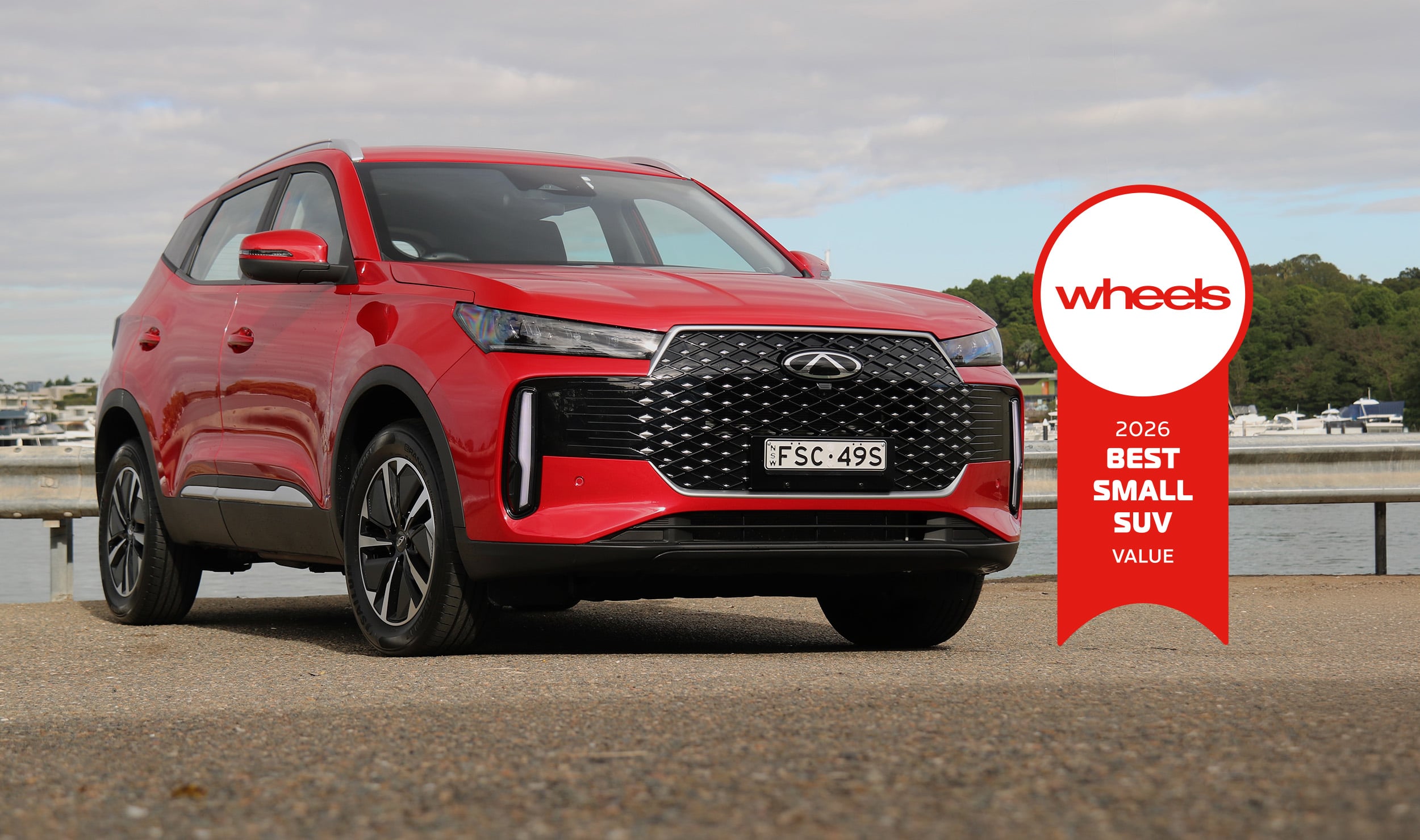
Winner: Chery Tiggo 4
12
Price: From $23,990 drive away (Urban petrol), from $29,990 drive away (Urban hybrid)
Drivetrain: 1.5-litre four-cylinder turbo-petrol or 1.5-litre four-cylinder hybrid, CVT auto
Outputs: 108kW/210Nm (1.5T), 150kW/310Nm (hybrid)
Combined fuel economy: 7.4L/100km (1.5T), 5.4L/100km (hybrid)
Warranty: Seven-year/unlimited km
Five-year service cost: $1445 ($289 per year)
| Driving | |
| Interior | |
| Practicality | |
| Overall value | |
Strengths
- Awesome value for money
- Punchy drivetrains
- Hybrid is efficient
Weaknesses
- Meh driving experience
- Boot not huge
- Thirsty petrol engine
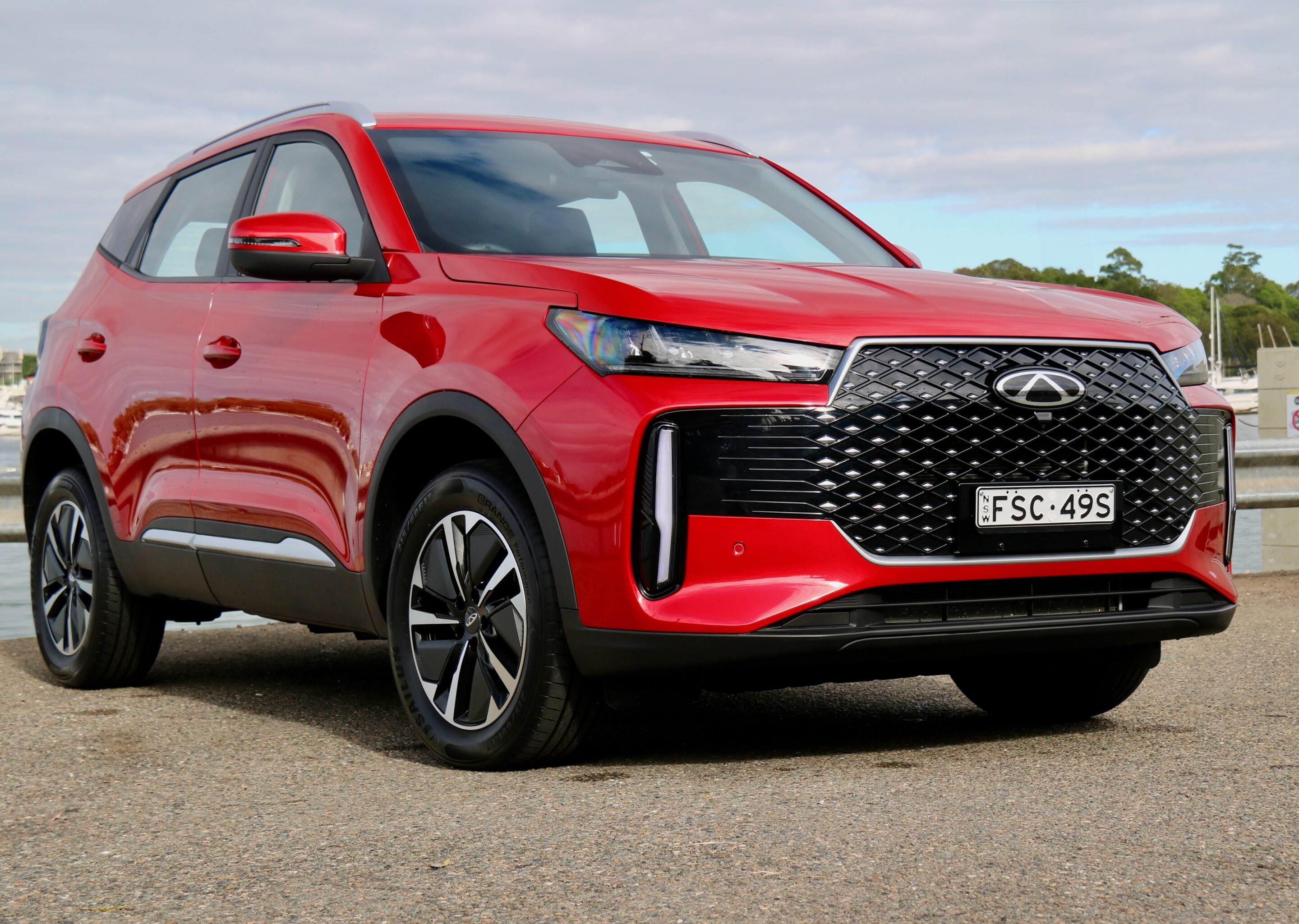
The Chery Tiggo 4 has been named Wheels Best Small SUV: Value for a second consecutive year, a recognition of its popularity with Australians who value the fact it’s well-equipped, practical, affordable to service and covered by a long and easy warranty program. Now, the availability of a hybrid model makes it even more attractive for those wanting better fuel economy but not ready to make the step to electric.
At the time of last year’s award, it had only been on the market for a few months and sales had been modest because it was new. However, since then, its popularity has exploded and it’s got 6,807 sales under its belt to the end of March 2026 (or up 103.9 per cent on 2025).
If it’s a low price of entry you’re after, the Tiggo 4 is difficult to go past in the small SUV segment. Prices start at just $23,990 driveaway for the entry-level Urban and it’s very well equipped for the price, including a full active safety suite, dual-zone climate control air-conditioning with rear air vents, and dual 10.25-inch screens for the driver and infotainment system. Chery’s aftersales program is excellent value as well, covering the Tiggo 4 for seven years. Capped price servicing is also reasonable: just $1445 for five years/75,000km of motoring, which equates to just $289 per year.
What the Tiggo 4 in 2026 offers in addition to the early 2025 version is a 1.5-litre hybrid drivetrain that reduces its fuel consumption and gives those looking to save on fuel another option in the market. However, the gap in price to the hybrid is a significant $6000, so do your sums to figure out which drivetrain is best for you.
Regardless of the drivetrain, the Tiggo 4 offers a punchy drivetrain for the segment and its driving experience is comfortable, though its ride quality is a bit too soft so that even smaller bumps are noticeable. Still, its cabin is good quality and the interior is sensibly practical, too. The tall body gives excellent headroom, and its 380-litre boot opens up to 1225 litres with the rear seats folded.
Overall, the Chery Tiggo 4 is not quite a perfect car, but it is ideal value for money. There are other small SUVs priced around the same level as the Tiggo 4 like the MG ZS Vibe and Mahindra XUV 3XO AX5L but the Tiggo 4 Urban is better equipped than both of those cars, as well as better finished on the inside. No wonder it’s selling so strongly in Australia.
Mahindra XUV 3XO
6
Price: From $23,990 driveaway
Drivetrain: 1.2-litre turbocharged three-cylinder petrol, six-speed auto
Outputs: 82kW/200Nm
Combined fuel economy: 6.5L/100km
Warranty: Seven-year/unlimited km
Five-year service cost: $1595 ($319 per year)
| Driving | |
| Interior | |
| Practicality | |
| Overall value | |
Strengths
- Grunty three-pot engine
- Fun chassis
- Good quality cabin
Weaknesses
- Missing some safety features
- Small boot
- Strange service intervals
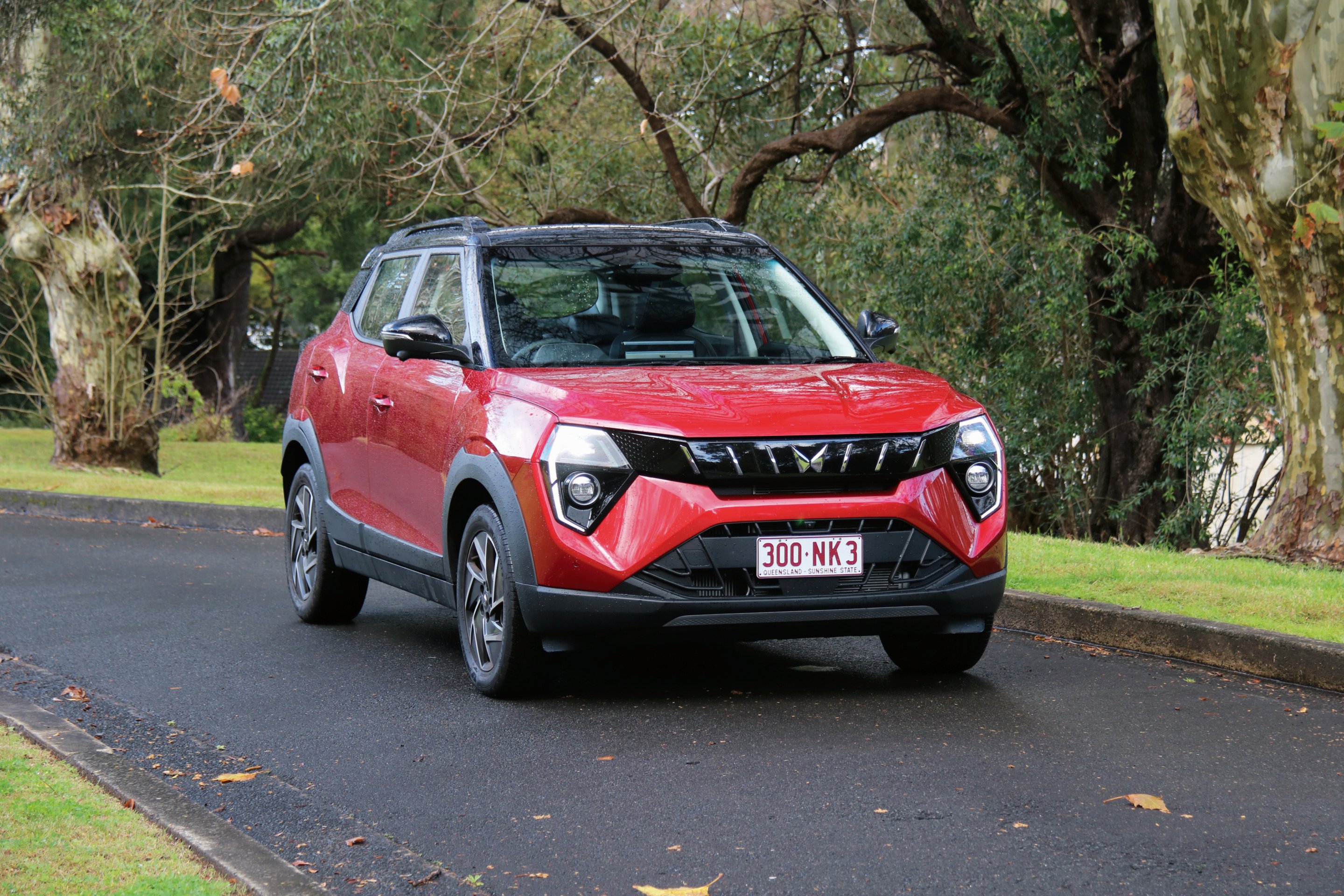
Mahindra launched the XUV 3XO in Australia in 2025 and above all else, it delivered a really affordable option that we think will continue to win it a lot of fans locally. Pricing kicks off from $23,990 driveaway –the same pricepoint as the entry-level Tiggo 4 – and standard equipment on the entry-level AX5L is impressive.
Equipment highlights include 16-inch alloy wheels, keyless entry with push button start, dual-zone automatic climate control with rear air vents, a leather-wrapped steering wheel and gear knob,
automatic LED headlights, rain-sensing wipers, dual 10.25-inch displays, wireless Apple CarPlay and Android Auto, and safety equipment like autonomous emergency braking, lane keeping assistance, adaptive cruise control and traffic sign recognition. Even a sunroof is standard.
Jump up to the upper-spec AX7L and features like a 360-degree camera, a blind-spot camera, leatherette upholstery, a panoramic sunroof and a thumping (seriously, it’s excellent) Harman Kardon sound system. Yet, it’s only $26,990 driveaway. Adding further to the XUV 3XO’s impressive value is the brand’s seven-year/150,000km warranty and five years of servicing only costs $1595, or just $319 per year.
The XUV 3XO uses a turbocharged 1.2-litre three-cylinder engine, which makes 82kW/200Nm outputs and is mated to a six-speed automatic transmission as standard. It’s a grunty and characterful engine, with impressive refinement as well. The XUV 3XO drives well, too, its tight, nimble chassis delivering excellent ride quality that soaks up bad road surfaces.
Inside, the XUV 3XO isn’t the most modern or up to date, but it’s good quality, practical for its small size and well featured. The 10.25-inch touchscreen could be faster, but its graphics are sharp and it’s easy to use. The rear seat is impressively spacious for its size too, though its boot is quite small. In the XUV 3XO Mahindra delivers a good car that is practical, good to drive, well equipped and covered by a long warranty. For a lot of buyers, that will make it a winner.
Kia EV3
7
Price: From $46,990 driveaway
Drivetrain: Single-motor electric, 58.3kWh or 81.4kWh batteries
Outputs: 150kW/283Nm
Range (WLTP): 436km (Standard Range) – 604km (Long Range)
Warranty: Seven-year/unlimited km
Five-year service cost: $1308 ($261 per year)
| Driving | |
| Interior | |
| Practicality | |
| Overall value | |
Strengths
- Locally tuned ride and handling is excellent
- Funky, practical and good quality cabin
- Healthy range and charging
Weaknesses
- Could be cheaper to buy
- A lot of equipment is limited to expensive upper-spec models
- Annoying exterior door handles
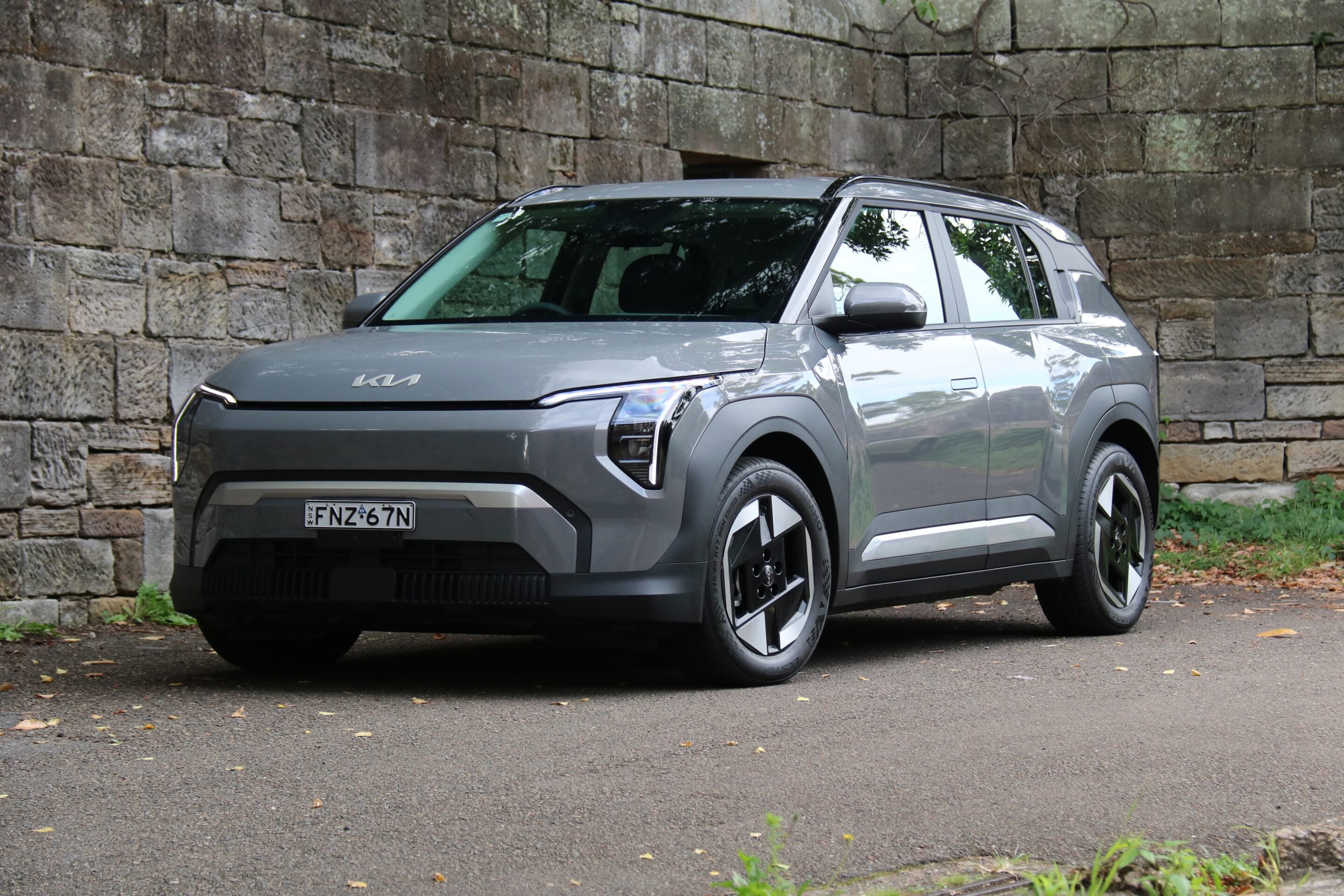
Launched locally in 2025, the EV3 is the smallest and cheapest electric vehicle that Kia currently sells in Australia. It’s also a really good small SUV, with ample practicality, a good driving experience and a reasonable list of standard features. Pricing starts at $46,990 driveaway, which is more expensive than something like the BYD Atto 2, but it does offer more range than the BYD – from 436km versus 345km on the WLTP cycle – thanks to its 58.3kWh battery. If you want more range, a larger battery is also available for more money.
Standard equipment on the entry-level Air includes 16-inch alloy wheels, dual-zone automatic climate control with rear vents, dual 12.3-inch screens, wireless Apple CarPlay and Android Auto, a wireless phone charger, keyless entry with push button start, a synthetic leather steering wheel, cloth upholstery and a long list of safety features like a central airbag, autonomous emergency braking, adaptive cruise control, adaptive lane guidance and blind-spot monitoring with rear cross-traffic alert.
Unfortunately, buyers wanting more features must spend a lot more money – the mid-spec Earth asks more than $60,000 including on-road costs, but it’s the cheapest way to get features like an electric driver seat adjustment, heated and ventilated front seats and synthetic leather trim. The $70k GT-Line further adds a sunroof, larger wheels, Harman Kardon audio, electric front passenger seat adjustment and a head-up display. Disappointingly, no EV3 offers a 360-degree camera in Australia.
All EV3 models use a front-mounted 150kW/283Nm electric motor, which provides more than ample performance. Charging speeds are also reasonable, at up to 100kW in the Standard Range and 130kW in the Long Range models, with a 10-80 per cent charge taking around half an hour at that speed. The EV3’s driving experience impresses too, with a solid and planted feeling, excellent suspension tuning for great ride comfort, steering that is far superior to Chinese rivals thanks to actual weighting, and a tidy and reasonably fun chassis.
Overall, the Kia EV3 is a great electric small SUV that deserves attention. Sure, it’s more expensive to buy and less well equipped than some Chinese rivals, but it wins back value points with its excellent driving dynamics, spacious cabin, large boot, healthy charging speeds for the segment. It’s efficient and offers solid range as well. Those attributes make it a great option in the small SUV segment.
BYD Atto 2

5
Price: From $31,990 plus on-road costs
Drivetrain: Single-motor electric, 51.1kWh battery
Outputs: 130kW/290Nm
Range (WLTP): 345km
Warranty: Six-year/150,000km
Five-year service cost: Unknown
| Driving | |
| Interior | |
| Practicality | |
| Overall value | |
Strengths
- Great value for money
- Well equipped in both available models
- Comfortable and spacious cabin
Weaknesses
- Ride and handling nothing special
- Could offer more driving range
- Overzealous active safety features
BYD surprised in late 2025 by offering not only Australia’s cheapest EV – the $23,990 +ORC Atto 1 – but also Australia’s cheapest electric SUV: The $31,990 +ORC Atto 2. That low starting price won’t only get you a lot of car, but it’s also quite well equipped in entry-level Dynamic form, with features including 16-inch alloy wheels, automatic exterior lighting and wipers, synthetic leather upholstery, automatic climate control with rear air vents, a 10.1-inch touchscreen with wireless smartphone connectivity and over-the-air updates, a heat pump and a long list of safety kit.
Above the Dynamic sits the $35,990 +ORC Premium, and that adds a lot more features: larger 17-inch wheels, roof rails, a panoramic sunroof, auto-folding mirrors, electric front seat adjustment with heating and ventilation, a larger 12.8-inch touchscreen and a wireless phone charger. At around $40,000 including on-road costs, the Atto 2 Premium is very well equipped, and both models are excellent value.
The cabin of the Atto 2 is its strongest attribute as not only is it spacious, but it’s also good quality, comfortable and relatively easy to use. The entry-level Dynamic features a 10.1-inch touchscreen, which is well featured and accessible, though its small icons make interacting with it more difficult than necessary. Storage is impressive up front, as is seat comfort, and both the rear seat and boot are larger than you’d expect.
On the road, the Atto 2 isn’t as impressive as a Kia EV3, but it is still more than comfortable enough for city use. A 130kW/290Nm front electric motor provides propulsion, which is more than enough grunt for even highway use, and the 51.3kWh battery gives a WLTP-rated range of 345km, which is more than enough for those doing primarily city driving. A peak charge speed of 82kW allows for a claimed 10-80 per cent charge time of 39 minutes, which could be quicker.
The BYD Atto 2 shines as Australia’s cheapest electric small SUV thanks to its low opening price, long list of standard features, comfortable and practical cabin, and reasonably long six-year/150,000km warranty. It could be better to drive and its charge speed is slow compared to some rivals, but if you’re wanting a cheap, practical small SUV that happens to be electric, it provides excellent value for money.
MG ZS
3
Price: From $22,990 driveaway
Drivetrains: 1.5-litre four-cylinder naturally aspirated, turbocharged or hybrid, CVT
Outputs: 81kW/140Nm (1.5L), 125kW/275Nm (1.5T), 158kW/465Nm (Hybrid+)
Combined fuel economy: 6.7L/100km (1.5L), 6.9L/100km (1.5T), 4.7L/100km (Hybrid+)
Warranty: Seven-year/unlimited km (extendable to 10 years/250,000km with dealer servicing)
Five-year service cost: $1860 (hybrid), $2029 (turbo), $2039 (naturally aspirated)
| Driving | |
| Interior | |
| Practicality | |
| Overall value | |
Strengths
- Range of available drivetrains
- Well-rounded range of abilities
- Practical rear seat and boot
Weaknesses
- Sluggish naturally aspirated petrol engine
- Slow touchscreen
- Jerky adaptive cruise control
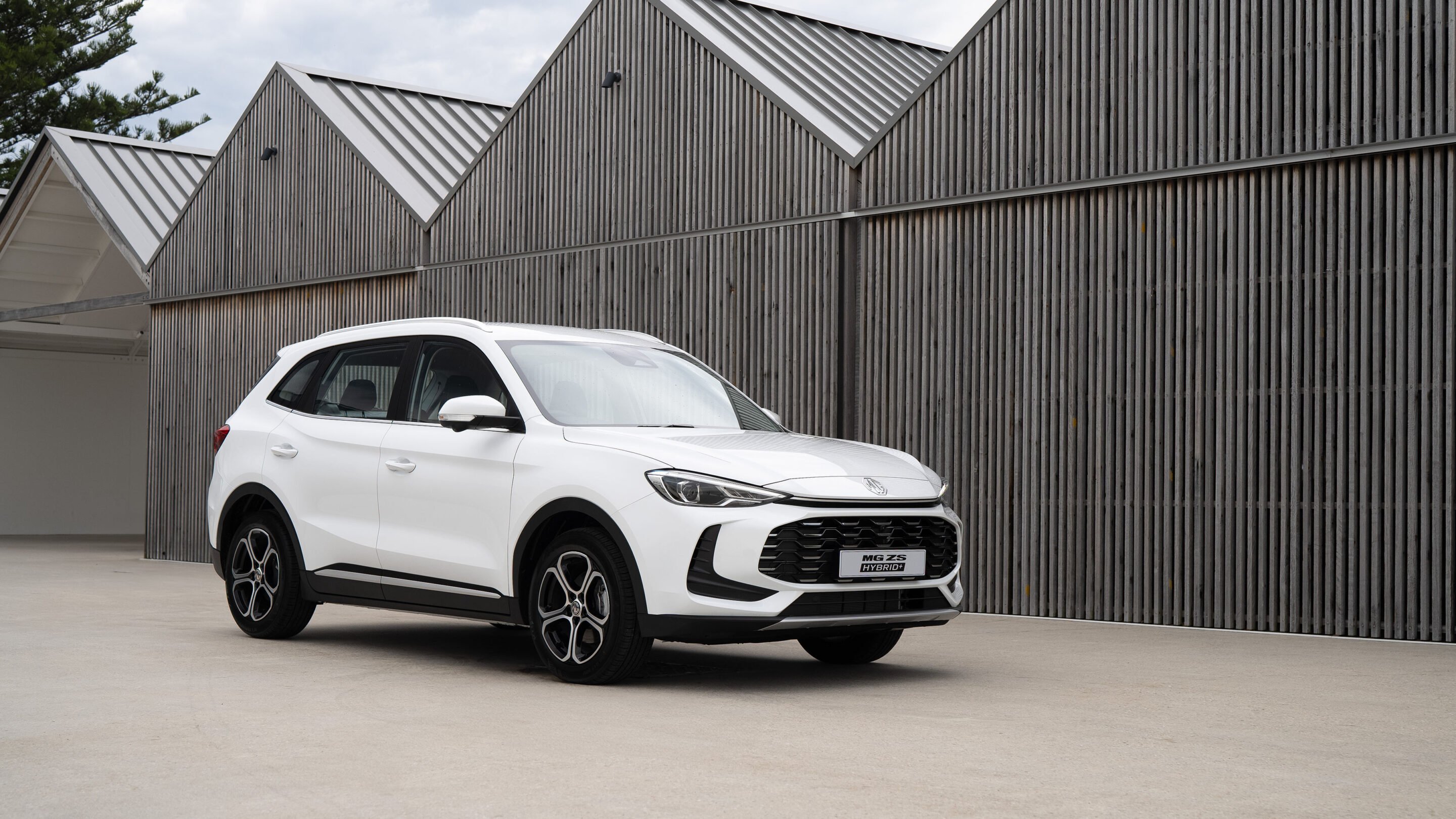
The overall winner of Wheels Best Small SUV 2025 was the MG ZS Hybrid+, in 2026 MG has widened the ZS range and lowered the price of entry to just $22,990 driveaway for the entry-level Vibe. That makes it the cheapest SUV on sale in Australia currently, and is available for only $1000 more than the MG 3 Vibe hatchback.
We’d step up to the Vibe Turbo, however, as it’s the sweet spot in the petrol ZS priced at $24,990 driveaway but offering a 125kW turbocharged engine that’s far gutsier than the naturally aspirated engine in the Vibe, but only a little bit thirstier at 6.9L/100km versus 6.7L/100km. The Vibe Turbo also adds more features, like larger 17-inch wheels and automatic air-conditioning.
But regardless of model, the MG ZS is a compelling option in the small SUV segment. It’s great value for money but it’s also a good car, with a high quality, spacious cabin and impressive list of standard equipment across the range. Even the Vibe comes with 16-inch alloy wheels, push button start, a 10.25-inch touchscreen with access to the MG ‘iSmart’ phone app and the ‘MG Pilot’ suite of active safety features. MG’s typically excellent value equation continues with the ZS.
What’s even better is MG’s warranty, which is seven-year/unlimited km coverage but if you service through an MG service centre during that period, you earn extra warranty up to 10 years/250,000km in total, which is one of Australia’s longest warranty terms.
The MG ZS remains a great value choice in the small SUV segment thanks to its low pricing, long standard equipment list, roomy cabin, pleasant driving experience and wide range of drivetrain offerings. Plus, if you can afford to spend only $2000 more to get from the Vibe to the Vibe Turbo, it’s far punchier to drive, and doing so gets you one of the best small SUV options.
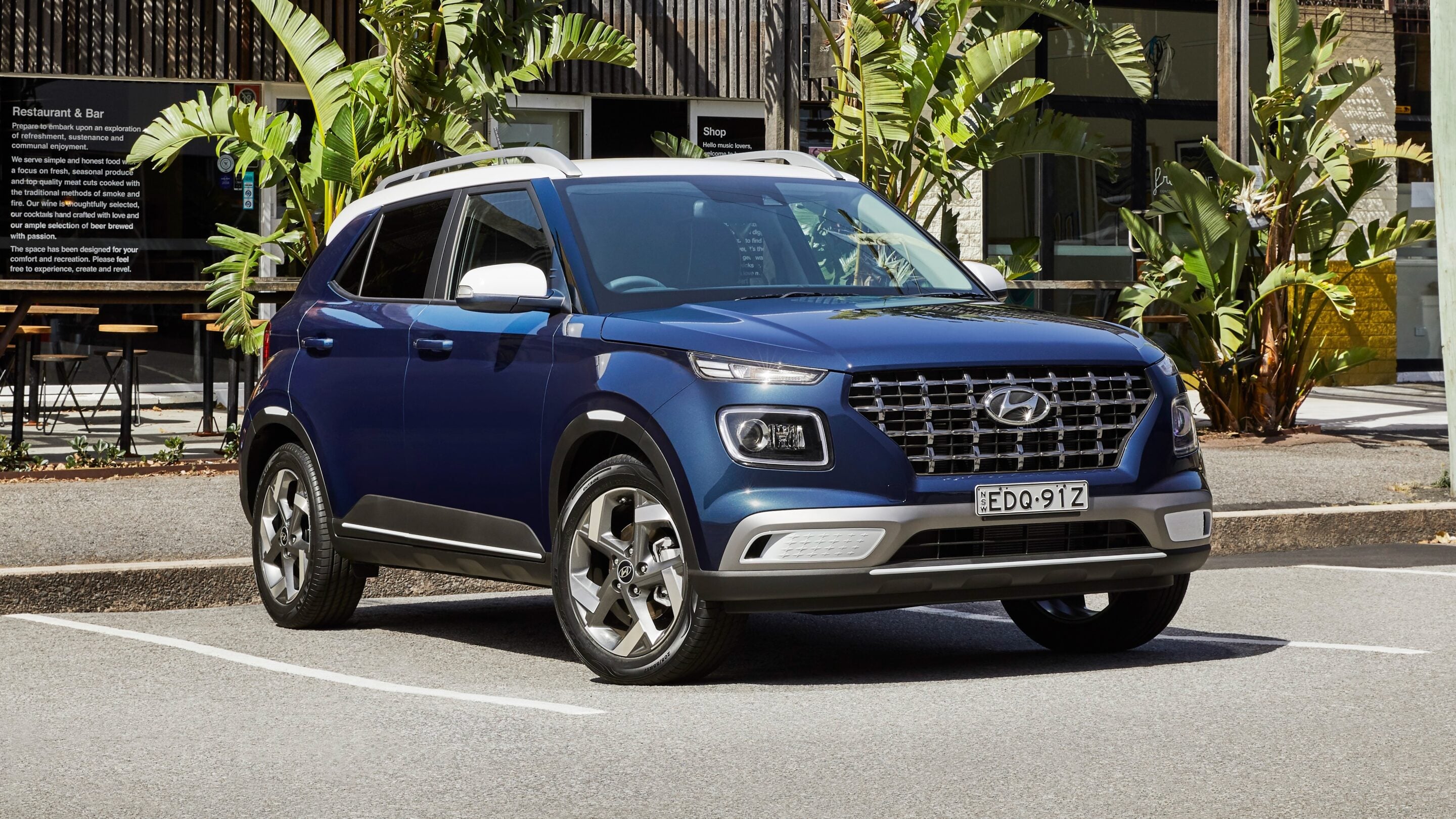
Hyundai Venue
1
Price: From $23,750 plus on-road costs
Drivetrain: 1.6-litre four-cylinder naturally aspirated petrol engine, six-speed manual or automatic
Outputs: 90kW/151Nm
Combined fuel economy: 7L/100km (manual), 7.2L/100km (automatic)
Warranty: Five-year/unlimited km (extendable to seven years with dealer servicing)
Five-year service cost: $1976 ($395 per year)
| Driving | |
| Interior | |
| Practicality | |
| Overall value | |
Strengths
- Great ride and handling balance
- Tall body makes it quite practical
- One of the only new manual cars still available
Weaknesses
- Thirsty and slow engine
- Pricing has crept up noticeably since launch
- Feeling a bit dated against newer Hyundai products
While many of Hyundai’s earlier sales used to come from cars like the Accent and i30 hatchbacks, they’re sadly no longer offered in Australia, leaving the Venue small SUV as the brand’s entry product locally. Pricing starts at $23,750 plus on-road costs for the base model, but that’s for the six-speed manual that most people won’t buy – the six-speed automatic asks $2000 more at $25,750 +ORC, so around $29,000 once on-road costs are included.
Small SUVs for under $30,000 including on-road costs aren’t plentiful these days, and even though the Venue is much more expensive than it used to be, it’s still one of the cheapest new cars you can buy. Standard features include 15-inch alloy wheels, manual air-conditioning, roof rails, an 8.0-inch touchscreen, wireless Apple CarPlay and Android Auto, cruise control, autonomous emergency braking, lane keeping assistance and auto high beam. It’s disappointing, however, to see features like blind-spot monitoring, climate control, larger wheels and even auto-folding mirrors limited to upper-spec models.
So it could be better equipped but at least it’s under $30,000. In addition to the value equation, the Venue’s strong practicality earns it brownie points. Its 355-litre boot is bigger than you’d expect considering how small its exterior is and it features some clever touches like a dual-level boot floor and the parcel shelf that stores behind the rear seat to carry taller cargo. The rear seat, although largely featureless, is roomy for the size and even taller adults will be fine thanks to excellent headroom within its boxy dimensions.
On the road, the Venue’s locally tuned ride quality is excellent – soft but taut so that bumps don’t unsettle it, and it’s actually reasonably fun to drive as well. The 1.6-litre petrol engine is a reasonable performer, but it can be quite loud and it’s also thirsty, rated from 7.0L/100km. Overseas, the same turbocharged three-cylinder engine in the Kia Stonic features in the Venue and we think it would be a far better option.
The Venue presents solid value for money in the small SUV segment. While its drivetrain could be more refined and gutsier, it otherwise drives nicely, it’s quite practical for its size and its service pricing is quite reasonable as well. There are cheaper options available than the Hyundai Venue, but if it’s overall value you’re after, it scores reasonably well.
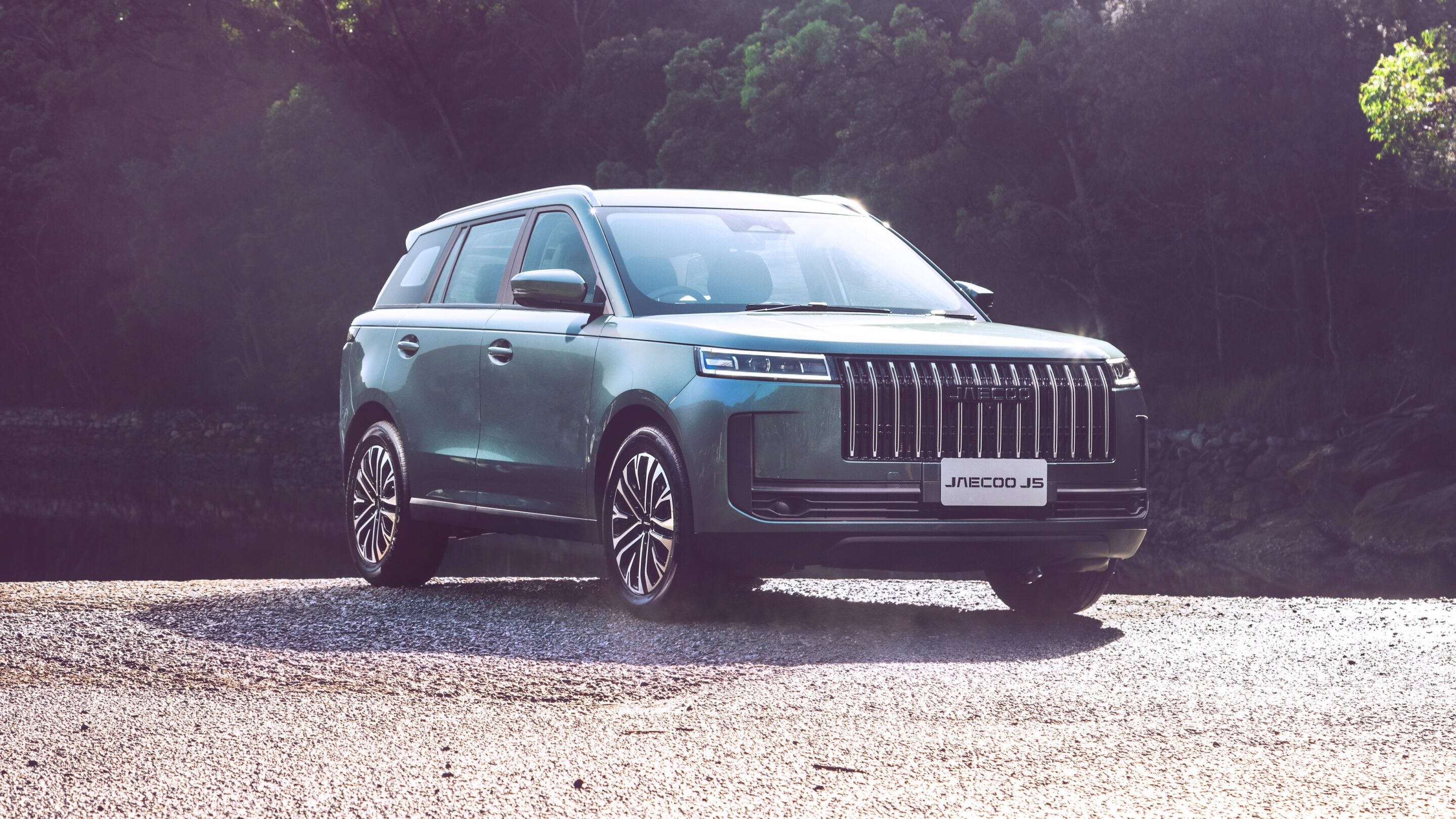
Jaecoo J5
5
Price: From $25,990 driveaway (petrol), $36,990 driveaway (EV)
Drivetrains: 1.5-litre four-cylinder turbo-petrol with CVT automatic or single-motor electric, 58.9kWh
battery
Outputs: 105kW/210Nm (petrol), 155kW/288Nm (electric)
Electric range (WLTP): 402km
Combined fuel economy (petrol): 7.5L/100km
Warranty: Eight-year/unlimited km
Five-year service cost: $915 (EV – $183 per year), $1316 (petrol – $263 per year)
| Driving | |
| Interior | |
| Practicality | |
| Overall value | |
Jaecoo’s smallest offering, the J5 small SUV, launched locally in electric form in late 2025 to much fanfare. It’s well priced at $36,990 driveway, surprisingly practical inside, very well equipped and uses a 58.9kWh battery for a healthy 402km of claimed WLTP range.
A petrol option has recently been added as well, lowering the price of entry to just $25,990 driveaway and adding a new entry-level model for those not needing luxury features. Standard features on the base model Track include 18-inch alloy wheels, automatic LED exterior lighting, keyless entry with push button start, height-adjustable front seats, a large 13.2-inch portrait touchscreen with wireless smartphone mirroring and a lot of safety features, including a front centre airbag and a 360-degree camera.
Move up to the Summit models ($29,990 driveaway for the petrol car or $36,990 driveaway for the EV) and features like a panoramic glass roof, electric tailgate, dual-zone automatic climate control, synthetic leather upholstery, electric front seats with heating and ventilation and a rear central armrest with cupholders are added. A loaded small SUV for under $30k on the road? Not bad at all, especially considering that it’s covered by one of the longest warranties on the new car market.
It must be said that the J5’s driving experience could be improved. We’ve not driven the yet-to-be-launched petrol option, but the EV’s soft suspension and light steering make the driver feel disconnected from the car. However, it’s still comfortable enough for everyday life and while the active safety systems could use a bit more refinement, they have come a long way since Chery – Jaecoo’s parent brand – re-launched locally. The EV provides ample grunt at 155kW, while our experience in the Chery Tiggo 4 – the J5’s sister car – suggests that the petrol engine is also fine, albeit quite thirsty for its size.
The cabin of the J5 is good quality for the money, quite practical and comfortable too. We wish that the huge 13.2-inch touchscreen featured more shortcut buttons to aid usage, but the system is quick to use and screen quality is impressive. The rear seat can handle two taller adults easily, while the 384-litre boot is large for its size as well. Overall, while the Jaecoo J5 isn’t a well known product yet, we think it has potential to sell well as it’s great value for money, spacious, well equipped and covered by a long warranty.
Best Small SUVs in Australia
Looking to get into a brand-new small SUV? Our stories below will guide you to the model that best suits your needs:
Follow WhichCar/Wheels on Google
Click the button below to make WhichCar by Wheels a preferred source for your news.

We recommend
-
 Best Small SUVs
Best Small SUVs 2026: Hybrid
Hybrid small SUVs are drawing more attention from Australian new car buyers through a combination of improved efficiency, lower running costs and greater flexibility for everyday driving.
-
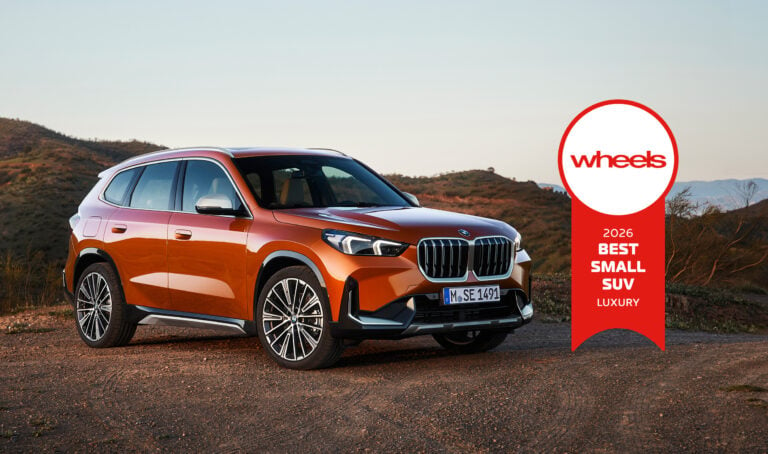 Best Small SUVs
Best Small SUVs 2026: Luxury
Premium compact SUVs are evolving rapidly, with electrification, advanced technology and elevated refinement on offer for those who can afford it.
-
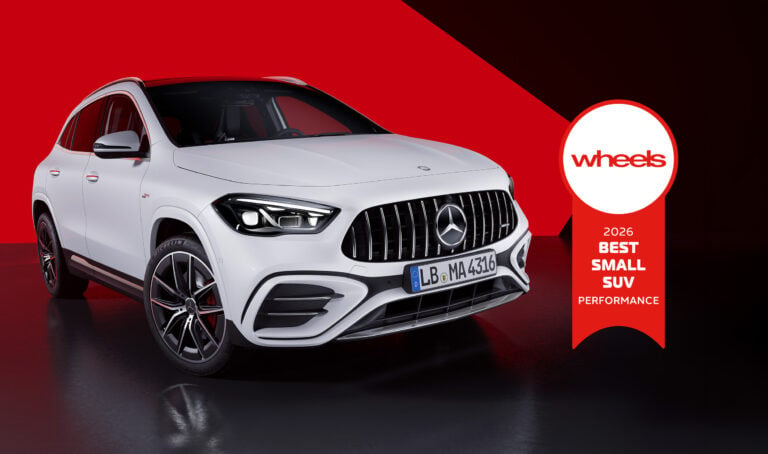 Best Small SUVs
Best Small SUVs 2026: Performance
Turbocharged petrol power, high-performance hybrids and rapid EVs are pushing boundaries in the small SUV segment, proving practicality and genuine driver appeal can coexist.
-
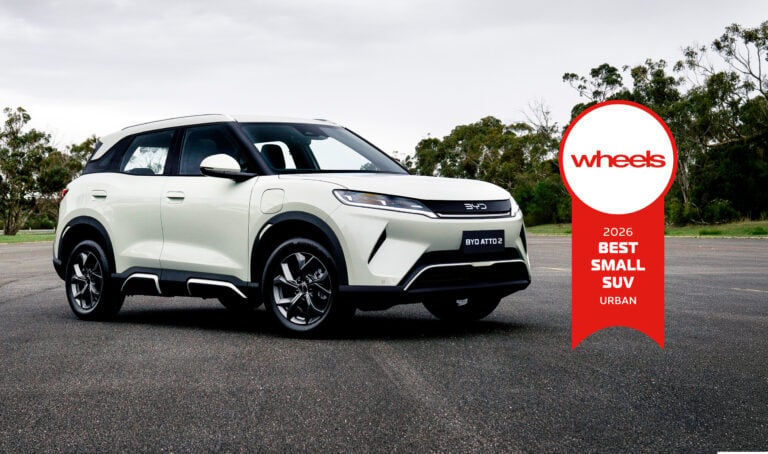 Best Small SUVs
Best Small SUVs 2026: Urban
The best small SUVs for urban mobility, blending efficiency, smart packaging and modern technology to better suit car-heavy Australian cities.