Best Small SUVs

Gallery 1
Urban small SUVs are evolving rapidly as buyers prioritise compact dimensions, low running costs and easy manoeuvrability for city life. In 2026, the category covers vehicles compact petrol crossovers to affordable EVs, all designed to maximise practicality in tight urban environments. The best contenders combine clever packaging, strong value and modern technology without sacrificing comfort or everyday usability.
Contenders
- BYD Atto 2
- Volvo EX30
- MGS5 EV
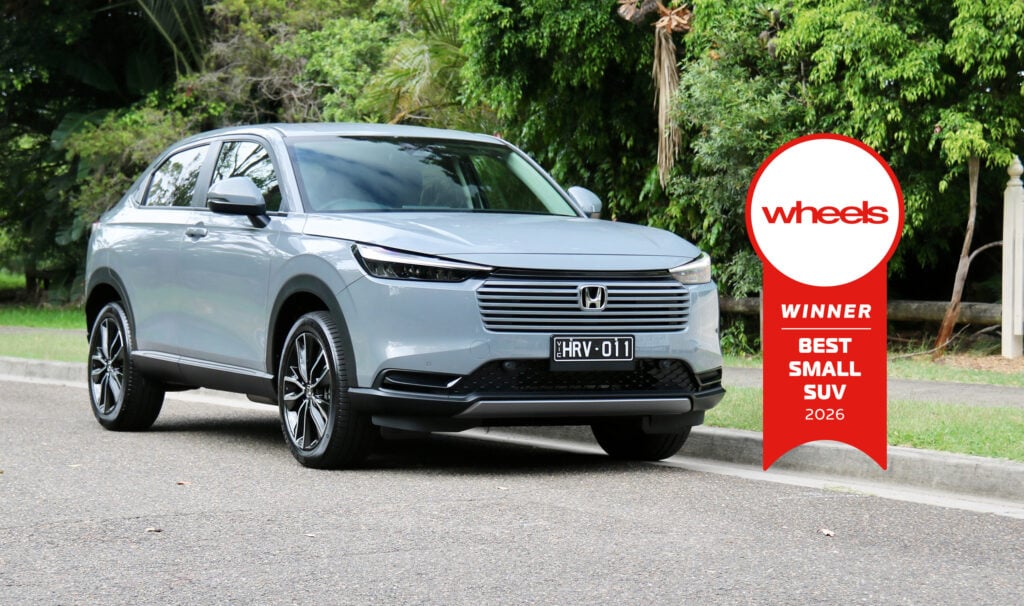
- Honda HR-V
- Mahindra XUV 3XO
- Chery E5
- Hyundai Inster
- Toyota Yaris Cross
- Smart #1
- Kia Stonic
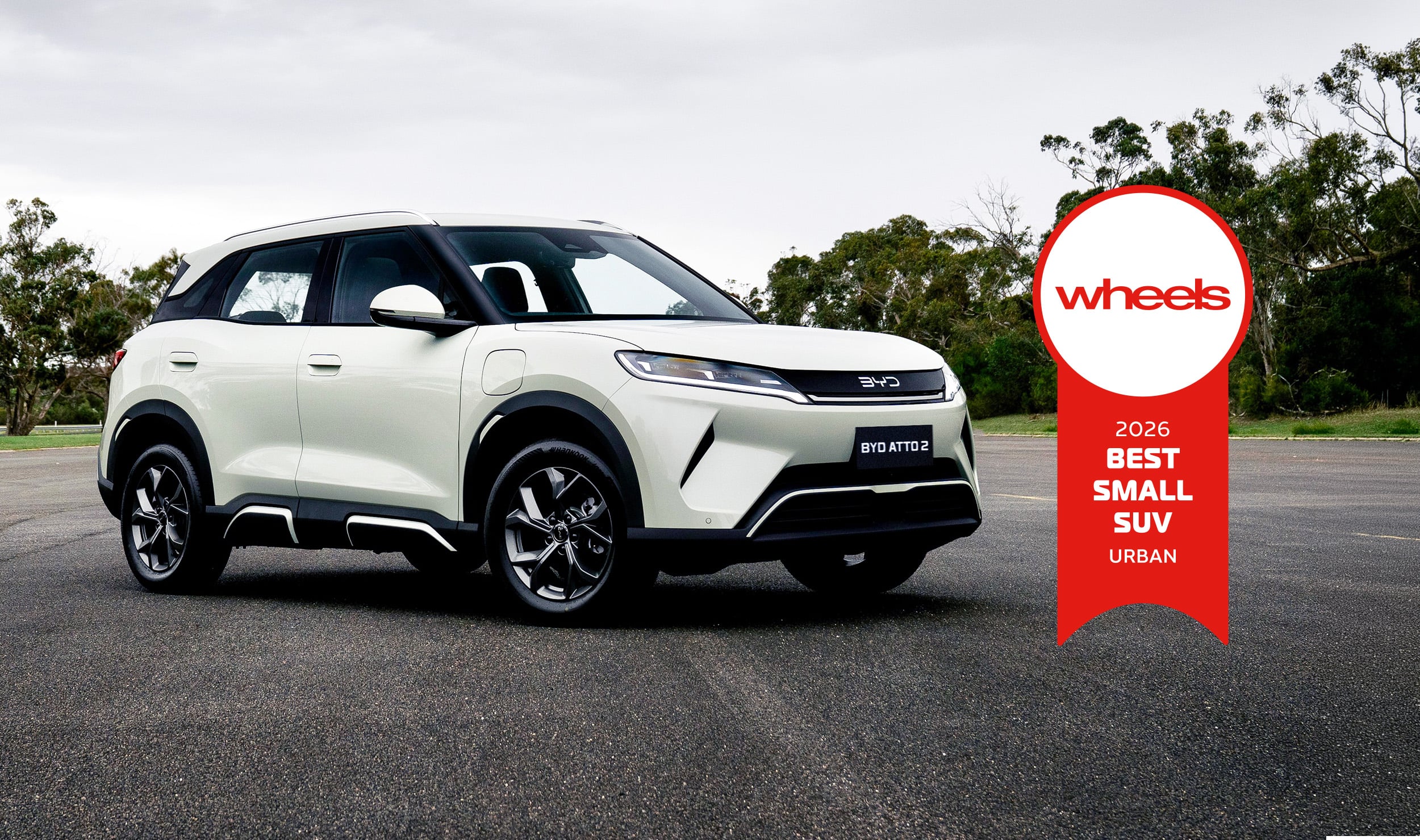
Winner: BYD Atto 2
8
Price: From $31,990 plus on-road costs
Drivetrain: Single-motor electric, 51.1kWh battery
Outputs: 130kW/290Nm
Range (WLTP): 345km
Warranty: Six-year/150,000km
Five-year service cost: $1430 ($286 per year)
| Driving | |
| Interior | |
| Practicality | |
| Overall value | |
Strengths
- Great value for money
- Well equipped in both available models
- Comfortable and spacious cabin
Weaknesses
- Ride and handling nothing special
- Could offer more driving range
- Overzealous active safety features
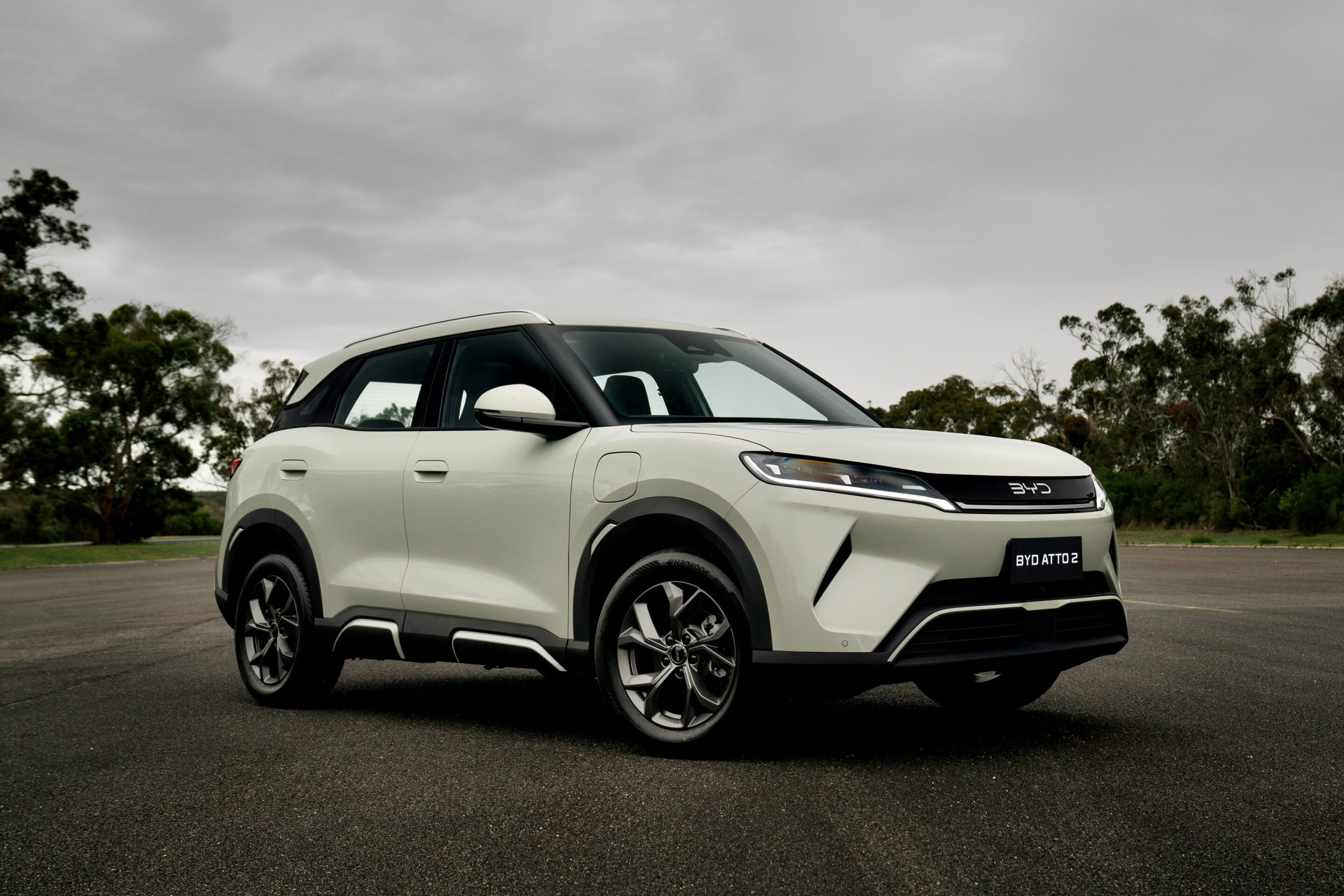
Priced from just $31,990 plus on-road costs, the BYD Atto 2 is officially Australia’s cheapest electric SUV, which is a massive feat considering that just a few years ago, most were comfortably above $40,000. Beyond its obvious value, however, Wheels thinks its the best equipped small SUV for urban driving on the market, blending excellent equipment levels, superior practicality, latest tech and good range.
The low starting price gets you a lot of car and even in entry-level Dynamic form, a lot of equipment. Features include 16-inch alloy wheels, automatic exterior lighting and wipers, synthetic leather upholstery, automatic climate control with rear air vents, a 10.1-inch touchscreen with wireless smartphone connectivity and over-the-air updates, a heat pump and a long list of safety kit.
Above the Dynamic sits the $35,990 +ORC Premium, and that adds extra features like larger 17-inch wheels, roof rails, a panoramic sunroof, auto-folding mirrors, electric front seat adjustment with heating and ventilation, a larger 12.8-inch touchscreen and a wireless phone charger. At around $40,000 including on-road costs, the Atto 2 Premium is very well equipped, but both models are excellent value.
The cabin of the Atto 2 is its strongest attribute as not only is it spacious, but it’s also good quality, comfortable and easy to use in every-day, urban driving. The entry-level Dynamic features a 10.1-inch touchscreen, which is well featured and accessible, though its small icons make interacting with it more difficult than necessary. Storage is impressive up front, as is seat comfort, and both the rear seat and 380-litre (1320L with the seats folded) boot are larger than you’d expect.
On the road, the Atto 2 works excellently as an urban small SUV because of its comfortable ride quality, good visibility and light steering. A 130kW/290Nm front electric motor provides propulsion, which is more than enough grunt, and the 51.3kWh battery gives a WLTP-rated range of 345km, which is more than enough for those doing primarily city driving.
The BYD Atto 2 wins this segment thanks to its low opening price, long list of standard features, comfortable and practical cabin, and reasonably long six-year/150,000km warranty. It could be better to drive and its charge speed is slow compared to some rivals, but for primarily city drivers wanting a cheap, practical small SUV that happens to be electric, it’s one of the main options.
Volvo EX30
6
Price: From $49,990 plus on-road costs
Drivetrain: Single or dual-motor electric, RWD or AWD, 69kWh battery
Outputs: 200kW/343Nm – 315kW/543Nm
Range (NEDC): 417km – 462km
Warranty: Five-year/unlimited km
Five-year service cost: Included
| Driving | |
| Interior | |
| Practicality | |
| Overall value | |
Strengths
- Fun to drive, powerful even in base model
- Handsome styling, cool cabin materials
- Newly-lowered pricing makes it much better value
Weaknesses
- Interior is too minimalist
- Almost everything controlled through the touchscreen
- Firm urban ride quality
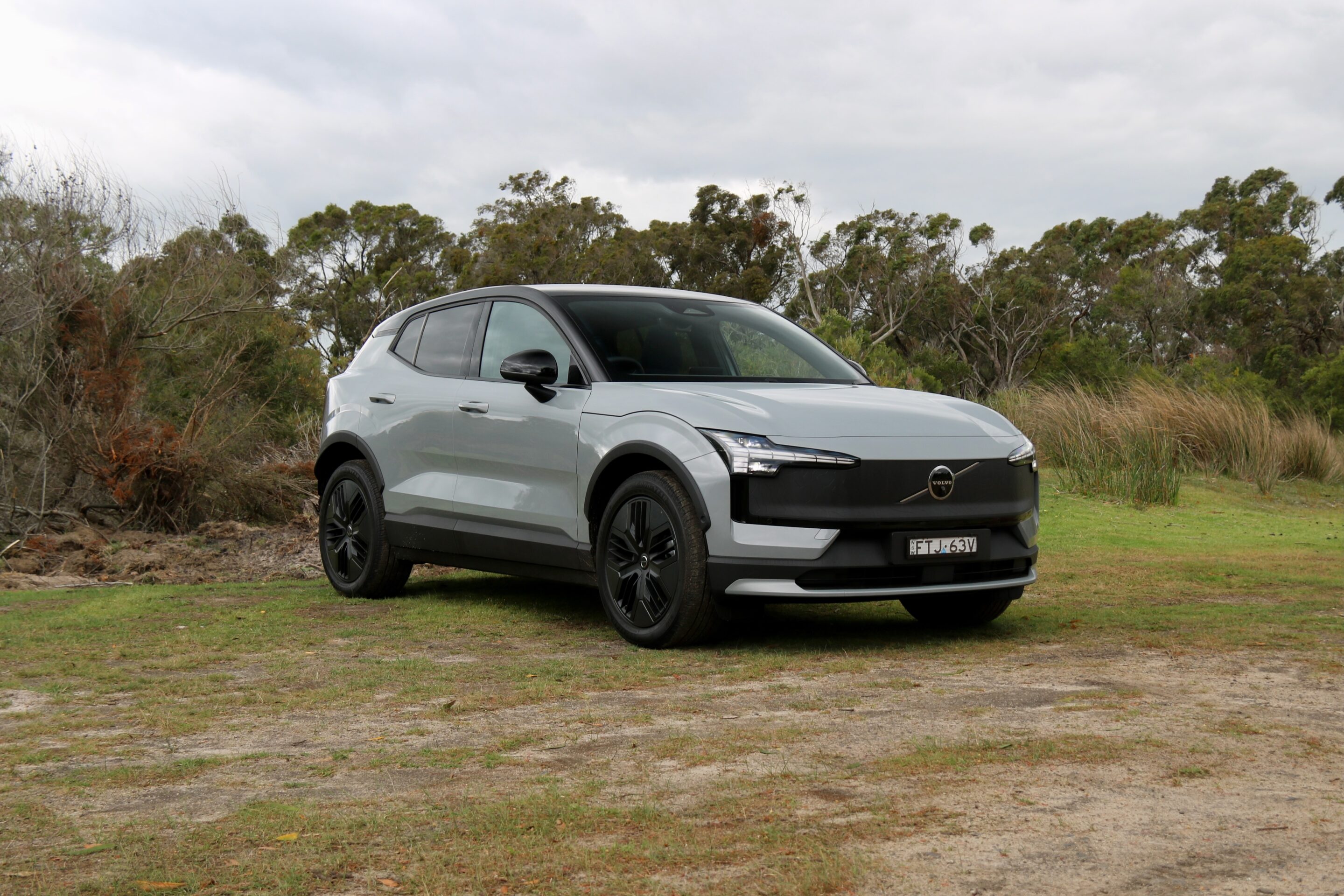
Launched locally in 2024, the Volvo EX30 is the brand’s smallest product and rides on a new Geely-derived platform. Pricing starts at $49,990 plus on-road costs, which is $10,000 lower than the pre-updated model, making it much better value than before. Peak charging speed is a healthy 175kW for a 10-80 per cent charge in 28 minutes, while the 69kWh battery allows for a claimed NEDC driving range of up to 462km for the single motor variant (417km for the dual motor Cross Country).
Inside the EX30 is definitely not huge, but it may be more practical than you might initially think considering its tiny footprint. Two six-foot adults will just about fit in the rear seat with just enough legroom and headroom, though the 318-litre boot is not huge (it opens up to 1000 litres with the rear seats folded). Quality is solid with lots of sustainable materials that look and feel high quality used throughout the cabin, and there’s plenty of cabin storage space in the front seat, including a cool opening centre console in the front cabin and large door bins.
Centre of the cabin is a 12.3-inch touchscreen that controls almost every function of the car with very little in the way of buttons – there isn’t even a driver’s display to show the car’s speed, like in a Tesla, which could prove extra annoying in urban driving. The touchscreen is quick to use and the display is bright, but functions such as the headlights and mirrors are buried within and often take two or three presses to activate, taking eyes off the road.
Surprisingly given Volvo’s somewhat beige reputation, even the base model EX30 makes 200kW of power, enough for a quick 5.3-second 0-100km/h sprint time, while the top-spec 315kW dual-motor variant is even quicker. The driving experience of the EX30 is fun, with direct, nicely-weighted steering and enjoyable handling, though some might find its ride quality to be a bit firm in everyday use, especially those driving only in urban conditions where bumps are easily felt in the cabin.
The EX30’s aftersales package is good with a five-year service plan included in the price and two-
year service intervals, making the EX30 pretty painless from an ownership point of view. Overall,
the Volvo EX30 is a strong entrant into the electric small SUV segment – that is, if you don’t need
the largest or most practical cabin. It’s fun to drive with a reasonable range, good equipment list
and, thanks to a recent cut, an accessible price.
MGS5 EV
1
Price: From $40,990 driveaway
Drivetrain: Single-motor electric, RWD, 49kWh or 62kWh batteries
Outputs: 125kW/250Nm
Range (WLTP): 340km – 425km
Warranty: Seven-year/unlimited km (service-activated up to 10 years/250,000km)
Five-year service cost: $1967 ($393 per year)
| Driving | |
| Interior | |
| Practicality | |
| Overall value | |
Strengths
- Quite a good all-rounder
- Well equipped with a lot of standard features
- Pleasant driving experience
Weaknesses
- More powerful models not available locally
- Range could be better
- Top-spec Essence hides too many features
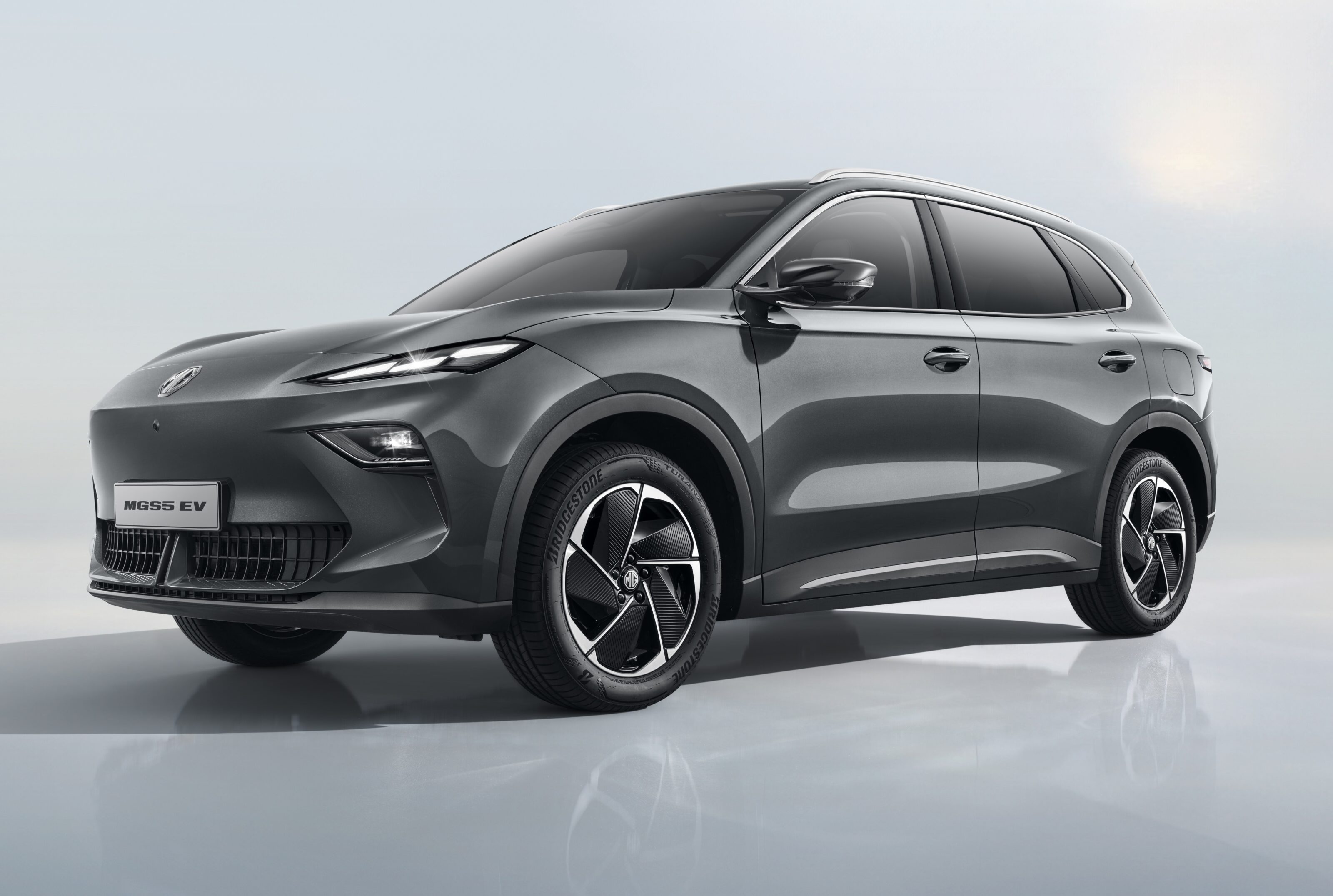
Based on the same excellent platform as the MG4 hatchback – not the new MG4 Urban – the MGS5 EV was launched in Australia in 2025. Building on the strengths of the MG4, including its great chassis, keen pricing and good practicality with a more practical body and a new dashboard layout with higher quality materials, the MGS5 EV is a great option for an electric small SUV.
Pricing starts at just $40,990 driveaway for the entry-level Excite 49, which features a 49kWh LFP battery for a claimed 340km of range (WLTP) and a 125kW/250Nm rear-mounted motor. Sitting above that are a larger 62kWh battery and the higher-spec Essence model (which also offers both battery sizes), with the top-spec Essence 62 priced from $45,990 driveway – or the same price point that the entry-level Hyundai Kona Electric is currently being offered at on special.
As we’ve come to expect from the MG brand, the MGS5 EV is great value for money and even for a base model, the Excite is well equipped. Standard features include 17-inch alloy wheels, automatic LED exterior lighting, cloth seat upholstery, single-zone automatic climate control with rear air vents, a large 12.8-inch touchscreen with live services and wireless phone mirroring, plus the MG Pilot suite of active safety features.
Charging speeds for the S5 EV are reasonable, with the smaller battery capable of 120kW and the larger 139kW for a 10-80 per cent charge time of as little as 19 minutes for the smaller unit. On the road, the S5 EV impresses with a keen chassis and excellent ride quality. It’s a breeze to drive in urban conditions thanks to good visibility and a comfortable ride quality, while the quick steering makes it fun from behind the wheel too.
The S5 EV’s cabin is good quality and spacious, and the 12.8-inch touchscreen is easy to use and – unlike many new cars – features buttons located below to help with usability. Two six-footers will be more than comfortable in the rear seat, and the 453-litre boot is a reasonable size, opening up to 1441 litres with the rear seats folded.
The MGS5 EV is a pretty good option if you’re after a value-packed electric small SUV. Prices start at just $40,990 driveaway for the entry-level Excite 49, which provides a reasonable range of up to 325km (WLTP), but if you’re wanting more, the larger battery can give up to 430km of range. We wish that the more powerful motors offered overseas were sold in Australia, but 125kW is enough to motivate the S5’s keen chassis.
Honda HR-V
8
Price: From $32,900 drive away (e:HEV X)
Drivetrain: 1.5-litre four-cylinder petrol or 1.5-litre four-cylinder hybrid, CVT or e-CVT auto, FWD
Outputs: 89kW/145Nm (1.5L petrol), 96kW/253Nm (1.5L hybrid)
Combined fuel economy: 4.3L/100km (hybrid) – 6.2L/100km (1.5L petrol)
Warranty: Five-year/unlimited km
Five-year service cost: $995 ($199 per year)
| Driving | |
| Interior | |
| Practicality | |
| Overall value | |
Strengths
- Amazingly practical for the segment
- Pleasant driving experience
- Mostly well equipped
Weaknesses
- Only a four-seater
- Boot not huge with seats up
- Features like rear air vents limited to top-spec e:HEV L
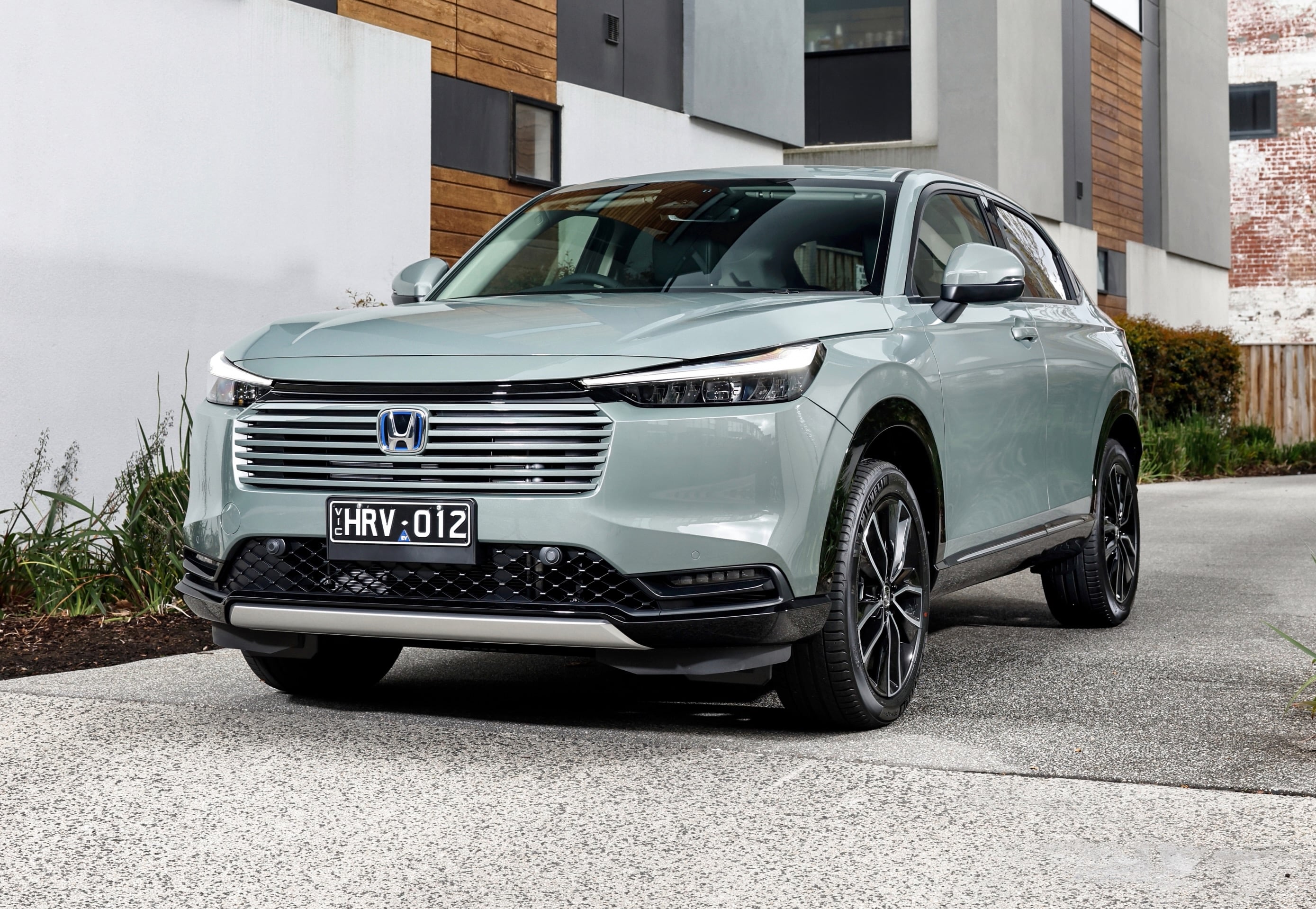
The Honda HR-V is one of the most dependable options in the small SUV segment, with a wide range of talents. Pricing starts at $32,900 driveaway, though the entry-level hybrid is $39,900 driveaway. It’s only available as a four-seater in Australia, which may be unsuitable depending on your situation. Features like rear air vents – which we think all cars should feature as standard – are also only available on the top-spec e:HEV L. If those issues don’t bother you, the HR-V is a great choice, especially if you’re an urban dweller.
There are two drivetrains available in Australia for the HR-V – a 1.5-litre petrol or a 1.5-litre hybrid – and if you’re wondering, the hybrid is the clear choice as it’s not only more powerful than the petrol but more refined and a lot more fuel efficient as well. The HR-V is a good thing to drive too, with a nimble chassis, planted ride quality and hybrid system that doesn’t just give you a wall of noise when you plant the throttle. Around town, the HR-V is easy to drive and its active safety features feel as though they’re assisting – not constantly correcting – you.
The interior of the HR-V is typically Honda-high quality, with cool touches like the climate control knobs lighting up blue or red when adjusting the temperature and side air vents that can be set to direct airflow towards the roof. Storage is plentiful and front seat comfort is good too, though electric adjustment would be a nice feature to have. The 9.0-inch central touchscreen could be sharper but it’s a breeze to use and features sat-nav, DAB+ digital radio and wireless smartphone mirroring.
Turning to the back seat reveals the HR-V’s party piece in the small SUV segment: its excellent packaging. The rear seat is one of the roomiest in the segment with excellent legroom and headroom for two adults. Amenities include a centre armrest, map pockets and door pockets, with the upper-spec e:HEV L further adding the aforementioned air vents and USB charging ports as well.
Slightly making up for the lack of a fifth seat is Honda’s ‘Magic Seats’ system, which allows for a completely flat floor with the rear seats folded, but their coolest trick is that the seat base folds up to rest against the backrest, and combined with the flat floor, taller items like plants or furniture can be carried in the rear cabin. The boot is not massive at 304 litres, though that extends to a large 1274L with the rear seats folded. Annoyingly, there’s no spare wheel.
All in all, if you can get past the lack of a fifth seat and the fact the starting price might be higher than you’d expect, plus that some features we expect in all models are limited to the top-spec car, the Honda HR-V is a sure choice for an urban small SUV. It’s quite fuel efficient as a hybrid, enjoyable to drive around town, good quality inside, quite practical and very cheap to service as well.
Mahindra XUV 3XO
8
Price: From $23,990 driveaway
Drivetrain: 1.2-litre turbocharged three-cylinder petrol, six-speed auto
Outputs: 82kW/200Nm
Combined fuel economy: 6.5L/100km
Warranty: Seven-year/unlimited km
Five-year service cost: $1595 ($319 per year)
| Driving | |
| Interior | |
| Practicality | |
| Overall value | |
Strengths
- Grunty three-pot engine
- Fun chassis
- Good quality cabin
Weaknesses
- Missing some safety features
- Small boot
- Strange service intervals
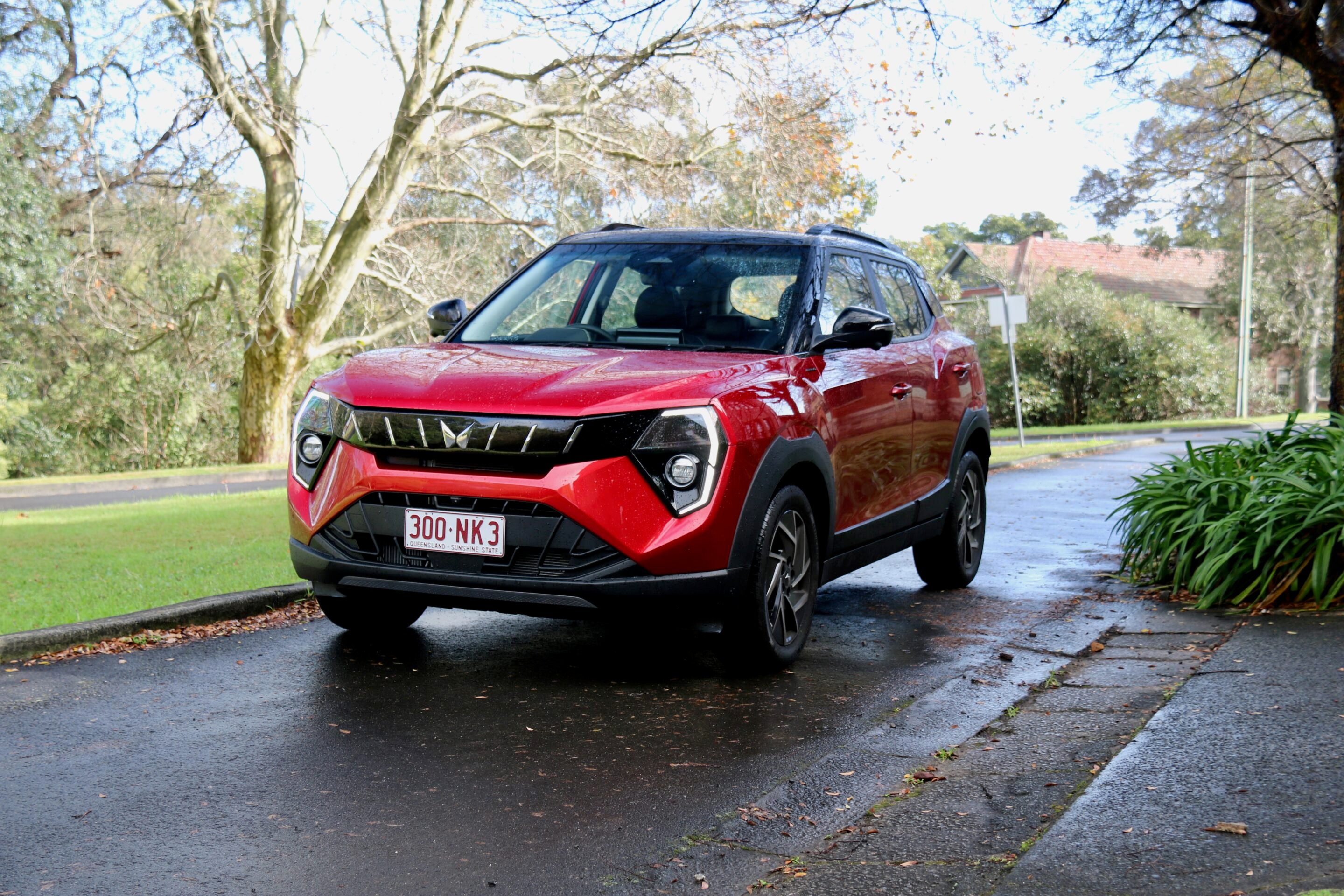
Mahindra launched the XUV 3XO in Australia in 2025 and above all else, it delivered a really affordable option that we think will continue to win it a lot of fans locally. Pricing kicks off from $23,990 driveaway –the same pricepoint as the entry-level Tiggo 4 – and standard equipment on the entry-level AX5L is impressive.
Equipment highlights include 16-inch alloy wheels, keyless entry with push button start, dual-zone automatic climate control with rear air vents, a leather-wrapped steering wheel and gear knob,
automatic LED headlights, rain-sensing wipers, dual 10.25-inch displays, wireless Apple CarPlay and Android Auto, and safety equipment like autonomous emergency braking, lane keeping assistance, adaptive cruise control and traffic sign recognition. Even a sunroof is standard.
Jump up to the upper-spec AX7L and features like a 360-degree camera, a blind-spot camera, leatherette upholstery, a panoramic sunroof and a thumping (seriously, it’s excellent) Harman Kardon sound system. Yet, it’s only $26,990 driveaway. Adding further to the XUV 3XO’s impressive value is the brand’s seven-year/150,000km warranty and five years of servicing only costs $1595, or just $319 per year.
The XUV 3XO uses a turbocharged 1.2-litre three-cylinder engine, which makes 82kW/200Nm outputs and is mated to a six-speed automatic transmission as standard. It’s a grunty and characterful engine, with impressive refinement as well. The XUV 3XO drives well, too, its tight, nimble chassis delivering excellent ride quality that soaks up bad road surfaces.
Inside, the XUV 3XO isn’t the most modern or up to date, but it’s good quality, practical for its small size and well featured. The 10.25-inch touchscreen could be faster, but its graphics are sharp and it’s easy to use. The rear seat is impressively spacious for its size too, though its boot is quite small. In the XUV 3XO Mahindra delivers a good car that is practical, good to drive, well equipped and covered by a long warranty. For a lot of buyers, that will make it a winner.
Chery E5
6
Price: From $37,990 driveaway
Drivetrain: Front-mounted single-motor, FWD, 58.9kWh battery
Outputs: 155kW/288Nm
Range (WLTP): 345km
Warranty: Seven-year/unlimited km
Five-year service cost: $1145 ($229 per year)
| Driving | |
| Interior | |
| Practicality | |
| Overall value | |
Strengths
- Recent model year change made it even better value
- Good range and performance
- Handsome styling
Weaknesses
- Overzealous active safety systems
- Ride and handling balance could use improvement
- Boot could be larger
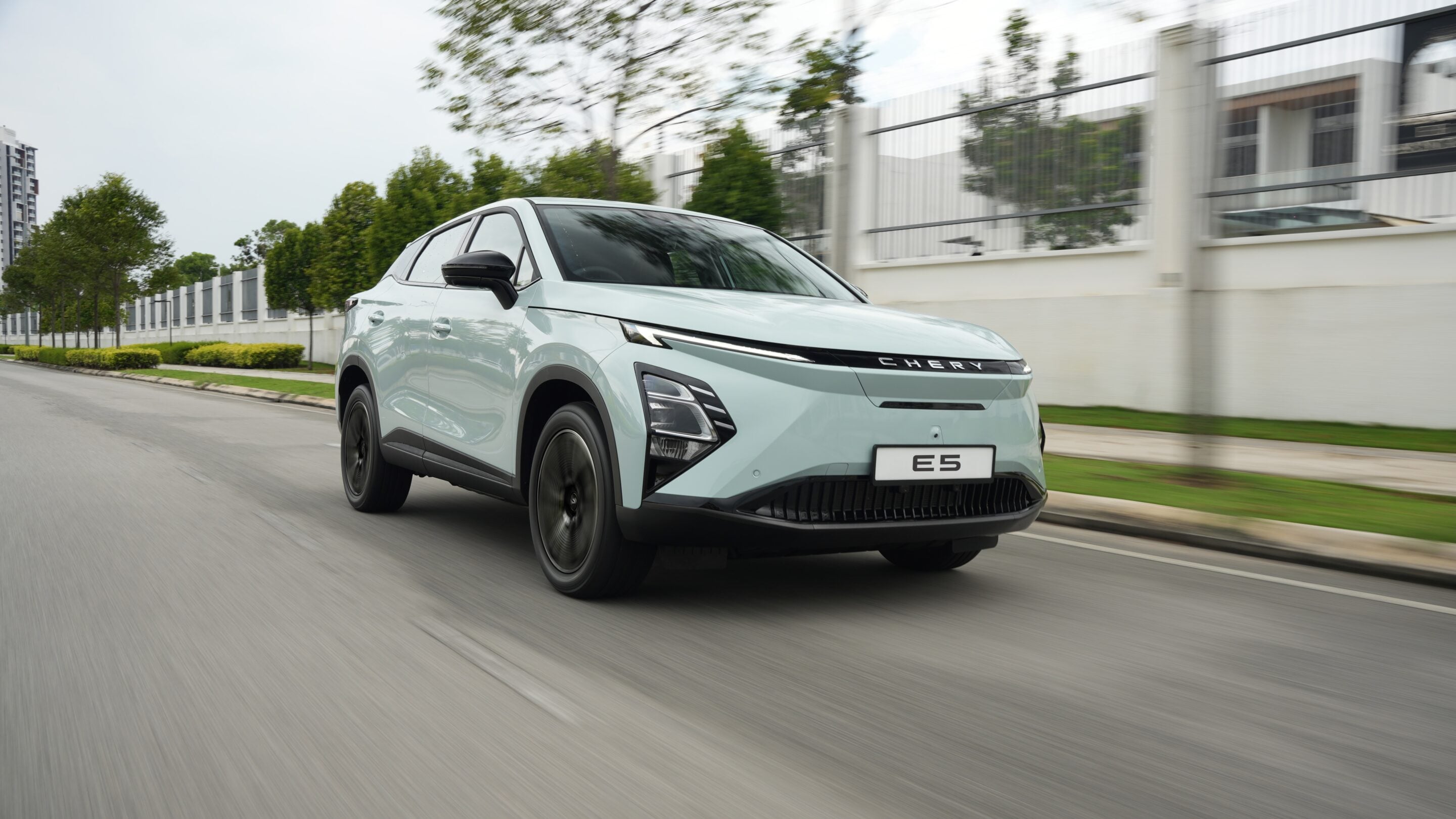
Formerly known as the Omoda E5 before Omoda became a separate brand in Australia, the Chery E5 is its smallest electric SUV in Australia and it’s a great option for those wanting an urban option for that type of vehicle. Its small dimensions make it easy to drive in traffic, its ride quality soaks up Australia’s poor quality roads with ease, and its ample grunt and instant torque makes darting through traffic easy.
Chery just rejigged the local E5 line-up and made the former top-spec Ultimate the only model available, but it’s now priced $3000 lower at $37,990 driveaway, making it great value for money.
Standard equipment is lengthy and includes a sunroof, synthetic leather upholstery, heated front and rear seats, dual 12.3-inch displays, wireless phone charging, a suite of safety features like adaptive cruise control and traffic jam plus – rarely for an electric vehicle – a full-size spare wheel.
Using a 58.9kWh LFP battery, the E5 offers a WLTP-rated range of 430km (505km on the more lenient NEDC cycle) and its battery can be charged at up to 130kW for a claimed 30 to 80 per cent charge time of 30 minutes. Powering the E5 is a front-mounted 155kW/288Nm electric motor with more than ample performance.
The interior of the E5 is attractive with its waterfall centre console and sharp dual 12.3-inch displays, while plenty of soft touch materials elevate the aesthetic. Front seat comfort is good, though extra driver’s seat adjustment like lumbar and under-thigh angle would make the driving position that much better. The E5 is spacious and four adults will fit fine, thanks to fine rear leg- and headroom, while the 300-litre boot is a good size (though its maximum capacity of 1079 litres isn’t huge). What’s more impressive is the aforementioned spare wheel, which most modern EVs don’t include.
Chery’s aftersales program is one of the best in the industry with a seven-year/unlimited km warranty covering the E5 and five years of servicing costs just $1145 or only $229 per year.
The Chery E5 is comfortable and drives well in urban conditions, where its suspension soaks up bumps well. Its quick, light steering makes tight streets easy to drive on. And while it could be more practical inside and its active safety systems are overzealous at higher speeds, it a solid value-for-money option.
Hyundai Inster
3
Price: From $39,000 plus on-road costs
Drivetrain: Front-mounted single-motor, FWD, 42kWh or 49kWh battery
Outputs: 71kW/142Nm (Standard Range) or 85kW147Nm (Extended Range)
Range (WLTP): 293km – 360km
Warranty: Seven-year/unlimited km
Five-year service cost: $1340 ($268 per year)
| Driving | |
| Interior | |
| Practicality | |
| Overall value | |
Strengths
- Cute and characterful inside and out
- Impressive packaging and practicality
- Good to drive with a tight chassis
Weaknesses
- Too expensive without special deals
- Only a four-seater (if that matters to you)
- Ride a bit firm
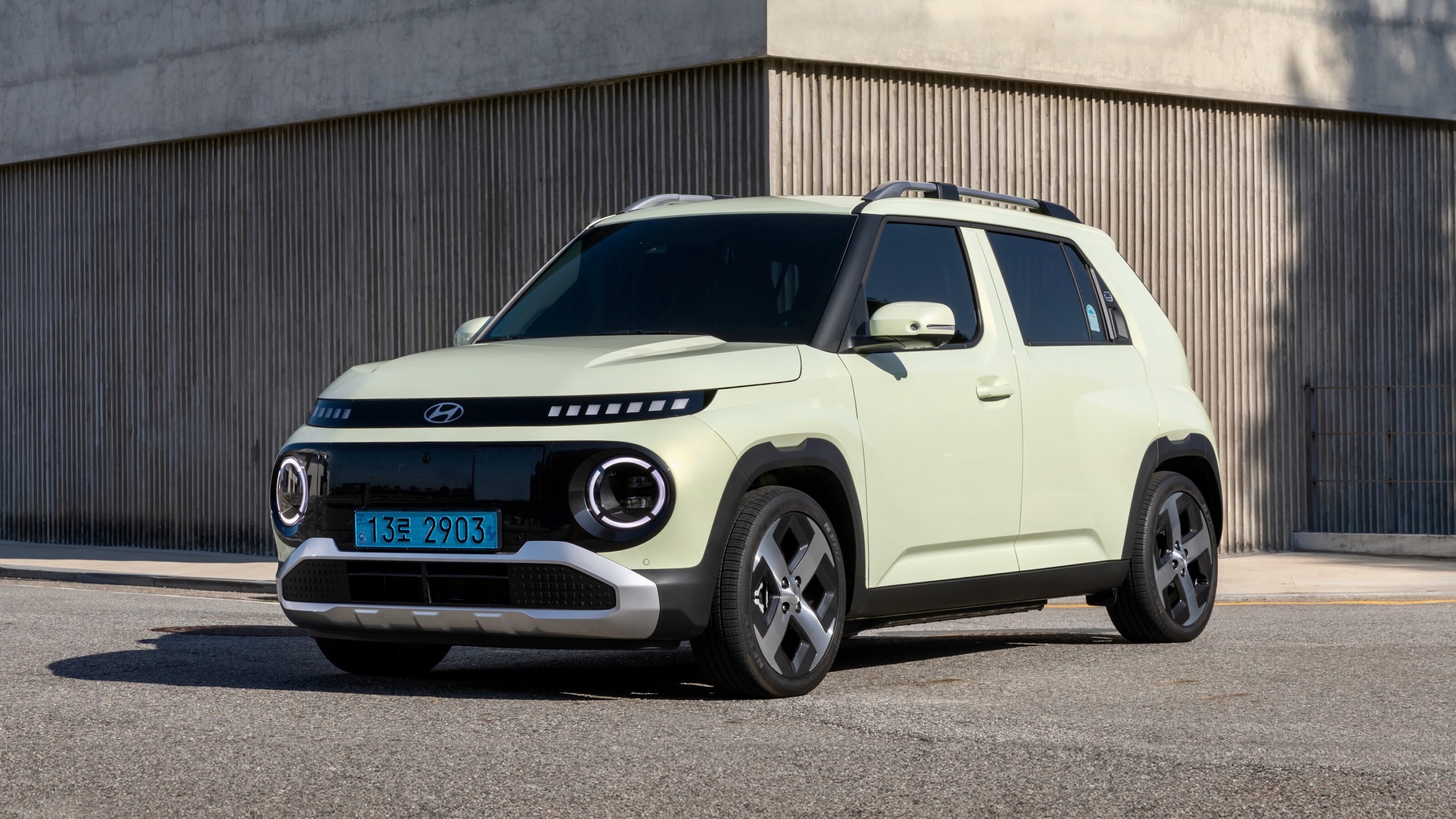
One of the cutest car releases of 2025 was the Hyundai Inster, which is the brand’s smallest electric SUV in Australia. Just look at it: those eyes, that funky boxy shape and cool details like a screwdriver pattern on the door panels. It’s clear that Hyundai let its designers let loose with the Inster and as a result, they created something really cool.
The Inster is actually based on the petrol-powered Casper sold in the South Korean market, but was extended in length to accommodate its battery and electric motor. It may be small from the outside, but it’s actually very well packaged.
There are two Inster models available in Australia: entry level and upper-spec and off-road themed Cross, with two battery sizes: a smaller 42kWh unit in the base model or a larger 49kWh version that’s available in both models. Prices start at $39,000 plus on-road costs for the entry-level model, and standard features include 15-inch alloy wheels, automatic LED exterior lighting with automatic wipers, keyless entry with push button start, automatic climate control, dual 10.25-inch screens and a lot of active safety features. But while it’s reasonably well equipped, it’s not cheap and top-spec models are priced at almost $50,000 once on-road costs are included.
The claimed WLTP range is between 293km and 360km, which wouldn’t be enough to tour Australia, but great for urban driving. A 71kW motor features with the smaller battery and a more powerful 85kW motor with the larger one, but even the lesser amount is more than enough grunt for city life. As with all EVs, it feels quicker in real life than its outputs suggest, and its darty chassis and tiny sizing make it perfect for urban driving. Having said that, its firm ride quality is less than ideal considering how bad our urban roads can be.
Inside the Inster is a surprisingly spacious for such a small car thanks to its excellent packaging. Strictly a four-seater, the Inster’s two rear seats slide and recline independently, opening up either rear seat space or the boot. Minimum space is a small 280 litres, though moving the seats forward expands that. With the rear seats folded, 1059 litres of space is on offer, which is huge for such a small car.
Hyundai covers the Inster with its five-year warranty, though that’s extended to seven years in total if serviced through a Hyundai dealership in that time. Five years of servicing costs $1340, or only $268 per year. Overall, the Hyundai Inster isn’t cheap and it is a bit firm to drive around town, but it is cool, very well packaged, practical, good to drive and did we mention it looks cool?
Toyota Yaris Cross
7
Price: From $31,790 plus on-road costs
Drivetrain: 1.5-litre three-cylinder hybrid, FWD or e-AWD
Outputs: 85kW
Combined fuel consumption: 3.8L/100km
Warranty: Five-year/unlimited km
Five-year service cost: $1250 ($250 per year)
| Driving | |
| Interior | |
| Practicality | |
| Overall value | |
Strengths
- Very fuel efficient in every model
- Good to drive with tidy handling and a comfortable ride
- Loaded with safety features across the range
Weaknesses
- Basic interior needs an update
- Tight back seat
- Could be more refined at speed
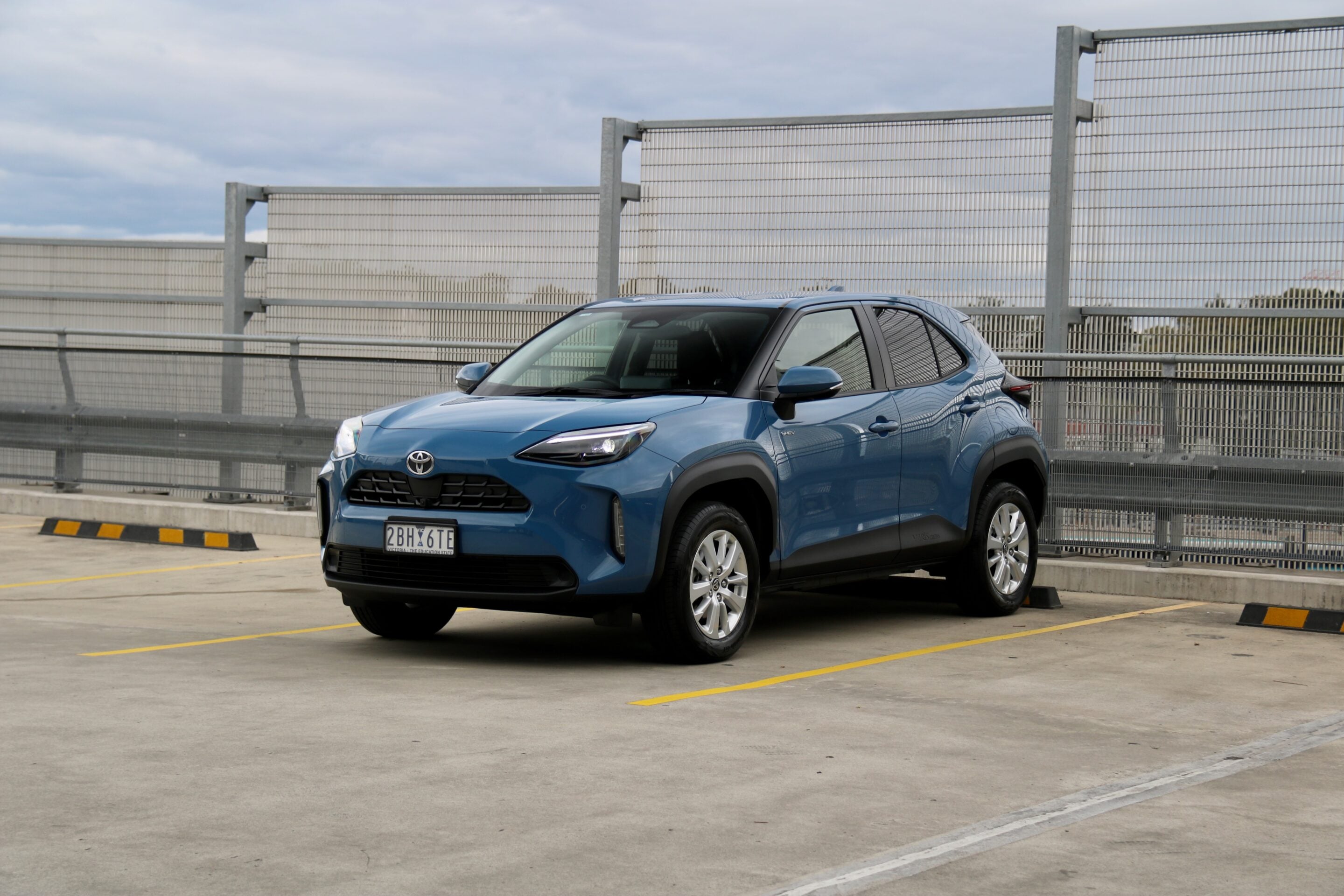
Toyota offers three small SUVs in Australia and the Yaris Cross is the smallest – and best option for urban driving – of them all. Pricing starts at $31,790 plus on-road costs and there are four models on offer: entry-level GX, mid-spec GXL, sporty-looking GR Sport and top-spec Urban. We’d pick the $34,790 +ORC GXL as it adds a number of useful features to the GX and includes features like automatic LED lighting, automatic climate control, keyless entry and push button start, rear privacy glass and safety kit like a 360-degree camera, eight airbags, adaptive cruise control and adaptive lane guidance.
All Yaris Cross models use a 1.5-litre three-cylinder hybrid drivetrain making a combined power output of 85kW, and while Toyota doesn’t quote an equivalent torque figure, it’s got more than enough shove for city driving as its electric motor pitches in from zero. When it comes to ride and handling, the Yaris Cross is excellent. Its small-ish 16-inch alloy wheels with plenty of sidewall provide a great ride quality, while its quick steering rack offers fun handling.
While there has been a huge increase in electric vehicle sales recently thanks to those wanting to lessen costs and ditch fuel altogether, the Yaris Cross makes a great case for buying a hybrid instead – it’s rated at just 3.8L/100km on the combined cycle and, being a hybrid, doesn’t need to be charged with a plug as braking and coasting instead tops up the battery. Importantly, unlike some cars, the Yaris Cross will easily do close to its fuel consumption claim.
Inside, the Yaris Cross is starting to feel a bit dated thanks to its basic materials, including plenty of hard plastics and blank buttons making you wonder what features Australia missed out on. A quick 8.0-inch touchscreen is standard with features like wireless smartphone mirroring and live services, and there are plenty of storage spaces in the front cabin, though rear seat room is tight for taller adults. The 390-litre boot is large, though reduces to 314 litres if equipped with the optional all-wheel drive system – we wouldn’t bother as the Yaris Cross is at home in the city.
Toyota covers the Yaris Cross with a five-year/unlimited km warranty, but servicing it at a Toyota dealer will extend the battery warranty up to 10 years, which is excellent coverage. Its service pricing is also cheap at $250 per year, though roadside assistance is an extra cost item. For city drivers, Yaris Cross is a winning urban small SUV thanks to its efficient hybrid drivetrain, nimble chassis, small size, good practicality and long list of features.
Smart #1
7
Price: From $54,900 plus on-road costs
Drivetrain: Front-mounted single-motor or dual-motor, RWD or AWD, 66kWh battery
Outputs: 200kW/343Nm or 315kW/543Nm
Range (WLTP): 400km – 440km
Warranty: Five-year/150,000km
Five-year service cost: $1998 – $2208 ($399 to $442 per year)
| Driving | |
| Interior | |
| Practicality | |
| Overall value | |
Strengths
- Recent model year change made it even better value
- Good range and performance
- Handsome styling
Weaknesses
- Overzealous active safety systems
- Ride and handling balance could use improvement
- Boot could be larger
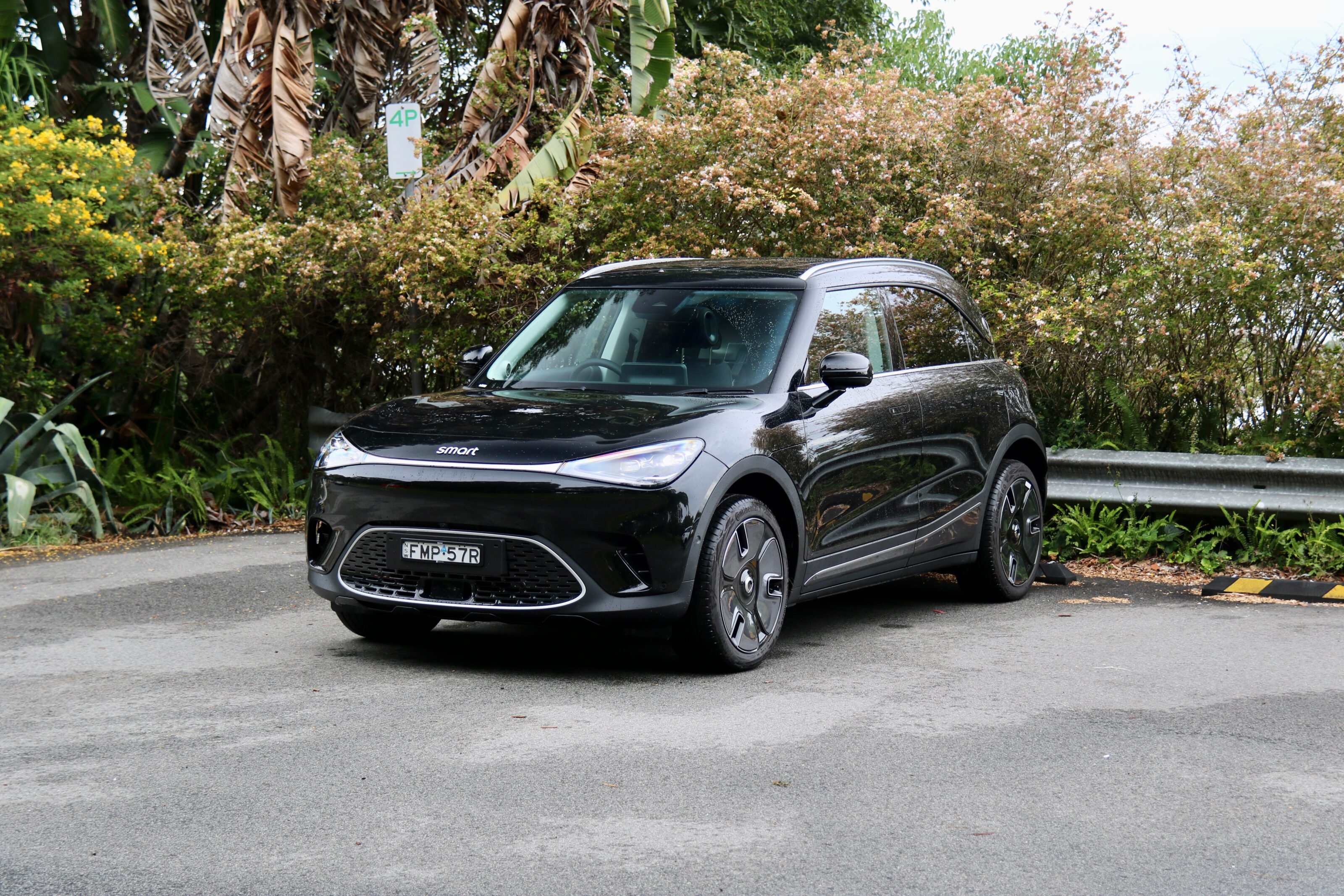
Famous for its tiny city cars from the late 1990s (2003 in Australia), now-part-Chinese-owned brand Smart returned to local shores in 2024 with two models: the #1 and #3 (yes, the hashtag is part of the name). Both are electric small SUVs and in the urban section, we’re focusing on the smaller #1. It uses the same platform as the Volvo EX30, and also uses the same 66kWh battery for a claimed WLTP range of up to 440km.
Pricing starts at $54,900 plus on-road costs, and three models are offered: the entry-level Pro+, mid-spec Premium and top-spec Brabus (yes, as in Brabus the famous tuner). All three are quite well equipped, with 19-inch alloy wheels, LED lighting, a panoramic glass roof, an electric tailgate, heated electric front seats, synthetic leather trim and a 12.8-inch touchscreen with live services.
The Premium adds real leather trim and a Beats sound system, while the Brabus adds sportier exterior and interior styling and an extra motor at the front for 315kW of total power.
On the road, the Smart #1 drives really well and is at home in urban conditions. Thanks to its funky tallboy body with big windows and mirrors, visibility is excellent, and its quick steering and small position on the road makes it easy to drive. Yet even the base Pro+ is surprisingly powerful making 200kW, which is enough grunt to see it hit 100km/h in 6.7 seconds.
The #1’s cabin is modern, good quality and practical. The 12.8-inch touchscreen is a bit confusing to use at first – activating the live services helps unlock its full functionality, thanks to its menu structure – but screen quality is sharp and the fox gives it character compared to more austere rivals. Material quality is good, with synthetic leather trim around, while thanks again to the tallboy body, rear headroom is awesome. The 313-litre boot isn’t huge, however, but the second layer below the floor unlocks an extra 70 litres of space.
Addressing past criticism, Smart has reduced the servicing costs for the #1 and it now costs between $1998 and $2208 to service over the first five years/100,000km – a reduction of up to $912, and far more competitive. A five-year/150,000km remains, and still looks a bit short in the industry. But overall, the Smart #1 is a great choice for an urban small SUV thanks to its small size, fun to drive nature, good interior quality and long list of standard features.
Kia Stonic
5
Price: From $28,180 driveaway
Drivetrain: 1.0-litre three-cylinder turbocharged mild-hybrid, seven-speed dual-clutch, FWD
Outputs: 88kW/172Nm
Combined fuel consumption: 5.0L/100km
Warranty: Seven-year/unlimited km
Five-year service cost: $2464 ($493 per year)
| Driving | |
| Interior | |
| Practicality | |
| Overall value | |
Strengths
- Recent facelift made it far more modern and appealing
- Newly mild-hybrid drivetrain punchy enough and efficient
- All models are well equipped
Weaknesses
- Quite expensive to service
- More performance would be great to match the chassis
- Only the base S has wireless smartphone mirroring
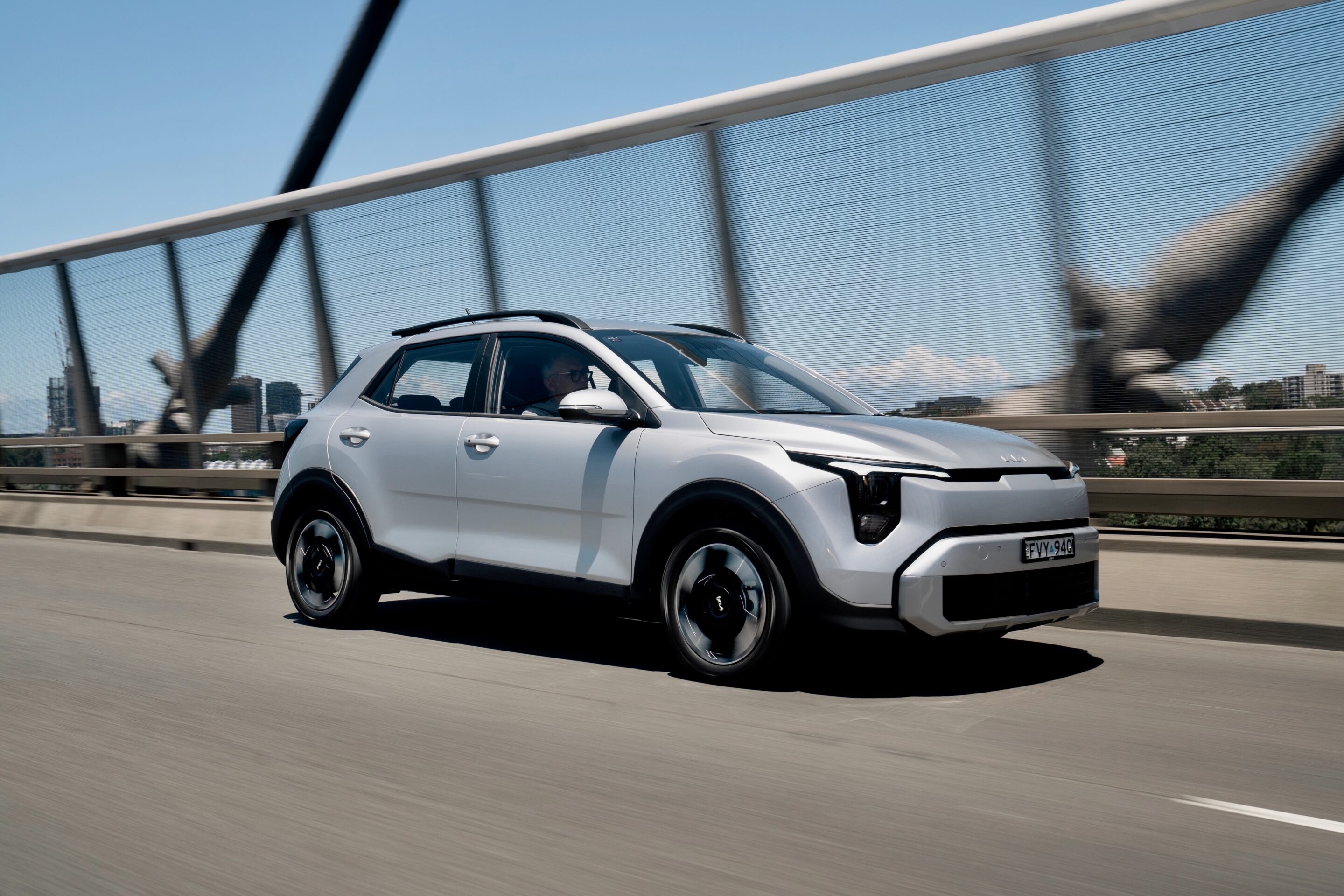
Having received a big mid-life in late 2025, the Kia Stonic is now a far more serious option in the small SUV segment. Pricing starts at $28,190 plus on-road costs, which is a lot more expensive than it used to be before it was facelifted, but with new styling and a new dashboard, a new mild-hybrid drivetrain and more standard equipment across the range, we think the price rise is worth it.
Three models are offered in the Australian Stonic range: entry-level S, mid-spec Sport and top-spec GT-Line, and all three are well equipped. The S offers a 16-inch wheels, automatic lighting, an 8.0-inch touchscreen with wireless smartphone mirroring, keyless entry with push button start and important safety features like autonomous emergency assist and adaptive lane guidance.
The Sport adds larger 17-inch wheels, a 12.3-inch touchscreen (which oddly reverts to wired smartphone mirroring), automatic climate control and live services, with the top-spec GT-Line adding a sunroof, LED headlights, a wireless phone charger, heated front seats and a heated steering wheel. Driveaway, you’re looking at over $38,000 for the GT-Line, but we think it’s good value for money.
The only drivetrain available on the Australian Stonic range is a 1.0-litre turbocharged three-cylinder petrol engine with new mild-hybrid assistance, making 88kW/172Nm outputs and mated to a seven-speed dual-clutch transmission as standard. It’s more refined and quicker than the former 1.4-litre naturally aspirated engine that used to feature in S and Sport variants of the Stonic, and it’s far more fuel efficient too, rated at 5.0L/100km. Like all new Kia models, the Stonic features a unique suspension and steering tune for Australian roads which is noticeable as it handles and rides very well. Around town, its visibility is excellent and it’s quite darty, too.
Inside, the Stonic’s mid-life update brought a new dashboard that follows more expensive Kia models, more storage thanks to a new centre console layout, upgraded materials and more modern displays. The rear seat and boot didn’t change much – aside from removing the former spare wheel and adding a new boot floor so that there’s a seamless connection to the rear seat base – but it’s still a roomy and practical small SUV.
The Stonic is covered by Kia’s seven-year/unlimited km warranty, with five years of servicing priced at an expensive $2464 and with short 10,000km service intervals. Aside from that, the updated Kia Stonic is a really solid choice for a small SUV as it’s well equipped, practical, drives well and is good value for money.
Best Small SUVs in Australia
Looking to get into a brand-new small SUV? Our stories below will guide you to the model that best suits your needs:
Follow WhichCar/Wheels on Google
Click the button below to make WhichCar by Wheels a preferred source for your news.

We recommend
-
 Best Small SUVs
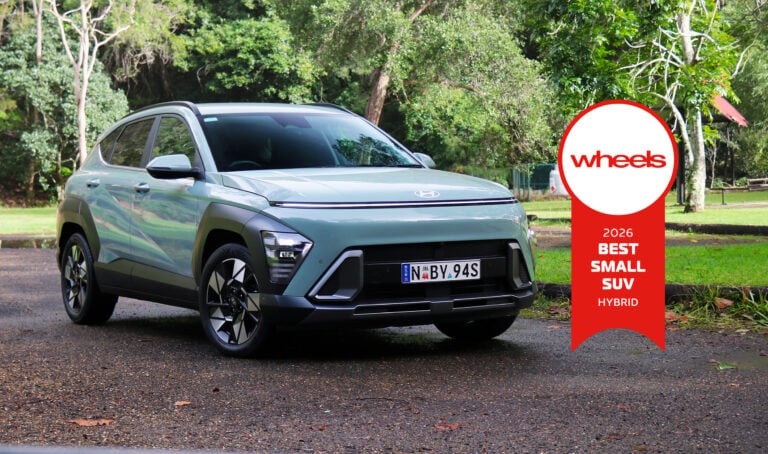
Best Small SUVs 2026: Hybrid
Hybrid small SUVs are drawing more attention from Australian new car buyers through a combination of improved efficiency, lower running costs and greater flexibility for everyday driving.
-
 Best Small SUVs
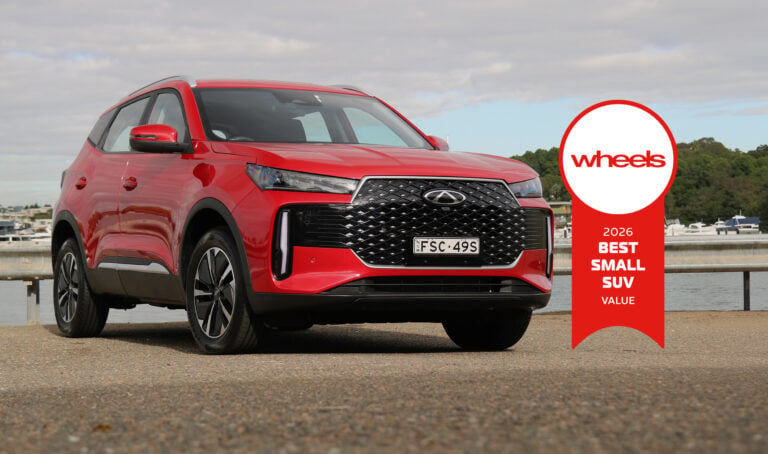
Best Small SUVs 2026: Value
From sharp pricing to strong warranties and generous standard features, these small SUVs deliver real-world value beyond the sticker price in 2026’s competitive market.