News
Gallery 1
Ford has filed a patent with the US Patent Office, that could spell the end of car park mishaps.
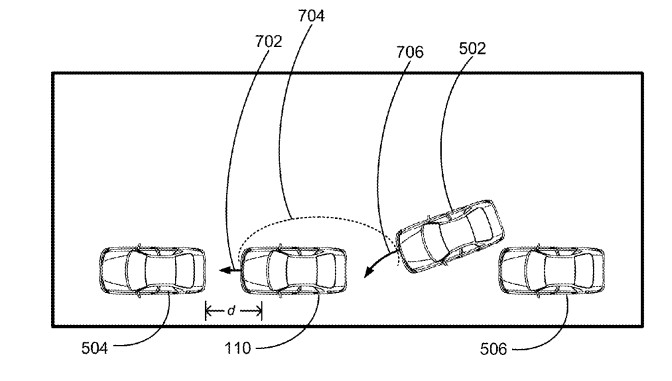
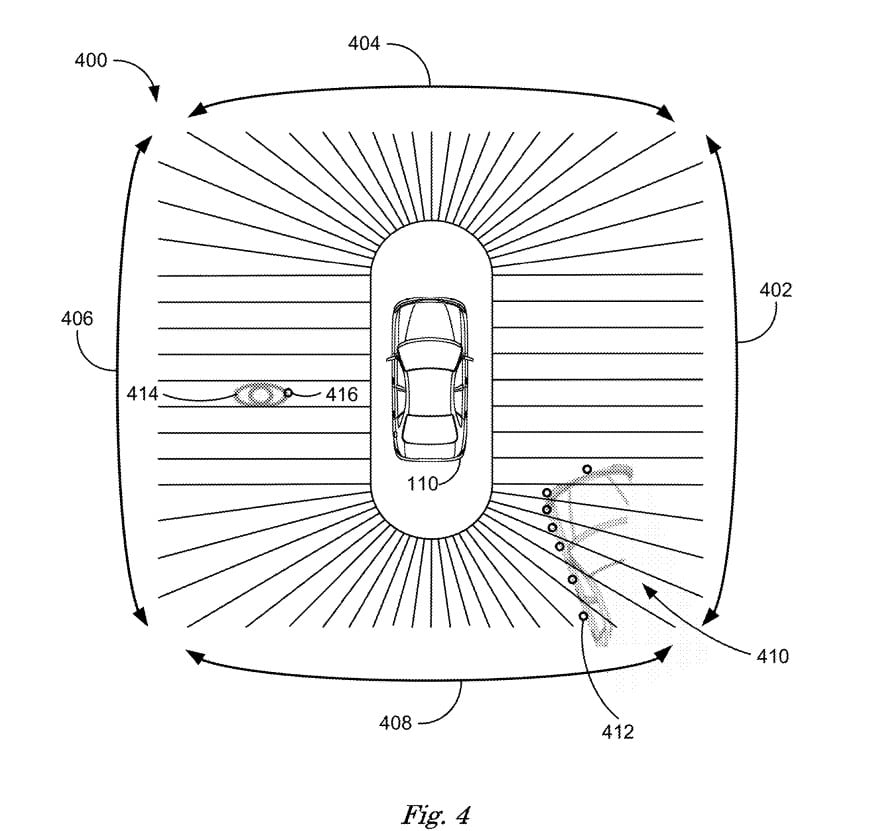
The patent filing describes a system capable of monitoring the area around a parked vehicle and detecting potential impacts from moving objects. Anything determined to be on a collision course with the vehicle could result in the car moving itself out of harm’s way.
As is the case with most patent filings, the system described may not be just around the corner for a production debut, but highlights an intellectual property Ford feels strongly enough about to protect.
The description text describes the system as suitable for vehicles, robots, and drones, suggesting Ford has applications beyond traditional cars in mind. With a nearby moving object detected, the sensor system can determine the speed, direction of travel, and likelihood of an impact.
1
If things aren’t looking good for your parked-up pride and joy, a warning via indicators, horn, or an external speaker will attempt to signal that an impact is about to occur. Obviously, this isn’t going to work in every situation.
If no change in velocity or direction is detected, the vehicle can then take it upon itself to move out of the way if it can. Using its surrounding sensor array, the operation would see the car monitor for other external hazards and position itself in such a way that it avoids impact.
If no escape route is possible, a recording of the impact can be used to back up your insurance claim. All the while, a companion app can alert you to what’s going on.
The 19-page filing was first lodged with the US Patent and Trademark Office in late 2023, but has only been published as of May 2026.
2
As with other emerging autonomous technologies, the implementation of a system that can move a vehicle without user input opens a can of worms regarding regulations and liability, the legal framework for which may only be put in place after systems are implemented.
For now, the patent only hints at a potential upcoming technology, not an assured one. A future free from trolley scrapes and low-speed parking dings certainly sounds like something worth developing.
Follow WhichCar/Wheels on Google
Click the button below to make WhichCar by Wheels a preferred source for your news.

We recommend
-
 News
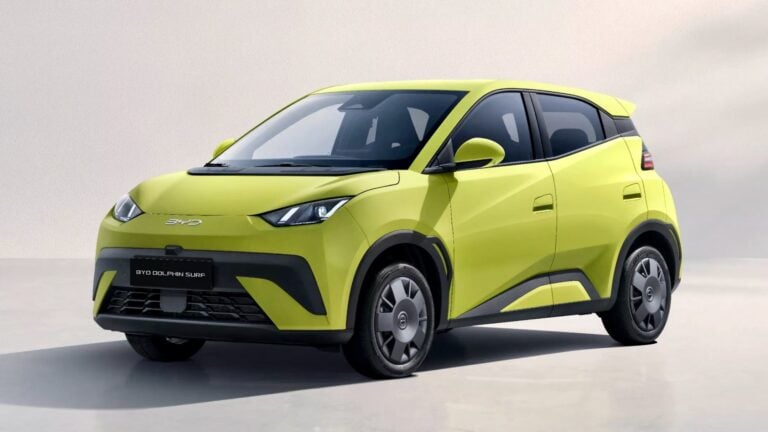
NewsBYD to update autonomous parking feature – and accept full responsibility if it fails
In China BYD has revealed a major update to its 'God's Eye' autonomous parking technology – and made a bigger announcement about what happens if it causes an accident.
-
 News
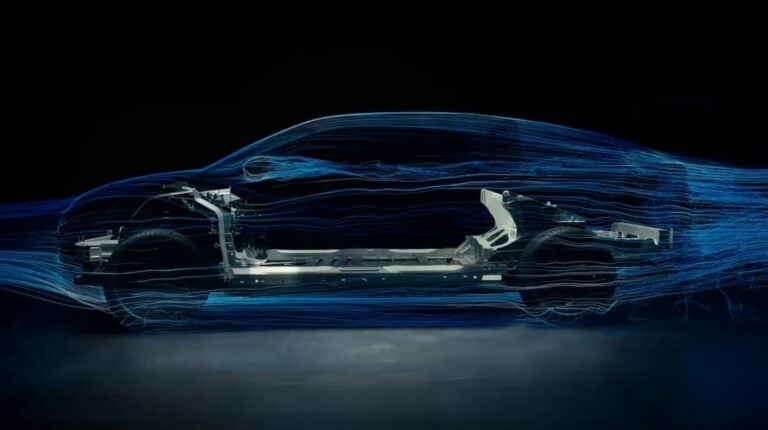
NewsFord reveals more of its plan for low-cost electric ute
US giant targets sub-$50,000 EV pick-up using lighter batteries, megacasting and new production methods.