Features
Gallery 1
The latest list of cars that will cease production in 2026 comes as a hard read for anyone passionate about driving thrills.
Some of the cars on this list still carry ‘safe for now’ status in Australia, but for Europe, the news is much more dire, as this latest list compiled by Motor1 Germany reveals. Be it overall vehicle age, lack of demand, or a failure to meet stricter emissions regulations, here are the key vehicles being pulled from the European market in 2026.
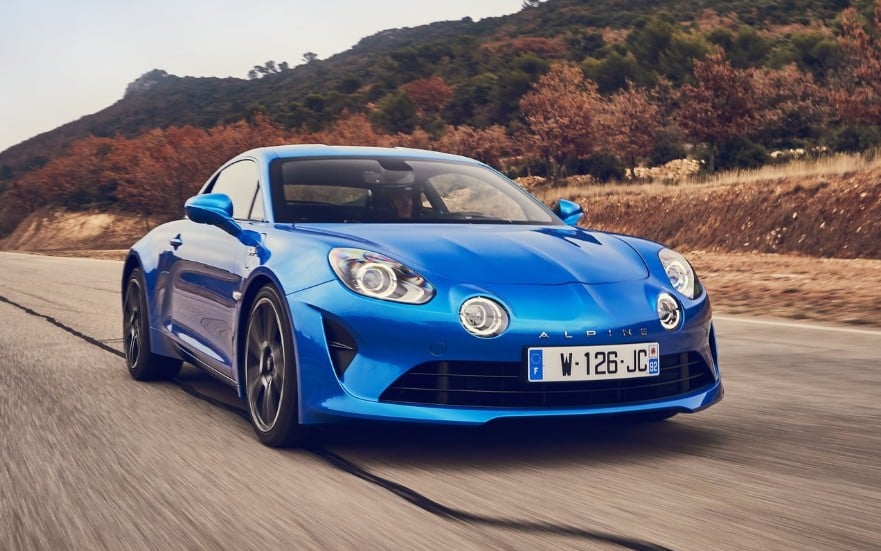
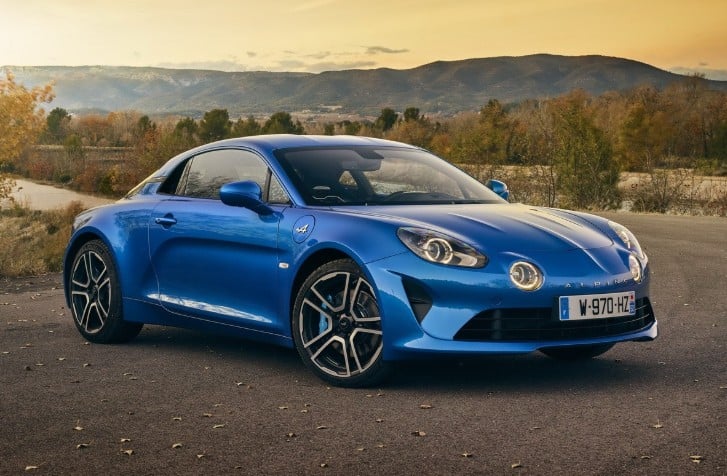
Alpine A110
1
Restrictive side impact crash regulations meant Australian deliveries of the lightweight Alpine A110 sports car ceased in 2021, but its low-volume status means it was always an exciting rarity on local roads.
Alpine’s next model is an electric four-door crossover, although the brand promises it retains sports car DNA. As for the mid-engined A110, a successor is on the way, but Alpine has yet to reveal exactly what form it will take.
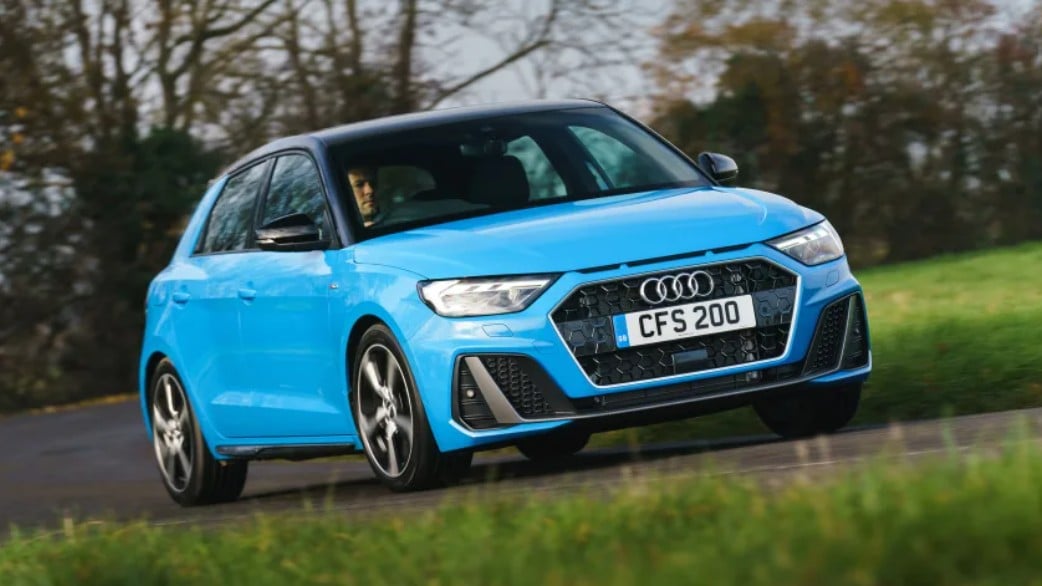
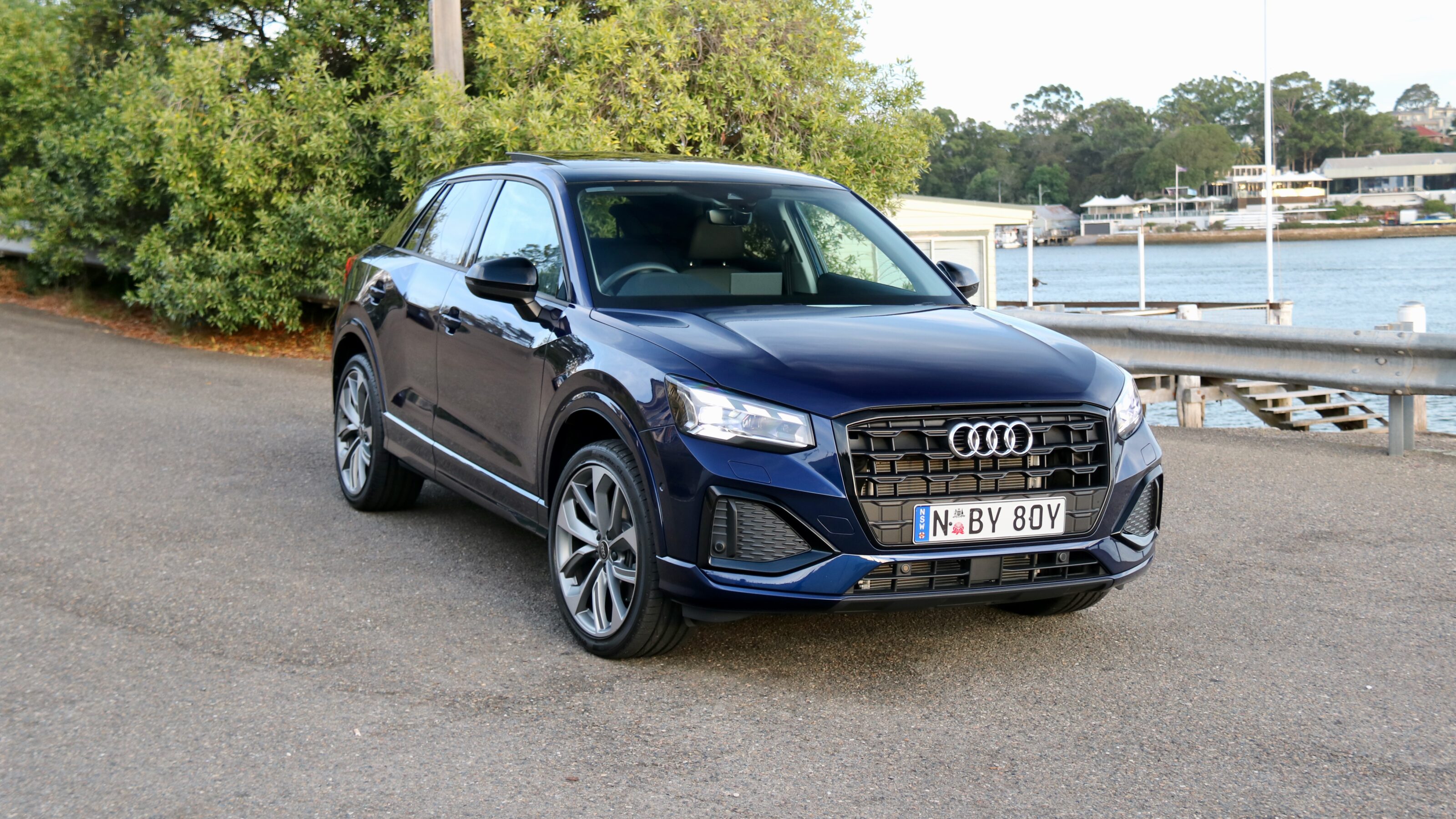
Audi A1 and Q2
1
1
As previously reported, Audi’s two most compact models are not getting renewed in 2026 and will instead cease production. While the more pedestrian models may not be worth shedding a tear over, the striking small car design of the A1 and spicy SQ2 SUV will be missed.
Audi isn’t retreating from the compact space entirely, with the A2 nameplate set to be revived in Europe, this time on a compact electric vehicle that will offer city-friendly dimensions with the space and practicality of a mini-MPV.
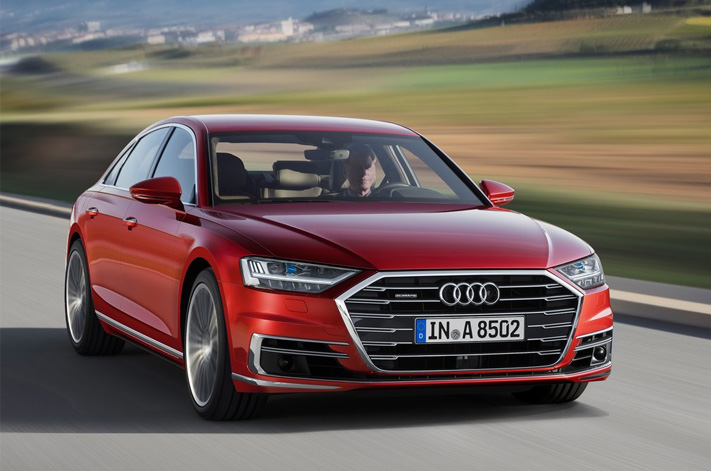
Audi A8
1
At the complete opposite end of its line-up, Audi is also pulling the pin on its A8 luxury sedan.
The flagship rival to cars like the BMW 7 Series and Mercedes-Benz S-Class, both of which have been recently updated, won’t get further updates in Europe. Orders are already closed, and remaining stock will slowly filter out.
Taking its place at the top of the Audi range, a new Q9 SUV, with a larger three-row SUV form factor, is set to debut soon.
BMW Z4

1
The BMW Z-car legacy reaches back as far as 1989, when the compact and lightweight Z1 was first introduced, followed by the more traditional Z3 roadster in 1995.
After three generations of Z4, and having outlived rivals like the Mercedes-Benz SLK and Audi TT, BMW is calling an end to its open-top sports car legacy. No replacement is expected for the Z4, leaving the current 4 Series as the last convertible in BMW showrooms.
Ford Kuga
1
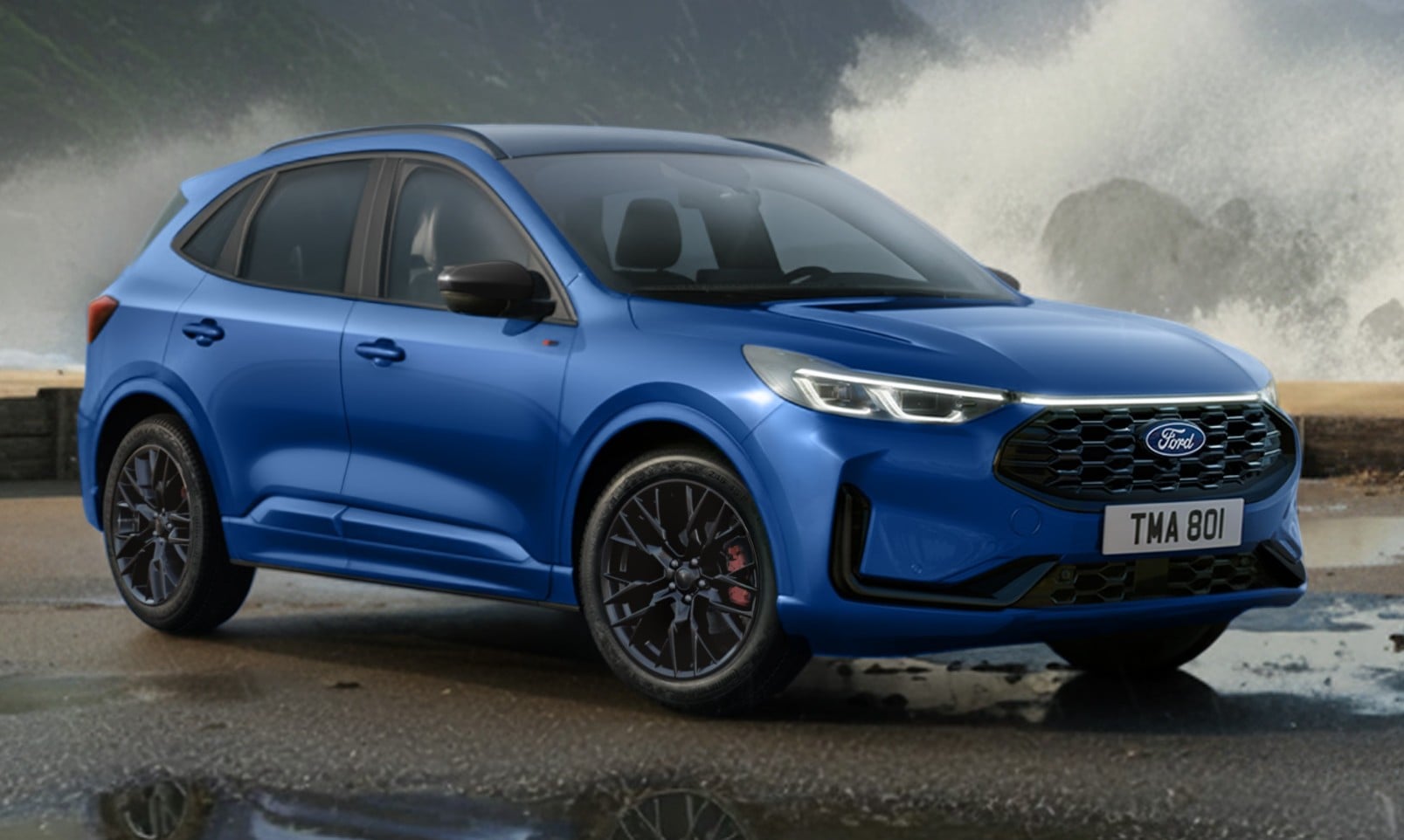
Perhaps not as highly valued by the enthusiast community, but the Ford Kuga (last sold in Australia as the Ford Escape) is a big-volume player to dip out of the European market in 2026.
American production has ceased, and European production looks set to follow suit. A successor has not yet been named, but for Europe, at least, Ford has the slightly smaller Volkswagen-based Explorer EV to maintain a presence in the market.
Honda Civic Type R
1
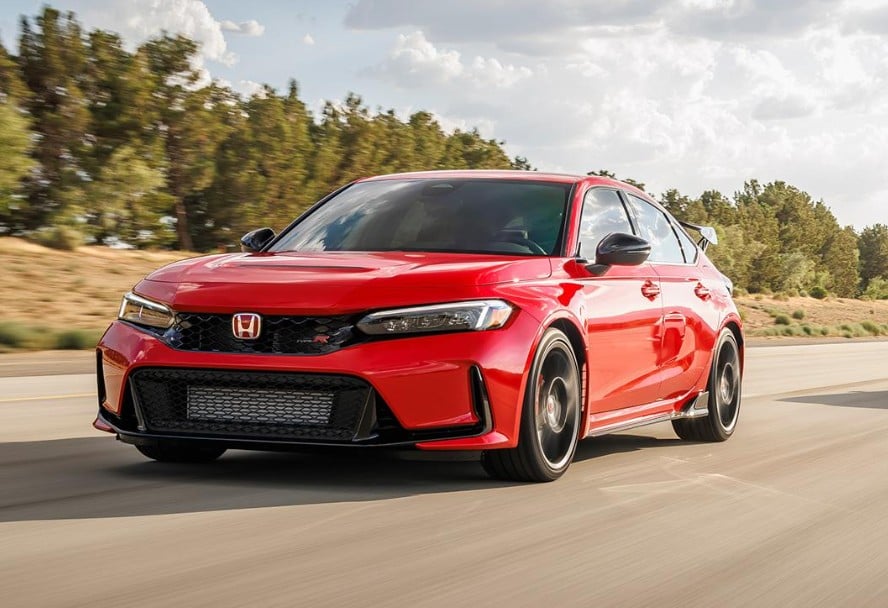
Australian buyers can rest easy for a while; the Honda Civic Type R hot hatch will remain on sale in markets outside of Europe for a little longer.
The benchmark front-wheel-drive hot-hatch won’t live on in Europe, however, where high prices and a lack of emissions-reducing technology have meant an end to the model’s run. A final 40-car Ultimate Edition launched in 2025 to commemorate its end.
Jaguar F-Pace
1
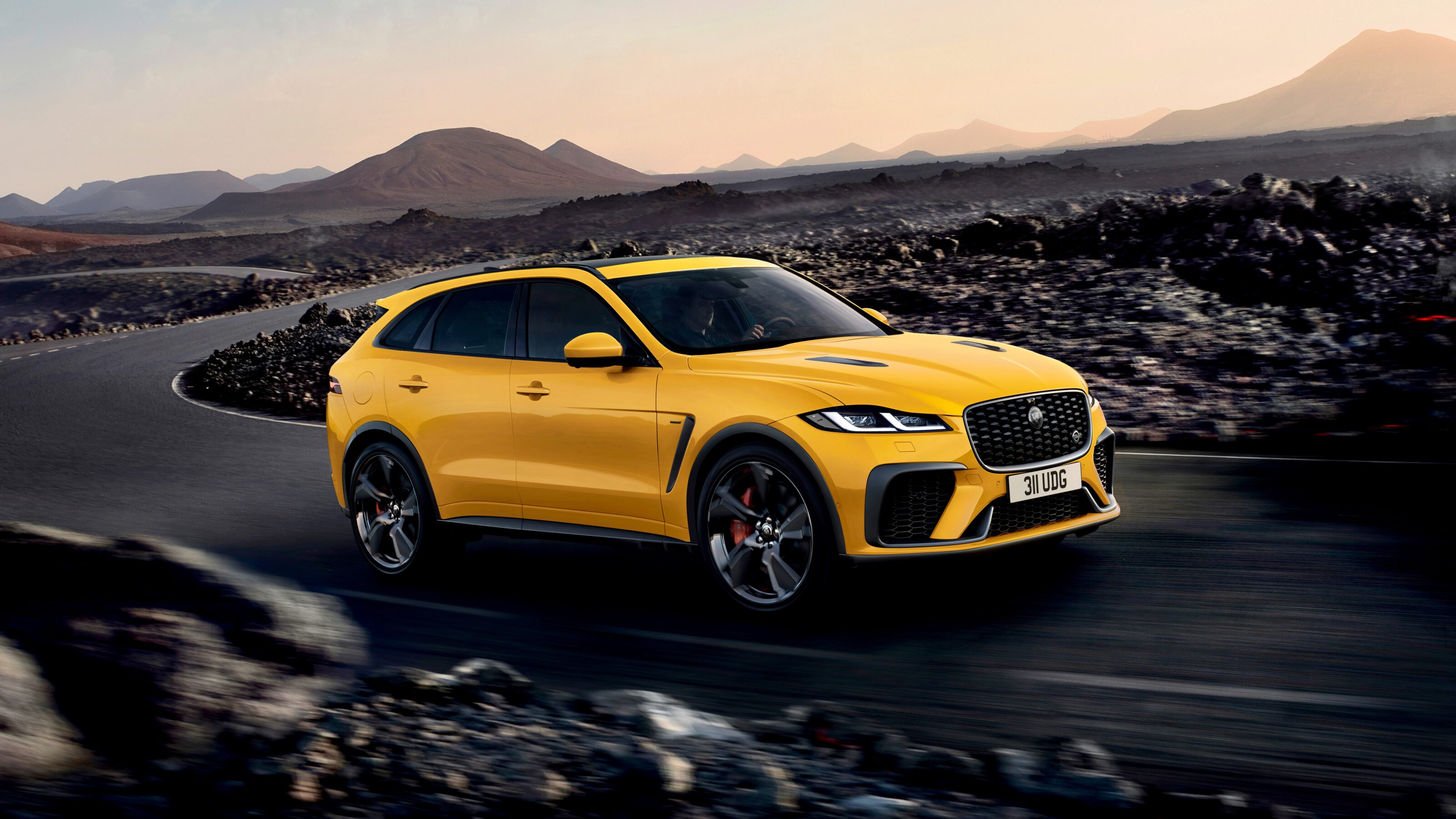
A new all-electric direction for Jaguar saw the brand halt all its then-current models in 2025, with the F-Pace SUV the last to go.
European stock is now all but gone, and the situation is the same in Australia. As a farewell, the F-Pace SVR 575 Ultimate Edition gave Jaguar’s SUV the supercharged V8 send-off it deserved.
Mazda MX-30 R-EV
1
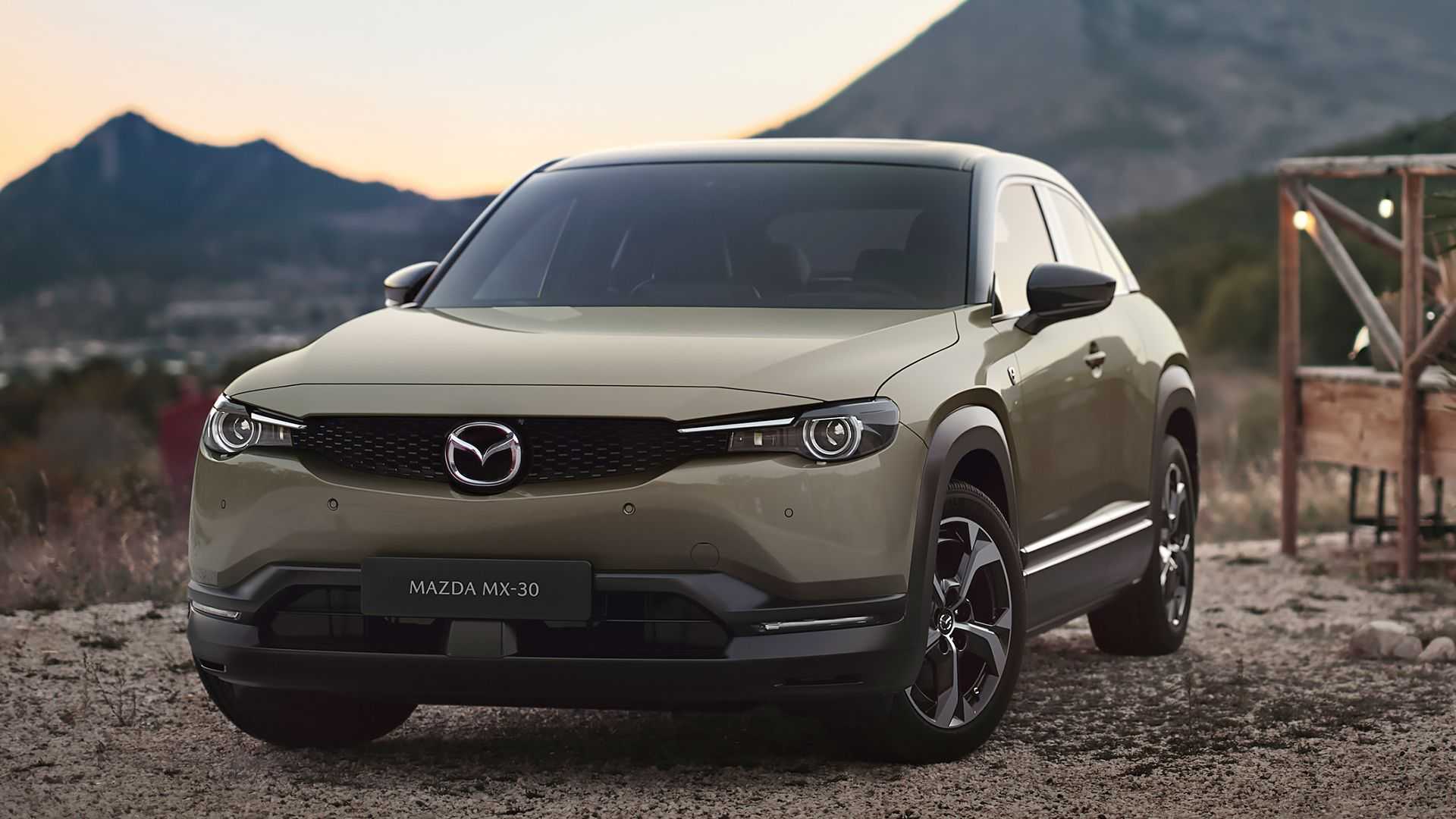
Few Australians have probably given the unusual Mazda MX-30 much thought, but after its discontinuation in Australia in 2023, the rotary-powered range-extender version of the MX-30 has met its end in Europe.
While its EV driving range and moderate motor outputs were far from headline acts, the low weight and concentrated effort on keeping Mazda’s Zoom-Zoom DNA intact made the MX-30 one of the most fun to drive EVs you can get your hands on.
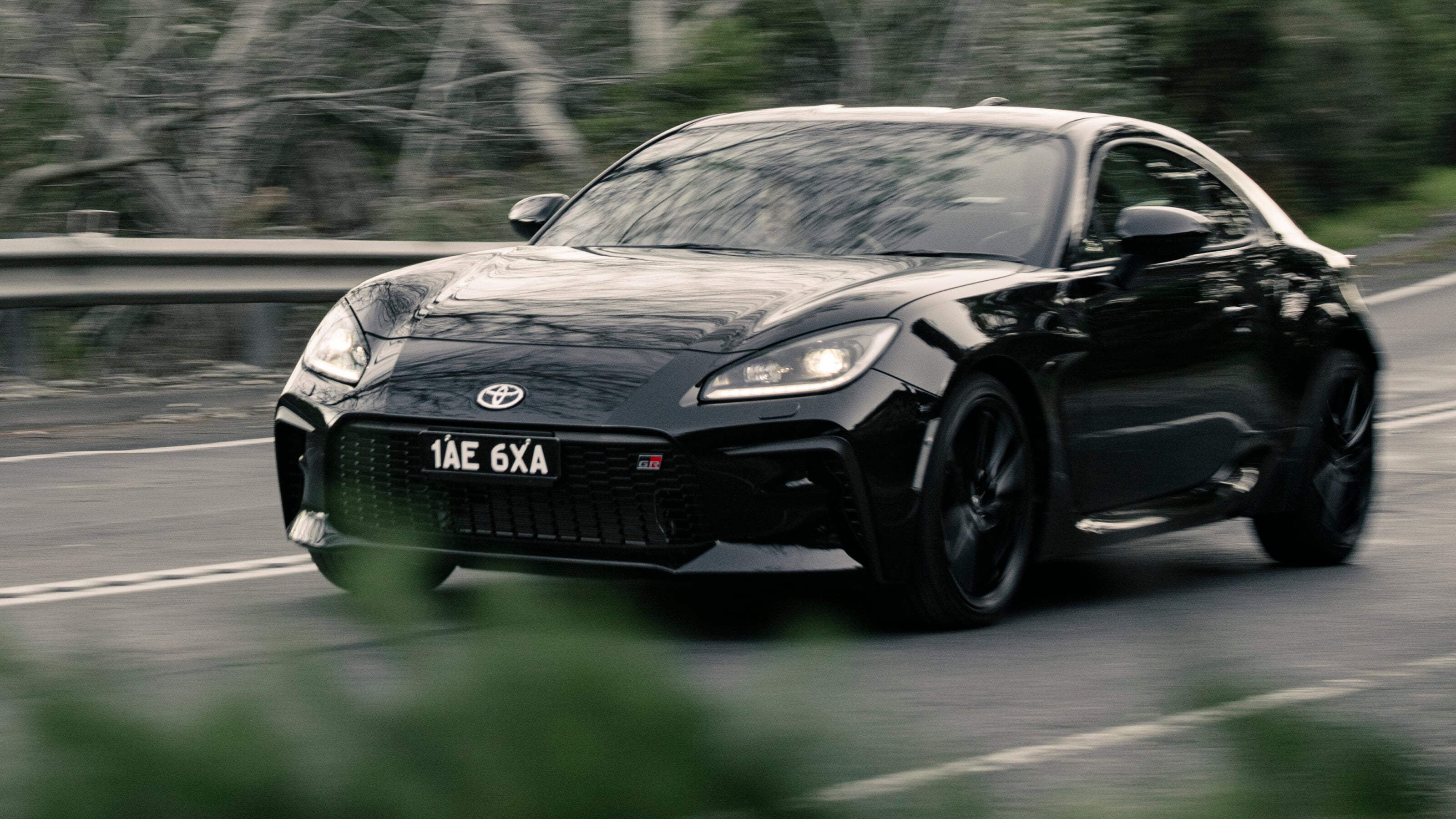
Toyota GR86
1
Another worrying inclusion on the list is the Toyota GR86 coupe, but Australian supply remains safe for now.
The GR86, like the Civic Type R, doesn’t have any hybrid assistance or other emissions-reducing tricks up its sleeve to keep it alive. The result is a driving experience that’s much more pure.
It’s possible, however, that a reborn Celica could take the GR86’s place with a new turbocharged two-door – one of the worst-kept secrets in Toyota’s future plans.
Follow WhichCar/Wheels on Google
Click the button below to make WhichCar by Wheels a preferred source for your news.

We recommend
-
 Features
Rest in peace: The cars we lost in 2025
There was a big influx of new brands and new models on the Australian new car market in 2025... but there were also some high-profile casualties.
-
 News
NewsNine iconic car models ending production in 2025 amid industry shift
Regulations and the trend towards hybrids and electrification will see at least nine iconic marques stop production in 2025, some with decades of customer loyalty.