News
Gallery 1
Ford is introducing daily engine inspections and artificial intelligence monitoring across its manufacturing operations as the carmaker attempts to address an escalating quality and recall problem.
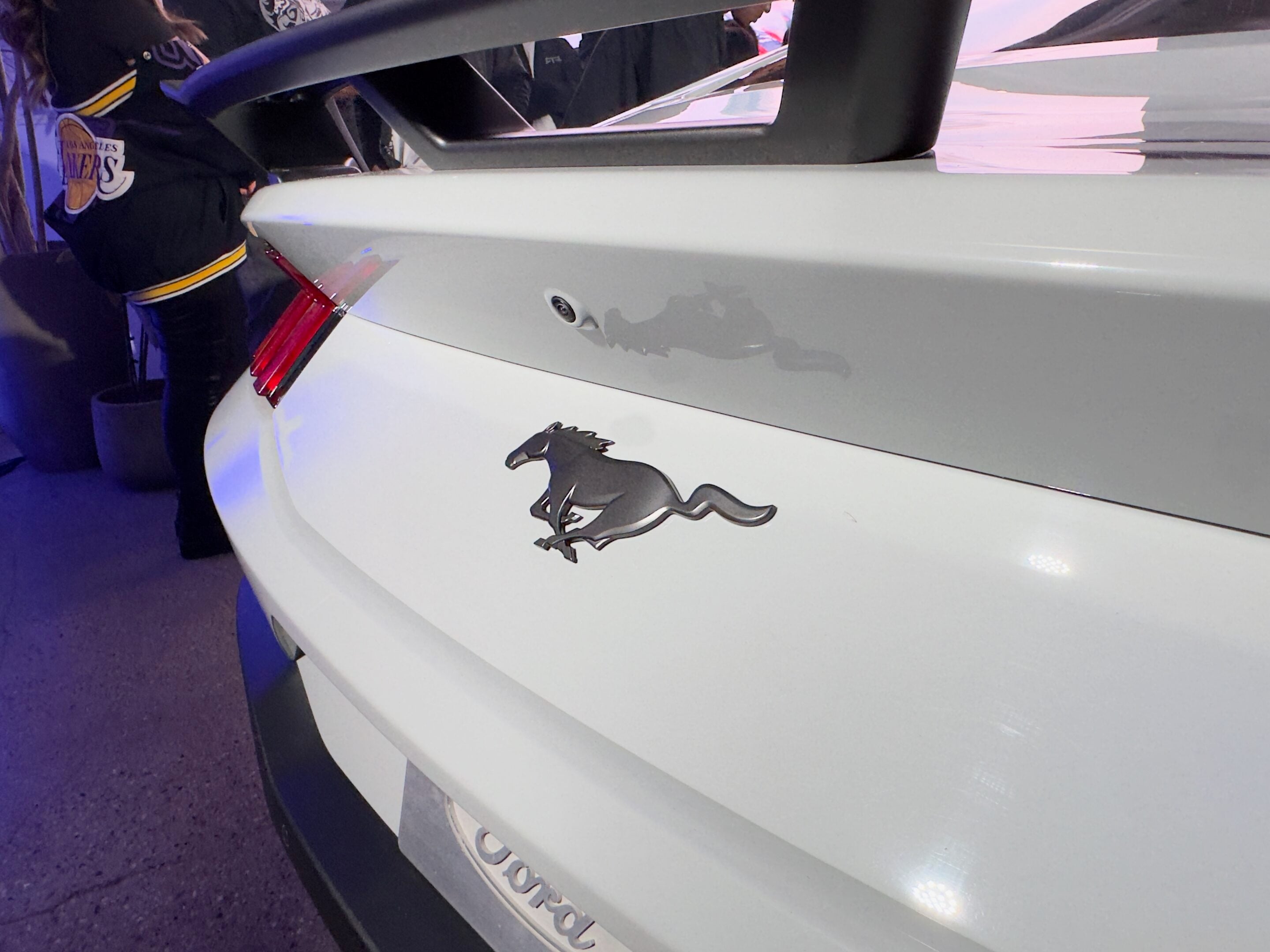
According to reporting by Road & Track, Ford has dramatically increased scrutiny of engines produced at its Essex Engine Plant in Canada, where the company builds the 5.0-litre Coyote V8 used in the Mustang and F-150, along with the 6.7-litre and 7.3-litre V8 engines fitted to Super Duty trucks.
The move comes after Ford recorded an industry-leading 153 recalls in 2025, affecting almost 13 million vehicles. That figure dwarfed rival Stellantis, which issued 53 recalls covering approximately 2.7 million vehicles during the same period.
1
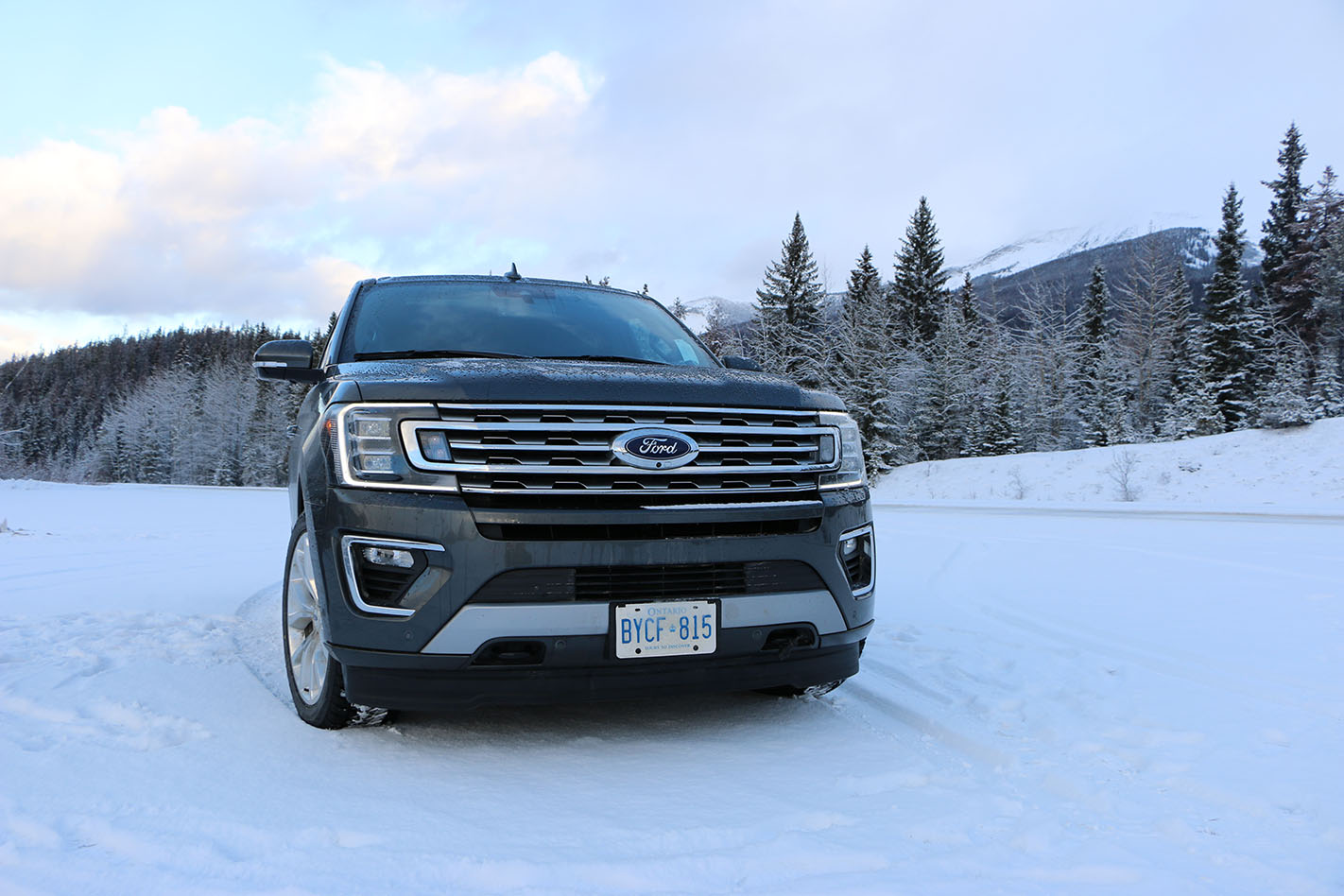
The recall headlines have continued into 2026. Last week alone, Ford announced a recall affecting 548,463 Expedition SUVs in the United States after chrome trim on the centre console was found to bubble, peel and potentially create sharp edges capable of injuring occupants. The company is aware of dozens of reported injuries linked to the issue, which affects 2018-2024 model-year vehicles.
Road & Track reports that Ford has abandoned its previous practice of conducting detailed engine tear-down inspections every few months, instead removing and dismantling an engine from the production line every day.
Plant manager Neil Wilson said the process has shifted from being a reactive measure to a proactive quality-control tool designed to identify problems before vehicles reach customers.
The company has also introduced AI-based monitoring systems that analyse production data and identify patterns that could signal potential faults, even when components remain within manufacturing tolerances.
1
Rather than selecting engines at random, Ford now uses the technology to flag specific engines for deeper investigation. Engineers then focus their inspections on areas identified by the system as possible sources of future problems.
The strategy was reportedly inspired by Ford’s Valencia engine plant in Spain, which the company identified as one of its best-performing facilities for quality control.
Ford claims the approach is already producing results. Internal warranty metrics tracking vehicles at various stages of ownership have shown declining fault trends since the program was introduced, according to the outlet.
The company has acknowledged its recall issues publicly, but argues many recent recalls relate to older vehicle programs rather than current production.
Ford remains under regulatory scrutiny in the United States, where repeated software, electrical and manufacturing-related recalls have raised questions about quality control processes. While executives concede the recall numbers won’t fall overnight, the company believes greater use of predictive analytics and more intensive inspections will help reduce future defects and improve long-term reliability.
Follow WhichCar/Wheels on Google
Click the button below to make WhichCar by Wheels a preferred source for your news.


We recommend
-
 Reviews
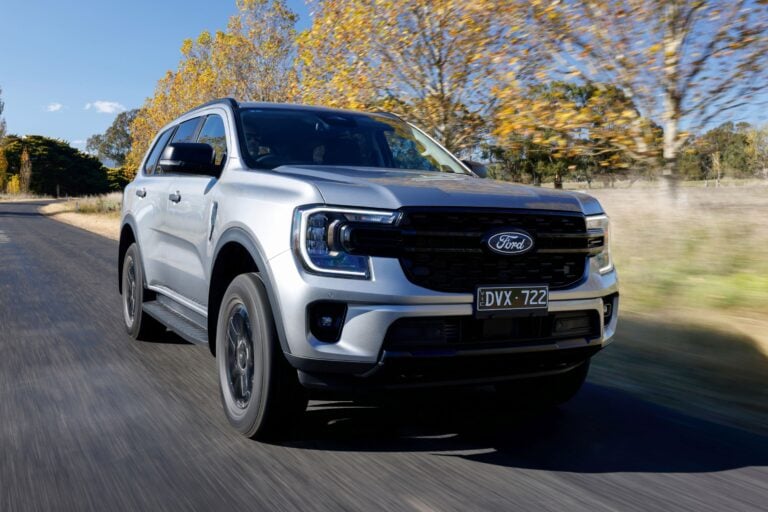
2026 Ford Everest first drive: Updated city SUV you can still take for a bush bash
You won’t pick it from the outside, but the top-selling Ford Everest has been tweaked for its mid-life upgrade, with the headline changes seen under the skin.
-
 News
NewsFord Mustang sedan just took a huge step towards production
Rumours of a four-door Ford Mustang heated up as a company exec hinted at a future for a more family-friendly version of Ford’s pony car.
-
 News
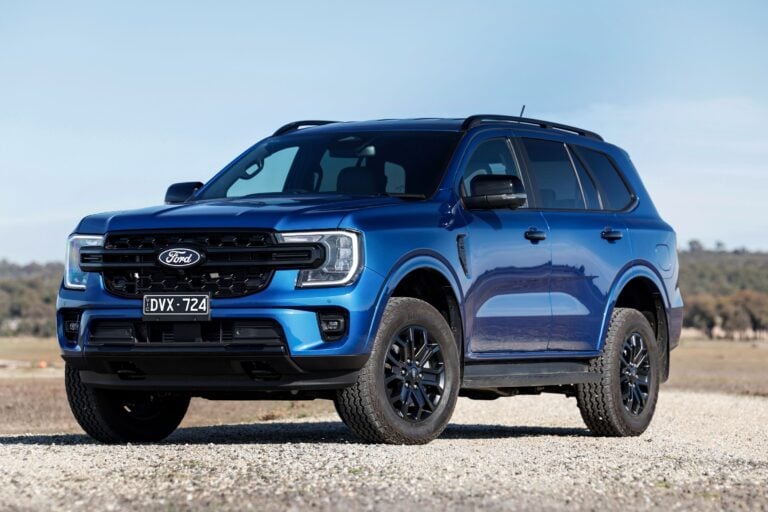
NewsFord Australia: 'We offer something our rivals don't'
Ford says its century-long Australian presence and local investment will help defend Ranger and Everest sales against growing competition from Chinese automotive brands.