Best Vans

Gallery 1
Contenders
Volkswagen ID Buzz Cargo
Kia PV5 Cargo
Ford E-Transit
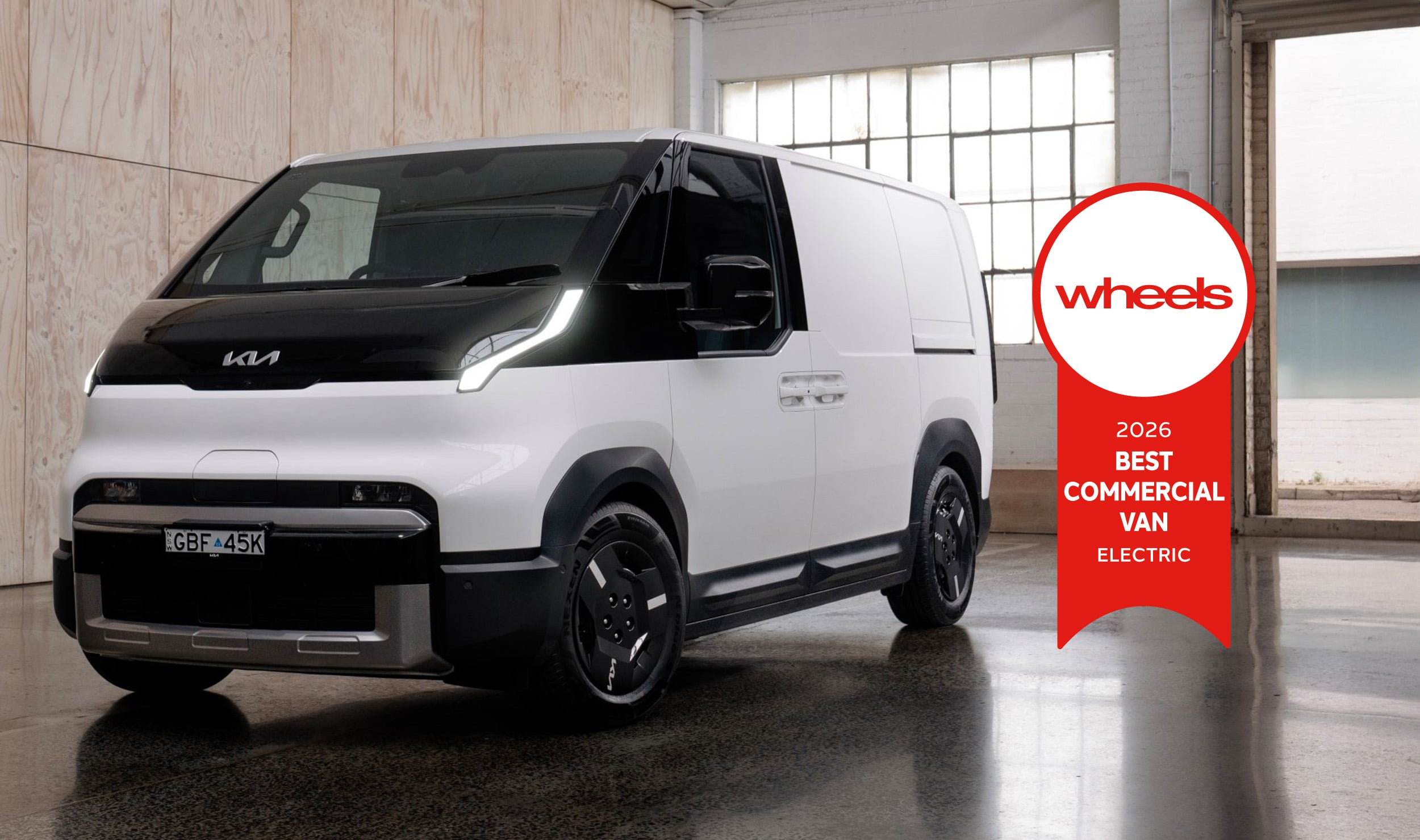
Winner: Kia PV5 Cargo
1
Price: $55,990 before on-road costs
Motor: Single electric motor
Drive type: FWD
Power: 120kW
Torque: 250Nm
Battery size: 71,2kWh
Range: 416km (WLTP)
Charge time: 30m (10-80% at max charge speed)
DC charge speed: 128kW
Payload: 740kg
Kerb weight: 1910kg
Warranty: Seven years/unlimited kilometres
Six-year service cost: $1650
| Driving | |
| Interior | |
| Practicality | |
| Overall value | |
Strengths
- Cabin comfort and tech
- Excellent ride laden and unladen
- Price is impressive
Weaknesses
- Some hard plastics in cabin
- Seatbelts aren’t height adjustable
- No rear window available
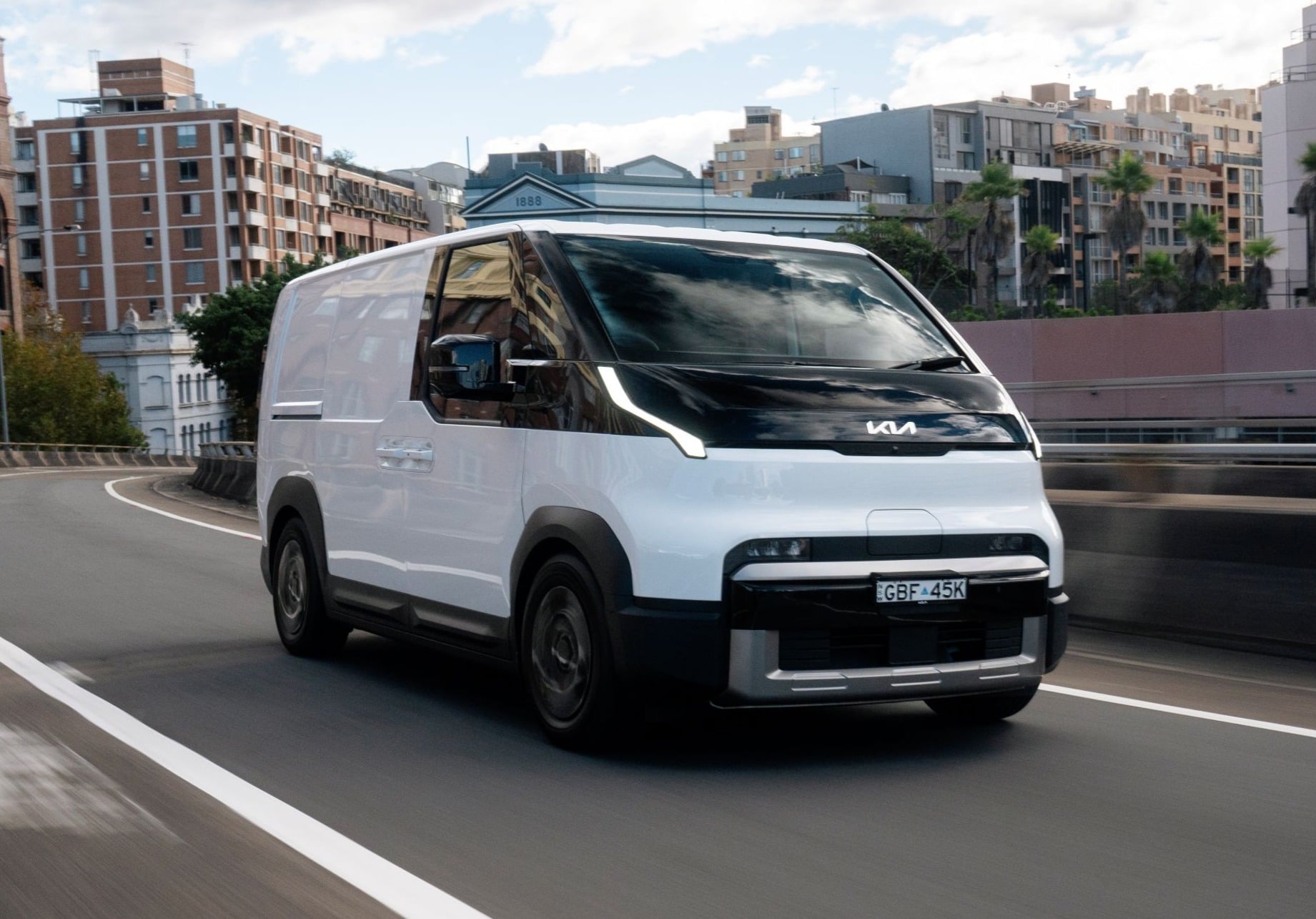
Kia’s new PV5 – it’s first electric van in Australia – is the newest entrant in the growing electric commercial van segment, and immediately jumps to the head of the class. It’s strongest purchase attraction begins with, but isn’t limited to, the price. With a starting price of $55,990 before on-road costs, the PV changes the electric van game by going head to head with conventional, diesel-powered segment favourites. As impressive as the Volkswagen ID Buzz is, it can’t lay a glove on the PV5 in regard to price.
The barrier to buying an electric van is less considerable than it’s ever been, thanks to the aggressive pricing of the PV5. It’s more than a sticker on the windscreen though, with excellent handling and ride quality – thanks to its Australian-tuned suspension. Even with a nominal 400kg strapped into the back at launch, the PV5 rides exceptionally well for what could be an otherwise heavy, cumbersome experience. The steering comes in for mention, too, with a meaty feel at any speed, side-stepping the numb sensation some electric vehicles deliver.
Cabin amenity and ergonomics are also excellent, with only a couple of hard plastic surfaces and the lack of adjustable seatbelts letting the PV5 down. It’s otherwise familiar Kia cabin execution from behind the wheel, ensuring the PV5 is as enjoyable to drive as it is practical. While the lack of a rear window – even as an option – might be a concern for some, the excellent camera system means you quickly get used to it. Parking and manoeuvring the PV5 is a cinch in town. PV5 is quiet inside the cabin, too, even at highway speed.
On the road, the headline 120kW and 250Nm power and torque figures are more than enough to tackle the daily grind faced by tradies, small businesses and delivery drivers. With a WLTP-claimed 416km (which you should be able to get close to in the city), it’s useful, too, and the vehicle-to-load capability means tradies can charge their cordless tool batteries on the go.
At it’s maximum charge rate of 128kW, and plugged into a 350kW charger, the PV5 will run from 10 to 80 per cent in as little as 30 minutes. That makes sense when you’re out on the road, but for businesses that run a back to base fleet, the PV5 will go from 10 to 100 per cent in six and a half hours on an 11kW charger.
A full suite of active and passive safety equipment ticks the OH and S box as well, meaning the PV5 is aligned with the expectations of fleet buyers. The PV5 also gets an ANCAP Platinum overall rating and a performance score of 91 per cent. The new PV5 isn’t just a quality electric van. It’s priced well, is excellent to drive, and provides a strong life of ownership equation.
Volkswagen ID. Buzz Cargo
5
Price: $69,990 before on-road costs
Motor: Single electric motor
Drive type: RWD
Power: 210kW
Torque: 550Nm
Battery size: 84kWh
Range: 431km (WLTP)
Charge time: 30m (5-80% at max charge speed)
DC charge speed: 170kW
Payload: 774kg
Kerb weight: 2376kg
Warranty: Five years/unlimited kilometres
Six-year service cost: $1450
| Driving | |
| Interior | |
| Practicality | |
| Overall value | |
Strengths
- Remains impressive even with 500kg on board
- Signature VW attention to detail inside cabin
- Tech and infotainment work well
Weaknesses
- Some options could be standard
- Price is a big step up from PV5
- Bigger rims bring a firm ride
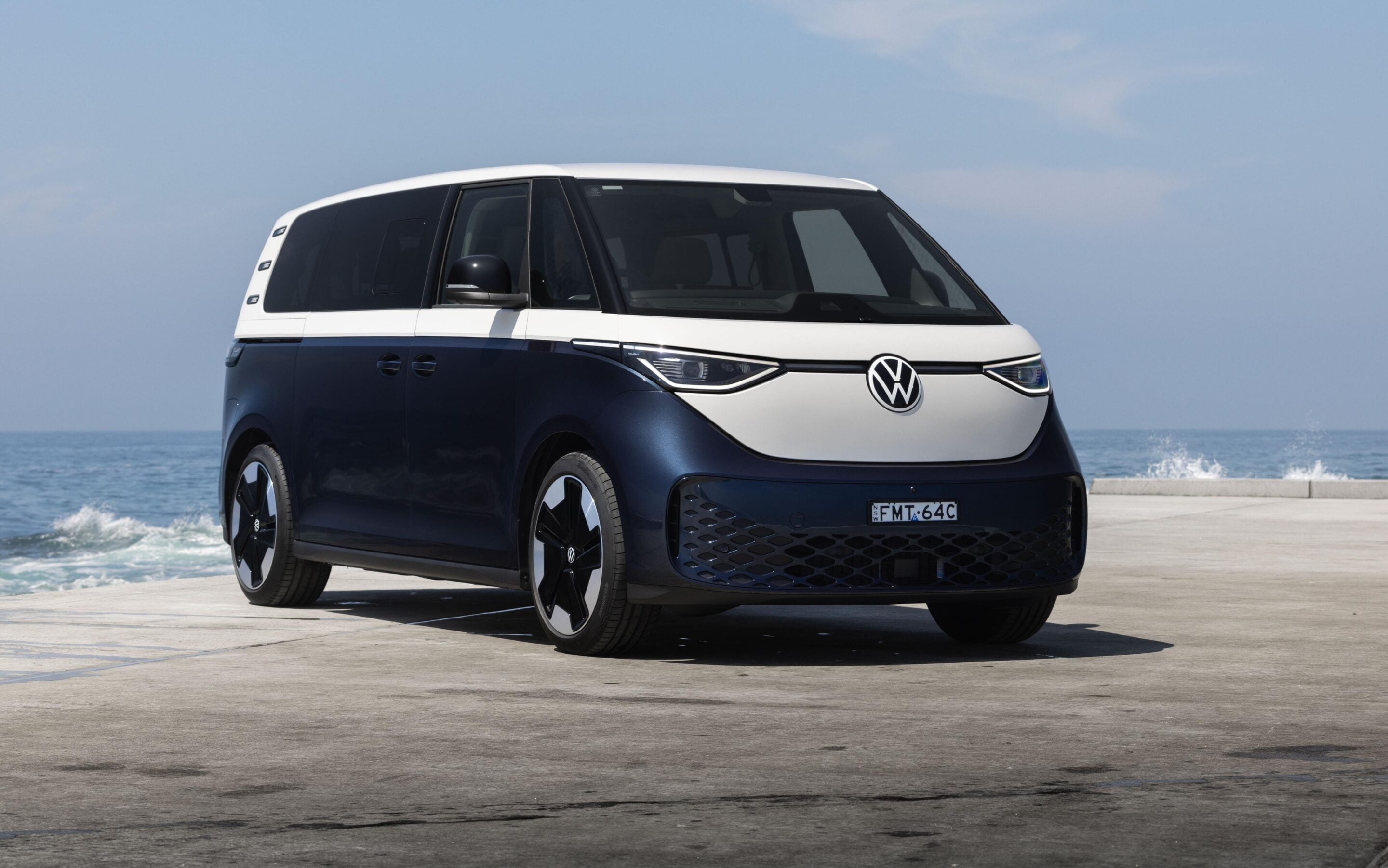
You could formulate a decent argument to buy the ID. Buzz Cargo on looks alone – such is the strong retro Kombi vibe and street presence. However, the price – $69,990 – is a steep climb from the much sharper-priced PV5. Already 10 grand cheaper than it was at launch, the ID. Buzz remains an impressive electric van – with the price taken into account.
Volkswagen has endowed the Buzz with a fair dollop of both power and torque, 210kW and 550Nm ensuring it should feel punchy – and it does. It’s a fast van, even though you don’t need super speed to be running around town, but its always effortless even with 500kg on board, as tested at launch. Laden or unladen, the Buzz rides nicely, although it’s not quite as accomplished as the Aussie-tuned PV5. Still, it can handle 500kg and remain composed, even over inner-city speed humps.
Inside the cabin, the key point to make is that the Buzz looks and feels like a Volkswagen. That’s a good thing, too, with hard wearing materials, attention to detail, quality fit and finish, and comfort all evident no matter how long you’re behind the wheel. An excellent seating position provides good visibility and makes for easy scything through traffic in the city. Like PV5, Volkswagen has ensured that tall drivers have enough adjustment to move back from the dash – something not all vans can match.
We’d like to see some of the optional equipment offered as standard – especially at this price point – and we’d stick to the smaller 18-inch steel wheels with chubbier tyres that provide a softer ride on poor surfaces. While the 19s don’t make it feel unbearable, the ride quality on the smaller rims is noteworthy. RWD is a point of difference, too, and the accelerator pedal is nicely tuned to the kind of stop/start driving we do in the city.
Cleverly – despite the higher initial purchase ask – Volkswagen has focused in on sharp service pricing: just $1450 for the first six years. With a 431km range, and up to 170kW DC fast charging, the Buzz makes a genuine case for the business owner, especially those operating in urban areas.
Ford e-Transit Custom Sport SWB
4
Price: $77,890 before on-road costs
Motor: Single electric motor
Drive type: RWD
Power: 160kW
Torque: 415Nm
Battery size: 64kWh useable
Range: 301km (WLTP)
Charge time: 32m (15-80% at max charge speed)
DC charge speed: 125kW
Payload: 1080kg
Kerb weight: 2114kg
Warranty: Five years/unlimited kilometres
Six-year service cost: $1335
| Driving | |
| Interior | |
| Practicality | |
| Overall value | |
Strengths
- Practical cabin is comfortable
- Steering wheel table is genius
- Plenty of power
Weaknesses
- Price still a big jump from diesel version
- Real-world range not as long as competitors
- Load area floor can be slippery
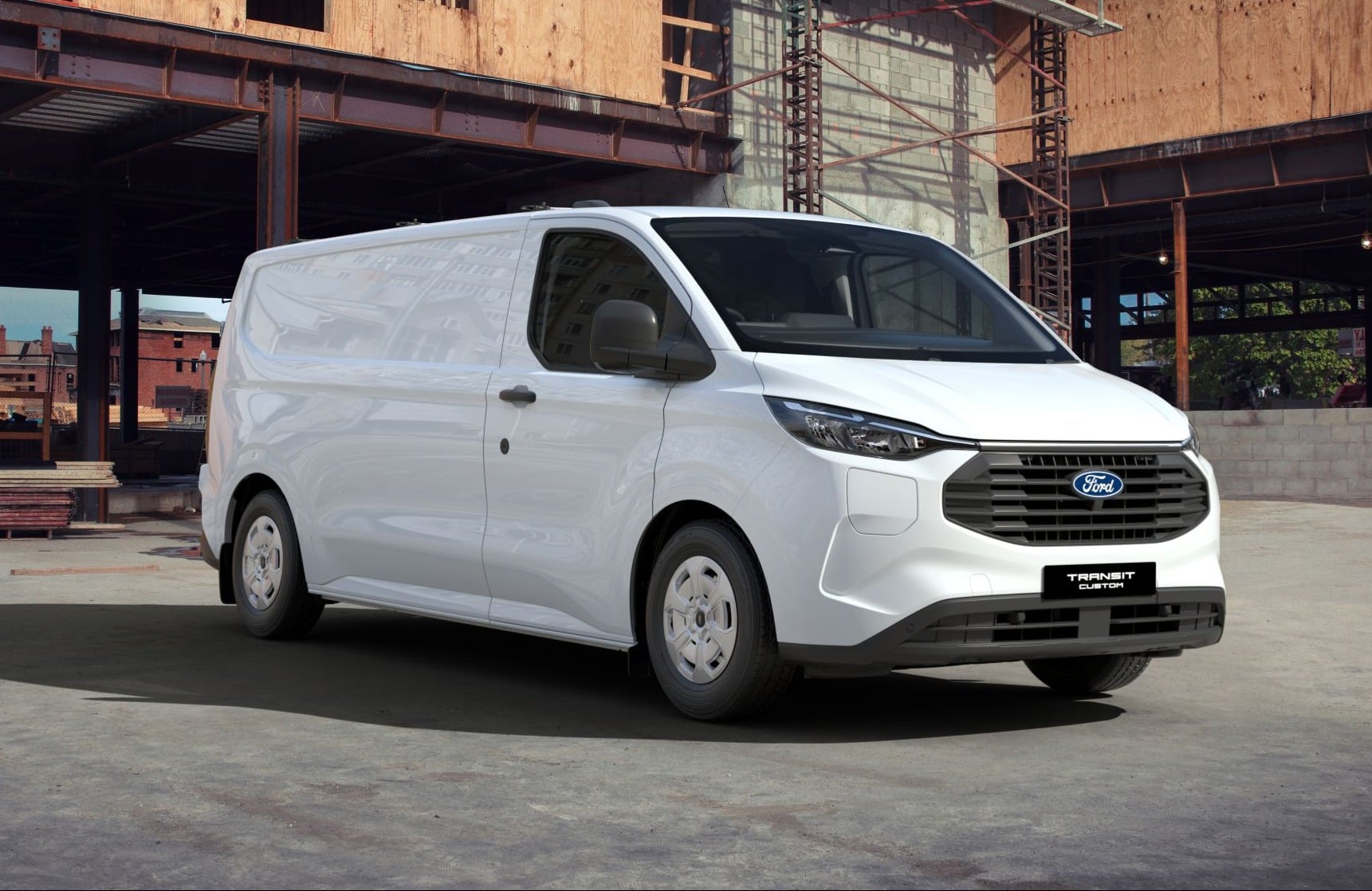
Available in LWB Trend, or SWB Sport, the e-Transit is a competitive option in this growing segment, but can’t match PV5 on price. You might think we’re harping on price here, but when a vehicle is a tool of trade of a business it is, of course, a very big factor.
With a 300km claimed range, the Ford can’t match the Volkswagen or Kia for real-world range, which is a shame, because it’s a good thing to drive around town or on the highway. With a single motor and RWD like the VW, the Ford feels punchy off the mark, with nicely tuned steering and brake pedal feel.
Cabin flexibility is excellent with clever touches like under seat storage, and the Mobile Office Pack option, which flips the steering wheel 45 degrees and turns it into a laptop stand or desk. It’s a small touch, but for the van owner using it as an office, it’s a really clever one. Visibility and seat comfort inside the cabin are both excellent, and the e-Transit quickly becomes an easy electric van to run around town in.
Van manufacturers generally tend to opt for FWD platforms due to packaging flexibility, which makes the choice of RWD for both Ford and Volkswagen here interesting. However, the lack of a driveshaft, mitigates that potential issue. Like the VW, the Ford rides nicely, handling the usual patchwork of urban roads easily, ensuring it remains comfortable at all times. The move away from a live rear axle to an independent rear makes for a quality ride.
While you’re essentially moving a big box down the road, the e-Transit still has impressive noise insulation and remains quiet even when you’re up at highway speed. The tech feels well thought out, is easy to use, and the screens are clear. While all three vans here provide a strong option for those wanting to make the switch to electric, neither the Ford nor the VW can compete with the Kia’s sharp pricing.
Follow WhichCar/Wheels on Google
Click the button below to make WhichCar by Wheels a preferred source for your news.

We recommend
-
 Best Vans
Best Commercial Vans 2026: Small
Small vans prove big capability comes in compact packages, delivering car-like driving manners, strong efficiency and practical cargo solutions for urban businesses.
-
 Best Vans
Best Commercial Vans 2026: Medium
Modern medium vans deliver far more than cargo space, combining SUV-like comfort, advanced safety and strong diesel performance for the demands of Australian businesses.