News

Gallery 1
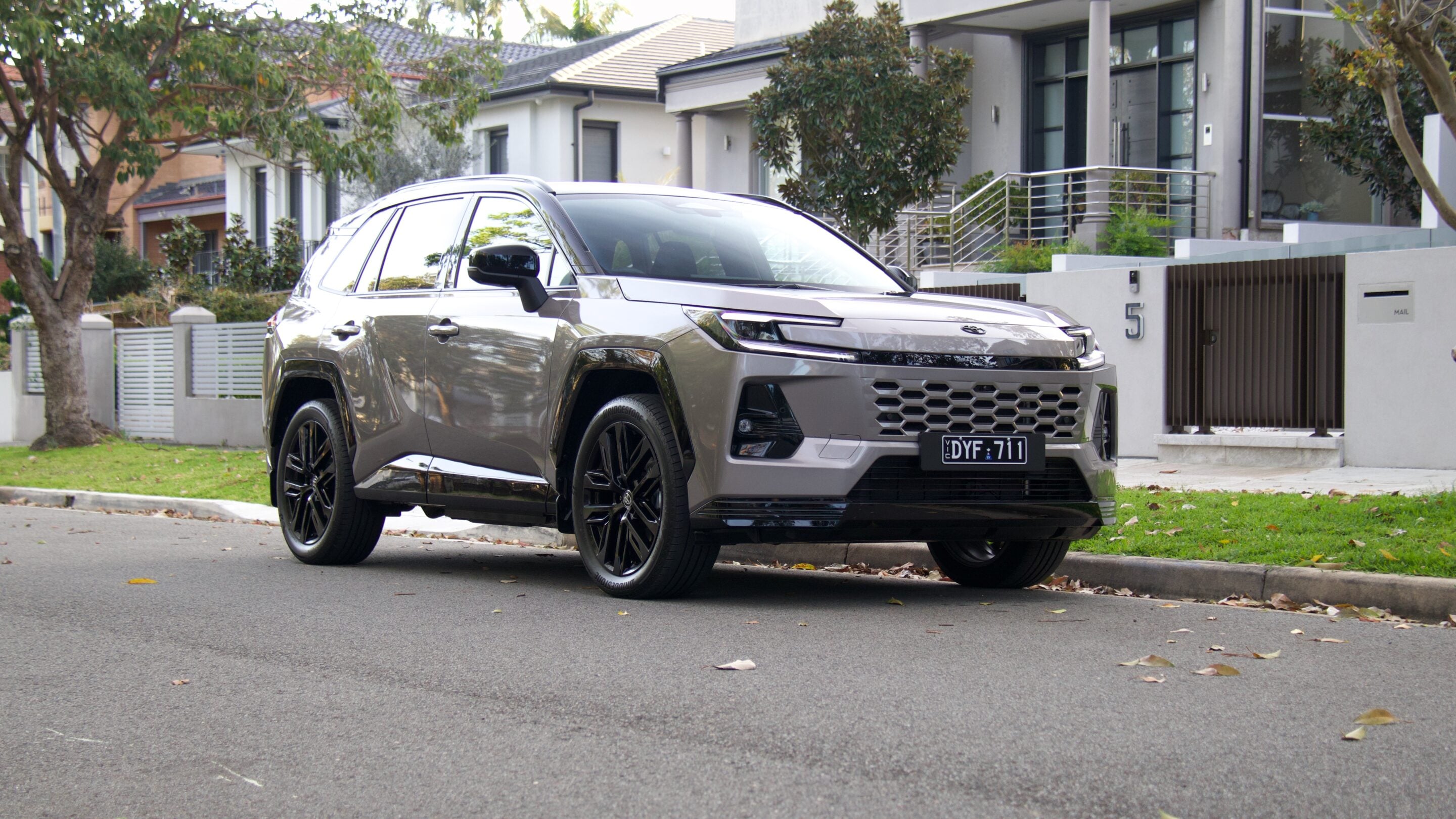
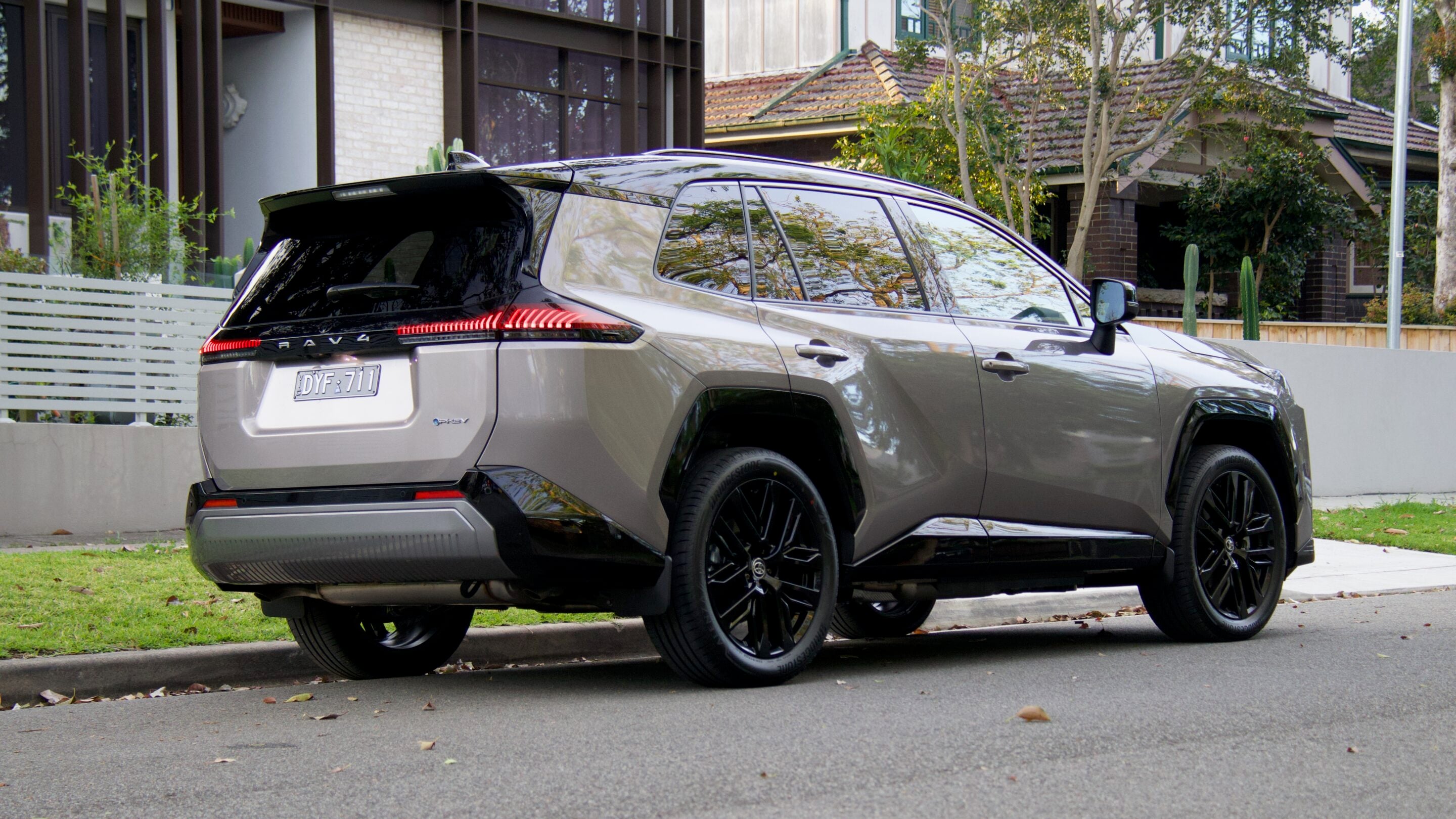
Toyota is recalling 5925 of its plug-in hybrid RAV4 SUVs due to concerns that a problem with an electronic control unit could lead to drivers suffering a loss of power at higher speeds. Announced on October 9, the action affects models made in 2026 and takes in both two- and four-wheel drive variants.
“Due to a manufacturing issue with the motor generator electronic control unit (MG-ECU), the motor initialisation process may not complete correctly. This may prevent the electric motor from operating as intended at higher speeds,” the recall notice reads.
9
“If the electric motor does not operate as intended, warning lights will illuminate and the vehicle may enter fail-safe mode or shut down, resulting in a loss of motive power. A loss of motive power whilst driving increases the risk of an accident, causing serious injury or death to vehicle occupants and other road users.”
The models affected are the 2026 RAV4 PHEV XSE in two-wheel drive (AXAP62R) and the four-wheel drive GR Sport version of the vehicle (AXAP64R).
Toyota Australia has advised that it will contact owners of the vehicles in writing to request that they make an appointment with a Toyota dealer to have the defect fixed free of charge. Customers who want more information can contact the brand on 1800 987 366 or by emailing [email protected].
The RAV4 recall is the first for Toyota since more than 16,000 Camrys were hit by an issue with instruments, lights and indicators in early August. That recall took in Ascent and Ascent Sport models made between 2024 and 2026 after they were hit by a software glitch that could disable turn signals, hazard lights and some audible warnings.
Follow WhichCar/Wheels on Google
Click the button below to make WhichCar by Wheels a preferred source for your news.

We recommend
-
 News
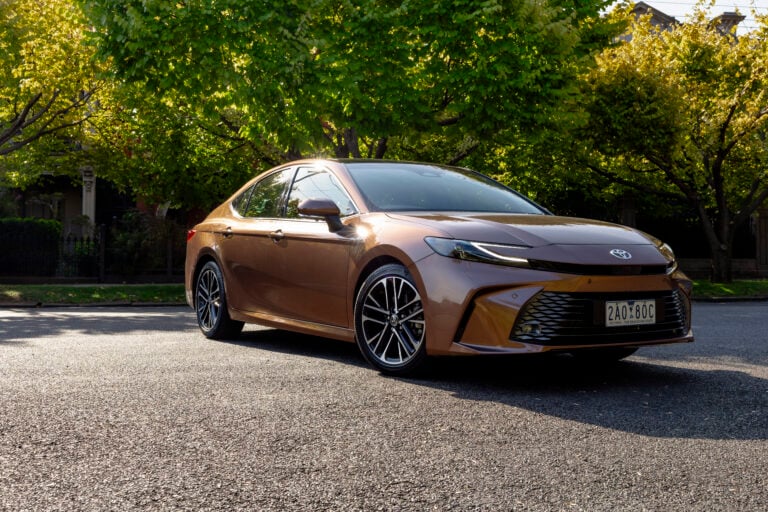
NewsToyota recalls more than 16,000 Camrys due to issue with instruments, lights and indicators
Software fault with 2024-2026 Toyota Camrys has potential to increase the risk of a crash.
-
 News
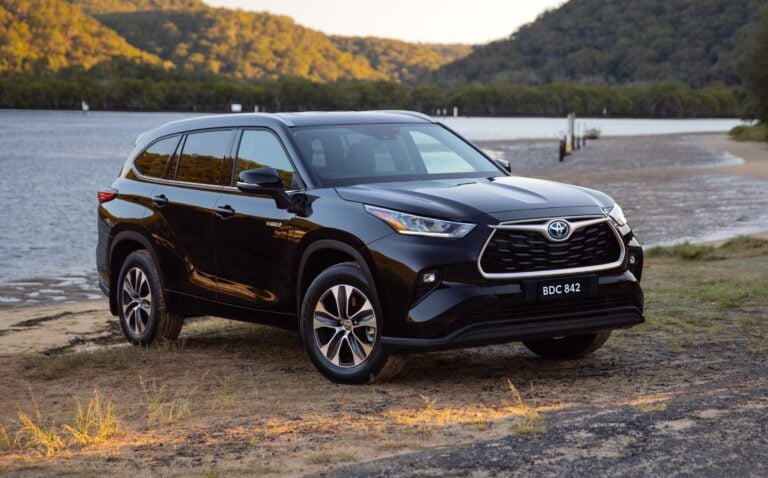
NewsToyota Kluger recalled with 34,000 vehicles affected
Toyota has issued a recall for a fault in 34,377 Kluger SUVs, which could cause the seats in the second row to not latch into position correctly once adjusted, and potentially move in the event of a crash.