
SO YOU’VE made it.
Years of hard work are paying off, and you want to treat yourself with something rear-drive, V8 and with a silly amount of grunt.
You’ve read great things about the new-ish twin-turbo V8 C63 S and you’re hooked. But there’s a problem: you’ve always liked convertibles, and apparently this thing has an exhaust note that has fists punching out of the ground at the local cemetery.
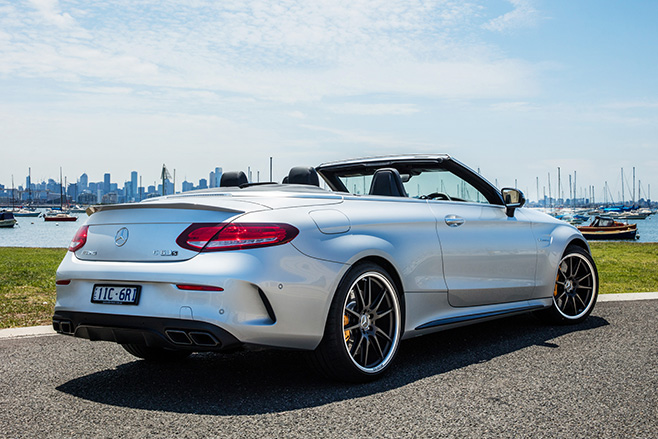
The convertible also scores the unique rear end of the C63 coupe with 25mm wider rear track than the sedan and estate – and in turn, a tough-as-titanium stance from the rear three-quarter, low down. And made only tougher, some would argue, with the roof dropped. It takes 20 seconds, up to 50km/h, for the cloth roof to fold itself away, at which point there’s still plenty of room in the boot.
The interior is also pretty serene with the roof down, even at 110km/h. Unfortunately, all this extra fresh air does come at a cost – and not just monetary, although there is that ($17,500 more than the Coupe). Rather, the Cabriolet is a hefty 125kg heavier than its tin-lidded sibling, a lot of it down to bracing to keep the chassis as rigid as possible in lieu of cutting a ruddy big hole in it. And, as some wiser bloke than us probably once said, you can only add so much extra weight to a fast car before the performance starts getting blunted.
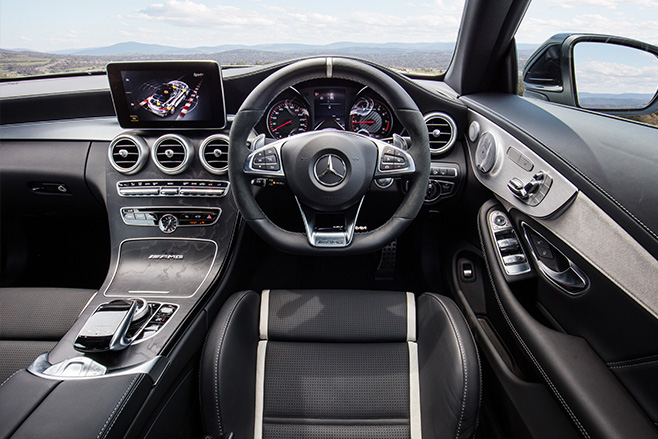
While the C63 S Cabriolet somehow strangely doesn’t beckon us to wring its neck quite like its Coupe and Sedan counterparts – it feels like a car best enjoyed at eight tenths – it does still have all the things we’ve come to love about this generation C63 S.
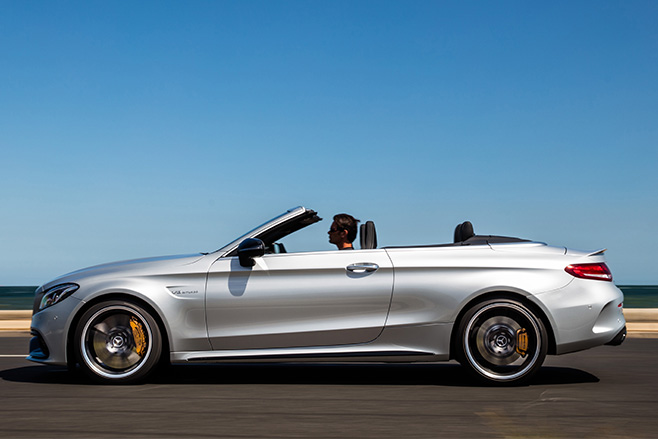
Us? We’d still have a roof. But there are some folks out there who are Convertible Men/Women and if a big part of the appeal is cruising – rather than track days or early Sunday morning blasts up remote roads – they’ll have treated themselves well with the droptop C63 S.
3.5 OUT OF 5 STARS
LIKE: Brutal power; noise; rear-drive
DISLIKE: Extra weight has done it no favours; a little wobbly
SPECS Engine: 3982cc V8, DOHC, 32v, twin-turbo Power: 375kW @ 5500-6250rpm Torque: 700Nm @ 1750-4500rpm Weight: 1925kg 0-100km/h: 4.1sec (claimed) Price $179,900
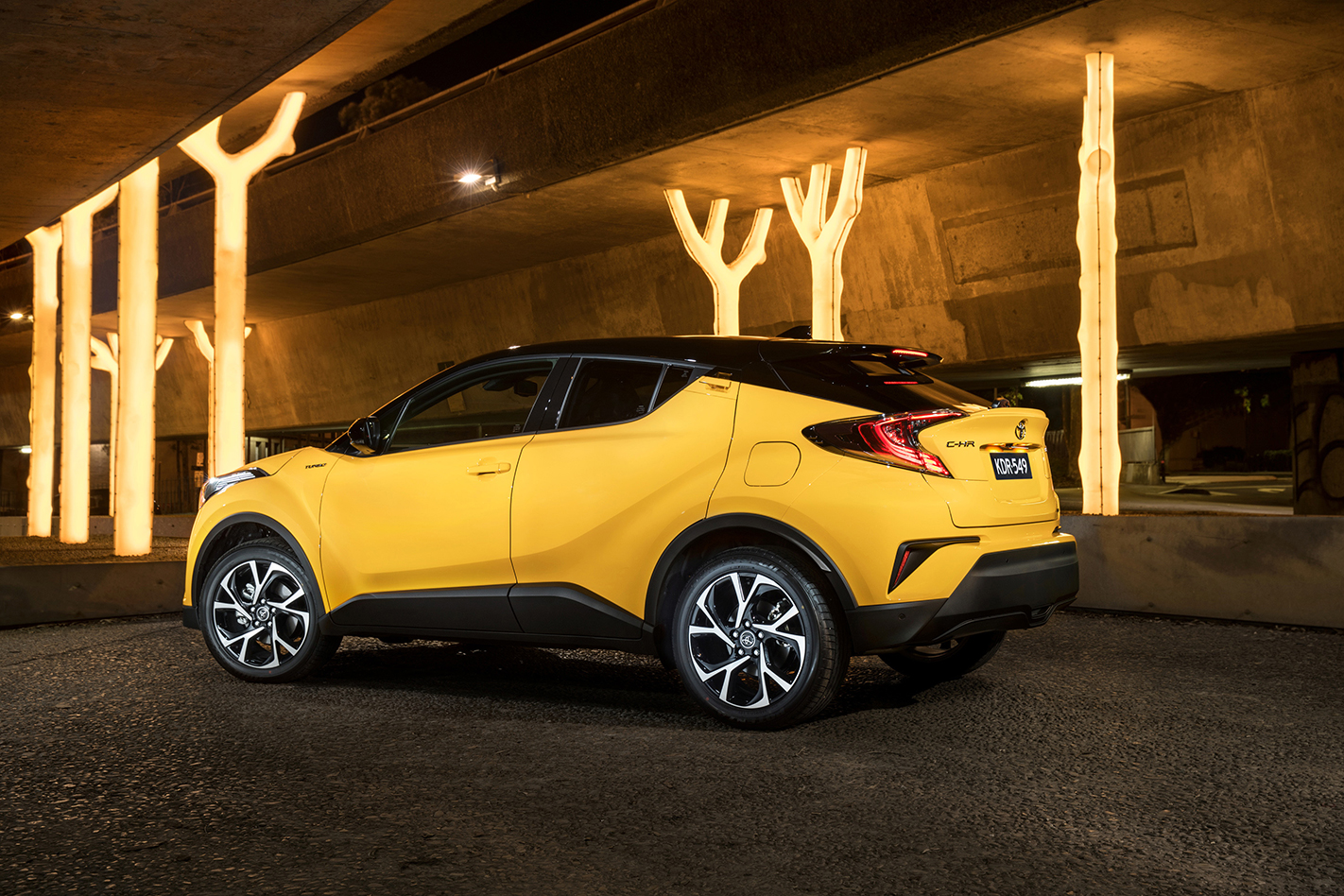
It’s strange for a car brand as enormous as Toyota to be missing from a popular vehicle segment, yet up until now that was the case with compact SUVs. The new Toyota C-HR not only fills that gap but showcases a surprisingly daring step for Toyota design.
WHAT STANDS OUT It’s impossible to go past the styling as a first talking point. After decades of predominantly safe and inoffensive car designs, the C-HR’s creased and twisting bodywork is a real surprise. Its adventurous shape is complemented by an equally un-Toyota-like colour palette including hues such as Hornet Yellow, Electric Teal and Tidal Blue.
A black or white roof colour is available if you choose the higher-spec Koba variant.
The starting price for the C-HR is higher than natural rivals like the Mazda CX-3, Honda HRV and Mitsubishi ASX, yet none of those offer a standard equipment list longer than the Toyota’s.
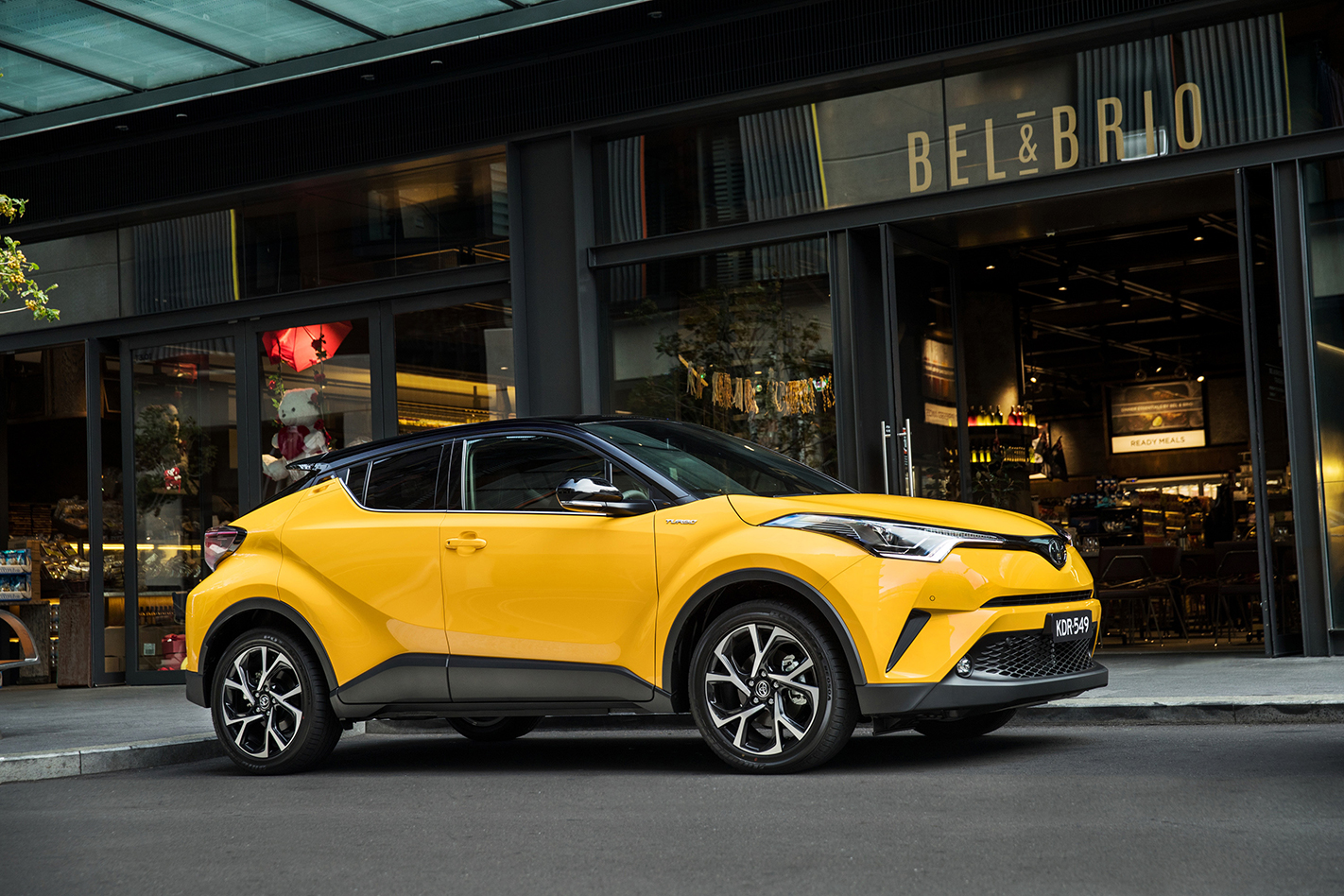
Convenience and comfort features include active cruise control, navigation, auto high beam, front and rear sensors with rear-view camera, colour touchscreen and 17-inch alloy wheels.
A raft of driving aids encompasses autonomous emergency braking, blind spot monitoring, forward collision alert, and warning systems to help avoid unintentional lane changes and warn of incoming traffic when reversing out into traffic.
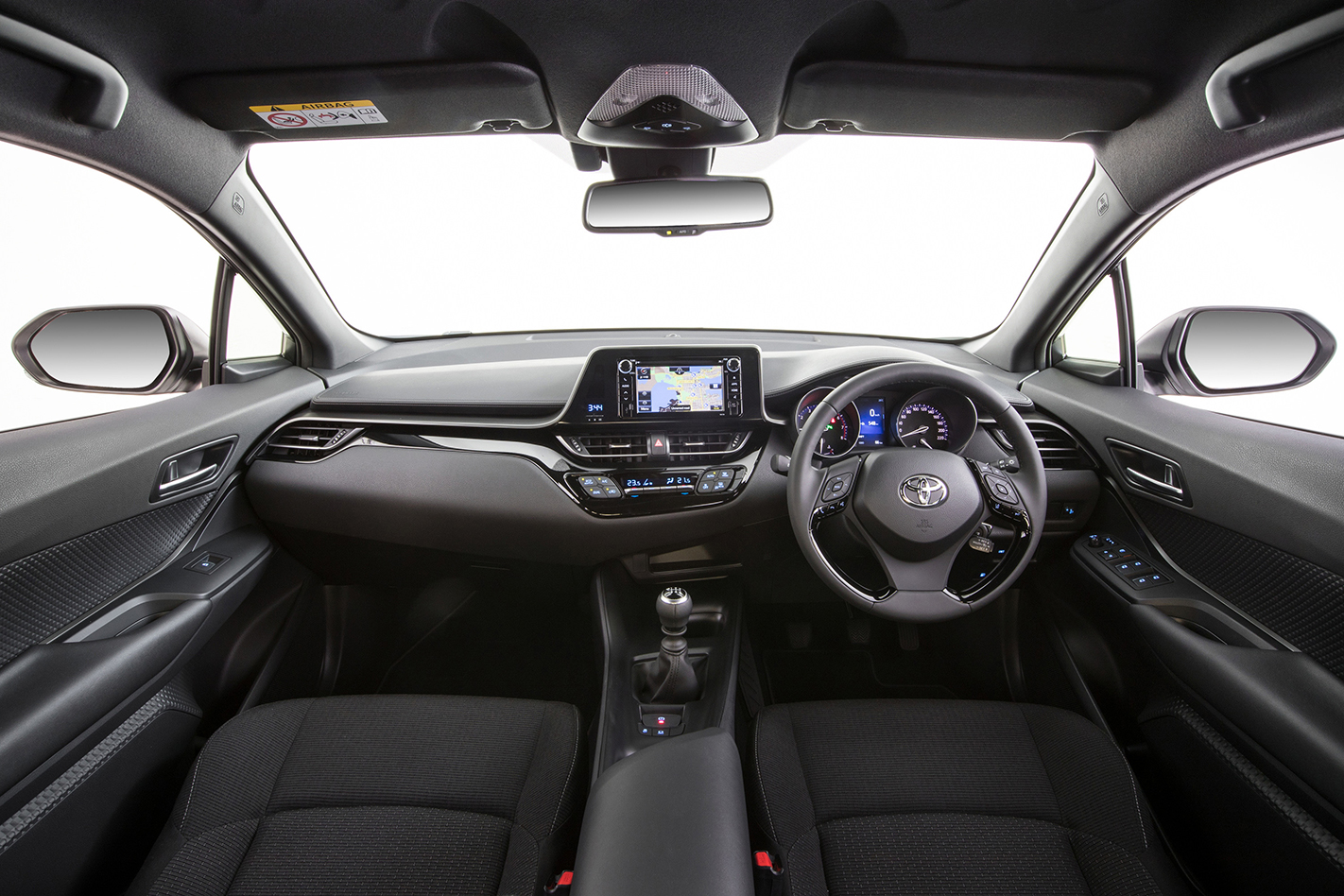
WHAT’S INSIDE The C-HR’s interior is also relatively radical in the Toyota world. A touchscreen sits up high on the dashboard, and these angled climate control buttons are an example of good ergonomics. The quality of cabin materials feels higher than the class average.
You’ll also find more cabin space than in a Toyota Corolla, thanks to a longer distance between the front and rear wheels.
Vision, however, is limited for rear passengers, especially young children. The compact boot is larger than a CX-3s, but still needs careful consideration for family buyers, though its rear seats do split-fold for a bigger cargo space
Opt for the Koba model grade, and you swap sporty fabric seats for leather-accents and heating. You also gain electric adjustment for the driver’s seat, blue ambient lighting, window tint, keyless entry and ignition, and a more advanced climate control system featuring an air-purifying filter.
CHOOSING YOURS Both C-HR model variants are powered by a 1.2-litre turbocharged four-cylinder engine that produces 85kW and 185Nm. It’s a refined and willing engine, and though it’s not the quickest off the line, it’s quiet and fit for purpose.
Only the base model comes with a manual gearbox, and has the option of a CVT auto that’s standard on the Koba variant. For the extra cost of $2000, buyers can also upgrade the C-HR from front-wheel drive to all-wheel drive.
Both models offer excellent ride comfort, enjoyable handling and impressive noise refinement, so it’s essentially a case of how many features you would like as to which variant is best.
SUMMING UP The C-HR may have been a long time coming, but its numerous positive surprises have made it worth the wait, and if your budget allows for it, the well-specced C-HR and its refreshing styling might make you rethink buying that Corolla.
BENTLEY’S Mulliner team of master craftsmen and designers have unveiled a new ‘Bentayga Falconry by Mulliner’ special edition of its large luxury SUV in the United Arab Emirates.
The highly-specialised version of the company’s off-roader has been created to appeal to well-heeled fans of the British brand in the Middle East, where the sport of falconry is a popular pastime, particularly among the royal family.
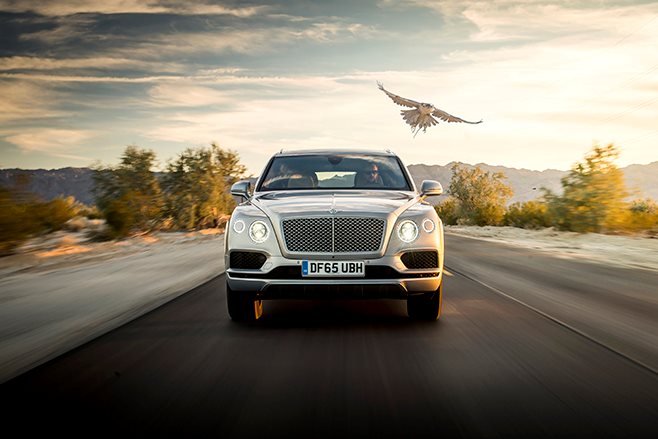
A roof-mounted spoiler creates up to 75kg of downforce for added stability during high-speed cornering, but doubles as a perch for the hunting birds when stationary, with talon-resistant suede upholstery.
When at speed, special aerodynamic channels in the Bentayga’s grille whistle at the same pitch as prey, allowing owners to train their sporting birds without leaving the comfort of the spacious cabin,
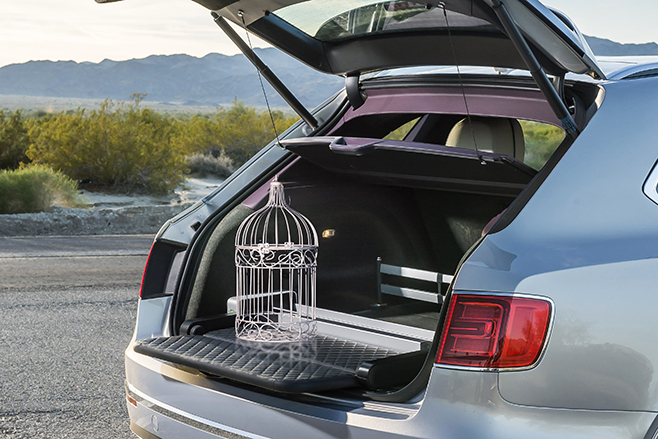
Like the fly fishing version, the Falconry by Mulliner’s boot is decked out with the finest burr walnut cases to store the various hoods, jesses and gloves as well as an ornate cage complete with quilted aniline leather liner stand and Swarovski crystal drink bottle.
The special edition is being launched in the UAE where the sport is widespread but Bentley Mulliner Head of Technical Operations Uday Senapati told Wheels that, following the popularity of the fishing variant, the Falconer would be offered to Bentley customers in other global markets including Australia.
“It will be open to the whole world,” he said. “The fly fishing model we’ve sold all over the world.”
It is not yet known if any examples of the special Bentayga will beak-oming down under or at what cost, but given Australia’s demand for high-end vehicles, it is likely customers will be preying for an opportunity to get their claws on an example, and winging it when it comes to the price.
Welcome to a niche inside a niche – which in itself, is actually a niche.
We’re not talking run-of-the-mill Range Rover here, but also not luxury galore (Autobiography) or extreme dynamics (SVR) either. Instead, it’s a bit of an uncomfortable mix of all three. It’s an Autobiography and Dynamic in one. Yes, it’s already seeming like an acquired taste.
However, let’s cover the basics and work out what the Range Rover SVAutobiography (SVA) Dynamic actually is. While it sits on the standard architecture, the SVA underwent detailed modifications to the knuckles, steering arms, springs and dampers, while the steering has been tweaked to offer a touch more enthusiasm on turn-in.
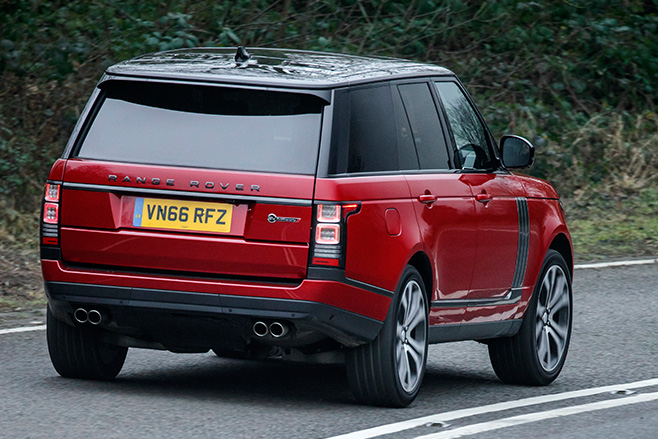
Predictably, performance does not really enter the equation here for most buyers. But it’s there for the taking all the same. The 0-100km/h time is a perky 5.1 seconds, the top speed is 250km/h and the mid-range shove is just about on par with an Airbus A319 preparing to take off. Of course, the resultant fuel economy is understandably horrendous when pushed.
However, once again, that’s probably not something most buyers of a rapid SUV will have at the forefront of their mind. Yet right now the 105-litre tank is full to the brim and the big RR is primed for some English B-roads in the Cotswolds.
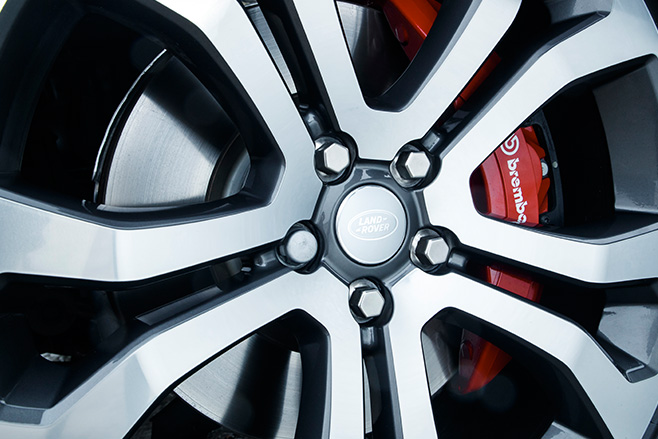
However, the Rangie can’t hide its disdain for cat’s eyes, potholes, broken black-top, expansion joints, low-speed undulations, camber changes, grooves in the road and just about any other tarmac imperfection you can think of. Truth be told, there is no other model in the Range Rover forecourt that needs a sorted Comfort suspension and damper setting for the air springs and shock absorbers more than this 2.5-tonne behemoth.
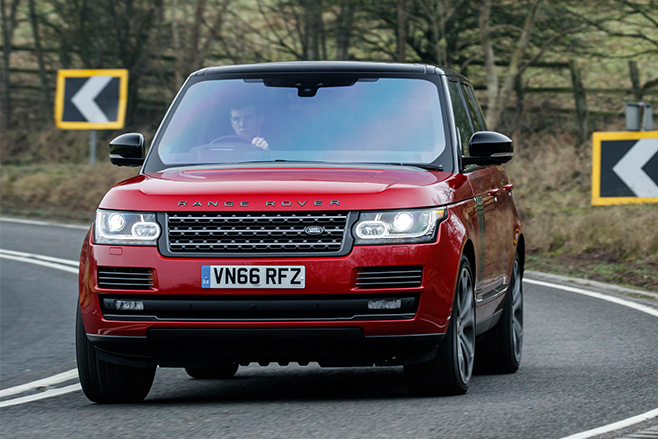
On a positive note, what does even the ledger (literally) somewhat are the electro-mechanical anti-roll bars. They certainly are a welcome addition and contribute to fast, flat cornering in the right conditions. Ride quality aside, the overall handling is neither tricky nor dreary. Even though mild understeer prevails, feeding the masses of torque in progressively while avoiding excessive steering angles helps to quell undue responses.
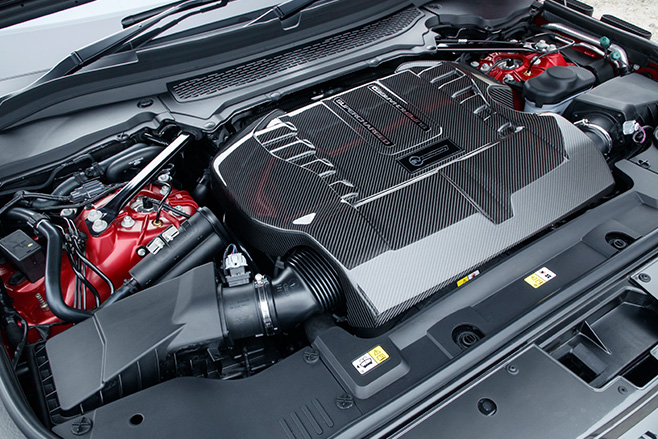
Sadly, despite having a monstrous 405kW underfoot, the throttle response is lax initially before becoming manic the closer your right hoof gets to the firewall. The result is a bit of a mixed bag of erratic responses, which juxtaposes the gentlemanly character of a RR – although we can’t forget the SV part of the badge.
Given the pace at hand, it’s not ideal that the brakes aren’t exactly perfect. In normal use you wouldn’t even notice the deficiency, but that’s not the case when you’re at the base of extended descents and while punting along the 90-degree bends of rural England. Increasing fade with mounting pedal pressure makes one wish for carbon-ceramic rotors, but they aren’t even an option.
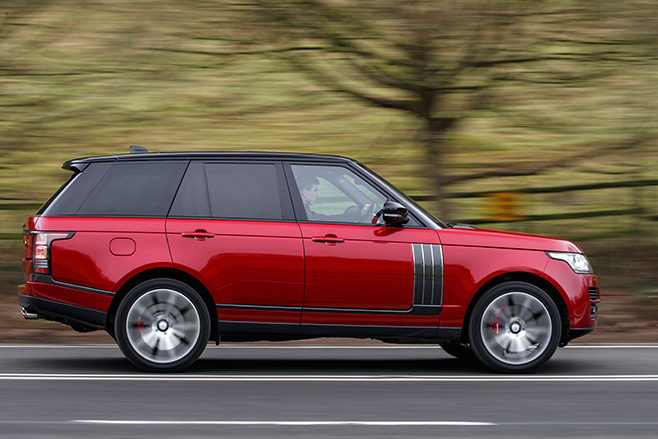
For around $45K you get the full beauty treatment complete with a paint job of your choice, matching leather and exotic trim work. Triple the initial investment and they will even armour-plate the carriage, spray it in matte British Racing Green and fit a swivelling rear seat for the bodyguard.
What a world we live in? But it’s also a sign of the confused nature of this Range Rover.
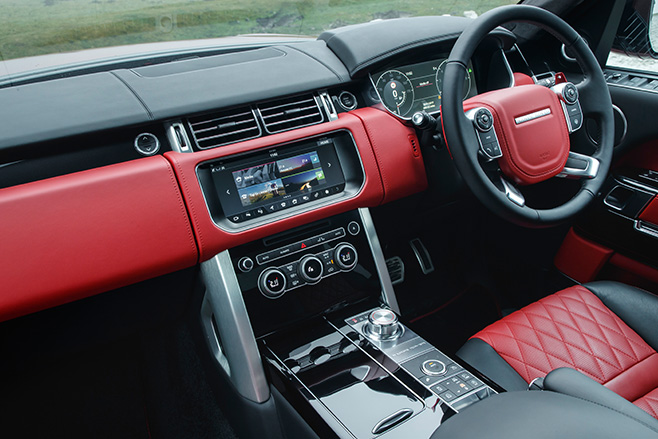
Like Weapon fast with supercharged V8; surprisingly agile; luxurious cabin
Dislike Ride quality; underdone brakes; it’s a bit confused
Specs Engine: 5000cc V8, DOHC, 32v, supercharged Power: 405kW @ 6000rpm Torque: 680Nm @ 2500-5000rpm Weight: 2457kg 0-100km/h: 5.1sec Price: $316,000
Part of HSV’s 30 Year Special Edition range, the Senator Signature 30 Years costs just $3000 more than the standard Senator Signature but for that you get a whole lot more power, improved dynamics, aesthetic tweaks and a beefier soundtrack.
WHAT IS IT? The standard HSV Senator Signature, plus a few embellishments to celebrate 30 years of one of Australia’s favourite high-performance brands.
WHY WE’RE TESTING IT HSV is sending out the Commodore-based range with a 6.2-litre supercharged bang (except Grange) and a light dusting of 30-year anniversary touches. This is one of the last opportunities to grab a piece of true Aussie muscle car history with a dash of extra exclusivity.
MAIN RIVALS Chrysler 300 SRT, Holden Commodore SS-V Redline

PLUS: Vicious supercharged V8 punch; perfected bi-modal exhaust; enhanced exclusivity MINUS: Insatiable thirst; fidgety steering/wheel combination, muted supercharger sound
THE WHEELS REVIEW PRICED from $95,990 before on-road costs, some will struggle to justify spending a sniff under $100,000 on something that essentially started life as a Commodore SS-V, but allow us to put the deal into perspective.
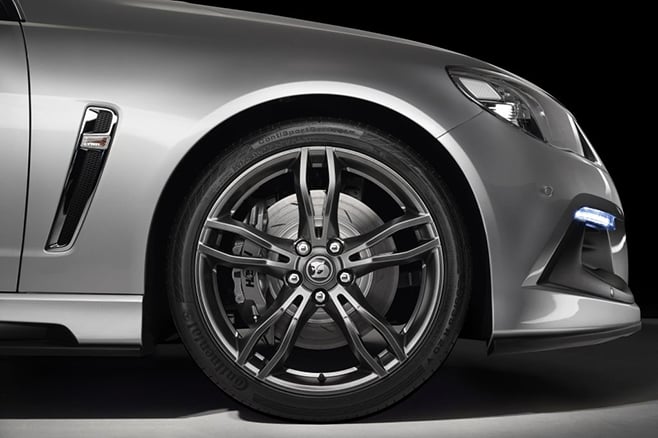
The 30 Year special edition costs just $3000 more than the Senator Signature on which it is based and for that extra cash you get a 10kW/20Nm tune-up, 20-inch Rapier forged alloy wheels, a revised exhaust system, a torque vectoring system borrowed from the GTS flagship and a scattering of 30 Years aesthetic upgrades.
If there is another car company that offers such a comprehensive upgrade for the same investment then we don’t know about it.
For those who appreciate just a little more class, the 30 Years version of the Senator makes sense as a part of the swansong Commodore-based HSV range, offering an air of sophistication alongside its showier GTS, Clubsport R8 and Maloo R8 siblings.

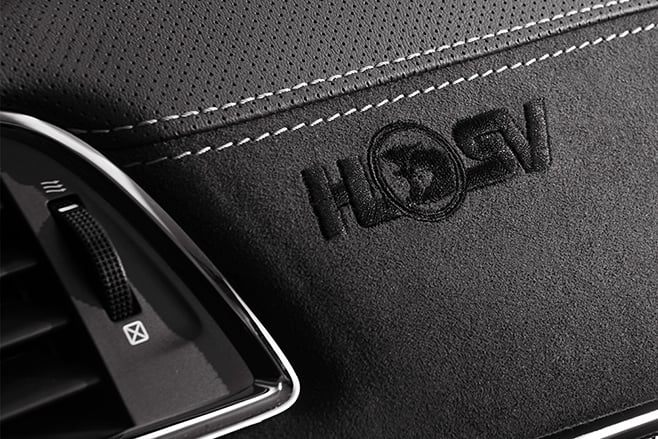
If you wake up one morning having forgotten exactly which HSV Senator you bought, 30 Years branded badges above each vent on the front wings, floor mats and doorsill trims will remind you as you climb aboard.
The special Senator offers possibly the most comfortable and classy cabin of the HSV range, but if you are interested in being driven around or just relaxing then you would probably be reading a Grange review. What you really want to know is how it goes.
While there is an understandable sadness surrounding the end of Australian-made HSVs, there is a silver lining to that cloud of tyre smoke. The job of preparing for a future of ever-tightening emissions regulations and engine efficiency has been handed to the Opel Insignia-based next-gen Commodore, which has left the last HSVs on the end of a very long leash.
Before the V8 takes a final bow, HSV has supercharged all 6.2-litres of it and then wicked it up a little more for this version and, with its mild tune-up, the more exclusive version of the Senator has a fabulous 410kW and 691Nm under the bonnet.
That’s just 20kW shy of the barnstorming GTS flagship.
As you might imagine, getting all that grunt to the ground from a standing start and through just two tyres is too much to ask and the traction control light flashes angrily with a heavy toe, but once up to in-gear speed the Senator piles on pace with almost unbelievable eagerness.
Take our word for it – nothing delivers power with the linearity or urgency of a big supercharged V8.
Of course that potential comes at a cost somewhere and during our time with the Senator, we single-handedly managed to keep at least one service station in business and an average fuel consumption of 17.2 litres per 100km.
That was actually slightly better than we were expecting but a couple of good freeway cruises kept the 20s at bay.
If you do happen to stray into speeds that only racing tracks can legally allow, you’ll be pleased to feel a set of massive AP Racing brakes under the big pedal.
Aesthetically, the monstrous yellow six-pot front calipers are the perfect combination with the ‘dark stainless’ effect wheels, but also provide a rock-hard pedal feel and massive stopping power despite the speed potential and mass of the Senator.
In previous versions, the system would produce a promising volume at low throttle and when stationary, but as soon as the car was off the mark, electronics closed off a flap which silenced the satisfying note and the only way to resurrect it was to rev the engine into the rafters.
With the 30 years tuning mods though, the louder more conspicuous note returns with only a little provocation, which is far more cosseting on the ears and kinder to the driving licence.
If you don’t want to wake the neighbours then the sport driving mode can be selected from the other choices of Performance and Track, which keeps the note in a permanent quite setting.
Unfortunately, the induction end of the engine does not add as much theatre to the soundtrack and no audible evidence of the large Roots-type supercharger can be heard. That’s a bit of a shame because the unmistakable whine of a supercharger is a classic muscle car trait.
Bolted to the back of the fizzy V8 is an automatic transmission which is filled with just six gears, which may seem a bit tame compared with some rival brands that nudge an even ten ratios, but the HSV’s canyon-wide torque curve makes good use of the widely-spaced gears.
There is no hiding the fact that the HSV is a big 1716kg bruiser but it has an agility that may surprise some. With a stiffer and lower suspension set up, (and a gentle right foot) the wide 20-inch tyres hold on with determination.
Body roll is also surprisingly absent and the Senator is obedient to steering instructions but steering feel lets the impressive dynamic ability down a notch or two and none of the three driving modes seemed to make much of a difference.
While mid corner weight is substantial and satisfying, there is little feel about the dead-ahead mark which allows the wide front tyres to grab onto imperfections in the road.
The tram-lining effect is distracting and requires more concentration to counter than we would prefer, particularly when on poorly-maintained roads.
On a more consistent surface, the Senator settles into a relaxing and quiet cruise and we were surprised at how little cabin noise is transmitted through to occupants despite the combination of massive wheels and low-profile tyres.
Above all else, the HSV’s Commodore origins are still apparent in the best possible way – when you silence the sensational engine, recline your seat a little and settle into a cruise, the Senator Signature is graceful and refined.
That ability to be a snarling maniac one minute and a passive peacekeeper the next is one of many reasons that this final run of HSVs will always stand as a monument to the way Australians used to do cars.
SPECS Model: HSV Senator Signature 30 Years Engine: 6162cc V8 16v pushrod supercharged Max power: 410kW @6150rpm Max Torque: 691Nm @4200 Transmission: Six-speed automatic Weight: 1761kg Fuel Economy: Not supplied (17.2L/100km tested) 0-100km/h: Not supplied Price: $95,990 On sale: Now
Over 110,000 small SUVs were sold in 2016, making it the fourth most popular vehicle segment in Australia, behind medium and large SUVs, and small passenger cars. It’s a group of cars with a myriad of options giving buyers more choice than any other category.
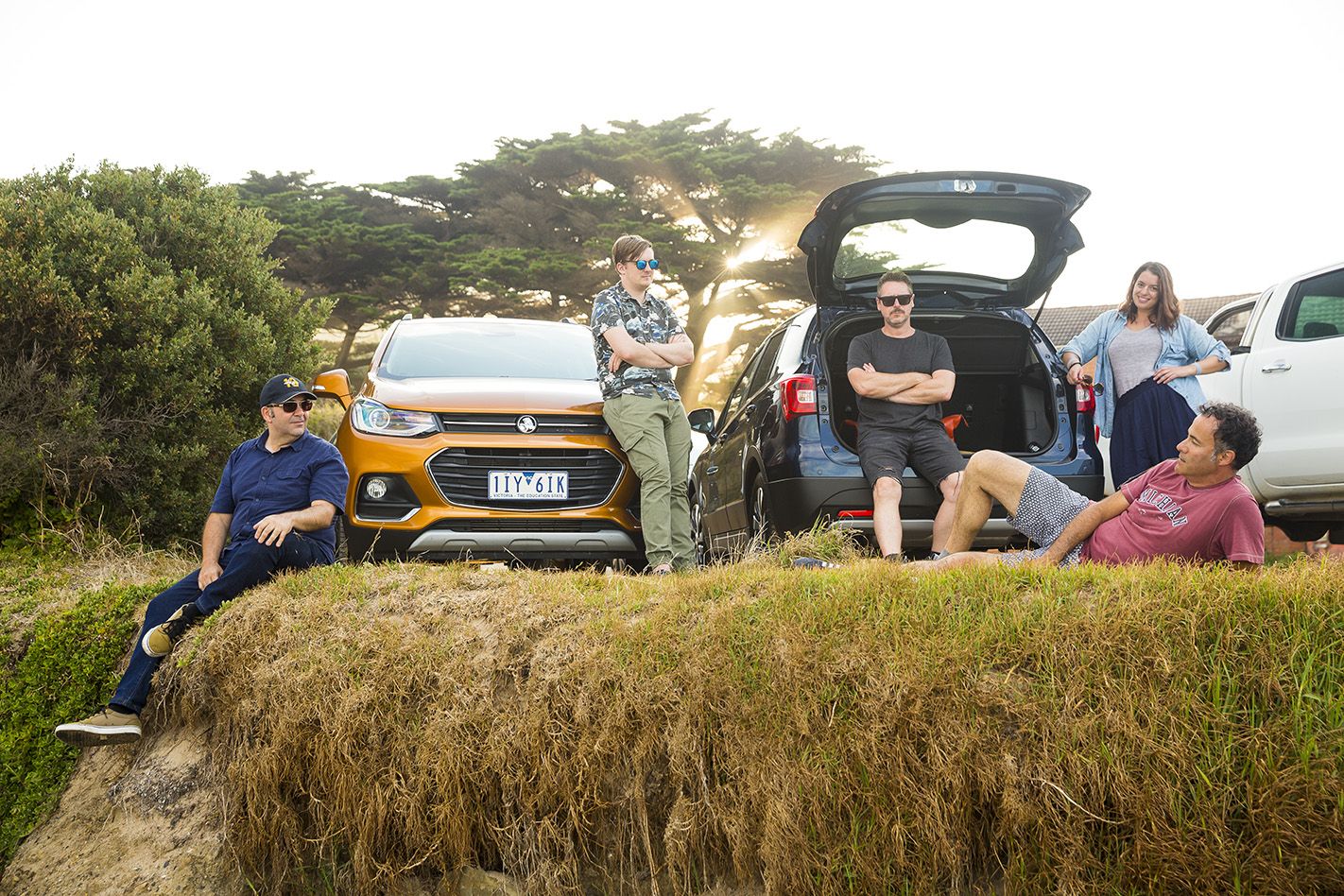
To help cut through and help you decide which small SUV is right for you, Which Car took five of the best new offerings on a two-day comparison. Here’s what we found out.
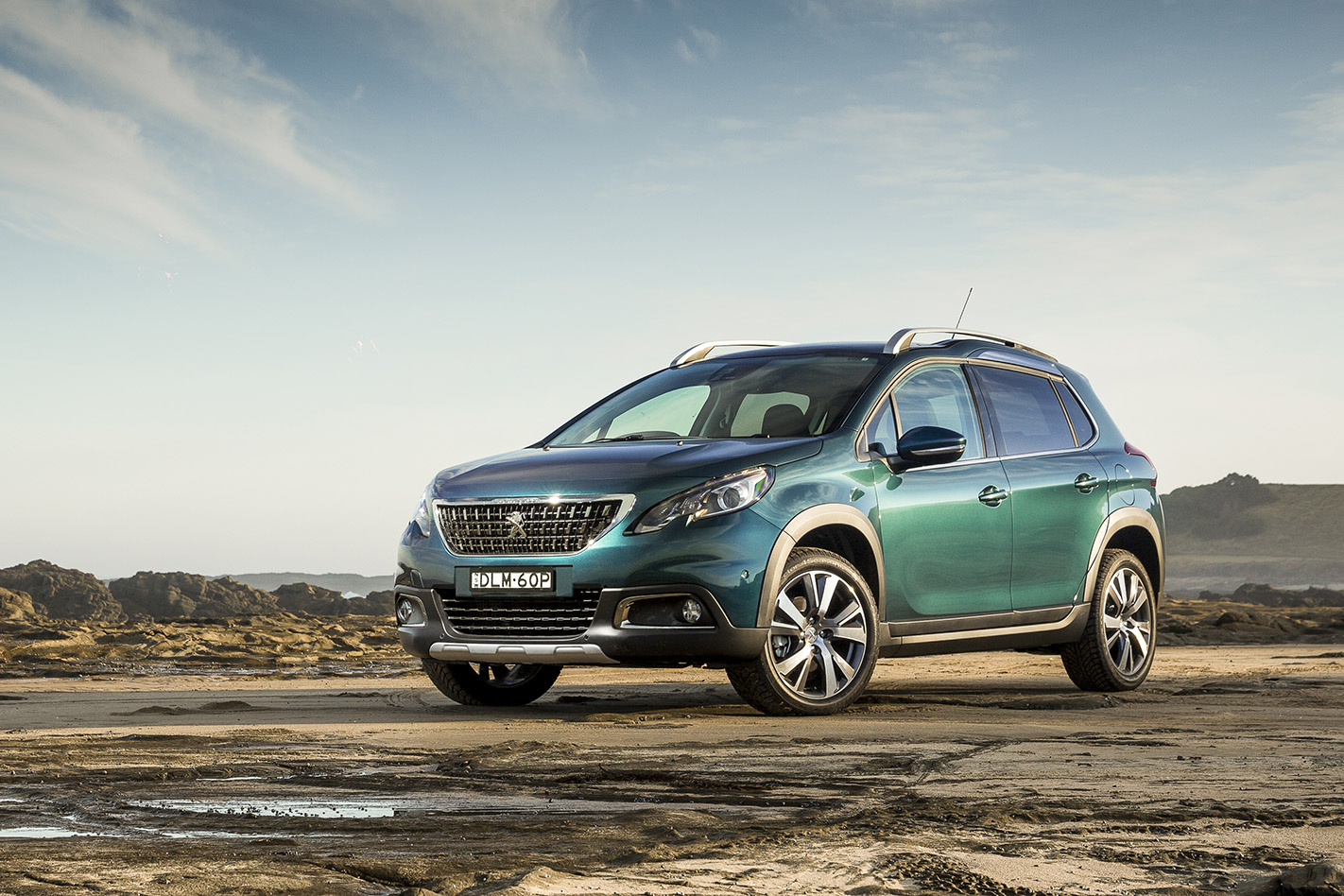
The engine is tractable and easy to live with every day, with a fun streak when put into sports mode thanks to well-tuned transmission and throttle mapping. The exhaust has a nice note, with throttle application progressive, and gearshifts smooth.
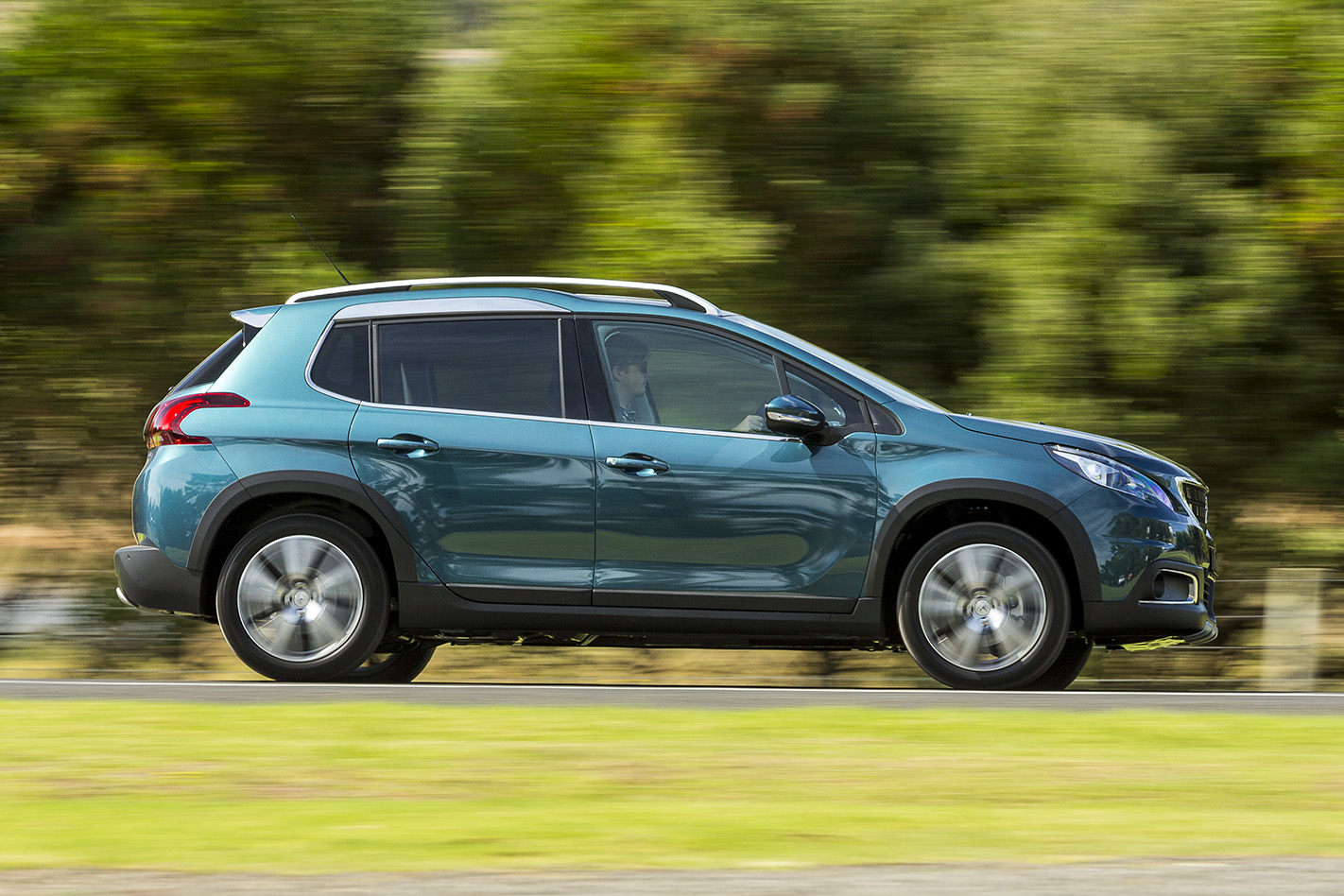
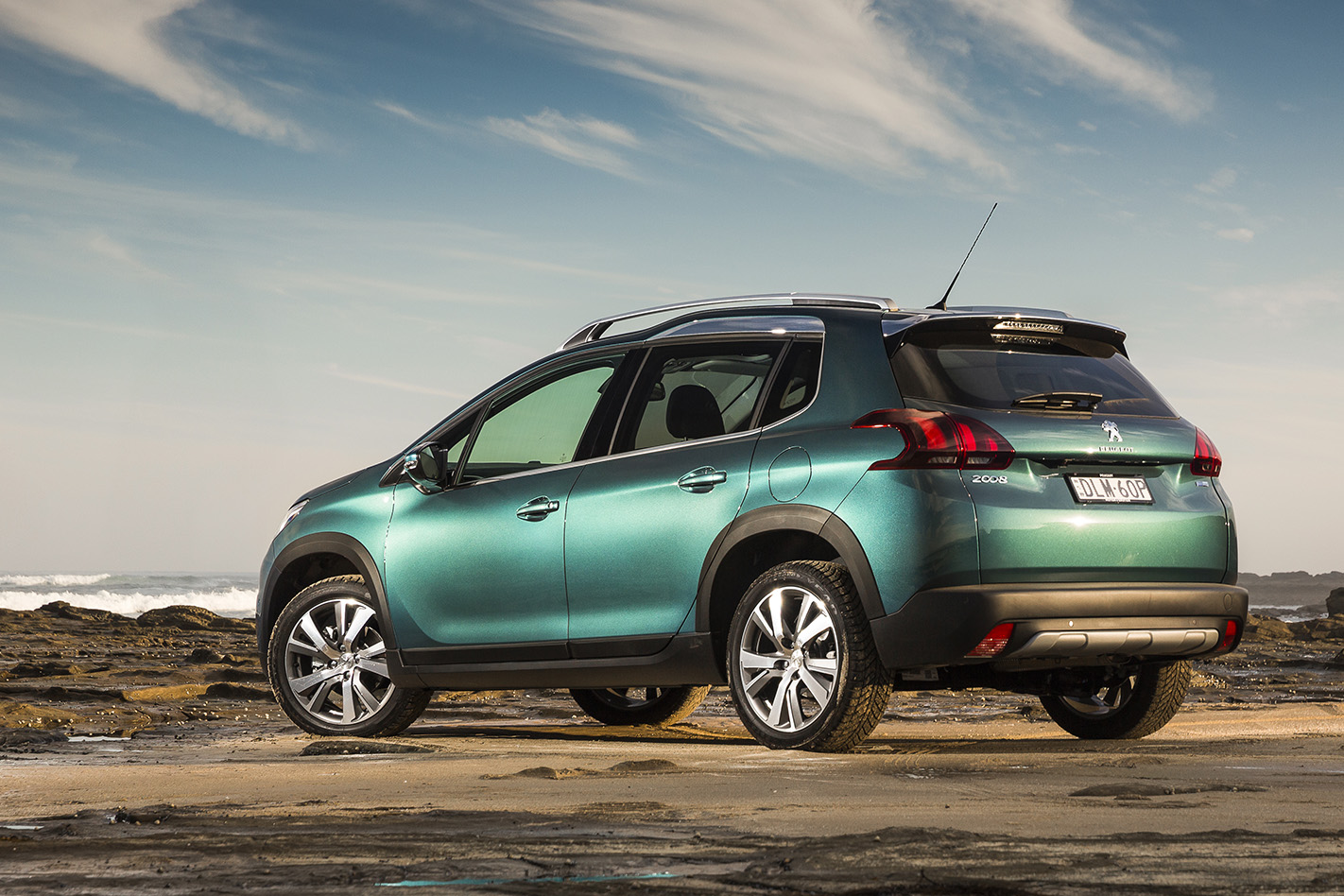
The interior of the Peugeot is a leader from this comparison, with a luxury feel beyond its price tag. An optional sunroof, theatre-style seating for rear-passengers, and ample boot space are highlights of this one.
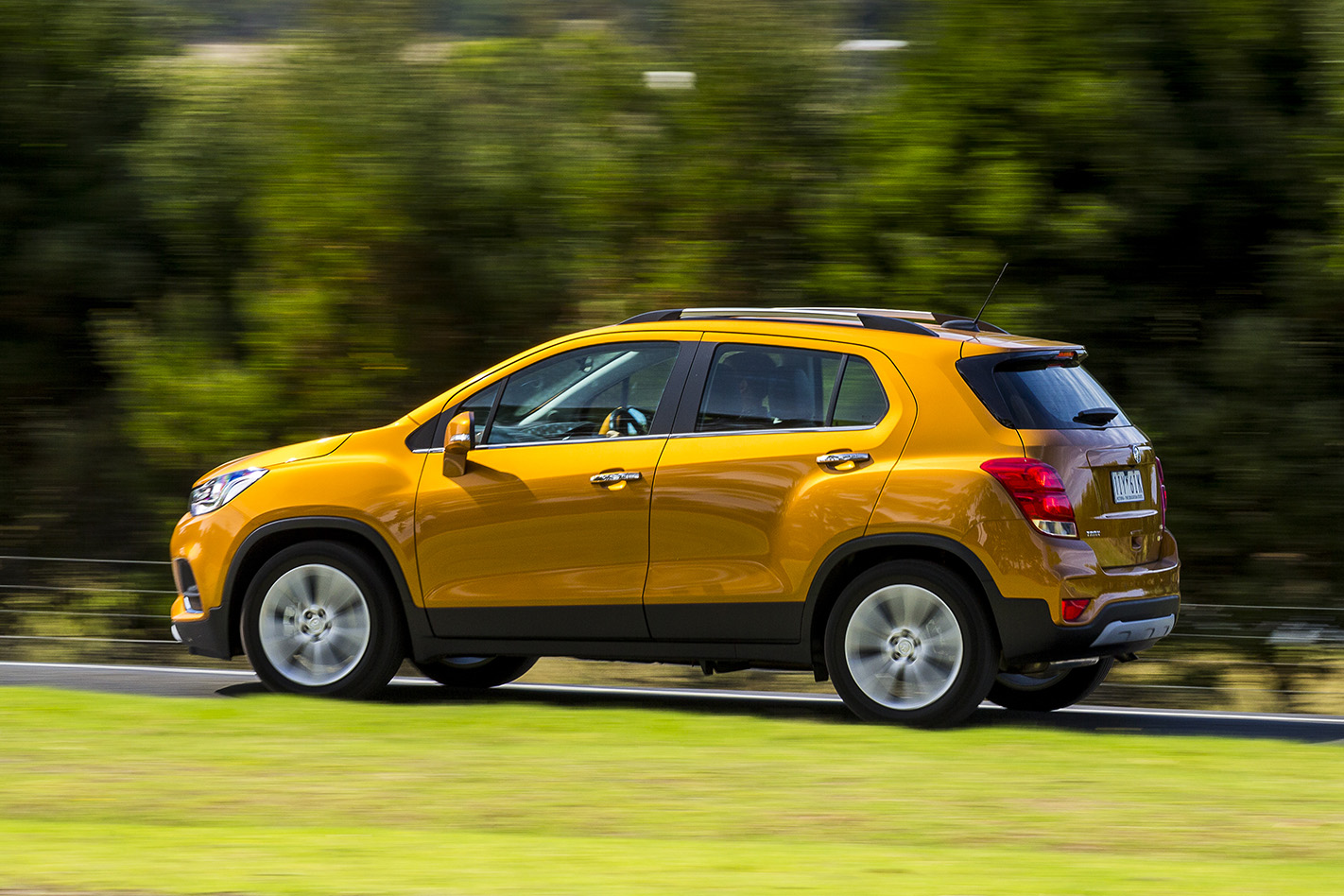
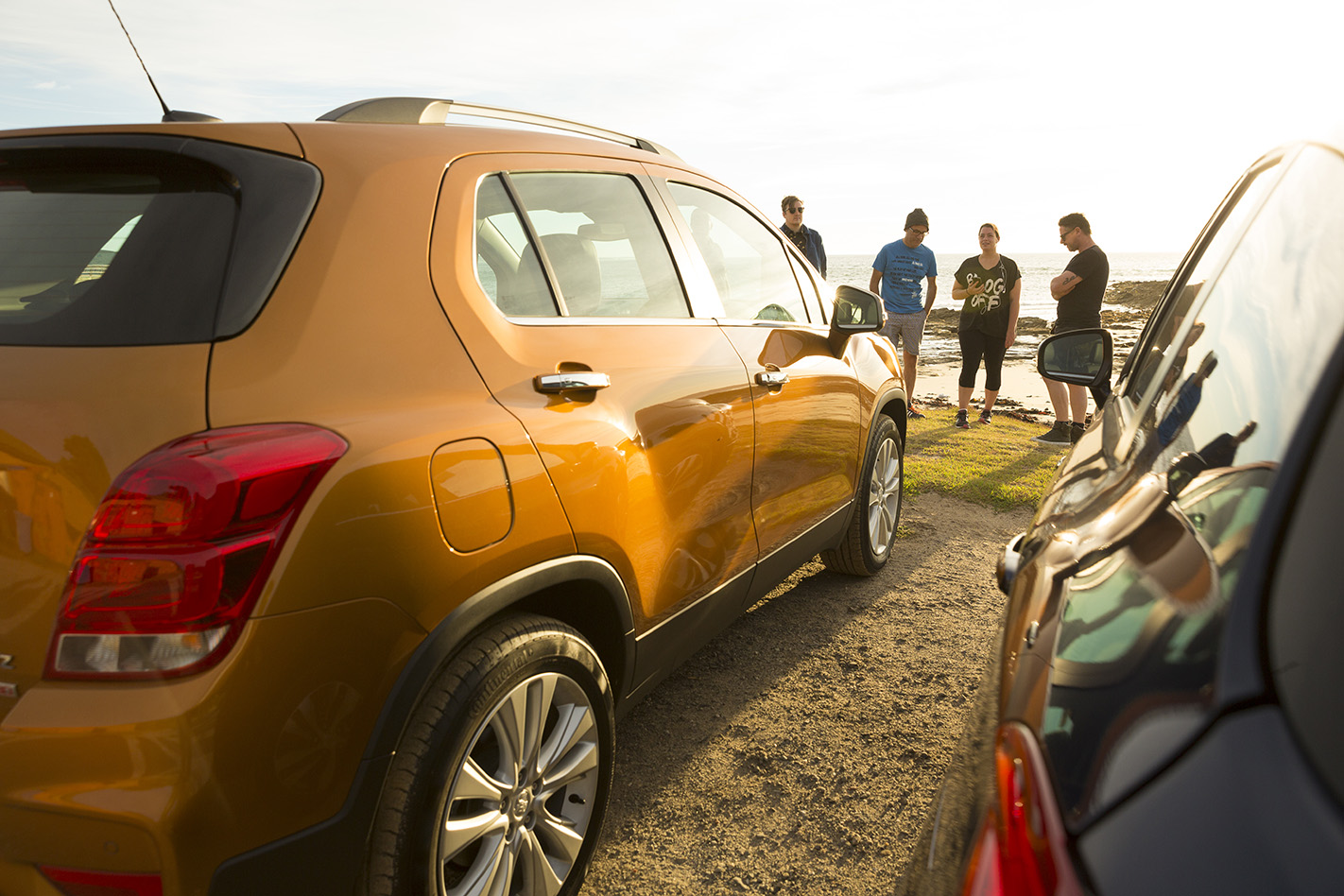
Holden Trax The Holden Trax was outclassed by strong competition in this field. While its engine and gearbox impressed judges, the interior design and feel, along with ride and road refinement dynamics lagged behind the rest of the pack.
The transmission is fun in manual mode, however the gear-mounted shifter, where a driver is forced to thumb a switch on the gear knob to change ratios instead of a traditional push/pull system, is a strange ergonomic quirk which makes shifting gears manually a hassle when trying to enjoy a windy road.
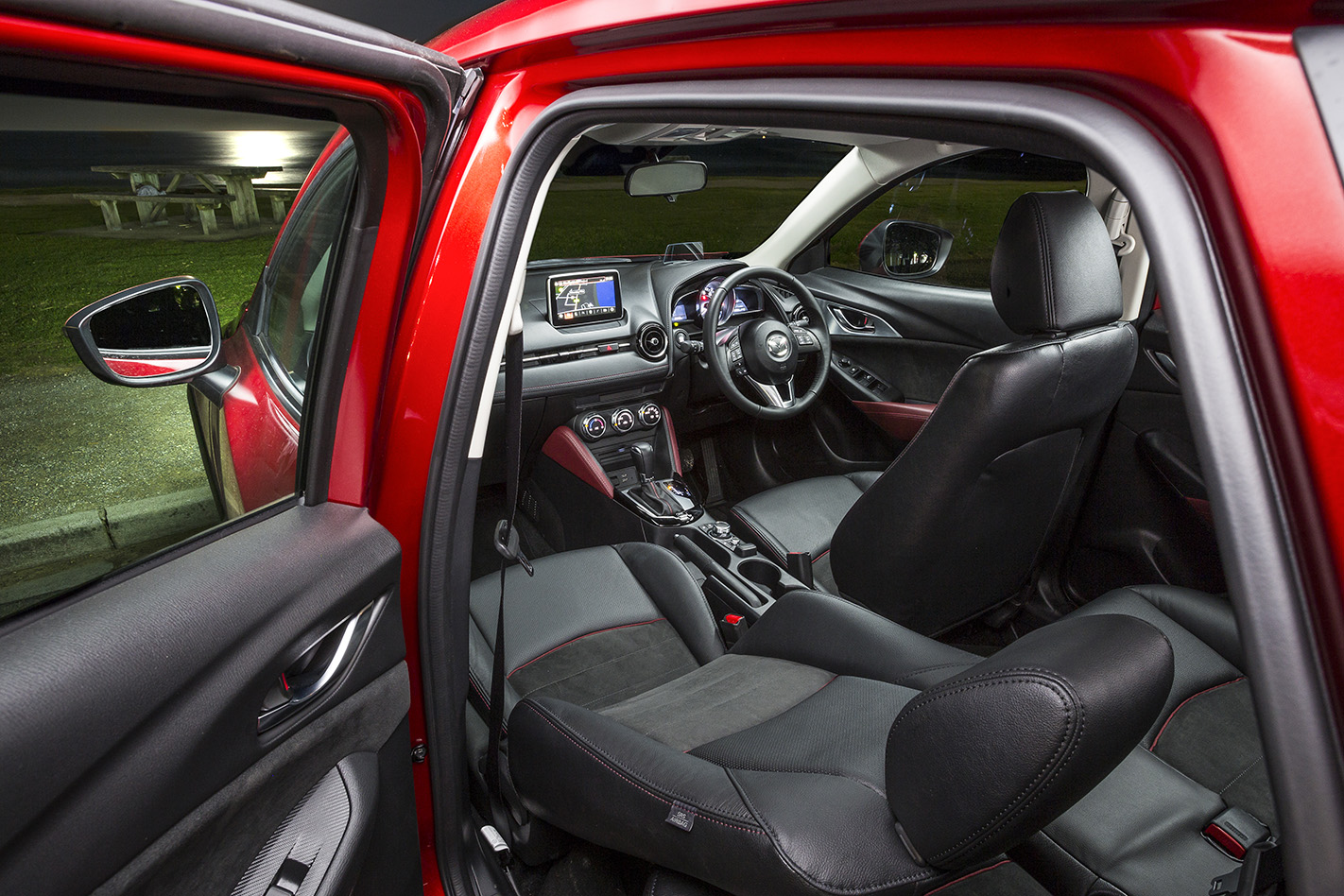
Mazda CX-3 The CX-3 is the Small SUV segment leader in terms of sales, with no other competitor able to approach its domination in the showroom. However, it lags behind all others in this field in returns of noise and refinement. The Mazda CX-3 suffers from large amounts of road, wind, and engine noise both around town and on the highway.
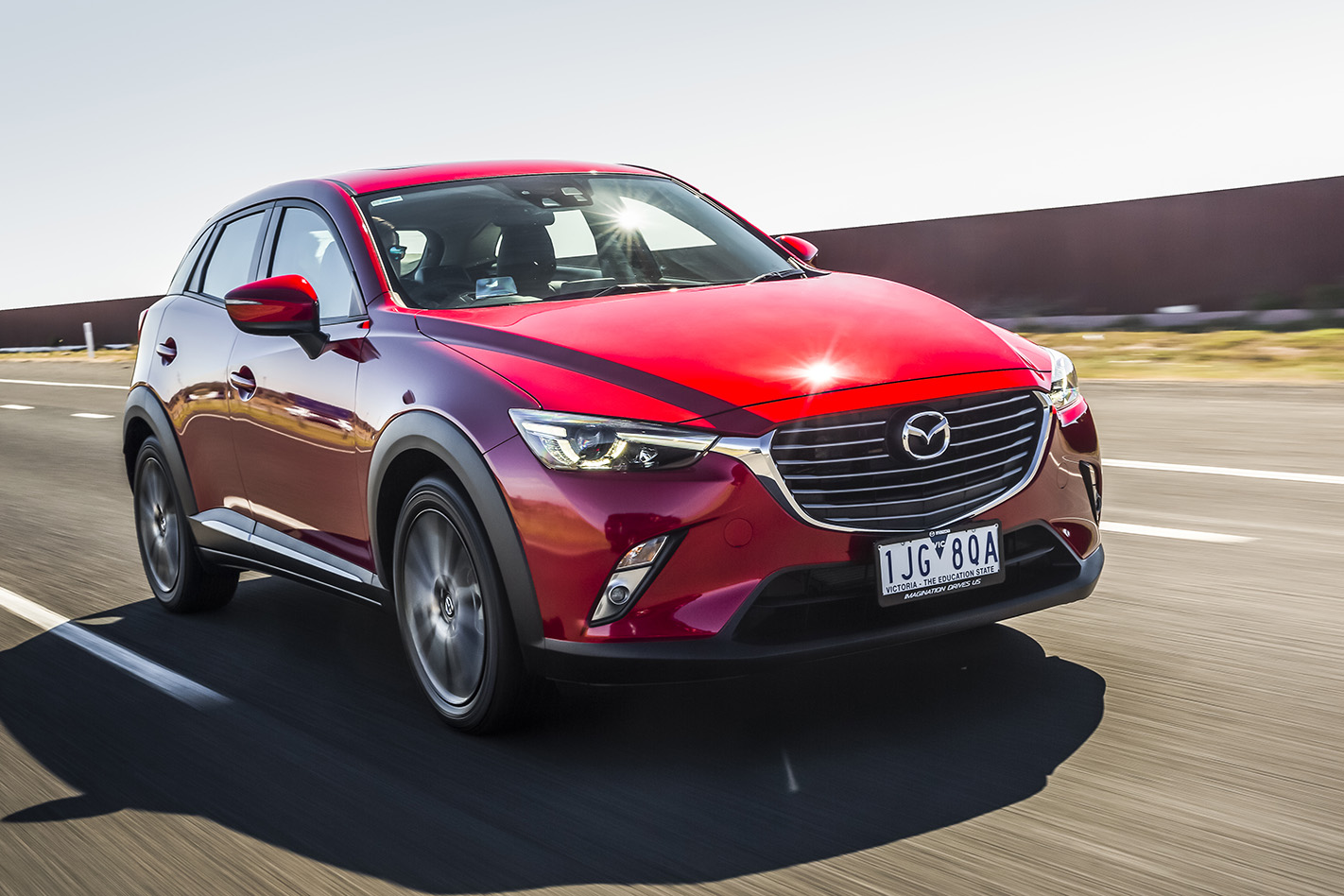
You feel sportscar-snug inside the cabin, however rear legroom is minimal, leaving passengers in the rear pews feeling cosy, but comfortable. Rear vision is also compromised.
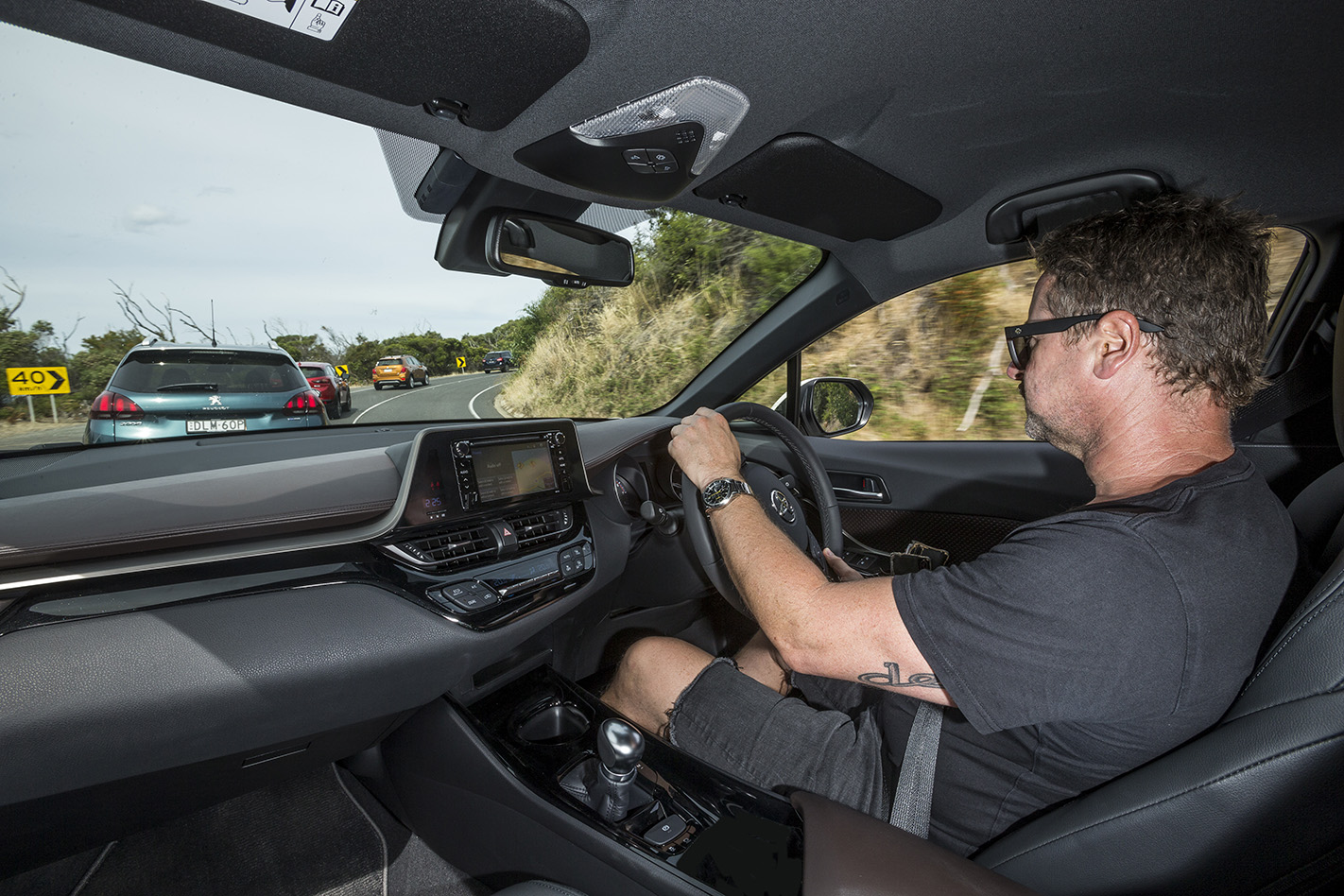
Toyota C-HR The new kid on the block comes armed with funky styling and a charismatic personality for this comparison. The Toyota C-HR may divide some opinions with its looks, but won over our group of judges thanks to its adventurous design.
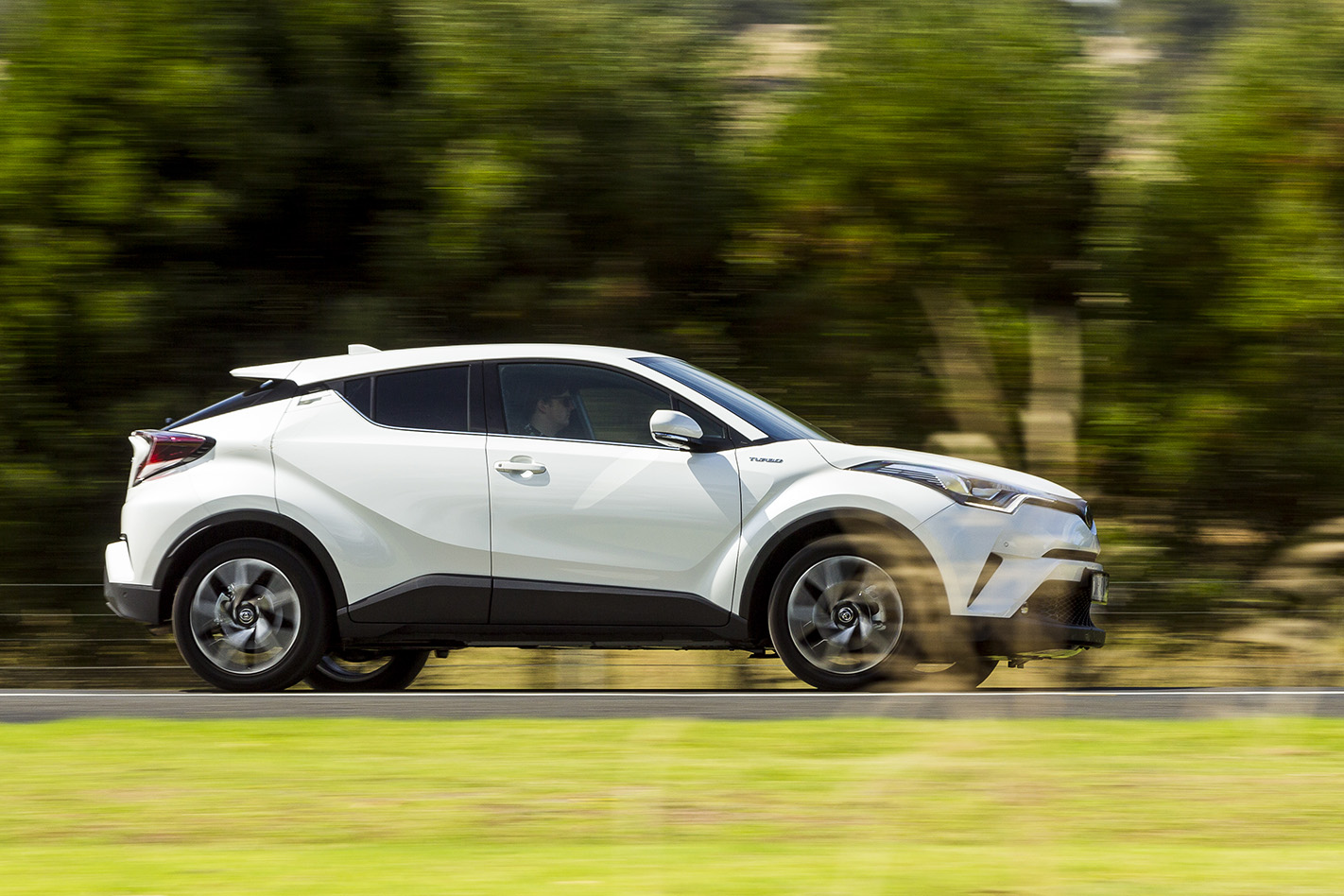
Front passengers are well cared for with large seats that are possibly too large for the overall packaging. This contributes to a lack of rear seat vision.
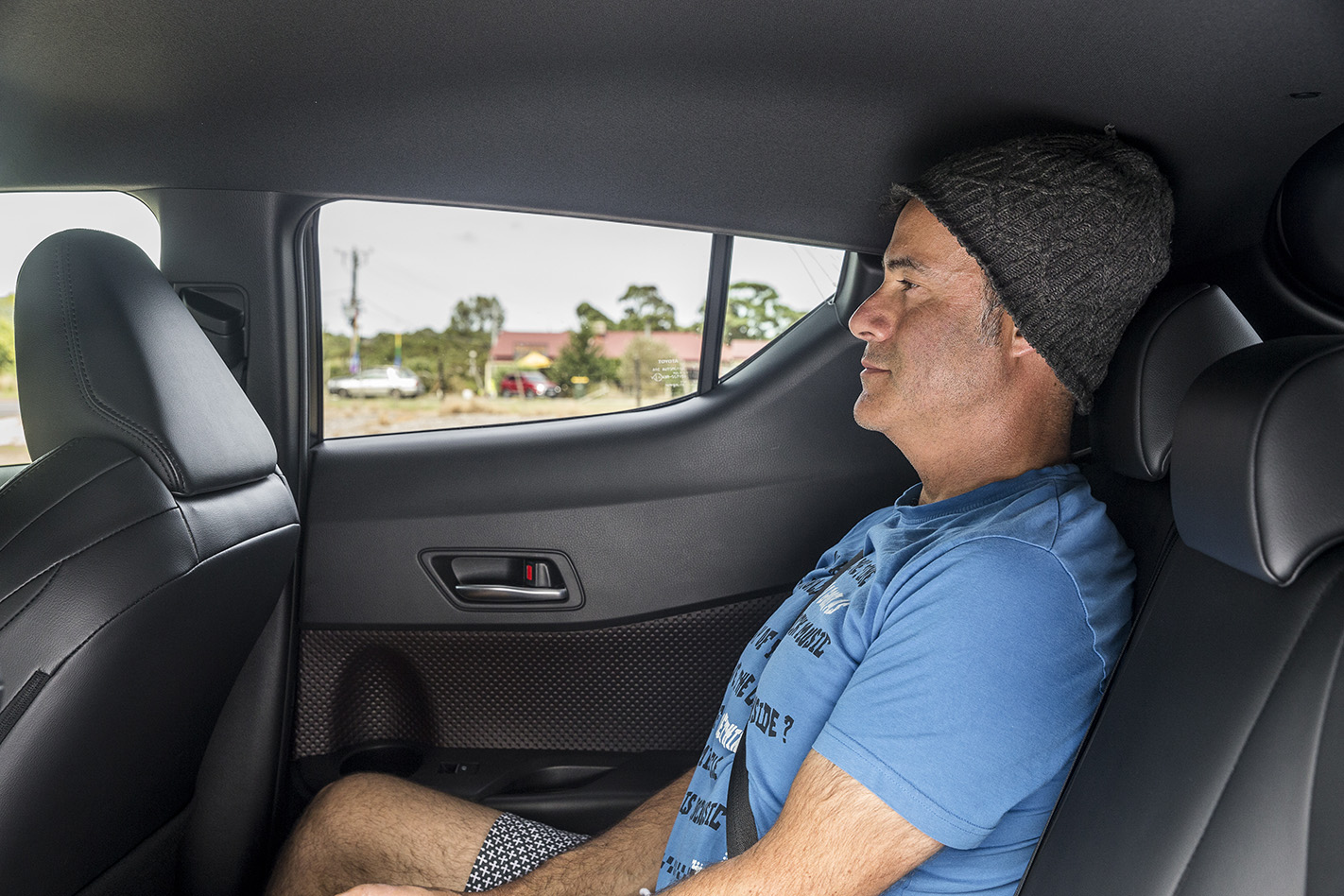
The Toyota also impressed dynamically, particularly with steering set to Sport mode. In the around town ECO mode, the steering was extremely light, making manoeuvring a breeze.
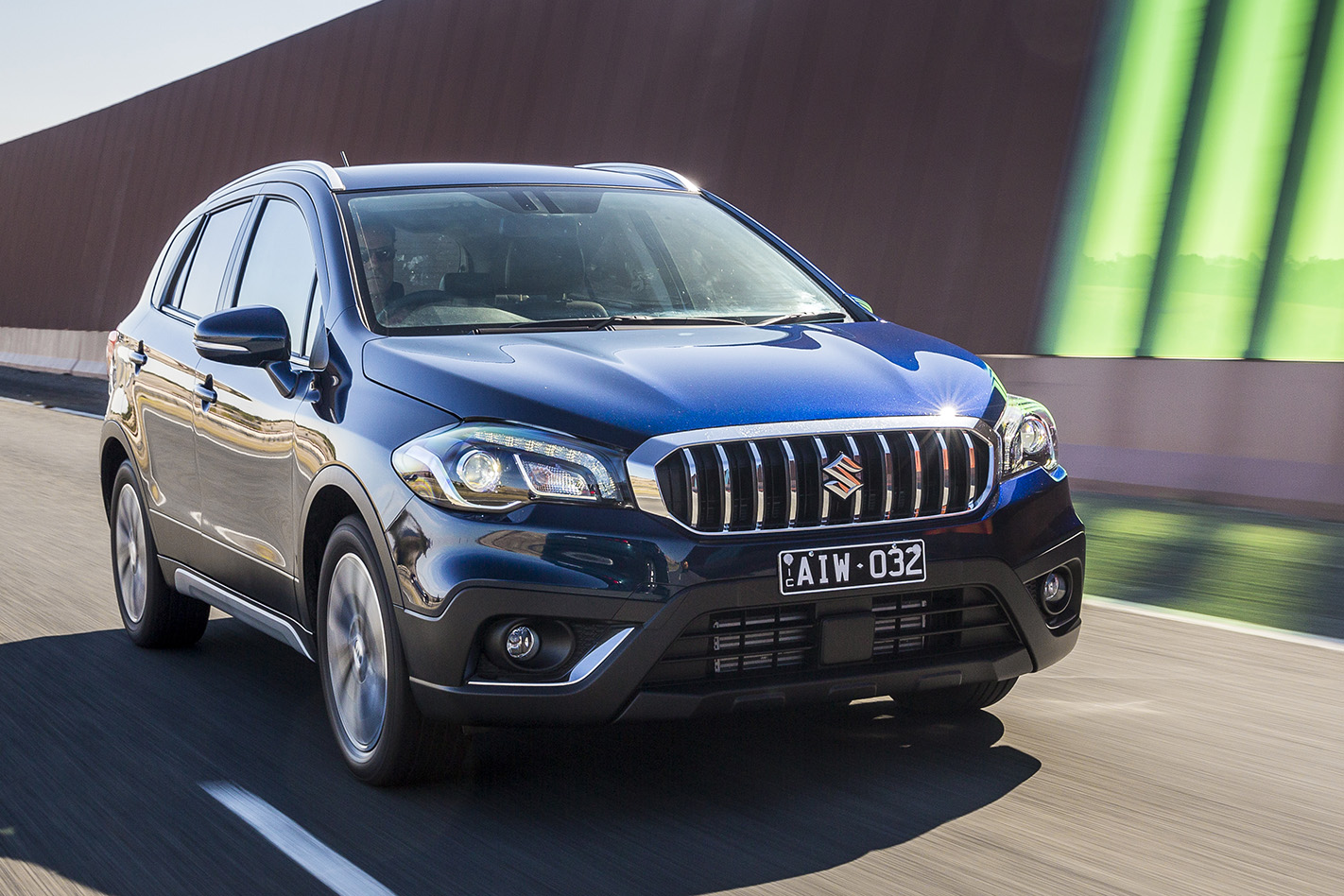
Suzuki S-Cross The S-Cross has the best engine of the field tested here. If your priorities have you searching for a capable and versatile crossover for long interstate drives, then the S-Cross is the small SUV for you.
The Suzuki’s infotainment system is simple but capable, with sat-nav and rear-parking camera as standard. However, the interior does feel basic compared to the rest of the field tested thanks to an abundance of hard scratchy plastics and a design that already feels dated.
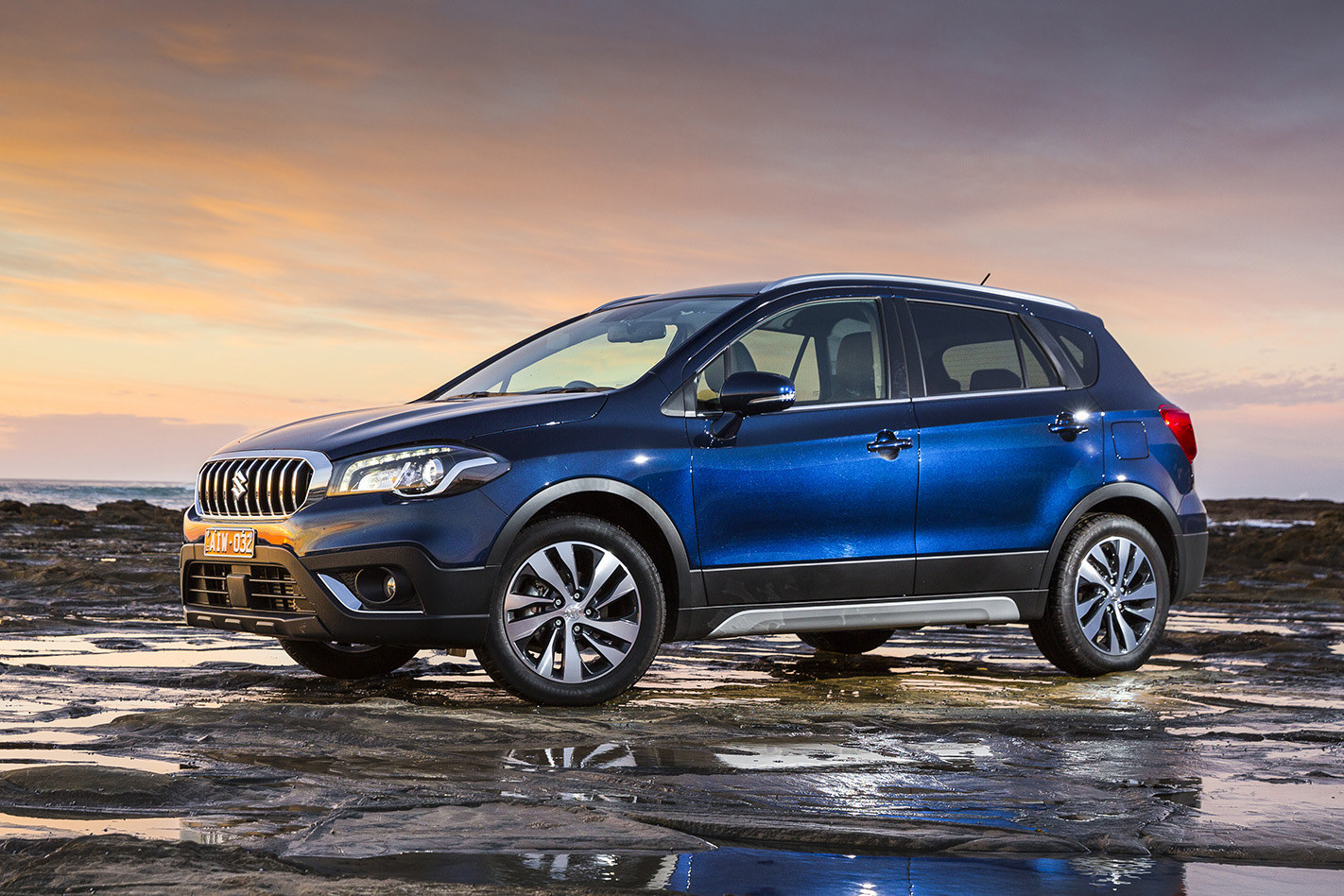
The electric steering lacks feel and has a dead zone in the first few degrees of steering lock where it has little effect on direction, but the car holds the road well overall.
Verdict: Peugeot 2008 The best all-round car from our five-car field was the Peugeot 2008. It won over judges with its smart packaging, roomy and luxury interior feel, capable dynamics and tractable engine.
Mazda’s CX-3 is a segment leader for a reason, and is well worth considering for its sharp value offering. The S-Cross is the reliable pack-horse of the field, with an engine which makes up where other departments are lacking.
Unfortunately for Holden, it’s the Trax that brings up the rear of the field. An irksome, low-rent interior and harsh ride see points get subtracted and put it on a level below its well-sorted rivals.
Is this the fourth-generation JL Jeep Wrangler? Ask Jeep’s PR people and the response is ‘no comment’, but according to the online forum that posted these images, they’re the real deal.
But if your site is called JLwranglerforums.com, of course you’d say that, wouldn’t you? As they say, any publicity is good publicity.
That said, what’s shown is certainly believable. Two grainy black and white photos depict what appears to be the next generation Wrangler Unlimited four-door, with doors and three-piece hardtop both mounted and unmounted. The overall shape is unmistakeably Wrangler, but the closer you look the more differences you’ll find.
That deep sheetmetal contour running under the glasshouse is the most prominent change, but there’s also a reprofiled seven-slot grille with headlamps partly inset into the outer slots, quarter panel air vents to reduce drag generated by the front wheelwells, new bumper designs and separate hinges for the fold-down windshield.
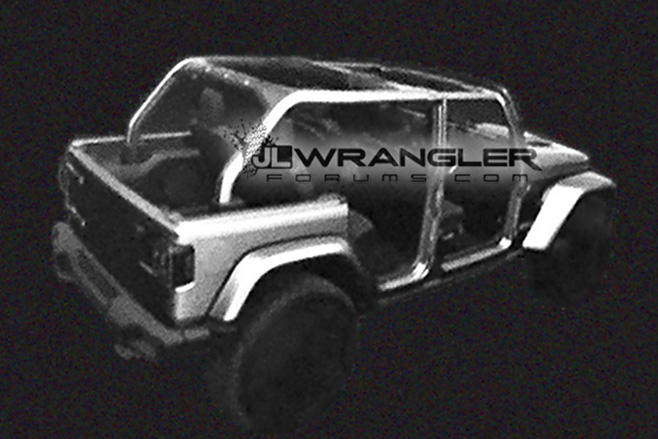
That windshield is also raked back further than the current model, which, combined with the drag-reducing fender vents, should help Jeep achieve its stated goal of making the Wrangler more fuel efficient. Partial aluminium construction is expected to be employed on the new Wrangler as a thirst-abating measure as well.
The car depicted is also said to represent the top-shelf Rubicon variant, which explains its aggressively vented bonnet.
| Jeep 75th anniversary special editions released
But that aside, the rest of the Wrangler recipe hasn’t been messed with. Chunky door handles, exposed hinges, a beefy integrated roll cage, clamshell bonnet with external latches, separate mudguards and that iconic two-box silhouette are still very much present and accounted for.
After all, with a reputation built on ruggedness and go-anywhere capability, why would Jeep want to change what is still a highly successful formula?
There are no huge surprises shown here, but then again we weren’t expecting many. That said, until Jeep themselves release their own imagery we’ll be treating this one with a healthy dose of scepticism.
THE 2018 Renault Megane RS has been sneakily teased right at the end of a Renault Sport video thanking fans for helping it reach 1 million Facebook followers.
The 1min-9sec video features previous Renault Sport hot hatches animated in the style of video games from their respective eras, and it’s only after the end titles that the shrouded 2018 Megane RS model is shown.
As you’d expect there isn’t too much detail apart from the overall form, with the shape of the Megane’s signature C-shaped daytime running lights, headlights and foglamps shining through the cover being the giveaways that what we’re looking at is indeed the top-tier Megane.

What is known about the 2018 Megane RS is that it will have four-wheel steering and be powered by a highly tuned version of Renault’s 2.0-litre turbo engine, which is expected to deliver more than 220kW, up from the – about 20kW more than today’s RS 275.
Renault Sport will also likely stick with a traditional six-speed manual gearbox while also offering a seven-speed dual clutch automatic, which would be a first for the Megane RS.
Based on the current Mégane RS 275 Cup S flagship’s 0-100km/h time of 5.8sec, expect the manual to pull mid-fives, a stat which could give some AWD hot hatches a run for their money.
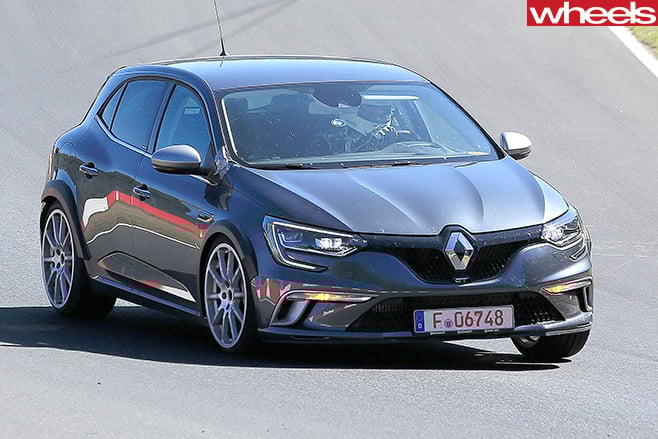
And it should be in with an excellent shot to steal the Nürburgring front-wheel-drive lap record from the current champion, the Volkswagen Golf GTI Clubsport S (called the Golf GTI 40 Years here to avoid conflict with the HSV version), while giving the newcomer Honda Civic Type R some healthy competition as well.
The 2018 Megane RS will be five-door only, and a GT-based mule spotted undergoing testing last year provided some visual clues including a lower and wider stance.
The 2018 Renault Megane RS was expected to debut last month’s Geneva Motor Show but with that show already been and gone that’s apparently been pushed back to Frankfurt in September.
JUMP inside the car that started it all for Holden Special Vehicles, three decades since its debut at the 1987 Sydney Motor Show. It is, of course, the Holden VL Commodore SS Group A SV, more commonly known as the HSV Walkinshaw.
The ‘Walky’ is arguably the most recognisable Australian muscle car of all time, thanks largely to its distinctive Panorama Silver paintwork and outrageous fibreglass bodykit, not to mention a victory at the 1990 Bathurst 1000.
An initial production run of 500 cars was built for Holden to homologate and race them. Demand from the public was strong, so HSV followed up with a second batch of 250 units. But by the time the second run went on sale, the VN Commodore was already in showrooms and many of the Walkys sold cheaply to stop them languishing in dealership parking lots.
This particular car is build #555, and is rumoured to have been Tom Walkinshaw’s personal car. It was bought back by HSV more than 10 years ago and is in near mint condition today.
It has its original 5.0-litre V8 engine fitted with electronic fuel injection, which was a first for Holden. Outputs are 180kW and 380Nm, with a claimed 0-100km/h time of 6.5sec and a quarter mile time of 14.8sec. Average figures by today’s standards, but scorching performance for its time.
Everything else you need to know is in the video, and it’s worth a watch to see how the first product to wear HSV badging has aged in the 30 years since its release.
The bitter break-up of Holden and Peter Brock’s Holden Dealer Team was what gave way to the marriage of Holden and UK-based Tom Walkinshaw Racing, a relationship that continues today and has been commemorated with the release of ‘30 Years’ special editions for each model in the current HSV line-up.
Tesla CEO Elon Musk took to Twitter earlier this week to reveal a hidden Easter egg in Tesla’s latest 8.1 software update for the Model S and Model X
In his Tweet, he tells owners to tap the ‘T’ logo on the touchscreen three times. This turns the infotainment system into a touch sketchpad, so owners can work the right side of the brain and bring out their inner artists.
It’s finger-painting with a high-tech twist, and budding Michelangelos also have the option of submitting their masterpieces to Tesla for critique by clicking “Yes, I am an artist!” or keeping their creative genius to themselves by selecting “No, the world isn’t ready for my art.”
Other features of the update include an update for the Autosteer function to make it work at speeds up to 129km/h, re-enabling features of Autopilot 1.0 including Auto Lane Change, and interface features like listing opening hours and Google ratings for businesses via Maps and allowing the adjustable headrests to be controlled through the touchscreen.
Aside from the usual comments of concern, mostly about driving and sketching (one word: Autopilot), @liambolling posted a video on Twitter to share how the sketchpad actually works.
Musk later published submitted artwork via his Twitter account.

A sketch of Mona Lisa made an appearance but in a giggle-fest of fun, a submitted drawing of a unicorn farting into the fuel pump of a car, which is similar to an image featured on Musk’s personal coffee mug, was also shared.
Tesla drivers are no strangers to Musk’s wacky Easter eggs. Past firmware updates have seen a variety of weird and wonderful functions added to the ever-growing list of capabilities of Tesla’s road cars.
Our favourites include:
- The Mars Easter Egg which is revealed when holding down the ‘T’ and putting ‘mars’ in as a code to take a (pretend) voyage to Mars.
- Turning the charging port to a beautiful rainbow lightshow by hitting the charge handle button 10 times quickly.
- Putting Autopilot into psychedelic mode, by activating Autopilot four times in quick succession to turn the lane marking display into a Mario Kart-style rainbow coloured road.
- Or turning your Tesla into the James Bond: Spy Who Loved Me submarine by holding down the ‘T’ symbol, entering 007 as the access code and then taking a ‘dive’ to various levels below sea (which actually adjust the car’s suspension).
