
US buyers of the new Mazda MX-5 can option Brembo brakes, Bilstein suspension and forged BBS wheels. Should we envy them?
WHAT IS IT? A honed version of the much lauded Mazda MX-5. This is the US Club spec with uprated suspension and brakes, and with the option box for weight-saving BBS forged alloys ticked, too.
WHY WE’RE DRIVING IT The pack is offered on US-spec MX-5s (the MX-5 is called Miata there), as a factory option. Mazda Oz has a history of offering Bilstein packs and similar upgrades for previous MX-5s. While not confirmed, you wouldn’t be foolish to bet on this pack coming here once the box-fresh MX-5 has been on sale for a few years.
MAIN RIVALS Toyota 86 Blackline Edition, Subaru BRZ
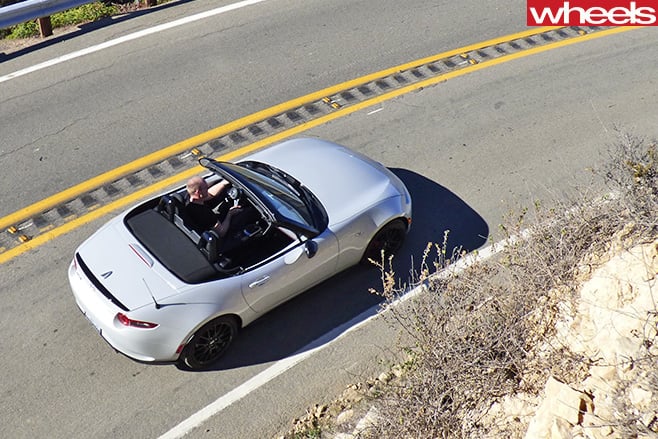
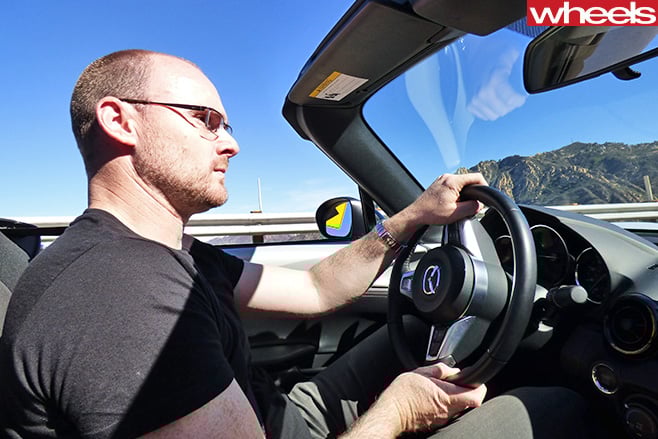
The US market misses out on the 1.5-litre engine that we get here, instead starting off with 16-inch wheels on the 2.0-litre entry-model, making the 17-inch alloys on the Club worth the step up on their own for US buyers. The BBS package goes further, swapping those 17s for lighter, stronger, forged versions of the German wheel-maker’s classical mesh design. They’re wrapped in 245/45 Bridgestone Potenza SE001 rubber, the same as the boots fitted on Australian market models. And they house bigger brakes, in the form of Brembo 290mm, four-piston units up front, with a single piston squeezing 279mm rotors at the rear.
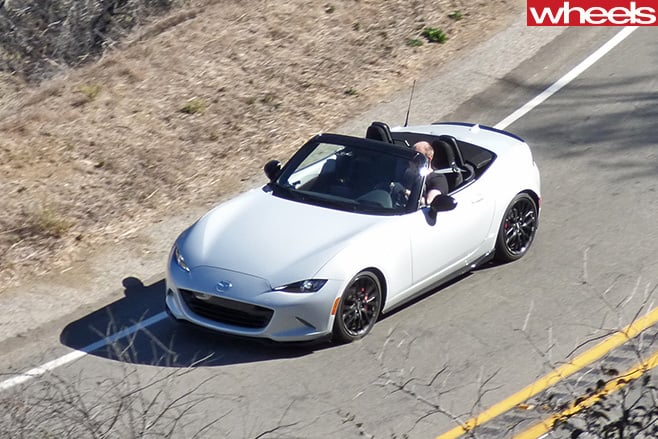
On road, the changes allow you to push the MX-5 – and yourself – even further. The increased stiffness allows you to exploit the crisp turn-in on those 17-inch wheels, which already have an (ever so slight) edge when compared with the 16-inch versions. That precise, honed attitude – with dive and squat under hard braking and acceleration, and roll during festive cornering, even better controlled – lets you lean on the tyres more, and make more use of the Bridgestones’ shoulders on a spaghetti-like winding road.
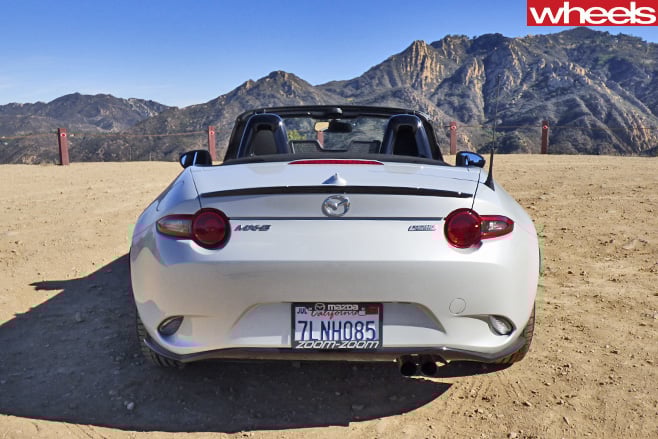
The alacrity and precision of the front end brings stunning poise, with the Bilstein shocks sharpening the MX-5 yet not pushing its ride over the edge into a brittle oblivion. There’s still suppleness and compliance over bumps, ruts and surface changes that means this remains a liveable, comfortable daily driver, and yet it unlocks another level of the roadster’s already abundant chassis talent.
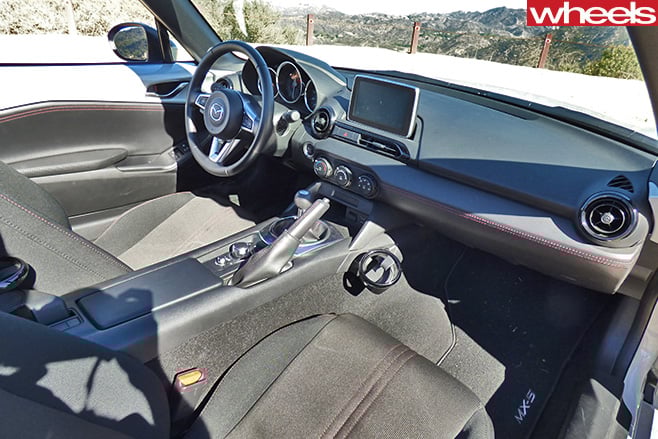
SPECS Model: Mazda MX-5 Club BBS Pack Engine: 1998cc 4cyl, dohc, 16v Max power: 118kW @ 6000rpm Max torque: 200Nm @ 4600rpm Transmission: 6-speed manual Weight: 1047kg 0-100km/h: 7.3sec (claimed) Fuel economy: 6.9L/100km Price: $32,820 (US) On sale: N/A
It’s always baffled me why hybrids emerged at the city-car end of the market.
To my mind, the weight, complexity and cost of electrifying a car makes little sense in the low-margin world of small cars, yet is much less of an issue when you’re talking about the top end of town.
Not just that, but the instant torque and silent operation of electric motors are ideally suited to luxury motoring. Manufacturers are catching on, however, with the likes of the Mercedes-Benz S-Class and Range Rover now available with a bellyful of batteries standard.
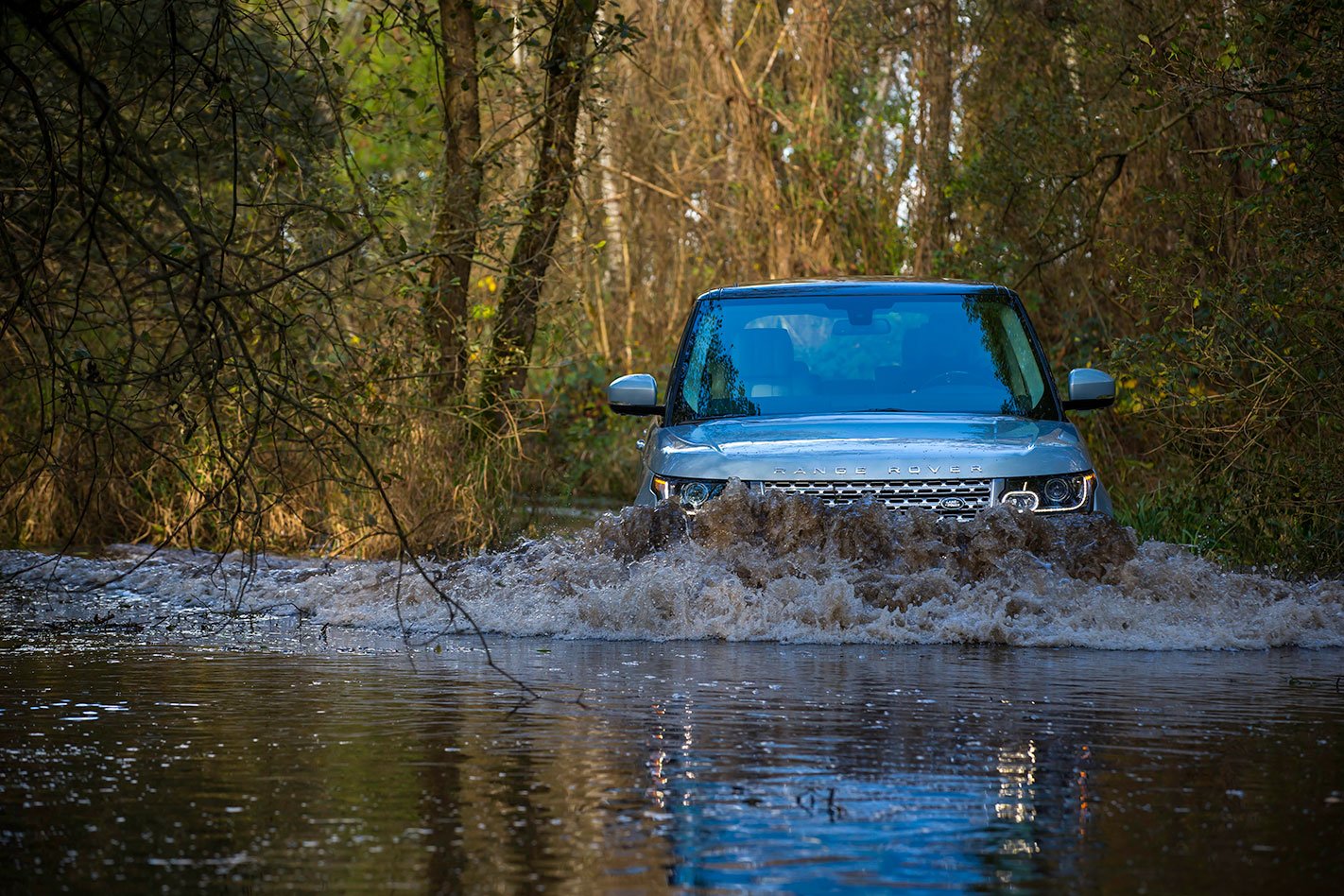
The on-paper figures back this claim, the Hybrid’s 250kW/700Nm diesel-electric combo shifting its 2394kg bulk from 0-100km/h in 6.9sec, matching the 250kW/740Nm SDV8, while using 6.4L/100km on the combined cycle compared to 8.7L/100km for the bent-eight oiler.
On the road it doesn’t quite work like that, as that on-paper performance is obviously dependent on the batteries having enough juice to assist the combustion engine. Range Rover claims the Hybrid can operate for 1.6km at up to 48km/h in EV mode, but we found that electric-only running was extremely limited.
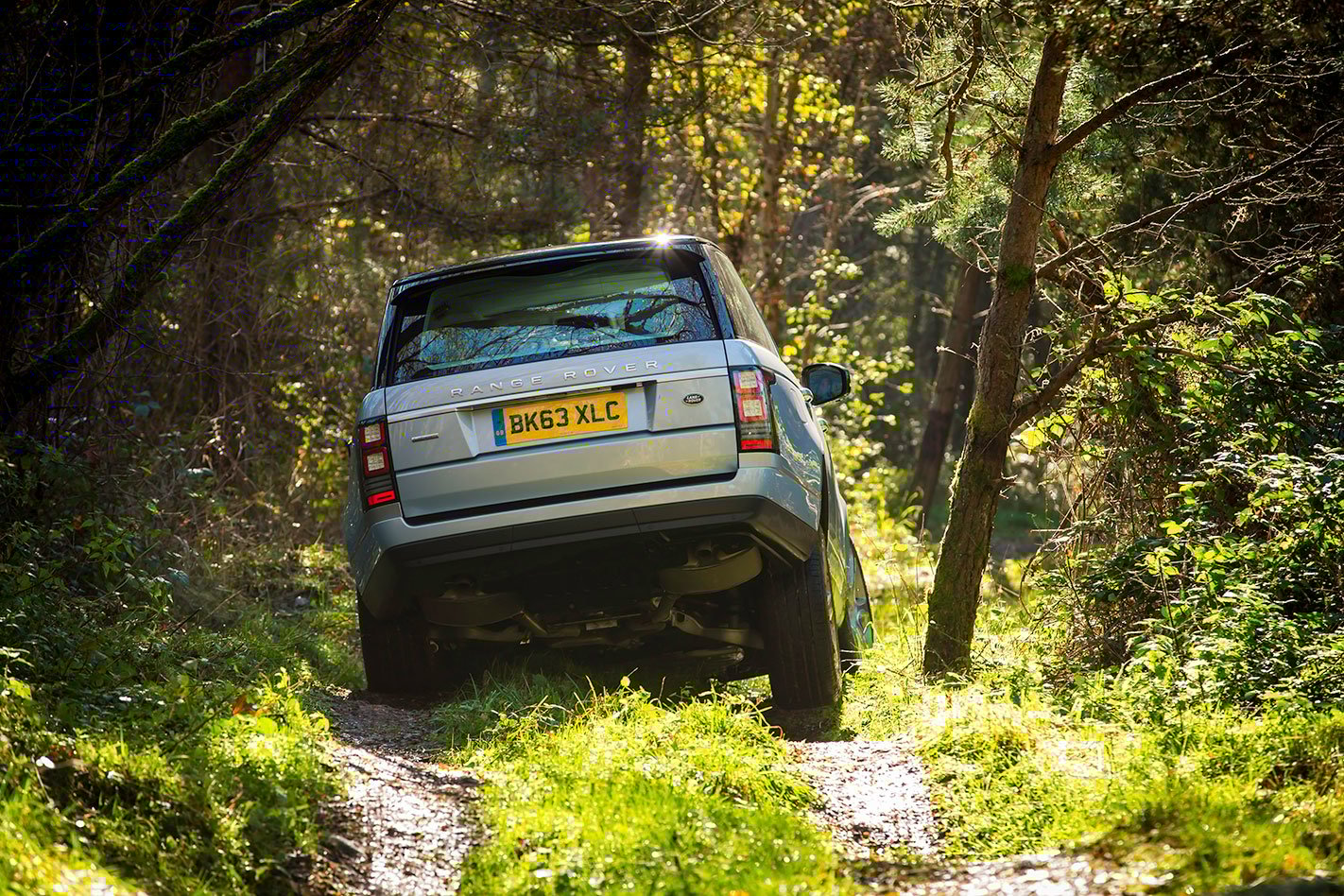
Given actually moving this behemoth off the line takes the most energy, fuel consumption was extremely impressive for a vehicle this size.
It was a real novelty to drive a Range Rover and have the fuel needle barely move; the last one sampled was a supercharged V8 – interestingly the most popular variant – which devoured fuel at such a rapacious rate that it made polar bears cry and my wallet commit hari-kari.
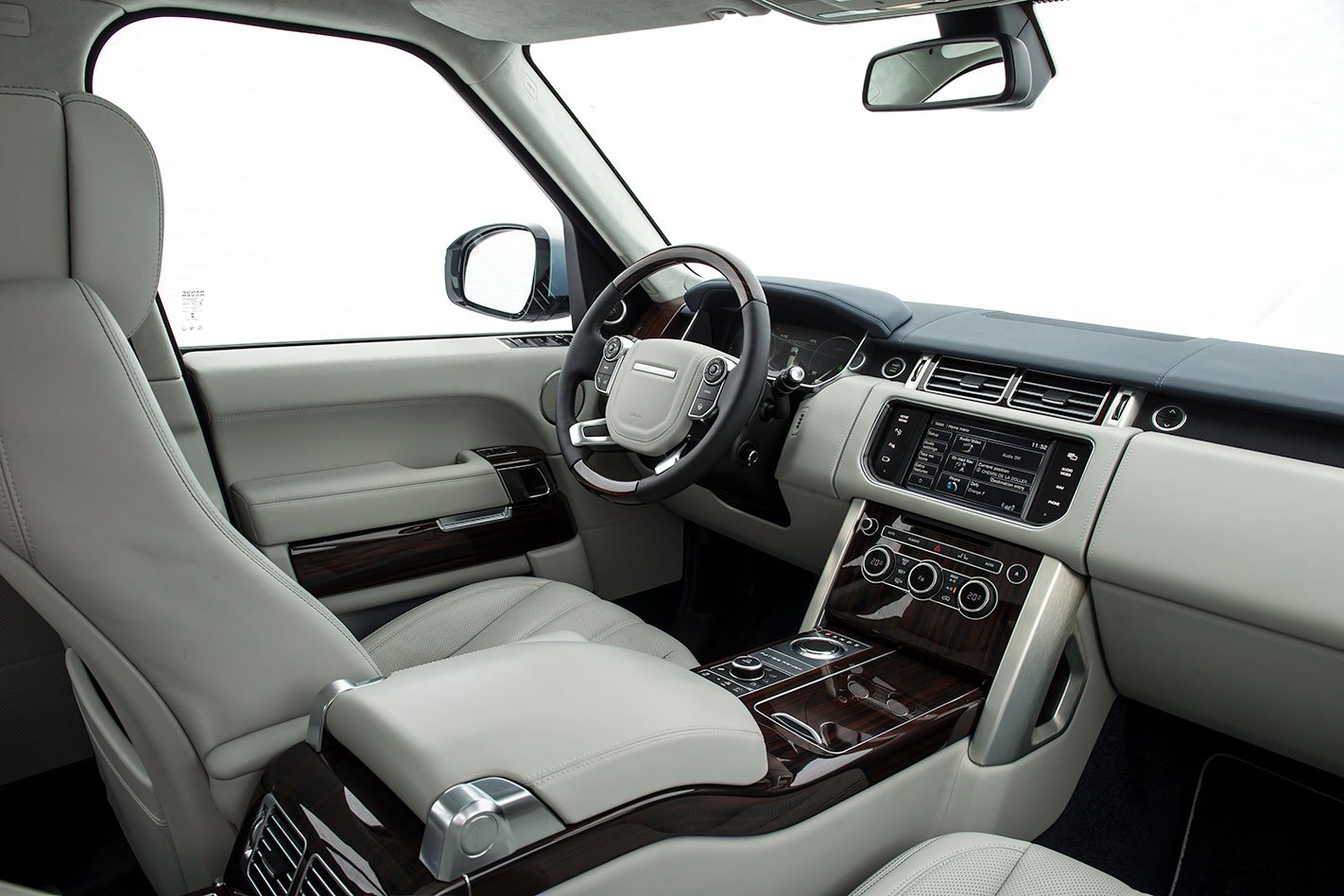
The batteries aren’t yet big enough nor the electric motors powerful enough for the Hybrid to be the pick, but it could be a very different story by the time the second-gen version arrives.
4/5
Specs
Engine: 2993 V6 turbodiesel, DOHC, 24v Power: 250kW @ 4000rpm Torque: 700Nm @1500-3000rpm Weight: 2394kg 0-100km/h: 6.9sec (claimed) Price: $226,900
Happy New Year everyone and welcome to the first issue of MOTOR for 2016.
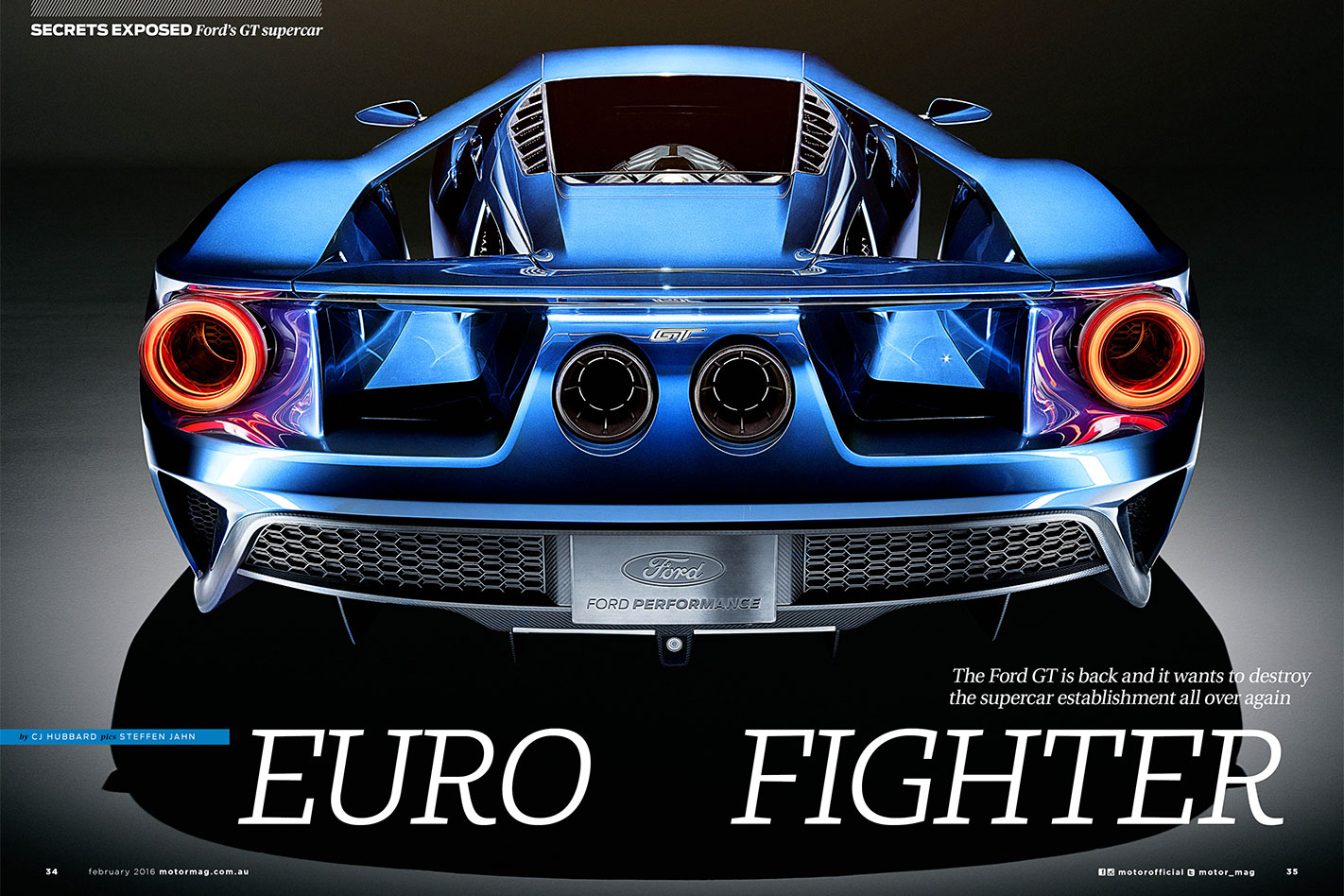
Our cover star this month is Ford’s outrageous new GT supercar. Released to commemorate 50 years since Ford’s famous 1-2-3 Le Mans finish, the new GT is promising to shake up the European supercar establishment all over again.
AUSSIES appear to want front-mounted engines and rear drive when it comes to the nation’s most affordable two-door sports cars.
The hot hatch segment appears yet to ignite buyers, with the front-wheel-drive Holden Astra GTC – launched mid-way through last year – ranking only fourth among the top five bestsellers.
Despite losing significant ground last year compared with 2014, the $29,990 Toyota 86, which received a mild facelift last year ahead of significant suspension and engine changes slated for this year, held onto the top spot in the sub $80K performance sandpit.
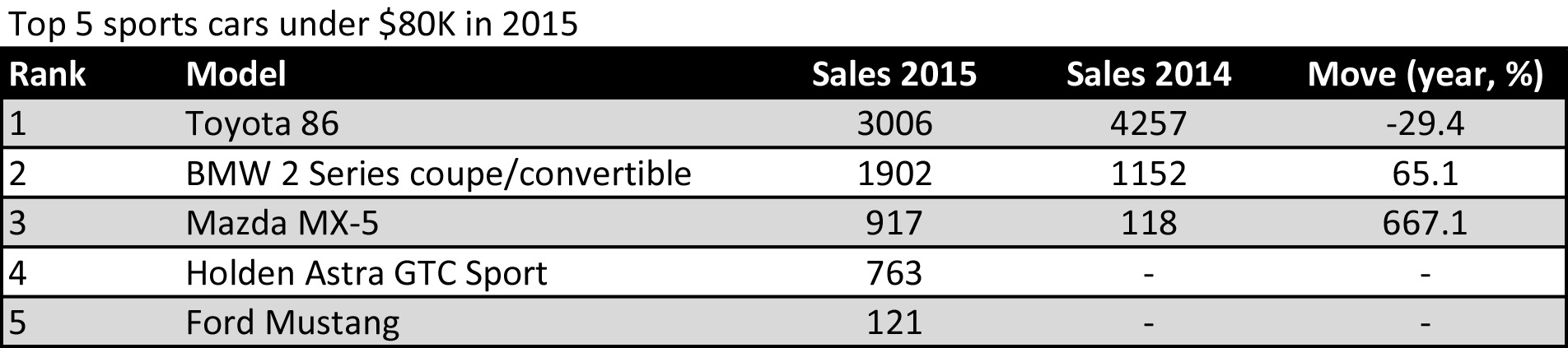
A run-out of the old model ahead of the introduction of the fourth-generation MX-5 late last year helped push the two-seat soft-top, priced from $31,990, into third spot behind BMW’s strong-selling 2 Series coupe and convertible range, priced from $51,000.
Rounding out the top five are the Astra GTC Sport, priced from $26,990, and the latest entry to the Australian market that is yet to have its first full month of sales, the Ford Mustang priced from $44,490 for the turbo four-cylinder model.
If the Mustang’s strong sales performance has you thinking about buying one, remember, there’s already a year-long waiting list for the pony car.
WHERE DOES IT FEEL AT HOME?
Here in Australia, we only get the Astra in three door configuration. So if you have kids, or you use your back seats a lot, that might irk you. Where the Astra seems happiest is around town with it’s decent boot and practical size. It’s also pretty good on more spirited drives with turbocharged engines across the range, and clever front suspension for impressive roadholding.
WHAT IT’S MADE FOR
The Astra chassis is a highlight from a performance point of view, from the GTC, to this GTC sport, to the top of line VXR model that really makes the most of it with a bigger, boostier, 2-litre engine, upgraded Brembo brakes and a 20-inch wheel and tyre package. It’s one for the hot hatch lovers and only comes with a manual gearbox. It’s keenly priced too. In fact the best thing about the whole Astra range is bang for bucks.
STAND OUT FEATURES
The Astra GTC is the entry model and wears a low starting price, but it still manages to pack in loads of standard kit including sat nav, auto headlights and wipers, parking sensors and a digital radio. For not much more you can get this version, the GTC Sport, with electric, heated leather seats, bigger wheels, dual zone climate control and LED taillights.
WE LOVE
The European styling of the Astra appeals to us. It’s not as plain as other hatches on the market. The 1.6-litre models are reasonably fast and enjoyable to drive quickly, while the VXR gives the Golf GTI a run for its money.
THINGS WE’D LIKE TO CHANGE
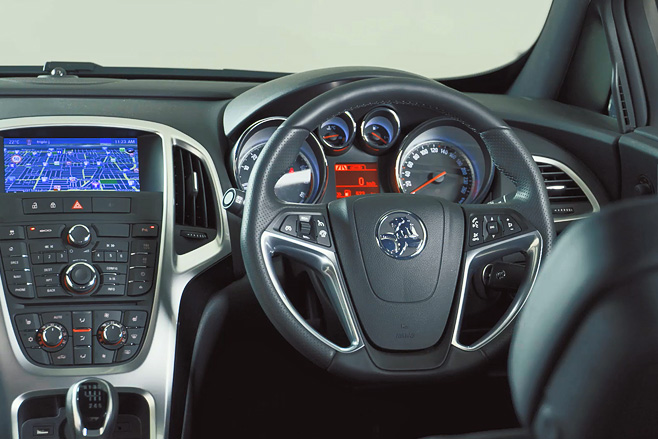
This particular model is getting on a bit, and that’s most noticeable inside. The main display isn’t a touchscreen, so the centre console below it is a rather full-on buttonfest. There’s also no reversing camera, which is a shame, because the letter box rear window and chunky pillars make the Astra a little tough to see out of when moving backwards. A lot of the trim feels quite plasticky, though at this price we can’t complain too much about that.
WHO WILL IT SUIT?
It may not be the newest kid on the block, but keen drivers will still enjoy the performance of the Astra. And if you’re the budget conscious type, you’ll appreciate all the fruit Holden has stuffed inside for relatively little coin. If that’s you, it’s worth a closer look.
Click here to find out more about the Holden Astra GTC.
PLUS
- Value. Holden has thrown the kitchen sink at the Astra range. The GTC Sport gets a swathe of kit for relatively little money compared to other hatches of its ilk.
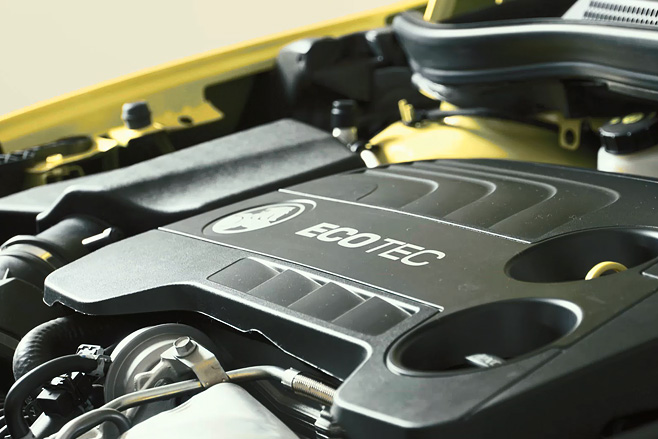
- Turbo. The Astra comes with a choice of two boosted motors. There’s a 1.6-litre in the GTC and GTC Sport, or a high-po 2.0-litre in the VXR.
- Seats. Heated, leather appointed, electronically adjustable front seats. Say no more.
- Dynamics. Those boffins at Holden have built some very tricky front suspension for the Astra, and it’s a keen driver as a result. The excellent chassis also helps.
- Lights. LED lights at the rear of the Astra are a premium addition to the good-looking European exterior.
- Age. This generation of Astra is nearing the end of its lifecycle and will soon be replaced by a new model.
- Interior. Where the Astra shows its age most is inside. The predominately dark plastic trim is a bit cheap to the touch and the centre console full of buttons is also a dated look.
- Visibility. Reverse parking the Astra is tricky due to a tiny rear window and thick C pillars. Thankfully it does have front and rear parking sensors, but there’s no reverse camera which is a real shame.
The first motor show of the year kicks off with EV supercars, SUVs and swathe of hot new ideas.
THE 2016 Detroit Motor Show begins on Monday January 11, 2016, and Wheels will be on the show floor to bring you the behind the scenes action from Motown as the automotive industry competes for your attendtion. Follow us on Twitter (WheelsAustralia), stay tuned to Facebook and www.wheelsmag.com.au for updates, analysis and opinion.
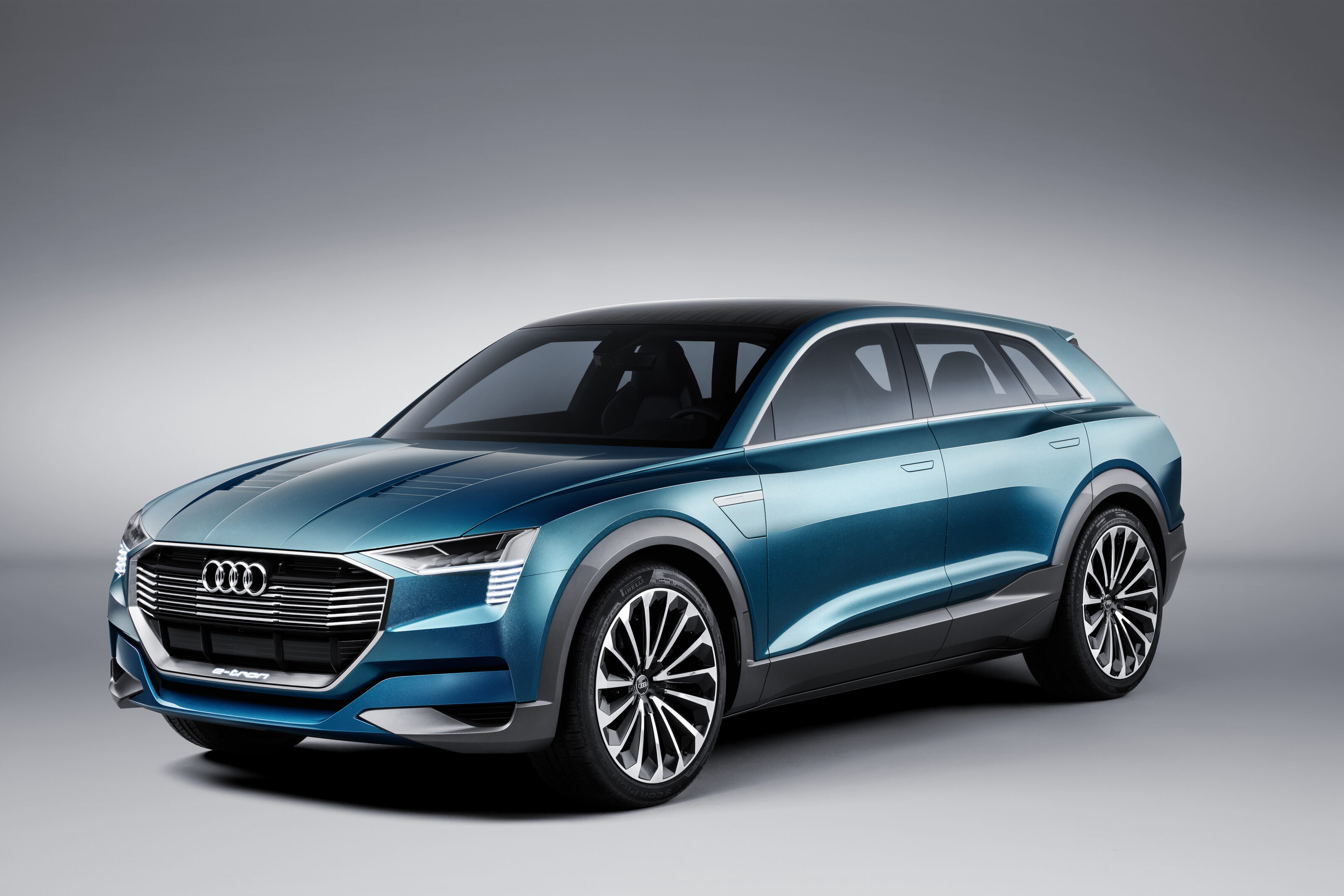
BUICK AUSSIES had a big hand in drawing the lines of last year’s Buick Avenir large limousine concept, so the question now is whether the Antipodean outpost of General Motors will also have a hand in the latest concept to wear the Buick badge. The US luxury brand will also bring the Buick Envision, a Chinese-built SUV based on the same platform as the next-generation Chevrolet Cruze, along for its first showing. It could point to a potential Holden Captiva replacement.
CHEVROLET (Holden) HOLDEN has confirmed that the next-gen Cruze will be sold here alongside the Europe-sourced Astra in 2017, as the local arm of GM takes a two-pronged approach in tackling the top-selling Mazda 3 and Toyota Corolla. Whether or not that includes the new hatch, to be shown at Detroit, or a sedan – or both – is yet to be revealed.
CHRYSLER MOTOWN’S number three player is expected to pull the covers off a new version of the Chrysler Town and Country people-mover. Even though the new version is expected to seat up to eight occupants, the Chrysler 300-inspired two-box family hauler is classed as a “minivan”, the segment the car-maker invented under Bob Lutz.
HOLDEN: See CHEVROLET
HONDA (ACURA) Honda will unveil a new luxury sports car concept in the US via its sub-brand Acura (the same brand the Honda NSX hybrid supercar will sell under in the US). Known as the Precision Concept, it heralds “the direction for future Acura design; in particular, the next generation of performance-luxury sedans”. Don’t count on it coming here, though.
HYUNDAI Hyundai confirmed the creation of its Genesis luxury sub-brand late last year, and part of the transformation is a replacement for the Equus large car called the G90 – which we’ve already spied in Australia. As well as an atmo 3.8-litre V6 that’s used in the current Genesis sold here, there’ll be a 5.0-litre V8 and a new 3.3-litre twin-turbo V6 to the brand.
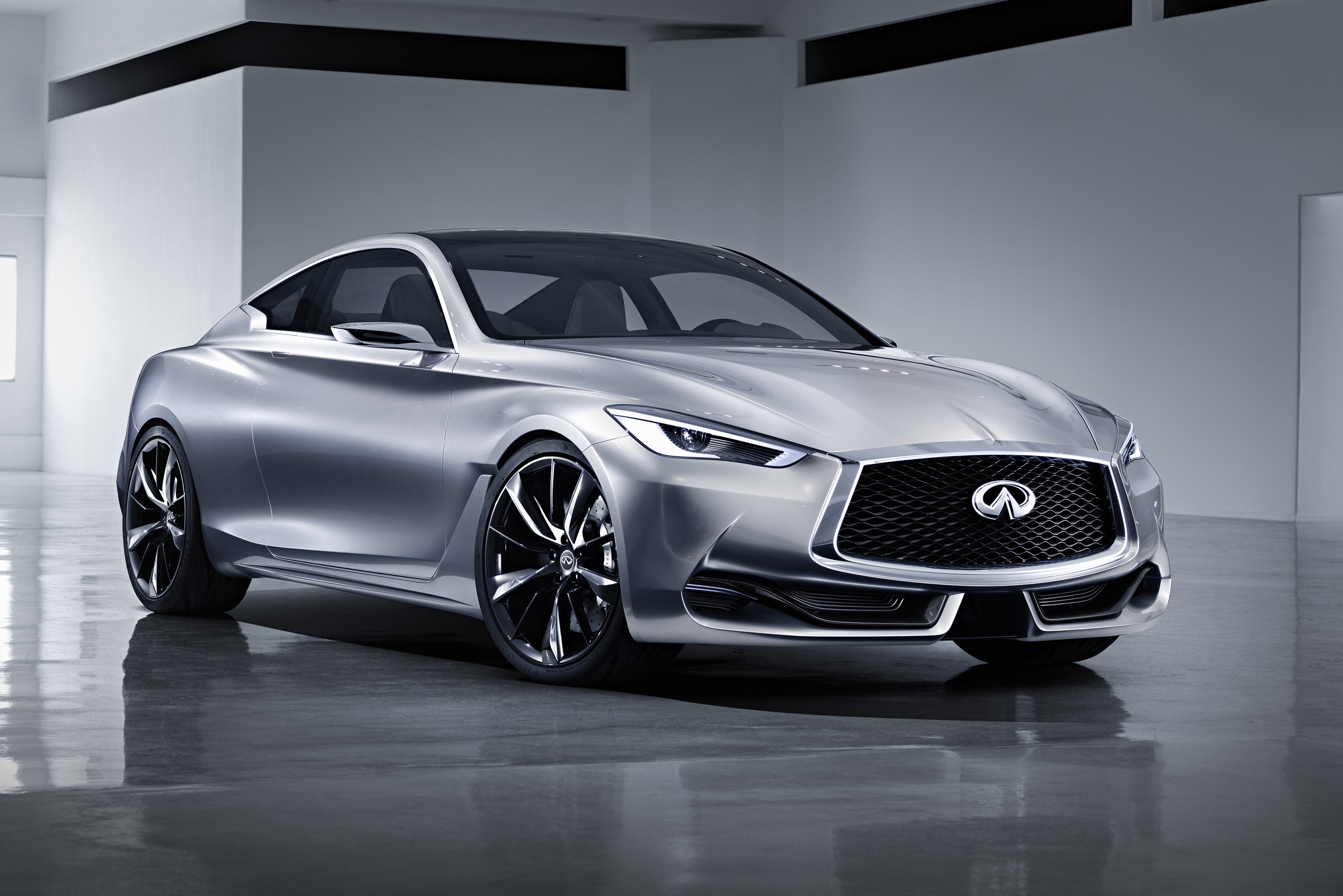
VOLKSWAGEN The Budd-E was shown at CES, an electric successor to the legendary Combi that’s connected to the smart home of the future. It boasts the next evolution of digital display, with gesture control, autonomous features and connectivity on a scale not seen in a motor car to date. VW boss Dr Herbert Diess says that it could be a reality ‘by the end of the decade’. Also on the stand will be the Golf R Touch, also showing off a litany of future tech.

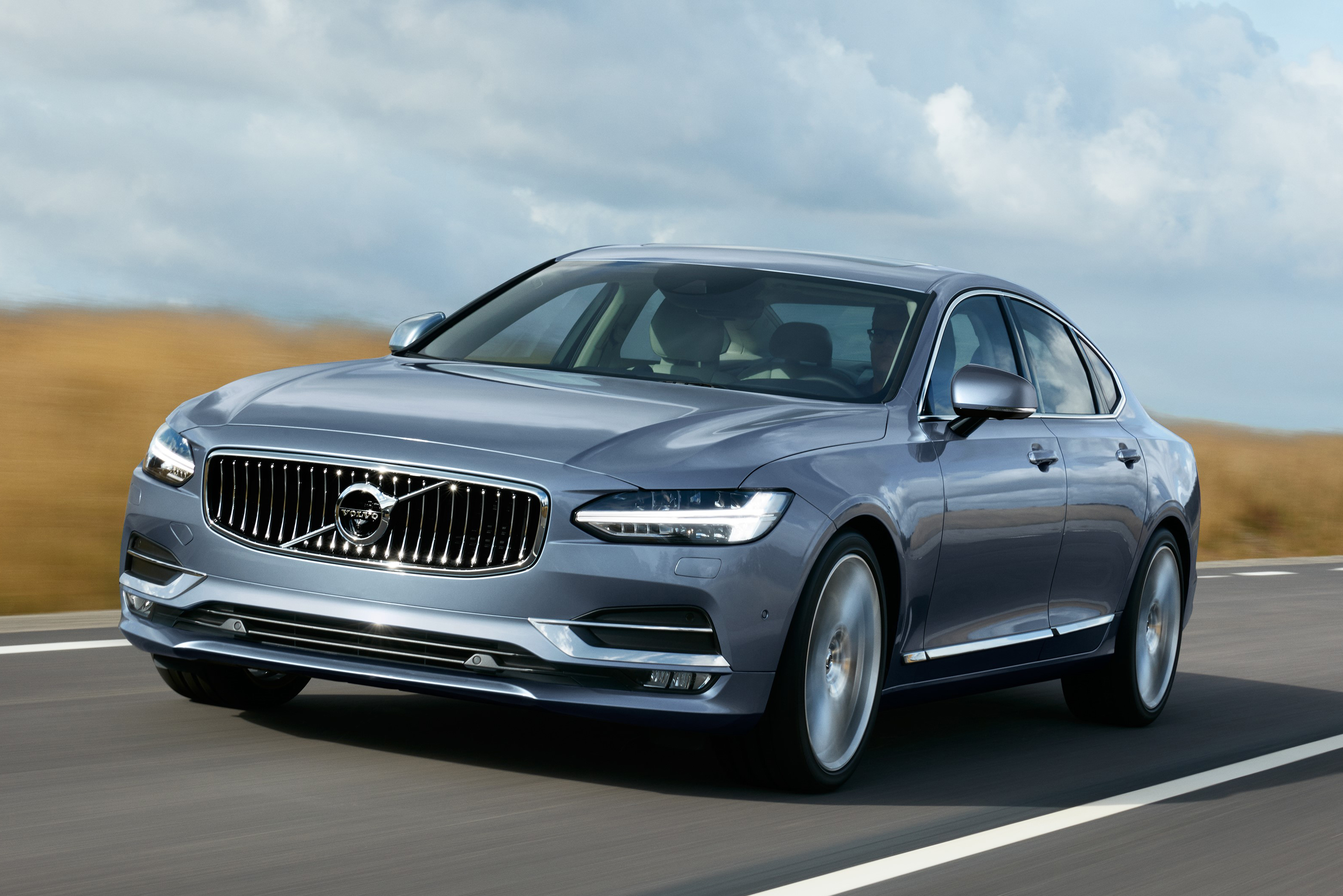
Australians purchased more new vehicles last year to establish a new national sales record
A RECORD 1,555,408 motor vehicles were sold across Australia in 2015, more than the previous benchmark of 1,136,227 sales set in 2013. It was also a 3.8 percent turnaround 2014’s 2.0 percent decline, with the Toyota Corolla the top-selling model and Toyota the number-one brand.
It’s the 13th consecutive year that Toyota has been at the top of the local sales charts, and the third year in a row that Corolla has been the most popular model. The Hilux, which saw a new model introduced in the second half of the year, was the third best-selling vehicle overall with Camry seventh to give Toyota three models in the Top Ten.
Yet Toyota’s market share slipped from 18.3 percent at the close of 2014 to 17.8 percent at the end of 2015, meaning that its still sizable slice of the market is shrinking ever so gradually.
Mazda chased Toyota home hard, but there was still daylight between Toyota’s 206,236 result and second-place Mazda’s 114,024.Yet Mazda’s substantial 13.2 percent growth easily outperformed the overall market’s 3.8 percent rise, and far exceeded Toyota’s 1.3 percent increase for the year.
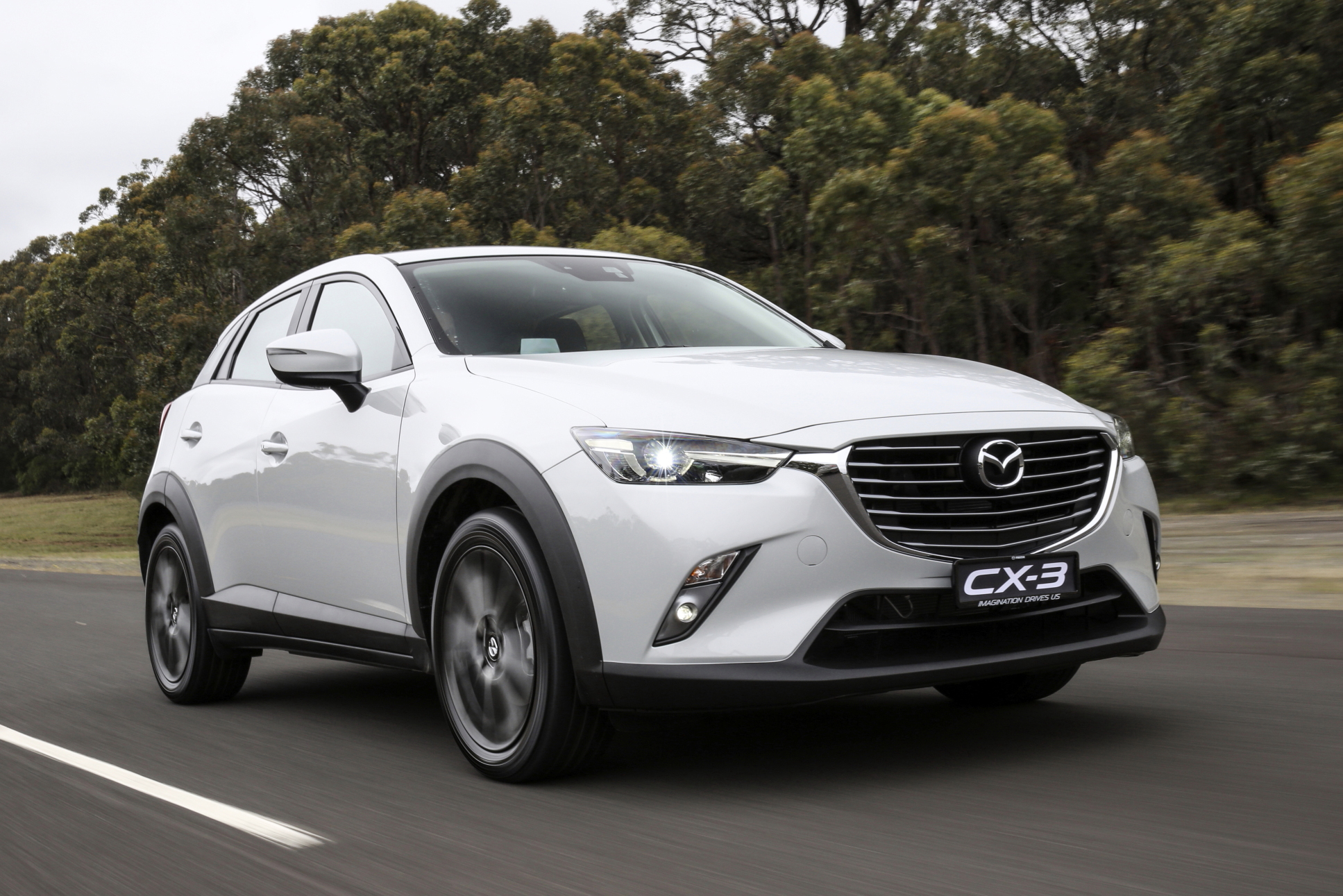
The Mazda 3 was the nation’s second-best selling passenger car, and the Mazda CX-5 the most popular SUV (ninth overall at 25,136). The Mazda CX-3 was launched early in 2015, and contributed a healthy 12,656 to the brand’s result, pushing it will beyond the 100,704 figure of 2014, which was the first time Mazda Australia had broken through 100,000 sales. The recent arrival of the all-new MX-5 sports car as well as the second-generation CX-9 that’s due later this year should Mazda consolidate its momentum.
Holden managed to hold on to the final step of the podium, continuing its arm-wrestle with Hyundai. Holden’s fall of 3.0 percent and Hyundai’s rise of 2.0 percent saw an agonisingly close result, with the former’s 102,951 enough to hold off the Korean maker’s 102,004.
Mitsubishi was next-best in fifth place, but a long way back with 71,752 sales. Still, this is a substantial 4.5 percent increase on its 2014 effort, which saw it sell 68,637 cars, and also pipped its 2013 result of 71,528.
Ford finished the year in sixth place despite a flurry of new models and updates. An updated Ranger – which at 29,185 made up almost half of the brands’ sales – Focus and full-year of Falcon were supported by the arrival of the new Everest SUV and significant mainstream media coverage of the Mustang’s arrival.
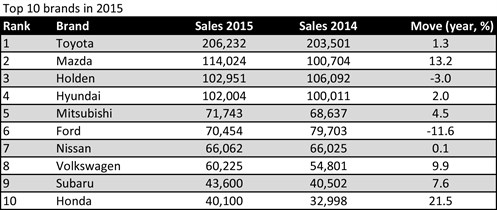
Yet Ford sales plummeted a massive 11.6 percent to 70,454, the brand’s worst result since 1966, and its 1.06 drop in market share to 6.1 percent was the largest of any brand.
Nissan, Volkswagen, Subaru and Honda completed the Top Ten in that order, all posting growth, although Nissan’ s 0.1 percent hardly counts. Honda produced the biggest increase, with a 21.5 percent jump from 32,998 in 2014 to 40,100 in 2015.
Volkswagen’s result slipped from its mid-year effort, which was at 12.1 percent before the ‘Dieselgate’ fiasco became public, to finish the year at 9.9 percent growth and set a local sales record of 60,225 despite the negative publicity generated by the scandal.
Outside of the Top Ten, the perpetual luxury car battle saw Mercedes-Benz finish in 11th with 36,374 (up 14.0 percent), ahead of BMW in 13th overall with 25,022 (up 10.1 percent) and Audi in 15th with 23,088. All three German brands posted growth, but Audi’s impressive 20.1 percent improvement – again despite Dieselgate – enabled it to close the gap marginally to its rivals.
Notable mentions also include Kia, which finished with a record 33,736 sales, an increase of 20.5 percent over 2014, as well as Renault, which at 11,525 saw an 15.1 percent increase to almost triple Peugeot sales (4000, down 9.0 percent) and Citroen (1106, down 15.4 percent).
MERCEDES-BENZ as cemented itself at the top of the Australian luxury car sales tree, easily outranking its rivals in 2015.
That’s despite Audi and BMW posting significant double-digit growth in the segment, setting the Germans well ahead of their British and Japanese rivals.
Mercedes-Benz posted a 14.0 percent jump compared with 2014 to log 36,374 sales for the year, buoyed by its strong-selling C-Class small sedan and wagon range, the GLA compact SUV and CLA compact sedan that, between them, accounted for almost one in three sales for the brand last year.
BMW’s most popular vehicle was its 3- and 4 Series range, with the X5 SUV a close second. ombined, they also accounted for about one in three sales for the brand, and helped achieve a 25,022 sales tally, a new BMW Oz sales record and 10.1 percent jump over 2014. Despite this, Mercedes’ growth stretched the gap between the two even further, from 9173 to 11,352 vehicles.
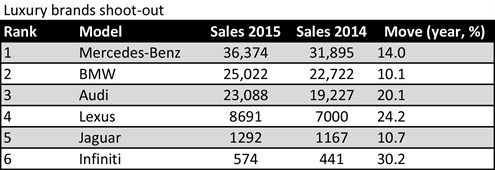
Audi, meanwhile, kicked its sales along with a stunning 20.1 percent increase in 2015 to 23,088, less than 2000 units behind BMW and despite the ‘Dieselgate’ fiasco afflicting both its brand and parent company, VW Group. Audi had several strongly performing models for the year, including its best seller, the A3 C-segment hatch, which overtook the Q5 mid-size SUV as the brand’s bread-and-butter model. The smaller Q3 also performed strongly, as did the A4 sedan, wagon and cabriolet that’s due for replacement next month.
The fight among the luxury badge minnows was dominated by Lexus, which upped its growth by a quarter after plugging the one glaring gap in its model line-up with the NX compact SUV. Traditional showroom stuffers including the IS sedan and RX mid-size SUV helped round out the numbers.
Jaguar fared well by pushing growth into double digits – but only barely. The heavy lifting was performed by a combination of its all-new XE sedan that finally appears to be taking the fight to the Germans, but also the XF mid-size saloon, a new generation due here this year too.
Infiniti, meanwhile, posted a significant 30.2 percent boost to 574 sales for the year, although it’s coming from a low base. Its Q50 sedan accounts for three in every five sales for the brand, almost doubling sales of the brand’s next best-seller, the QX70 SUV.
Sign up here to receive the latest round-up of Wheels news, reviews and video highlights straight to your inbox each week.
TOYOTA was the top selling brand for the 13th consecutive year in a record-breaking 2015, despite posting its worst market share since 1997.
With an internal target of attracting 25 per cent of all car buyers, Toyota managed just 17.8 per cent of the 1,155,408 new passenger cars, SUVs, utes and commercial vehicles sold in 2015; in 1996 Toyota was the third best selling brand but commanded a bigger share of the market, at 18.6 per cent.
AT A GLANCE
– Record sales of 1,155,408 – Toyota number one, but losing share – Holden posts lowest ever market share of 8.9 percent – Ford down 11.6 percent and in a record low sixth place – 408k SUVs sold, now 35 percent of the market – Luxury sales booming
Until 2005 the top three selling brands – traditionally Toyota, Holden and Ford – commanded at least half the market, often more. These days the top three selling brands account for about 37 per cent of the market.
Blame it on a fragmenting market and the dramatic sales slump from former market darlings Holden and Ford, the latter relegated to sixth on the sales charts – its worst ever ranking – with an 11.6 per cent drop in sales and a paltry 6.1 per cent share.
Holden, too, had little to smile about with its lowest ever market share of just 8.9 per cent following a drop in sales of 3.0 per cent
In the lead-up to the shutdown of local manufacturing, 2015 will go down as the worst on record for Australian-made cars, dropping below 100,000 for the first time (97,443) and accounting for just 8.4 per cent of overall sales.
Toyota Australia executive director of sales and marketing, Tony Cramb, says the brand’s reducing market share is down to increasing competition, which has been brought about by a strong Australian dollar, reduced import duties, new entrants and shifting demands away from locally-produced large cars that once accounted for so much of the market.
“It just goes to show how the competition is in the Australian market, which is great for consumers,” he says, adding that Toyota was content with selling 206,236 cars in 2015.
“Market share is not our focus … in the end, market share doesn’t pay the bills; you’ve just got to hit your sales plan and from our point of view we were happy with the sales numbers for the year.”
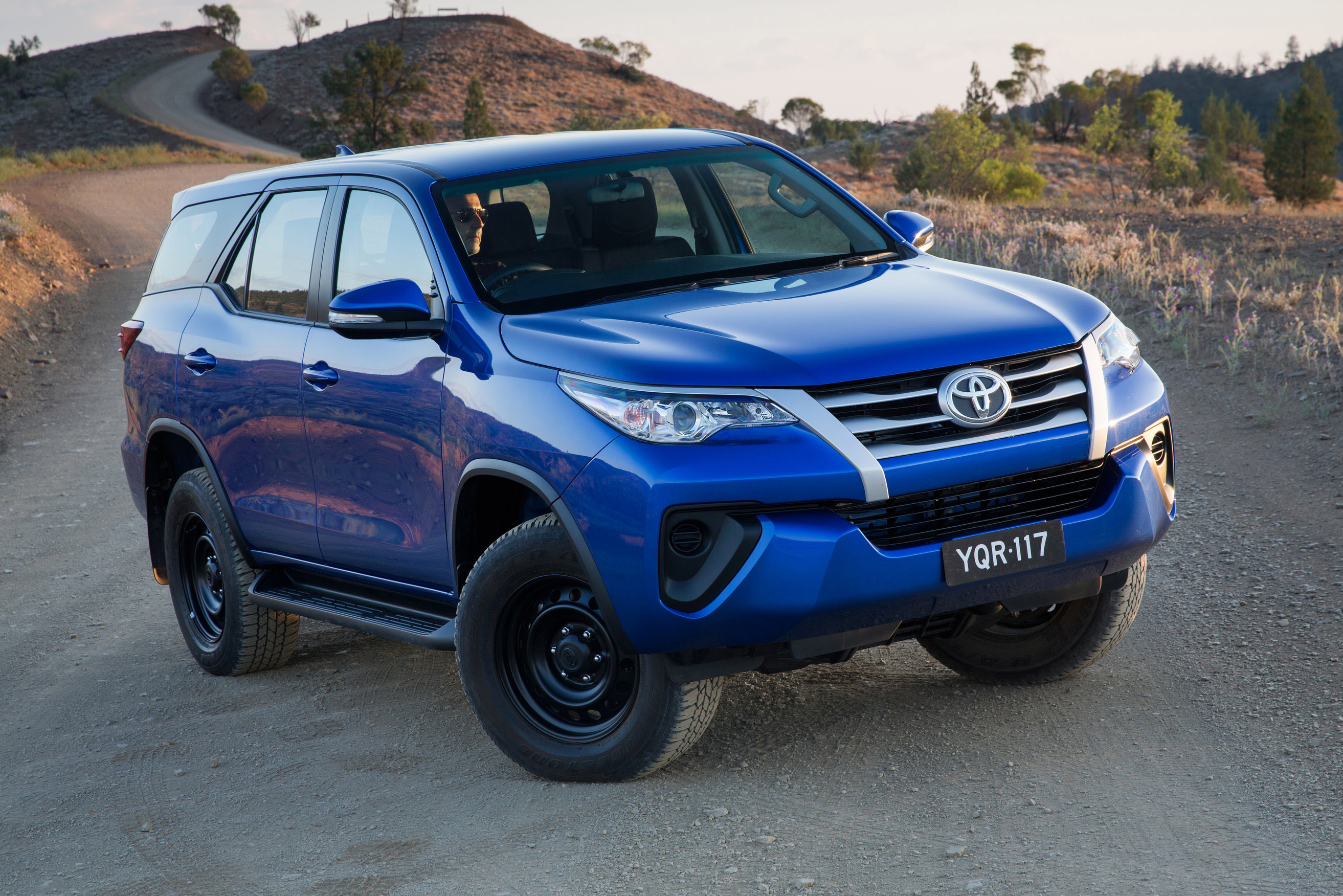
Mazda, up 13.2 per cent with a record 114,024 sales and 9.9 per cent of the market, stormed to number two, providing the most competition to Toyota since Holden in 2011.
Mazda Australia managing director Martin Benders says the brand plans to consolidate its share and take advantage of predicted steady growth in the market – the Federal Chamber of Automotive Industries is predicting – while gearing up for a new model influx from 2017.
“We’re happy to be a number two [selling brand] that performs strongly in the private/retail buyer part of the market,” he says.
He believes lower market shares for the top brands will be the status quo moving forward.
“If you look at any market where there are no natural domestic brands, that is the new normal,” says Benders, pointing to the demise of the once dominant Ford Falcon and Holden Commodore.
“If you think about the time when Commodore and Falcon were dominating, they were selling 60,000, 80,000 cars each; today the number one car sells about 40,000.”
The Toyota Corolla was the best selling passenger car for the third year with 42,073 sales, edging out its direct rival, Mazda’s 3 (38,644).
The Toyota Hilux (35,161) cemented third on the charts as the top selling ute following the arrival of an all new model late in the year.
But it was Hyundai’s often heavily-discounted i30 (32,306) that took out third, the third small car among the top four selling vehicles.
Yet traditional passenger car sales continue to slide, now accounting for a record low 44.6 per cent of the market.
The winner has been SUVs, now accounting for 35.4 per cent of the market – or 408,471 sales – following 15.9 per cent growth, the latest jump in a remarkable 20-year growth spurt that has changed the shape of the Australian market.
Despite increased activity in the ute market, sales were flat in 2015, with share slipping slightly to 15.1 percent.
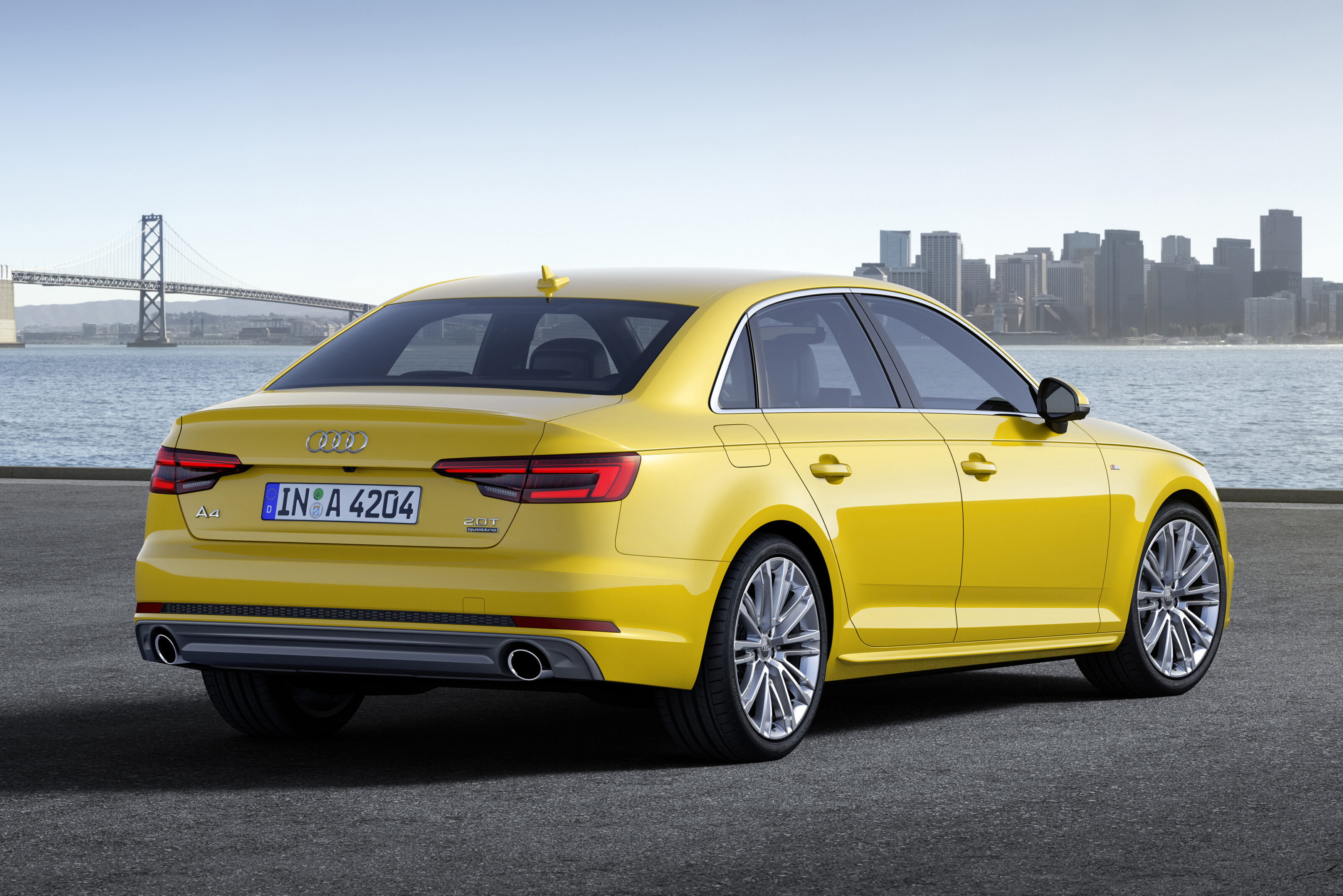
Last year will also go down as a record for luxury models, with more than 100,000 sold for the first time.
Audi, BMW, Mercedes-Benz, Land Rover, Lexus, Maserati, Porsche, Mini, Lamborghini, McLaren and Infiniti all set sales records, with Mercedes-Benz a clear number one thanks to 36,374 sales and 3.1 per cent market share.
Porsche was the one of the fastest growing brands, having tripled sales in three years on the back of new arrivals such as the Macan SUV. In 2015 its sales were up 45.4 per cent with 4090 sales, more than Mini, Peugeot, Citroen, Chrysler, Dodge, Jaguar and not far off Volvo (4943).
