
THE legendary Renault Megane RS’s replacement will not have a turbo 2.0-litre four, a manual transmission, or a three-door body. Though the new version of France’s hot hatch great isn’t due to launch in Europe until 2017, Wheels can confirm it will be a very different car.
According to Renault Sport’s vice-president of sales, marketing and communication, Regis Fricotte, the current Megane RS’s engine has reached the end of its life. The turbo 2.0-litre, which punches out 195kW in Cup models (pictured below) and 202kW in the Trophy (pictured top), simply cannot be developed to meet future emissions requirements. “It has not the capacity to go further on,” he said.
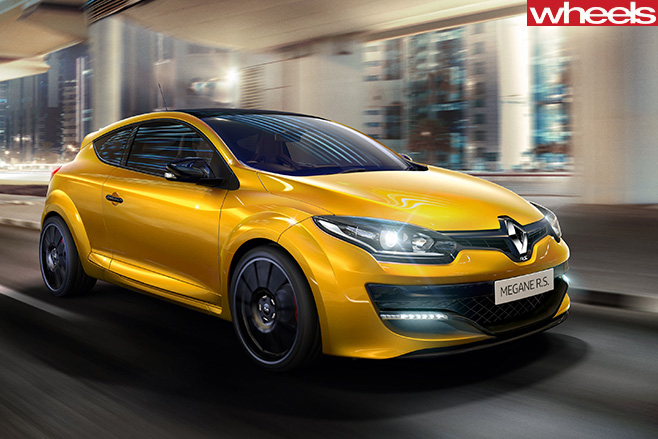
Renault has already confirmed that the new Megane will not be built in three-door form. Global markets are more interested in crossovers and SUVs than three-door hatches (and convertibles).
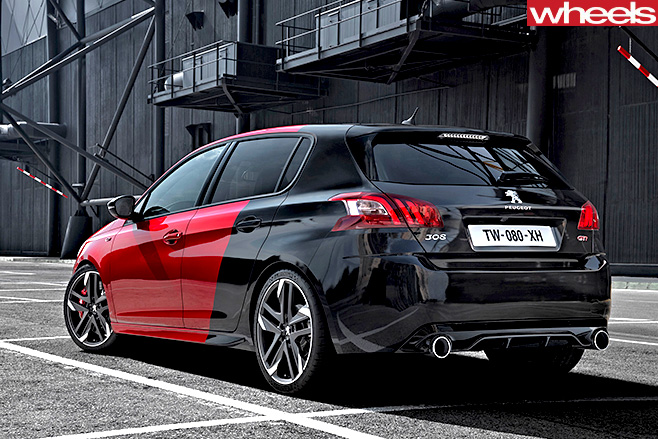
Fricotte also said Renault Sport was planning an expanded range to leverage the brand’s return to Formula One. While the executive would not reveal details, he was crystal clear on one point. “We will call it an RS only when we really believe it is an RS,” he said.
Five years ago Peugeot Sport were nowhere. Now its latest models are asleep in a different way – the 208 GTi 30th Anniversary and 308 GTi are in the pits having been punted around Sydney Motorsport Park all day.
This is the first Australian outing for the 308 GTi ahead of its official launch in February 2016. Although the $44,990 308 GTi 250 will land then, a small shipment of $49,990 308 GTi 270 – denoting the horsepower difference – docked early. Peugeot clearly couldn’t keep the excitement to itself.
With the $35,990 208 GTi 30th Anniversary not quite sold out and the $29,990 208 GTi just updated with identical 153kW/300Nm outputs, the brand brought the trio to the track formerly known as Eastern Creek.
Logically we start with entrée before main and dessert, so 208 GTi is tracked first, then 208 GTi 30th Anniversary, then 308 GTi.
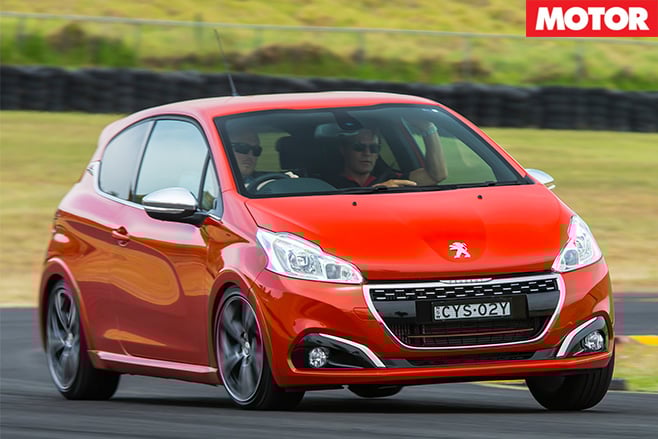
Same corner, same gear, this time in 208 GTi 30th Anniversary.
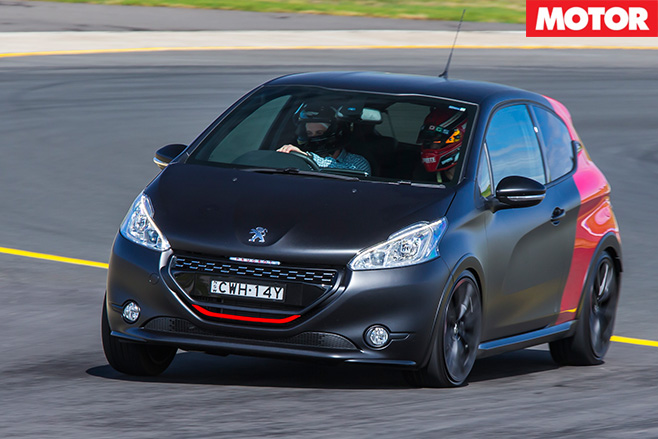
The 30th darts, rather than bobs, into the bend. Its extra grip and flatter stance encourages extra steering lock as much as the LSD tempts extra throttle earlier. Despite the same outputs, the 30th powers away in third. In some parts of this track the 30th can feel nimble and fast, however its stiff suspension and short wheelbase means it can also move from feeling darty to snappy.
No problem for the 308 GTi, which feels speedier and more sophisticated than its slightly delinquent sibling.
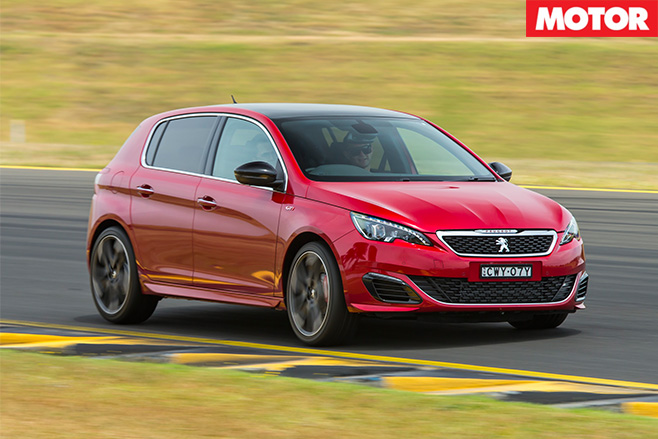
The 308 GTi looks squat on the outside and that’s how it feels on the track. There is greater stability everywhere, whether changing direction quickly or keeping the throttle pinned in sweepers. The optional 235mm-wide 19-inch Michelin Pilot Super Sport tyres clearly help (225mm 18s are standard). Possibly, big brother is less playful than little brother.
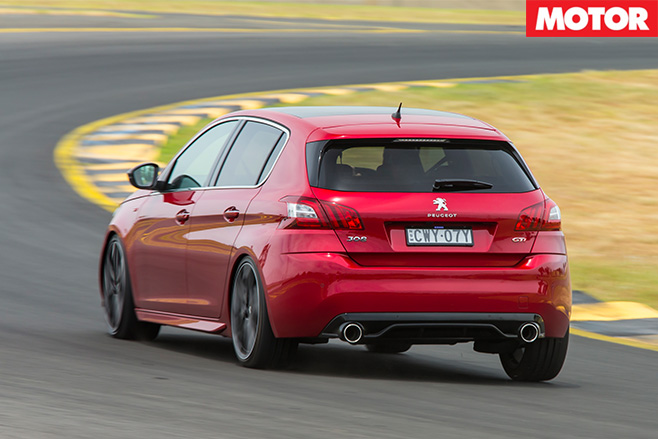
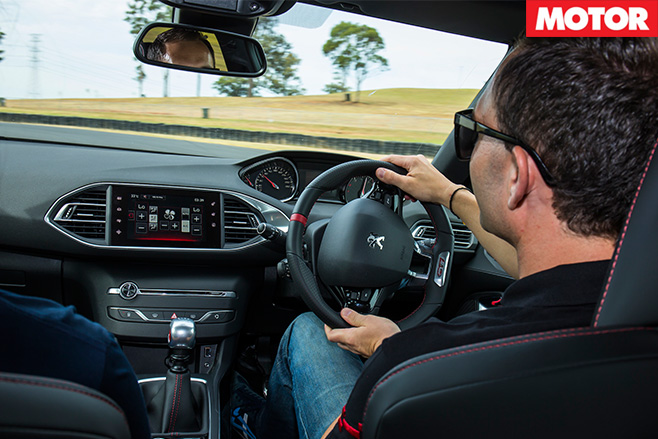
Similarities between the Peugeots? They’re six-speed manual-only, though the shifters are rubbery and long-throw. Steering is via nuggety little rims, with nice mid-weighting but without feedback. Every exhaust system should be louder.
In summary, the 208 GTi is sweet but not serious enough as a proper hot-hatch. The 208 GTi 30th Anniversary is more fun and feral, and we’re told its parts may soon be available in the regular model.
However, it’s the blend of styling and cabin sophistication with a gun engine and Michelins/LSD-induced cornering excellence found in the 308 GTi 270 that means a comparison with the Golf GTI Performance can’t come soon enough. Next year it will have to be.
There’s nothing I love more than challenging a stereotype. It’s for this very reason I decided to drive a Jeep Grand Cherokee to visit my hometown, Adelaide.
Stereotypes are in abundance in the automotive industry – it would seem the car world can be more judgmental than a movie critic at an amateur’s film night.
For the most part, stereotypes are a historical reference but things change, companies develop and technologies have come a long way.
In my former life as a journalist for 4X4 Australia, I spent a lot of time driving Jeeps, from Wranglers, Grand Cherokees and even the latest Renegade. Even as each of my fellow off-roaders laughed at the concept of my choice of 4×4, I managed to get through every trip without fault – when my Jeep sat safely at the top of the mountain with no assistance from another vehicle, it earnt me instant bragging rights. And yet, the jokes continued.
I’ve never really understood it. Stereotypes exist, but I am yet to see them live up to reality. Take Volvo for example; often labelled ‘mummy cars’, Volvo has an excellent reputation for safety, which of course is true. But as far as the ‘boring’ label goes, I don’t see it in its modern cars. I drove a V40 on a skidpan recently and I loved it. Then there’s Volvo’s newest member of the family, the XC90 – the promotional video for this feature Avicii, so it must be cool.
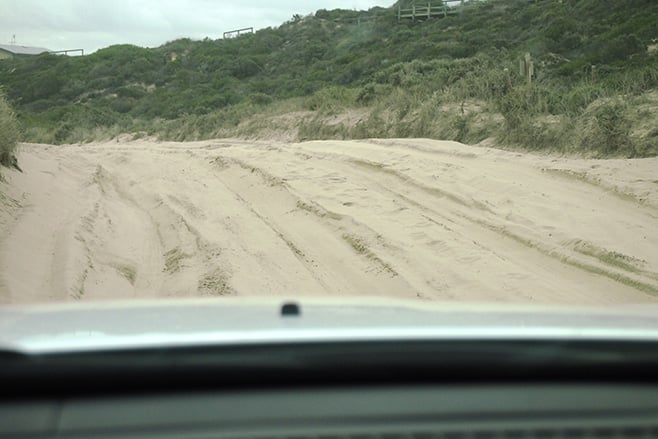
It was time to see what these stereotypes were about and the test vehicle of choice was a Jeep Grand Cherokee Overland. The plan was to see the car through the drive to and from South Australia, take it on a sandy off-road trip and then, its biggest challenge, a one-year old’s birthday.
First up was the epic journey home. The Grand Cherokee (GC for short) made for a happy eight-hour drive. There is one stand out thing about the Grand Cherokee – it comes packed with gear for a decent price. With Nappa leather, dual climate control, heated front seats, it was pretty easy to get comfortable.
At the time, it was also the first car I had driven with adaptive cruise control which was fast becoming one of my favourite features. I could go into lengthy detail about technology and complacency (read here) but on a straight road, with speed limits changing, it was a godsend.
Eventually I made it to Adelaide without problem. The Grand Cherokee didn’t falter. Nor should it. But it was comfortable, easy to drive and aside from a hum coming from the fuel pump (which was replaced shortly after) there was very little to complain about.
After a few days driving through the luxuriously traffic-free Adelaide, I was starting to get the adventure itch and was ready to put the GC’s Selec-Terrain traction control system to the test. I didn’t have off-road tyres, a bulbar or a snorkel, so really the Jeep looked like your everyday SUV. I started to feel like a sparrow set amongst the eagles and I felt like I needed to prove my worth.
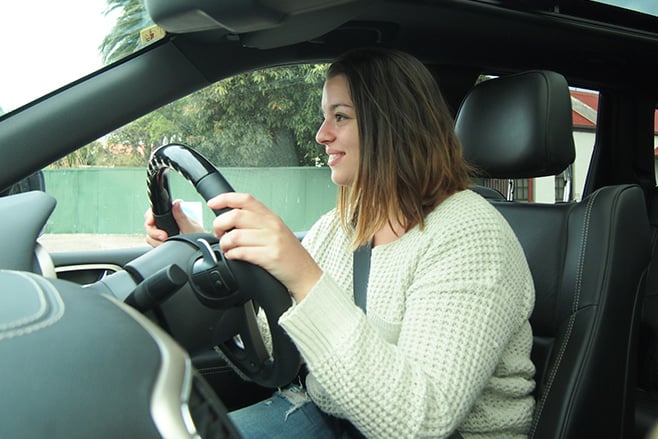
Unfortunately for Radelaideans, there’s not really a lot nearby when it comes to off-road. Luckily for me, my family are frequent visitors of the Fleurieu Peninsula which plays home to a sand-driving mecca. It was time to flick up some sand and see what this baby could do.
The Fleurieu is a popular summer destination – wineries, coastal towns and beautiful beaches. Keen fishers and families can explore Goolwa and its 11km sand drive to the Murray Mouth, where the Southern Ocean meets the River Murray. Perfect! Kilometers of pure sand driving was just wanted I needed to test the GC’s off-road ability.
I put the Jeep’s selec-terrain dial into sand mode and we were off. Granted that the only way to the Murray Mouth is via 4WD, you can imagine the other vehicles I was surrounded by. My wild imagination kicked. In my mind, a group of men in the big, tough-looking 4WD behind me were laughing at the woman in a Jeep attempting to get to the Mouth. Then, in a Mad Max: Fury Road style race (obviously I was Charlize Theron), the Jeep took off as I yelled “sayonara bitches” and I zoomed down the ‘Goolwa Highway’ watching them eat my dirt… or in this case, sand. It didn’t quite happen like that, and chances are the men weren’t laughing at me nor were they aware we were racing – regardless, I still won.
But I felt very confident in the GC and the only thing making me nervous about the drive was the handful of kids running around collecting cockles (otherwise known as bivalve).
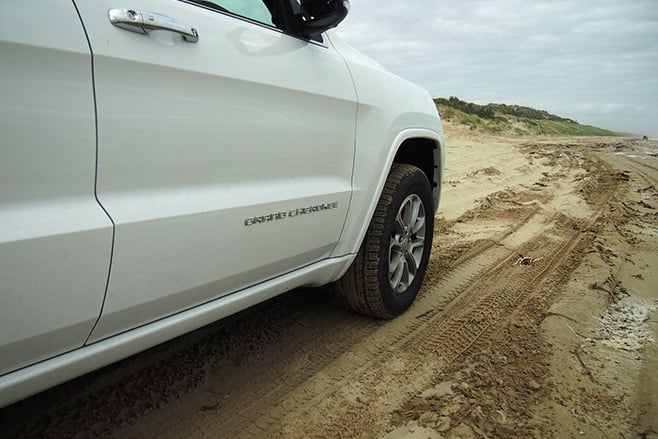
Did I make it to the Mouth? Well, in short, no. But I didn’t get stuck either and I only had to turn back because I mucked up the tides and I really didn’t want to get stuck. Off-roading, tick.
So far, the Grand Cherokee had disproved the Jeep stereotype. No nasty glitches or costly problems.
It was time to put it to the final test. A first birthday party. I loaded the Jeep with as much gear as I possibly could. Everything but the jumping castle needed to get to the park, plus a couple of passengers. The GC could fit plenty of gear, enough to move a small apartment. The biggest letdown in the Grand Cherokee was its lack of a seven seat option. But, we’re talking about stereotypes here, not the GC’s lack of ability to facilitate two extra bums, which wouldn’t really be a problem for a small family.
Aside from all the “You’re going to need a bigger boat” and “Anna bought a Jeep” jokes, I was sad to see the GC leave my driveway. When I finally arrived back in Melbourne, I was no closer to solving the mystery of the stereotypes.
There’s no doubt some people don’t like particular car brands for various reasons and experiences, and that’s ok. No car is perfect. But should you rule a brand out based on a reputation? I say give them all a go, you might be pleasantly surprised.
Click here to read the full review on the Jeep Grand Cherokee.
AUSTRALIA is the first export market for Haval, owned by China’s Great Wall, and the H8 is first cab off the rank for its three-model SUV launch line-up
WHY WE’RE DRIVING IT This is Haval’s rival to some of the country’s top-selling SUVs, as it’s around the same size as a Mazda CX-5, Nissan X-Trail and Toyota Kluger
MAIN RIVALS Mazda CX-5, Kia Sorento, Nissan X-Trail, Toyota Kluger, Ford Everest, Holden Captiva, Jeep Grand Cherokee
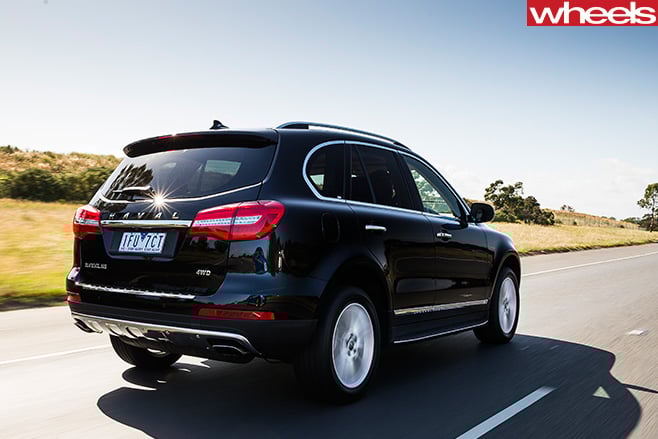
PLUS: Excellent fit and finish, roomy cabin, high equipment level MINUS: Harsh ride, lumpy steering and firm ride, large turning circle
THE WHEELS REVIEW STEREOTYPES are common in this business. German cars have the best perceived quality. French cars are the most chic. Japanese are reliable. Australian cars are sturdy. But Chinese made cars aren’t seen as quality, chic, reliable or luxurious, which is the pitch that Haval is making with its range of SUVs, headlined by the H8.
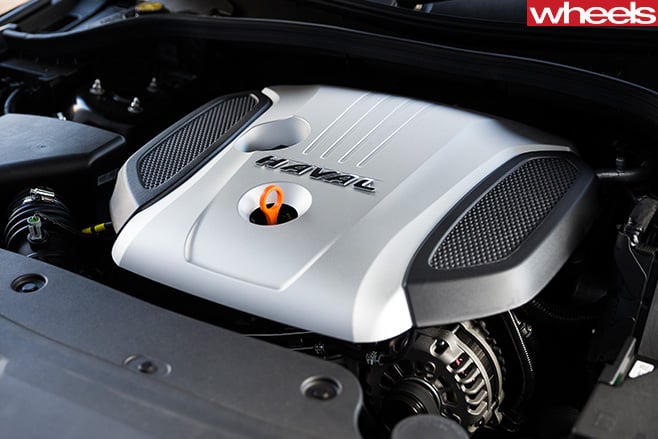
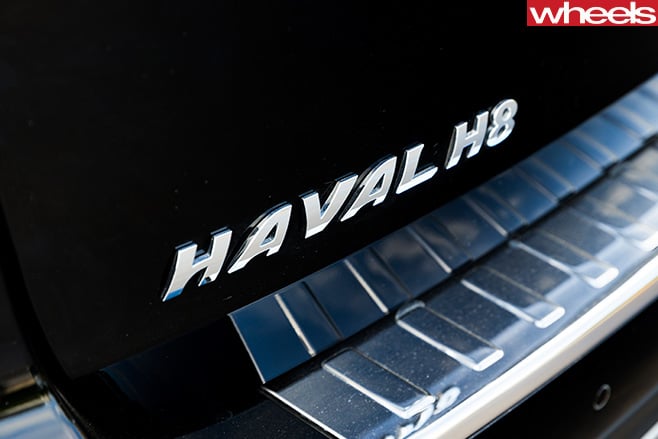
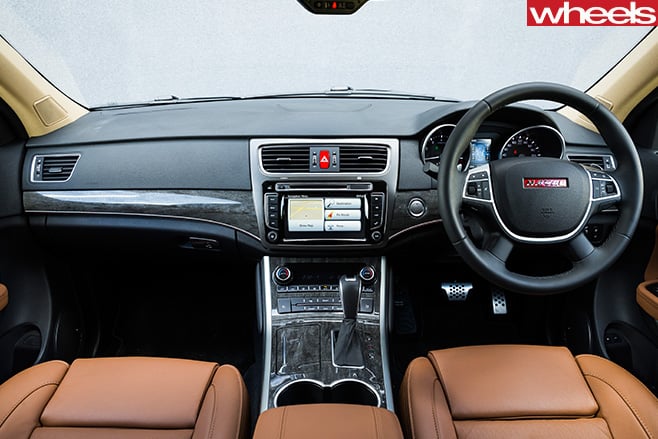
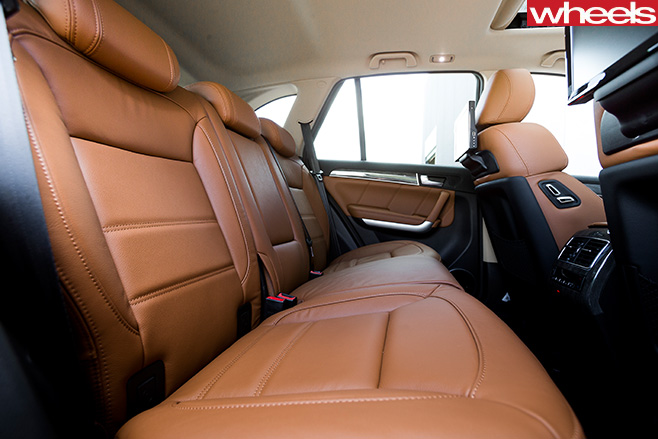
It’s not all bad news, though. The H8’s fuel economy on test with 98RON was 11.1L/100km (better than its 12.2L/100km claim and despite lacking idle-stop), and while there was wind whistle at speeds beyond 60km/h, overall refinement is otherwise reasonable. There’s also loads of space in the second row, with ISOFIX child-seat mounts, a 60/40 split-fold seat and a decent boot area. The standard 10-speaker audio system rocks, too.
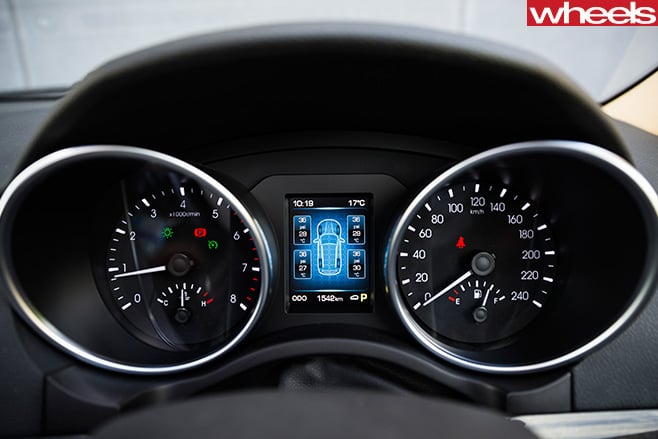
SPECS Model: 2016 Haval H8 Lux AWD Engine: 1967cc 4cyl, dohc, 16v, turbo Max power: 160kW @ 5500rpm Max torque: 324Nm @ 2000-4000rpm Transmission: 6-speed automatic, all-wheel drive Weight: 2175kg 0-100km/h: 13.0sec (est.) Fuel economy: 11.1L/100km (as-tested) Price: $48,990 On sale: Now
What is it?
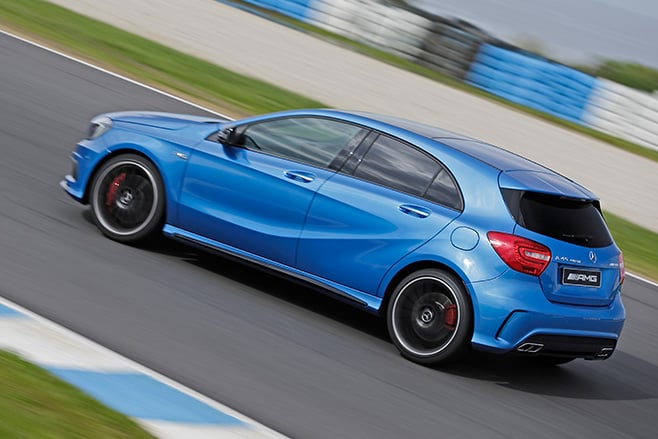
If you want graphic, slap-in-face evidence that a Mercedes Benz is no longer just a car brand bought by bankers and corporate tycoons, you’ll find it here in the form of the A45 AMG. Hot hatches don’t come any faster or more furious than this, and its target market is clearly a 30-something high earner with flash trainers and a hip haircut, not a portly executive in a pinstripe suit.
What’s new about it?
This is the facelifted, 2016 version of the model first launched locally in late 2014, and brings key changes to engine output and equipment. Just about every major manufacturer offers an engine with fundamentals common to that in the A45 – 2.0-litres, four cylinders and a turbo – but none can touch the Merc for output, nor the manic performance it endows here. It now makes a whopping 280kW (up 265kW on the original) and drives all four wheels via a fast-shifting dual-clutch transmission with seven ratios and two modes. The facelift also brings adaptive dampers, which give you the option of softening the ultra-firm suspension tune around town.

What’s it like to drive fast?
Driving the A45 AMG hard is enough to make you feel you’ve been put in charge of a World Rally Championship car and have been sent out on a tarmac stage. The savage power hit is channelled to all four contact patches of the wide, high-performance tyres, so there is no wasteful wheelspin, just tenacious traction and eye-widening acceleration. There are four driving modes to choose from, or you can create your own customised setting from the various parameters controlling suspension stiffness, steering weight, throttle responsiveness, transmission shift speed and the level of electronic intervention handed out by the stability control system. Set to its most aggressive modes, the steering feels meaty and direct in your hands, there’s barely any roll into corners, the entry speeds it invites you to probe start to reach holy-crap stage before the front end finally start to telegraph messages that there’s not much more to give. Then you need to recalibrate how early you can get back on the power mid-corner; the traction delivering by the all-wheel drive system and the clever apportioning of torque is stunning, so while it’s utterly resolved and predictable, it’s never dull or one-dimensional.
What about the commute home?
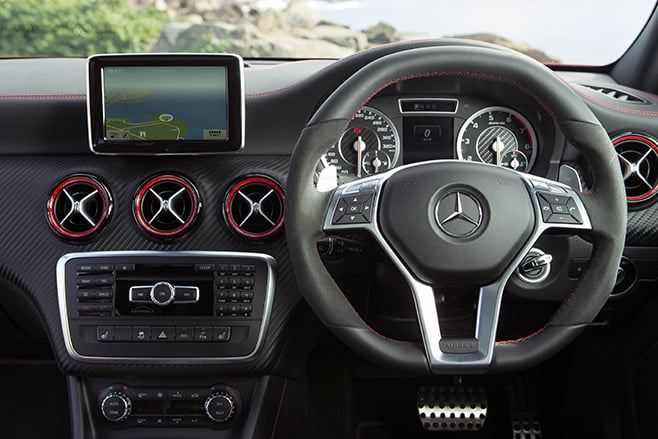
Even in Comfort mode, the suspension is very firm and the resulting ride is never what you’d call plush. There’s just enough pliancy to cope with city streets and battered bitumen, but the suspension’s travel moves in short, fast strokes that makes the car very reactive to surface changes. The AMG A45 charges a hefty premium for its heroic performance, and it expects you to be man (or woman) enough to live with the compromises that come with such a single-minded focus. But the exhaust note can be turned down via a console switch, and the Comfort mode also sees the transmission upshift early around town to make progress easy, quiet and relaxed. There are also no sacrifices that need to be made in terms of equipment levels and standard safety features. Audiophiles will love the punch, power and clarify of the Harman Kardon audio system, and the extensive menus of vehicle set-up options, including the ability to change to colour of the interior lighting. Likewise the support of the electric front seats, and the feel-good factor of the alcantara-finished steering wheel. The overall design and presentation of the A-class’s cabin is a bit more shouty and overt than that of rival Audi and the restrained elegance and ultra-premium interior of its RS3, but these things get a bit subjective and become a matter of taste and preference.
What’s it worth? And is it worth the coin?
At $75,800, it’s a huge amount of money for a hot hatch, but it needs to be viewed in context of the performance it delivers, and its rivals. From BMW, there’s no direct opponent for now; closest is the M135i, and it asks for $62,510. Audi has a challenger that goes pretty much head to head in the form for the five-cylinder turbo RS3, and it’s actually a little more expensive, at $78,900. Start to factor standard versus optional equipment and the comparisons start to get murkey and a bit pointless, as buyers at this end of the market will usually add another 10 percent (at least) in options and won’t quibble over a few thousand here or there to spec the ultimate performance hatch.
And for now, at least in raw numbers and sheer point-to-point pace, the Mercedes-AMG A45 holds the crown.
Click here to read the full review on the Mercedes A45 AMG.
This is not a car for shrinking violets. Those looking to make subtle, inconspicuous progress will need to look elsewhere.
It’s not necessarily the size, though at over two metres wide and 1.78m tall the Range Rover Sport SVR has plenty of presence. Nor is it the colour, the Estoril Blue paintwork just subtle enough to blend in with the crowd while prompting numerous admiring comments.
No, it’s the noise. The outrageous rasp that escapes the SVR’s tailpipes swivels heads and widens eyes wherever it passes. It’s a crisp, sharp racket that makes the SVR liable to be done for disturbing the peace – and then you find the button that makes it even louder and liberates a volley of machine-gun fire on the overrun.
The engine, like the noise itself, is awesome. Range Rover claims the Sport can hit 100km/h in 4.7sec but it feels significantly faster than that. We wouldn’t be surprised if it knocked half-a-second off that claim judging by the way it rears up and charges down the road.
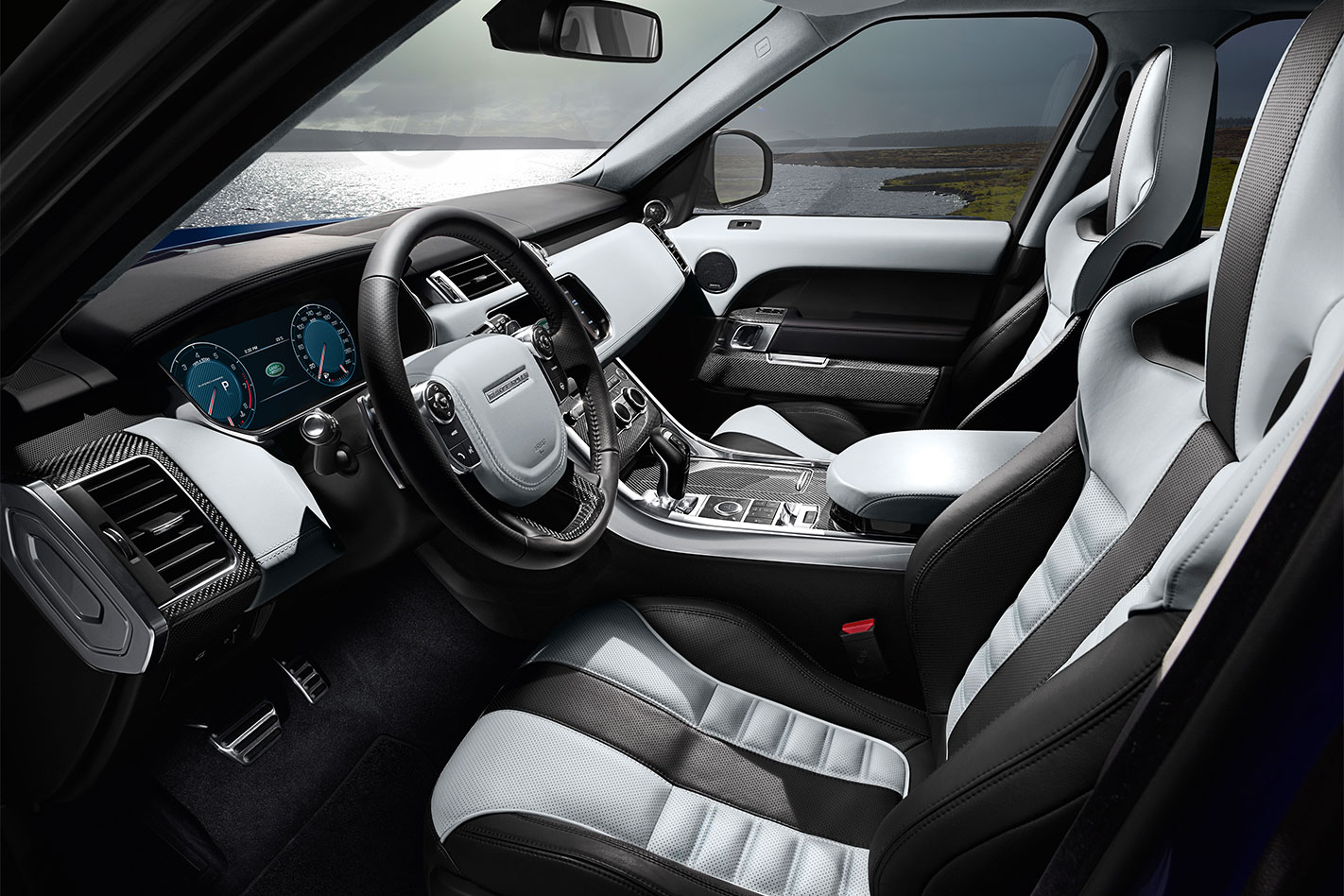
Putting all the power to the ground is no problem thanks to all-wheel drive, but it might be that this much power might be asking a little too much of the Range Rover Sport chassis. Even locked in Dynamic mode, roll, dive and squat are pronounced, to the point that the steering goes light under hard acceleration.
Even fitted with $4800 worth of enormous optional high-performance tyres (295/40 R22 Continental ContiSportContact 5s) grip levels are easily overcome, with heavy understeer if you barrel into a corner too fast (easy to do despite impressively powerful brakes) followed by plenty of off-throttle oversteer if you trail the brakes into a bend.
The diffs are set up brilliantly – the SVR definitely feels like it’s predominantly driven from the rear – and will hold the tail there briefly before firing it towards the next corner in another bombardment of exhaust noise.
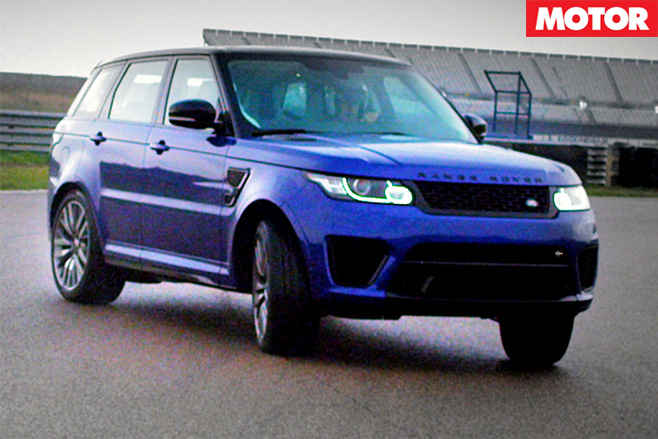
Perhaps the problem is one of expectation? Range Rover made a big song and dance about the SVR’s abilities, including quoting a Nurburgring lap time, but in reality, it’s not as sharp as the BMW X5 M (though has much more character), let alone the Cayenne Turbo S.
We’d stick with the regular supercharged V8 Range Rover Sport or, more likely, split the SVR’s as-tested $258,080 between a $90K Jaguar F-Pace for the family and $150K Jaguar F-Type V6 S manual for the weekend. Why compromise when you can have the best of both worlds?
3.5/5
Specs
Engine: 5000cc V8, DOHC, 32v, supercharger Power: 405kW @ 6500rpm Torque: 680Nm @ 2500rpm Weight: 2335kg 0-100km/h: 4.7sec (claimed) Price: $228,910 (w/optional 22s)
WHAT IT’S MADE FOR
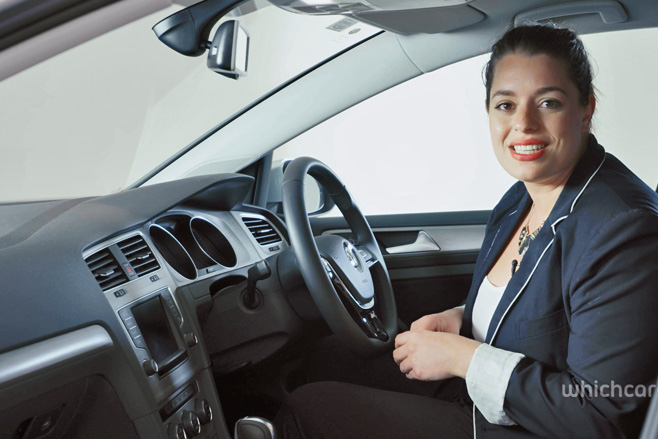
There’s no question the Golf is a city car. The term ‘benchmark’ gets thrown around a lot when it comes to the Golf and we can see why. It’s agile and easy to drive around town, and still feels right at home on the highways. It also battles any rough roads with an elegance you’d expect of the German brand.
STAND OUT FEATURES
The Golf comes with a whole bunch of class-leading standard features and a high level of safety equipment. All variants include tyre pressure sensors so you know when your tyres are letting out air, fatigue alert when you’re drifting into another lane and automatic multi-collision braking to stop you having another accident after you’ve been hit by a car.
WE LOVE
The Golf is like a Lifestyle Editor – practical but stylish. The interior is accessorised with high quality finishes, the seats are comfortable and there’s plenty of storage space in the cabin and the boot. Even in the hatchback, which has a boot half the size of the wagon, there’s still plenty of room to fit things like suitcases and prams.
Personally, I’m quite fond of the Apple CarPlay and Android Auto – all you need to do is plug your phone in and suddenly you can control most of your apps through the touchscreen, so there’s no need to handle your phone, saving you a few hundred dollars in nasty fines.
THINGS WE’D LIKE TO CHANGE
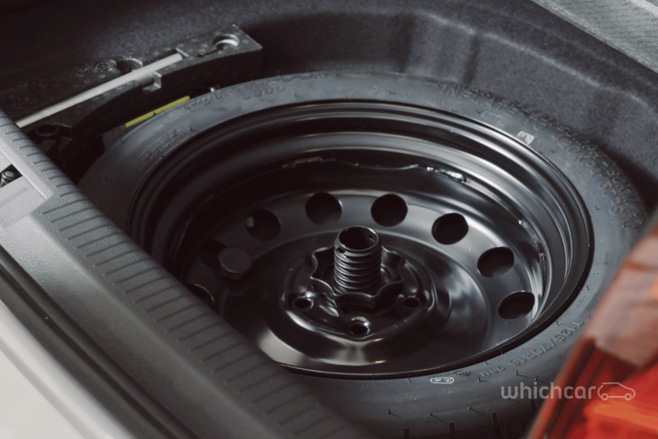
The only thing that we’ve noticed as a downfall in the Golf is that it only comes with a space-saver spare, which isn’t that unusual in this segment anyway. Driving the Golf in traffic isn’t great. It’s more fun to drive at higher speeds.
WHO WILL IT SUIT?
With so many variants available in the Golf range, it’s pretty safe to assume there’s an option for everyone.
Click here to read the full review on the Volkswagen Golf.
VOLVO is expected to launch a high-performance, German-baiting version of its new S90 flagship sedan, featuring Polestar badging and a hybrid drivetrain.
The Polestar version will rival the likes of the Mercedes-AMG E63 and BMW M5, and spearhead Volvo’s attempt to break Germany’s stranglehold on the executive express market.
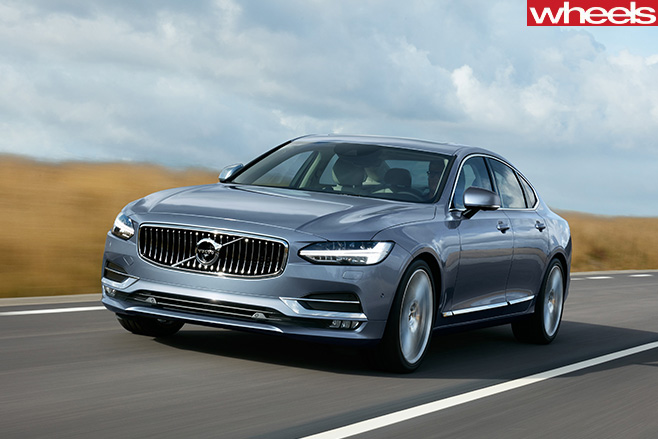
Standard versions of Volvo’s new S90 sedan and V90 wagon were shown at the Detroit motor show, and our artist’s impression hints at how the future Polestar sedan could look.
A Polestar version of the V90 wagon is also mooted, to take the fight to Audi’s RS6 Avant.
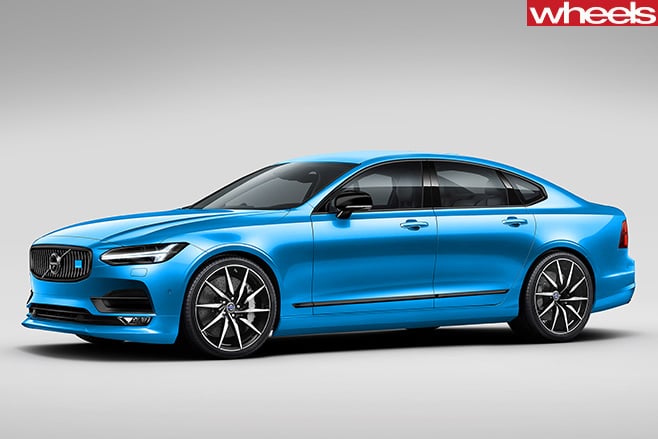
Polestar is now a subsidiary of Volvo, which bought the Swedish tuning company last year.
The S90 is the second all-new model after the XC90 to be built on Volvo’s Scalable Platform Architecture.
The same platform will also spawn the next-generation S60 and V60 due in 2017, both of which will also receive the Polestar treatment.
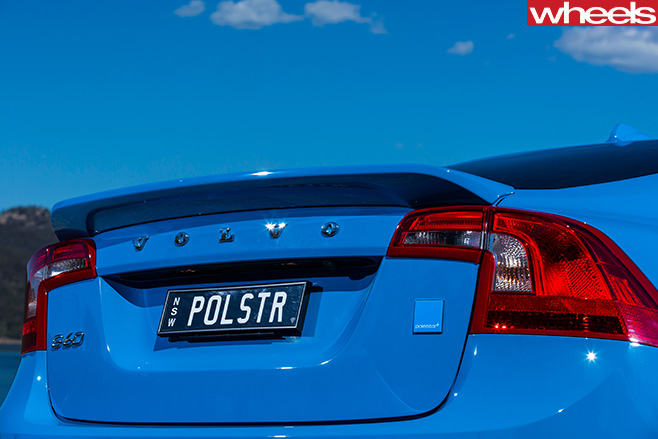
Already confirmed to power top-spec T8 AWD versions of the standard S90, the T8 Twin Engine combines a 235kW/400Nm twin-charged 2.0-litre four-cylinder petrol engine with a 65kW/240Nm electric motor. It’s currently the most powerful engine Volvo makes and is capable of pushing the 2296kg XC90 to 100km/h in 5.6sec.
This suggests the all-wheel-drive S90 Polestar should hit 100km/h in less than five seconds, given its lesser kerb weight and more powerful drivetrain. The AMG E63 S and BMW M5, both of which are exclusively rear-drive in Australia, do the sprint in in 4.2sec.
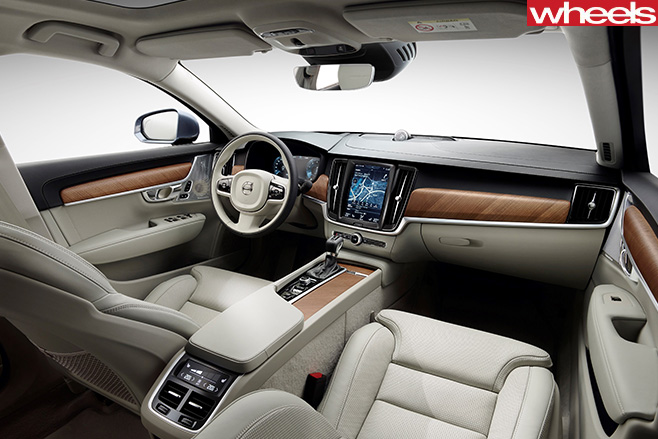
The XC90’s influence is also obvious in the large tablet-style central screen, but long slabs of natural wood and higher-quality materials give the S90 a greater sense of plushness.
The S90 is packed with cutting-edge safety technology, as you’d expect from Volvo, including a world-first ‘large animal detection’ function that is linked to the automatic emergency braking system. Capable of recognising animals such as cattle and kangaroos, the system warns the driver and will even brake the car to avoid a collision.
Externally, the S90 moves away from the chunky, heavy-handed styling of recent large Volvo sedans like the slow-selling S80. It ushers in a more elegant look with short overhangs and ‘Thor’s hammer’ headlights, which will filter through to all modern Volvos.
Expect the regular S90 to hit Aussie roads in September.
A 1956 Ferrari 290 MM driven by F1 legend Juan Manuel Fangio sold for a heart-stopping US$28.05m at last week’s Driven to Disruption event, held by RM Sotheby’s in New York.
One of four examples created, chassis 0626 has the unique distinction of never having been crashed during its competition career, retaining its original chassis, engine, gearbox and body, but its providence is largely due to the legendary motorsport figures who raced it during its time as a works car.
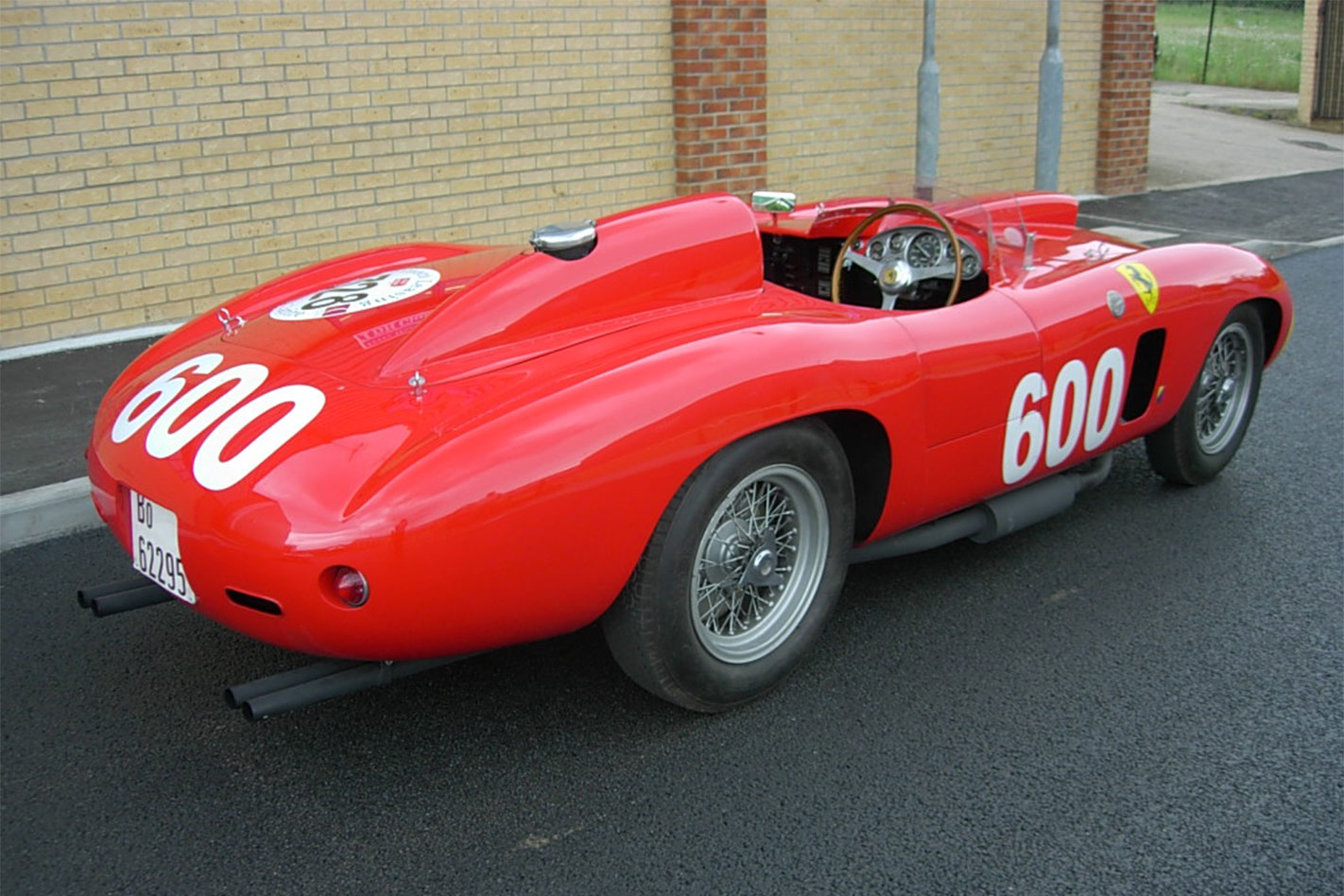
Upon its retirement in 1964, 0626 spent time in a private American collection before being bought by Pierre Bardinon, who owned it for 34 years before relinquishing it to the unknown figure who helped make this news.
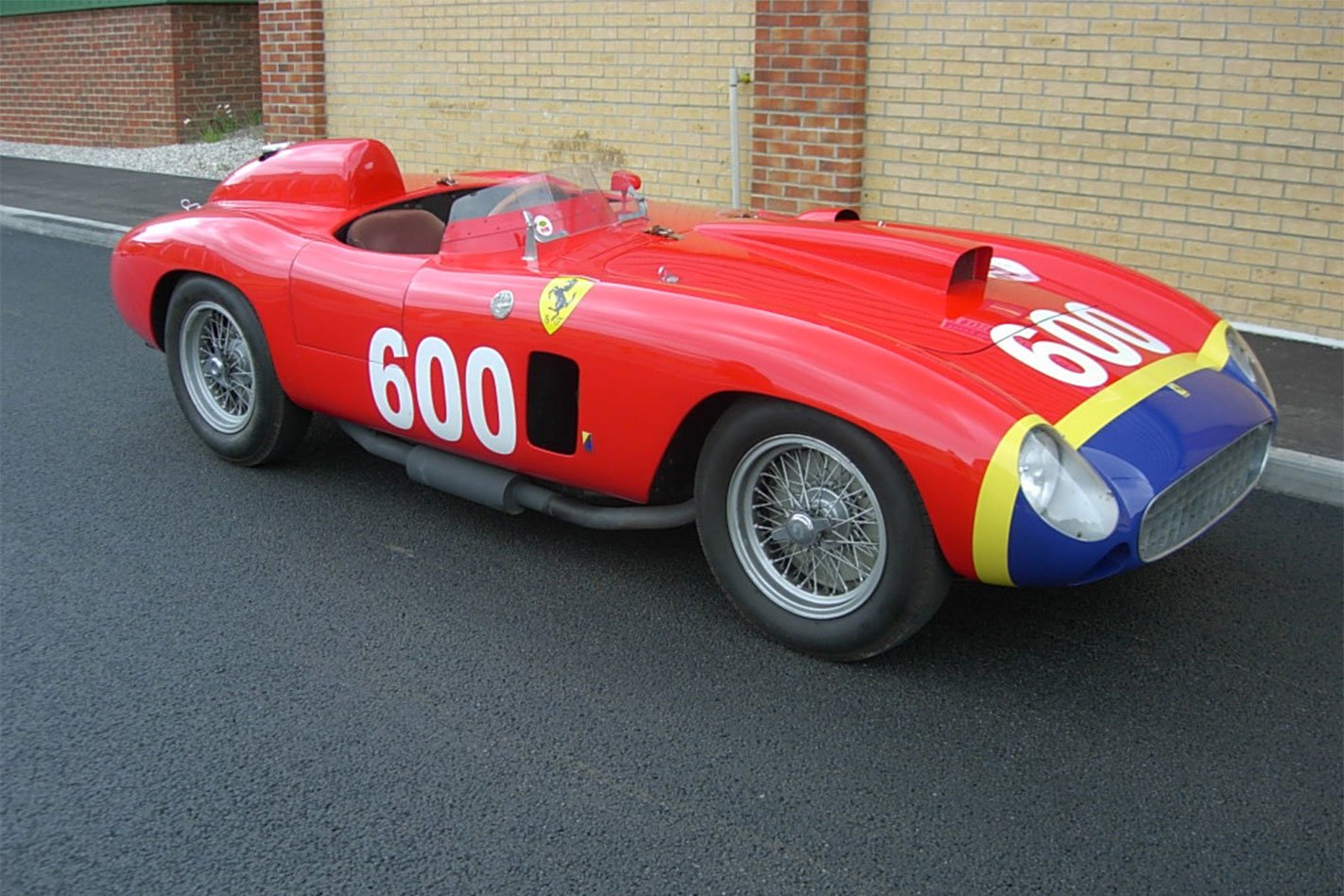
While it was clearly the run-away star of the day, accounting for 38 per cent of sales at the Driven to Disruption auction, it wasn’t the only multi-million dollar lot. An Aston Martin DB4 GT Zagato went for US$14.3m, while Floyd Mayweather’s Enzo sold for US$3.3m.
The Mercedes-AMG SLC 43 flicks its SLK 55 badging, swaps its atmo V8 for twin-turbo V6 and is ready for a price drop.
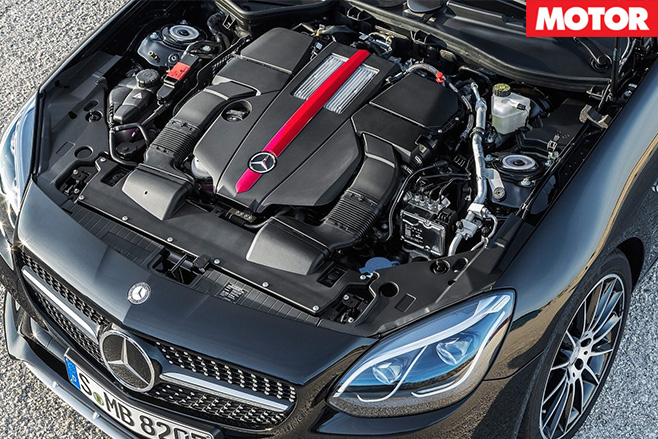
Joining the rush towards engine downsizing with forced induction, the new six in the compact roadster delivers 270kW from 5500rpm to 6000rpm, and 520Nm from 2000rpm to 4000rpm. Teamed with a fresh nine-speed automatic, the SLC 43 claims a 4.7-second 0-100km/h.
As we’ve previously reported, the 310kW/540Nm bent-eight dies, as the SLK 55 was the last vehicle in the AMG range to utilise the atmo 5.5-litre donk. The new engine is 0.6L/100km thriftier, claiming 7.8L/100km, although SLC 43 is a tenth slower than SLK 55 to the ton; which is the biggest hint the AMG version may be repositioned.
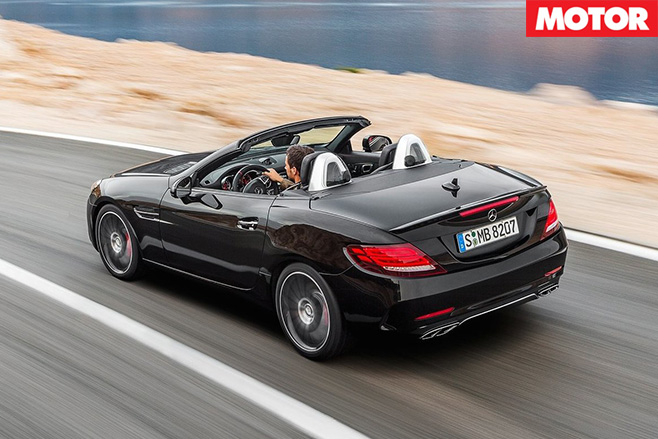
Meanwhile, re-engineered front and rear suspension kinematics include increased negative camber on all wheels, new front wishbone guide bearings and rear forged-aluminium track rods. Along with stiffer engine and rear-axle gear unit mounts, AMG says it contributes to making the SLC 43, “more controllable when driven at the limit”.
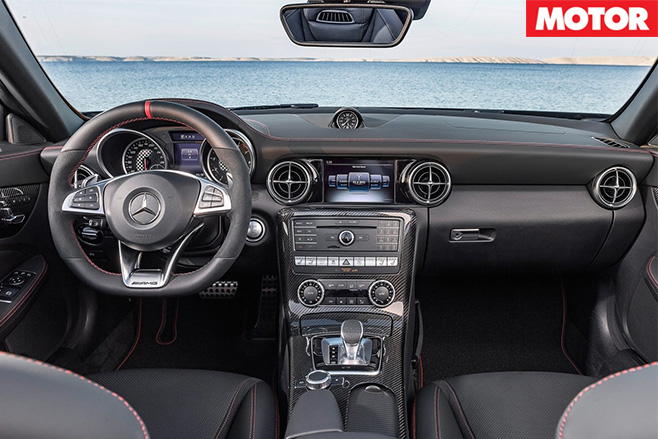
Three-mode AMG Ride Control adaptive suspension is optional, as is a mechanical limited-slip differential for the rear-drive roadster. An independent button works the three-mode stability control program, with on, Sport Handling Mode and off settings.
It is highly likely the new engine will prompt a price drop on the $162,400 SLK 55 AMG when the SLC 43 arrives locally in October 2016 – whether it is small or substantial remains to be seen, but we expect the latter.
