
First the good news: MOTOR has finally driven an Australian-spec, Australian-delivered 2016 Ford Mustang. The bad news? It’s not the one you or I will be buying.
Yep, our first taste of the latter-day Pony Car was behind the wheel of the 2.3-litre four-cylinder Ecoboost model, not the 5.0-litre V8 version that has created waiting lists of almost a year.
In fact, Ford is holding something like 3000 paid orders for the new ‘Stang, the vast majority – say, nine out of ten – of which will have eight spark-plug leads.
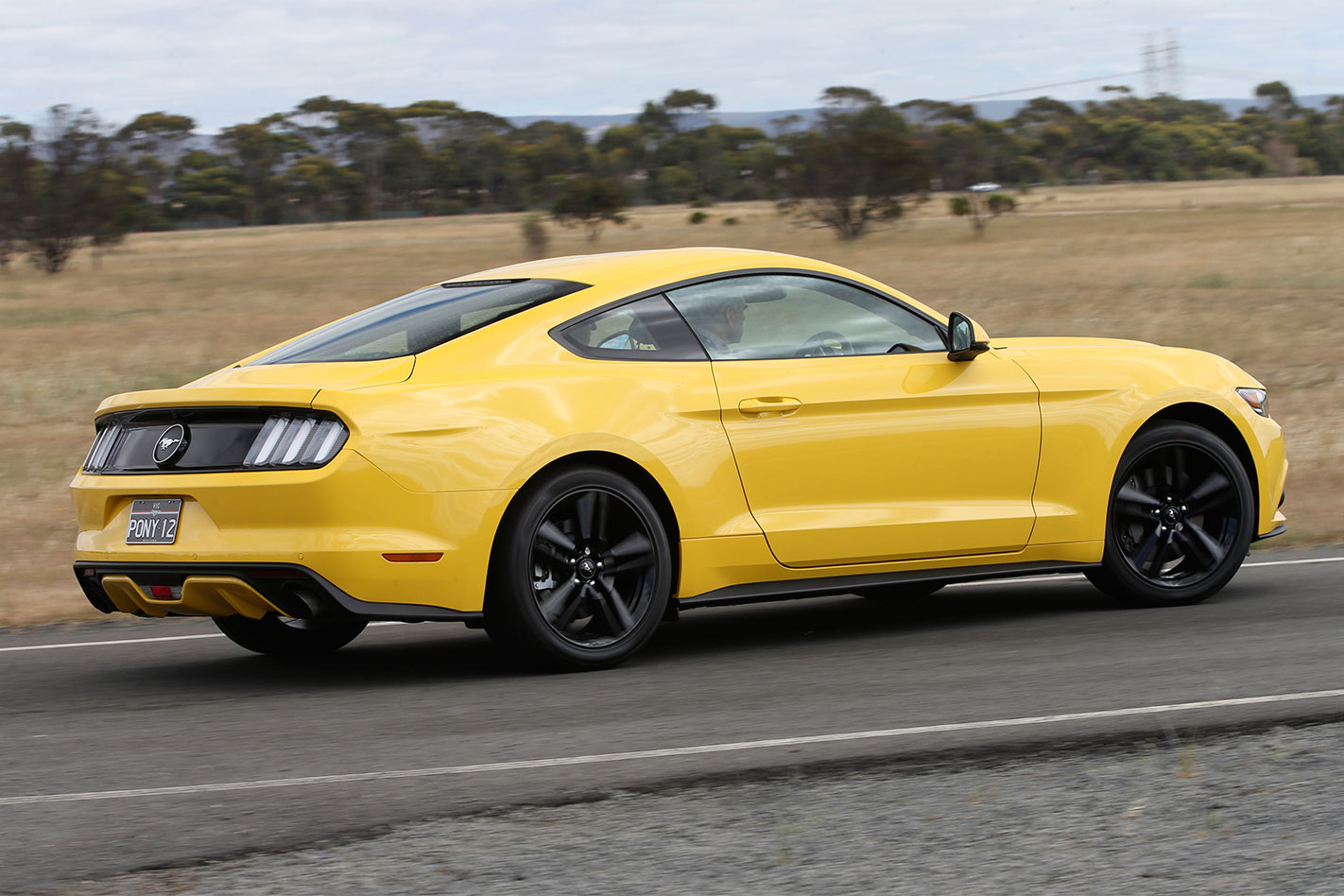
Is he right about that? Well, I’m with him all the way about the Ecoboost ‘Stang being a good thing, but I’m just not sure that anybody in the market for a Mustang will want one without that V8 soundtrack.
Sure, with 233kW (versus 306 for the five-litre) the Ecoboost does the biz, but it will never sound `right’ to a traditional Mustang customer’s ears.
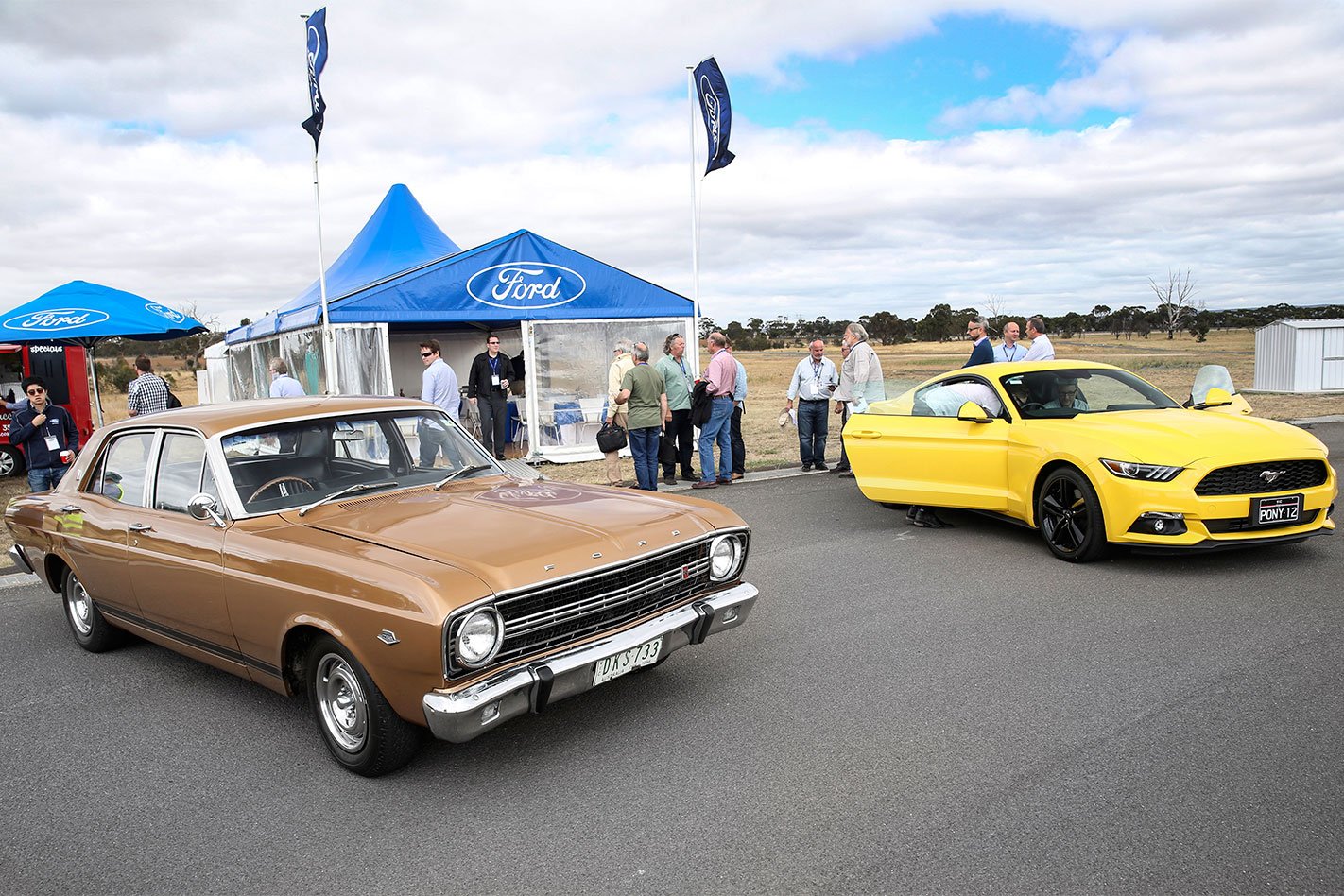
I seem to remember Daihatsu telling the Australian distributor of the day that we couldn’t have any Pyzars unless we took our dose of the hideous little Move within the same shipment.
History, of course, records that we could have done without either of the wretched little Daihatsus, but that’s not the point; the point is that head office will always call the shots.
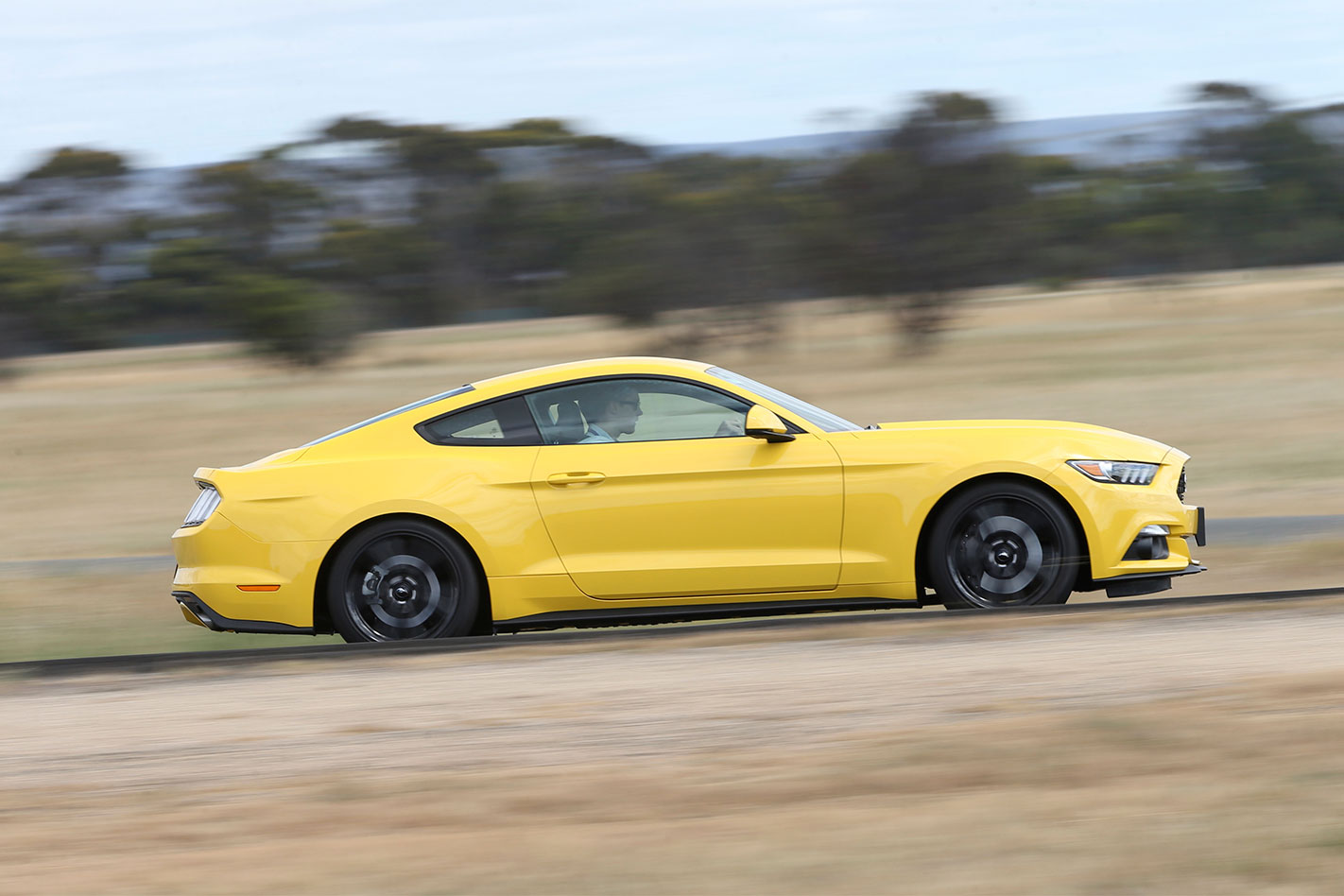
The inherent balance of a big car with a physically small engine comes through loud and clear and the Stang steers pretty faithfully and doesn’t seem to have any obvious vices.
If anything, though, I reckon the Ecoboost installation in the Falcon was a bit quieter and a tiny bit smoother, although the Mustang version has more herbs when you sink the spurs.
But while I reckon the Ecoboost version was the pick of the FG Falcon variants, the same simply can’t be said of the Mustang, purely because it lacks the theatre and emotion that a badge such as Mustang demands. And I haven’t even driven the damn V8 yet. But that’s hero cars for you.
Specs
Engine: Power: 233kW @ 5600-5700rpm Torque: 432Nm @ 3000rpm Weight: 1577kg 0-100km/h: 5.8sec (claimed) Price: $45,990
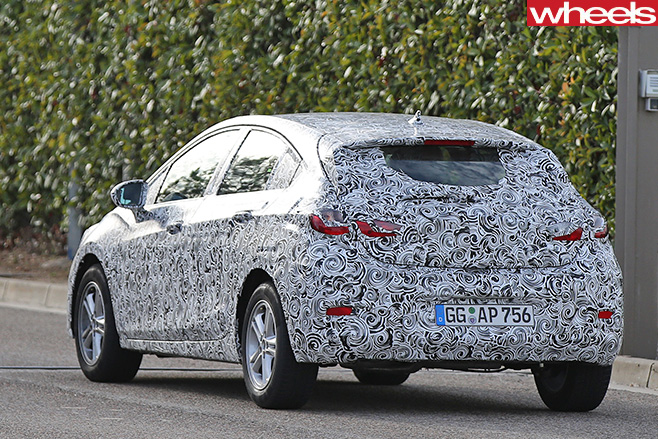
SPRUNG here for the first time in a swirl of disguise on the streets of Frankfurt is the 2017 Holden Cruze hatch.
Australia will see this sleek five-door play off against the newly redesigned Holden Astra hatch (K series) slated for a late 2016 debut, joining the next-gen Holden Cruze sedan as the company’s entry-level small car combatant against the Hyundai i30, Kia Cerato, Mazda 3, and Toyota Corolla.
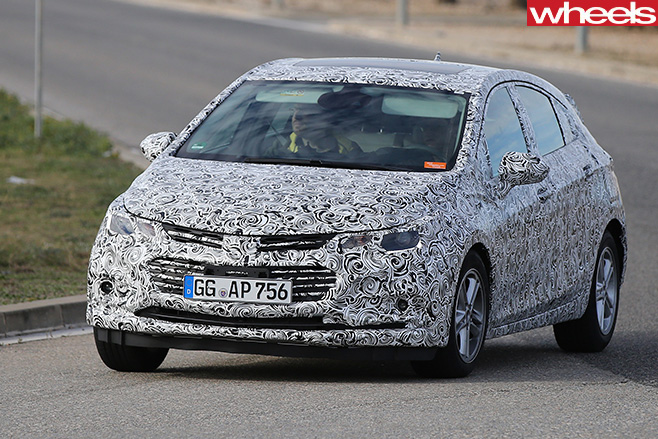
The German setting where the psychedelic 2017 Cruze hatch prototype was snapped underlines the under-the-skin relationship between it and the upcoming Holden Astra K (as well as also underpinning the second-generation Chevrolet Volt hybrid hatch that won’t come here), with both utilising variations of the new D2XX architecture that brings a lighter, stronger, and safer platform.
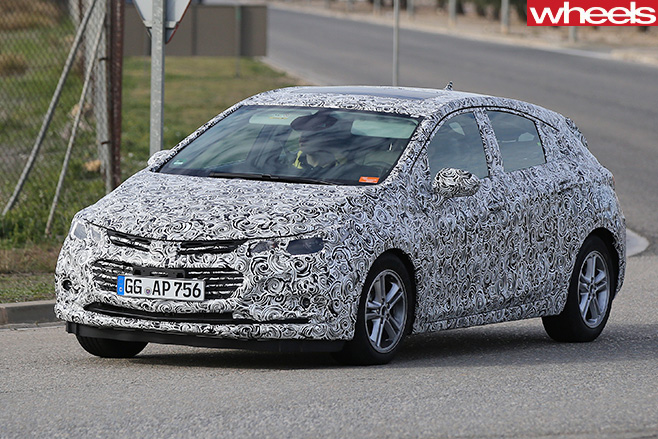
Compared with the current Chevrolet Cruze hatch, the 2017 version sits on a longer wheelbase (believed to match the corresponding sedan version’s 2700mm) for improved rear-seat space.
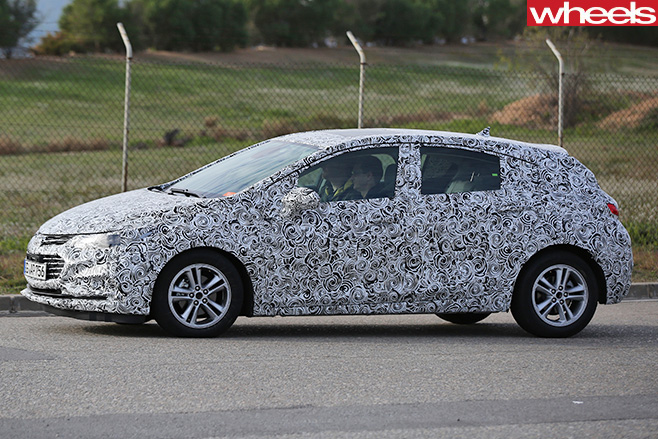
Those with longer memories may recall that the existing Holden Cruze hatch, released when the Australian-built JH arrived in 2011, was designed at Fishermans Bend. Local input is not confirmed this time around, but the Cruze’s suspension and steering are likely to be tuned to local tastes at Holden’s Lang Lang proving ground.
The biggest clue yet that Ford is cooking up something special to say goodbye to Falcon has emerged with an image of a Falcon seat embroidered with the Sprint logo appearing on the FordForums website.
It’s been long-rumoured that Ford Australia is planning to revive the ‘Sprint’ nameplate to say goodbye to a special batch of XR6 Turbos, just as it revived the XR8 name for the FG X to give the V8 a fond farewell.
Details are still thin on the ground and Ford is keeping its lips sealed, however it’s expected that the former FPV F6’s 310kW/565Nm 4.0-litre turbo six will find its way under the bonnet.
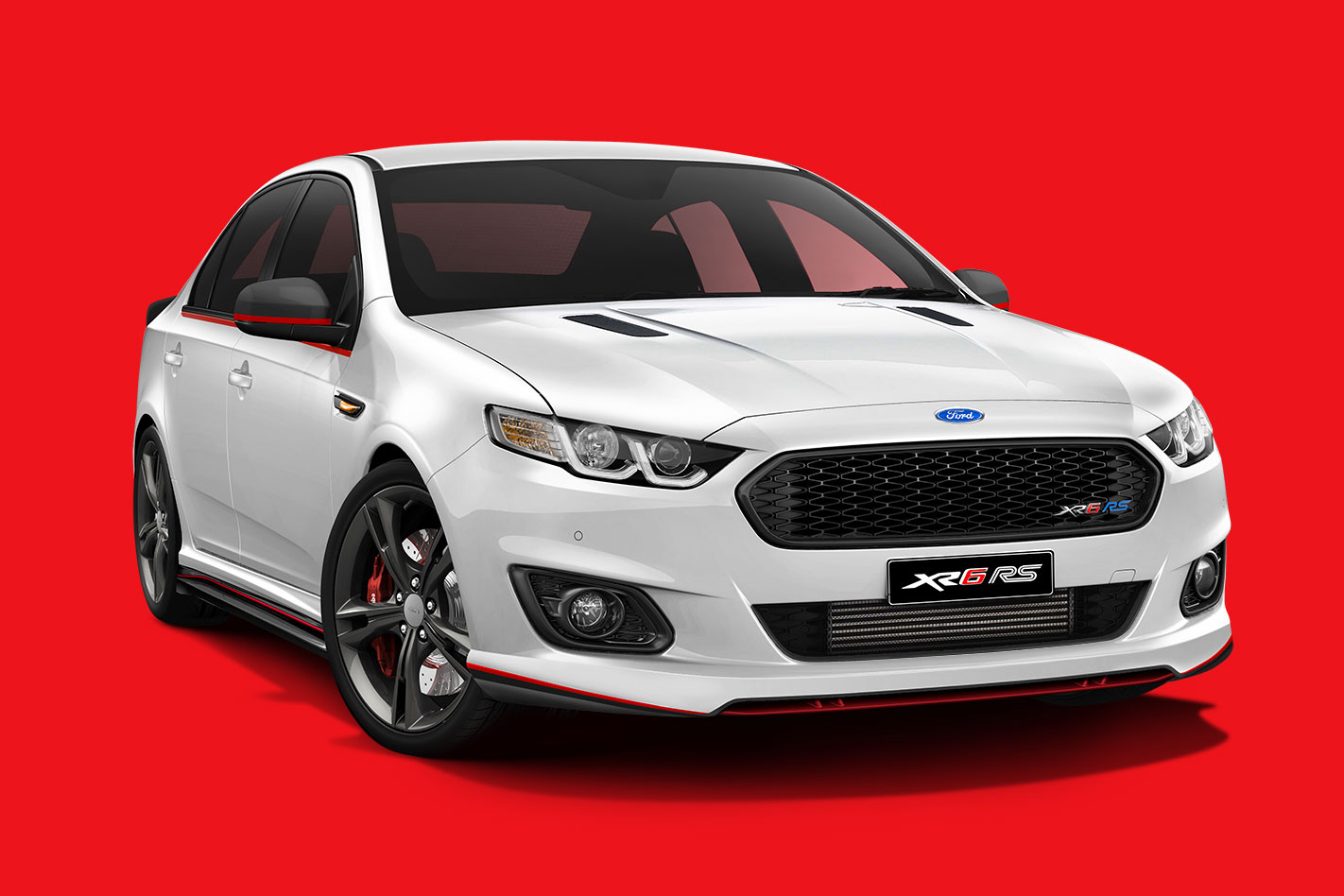
This will be matched the the R-Spec suspension tune, wider 275mm rear rubber and Brembo front brakes lifted from the current XR8.
We have heard whispers, however, that to avoid upsetting existing F6 owners by offering identical power, the Sprint will retain the XR6 Turbo’s smaller turbocharger for greater response and mid-range, while sacrificing some top-end power.
With Falcon production wrapping up in October 2016, should the Sprint appear (and it seems it will) it will do so shortly, though other reports of a January unveil would seem unlikely to avoid stealing any of the new Mustang’s thunder.
The XR8 has been a runaway success for Ford, with its initial production run of 1200 lifted to 2800 following huge public demand. It’s likely that a last-of-the-line XR6T Sprint would be every bit as popular, allowing locally-built fast Fords to bow out on a high.
Everywhere we go, photographer Cristian Brunelli and I, heads swivel and mouths drop.
Work duties are abandoned, conversations cease and photo requests come thick and fast. If a car’s supercar credentials are judged by the number of stares it attracts, then BMW’s new i8 goes straight to the top of the class.
It’s going to need more than a fancy suit and a nomination to the Green Party, though. While the i8’s ecological credentials provide a key point of difference, there are some serious sports car rivals at its $299,000 price point, including Porsche’s new 911 GTS and Mercedes-AMG’s forthcoming GT, not to mention Audi’s evergreen R8.
BMW has an uphill battle on its hands. Ever since it replaced its ‘ultimate driving machine’ mantra with the somewhat ambiguous ‘efficient dynamics’ the odd crack has appeared in its once impregnable reputation for dynamic excellence. It hasn’t dropped the ball by any means, but there has been the odd fumble. Can it successfully deliver one of the more ambitious production car projects of recent times?
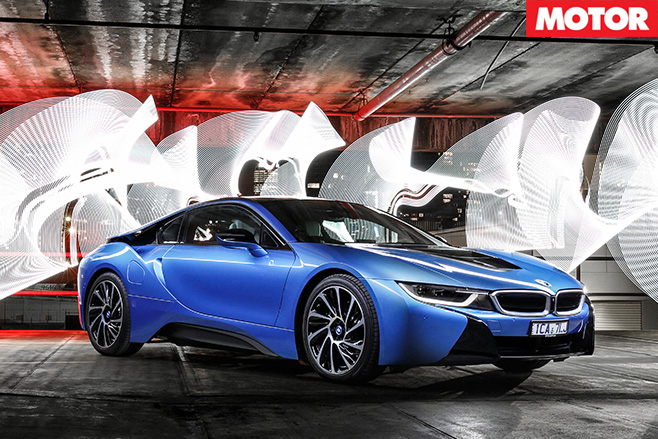
Even non-car enthusiasts somehow instinctively know it’s something out of the ordinary. Gullwing doors help the sense of occasion but, combined with high sills, mean no-one is going to win any awards for elegance when entering or exiting the i8.
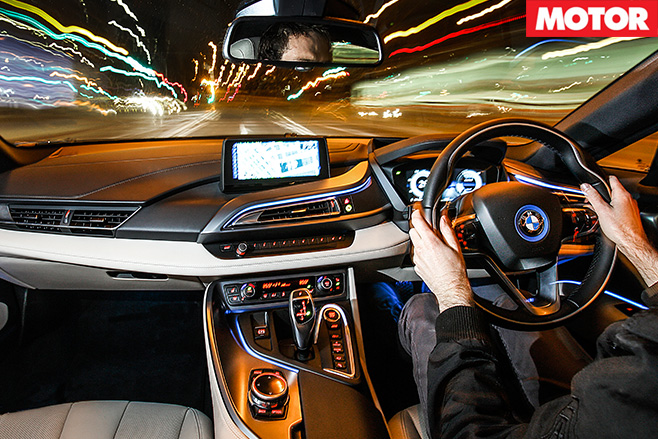
Once inside, the forward-set driving position is comfortable with excellent forward vision, though thick A-pillars create large front-three-quarter blind spots. The interior itself continues the concept-car vibe, with a TFT instrument display and a wavy, layered dashboard that looks like it was designed by Salvador Dali.
At night, thin noodles of fluorescent blue make you feel like you’re sitting in one of those light suits from the movie TRON.
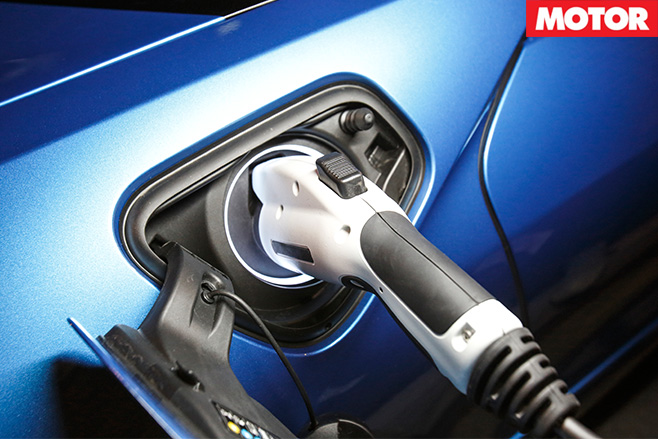
With a fully-charged battery BMW claims an electric-only range of 37km, which is more like 25km in the real world. A full charge takes just under three hours from a conventional outlet or less than two using one of BMW’s ‘i Wallboxes’.
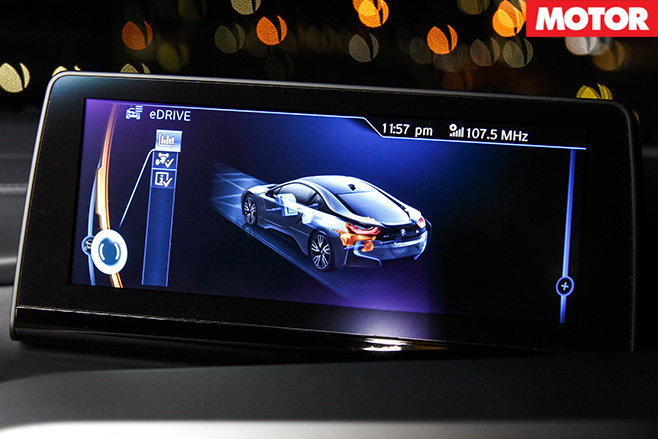
In this mode the i8 emits a cool futuristic whine, though it must be artificial given it’s perfectly capable of operating in complete silence. Should the charge drop too low the 170kW/320Nm 1.5-litre turbocharged three-cylinder automatically fires into life – instantly converting the i8 from front- to all-wheel drive – until the batteries are full enough to resume EV travel.
The transition is seamless, though the way the petrol engine clatters into life like a small diesel (from outside, at least) does ruin the illusion of cool somewhat. The ability to control the energy flow quickly alters your driving habits.
The i8’s greatest low-speed flaws are difficult-to-modulate brakes and a rather abrupt ride; it’s probably no worse than anything else in this segment, but to jiggle along in silence, rather than serenaded by a purring V10, feels slightly unusual.
At highway speeds the ride improves and only persistent tyre roar spoils the calm.
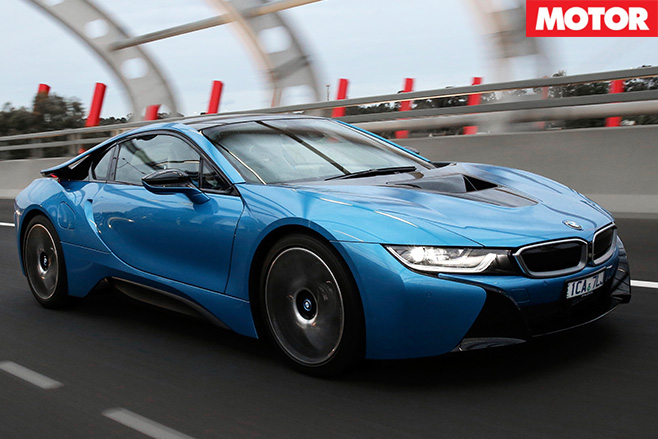
At the dragstrip BMW’s eco warrior continues to punch beyond its 266kW/570Nm, nailing 0-100km/h in 4.46sec (more or less matching BMW’s claim) and a 12.62sec quarter at 183.22km/h. Extracting the numbers isn’t the work of a moment though.
Arriving at Heathcote with the batteries almost empty means each acceleration run is followed by 10-15 minutes of driving up and down the strip in order to build up charge. Still, with the e-boost primed, activating the rudimentary launch control (it really just allows you to stall the car against the brakes momentarily) fires the i8 off the line, the front tyres chirping on the shift to second gear.
The process would have been made easier had I done some research beforehand.
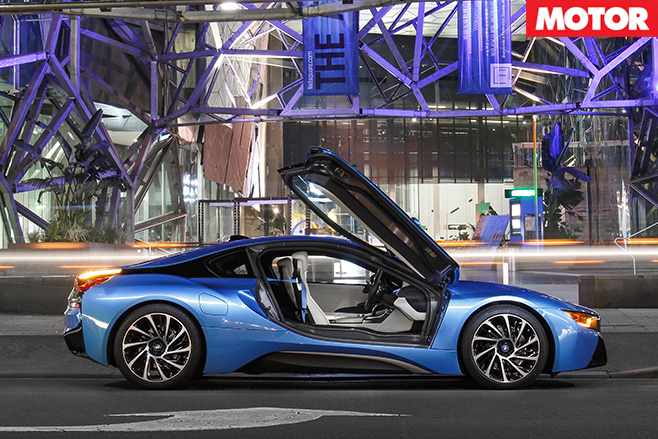
Some may find the i8’s numbers disappointing for a $300K supercar; after all, it’ll struggle to keep up with the new M3, let alone the otherworldly M5/M6. On a winding country road, however, the i8 feels more than fast enough. No, it doesn’t blow you away like an RS6 or 911 Turbo, but its speed feels useable rather than intimidating.
In theory, the electric motors should offer immediate response, but there’s quite a hesitation when getting back on the power. Ironically, you drive around it like old-school turbo lag by hitting the throttle early and once on song the i8 slingshots out of corners.
The six-speed auto ’box is sensational, with lightning fast upshifts and crisply obedient downshifts, but BMW rear-drive traditionalists will no doubt be dismayed to hear traction is absolute thanks to the hybrid all-wheel drive system.
Driven conventionally it’s possible the i8’s front-end push will frustrate, but it’s another example of the driver needing to adapt. A colleague described the i8 as like an old-school 911, needing a traditional slow-in, fast-out approach to minimise understeer and maximise traction on exit.
In faster corners the i8 is a rocket, its tremendously low centre of gravity and near 50:50 weight distribution inspiring huge confidence, helped by steering that is a highlight in terms of its weight and response – in Sport mode at least. One of the strangest things about driving the i8 is its refreshing simplicity.
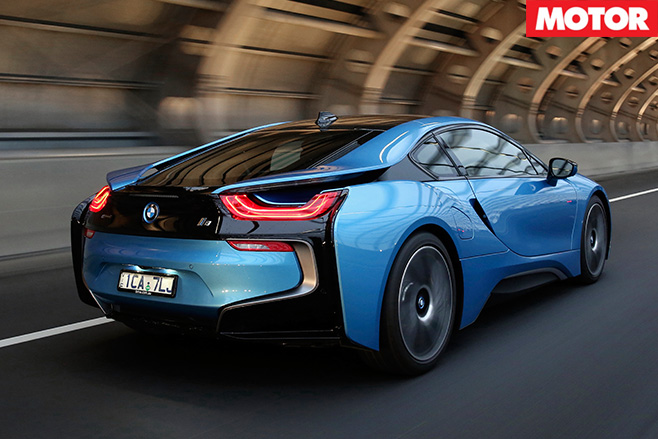
In others, though, it’s definitely next generation. The Leipzig plant in which it’s built is powered by 100 per cent renewable energy, its clever thermoplastic panels will never corrode and can repel parking dings, and as you’d hope, it sets new standards for fuel consumption. Claimed economy is a ridiculous 2.1L/100km, a number reached more through faults in the regulated test cycle than any optimism on BMW’s part.
Our own test result of 9.3L/100km is not quite accurate either due to performance testing and the fact we didn’t plug it in each night. The real difference is that the i8 is at its most frugal when other cars are at their thirstiest, in bumper-to-bumper traffic.
If there’s a fault with the i8 from an enthusiast’s perspective, it’s with the petrol engine. While the artificial sound of the 1.5-litre turbo triple is interesting in a V-twin motorcycle kind of way, just imagine if there was a tiny 2.0-litre V8 buried midships, screaming away at 9000rpm when the mood took you.
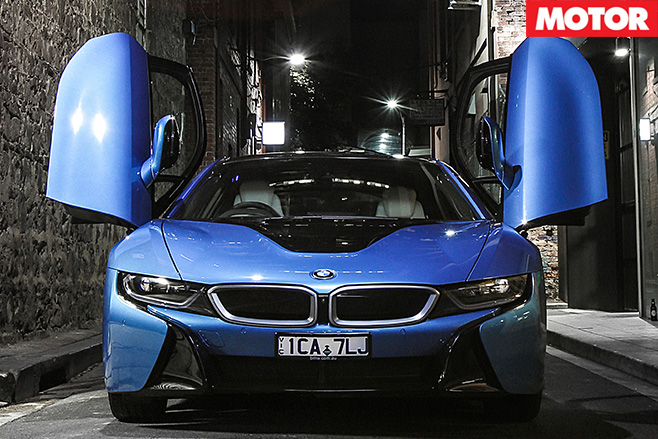
There’s little doubt the technology contained within the i8 will trickle down to more mainstream models, while these hybrid heroes will only get faster as battery technology improves. The i8 can’t thrill like a 911, but it’s a brilliantly resolved proof of concept. Suddenly, ‘efficient dynamics’ makes a whole lot more sense.
Specs
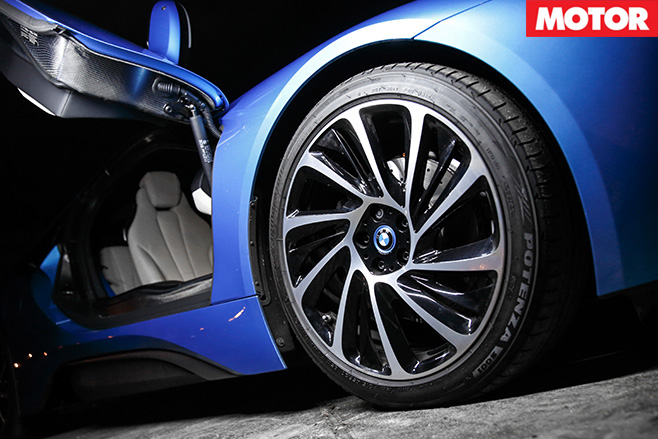
Body: 2-door, 4-seat coupe Drive: all-wheel Engine: 1499cc inline-3, DOHC, 12v, turbocharger/ hybrid synchronous motor Bore/stroke: 94.5 x 82.0mm Compression: 9.5:1 Power: 170kW @ 5800rpm Torque: 320Nm @ 3700rpm Combined output: 266kW/570Nm Power/weight: 179kW/tonne Consumption: 9.27L/100km (tested) CO2 Emissions: 221g/km (tested) Transmission: 6-speed automatic Weight: 1485kg Suspension: double A-arms, coil springs, anti-roll bar (f); multi-links, coil springs, anti-roll bar (r) L/W/H: 4689/1942/1293mm Wheelbase: 2800mm Tracks: 1644/1721mm Steering: electrically-assisted rack-and-pinion Brakes: 340mm ventilated discs, 4-piston calipers (f); 340mm ventilated discs, single-piston calipers (r) Wheels: 20 x 7.5-inch (f); 20 x 8.5-inch (r) Tyres: 215/45 R20 95W (f); 245/40 R20 99W (r) Bridgestone Potenza S001 Price: $299,000 Positives: Stunning looks; strong performance; brave technology Negatives: Huge price; jiggly ride; chassis could be more adjustable
Volvo clearly didn’t purchase its Polestar tuning outfit for nothing – the company wants to expand high-performance offerings to include the recently revealed S90 sedan.
The Swedish marque’s good looking flagship is built on the modular SPA platform to be shared with the next-generation S60 and V60, models already slated for the Polestar treatment.
Speaking with UK car magazine Autocar this week, Volvo boss Hakan Samuelsson confirmed the company is interested in a Polestar model larger than S60.
“You could have a high-performance variant [of the S90] without leaving the brand,” he told Autocar. “You could still have a nice car with smart design and functionality, but what’s wrong with a little performance?
Volvo last year purchased 100 per cent of Polestar, formerly a Swedish tuning partner. Six cylinders or more are out of the picture as Volvo’s engine family is now four-pot only, but a hybrid powertrain will likely be a goer according to Volvo R&D chief Peter Mertens.
“Polestar will still be sophisticated performance,” Mertens told Autocar. “It’s not just a case of doing a ‘boy racer’ by dropping a big engine in there. Hybrid power is the direction that Polestar will go in. In a way, Tesla has legitimised electric performance, although Polestar will be more sophisticated again.”
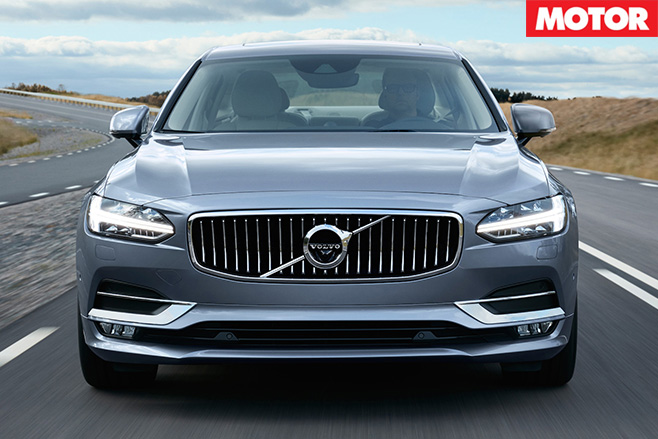
There will be a wagon version, too, with the forthcoming V90– big-backed twin to the S90 – tagged by Volvo UK managing director Nick Connor as potentially even more appropriate for the Polestar treatment, at least for the British market.
“I’d say a wagon is more likely for us [UK market] than a Polestar version of the S90, because we have the heritage there from our days with the 850 in the British Touring Car Championship,” he explained to Autocar.
So, what is it?
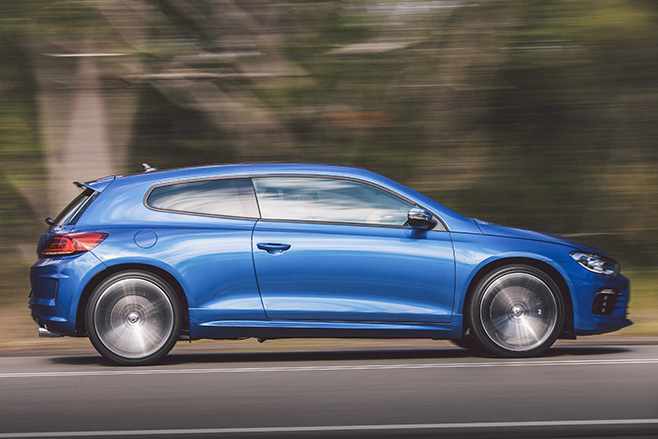
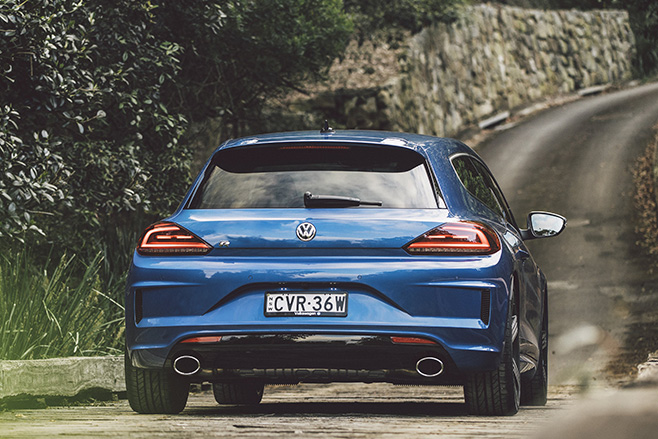
It’s the mildly upgraded Golf Scirocco R. Dangling precariously on the edge of banishment from the Australian market for 2015, only a positive reaction to OS news of this update from fans and press types saved it.
Looking at it dispassionately, it’s a Golf GTI in a pretty new dress. And it’s quite an old Golf GTI – the underpinnings are essentially those from the Mk V. A 2.0-litre turbocharged four-potter makes 188kW and 350Nm, so it’s pretty handy. It’s a four-seat-only proposition, though.
Why should I care?
Let’s face it – the Golf is a pretty handy thing, but it still looks like a regular hatchback. The flat, sleek Scirocco does not, and that’s the attraction. You’re also buying into a bit of VW performance history, if that’s your thing.
What’s new about it?
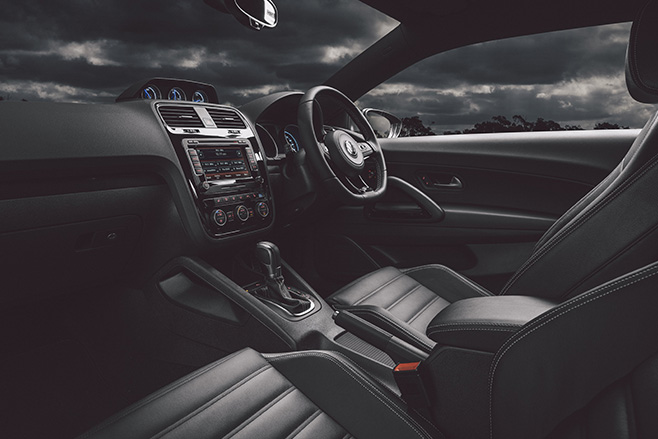
Not a lot, if we’re honest. The front and rear lights have been brought up to spec in terms of the corporate message, and there’s a new set of rims (which do look pretty sweet). Inside, an array of gauges on top of the centre console pays homage to its dad, and the dials are new. In a big tick, a rear-view camera is now fitted as standard.
That’s all fine. What’s it like to drive fast?
Where the new-gen Golf performance cars are polished and precise, the Sirocco is a bit edgier and more raw. Give the touchy throttle a bit of a tickle, and the front tires squirm and shimmy on the road surface before biting.
The chassis is more firmly tied down than the newer cars, and it comes equipped with three-stage adaptive dampers as standard. While the Scirocco might not feel as composed and as polished as a Golf R, it feels a lot more alive.
Its mechanical steering is (surprisingly) slower-geared and more dim-witted than its electric counterpart; the Scirocco needs a firm hand at the tiller.
The six-speed DSG is an older model unit, and it feels like it; its final tune lacks the precision and subtlety of later-model DSG boxes. The Scirocco is one modern car that really benefits from a six speed manual.

And driving from home to the office in the city?
Great. There’s plenty of room behind the wheel, you can knock the shocks into Comfort mode, and the exhaust note is pleasant and unobtrusive when you’re just pootling along – something that can’t be said for the Golf R, for example.
Is there anything bad about it?
It is an oddly shaped little hatch, which means that cargo carrying is a bit compromised.
There’s none of the modern electronic devices (like radar cruise and blindspot monitors) you might expect at this price, either.
Too-short sun visors, lack of storage in the door pockets and higher-than-expected levels of road noise from the tyres. The low roofline, narrow side rear windows, and large headrests on the back seats also means visibility is a bit pants, too.
How much would I have to pay for one? And is it worth the coin?
VW has rejigged the price of the Scirocco southwards so that the manual ($45,990 plus on-roads) now sits neatly between the Golf GTI ($41,990) and the GTI Performance ($48,990).
The DSG-equipped version is $48,490. For something that’s a little bit left of centre and goes this well, it’s definitely worth considering.
Would you take the VW Scirocco or the Renault Megane RS265?
Hmm. Tough call. The Renault’s chassis will go down in history as one of the greats – but it’s even older than the Scirocco, and it’s not as civilised around town. The VW gets it by a nose.
Click here to find out more about the Volkswagen Scirocco R.
If you haven’t yet placed your order for Ford’s newly-arrived Mustang, the bad news is you’re going to pay more for the pleasure.
A shift in the currency exchange rate – the Aussie dollar has fallen against the greenback from 83c a year ago to 72c as of today – has led Ford Australia to lift prices by $1000 on Ecoboost models and $2500 on V8 models.
Buyers who have already placed orders are protected from the price hike, but it’s a blow for any new purchasers, especially as high early demand for the muscle car means delivery is unlikely before 2017.
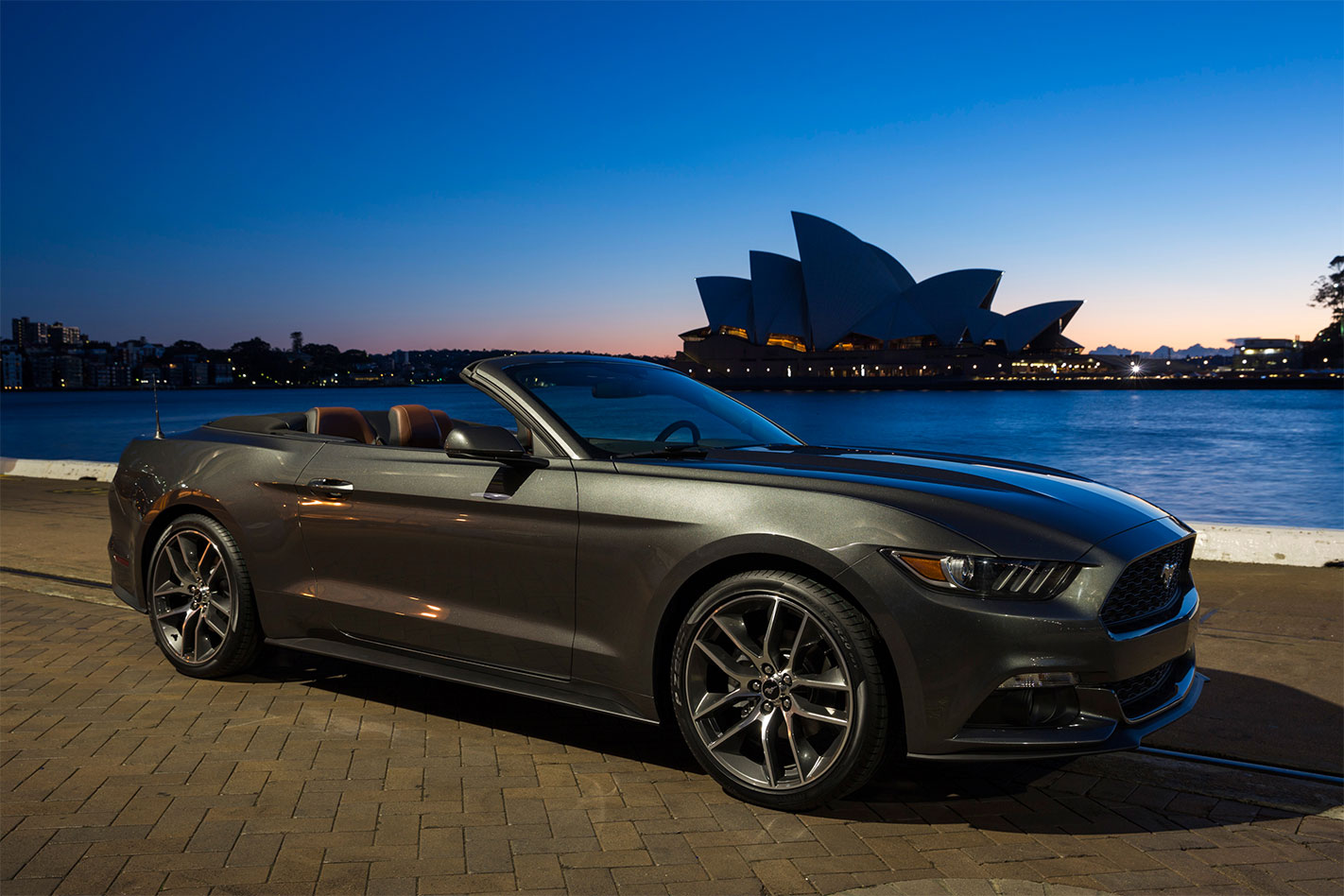
Ecoboost Coupe manual – $45,990 (+$1000) Ecoboost Coupe auto – $48,490 (+$1000) Ecoboost Convertible auto – $54,990 (+$1000)
GT Coupe manual – $57,490 (+$2500) GT Coupe auto – $59,990 (+$2500) GT Convertible auto – $66,490 (+$2500)
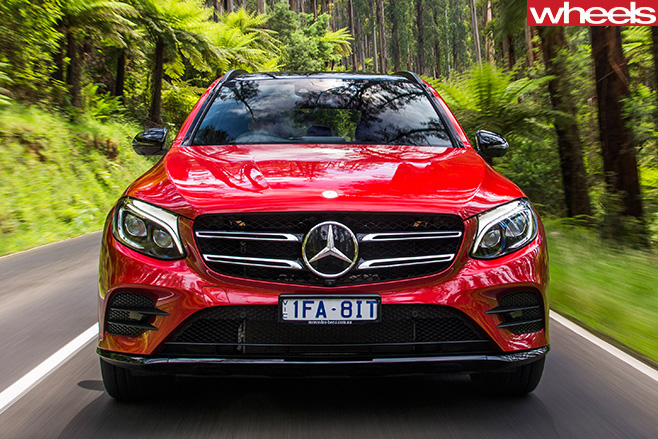
Mercedes-Benz fills a glaring hole in its line-up with this classy, high-quality C-Class-based SUV called GLC.
WHAT IS IT? A much-needed SUV based on W205 C-Class architecture, slotting in between the small GLA and relatively large, re-branded ML (now badged GLE). Considering SUV sales continue to boom in Australia, in unison with record numbers of C-Class models fleeing showrooms, the GLC’s timing is near perfection.
MAIN RIVALS Audi Q5, BMW X3, Land Rover Discovery Sport, Lexus NX, Porsche Macan, Volvo XC60
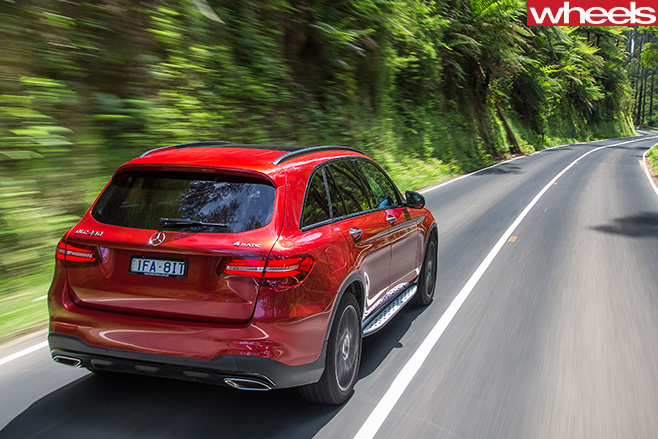
PLUS: Handsome styling; class-leading interior; strong drivetrains and efficiency; compelling equipment MINUS: Standard suspension lacks damping resistance when really pushed; concedes boot space to the C-Class Estate; ugly and intrusive body-side steps
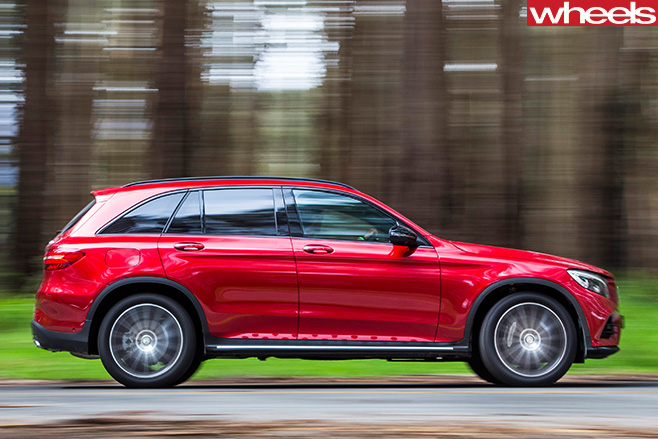
Sharing its platform and drivetrains with the lauded W205 C-Class, the GLK’s all-new GLC replacement is Stuttgart’s apology to the world. And, in particular, right-hand-drive markets such as Australia. Yet the GLC is hardly down on all fours begging forgiveness. It’s simply too good for that.
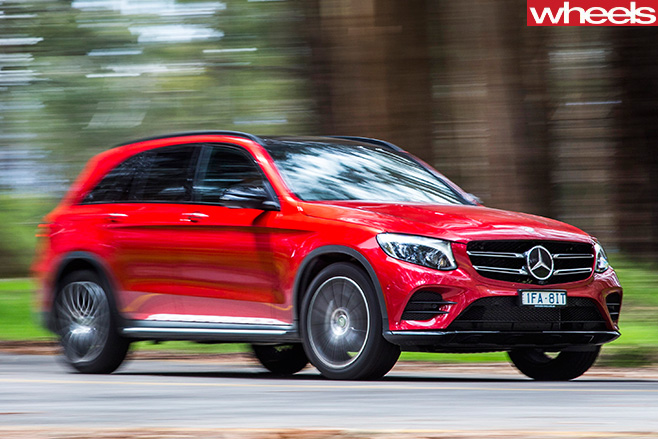
The GLC’s passenger-car stablemates are also sweeter to drive, though this SUV is respectably accomplished. While the GLCs we drove at the international launch in July were all fitted with optional ‘Air Body Control’ suspension – featuring multi-chamber air springs, adaptive dampers, self-levelling and height adjustment – the local launch cars were steel-sprung with fixed-rate dampers. Apparently, the adaptive dampers we were told would be part of the steel-sprung set-up is false.
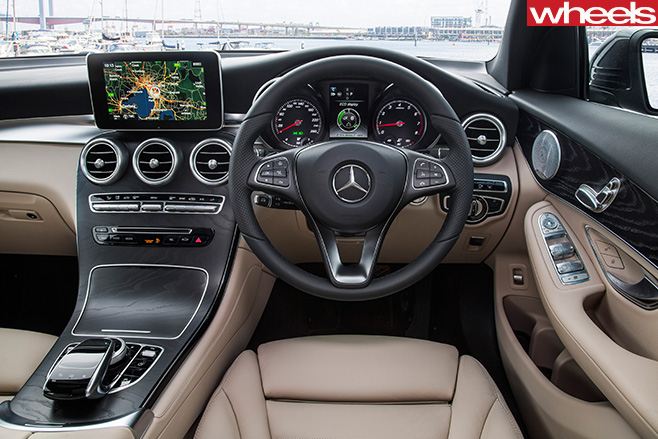
While performance enthusiasts should wait for the 270kW 3.0-litre twin-turbo V6 (in the GLC450 AMG) to arrive in mid-2016, the 220d, 250 and 250d variants all perform well. The base 125kW/400Nm diesel is a fairly sweet thing, if lacking the sportier zest of the 155kW/350Nm 2.0-litre turbo-petrol, while the 150kW/500Nm 250d feels smoother and more polished than the example we drove several months ago. Benz’s 9G-tronic nine-speed automatic also performed faultlessly, with more than enough ratios for the 250d’s torque.
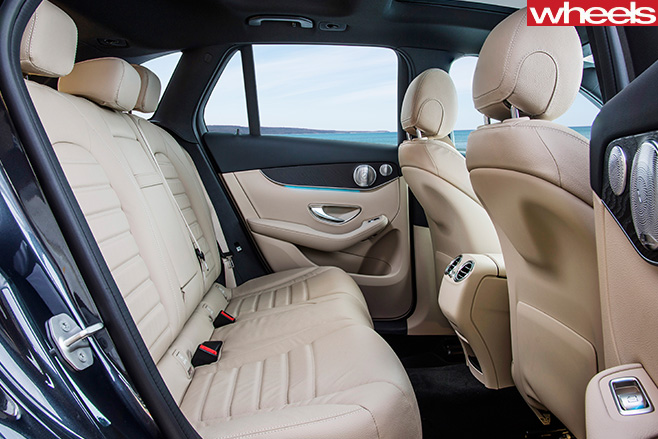
Talk about all good things to those who wait.
Model: Mercedes-Benz GLC250d 4matic Engine: 2143cc 4cyl, dohc, 16v, turbo, TD Max power: 150kW @ 3800rpm Max torque: 500Nm @ 1600-1800rpm Transmission: 9-speed automatic Weight: 1845kg 0-100km/h: 7.6sec (claimed) Fuel economy: 5.7L/100km Price: $69,900 On sale: Now
Why would we put two giant off-roaders head-to-head on the drag strip? Because they are unbelievably fast, that’s why.
BMW and Mercedes-AMG make some pretty bold claims for their latest breed of super SUVs, but we couldn’t quite believe the numbers that flashed up on the VBox.
Watch the video to see the exact figures, but suffice to say you should think very carefully about taking on these two brutes at a set of traffic lights, no matter what you’re driving.
On paper, they are fairly well matched, with the new GLE 63 packing 430kW/760Nm from its 5.5-litre twin-turbo V8 playing the 420kW/750Nm of the X5 M’s 4.4-litre twin-turbo V8.
However, as fast as these two are, consider this: the forthcoming Bugatti Chiron will weight considerably less than either of these monsters, yet will pack as much power as both of them combined. Maybe one day we can line that up on the strip.
Until then, enjoy.
When the BMW i8 was announced as a three-cylinder turbo hybrid, it would only be a matter of time before someone gave it a V8 transplant.
We did it with our ‘Sweet Dream’ BMW M8, but German company Gabura Racing Technologies, is doing it for real.
An early cut-away concept of what will be called the V8i has revealed eight-cylinders splayed up front, with the V8 unable to fit in the existing mid-engine compartment.
The engine will be a BMW sourced 4.4-litre twin-turbocharged V8 engine. And with a ‘individual’ intake system, upgraded cooling system, and titanium exhaust, GRT is reported to have pegged the V8i to produce almost 600kW in final trim.
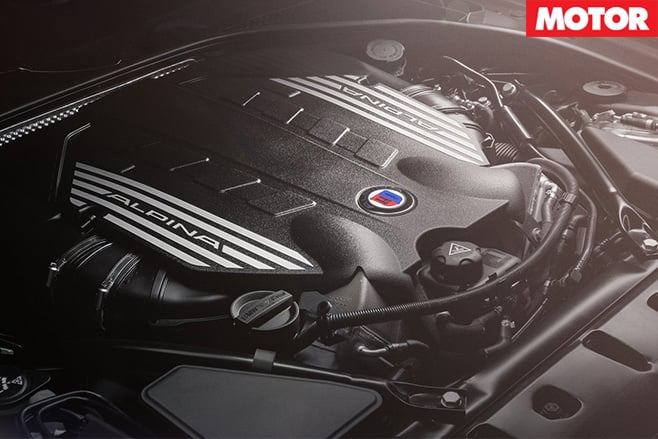
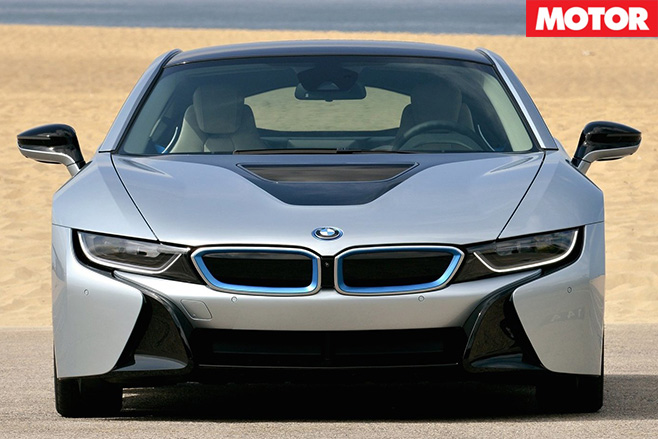
In a video posted on Gabura’s Facebook page, a BMW i8 is shown entering its performance lair with a robot ‘scanning’ over its body and noting its credentials. The carbonfibre reinforced body panels get a big tick, contributing to the i8’s light-ish 1485kg kerb weight.
And because GRT has promised wider and wilder tyres for the V8i, saying that a wide-body design of the i8’s futuristic looking facade is also in the works, we will see those lightweight panels stretched to fit.
“The patient is prepared for the complex surgery, so let the monster rise.”
Swapping the ‘i’ for a ‘V’ comes at a time when BMW itself is reported to build the i8 Spyder some three years after the vehicle debuted in concept car form. The company is also rumoured to be considering installing a 2.0-litre turbo in place of the 1.5-litre to help boost performance – though it’s still no V8, is it?
