
MAZDA’s recent partnership with Toyota could see it use the strong-selling Hilux as the starting point for its next generation BT-50 ute, instead of the Ford Ranger.
The development could end a collaboration of more than 35 years between Mazda and Ford.
While the Ford Ranger was heavily upgraded for 2015, Mazda did not give the BT-50 the same level of upgrades, arguing that low global sales volume could not justify the expense.
“We need to come up to a better solution in the future,” said Mazda Managing Executive Officer, Masahiro Moro. “If we follow the correct path, I think a BT-50 will get adequate updates.”
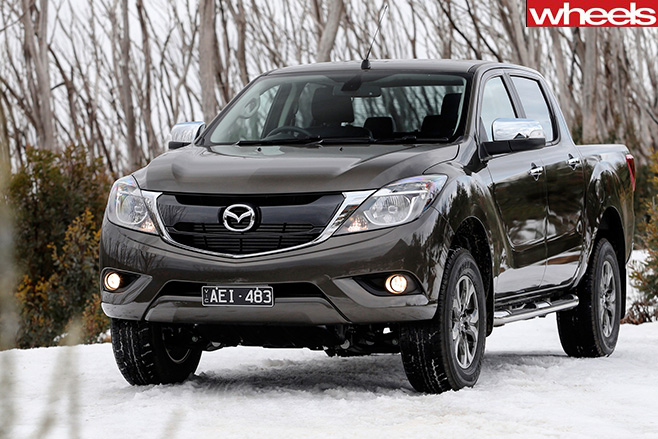
“We’ve just established a working team [with Toyota] to discuss an area where we can potentially work together,” Moro said.
“So we don’t have a concrete agenda yet, but this alliance was formed under the clear articulation of working together to make better cars.”
It’s clear that the BT-50 is not as good as Mazda wants it to be, in terms of both sales and its overall strategy of using SkyActiv drivetrains.
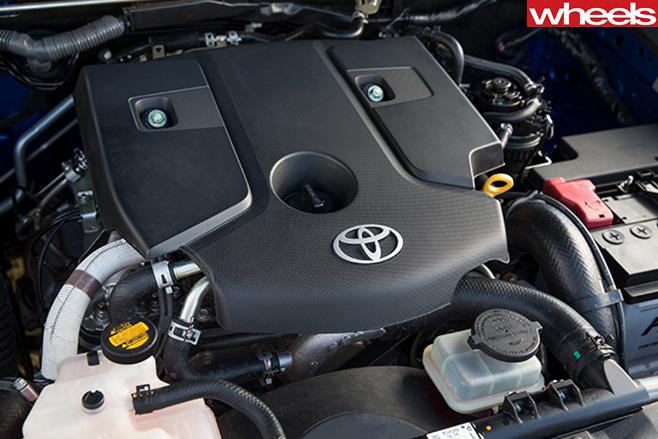
In August, the Ranger outsold the Hilux for the first time in its eight-year history, as stock of the Hilux dried up due to the all-new model arriving this October.
Yet while the current BT-50 sales are hardly a disgrace, it cannot hold a candle to the Hilux or Ranger, despite sharing its underpinnings with the Ford.
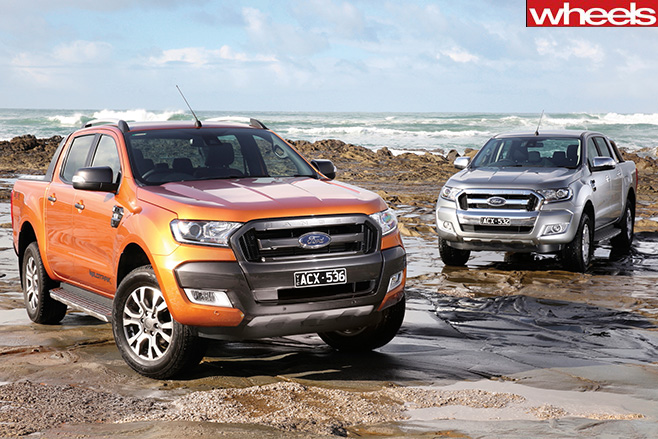
The next BT-50 is likely due in showrooms in 2017, with the new generation Hilux that may replace its Ranger roots going on sale this October.
OPEL boss Karl-Thomas Neumann has all but confirmed the 2018 Commodore will be based on the Opel Insignia that was recently sprung undergoing development testing.
Neumann said at the 2015 Frankfurt motor show that Holden would have an input into the car, which he said “would very nicely fit in the Australian market”.
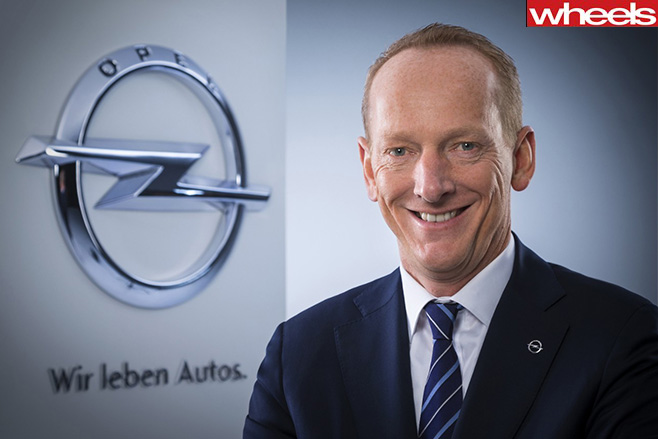
“You can be sure we are very proud if an Opel car is elected – and we don’t do that, Holden does that – to become a Holden car,” said Neumann.
“We give Holden the flexibility, we are not telling them ‘keep it like it is and put a badge on it’. We are supporting them, we are working with them … to make this a car which becomes a Holden car.”
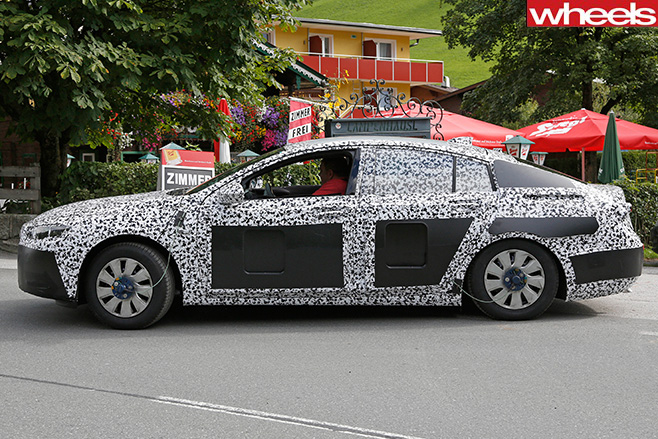
Speaking broadly about Opel models going to Australia, he said: “It will be retargeted for the Australian market. There will be engineering work done on them to fulfil the specific expectations which the Australian customers have and which fits to the Holden brand, so we will fine tune the drive and feel of the car … and the feature selection of the car.”
Holden announced it would cease local manufacturing of the Commodore by the end of 2017 but that it would continue the nameplate that first appeared in 1978 on an imported car.
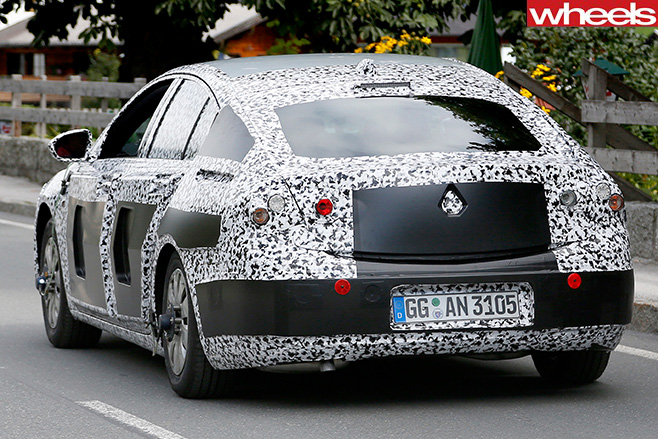
The final update to the locally produced Commodore, the VF Series II, was revealed this week – complete with the most powerful V8 engine ever fitted to a regular Holden Commodore.
IT’S OFFICIAL. The era of the affordable Holden V8 is coming to an end and we had better get used to it.
The sizzling VFII Commodore V8 might be hot off the press, but once it reaches the end of its lifeline in two years time, hopes that maybe Chevrolet would develop another SS to fill the V8, rear-drive void have been dashed.
GM’s President of International Operations, Stefan Jacoby, confirmed at the Frankfurt Motor Show that the Chevrolet SS will die along with the Aussie Commodore in late-2017.
“The world is obviously changing and the eight-cylinder period is coming to an end, and the rear-wheel drive is just difficult to justify on a dedicated single vehicle architecture for Australia,” Jacoby said.
When questioned about what performance Holden fans should expect once the Commodore V8 was gone, Jacoby replied, “They will get exactly what they want, based on a different technology”.
In other words, there may be another relatively large Holden capable of 4.9sec to 100km/h, but it won’t be a V8 and it’s unlikely that it will be as affordable as the current $44K VFII Commodore SS.
“The brand cannot be the same any more because the brand will die. Over the last decade it has lost half of its market share,” Jacoby said.
He was alluding to the imminent introduction of Opel’s new-generation Astra to replace the Aussie-built Cruze in late-2016, followed by what many believe to be Opel’s larger, new-generation Insignia in 2017.
But at the same time, Jacoby unintentionally highlighted the failure of Holden’s existing, and previous, four-cylinder products to arrest the slide in large Commodore sales.
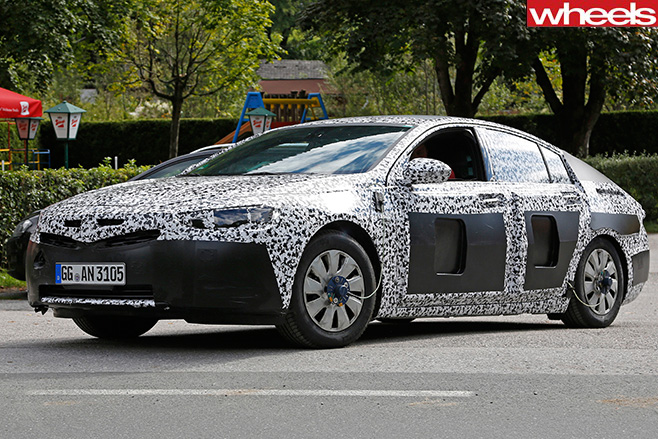
While Jacoby wouldn’t confirm that the next-gen Insignia (badged as a Commodore) was definitely the replacement for the current rear-drive, Australian-built car, when asked if there may be a gap between the locally made Commodore and the introduction of an imported Commodore, Jacoby replied: “I don’t think so”.
There’s a fair amount of irony in all this, though. While Europe is heavily focused on displacement downsizing, V8 Commodore and Calais sales have remained consistently strong since Holden’s record 2002 sales year – 178,392 units, 21.6 percent market share and overall market leadership.
While those days may never be repeated, with no immediate salvation in the form of a new-generation SUV, it’s entirely up to the new-gen Astra and the Commodore’s replacement to improve on Holden’s current sales performance.
“Right now we’re at number four and nine percent market share, and we can definitely be more ambitious than nine percent market share”, professed Jacoby.
“With products and with a better perception for Holden, and a better customer experience…. we want to be an important brand in Australia, we want to have our fair share in the market, and we want to make most use out of this iconic brand.
“From the heritage point of view, there’s a lot of capabilities in respect of sporty vehicles, and in respect of high-performance powertrains – Commodore and so on – which will definitely be further utilised.”
But not with a V8 engine. Jacoby wouldn’t confirm that the next hot Commodore would be a turbocharged V6 AWD either, but he did restate GM’s position in maintaining a high-performance offering in Oz.
“You know that we will have a sports car, and most likely that sports car will have a V8 engine,” he said.
But it won’t be ‘affordable’.
Seems Joe Petrolhead better like the sound of four- or six-cylinders, because eight is out.
Makes you appreciate just how lucky we are to still have cars like the VFII SS-V Redline, doesn’t it? For now.
Mazda3 stars with more grunt.
Mazda 3 SP25
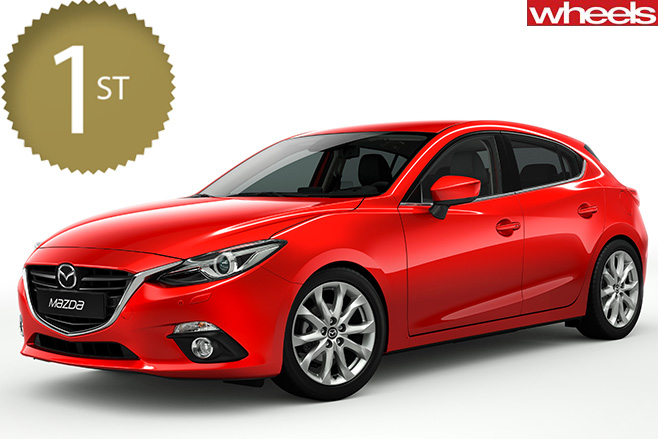
It helps to be well below the $35K ceiling in this category, which every finalist is because, while the purchase price isn’t scored, a more expensive initial outlay equates to more lost to depreciation, regardless of a good retained value. But the $25,190 asked for Mazda’s SP25 mid-ranger gets you a small car with an appealing level of equipment, a bigger, gruntier 2.5-litre engine than under the bonnet of lesser versions, and enough style to draw in the punters.
The 3’s excellent 66 percent retained value is largely responsible for its win, helped by a best-practice 12-month service interval. The 6.5L/100km fuel economy isn’t quite as impressive as that of 2.0-litre 3s, or the truly frugal players in the class such as the Golf and Peugeot 308, but is nonetheless good enough to contain annual fuel cost (on 91 RON) to a level most small-car buyers will easily wear.
Hyundai i30 Active diesel
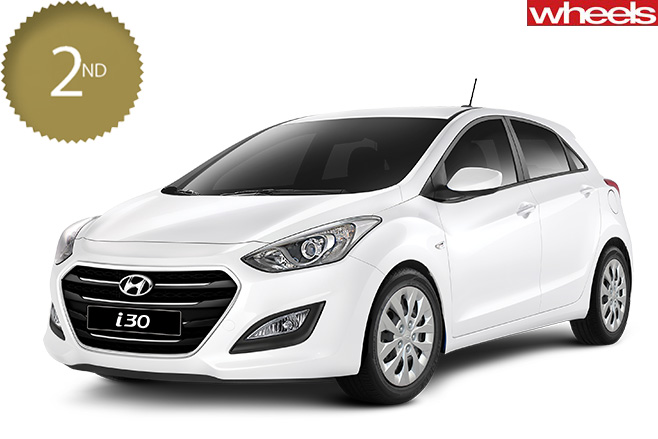
Volkswagen Golf 92TSI wagon

| Small Cars under $35K | Mazda 3 SP25 auto | Hyundai i30 Active auto | Volkswagen Golf 92TSI Wagon auto |
| Purchase Price | $25,190 | $25,890 | $25,840 |
| Combined cycle fuel (L/100km) | 6.5 | 4.9 | 5.3 |
| Fuel RON (min. rec.) | 91 | D | 95 |
| Three-year fuel cost | $3710 | $2961 | $3221 |
| Redbook resale (%) | 65.9 | 57.4 | 59.8 |
| Three-year depreciation | $8590 | $11,029 | $10,388 |
| AAMI insurance premium | $848 | $837 | $851 |
| Service interval (months) | 12 | 12 | 12 |
| Warranty (years) | 3 | 5 | 3 |
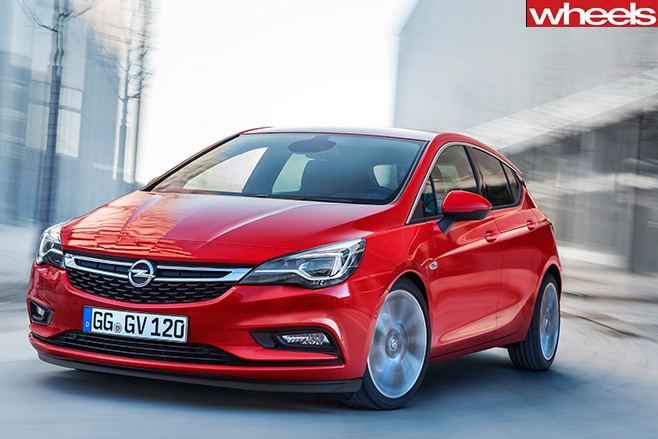
AN ALL-NEW Astra five-door hatchback from GM is coming to Australia, and sooner than you might think.
Coinciding with the global reveal of the new Astra today at the 2015 Frankfurt motor show, Holden confirmed the car will reach Aussie showrooms in late 2016.
It will feature two new-generation engines – an all-aluminium 1.4-litre direct-injection turbo-petrol four with 114kW/240Nm, and a 1.6-litre version with 147kW/300Nm.
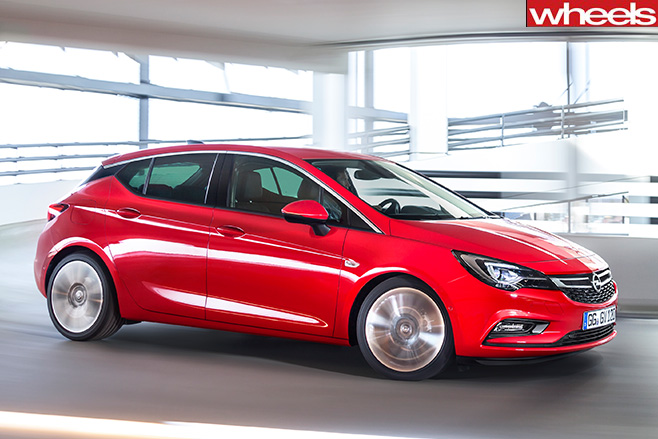
Holden says the 1.4-litre version of the new Astra is capable of combined-cycle economy of 5.6L/100km, thanks not only to its more efficient new-gen powertrain but also to weight-saving measures that see Astra lose up to 130kg.
It should drive well too, given the involvement from Holden’s own engineering team during Astra’s global development.
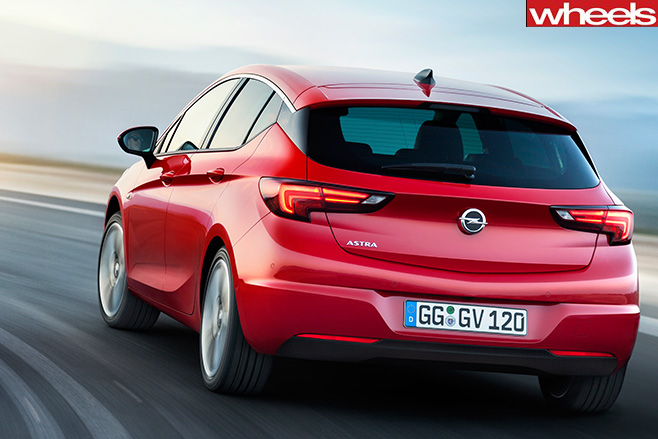
While the new-generation Astra is physically smaller and substantially lighter than its predecessor – a car we saw briefly in Australia, badged as an Opel, from 2012 to 2013 – it offers greater interior space, alluding to smarter packaging.
And it will be on its game for connectivity. Expect Apple Car Play, Android Auto, digital radio, an advanced colour touchscreen and up-to-date smartphone integration to feature in all Astra variants.
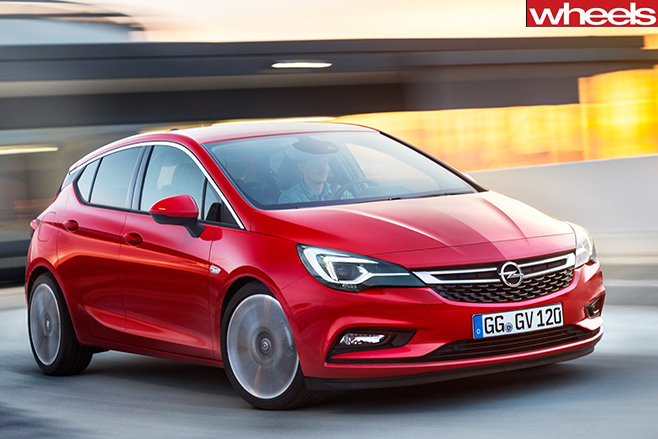
Given the Commodore’s untimely demise expected in late 2017, and the need for the Astra nameplate to carry the volume load for Holden, there’s a strong chance the handsome wagon will follow.
So where does that leave the Aussie-built Cruze? Pretty much dead in the water come late 2016, though there’s a chance Holden may continue production of entry-level 1.8-litre versions into 2017 – its final year of manufacturing in this country.
Call it the first big-league Hyundai racer – and the N 2025 VGT concept could be brought to life before the year in its badge.
What a way to showcase the Korean maker’s new ‘N’ performance division than with something that would look right at home on the Circuit de la Sarthe.
For now, it is a Frankfurt motor show concept only and will then live on in PlayStation’s Gran Turismo game.
Hyundai says, however, it has designed “the ultimate concept car to show the global audience the brand’s unique perspective on future performance characteristics”.
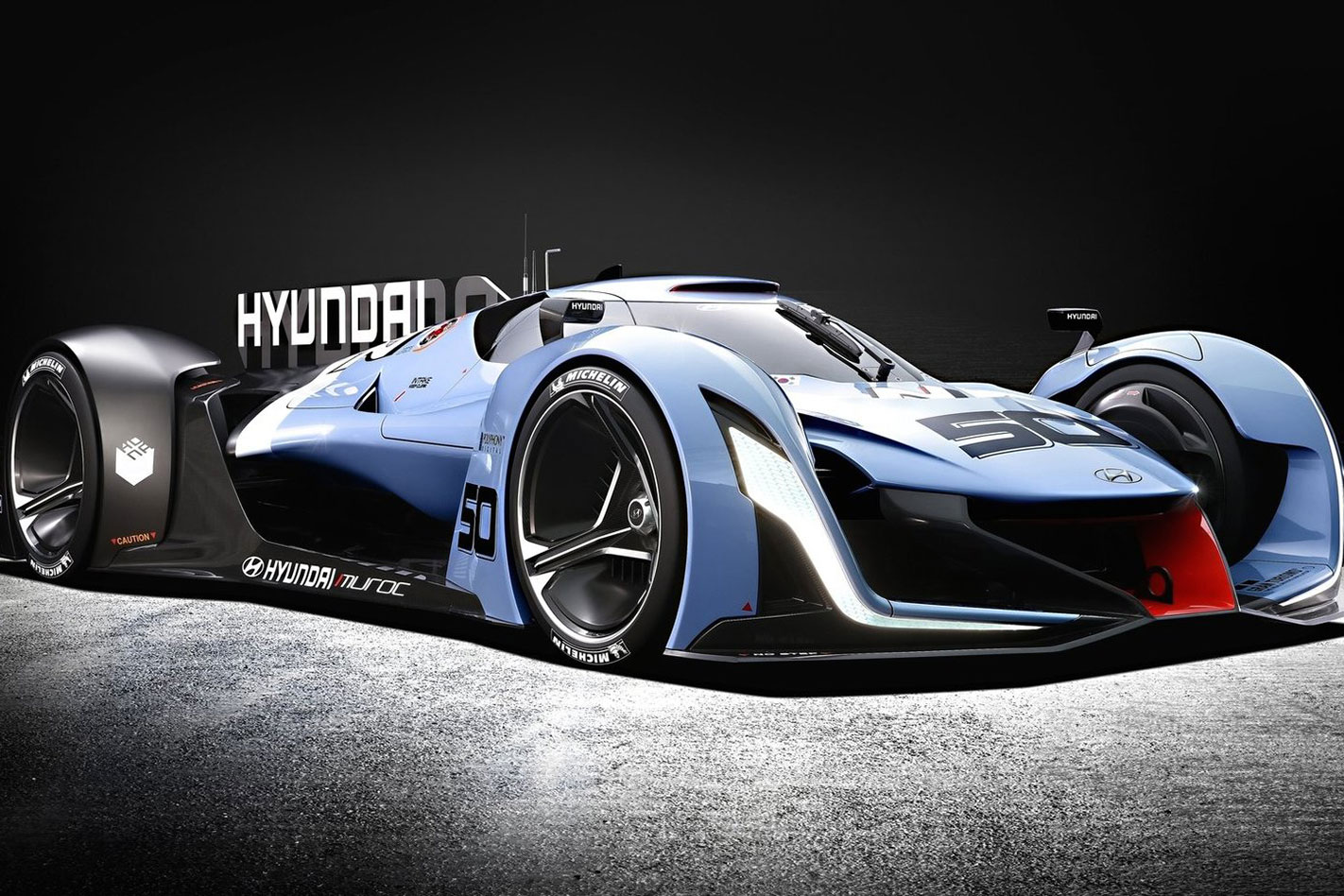
Like something from beyond Marty McFly’s arrival in a future world, dual fuel cell stacks deliver 500kW with a super capacitor system generating another 150kW.
An air blower turbine spins at 200,000rpm and while Hyundai concedes the N 2025 VGT concept is “based on eco-performance technology, the noise from its powertrain will tell a different story.”
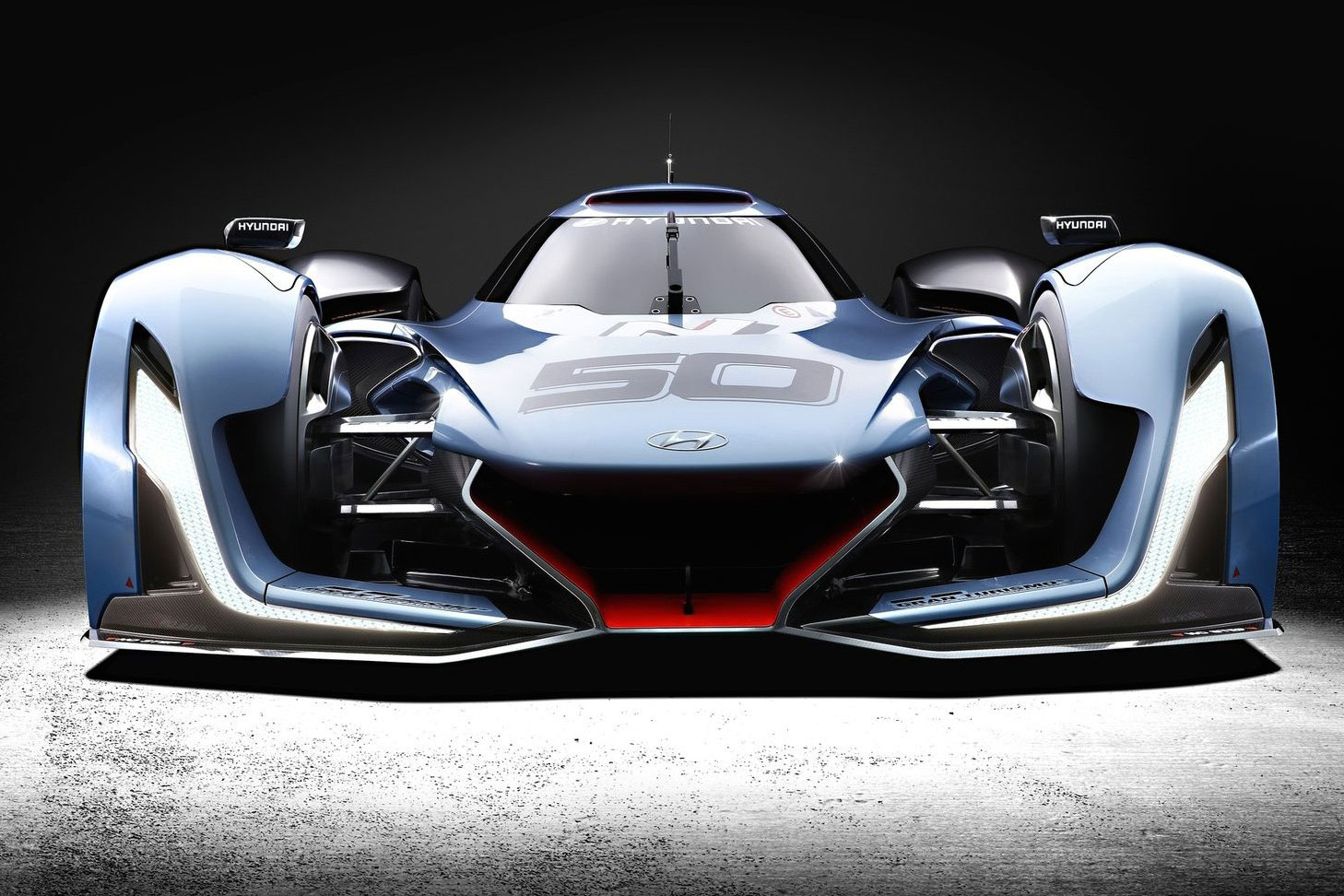
“Combined with a low centre of gravity, this power and performance sets the car up to perform on the most challenging of race tracks, encapsulating the thrilling premise of N cars,” the brand adds in a statement.
At the smaller, less exotic but no less fun end of the spectrum, Hyundai has also revealed its latest WRC car based on the new i20 hatchback not coming to Australia.
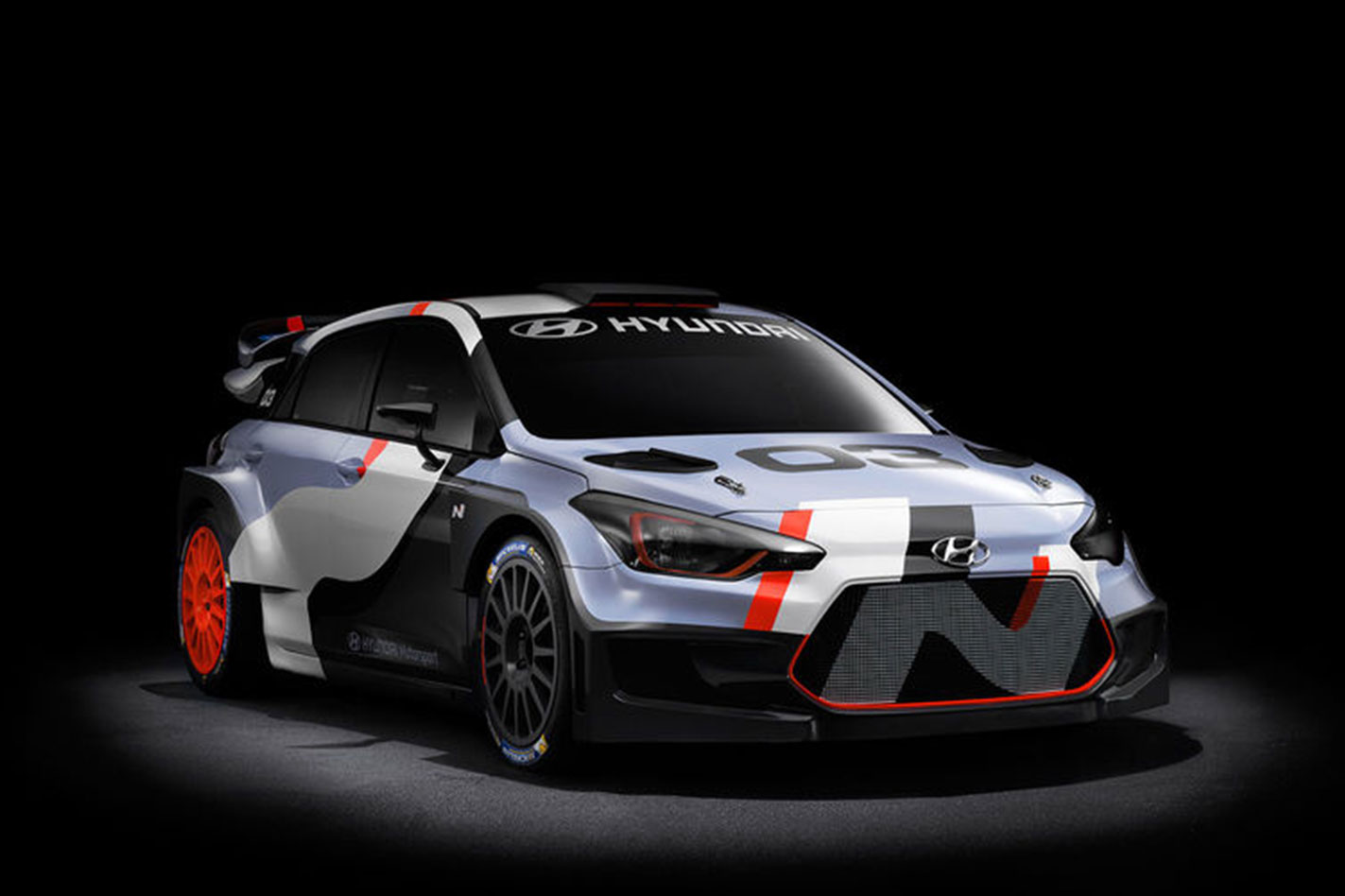
What stands out?
Possibly no other big 4WD wagon matches the Toyota Prado for versatility: it can do the school drop-off one day and head outback the next. The Prado seats up to seven people, is very comfortable on a trip, and performs well off road. This review covers Prados sold prior to the model update of September 2015.
What might bug me?
The four-cylinder diesel engine’s poor overtaking performance. Or if you go for the petrol engine, its thirst when worked hard.Finding that friends can tow bigger trailers with their 4WD wagons: the Prado’s 2500kg limit is modest.
What body styles are there?
Five-door wagon only. All but one version has seven seats. The exception is the least costly, the GX, which offers a choice between seven seats and five.There is also a limited-edition Altitude model, which has its spare wheel mounted under the vehicle rather than on the rear door. It is based on the GXL automatic turbo diesel. The relocated spare has implications outlined below.All Prados have dual-range, full-time four-wheel drive. The Prado is classified as a large SUV, lower priced.
What features do all Prados have?
A rear-view camera, cruise control, air-conditioning, Bluetooth phone connectivity, tilt and reach steering wheel adjustment, and a USB port.Polished aluminium-alloy wheels (yes, the shiny ones), which are generally lighter and look nicer than steel wheels.On all models, the doors can be opened as long as you have the key in your pocket or bag. To start the engine, you push a button. Toyota calls this Smart Entry and Smart Start.All Prados have electronic stability control, which helps the driver control the vehicle in a skid. This is mandatory on all new cars. Electronic traction control, which helps prevent wheelspin in slippery conditions and is a great help off-road, is also standard.All Prados come with seven airbags: two directly in front of the driver and passenger; a side airbag for each front occupant that protects the upper body; head-protecting curtain airbags covering the front and rear side-windows; and an airbag in front of the driver’s knees.All Prados come with a 100,000km, three-year warranty.
Which engine uses least fuel, and why wouldn’t I choose it?
The turbo-diesel engine is the most fuel-efficient by a comfortable margin. In the official test (printed on the windscreen sticker) it uses 8.5 litres/100km with the automatic gearbox, and slightly more with a manual. In real-world driving there is little between the two gearboxes for fuel use.The main reason you would not choose the diesel is that you want better acceleration, perhaps for easier overtaking. But more than 97 percent of buyers choose the diesel.The bigger, V6 petrol engine is more powerful but uses more fuel, officially 11.5 litres/100km. In practice, the petrol engine does not use much more fuel than the diesel when cruising comfortably down the highway. But it gets thirsty in stop-start urban driving, or when worked hard on hills, towing, or off-road. It gives its best on premium unleaded petrol but will run just fine on regular unleaded.If you want the six-speed manual gearbox, the less costly GX and GXL variants with the diesel engine are your only choice. Otherwise the five-speed automatic is the standard gearbox with both engines.The petrol engine is not available in the GX or Altitude models.
What key features do I get if I spend more?
The least costly version, the GX, offers the third row of seats, and curtain airbags for their occupants, as options. Step up to the GXL and both are standard.The GXL also gains side steps, which make it easier to get in and out of the car, and roof rails for mounting luggage systems. It also has front foglights, a cargo blind to hide whatever you may have in the cargo area, and rear parking sensors.The driver, front passenger and rear-seat passengers can also separately set their desired cabin temperatures, via three-zone climate control.Spend more for the VX and your best additional feature will be its Kinetic Dynamic Suspension System, which gives both flatter on-road handing and more off-road capability. KDSS works by automatically adjusting the tension on the suspension’s anti-roll bars.The VX swaps the standard 17-inch alloy wheels for 18-inch alloys, and has headlights that switch on automatically when it gets dark. Windscreen wipers activate automatically when it rains.You also get touch-screen satellite-navigation, leather-trimmed and heated seats, a premium sound system, and front parking sensors. The third-row seats can be deployed and retracted electrically.At the top of the range, the Kakadu adds a Pre-Crash Safety System, which includes a form of automatic emergency braking. If it concludes that a crash may be imminent, it triggers an audio-visual warning, pre-tensions the front seatbelts, and if necessary adds brake pressure. If the brakes have not been applied, the system will brake for you.The Kakadu also warns the driver of vehicles in blind spots to either side, and has radar-operated cruise control, which automatically slows the car to the speed of traffic in front.There is a sunroof, a refrigerated box in the centre console, and the driver’s seat remembers your settings. A rear-seat DV-D entertainment system can help keep children occupied.The Kakadu’s off-road specific features include a driver-switched lock for the rear differential, which can help you go further in difficult 4WD conditions. For such situations there is also Crawl Control, which automatically controls the accelerator and brakes at a speed you select: all you have to do is steer.Multi-Terrain Select allows the driver to tailor stability control and traction control for different off-road conditions. The Kakadu also has self-levelling and height-adjustable rear suspension, and the driver can change suspension settings for a softer ride, or sportier handling.
Does any upgrade have a down side?
Aside from the rear differential lock, the off-road specific features of the Kakadu add significant complexity of operation without doing much for the off-road capability, which is excellent anyway.Although many people will like the look of the VX and Kakadu’s 18-inch wheels and their accompanying lower-profile tyres, they don’t ride as comfortably as the standard 17s and are more damage prone and less effective off-road.The relocation of the spare wheel on the Altitude model has its advantages – see below – but it reduces fuel capacity from 150 litres to 87 litres, and makes the spare harder to get at.Glacier White and Ebony (black) are the only two standard colours. All the rest are extra-cost options.
How comfortable is the Toyota Prado?
The Toyota Prado is roomy, well finished and very user-friendly. All the switches and knobs are large and easy to identify, while the major controls are light and easy to use. The only challenging aspect is the complexity and sheer number of switches on the top-spec Kakadu model.Otherwise, this is a very easy car to operate and drive.Seats in the Prado are supportive and comfortable, and nice places to be for even the longest trip. Compliant, soft-riding suspension and low road-noise levels enhance the comfort. Even on poor quality roads, or on gravel, this car can eat the kilometres without fatiguing the driver or passengers.
What about safety in a Prado?
Safety is a Prado strong point. All models have at least seven airbags and a reversing camera. The Prado Kakadu gains significant extra features with its Pre Crash Safety System, which incorporates automatic emergency braking. Blind-spot monitoring and radar-operated automatic cruise control help also.(To see a full list of the safety features on any model, select the car and look under the features tab. Safety-related features are listed in red.)The Australasian New Car Assessment Program (ANCAP) has awarded all Prados its maximum five stars for safety.
I like driving – will I enjoy this car?
The Prado is not a driver’s car. Its weight, height and soft, old-school suspension mean that it doesn’t like being pushed hard through corners, although models with KDSS suspension handle noticeably better.The modest performance from the diesel engine also ensures that this isn’t a car for enthusiastic drivers. If you want more performance and don’t mind the poorer fuel economy, then opt for the petrol engine, although very few buyers go this way.What enjoyment you get from driving the Prado will come from its on-road comfort and quietness, and proven reliability.The Prado is also very capable off-road, and right up with the best in its class. It’s especially comfortable and easy to drive in 4WD situations.
How is life in the rear seats?
The Prado is a big car and that is reflected in a spacious rear seat that can adjust fore and aft, for either more leg room or more luggage space. However, it’s still tight across the shoulders for three adults.Given the Prado’s height and big doors, getting in and out of the rear seat is a breeze. Likewise access to the third-row seats is good. As is often the case, the third-row seats are suitable only for children or smaller adults.All models have air-conditioning vents for rear-seat passengers.
How is it for carrying stuff?
The Prado has a big luggage area, but third-row seats that fold down into the floor do eat into the overall cargo volume. The Prado can’t match the Land Rover Discovery’s cavernous luggage space but it betters Jeep’s Grand Cherokee.The single rear door opens sideways and can be heavy to handle when the vehicle is on a slope.The limited-edition Altitude model is more convenient here, as the rear door is lighter (no spare wheel attached) and the rear-glass opens separately.The Prado’s towing capacity of 2500kg (braked trailer) is 1000kg shy of Discovery and Grand Cherokee.
Where does Toyota make the Prado?
All Toyota Prado models sold in Australia are made in Japan.
What might I miss that similar cars have?
You might miss the extra performance and refinement of the more sophisticated powertrains in the Land Rover Discovery and the Jeep Grand Cherokee, which have V6 diesels with eight-speed auto gearboxes.You might also miss the extra equipment at lower prices with the Grand Cherokee.
I like this car, but I can’t choose which version. Can you help?
The diesel is definitely the way to go and unless you must have a manual, go for the automatic. The GXL spec has everything most people want, and even if you don’t need the third-row seats they will help with resale value. The VX has some good extras, namely the KDSS suspension, but there’s a big price hike. The GXL diesel automatic is the most popular variant by a good margin, and for good reason.
When did Toyota update this Prado?
The Prado reviewed here was superseded in September 2015 with a revised model that introduced a 2.8-litre turbo-diesel engine and six-speed automatic gearbox. The Prado Altitude was dropped from the model range at that time.The 150 Series Toyota Prado was released in late 2009 and updated in November 2013. The 150 is heavily based on the 120 Series Prado that arrived in early 2003. That makes the core vehicle 12 years old as of 2015.
In lieu of Australia’s latest government leadership spill, with silver fox Malcolm Turnbull taking home the title of Prime Minister after deposing Tony Abbott, who now holds the record of shortest serving PM since Harold Holt (1966-1967), we decided to look at all things ‘spillage’.
In-car spillages are the worst. They’re up there with irritating bingles and inconvenient breakdowns. The stains, the smell, the growing mold. Yuck.
You take care of your pride and joy and then your kid spills their milkshake all over your freshly cleaned fabric seats. Or your best mate ‘accidentally’ (drunkenly) drops his beer bottle, which of course explodes… everywhere!
If old Tones Abbott thought trying to clear a reputation was bad, try attempting to rid rotten orange juice smell from a car.
Here are the 10 things we guarantee you want to avoid spilling in your car…
- Mayo. That stuff stains worse than oil on a silk blouse. And trust us when we tell you this is one stain that won’t look so obvious next time you get in the car… think toothpaste or… ummm
- Chewing gum. Remember that time you were little and the kid in the back of the classroom spat out their gum, which landed in your hair? Oh, that never happened to you? Well believe us, if it had happened the only way that little sucker was departing your scalp was with a pair of scissors. Same goes for gum on carpet.
- Alcohol. You’ve put the bottles in the boot – they’ll be safe there, right? Then you turn a corner and SMASH! One bottle hits another bottle and that pre-mix vodka has saturated your boot’s carpet. Vodka, beer, and wine – it really doesn’t matter. That whiff is there to stay forever.
- Glass. Speaking of shattered bottles… whether it’s from inside the car or your window has been shattered, those annoying little shards of glass will linger and hide everywhere.
- Milk. Ever sniffed a carton of milk that’s three weeks passed its used-by date? Well, be prepared!
- Orange juice. See above. WORST!
- Cigarette butts. Do we really need to explain this one? Think Australian bars and pubs pre ‘no smoking’ laws.
- Sweets. Particularly those of the melting kind. So unless you want ants, we advise those chocolate treats are kept outdoors.
- Paint! You’ve loaded your car with half-used paint pots, but when you’ve reached your destination you realised one has exploded. Oh shit. Stains aside, the smell is almost lethal. Time to invest in new floor and seat covers. Sorry.
- Bodily fluids. There’s a story we heard recently of someone who purchased a brand new car, and on their first family trip one of their children just couldn’t wait to reach the toilets. As for what happened next, you can use your imagination. Regardless of which end it comes out of, we guarantee it’s going to leave its stinky mark.
The stunt went straight into the Guinness Book of Records as the new Jaguar F-Pace pulled 6.5G around the zero part of the ‘80’ structure built to celebrate the British marque’s birthday.
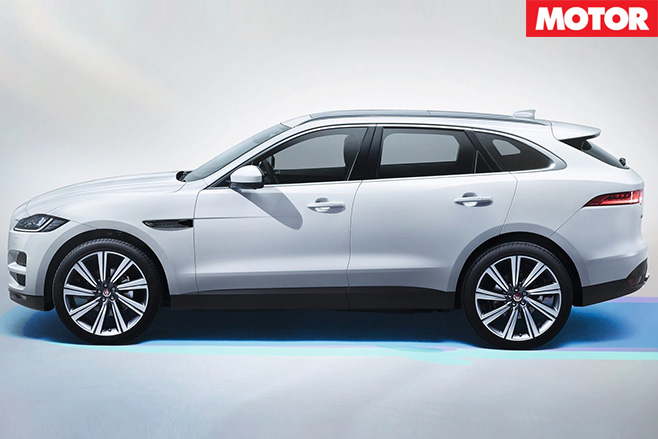
With that, the fiercest rival to the Porsche Macan arrives. The name suggests the F-Pace SUV is made on an F-Type coupe platform, but actually it shares its architecture with the new XE and XF sedans.
As with those cars, Jaguar says it has saved weight in the body – a benchmark 80 per cent aluminium construction – only to beef up the double-wishbone front and rear suspension.
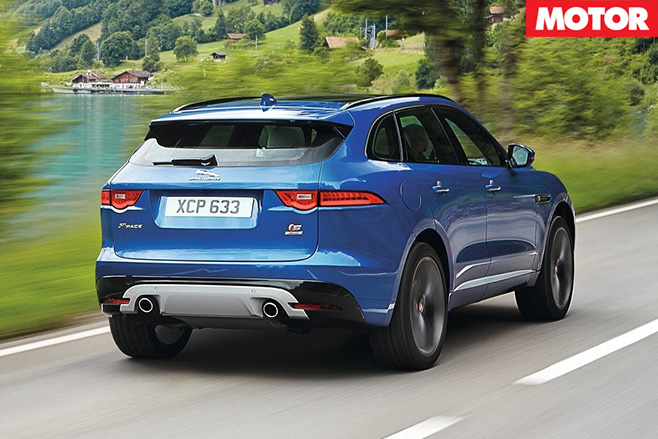
Plenty of torque juggling will be going on with either the 220kW/700Nm 3.0-litre twin-turbocharged V6 diesel and 250kW or 280kW/450Nm 3.0-litre supercharged V6 petrol engines. There’s a 132kW/450Nm diesel tiddler, too, but it won’t see which way a base Macan went.
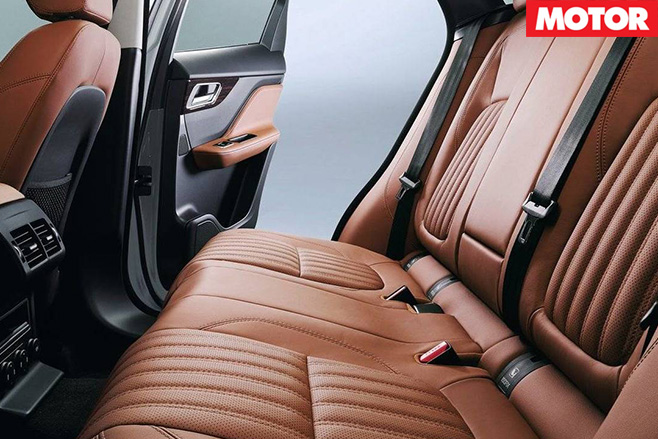
The 250kW blown V6 claims a 5.8sec 0-100km/h while the 280kW version (available only on F-Pace S and a First Edition initial limited run) lowers that by 0.3sec. But even then it’s still a tenth adrift of V6 Macan S.
At 4731mm the F-Pace is 59mm longer than XE sedan, with its 2874mm wheelbase stretching 39mm further. At 1936mm the SUV is also 86mm wider and 261kg heavier (comparing RWD XE S to AWD F-Pace S).
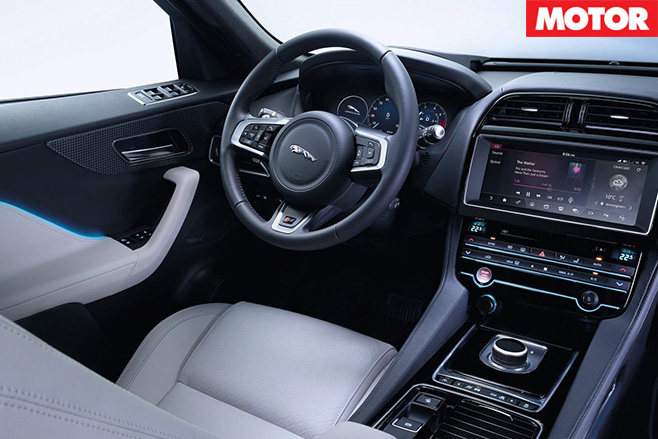
What we really want to know is how closely this Jaguar F-Pace comes to knocking on the door of Macan dynamics.
Alfa Romeo has a colourful history dotted with truly remarkable motor cars, but the Fiat-owned manufacturer is currently on a drip-feed.
Its mainstream models have failed to create more than a blip in the sales charts and, bar the achingly beautiful but deeply-flawed 8C supercar, there’s been little to stir the hearts of the diehard Alfisti.
Until now, of course. With a carbonfibre tub, mid-mounted turbocharged four-cylinder engine and rear-wheel drive dynamics, the 4C offers a tantalising collection of ingredients, but can it be the brand’s promised comeback car?
Or is this little more than Italy’s answer to the Lotus Elise, a minimalist tool that only excels on the right road at the right time?
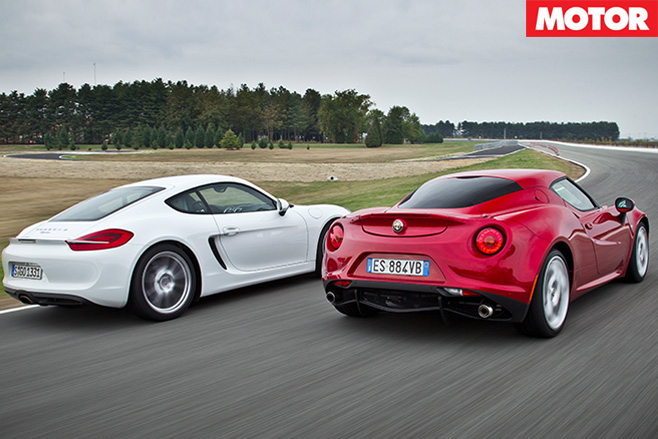
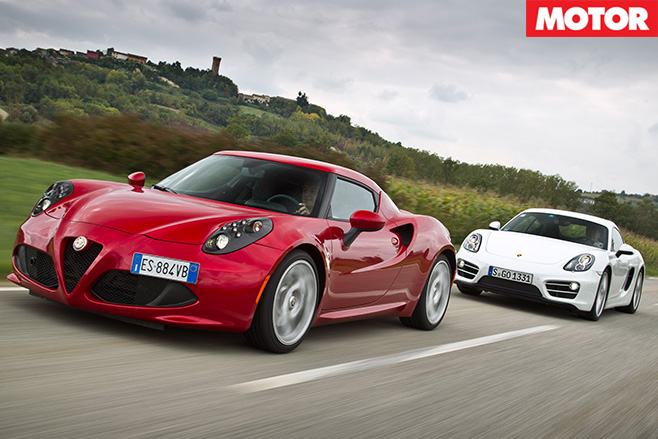
Its pace may give the 911 Carrera a fright, but the Porsche the 4C really has to overcome is the phenomenally capable Cayman.
On paper, it looks as though the Stuttgart marque may have an uphill battle on its hands: the Cayman trumps the Alfa with 202kW from its 2.7-litre flat-six, but will struggle to see which way the 4C went in a straight line, taking a relatively leisurely 5.7sec to dispatch the 0-100km/h sprint.
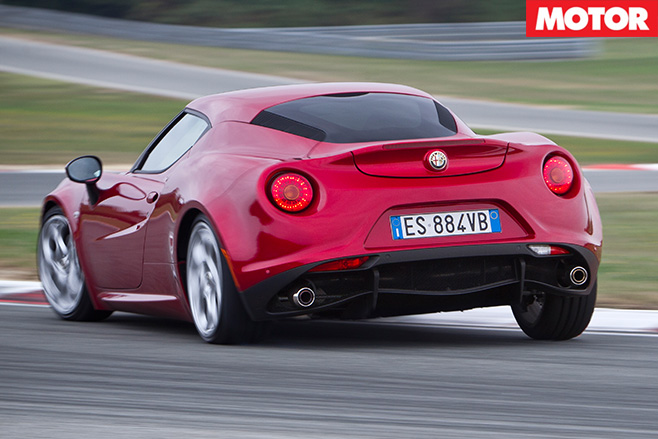
We start this test on the Alfa Romeo test track in Balocco – in the Porsche. The super-sweet, super balanced Cayman excels as there are no rough edges, no abrupt transitions and no nasty surprises – you could accept an incoming phone call while sliding through the esses. The steering is smooth and progressive, the light-footed handling easily modulated and the drivetrain performs in a flow.
If that all sounds a bit predictable, teutonic, boring even, then the 4C quickly provides an adrenaline-charged antidote. Driving the 4C on track is likely to involve more sweaty palms, heavy breathing and trembling fingertips than in the Cayman but, equally, the Alfa driver will also have a bigger grin more often.
Even with all the electronic aids deactivated, the 4C remains an interactive tool that never leaves you in any doubt as to what is going to happen next.

The effort required is spot-on most of the time, but at parking speed the wheel threatens to freeze in your arms. And away from the track and out on the open road, tramlining raises its ugly head; it’s best to just leave the occasionally snappy front end alone and let it sort itself out like a vintage 911.
The Alfa R&D team consciously went down the hardcore avenue, but the 4C’s ride and stability suffer as a result next to the rock-solid yet nicely compliant Cayman.
In fact, approach these two from a pragmatic perspective and one car stands head and shoulders above the other.

Head and shoulder room are not an issue, but climbing in and out of the 4C should be practised in private before you embarrass yourself in public.
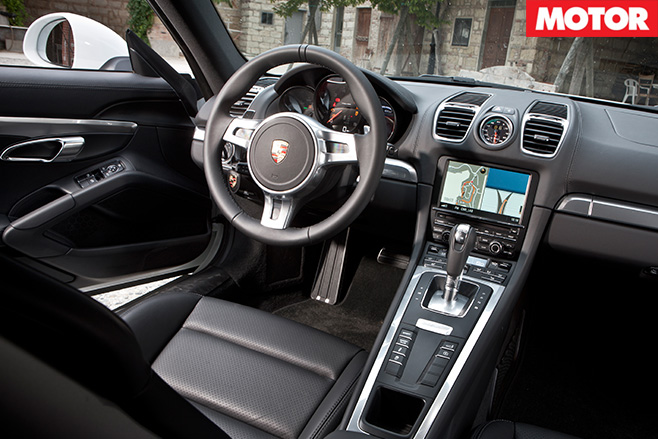
In contrast, the Cayman is like a fully furnished luxury flat, with electronically adjustable seats, an ear-bleeding stereo and colour multimedia display, but such opulence incurs a hefty penalty at the weighbridge.
Carrying those extra kilos, in addition to lacking a force-fed torque curve, means that around town the Cayman needs to be belted in the hyperactive ‘Sport-plus’ mode simply to keep the red rocket in sight.
What the Alfa’s turbocharged unit does give you, though, is flexibility. With maximum torque of 350Nm available from 2200-4250rpm, changing gear becomes an optional activity, while the Porsche demands that every last rev be used – get caught a gear too high in the Cayman and the 4C’s pretty Ferrari 458-esque rump will simply disappear into the distance.
The turbocharging also imbues that 1.7-litre four-pot with a unique soundtrack: it’s loud, possibly too loud, with the musicality of the base engine note embellished with furious turbocharger whine, wastegate sneezes and vicious cracks from the exhaust on full-throttle upshifts.

The Alfa is exceptionally pretty (bar those awful headlights, which will surely strike fear into arachnaphobes everywhere) with real centrefold appeal. It’s also almost always the faster car from A-to-B and more fun to drive – while your physical stamina lasts. And therein lies the problem.
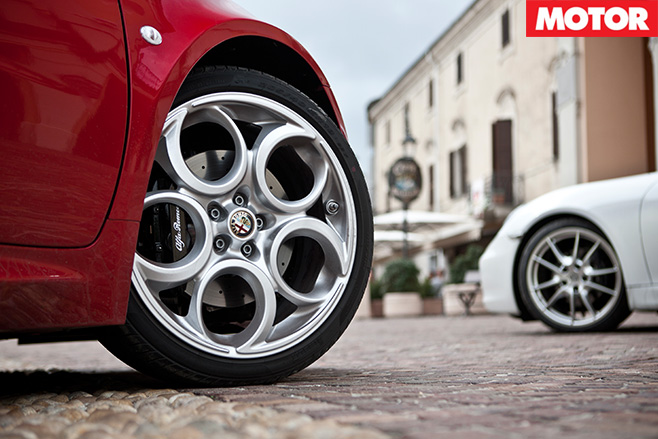
Enter the Cayman, with chairs designed for humans, not monkeys; with air-con that can do better than freezing the face while frying the toes; with suspension that doesn’t feel like you’re sitting on a skateboard. It’s the better 24/7 choice, a comfortable and convenient sports coupe for grown-ups.
And yet, as soon as parking space and funds permit a second car, the Alfa Romeo should be on every petrolhead’s shopping list.
| u00a0 | u00a0 | u00a0 | u00a0 | PORSCHE CAYMAN | u00a0 | u00a0 | u00a0 | ALFA ROMEO 4C |
| Bodyu00a0 | u00a0 | u00a0 | u00a0 | 2 door coupe | u00a0 | u00a0 | u00a0 | 2 door coupe |
| Driveu00a0 | u00a0 | u00a0 | u00a0 | rear wheel | u00a0 | u00a0 | u00a0 | rear wheelu00a0 |
| Engineu00a0 | u00a0 | u00a0 | u00a0 | 2706cc flat-6, DOHC, 24v | u00a0 | u00a0 | u00a0 | 742cc 4cyl, DOHC, 16v, turbocharger |
| Bore/Stroke | u00a0 | u00a0 | u00a0 | 89.0 x 72.5mmu00a0 | u00a0 | u00a0 | u00a0 | 83.0 x 80.5mmu00a0 |
| Compression | u00a0 | u00a0 | u00a0 | 12.5:1 | u00a0 | u00a0 | u00a0 | 9.25:1 |
| Poweru00a0 | u00a0 | u00a0 | u00a0 | 202kW @ 7400rpm | u00a0 | u00a0 | u00a0 | 76kW @ 6000rpm |
| Torqueu00a0 | u00a0 | u00a0 | u00a0 | 290Nm @ 4500-6500rpmu00a0 | u00a0 | u00a0 | u00a0 | 350Nm @ 2200-4250rpm |
| 0-100km/hu00a0 | u00a0 | u00a0 | u00a0 | 5.7sec (claimed)u00a0 | u00a0 | u00a0 | u00a0 | 4.5sec (claimed)u00a0 |
| Top Speed | u00a0 | u00a0 | u00a0 | 264km/h (claimed)u00a0 | u00a0 | u00a0 | u00a0 | 266km/h (claimed) |
| Fuel Consumption | u00a0 | u00a0 | u00a0 | 7.7L/100km (claimed)u00a0 | u00a0 | u00a0 | u00a0 | 6.8L/100km (claimed)u00a0 |
| Emissionsu00a0 | u00a0 | u00a0 | u00a0 | 180g/km CO2 (claimed)u00a0 | u00a0 | u00a0 | u00a0 | 157g/km CO2 (claimed)u00a0 |
| Kerb weightu00a0 | u00a0 | u00a0 | u00a0 | 1340kg | u00a0 | u00a0 | u00a0 | 895kg (dry)u00a0 |
| Power-to-weight | u00a0 | u00a0 | u00a0 | 151kW/tonneu00a0 | u00a0 | u00a0 | u00a0 | 197kW/tonne (dry weight)u00a0 |
| Transmission | u00a0 | u00a0 | u00a0 | 7-speed dual-clutch suspension struts, multi links, adaptive dampers, anti-roll bar (f/r) | u00a0 | u00a0 | u00a0 | 6-speed dual-clutch suspension double wishbones, coil springs, dampers, anti-roll bar (f); struts, coil springs, dampers (r) |
| Suspensionu00a0 | u00a0 | u00a0 | u00a0 | struts, multi links, adaptive dampers, anti-roll bar (f/r)u00a0 | u00a0 | u00a0 | u00a0 | double wishbones, coil springs, dampers, anti-roll bar (f); struts, coil springs, dampers (r) |
| Length/width/heightu00a0 | u00a0 | u00a0 | u00a0 | 4380/1801/1294mmu00a0 | u00a0 | u00a0 | u00a0 | 3989/1864/1183mmu00a0 |
| Wheelbase | u00a0 | u00a0 | u00a0 | 2475mmu00a0 | u00a0 | u00a0 | u00a0 | 2380mmu00a0 |
| Tracksu00a0 | u00a0 | u00a0 | u00a0 | 526/1536mm (f/r)u00a0 | u00a0 | u00a0 | u00a0 | 1650/1605mm (f/r)u00a0 |
| Steering | u00a0 | u00a0 | u00a0 | electrically assisted rack-and-pinion | u00a0 | u00a0 | u00a0 | unassisted rack-and-pinionu00a0 |
| Brakesu00a0 | u00a0 | u00a0 | u00a0 | 315mm ventilated/drilled discs, four-piston calipers (f); 299mm ventilated/drilled discs, four-piston calipers (r)u00a0 | u00a0 | u00a0 | u00a0 | 305mm ventilated discs, four-piston calipers (f); 292mm ventilated discs, single-piston calipers (r) |
| Wheels | u00a0 | u00a0 | u00a0 | 20 x 8.0-inch (f); 20 x 9.0-inch (r) | u00a0 | u00a0 | u00a0 | 18 x 7.0-inch (f); 19 x 8.0-inch (r) |
| Tyres | u00a0 | u00a0 | u00a0 | Pirelli P Zero 235/35 ZR20 95Y (f); 265/35 ZR20 95 Y (r) | u00a0 | u00a0 | u00a0 | Pirelli P Zero 205/20 ZR18 91Y (f); 235/35 ZR19 91Y (r) |
| Price | u00a0 | u00a0 | u00a0 | $112,090 | u00a0 | u00a0 | u00a0 | $80,000 (TBC) |
| Positives | u00a0 | u00a0 | u00a0 | Superb ride/handling balance; revvy engine, efficiency; interior quality | u00a0 | u00a0 | u00a0 | Supercar looks and performance at a bargain price |
| Negatives | u00a0 | u00a0 | u00a0 | Engine lacks torque; not super fast;u00a0pricey options | u00a0 | u00a0 | u00a0 | Lack of refinement; interior quality; customer cars will weigh much more than 895kg |
| u00a0 | u00a0 | u00a0 | u00a0 | 4.5/5 | u00a0 | u00a0 | u00a0 | 4/5 |
