
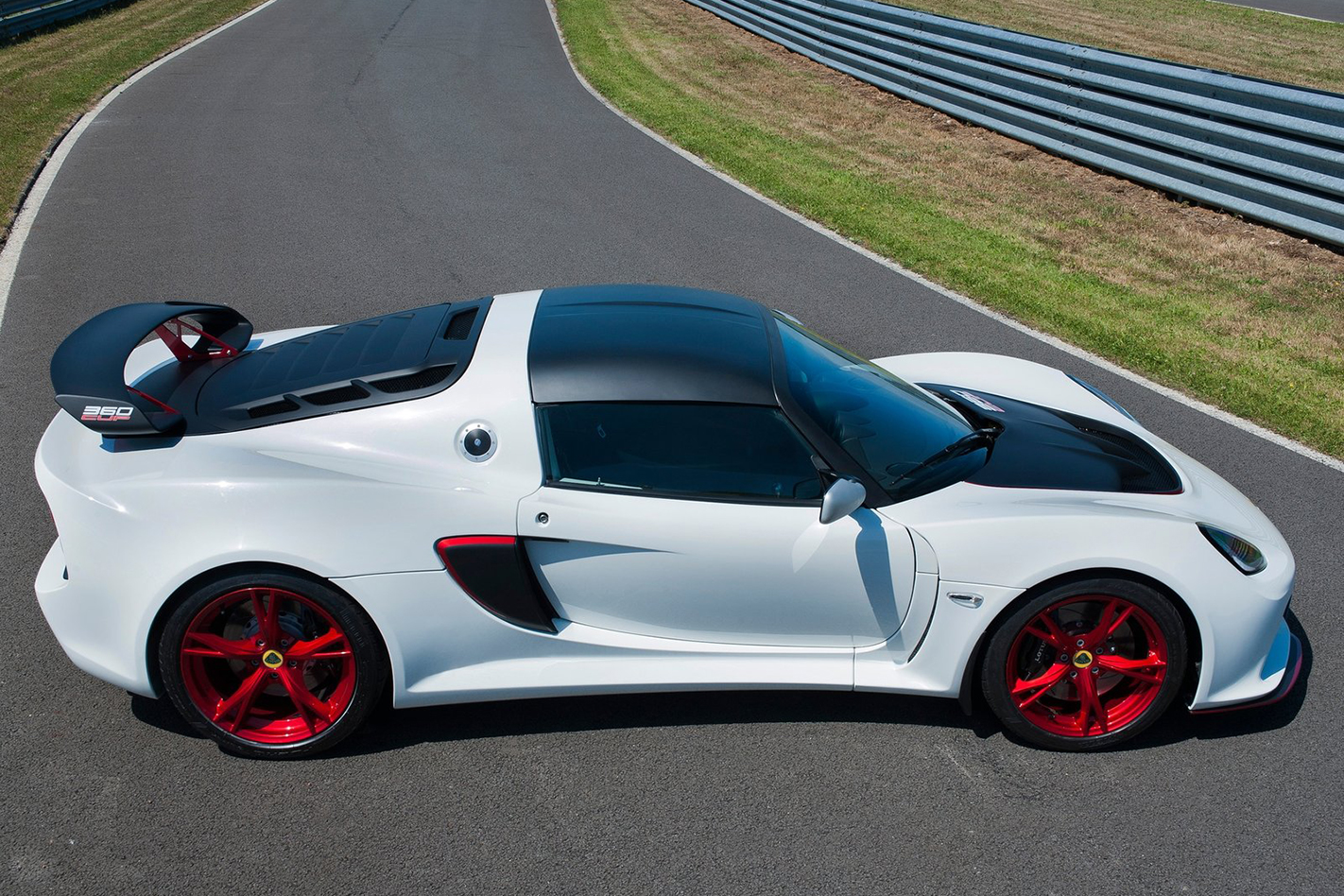
The Lotus Exige isn’t the most obvious Biggest Loser candidate, but the 360 Cup limited edition has dropped another 42kg anyway.
Now tipping the scales at just 1130kg, the Exige 360 Cup gives the 3.5-litre supercharged V6 engine even less work to do than before. Just for good measure, the Toyota-based donk has been given a 7kW hike to 265kW, though 400Nm is unchanged.
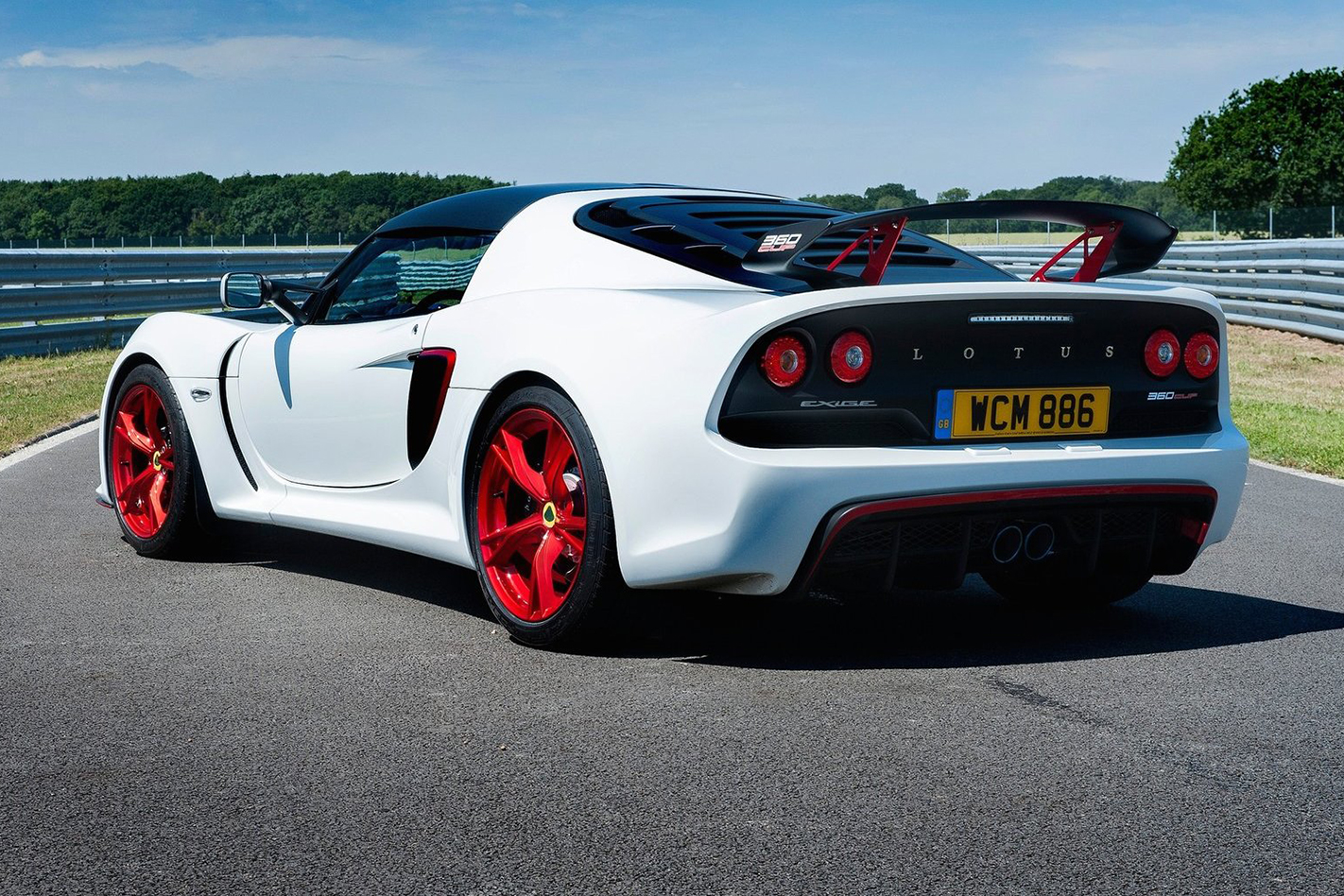
New light-weight parts include a front access panel, and rear louvre and tail-gate, while the interior has mostly been stripped – not that the Exige was a place of excess before.
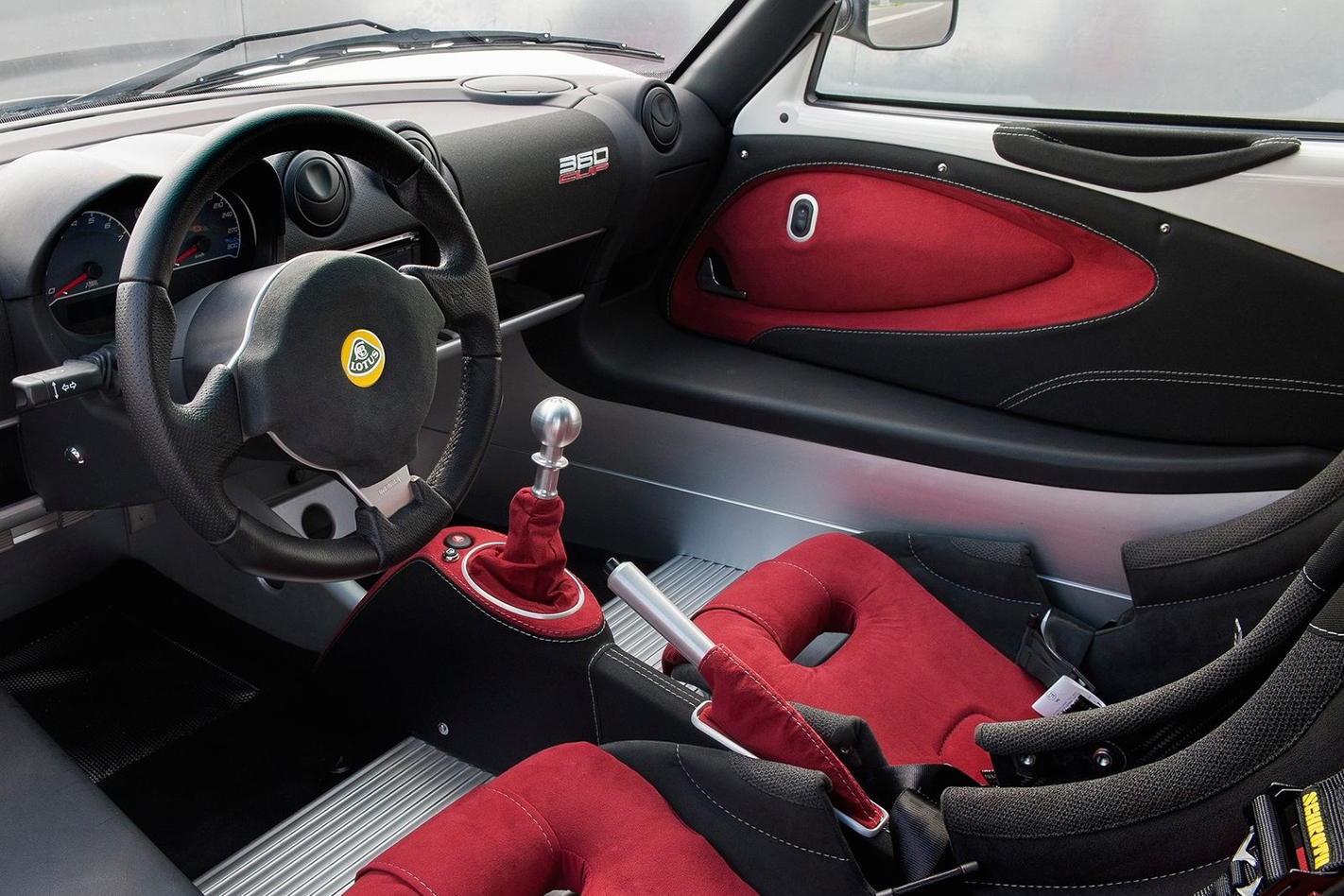
Befitting of its tag as a track-focused Lotus Motorsport Cup model, available optionally are Ohlins race dampers, adjustable anti-roll bar, fire extinguisher and electrical cut-off, FIA-approved carbon seats and a removable steering wheel. Air conditioning, too, sits on the extras list.
In one of the year’s least surprising reveals, Lamborghini has unveiled a Roadster version of its hardcore Aventador SV supercar at The Quail, the traditional lead-up event to Pebble Beach.
Just 500 will be produced worldwide, with the wild new drop top set to cost $916,150 before on-road costs, a relatively small premium over the coupe’s $882,650 compared to the premium asked in overseas markets.
For your money you receive the same monstrous 552kW/690Nm 6.5-litre V12 as the Aventador SV coupe, enough to shift its 1575kg dry weight (50kg more than the hardtop) from 0-100km/h in a claimed 2.9sec and on to more than 350km/h.
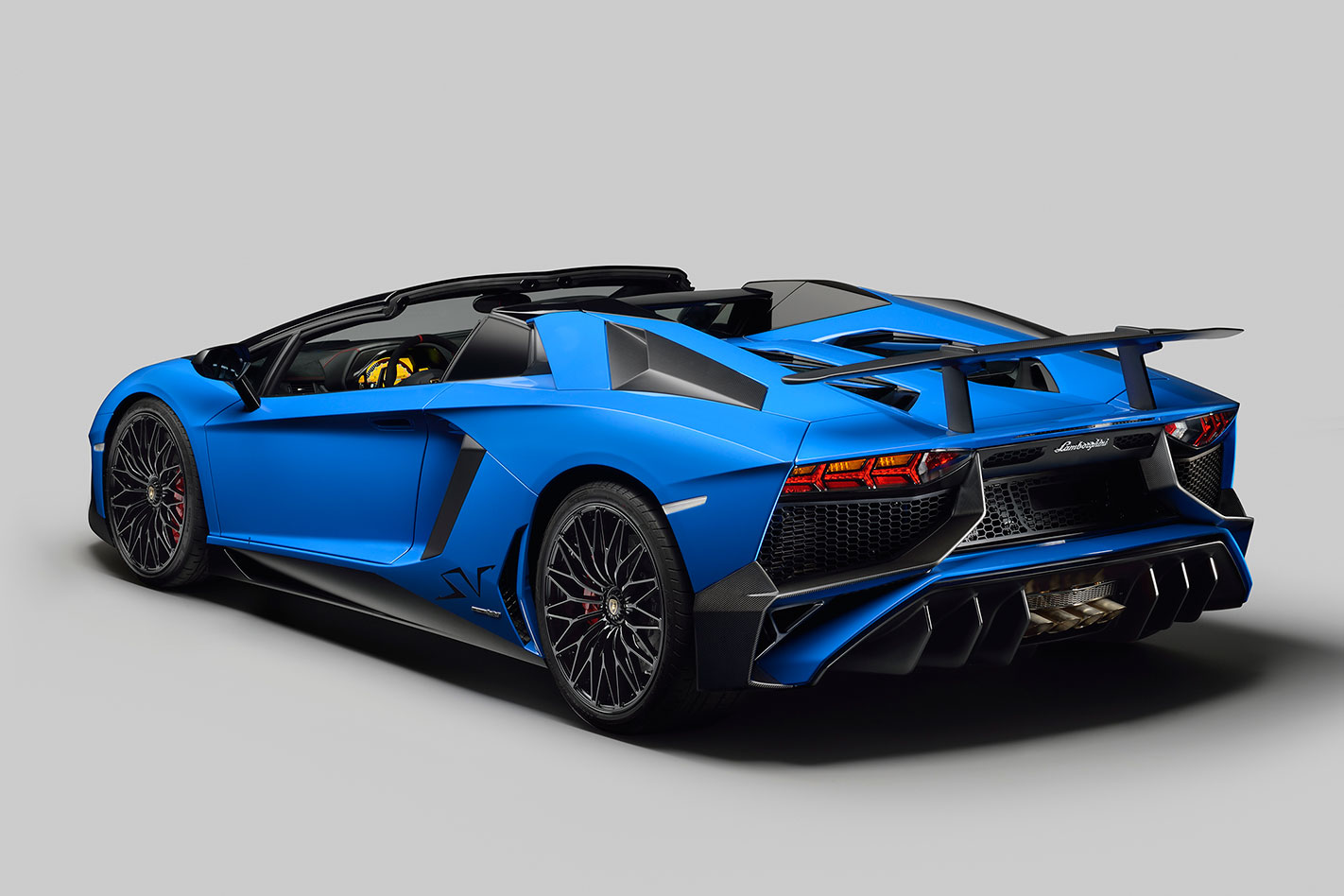
Regardless of whether it’s quite as fast as its hardtop sibling, the Roadster promises even better access to the spine-tingling V12 engine note thanks to a two-piece removable carbonfibre harddtop and a powered rear window that can be lowered to enhance exhaust noise.
This new Roadster is the first time Lamborghini has offered a roofless version of a hardcore Super Veloce model, but while it comes at a (massive) price, it could be the most desirable Lambo yet.
THE first batch of the new 2016 Jaguar XF to land in Australia will be missing the brand’s latest infotainment tech and engines.
But the British maker says it is confident their absence won’t lead buyers to postpone purchasing the second-generation XF until the new features arrive.
The Jaguar XF, a rival for the BMW 5 Series, made up 75 percent of Australian sales in 2014.
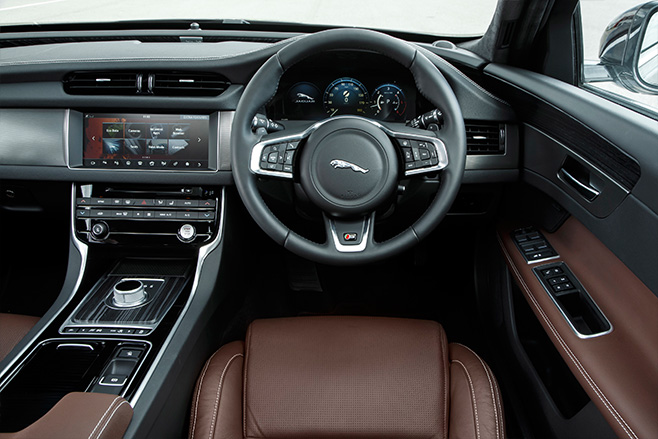
The new XF will have a new 10.2-inch touchscreen, labelled InControl Touch Pro – but only in cars built from December this year.
That means that the first batch of cars to arrive in Australia will make do with the smaller 8.0-inch screen and its lower-spec InControl Touch infotainment system, with buyers left with no option to upgrade.
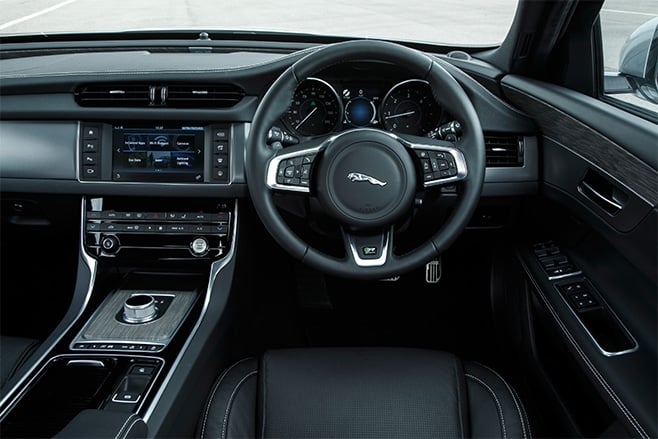
The better equipped XFs will arrive from the second quarter of 2016.
“What we want to do is make sure that we finesse the system and calibrate it to the right level,” says Peter Virk, Jaguar’s head of development of the InTouch systems.
“Obviously we’ve announced the next generation system on the MY16 XJ [due here mid 2016], and this is an update of that, because the InTouch Pro in the XJ is an eight-inch screen.”
When asked why the Pro version was not readily available for the new-generation XF, Virk said there had been no delay.
“No [it’s not late], it’s the plan – to have a staged roll-out. What we want to do is get our technology out as quick as we can, but we have to refine it.”
“We have carried over the 2.0-litre petrol and the supercharged AJ126 six, but we don’t consider them as old engines, as they’re still very relevant state-of-the-art modern petrol engines,” he said.
“For us as a company, it was a priority to replace the 2.2-litre diesel, the DW12 diesel. It’s served us well, it was a good workhorse, but I think workhorse is probably the word for it. So that was the priority to get the diesel in there first, and there is a petrol engine in the pipeline.”
Jaguar Australia said buyers would not hold back for the new infotainment or the new petrol engines.
“No, this won’t affect sales,” said company spokesman James Scrimshaw.
“The XF is such a big step up from the existing XF,” he said. “And our dealers are going to have a lot more traffic thanks to the XE and this car.”
The 2016 Jaguar XF goes on sale in Australia on December 1, 2015.
Sign up here to receive the latest round-up of Wheels news, reviews and video highlights straight to your inbox each week.
COVERING 200 miles in two hours in a Ford Falcon GT-HO Phase III was always going to generate a compelling yarn. But even in 1971, on the no-limit Hume Highway, a photo of the speedo showing 145mph raised eyebrows.
This is how it happened. In mid-1971, having developed a trusting relationship with Howard Marsden (Ford’s competition boss), assistant editor Nichols arranged to drive the first GT-HO Phase III. Even with hindsight, it’s hard to believe that, with the newly launched HQ Holden and VH Valiant creating headlines, an evolutionary XY Falcon seemed relatively unimportant. However, as editor of Wheels, I knew this would be an exclusive.
Read Mel Nichols’ classic tale of the drive behind the published review
Nichols and photographer Uwe Kuessner were dispatched south in a Bolwell Nagari to interview Marsden and, we hoped, to test the new GT-HO. The scoop road test appeared in Wheels October 1971 with full performance figures; 14.7sec quarter-mile (400 metres), zero to 160km/h in 15.2sec, and top speed 141.5mph (228km/h) – as proven by Kuessner’s infamous photo. Neither story nor photograph carried any byline and the October cover ignored the GT-HO story.
That now iconic photograph – of Nichols’ hands, thumbs on the steering-wheel spokes at quarter-past-nine, tacho needle at the 6150rpm redline, shaker and Hume Highway visible through the screen – sat above the heading The Biggest Stick. But what of the speedo needle?
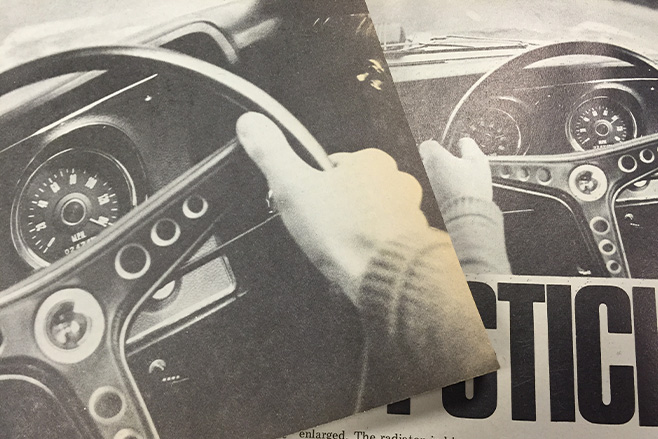
We simply put the story and photos – including the snap with the speedo at an indicated 145mph (233km/h) – into the Murray Publishers production system. Somebody alerted management to the shot and the arguments, which went up to our managing director, began. Despite knowing there was no speed limit on the Hume, after much robust discussion the art department was ordered to retouch the photograph so that the speedo needle was just shy of 100mph, the caption reading “…almost flat in third”.
Nichols’ objective test explained the differences between Phase II and Phase III, went into detail on how the car drove and performed (exceptionally in 1971). Criticism was confined to the lack of a headlight flasher, extreme fuel consumption – around 35L/100km – and, most crucially, brake fade.
Mel wrote the story straight, but I think we both knew that at some stage in the future, under a more enlightened management, we’d find an excuse to run the ‘real’ photograph and tell the story of that drive.
Four years later, in an SCW issue devoted to Australian muscle cars, I persuaded Nichols, then living in London and editing Car magazine, to write the story as it happened. Covering 200 miles (322km) in two hours on the road remains an astonishing feat, yet on that early Sunday morning in 1971 the mighty GT-HO made that trip from Albury to Broadmeadows utterly effortless.
V8 SUPERCARS: The stunning dexterity of TV ratings
Soon after our story a week ago about the ratings disaster for the V8 Supercar championship round at Queensland Raceway, series CEO James Warburton called to question our figures, which were supplied by the Seven Network.
Warburton argued against our use of the long-time industry norm of counting viewers from five metro capitals watching the races live to air.
These viewer numbers were relatively small, because the only people who could watch the three races live on the box were Foxtel pay-TV subscribers.
To be fair, the changing TV landscape probably calls for a revised ratings system to accommodate new media and the deals to share coverage between pay-TV and free-to-air outlets.
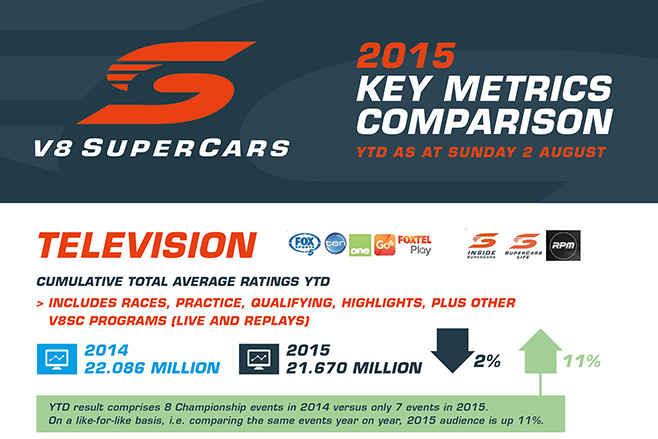
Using a set of figures commissioned from two different sources, V8 Supercars came up with a total of 832,500 pairs of eyes – a cumulative total – watching the three races from Queensland Raceway, both live on Foxtel and also replays on Ten and One.
The V8 Supercars’ chart shows these numbers are down six per cent on last year, when there were two races shown live by the Seven Network.
These are numbers that make no sense to this writer, but V8 Supercars is volunteering to explain how it arrives at that total.
We asked an independent TV analyst to look at the two sets of ratings numbers – the ones we were given, and the very much higher figures trumpeted by Warburton and V8 Supercars.
That umpire concluded that the figures provided by Seven and used by Wheels were accurate. But also that in light of the increased sharing of sports on Foxtel (live) and free-to-air (relayed highlights), there would be an acceptance in some parts of the industry of the methodology adopted by V8 Supercars.
About 10 percent of sport is now being watched on iPads, smart phones and the like, so there is some logic to including an estimate of viewers from new media in any ratings claims.
Viewers of a first-run, same-day race highlights package on free-to-air should also be considered. (But not repeats, and certainly not practice and qualifying, and panel/magazine programmes such as Inside Supercars, RPM et al).
It’s understandable that V6 Supercars wants to pump up the numbers for sponsors, partners and teams.
But it’s laughable to expect these cumulated figures to be included in comparisons, either with previous years of V8 Supercars telecasts or against other sports and TV programmes.
F1: Mercedes likes the sound of Red Bull deal
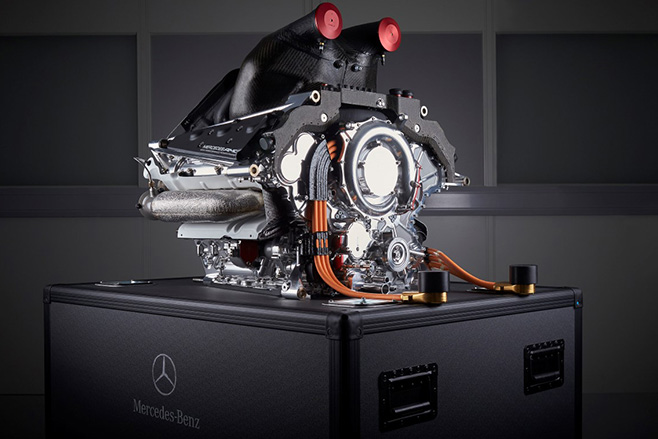
Mercedes-Benz Motorsport, the current dominator of Formula One, has acknowledged it is open to the idea of supplying its powerful V6 hybrid power units to other teams including RBR, a competitor currently disadvantaged by its contractual obligation to use Renault engines.
Mercedes already supplies engines to four teams including its own. If other deals are struck for the 2017 season and into the future, it will be the engine supplier – echoing the Cosworth in the 1970s – to a large percentage of the grid. Only Ferrari would remain as serious competition.
In an interview with Italy’s La Gazzetta dello Sport, the executive-director of Mercedes-Benz Motorsport, Toto Wolff, said his company was seriously contemplating extending its engine supply business to Red Bull from 2017 onwards.
Wolff acknowledged the present agreement between Red Bull and Renault and quickly added that Mercedes would not become entangled in any legal matters between those parties.
But Wolff then went on to say: “However, if I wear the hat of Mercedes-Benz Motorsport and I speak on behalf of Formula One, I must say that it is an attractive option because it would tie a brand that has appeal among young people with one that is winning.”
Of course Wolff is also aware that such an engine supply deal would potentially strengthen a competitor who already has an excellent chassis.
A positive would be the enhanced competitiveness of a team capable of challenging the Silver Arrows and restoring more unpredictable racing at the pointy end of the premier category of motor sport.
F1: Just 11 teams and no more next year
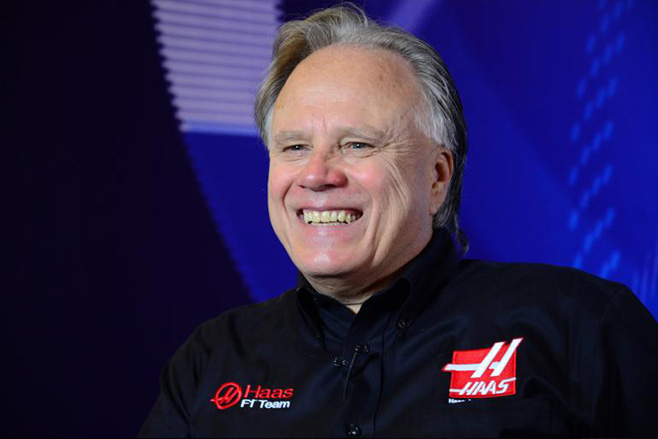
This means the grid will expand by just two cars, the FIA earlier allowing the US team Haas to join the grand prix series next year.
An FIA spokesman told Autosport: “We can confirm that the FIA received two candidate Formula One team applications for vacant grid slots.
“Unfortunately none of the applicants were able to meet the FIA’s criteria for new teams despite being granted every opportunity of doing so, and we now consider this round of applications to be closed.”
The FIA doesn’t reveal the identity of applicants.
The FIA takes into account the technical ability and resources of the team, funding levels to allow participation in the championship at a competitive level, the team’s experience and human resources, and (nebulously) the candidate’s potential to add value to the championship.
MotoGP: Lorenzo on top in Czech GP
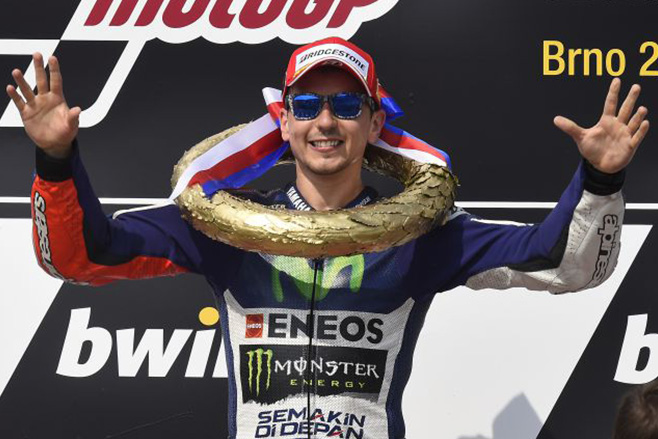
But Lorenzo looked like a Czech MotoGP winner from the moment the lights went out, making a lightning start in the race, taking an immediate lead and methodically extending his gap over his pursuers.
It was a master class. He did it relatively easily after breaking clear of Marquez mid race.
Marquez took second aboard his Honda, though a convincing 4.462s behind. Rossi dropped back at the start but fought his way to his 11th straight podium this year.
“I didn‘t need to push at the end, so this was not a perfect race, because I could have been a little bit faster,” Lorenzo said later.
”I had a margin; not enough to be comfortable but enough to risk less.”
Lorenzo has moved to the equal points lead with team-mate Rossi but effectively heads the world championship due to his greater number of race wins.
Dani Pedrosa, dealing with a serious foot injury from a practice crash, bravely charged from mid field to fifth.
Australia’s MotoGP debutant Jack Miller continued his learning process, staying on his Honda to finish 19th.
Frenchman Johann Zarco continued his classy romp to the Moto2 world title with his fourth win of the season, pushing him out to a 79 point lead over defending champ Tito Rabat, who was second in Brno. Queenslander Ant West was 21st on a bike that can never deliver a top 10 unless it is bucketing down.
The Moto3 kiddies again turned on the fireworks with a hectic, crash-marred grand prix which produced a first-time winner, Niccolo Antonelli, the Italian mentored by Valentino Rossi.
Aussie Remy Gardner had his best race for some time, duelling vigorously in the epicentre of a seething midfield and coming home just out of the points in 17th.
GERMAN F4: The fight gets harder for Aussie Mawson
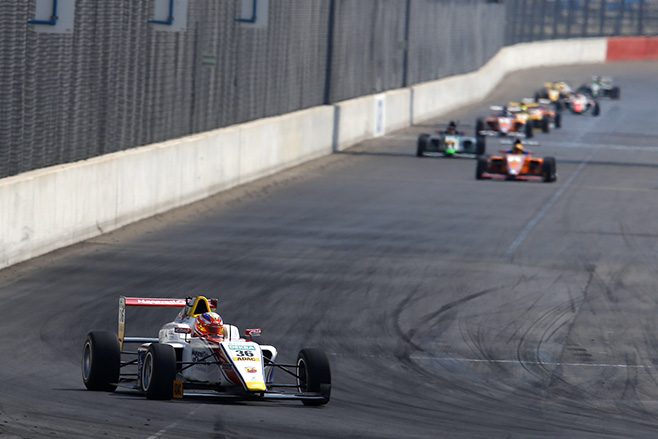
The CAMS Foundation backed driver had closed to be within four points of the championship lead, but couldn’t get within a sniff of a podium in any of three races at the Ring.
German Marvin Dienst was the big mover, his three wins and a third placing firing him to the top of the points, 10 clear of Swede Joel Eriksson, who is 11 points up on Mawson.
Mawson was in trouble early when he qualified poorly (eighth and 11th) for the first two races, which brought him two eighth places in the 35-car field.
On Sunday, he started third but slipped back to seventh in a lively wet race usurped by 17-year-old Estonian Ralf Aron after a timely safety-car intervention.
Sign up here to receive the latest round-up of Wheels news, reviews and video highlights straight to your inbox each week.
The Mercedes-AMG GT S takes to Aussie roads so we can find out what sort of real-world boost its 375kW brings for the German brand’s supercar credentials.
WHAT IS IT? Kind of an SLS cut down in size and price to take Mercedes (just) into the crucial sub-$300K supercar territory – combining classic Benz sports car design and trad V8 muscle.
WHY WE’RE TESTING IT We’ve driven the AMG GT on various tracks at home and away, but this is our first chance to try it on Australian roads.
MAIN RIVALS Porsche 911 GTS, Jaguar F-Type R, Audi R8
THE WHEELS VERDICT No Gullwing doors, but the GT S a more uplifting driving experience than the SLS
PLUS: Heroic V8; nimble dynamics; sleek looks; great driving position MINUS: Stiff ride; steering not perfect; ergonomic niggles
THE WHEELS REVIEW AFTER driving the Mercedes-AMG GT S on a couple of iconic racetracks, we’ve finally got the new 911-fighter to another quintessential piece of winding bitumen – the Great Ocean Road.
The GT S got a thumbs up through the Corkscrew and across Skyline, but this was the first look at its real-world credentials.
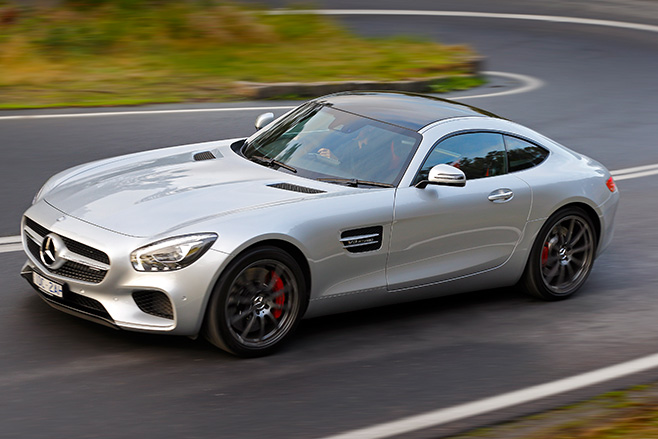
A $295,000 price tag means it is also significantly cheaper than the near-half-million-dollar SLS, pitching the GT S into the sub-$300K supercar domain occupied by the likes of the Porsche 911 GTS, Jaguar F-Type R and Audi R8.
It’s impossible to ignore Mercedes’ sports car history when looking at the long-snouted GT S, though compared with the most recent supercars – the SLR and SLS – the sleeker, smoother lines of Stuttgart’s latest look like they flowed more naturally from the designer’s pencil.
More importantly for buyers looking for great dynamics rather than just great styling, however, is that there’s nothing lead-tipped about the AMG GT’s handling.
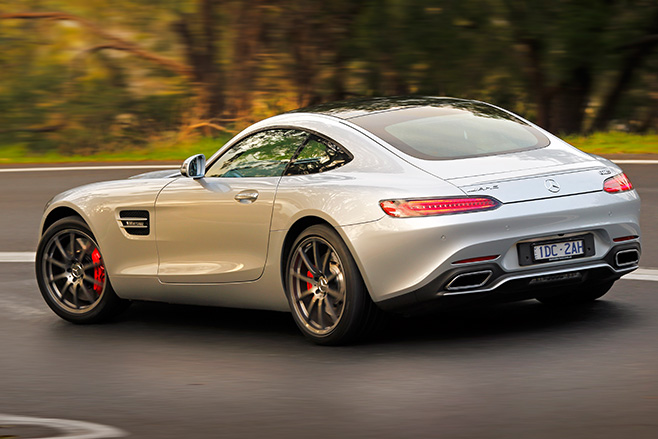
There’s a clear sensation of the GT S pivoting around the driver far more than the SLS did, helped by both pilot and engine being positioned more centrally.
If the GT’s front and rear ends are also more harmonious, the grip from the Michelin Pilot Sport tyres impressive even in the wet, and the (optional) carbon ceramic brakes highly effective, the flagship AMG is also not quite the complete precision instrument.
The hydraulic steering could impart more detailed information when you’re testing the levels of adhesion, and lacks the consistent fluidity of the C63’s electric rack.
And a shortage of compliance can nudge the low-slung Merc slightly off line, with enough vertical body movements on a bumpy stretch to prevent you from switching off from red alert status.
The twin-turbo 4.0-litre V8 under the long bonnet encourages you to keep the boot in, though.
It’s marvellously tractable and flexible, pulling instantly and urgently from a vast section of the rev range.
But while you can short-shift or leave the transmission in D to capitalise on the 650Nm available between 1750 and 4750rpm, a second-through-to-fifth-gear blast is worth every moment to savour the speed of the dual-clutch transaxle auto’s shifts, the pops and cracks from the exhaust, and the V8’s charismatic, throaty Nascar-style vocals that dispatch recent concerns about the muffling effects of turbochargers.
The GT S reels in the horizon at an astonishing rate, the view out almost panoramic through the slim windscreen – and with that muscular, elongated bonnet never quite escaping your consciousness.
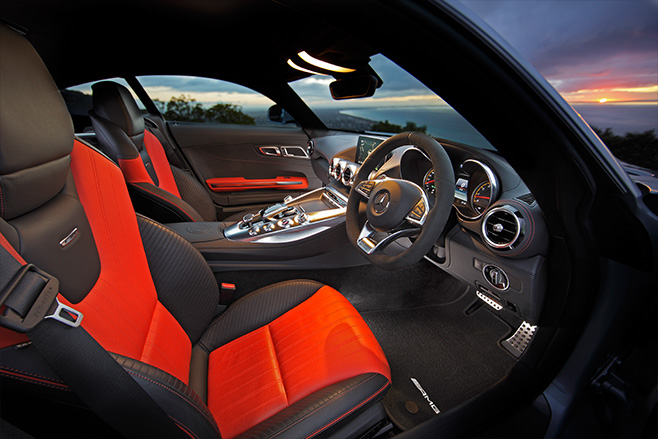
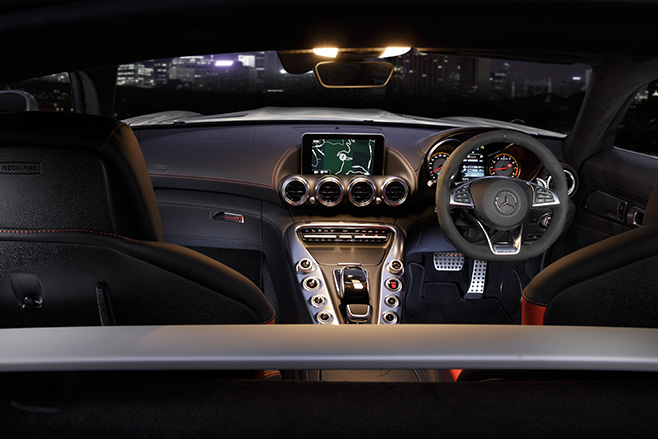
It’s otherwise – despite some ergonomic misses such as the transmission lever location – a better executed interior than in the SLS, giving the GT another worthy mark of progress.
Just how far Mercedes has come with its supercars can only be completely judged with a rendezvous with Porsche’s icon, the 911 GT3.
And you can read about how that went in the September edition of Wheels, on sale August 20 with a no-holds barred showdown.
SPECS Model: Mercedes-AMG GT S Engine: 3982cc V8 (90°), dohc, 32v, twin-turbo Max power: 375kW @ 6250rpm Max torque: 650Nm @ 1750-4750rpm Transmission: 7-speed dual-clutch Kerb weight: 1570kg 0-100km/h: 3.8sec (claimed) Economy: 9.4L/100km Price: $295,000 On sale: Now
CAR FINANCE ADVICE Few new cars are bought outright; here, it’s finance rather than cash that’s king. A car loan is a type of personal loan specifically for the purchase of a car, with a loan term that can range from 12 months to five years. A typical balloon payment is 30 percent – the amount left owing at the end of the finance period. Interest rates can be fixed or variable. The former, fixed for the term of the loan, means set repayments, but a termination fee may be charged for early payout. As well as comparing interest rates, make sure you compare loan establishment fees and service fees; some institutions don’t charge them, while others charge as much as five percent. Fees can eat up any perceived saving in interest rate, so it pays to be thorough when doing your research.
One way to save a buck is to make repayments fortnightly rather than monthly – it changes the way interest is accrued and can reduce both total outlay and the loan term. Secured loans – the car can be repossessed if you fail to meet repayments – are cheaper than unsecured loans, but comprehensive insurance is usually a must; it’s generally a good idea anyway. Various factors come into play when working out how much you’ll pay, but it’s your credit rating, or financial risk profile, that largely determines the interest rate. Using a mortgage redraw facility or a low-interest credit card can be good alternatives, but come with unique pros and cons.
3 things to remember:
- Compare fees and interest rates to get the full picture.
- Secured car loans are less costly than unsecured loans.
- Making repayments fortnightly rather than monthly will save money.
3 things to remember:
- Capped-price doesn’t always mean cheap-price service.
- Be wary of shorter service intervals or schemes that stop short of major-service time.
- Three years is a common capped-price period, but some makers offer schemes for more than twice as long.
- Service your car by the book.
- Drive a hard bargain when you buy.
- Don’t trade in. Sell it yourself with quality photos and persuasive text.
- Size classes a grey area; buy the SUV that best fits your family and budget.
- Consider efficient and affordable two-wheel-drive SUVs for urban duties.
- Not all all-wheel-drive SUVs are created equal; some on-demand/part-time AWDs can struggle off-road.
- A salary sacrifice arrangement can save you a lot, especially for those in higher tax bracket.
- Not all lease plans give operators the option to buy the car at the end of the term.
- Business vehicle lease costs can be a significant tax deduction for the self-employed.
Click here to see the full list of Gold Star Value Cars.
This article was originally published in Wheels Magazine November 2014.
10: MCLAREN 650S
$441,500 – $486,250
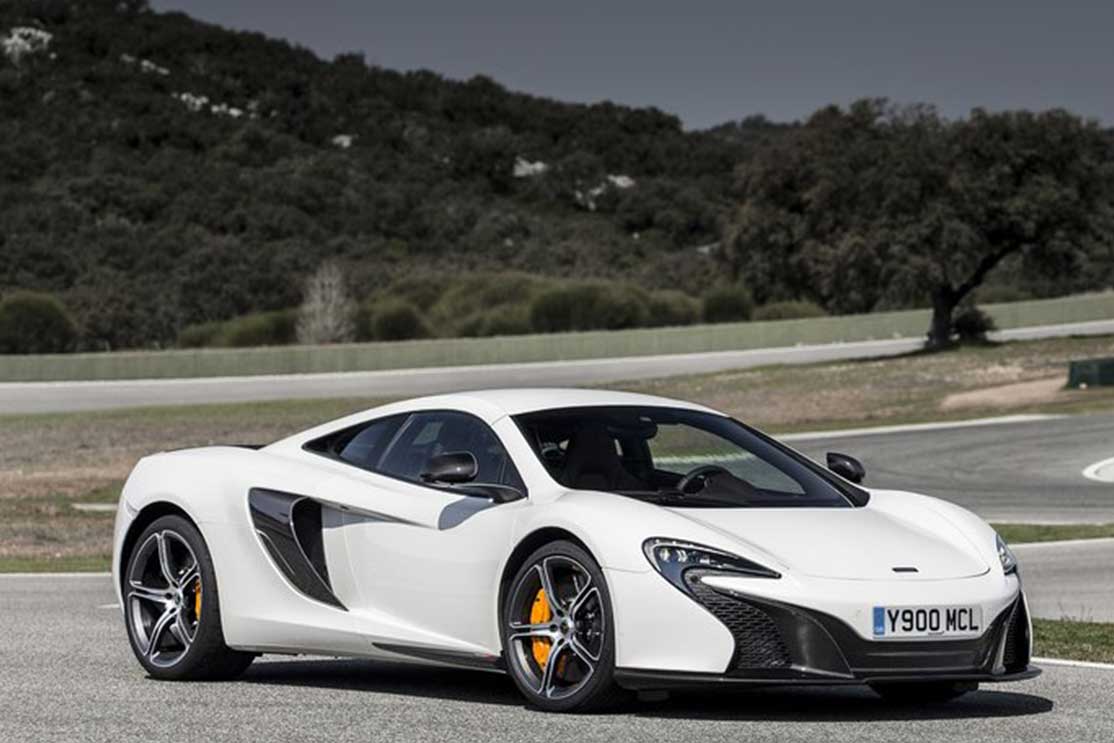
Where luxury vehicles add as many buttons, bobs and bits as possible, supercars tend to take most of them out. Still, you’d be pardoned for feeling a little ripped off when the door to a 650S is first opened, as the interior is so sports focused it’s almost Spartan. However, the performance enthusiast would be enraptured with the clean lines, the deep cosseting tub of a cockpit, and the simple purity. In contrast, the outside is futuristic and striking, and with not many on the road the head-swivel factor as one drives past is neck-cracking.
$484,995 – $521,995
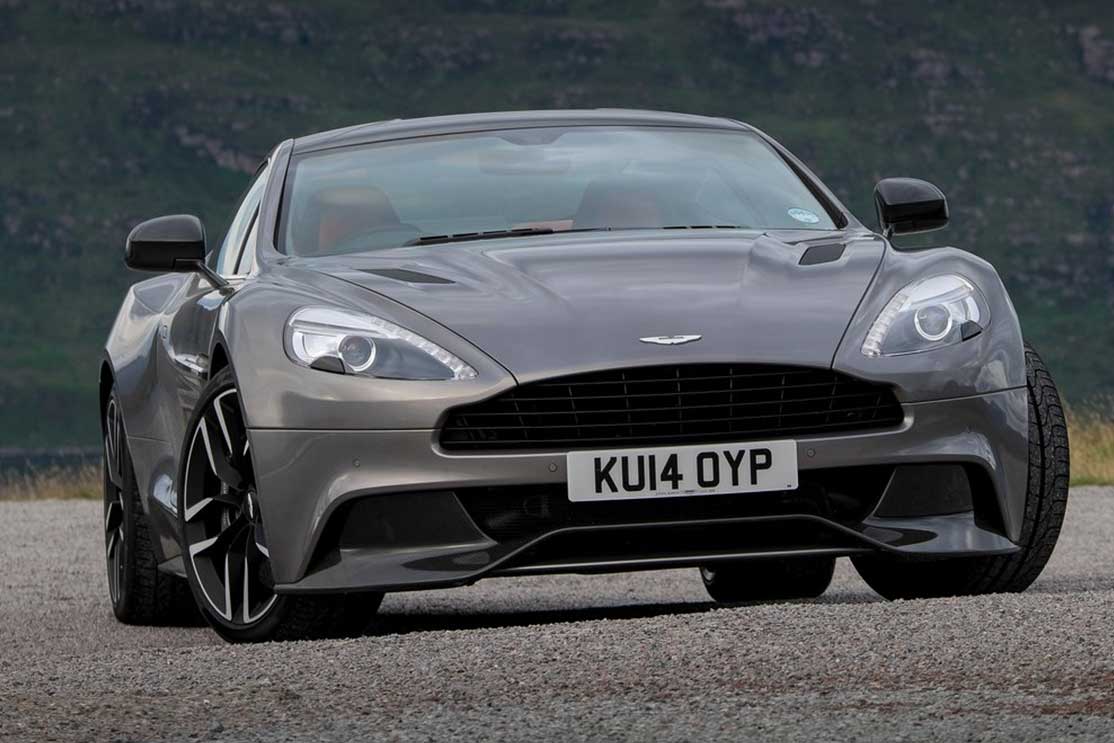
In keeping up with the Joneses, the Vanquish has been upgraded to a swifter and sleeker beast in 2015 with engineers reducing its 0-100km/h sprint by a full half-second – eons in Supercar terms – to 3.8 seconds. This makes it the fastest Aston in 100 years – making Bond chase scenes even better.
$381,000 – 449,500
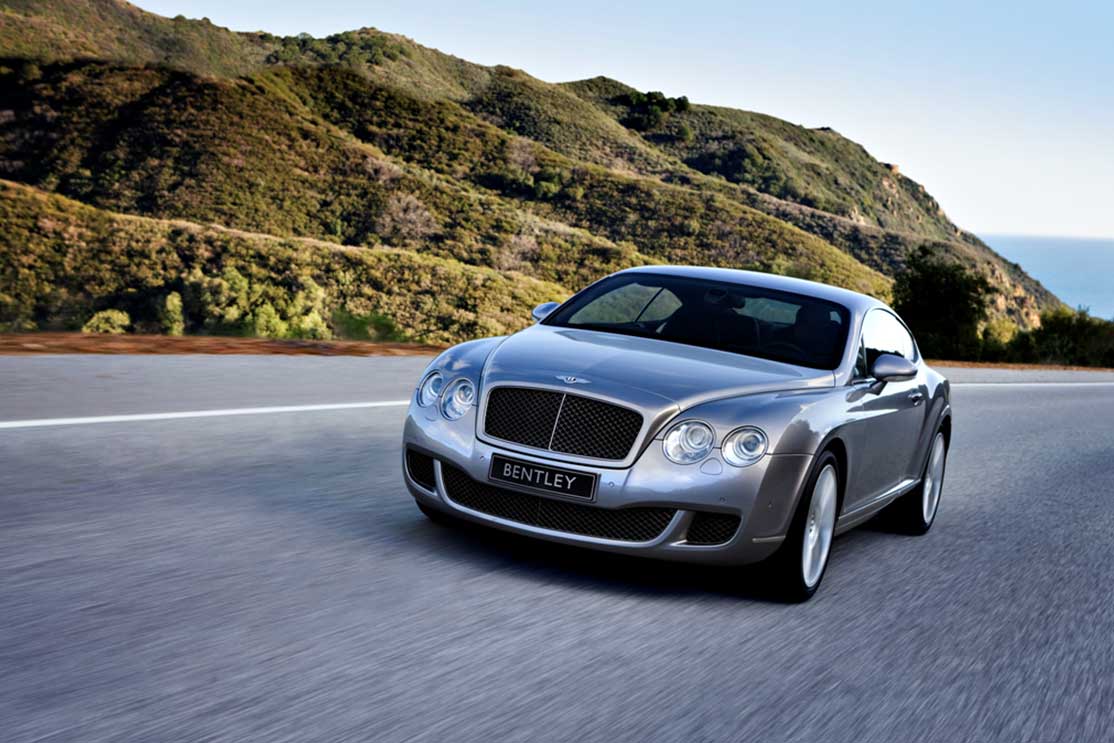
An elegant and enduring design, the Continental GT is Bentley’s iconic two-door coupe. Its shape has endured for more than 10 years and there’s no sign of sales abating. This is mainly due to Bentley adding different model designations and specifications, and twiddling with power and aero to present buyers with different and delicious iterations of the GT; from the standard car, to the Speed, to the GTC (a convertible). Speedy options including carbon brakes and the carbonfibre sports pack cost almost $37K on the ‘standard’ car, so one may consider the hyper GT Speed version a bit of a bargain at $534,400.
7: FERRARI FF
$625,000
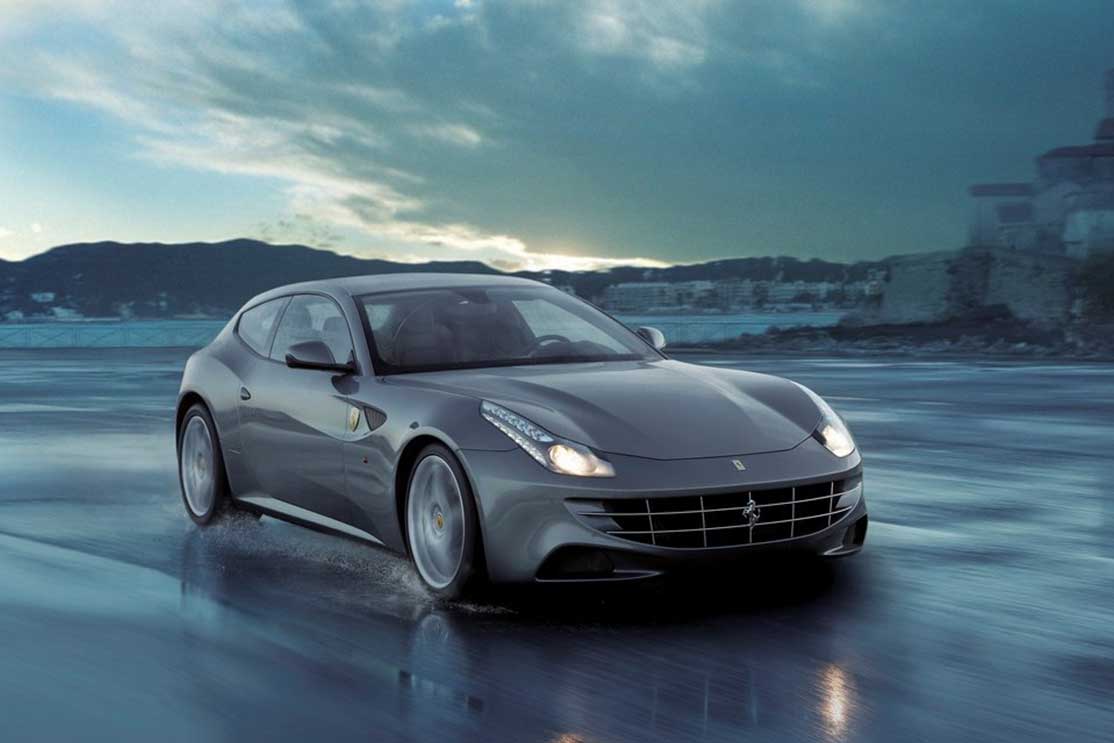
If you want to make a statement and don’t mind a supercar that garners polarising reactions from all and sundry, then the FF is for you. Nicknamed the Breadvan, the Clown Shoe, and other derogatory monikers, this design style has always created a stir. With a long nose and stumped, bulbous rear, the FF is Ferrari’s four-seater sportscar, and one has to admire the point of difference and practicality the latter offers.
$526,950 – 590,000
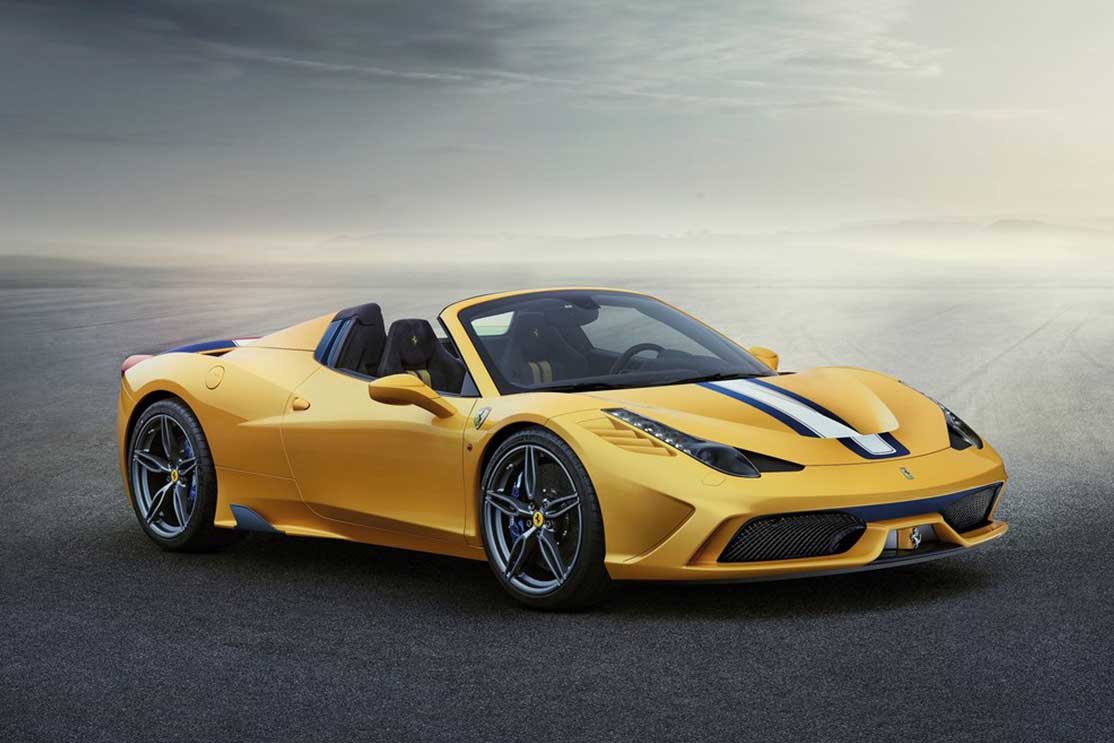
If the 458 isn’t special enough Ferrari offers a more extreme version of its mid-engined sportscar, the Speciale. Additions include a hyperactive engine tune for more power, extra aero to stick it to the road, and big money extras such as racing stripes for nearly $20,000. The overall price tag is high for a car that doesn’t even have carpet (to save on weight), but one should never cover up carbonfibre anyway.
$645,000
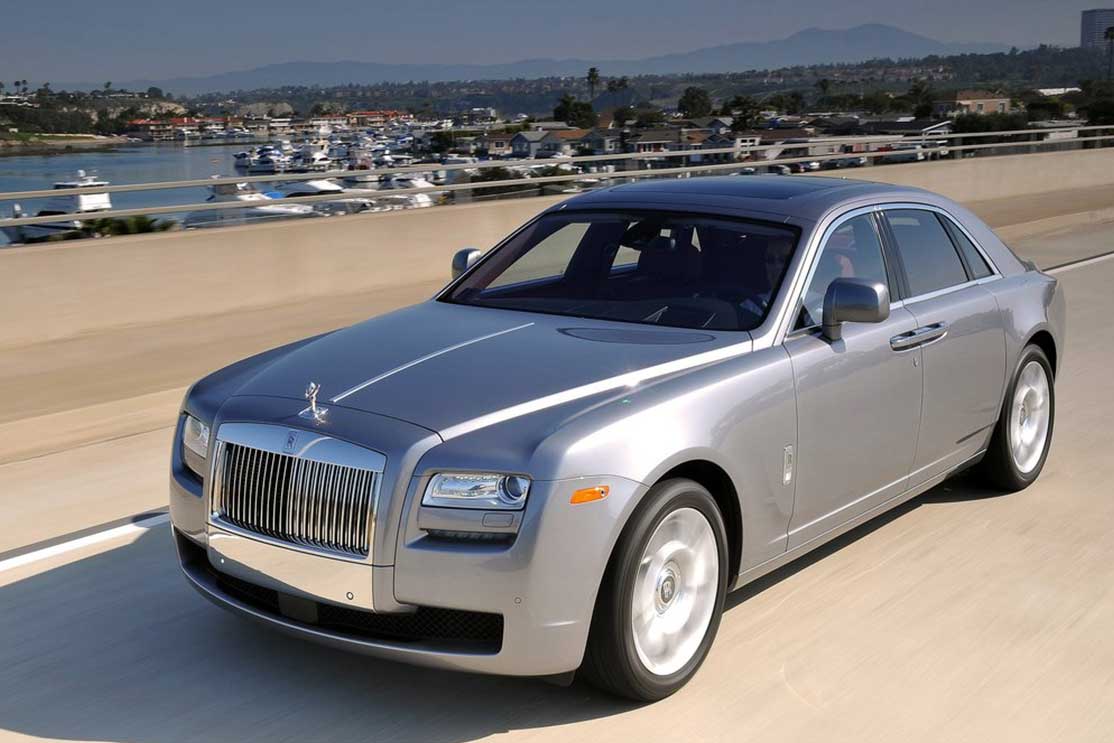
Believe it or not, the Ghost is an entry-level sedan. It may share a bit of DNA with BMW’s 7-Series, but there’s a reason it carries a $400,000 price premium over the German limo. With bespoke everything, countless upgrade options to bring it up to Phantom spec, and the red carpet appeal of suicide rear doors, it is one of the most luxurious ‘bog standard base models’ on the planet.
$691,000
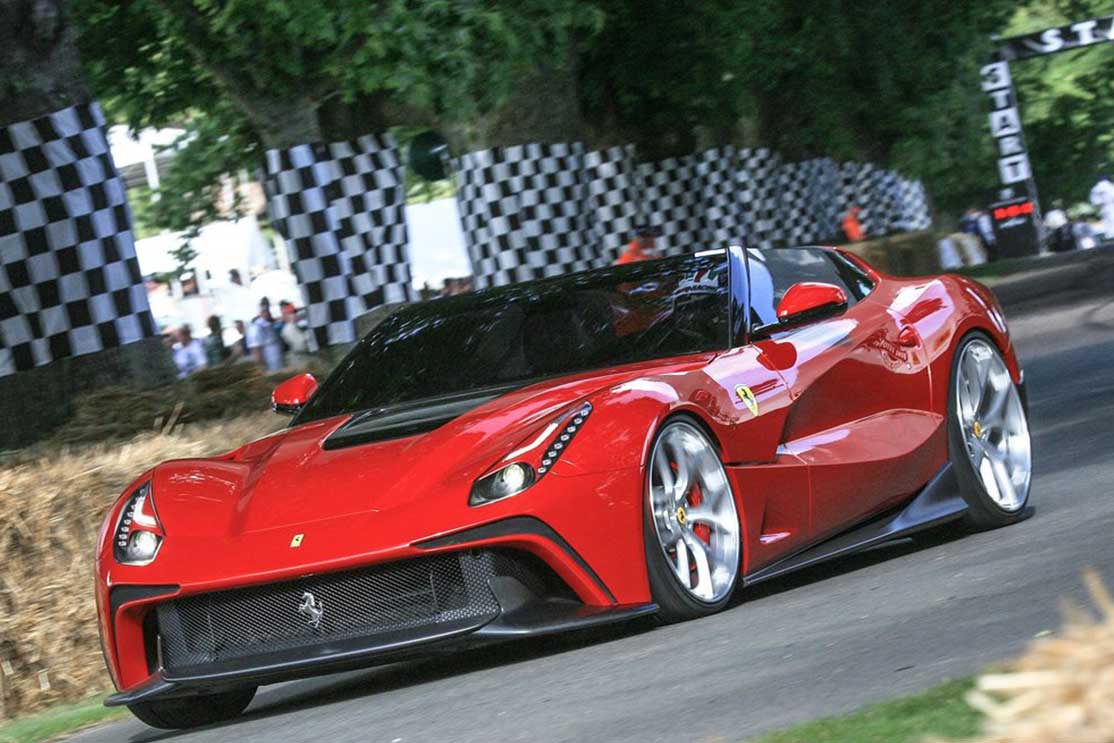
THE F12berlinetta is an edgy, lowly-slung pony with a V12 engine under its long snout and a stunning sound emanating from the pipes in its pert rear. The nose features air funnels – dubbed an Aero Bridge by the Italian carmaker – which push air along the nose and down onto the rear, removing the need for big wings and spoilers and giving it a whippet-lean look. It also packs 545kW.
$662,858
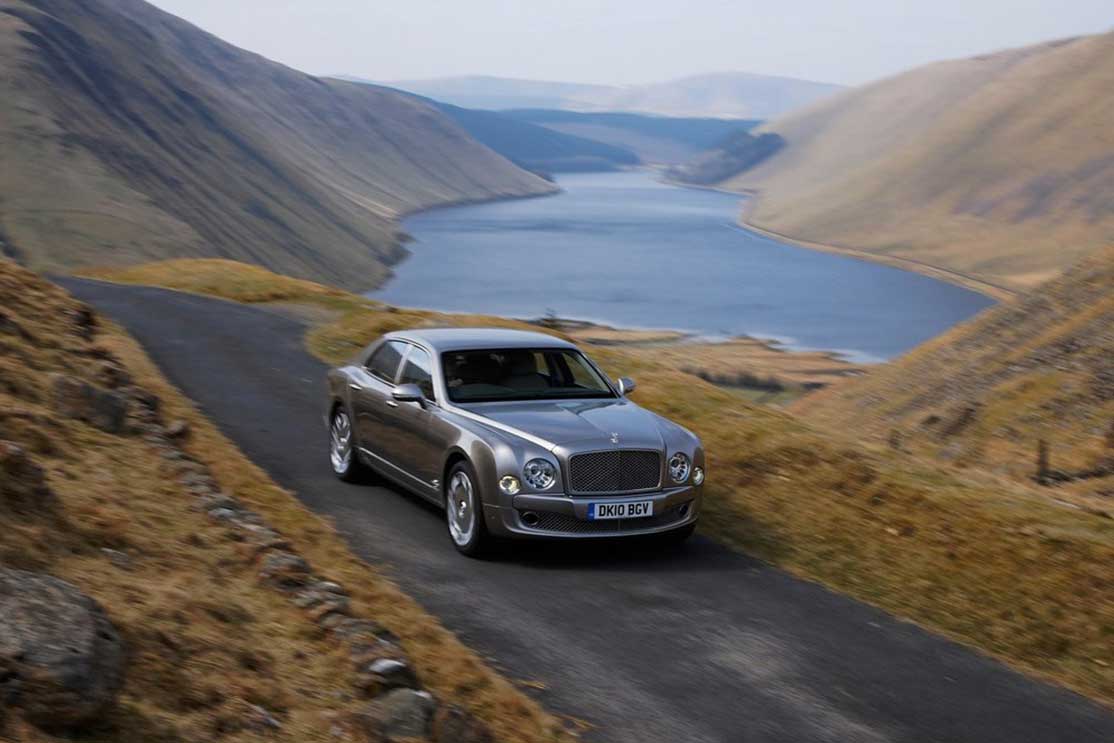
Like the Rolls-Royce and other bespoke marques, the Bentley Mulsanne is hand-built with both modern and old-school tools, taking about two months to complete from bare bones. Only 1000 Mulsannes are made each year due to this coachbuilding process, attributing to both its exclusivity and to its extravagant price tag. The Mulsanne Speed sits atop the range.
2: LAMBORGHINI AVENTADOR LP700-4
$754,600
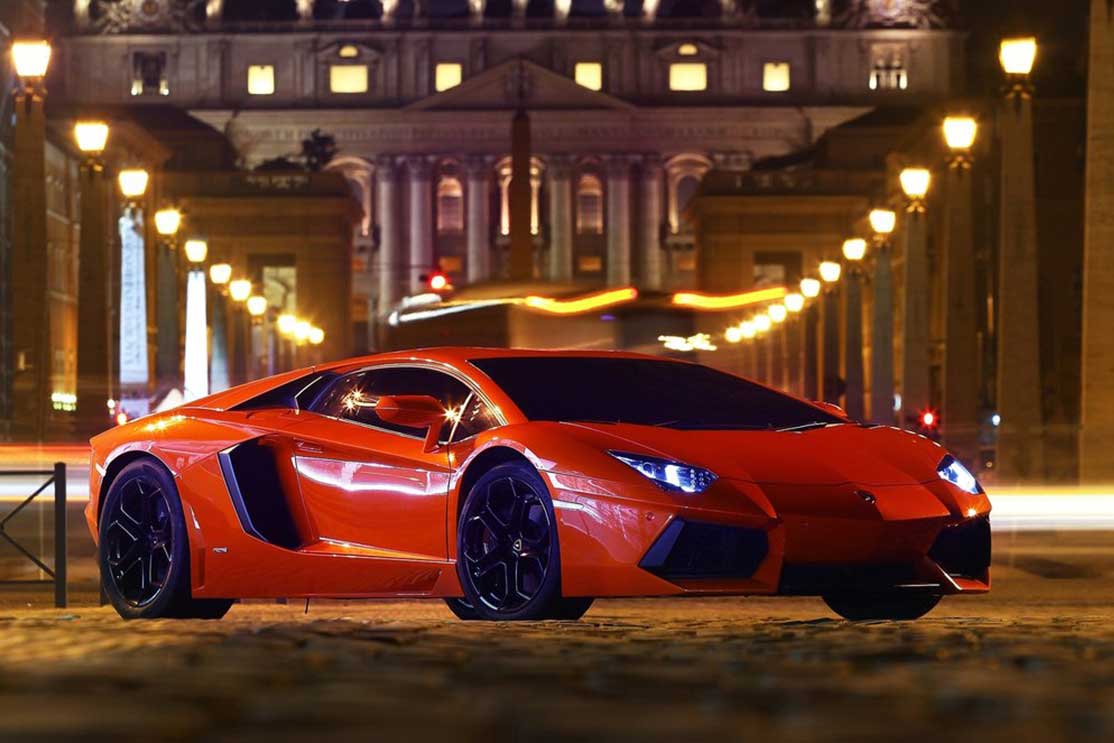
Inspired by the design of the stealth bomber and named after a famous fighting bull, the Aventador is the epitome of a supercar. With sharp angles and flat planes wedging the car into the air, the powerful V12 will all-wheel drive can cut 0-100km/h in less than three seconds. You’re not just paying for a pretty face.
$1,075,000 – $1,355,000
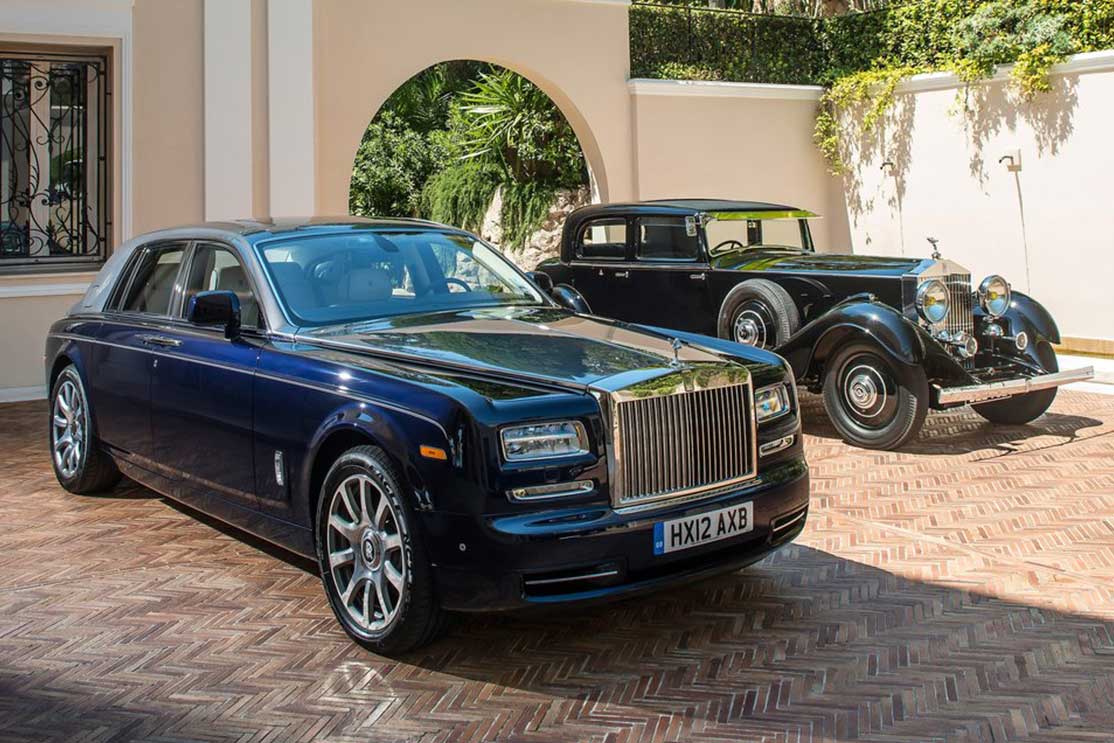
When a car is the same price as the median house price in Sydney, you know it is elite. Rolls-Royce has always been at the pinnacle; where money is no object and luxury is everything. Inspired “by the J-Class yachts of the 1930s”, and about as big as one, each Phantom is hand-built by 60 specialists. There are 44,000 different palette options, and every conceivable luxury has been thought out – there are even branded umbrellas stowed in the doorjamb if the weather at your winter mansion is not what you ordered.
The Phantom Drophead Coupe is not only the most expensive of the range but the most expensive car on sale in Oz, with the soft-top roof and sweet wooden timber-deck that hides it away costing a cool $79,000.
NOT ENOUGH? HERE ARE SIX MORE!
Mercedes-Benz S65 AMG- $490,000 – $499,000
Porsche 911 Turbo S – $444,900 – $466,900
Porsche Panamera Turbo S – $444,600
Bentley Flying Spur – $435,900
Lamborghini Huracan LP610-4 – $428,000
V-Sport’s ROH 86 produced the fastest time in this year’s Hot Tuner Challenge. Beating a M4, WRX, XR8 among many others. Hot Tuner Veteran John Healey explains how they turned a standard 147kw Toyota 86 into a street legal track weapon.
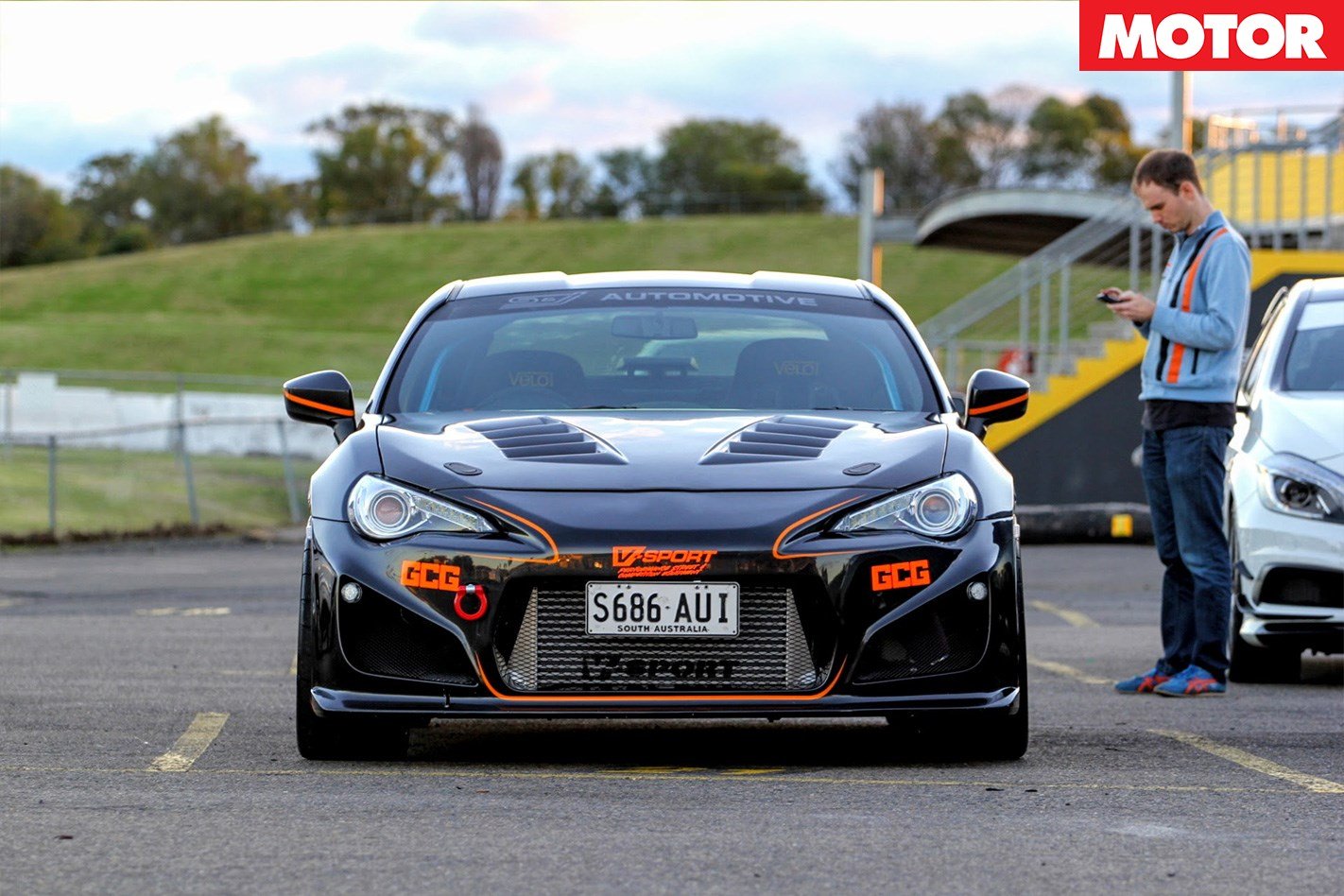
We started with a complete stroker engine build, customised fuelling system and a custom single turbo setup. We also upgraded the suspension system, fitted race seats, harness and installed a half cage.
We put significant time into a custom Brake upgrade kit to include; Hawk DTC60 Brake Pads, DBA 5000 series rotors and a AP Racing PRF660 brake fluid.
The Hawk DTC60 Brake Pad has superior release and torque control characteristics, it works well across a wide range of temperatures, and as soon as any temperature is created the bite increases significantly.
The DBA5000s minimises brake fade, increases the consistency and effectiveness of braking over the stock rotors. They also prolongs the service life for brake pads.
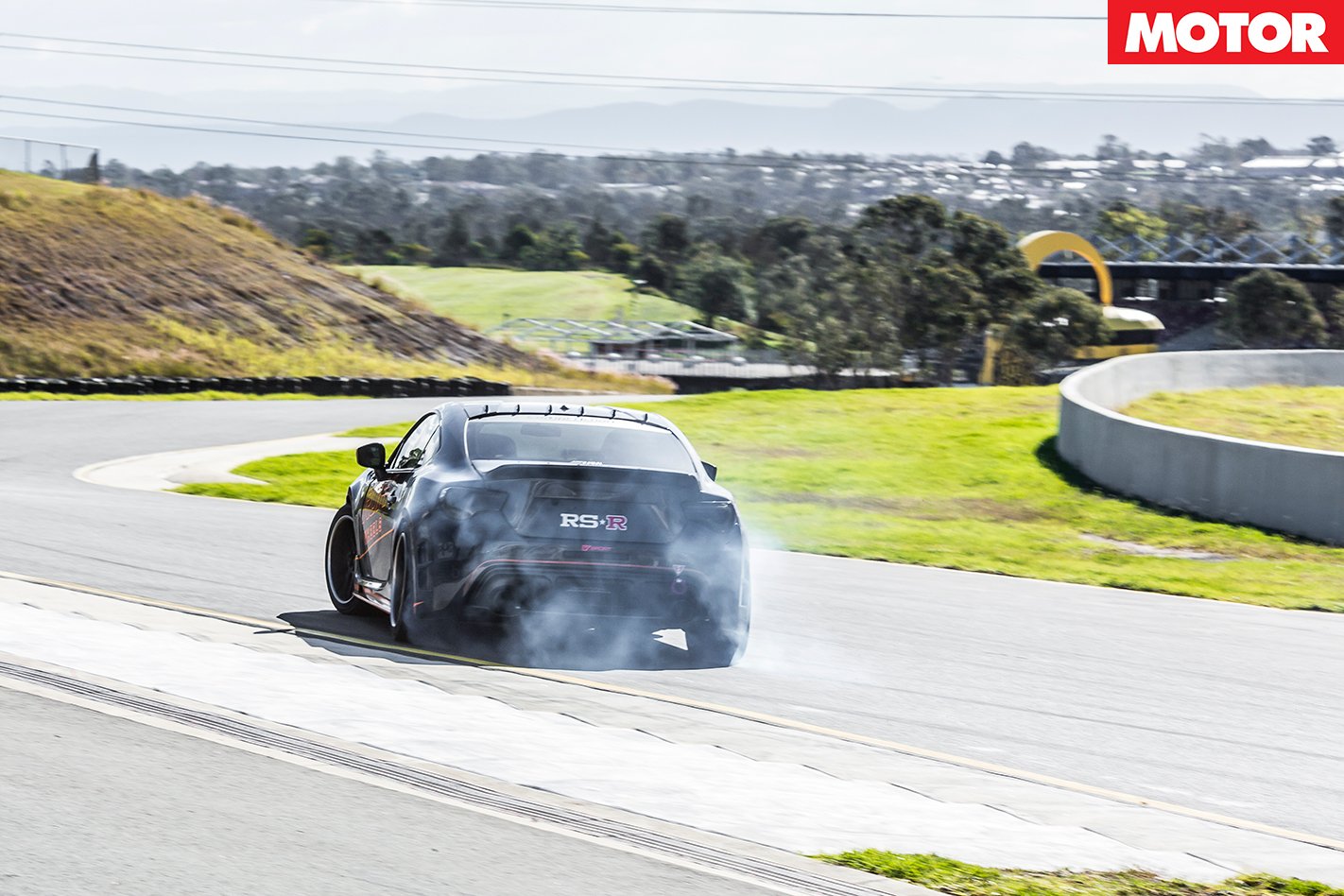
The ROH 86 had a twincharger setup before we started working on it. Our team determined that while this setup might be good for everyday driving (think VW Golf 1.4 TSi), the single turbo we fitted produced more power with less boost and less strain on the engine.
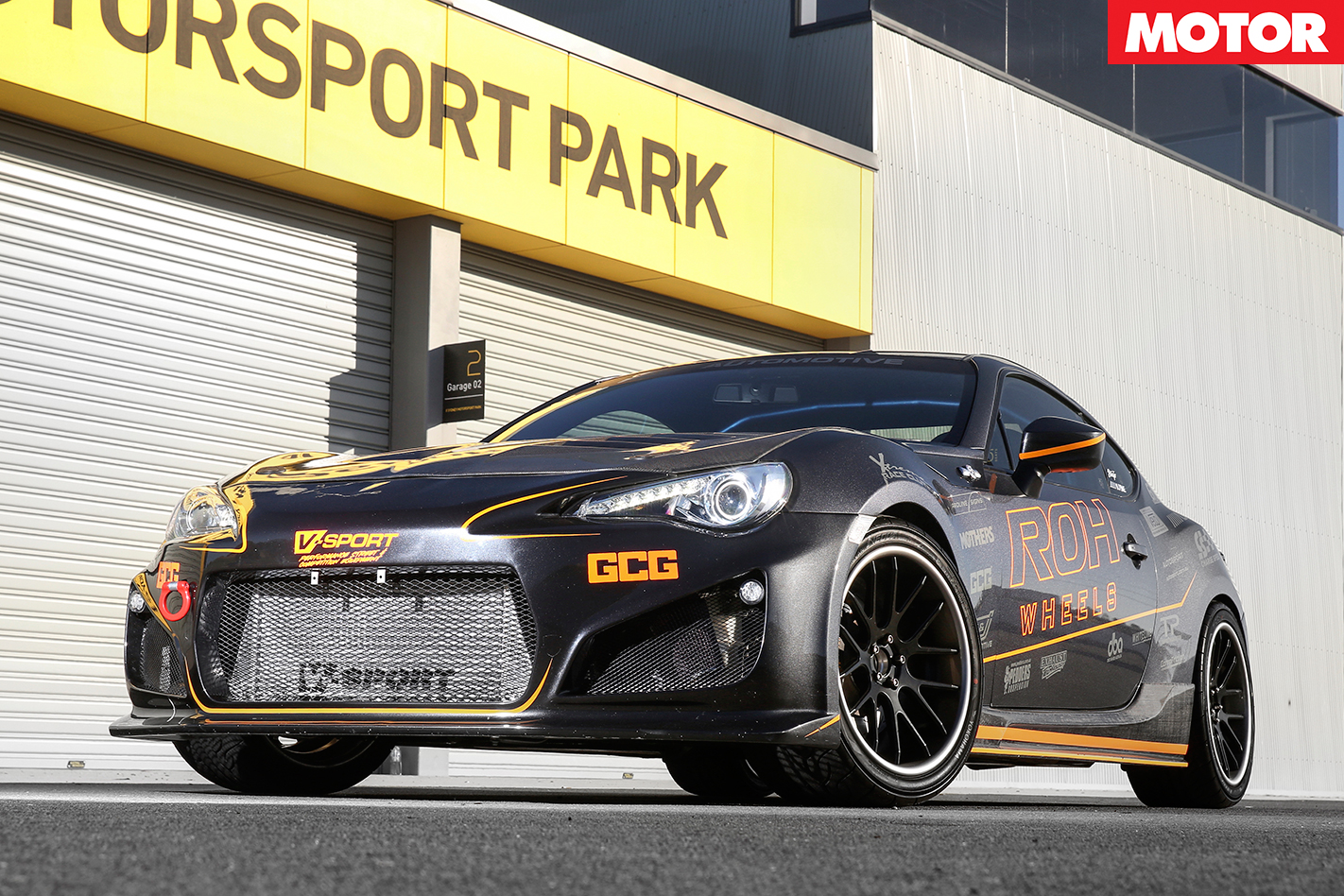
We set out to create a fast, reliable, all round performance street/track car, and the results from the Hot Tuner Challenge shows that V-Sport is able to build a road legal street car that is extremely capable on the track.
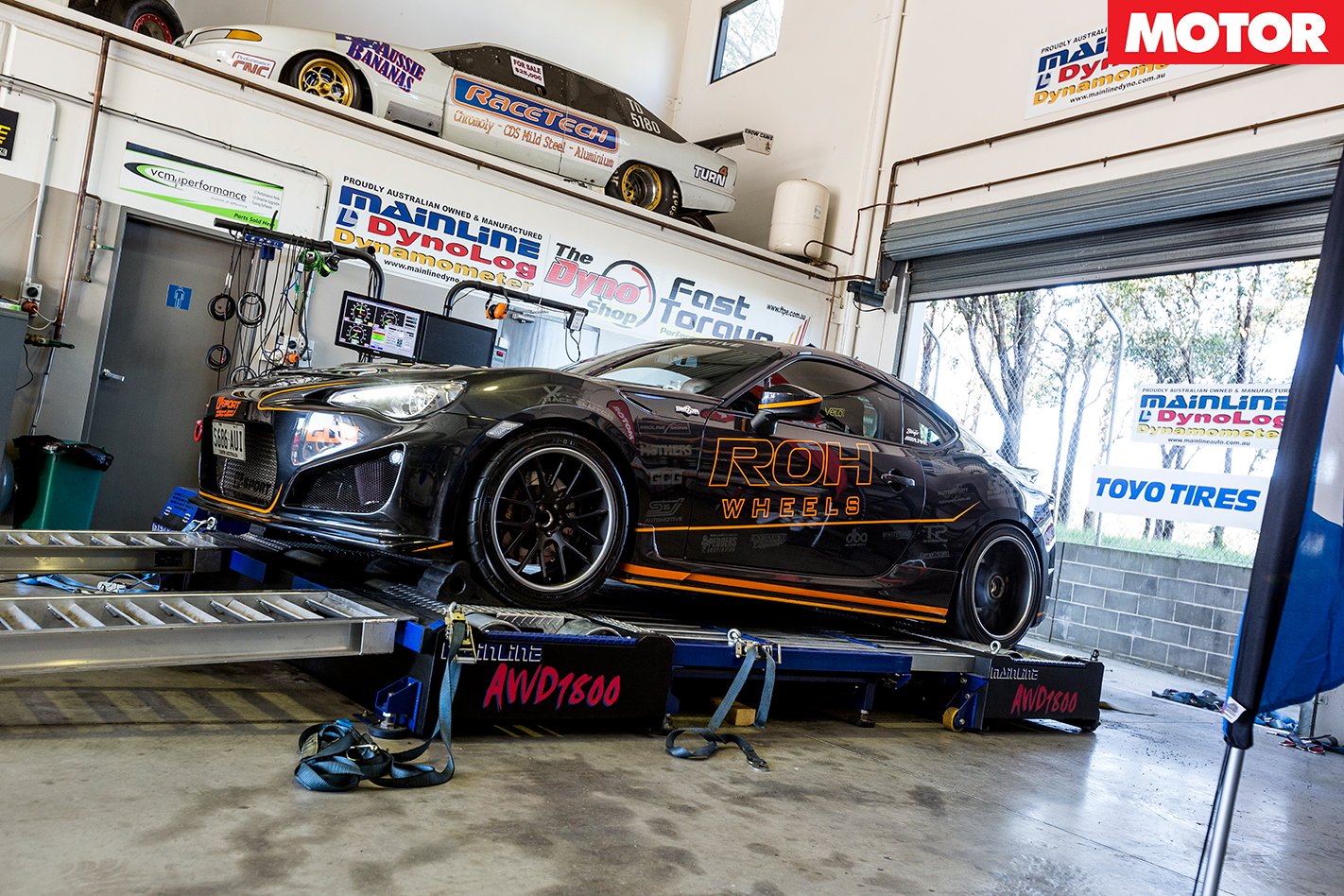
We are currently building our own Toyota 86 to compete in the World Time Attack Challenge in Oct 2015. This is a very exciting project for us as we were able to build the car the way we want to build it, with limited restrictions, this will be one wild 86. Our goal is to make it the Fastest 86 in Australia.
Click here to follow our build diary.
IS THIS the best video you’ll watch all day? It shows racing legend Bernd Schneider attacking a damp Mount Panorama in Mercedes-AMG’s newest, and slightly bonkers, GT S hot-rod.
Sure, it’s Mercedes PR. But we mean attacking. At the 0m54s mark, Bernd is so crossed up he’s inches away from tearing the $295,000 car apart on Bathurst’s famous walls.
He doesn’t, though, and Bernd goes on to clock a lap time of 2:24.03, which you’ve got to admit, is bloody quick for a standard production car, even if it does have 375 kW.
The only options fitted to the Mercedes-AMG GT S used in the film were stickier Michelin Pilot Sport Cup 2 tyres and carbon ceramic brakes, both of which any customer can purchase for their car.
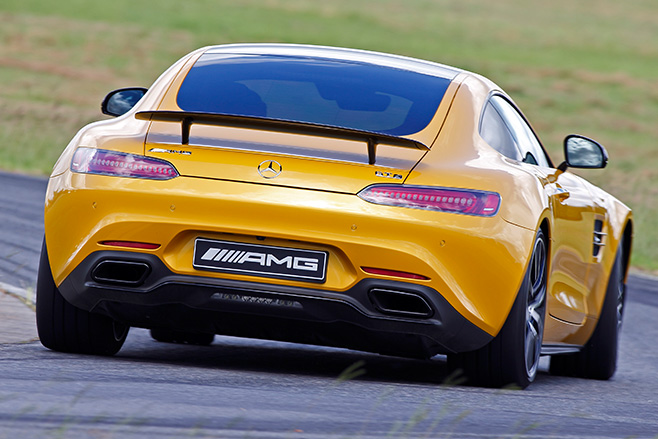
To put the GT’s time into perspective, a race-prepped V8 Supercar laps the Mountain in the 2:07 bracket. Schneider himself has gone quicker at Bathurst too, and lapped the famous circuit in 2:07.6 on his way to win the 2013 Bathurst 12 Hour in a SLS GT3. But these are racing cars bristling with slick tyres, slippery aero and racing suspension.
Hit play and watch Schneider and the GT S earn their keep.
And if you want to know how the car rates against the new Porsche 911 GT3, you’ll find a track showdown in the September edition of Wheels, on sale August 20.
Sign up here to receive the latest round-up of Wheels news, reviews and video highlights straight to your inbox each week.
