
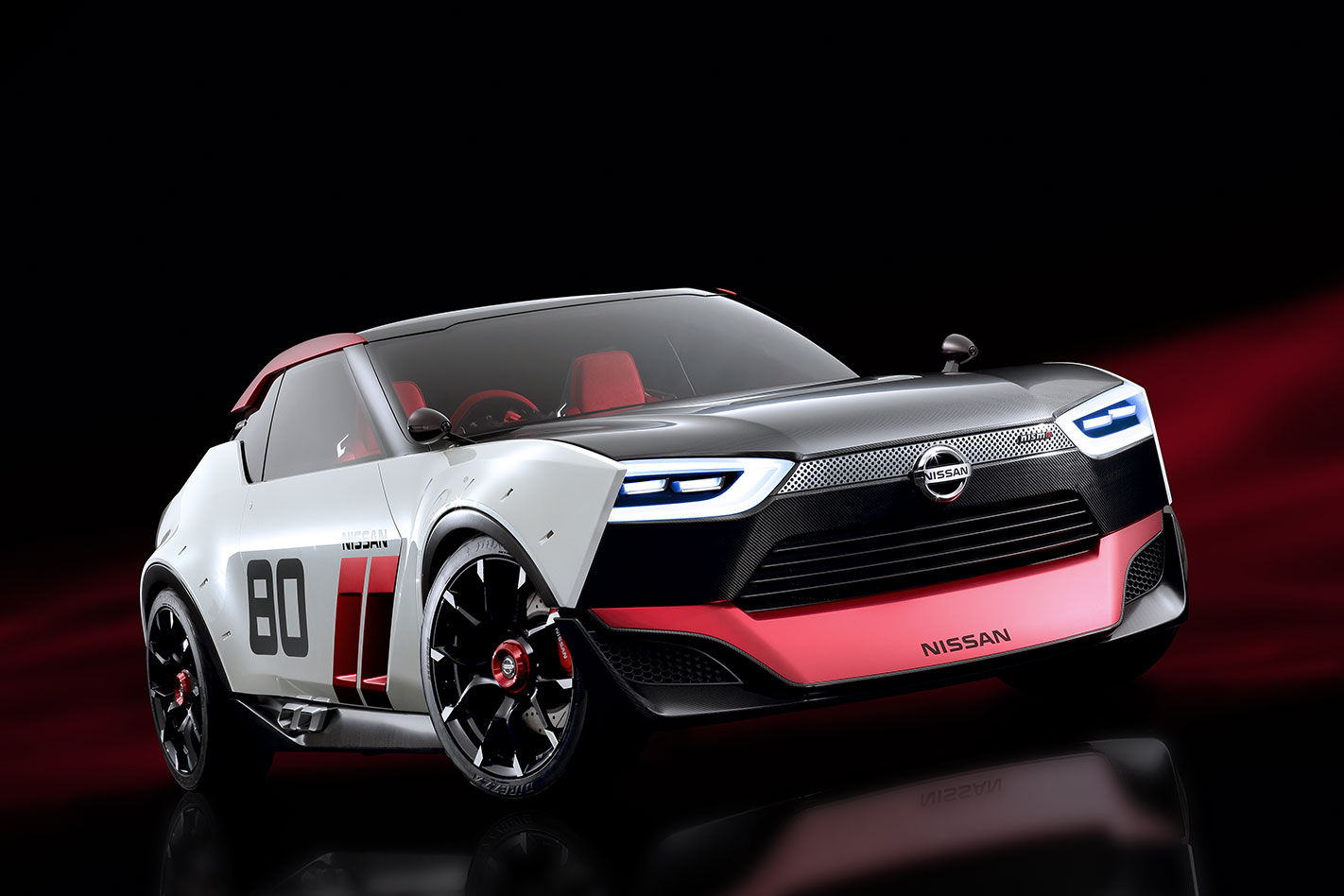
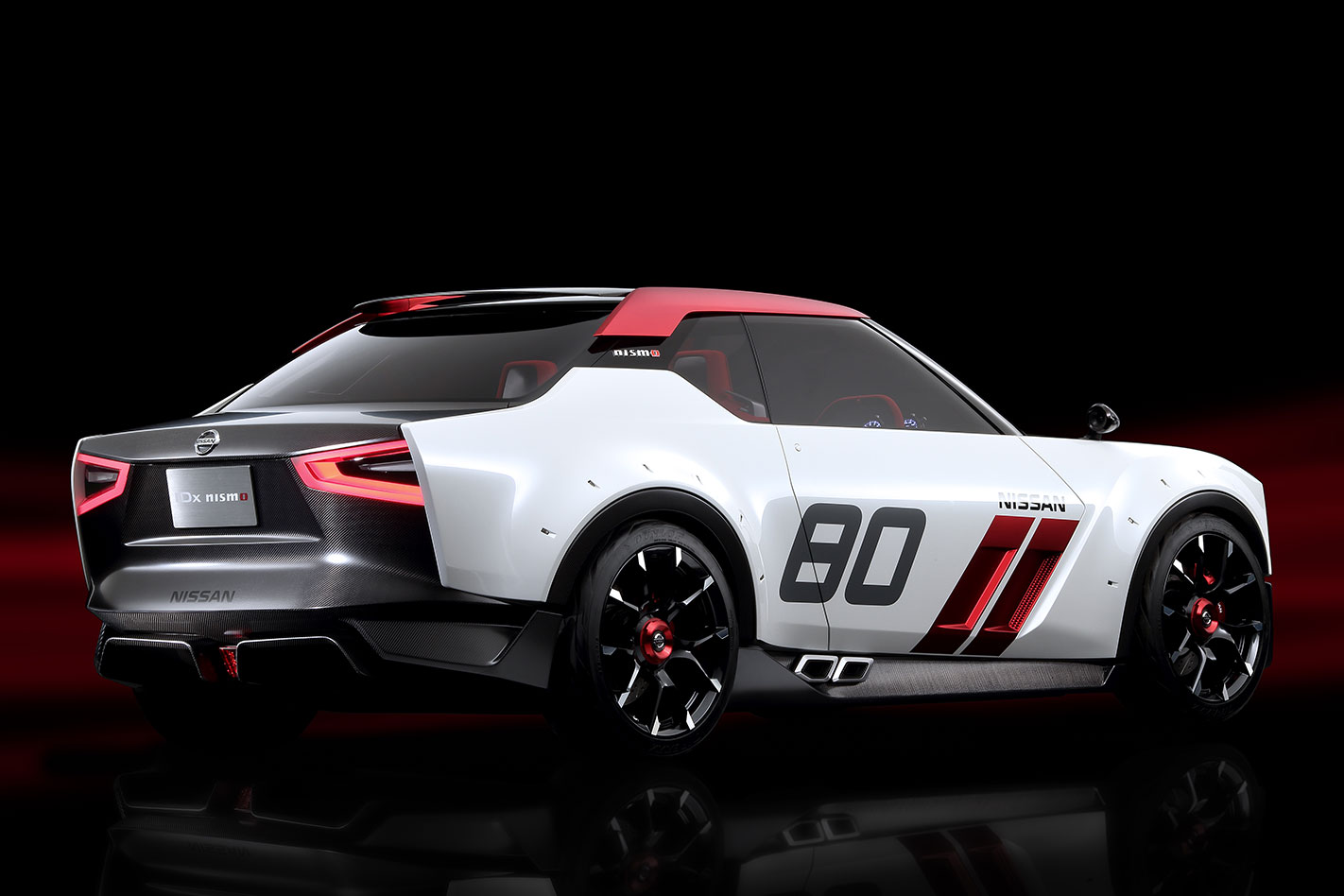
Nissan’s cool little rival to the Toyota 86 will never see production, but the next 370Z could head into cheaper territory.
Nissan chief creative officer, Shiro Nakamura, revealed to Autoblog at last weekend’s Le Mans 24 Hour race that, “I think IDx will not be produced.”
“We are studying a couple of different concepts, because the sports car market is becoming smaller globally,” he adds.
“We would like to do something, I personally think, is more [in the] original concept of Z, which is … more practical and appealing to younger customers.”
Nakamura also hints that the progression to the 370Z as a larger, heavier and more powerful 350Z might not have been the right way to go.
“We are questioning ourselves in repeating the 350, 370. We don’t want to create 390Z, right?” he jokes.
When Autoblog put to Nakamuru whether he would like to challenge the Toyota 86 and Mazda MX-5, the creative officer replied, “we may not necessarily go into the same category. Personally I see other options that are very interesting.”
And the idea of a 370Z moving downmarket and becoming cheaper? “We still need time to finalize this. I mean, we have a couple of ideas.”
Former Nissan vice president Andy Palmer championed a duo of IDx prototypes when they were first revealed at the 2013 Tokyo motor show.
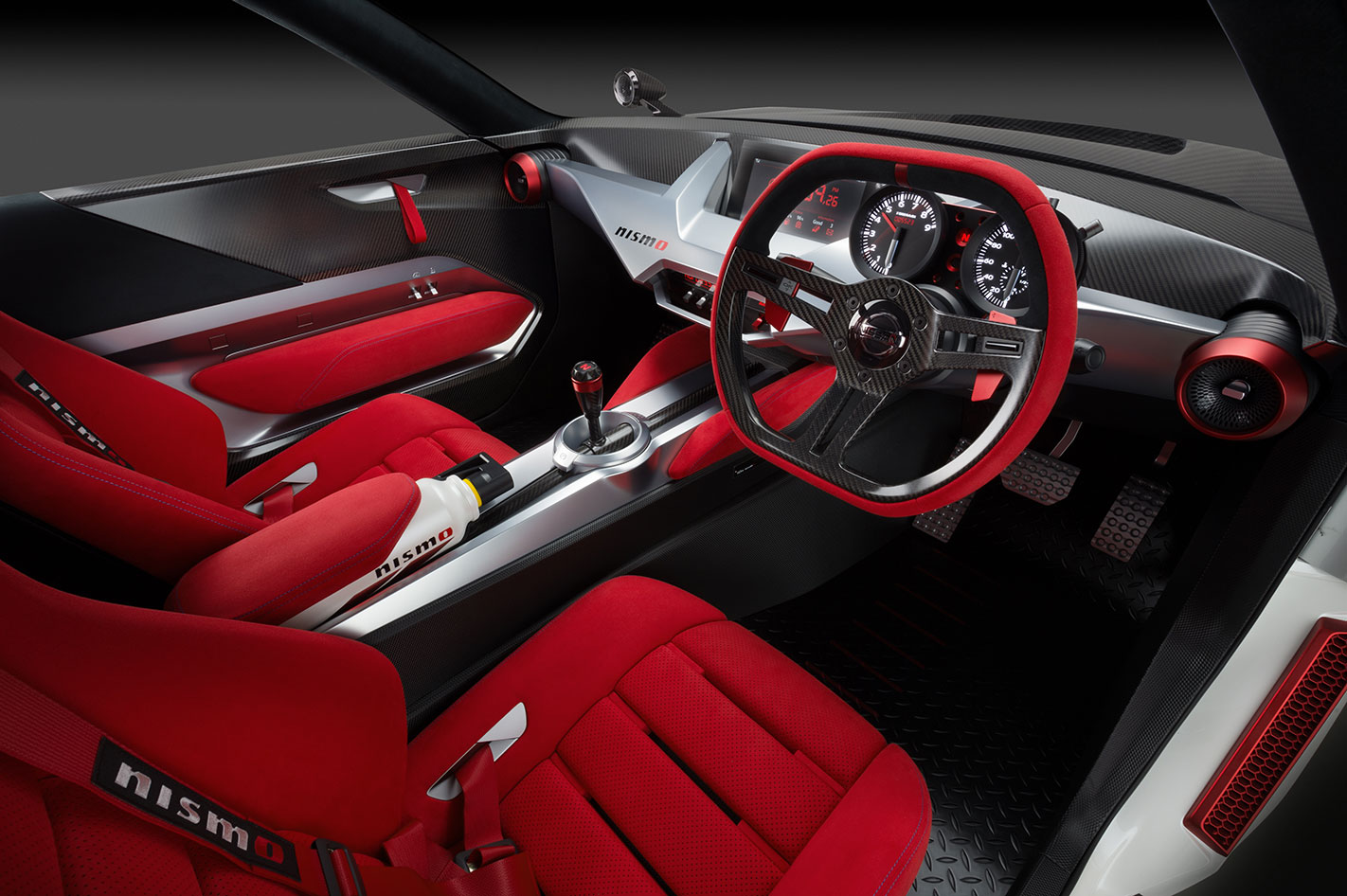
One a hybrid, the other a nuggety, rear-drive sports car referencing the Datsun 510, Palmer said he hoped both will be built.
Since Palmer left the Japanese brand to head up Aston, things went quiet on the IDx front and several executives have since whispered of its demise.
Now all but confirmed to be dead, rear-drive coupe enthusiasts will have to bank on a lighter, cheaper next-gen Zed car.
Peugeot has fired a shot across the bows of its hot hatch rivals with the new 308 GTi.
The third model to be developed by Peugeot’s motorsport arm, the 308 GTi lifts plenty of parts from the impressive RCZ R and stuffs them into a more practical five-door bodyshell.
Under the bonnet is a 1.6-litre turbocharged four-cylinder offered in two tunes, 184kW or 201kW at 6000rpm, though both develop an identical 330Nm from 1900rpm.
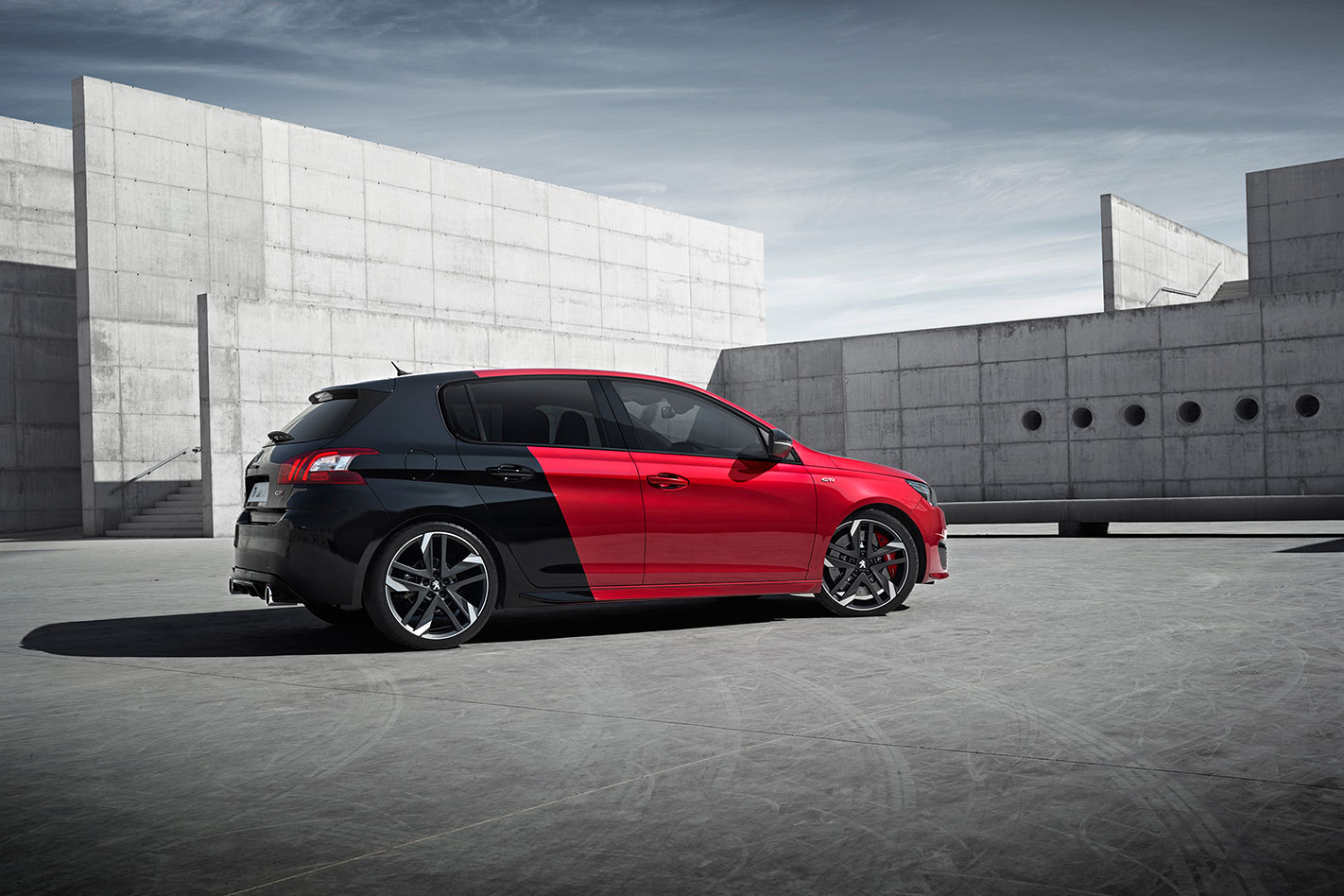
Combined with a commendably light kerb weight of just 1205kg, the 308 GTi’s power-to-weight ratio of 167kW/tonne comfortably eclipses both the VW Golf GTI Performance (124kW/tonne) and Renault Sport Megane RS275 Trophy (146kW/tonne).
The power is fed through a six-speed manual to a Torsen limited-slip differential, with a shorter final drive to improve acceleration.
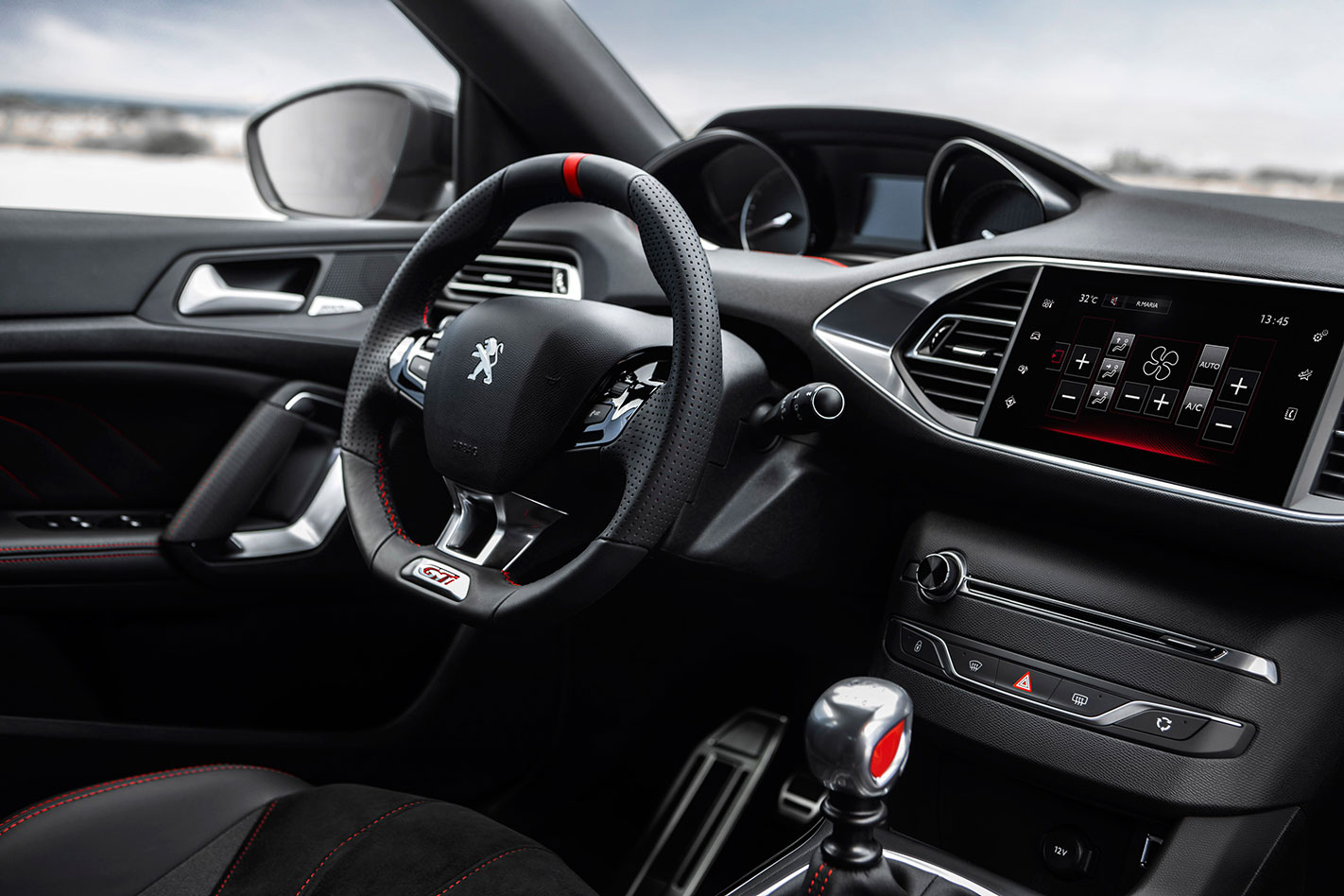
Peugeot claims the 0-100km/h sprint takes 6.0sec for the higher-powered THP 270 variant and 6.2sec for the lower-powered THP 250. Top speed is electronically limited to 250km/h.
In the chassis department, the ride height has dropped 11mm and the suspension is significantly stiffer than the GT warm hatch.
Negative camber has also increased to help keep the Michelin Pilot Super Sport tyres in contact with the ground. Wider tracks front and rear also increase the 308 GTi’s footprint.
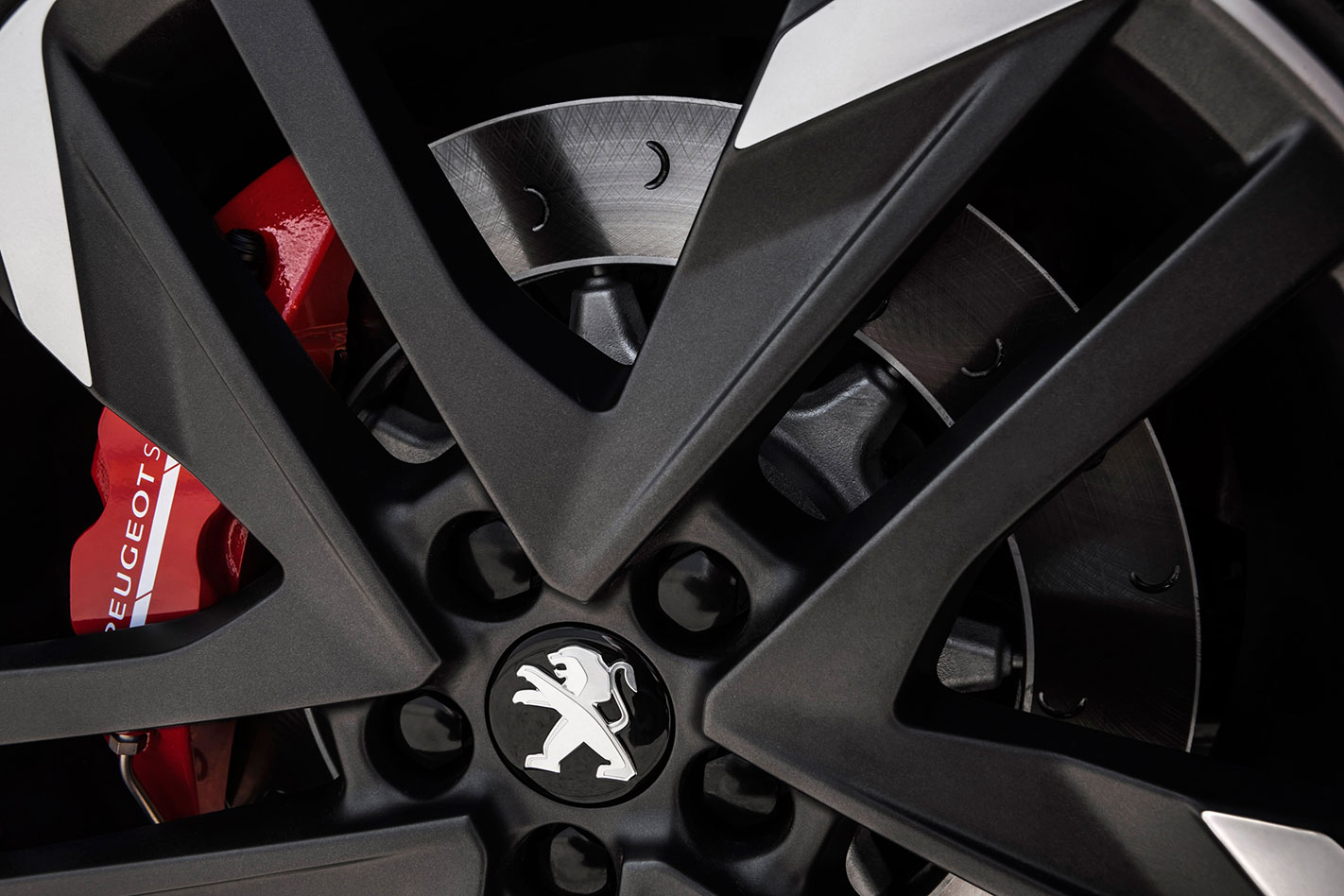
Tyre size on the THP 250 is 225/40 R18, while the higher-spec THP 270 wears wider 235/35 R19s, and stopping power is provided by giant 380mm front discs clamped by four-piston calipers.
The new Peugeot 308 GTi will make its public debut at the Goodwood Festival of Speed later this month. We’ll update you on a local release at a later date, though we’d expect pricing to start around the $50,000 mark.
Koenigsegg has smashed its own performance world record with its latest One:1 hypercar.
Accelerating from zero to 300km/h and back to nought again in 17.95 seconds, the One:1 eclipsed the previous generation Agera R’s September 2011 record by 3.24sec.
Koenigsegg set the new record on June 8 2015 at its home test track in Angelholm, Sweden, announcing the new benchmark on its YouTube video account.
“Do not try this at home,” muses the video, before Koenigsegg’s driver Robert Serwanski warms up the tyres with a few donuts.
The One:1 – which references its 1360kg kerb weight matching its 1360ps (or 1000kW) power output – manages the 0-300km/h run in 11.92sec versus the previous 14.53sec.
Incidentally, as the One:1 passes 260km/h it is claimed to be producing 610kg of downforce.
For those who speak in miles per hour, 0-200mph comes up in 14.328sec, compared with 17.68sec for the Agera R, while 0-200mph and back to zero tallies 20.71sec compared with the previous 24.96sec.
The One:1 was revealed at the March 2014 Geneva motor show, replacing the Agera R. Both utilise a 5.0-litre twin-turbocharged V8 engine and seven-speed dual-clutch transmission, but the new model weighs 72kg less and makes 1000kW (between 3000rpm and 8000rpm) and 1371Nm, versus ‘only’ 838kW.
Ventilated ceramic discs (six-piston/397mm front, four-piston/380mm rear) and Michelin Cup 2 rubber (265mm-wide/19-inch front, 345mm/20inch rear) help with the part of the record-breaking run that slows the One:1 to none.
Koenigsegg also recently let the One:1 loose at two of the world’s most famous racetracks, which you can view here.
Get your free weekly report from the world of fast cars – subscribe to the MOTOR newsletter!
THE 2015 Jaguar XE sedan will start from $60,400 when it goes in sale in Australia on 1 September. That means it undercuts the entry level BMW 3 Series, the $61,500 BMW 320i, but will cost more than the $59,990 Mercedes C180 Avantgarde – a Wheels COTY finalist – the aging 2015 Audi A4 S Line at $55,500 and Lexus IS250 at $54,000.
“This will be our best selling car,” a Jaguar Australia spokesperson James Scrimshaw told Wheels. “The BMW 3 Series is definitely one of the competitors we’ve targeted,” he added, with dealers already more than happy sell the XE ahead of its arrival later this year.
The XE is Jaguar’s all-new entry into a segment that’s been dominated by the German makes, with the BMW 3 Series celebrating forty years of production in 2015. It follows the formula set by the BMW and Mercedes C-Class of rear-wheel drive and, at 4672mm long and 1850mm wide, has similar dimensions. It’s the smallest, lightest and stiffest Jaguar sedan ever offered, and has the same class-leading aero Cd of 0.26 as the C-Class.
The XE range will be split into four spec levels familiar to existing Jag buyers, kicking off with Prestige, R-Sport, Portfolio and headlined by a flagship S model; that is until rumoured high-performance models may emerge.
The Prestige models come with six-spoke 18-inch alloy wheels, bi-xenon headlights, keyless entry and start as well as leather upholstery. Inside there’s an eight-inch touchscreen with sat-nav and voice control, as well as a reversing camera and auto parking assist, with Lane Departure Warning, radar cruise and autonomous emergency braking also included. An 11-speaker 380W Meridian audio system is also part of the impressive equipment list.
Portfolio models, from $70,400, come with a seven-spoke 18-inch alloys, ‘Windsor’ leather and a rear sun-blind, while R-Sport brings yet another wheel design of the same size, stiffer suspension and a body kit from $66,800. Only the $104K S model comes with 19s as well as adaptive dampers, on top of a more extensive body kit.
At launch in Australia, there will be four engines – one turbo-diesel four-cylinder, two turbocharged petrol four-cylinders and a supercharged V6. All models use an eight-speed automatic transmission.
The base Jaguar XE 20t Prestige at $60,400 costs more then the cheapest offerings from Mercedes and Audi, its 147kW/280Nm 2.0-litre turbocharged four-cylinder easily makes it class competitive, outmuscling the BMW 320i, Mercedes C200 and Audi A4, even if it can’t match the Audi’s 350Nm nor the Mercedes’ 300Nm.
For more grunt, step up to the XE 25t – offered in Prestige and R-Sport trim – which sees 177kW/340Nm from the same engine, with 0-100km/h improving to 6.8sec and an identical economy figure of 7.5L/100km.
The other four-pot on the XE shopping list is the diesel, offered on the 20d and producing 132kW peak power and 430Nm from a low 1750rpm. While its 7.8sec 0-100km/h time is shy of the BMW 320d’s 7.5sec and well behind the Mercedes C250 BlueTEC’s 6.6sec, the Jaguar’s superior 4.2L/100km fuel economy makes up for it. Sadly, the diesel XE is lumped with a smaller 56-litre fuel tank than the petrol models, which carry 63 litres, but that still gives the diesel Jag a theoretical range of more than 1000km (again, theoretically).
Bookending the opening line-up this September is the S model, which takes the 250kW/450Nm supercharged V6 straight from the stunning Jaguar F-Type sports car, albeit with less power. That helps blow the price out to more than $104K – $10K more than the $93,430 BMW 335i and even the $99,430 Mercedes C350 Coupe. It easily out accelerates both, with a 0-100km/h time of 5.1sec compared to the BMW’s 5.5sec and Merc’s 6.0sec, but the Jag’s sprint is backed by a pop and cackle unrivalled in this class. It is thirstier that both, though, with an official 8.1L/100km fuel figure, yet that’s still respectable.
One of the key factors for the XE is the extensive use of aluminium in its construction, which has kept weight down as Jaguar has promised. The lightest model is the 2.0-litre turbo petrol models, with a claimed 1530kg mass. That’s the same weight at a front-wheel drive 1.8 TFSI Audi A4, but still more than the BMW 320i (1400kg) and Mercedes C200 (1465kg). So a good effort, but it’s hardly groundbreaking.
The heaviest XE is the V6 S, at 1665kg compared to the 1510kg BMW 335i.
Down the track, Jaguar may introduce an all-wheel drive XE, with confirmation from Jaguar that its new hero’s platform is engineered to accommodate an electronic system on top of the ‘All Surface Progress Control’ stability program offered on all XE models. However the manual version, currently offered overseas, may not make it here, even if manual version of the F-Type sports car was launched here earlier this year.
There’s also a possibility of multiple body styles, from a wagon to a coupe and even convertible, which are logical steps from the sedan if you look at Jaguar’s rivals in this class. Of course, we’re waiting for a V8-powered XE R model and fire-breathing XE R-S with the maker’s 5.0-litre supercharged V8 under the bonnet to rub shoulders with the likes of the BMW M3 and Mercedes-AMG C63, but the company is still undecided on engines for such a model, yet alone confirmation it will produce one.
Read John Carey’s drive of the Jaguar XE in the July issue of Wheels, on sale now.
Sign up here to receive the latest round-up of Wheels news, reviews and video highlights straight to your inbox each week.
The new car market is an intriguing and unpredictable beast that every now and then defies all logic and sensibility.
Ordinarily, cheap cars sell the most because most people can afford them, this is why the best-selling car each month is usually a Toyota Corolla, Mazda 3 or in last month’s case a Hilux ute.
The higher you go up the price ladder, the smaller the market becomes, hence less cars are sold. Makes sense.
However, when it comes to the Porsche 911, that theory can be thrown out the window.
Last month Porsche managed to sell 38 911s, while an identical number of Nissan 370Zs were driven out of the dealership.
Both are niche sports cars, but the price difference between the two is over $200,000 in most cases (Carrera S, GTS, GT3, Turbo etc.).
You can blame slow 370Z sales for this weird phenomenon. The market has forgotten about the aging Nissan despite it representing phenomenal value at $56,930, while the 911 consistently over achieves every month.
The arse-engined Porker even made the Subaru BRZ feel forgotten about, its 32 May sales a few notches short of the 911s performance.
Get your free weekly report from the world of fast cars – subscribe to the MOTOR newsletter!
BMW brought 19 lucky winners to Sydney Motorsport Park for the BMW M Driving Experience.
With the freedom to unleash on the racetrack and a team of expert instructors, this is the Ultimate Driving Machine in its natural habitat.
BMW brought 19 lucky winners to Sydney Motorsport Park for the BMW M Driving Experience.
With the freedom to unleash on the racetrack and a team of expert instructors, this is the Ultimate Driving Machine in its natural habitat.
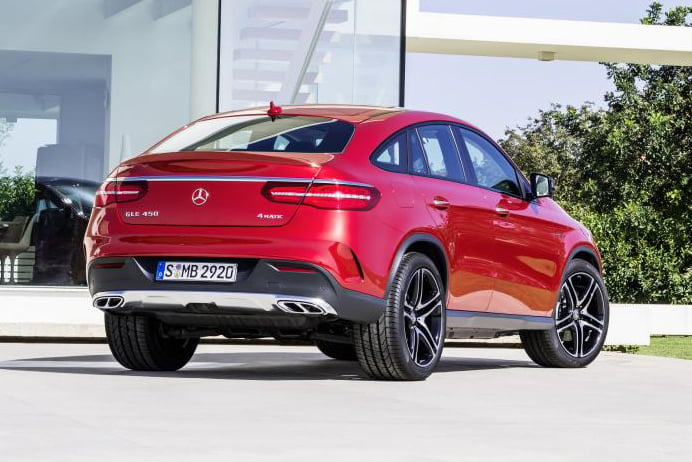
MERCEDES-Benz had considered an SUV-coupe type vehicle in the mid 2000s, before BMW launched the X6, but chose instead to channel its financial and R&D resources into the bigger volume A-Class and its derivatives before the GLE Coupe.
“We looked into that [type of] vehicle at that time,” said Wolf-Dieter Kurz, vice-president of SUVs and sports cars at Mercedes-Benz, “and said ‘let’s invest the money differently to give us the wider portfolio base than just investing in the niche’.
Kurz made the comment at the launch of the new GLE replacement for the ML-class SUV, and the sloped roof GLE Coupe offshoot, a rival for the BMW X6. He said the decision to hold off on the GLE Coupe came down to money.
“On one end of course it’s a financial issue, on the other even more it’s a question of capacity. Where do you put your R&D guys, in which type of vehicle type to be developed? A new vehicle development costs the same whether you do a vehicle which has 100,000 units in its life cycle or a million.
“And so for us it was important to expand the A-class portfolio with the GLA [compact SUV], CLA [four-door coupe] and also now the CLA Shooting Brake [wagon].
“[That was] our focus and I think we were very successful in doing so. And now … we are coming with a model which is the SUV coupe, [at a time when] other manufacturers are coming with models which look similar to the B-class,” said Kurz, clearly alluding to the BMW 2 Series Active Tourer.
He said Mercedes-Benz is not actually targeting 100,000 sales annually for the GLE Coupe. “No, I just use choose round figures [to illustrate].”
The Mercedes-Benz GLE wagon and GLE Coupe arrive in Australia in September. An embargo prevents Wheels from revealing pricing and specification at this time, or from reporting on our first drive this week at the international launch in Austria.
The embargo lifts on June 23.
MORE space, less space, more doors, fewer doors, better on-road ability, more rugged off-road ability… nothing is out of the question, says Mercedes-Benz SUV boss Wolf Dieter-Kurz, not even a convertible, as carmakers chase every niche to maximise SUV sales’ potential.
Speaking to Wheels at the launch of the new GLE replacement for the ML-Class, and the global launch of the GLE Coupe (neither of which we can tell you about until the embargo lifts on June 19), Kurz said carmakers are only just starting to explore the model proliferation opportunities of SUVs, and that there’s the potential for a considerable derivative expansion globally.
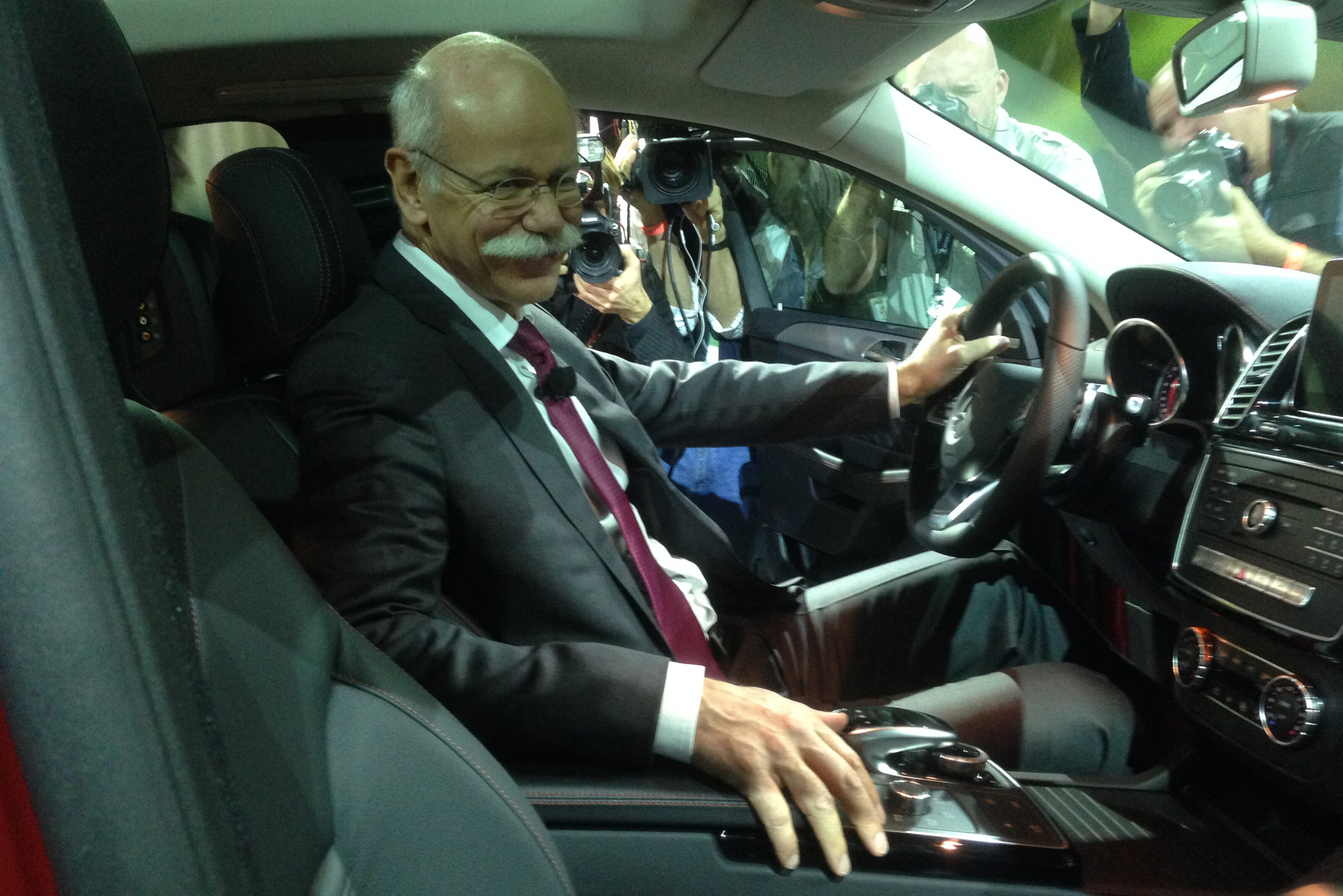
A number of new brands – from Alfa Romeo to Lamborghini, Jaguar to Bentley, and even Aston Martin – are tipped to enter the SUV market in the next few years, but they won’t be the only source of sales growth. Derivatives from existing players, like Benz which currently nets 25-30 percent of its sales from the high-riding, pseudo-off-road wagons, are also high on the cards.
“Of course we are thinking many variants and many opportunities. I think the SUV segment due to its growth and the worldwide interest that the SUVs have, it will be the segment which sees the most derivatives in the outskirts of the portfolio. It’s getting kind kind of fussy in the outskirts [already].”
“We are looking into every opportunity where we will find a market.”
Kurz said the key to deciding which derivatives to produce comes down to three questions: attractiveness, volume and resources.
“The core decision for [buying an SUV] is: do people find the vehicle attractive?”
If an SUV derivative’s potential sales volume is considerable, said Kurz, carmakers like Benz will be more likely to allocate the financial and R&D resources. And key to that volume is China, not America.
“China is the driving force for the overall portfolio. [We ask each time] can it be successful in China?”
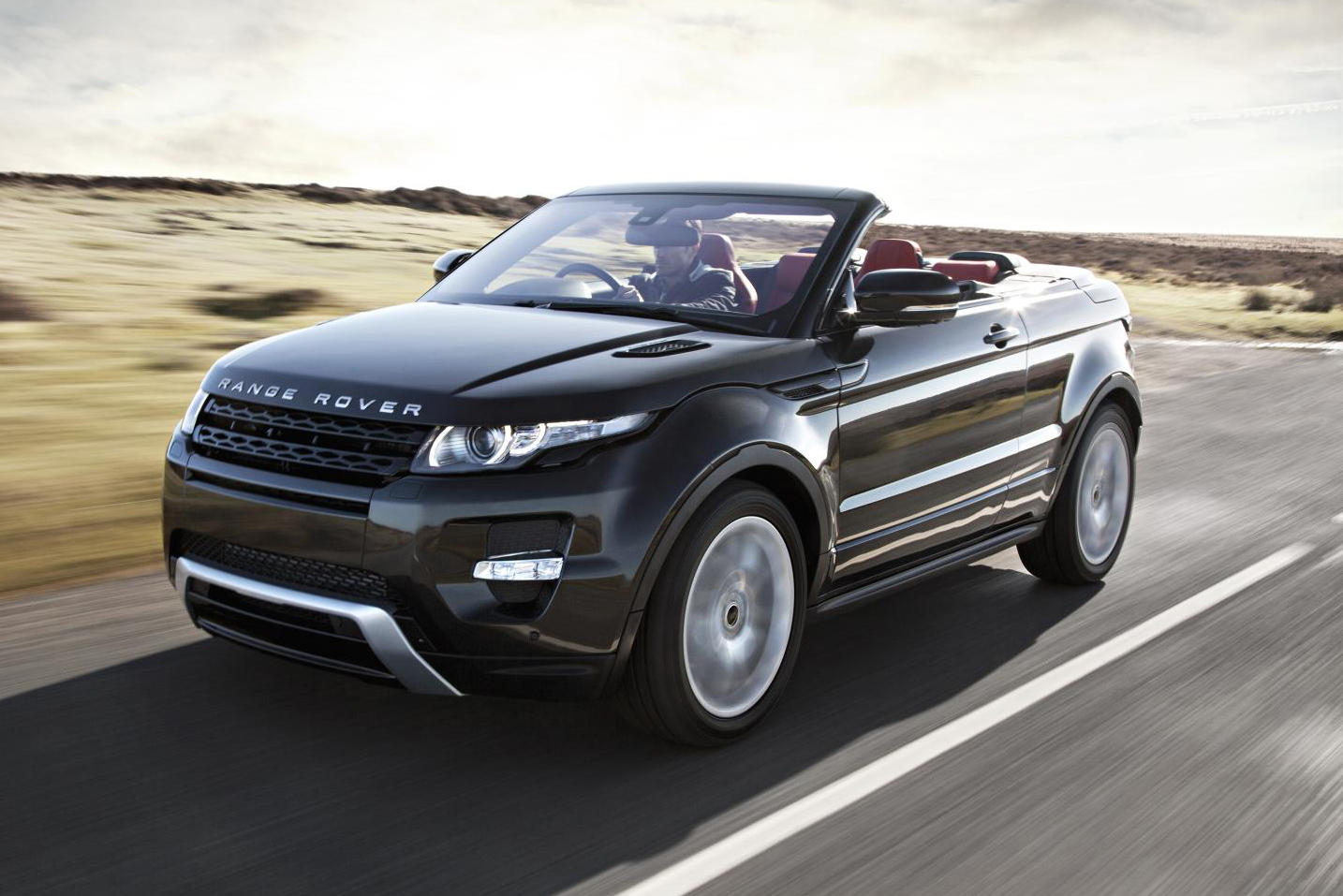
Kurz said a convertible like the one Range Rover showed based on the Evoque (pictured) was not likely, because “China is not very good these days in terms of convertibles. Never say never. But the convertible is a very slim niche in terms of the SUV portfolio.”
But he said we could see the return of a car like the R-Class, an SUV/people mover hybrid that found few fans in Australia when it was sold here between 2006-13.
“Maybe we were too early with the R-Class, which we are still selling in China. It’s doing good with 12-14,000 units per year. So this more on-road based but still very roomy but not station-wagon segment is definitely an interesting segment in the future.
“There are others… If you cancel, let’s say, the convertible and the roadster [opportunity] because it will not work as an SUV, then I think it’s more the design play. How much are you dealing with ‘coupe-ness-ness’ – is that a word? – or station wagon direction, or the real boxy SUV? I think there is lots of design play which is possible in terms of the SUV.”
SUV sales account for one third of the Australian new car market annually, and are tipped to overtake passenger cars in Australia in 2017.
The fourth generation and latest compact hot-hatch from Dieppe stacks up a bit short, on paper at least.
Compared to its predecessor, there’s no manual ’box, trick independent steering axis or high-revving 2.0-litre. It’s gained weight (14kg), wears smaller shoes (205mm instead of 215mm), and has a narrower stance (15mm less track at the front, 20mm less at the rear).
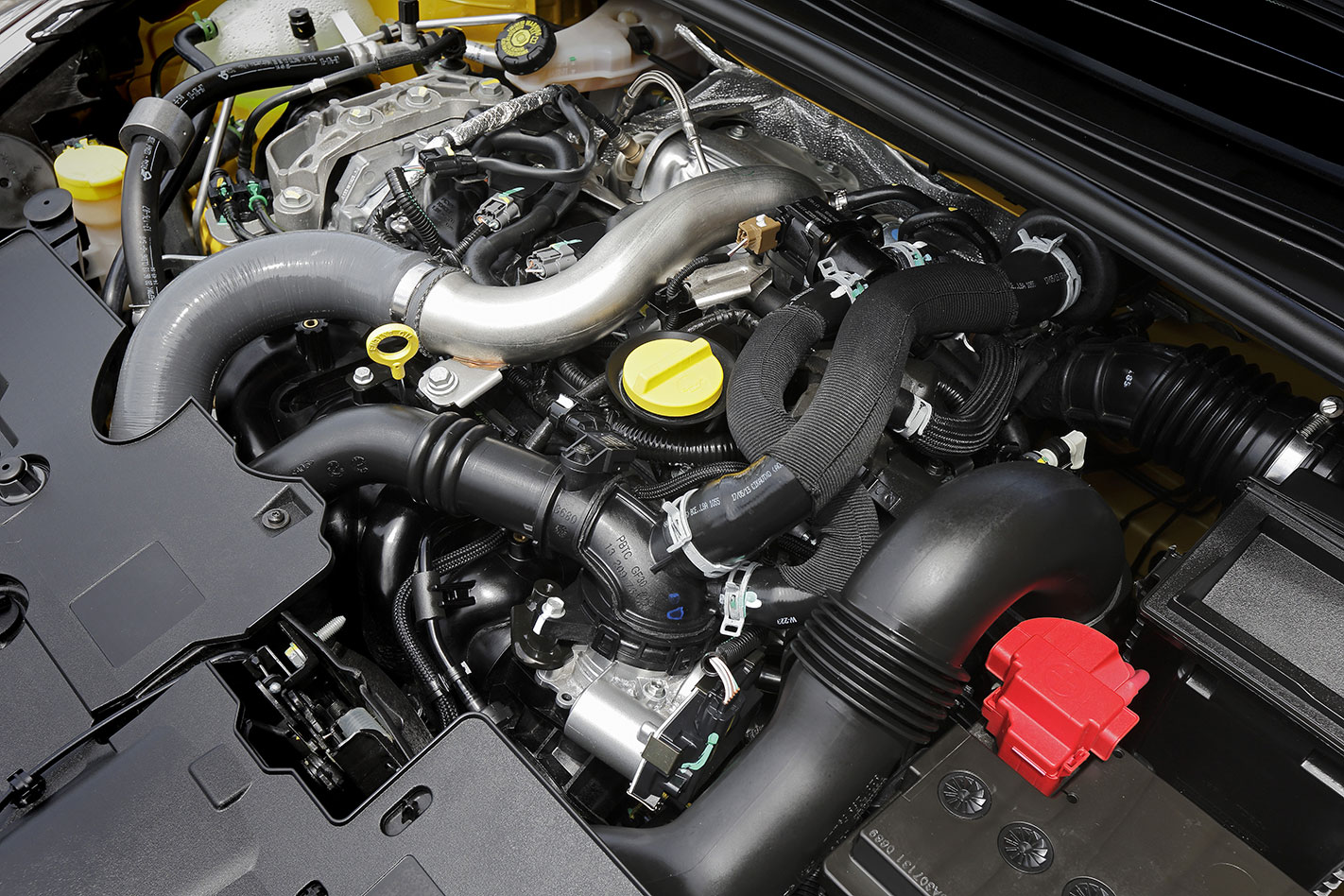
Moreover, its turbo engine, which it shares with the Nissan Juke, only makes 15Nm more than the natural breather it replaced.
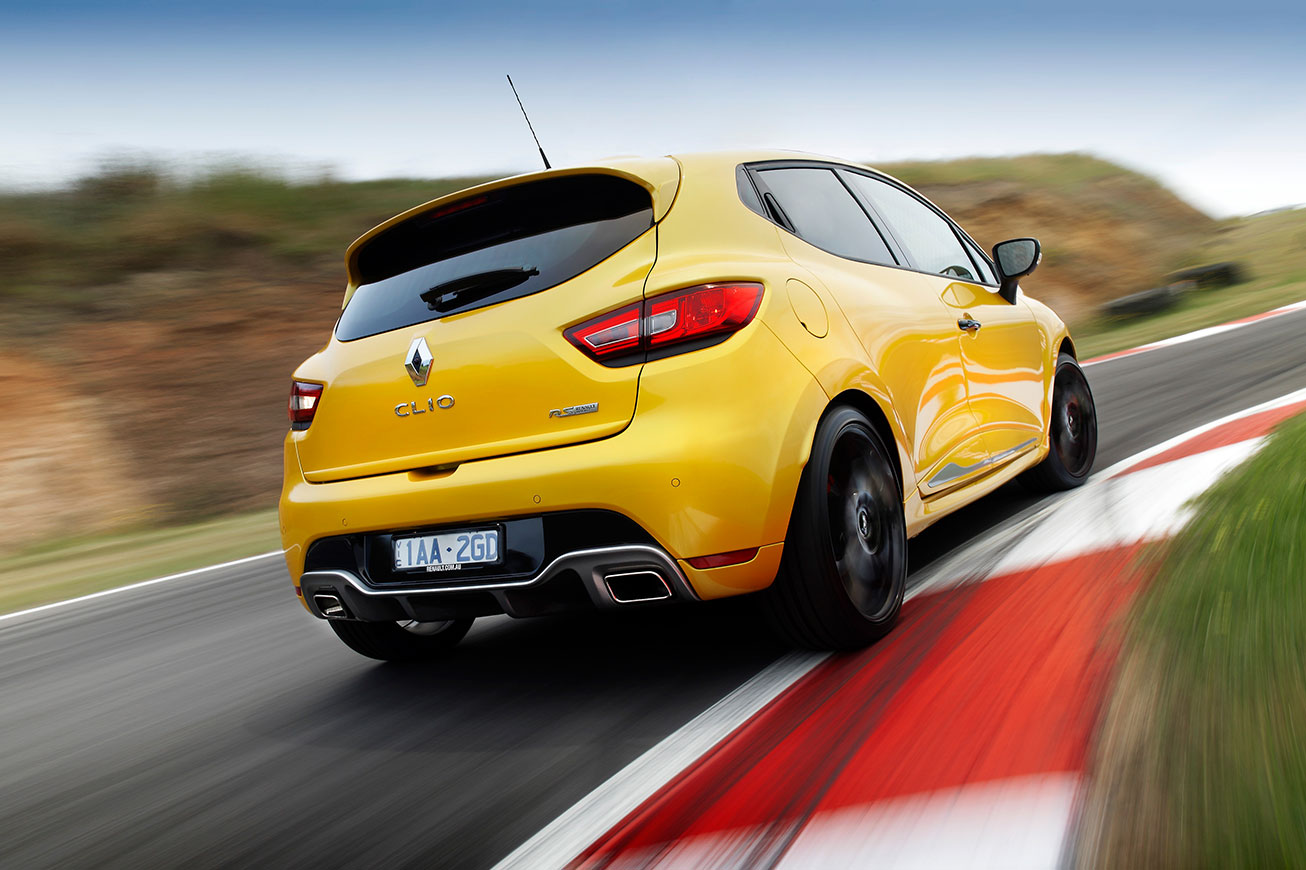
However, it just ducks under $30K, starting at $28,790 for the base Sport variant. That’s over $10K cheaper than before and, crucially, within reach of the price-busting Ford Fiesta ST.
The Cup variant, with stiffer springs, a lower ride height, gloss black 18s, and Dunlop Sportmaxx rubber, is pegged at $31,290.
The Trophy specification, as it has in the past, adds a fair whack of spec and an RS monitor 2.0 system (a data logger which can review track runs) for a hefty $5500. So before you know it, a Clio RS could lighten your back pocket by $37K.
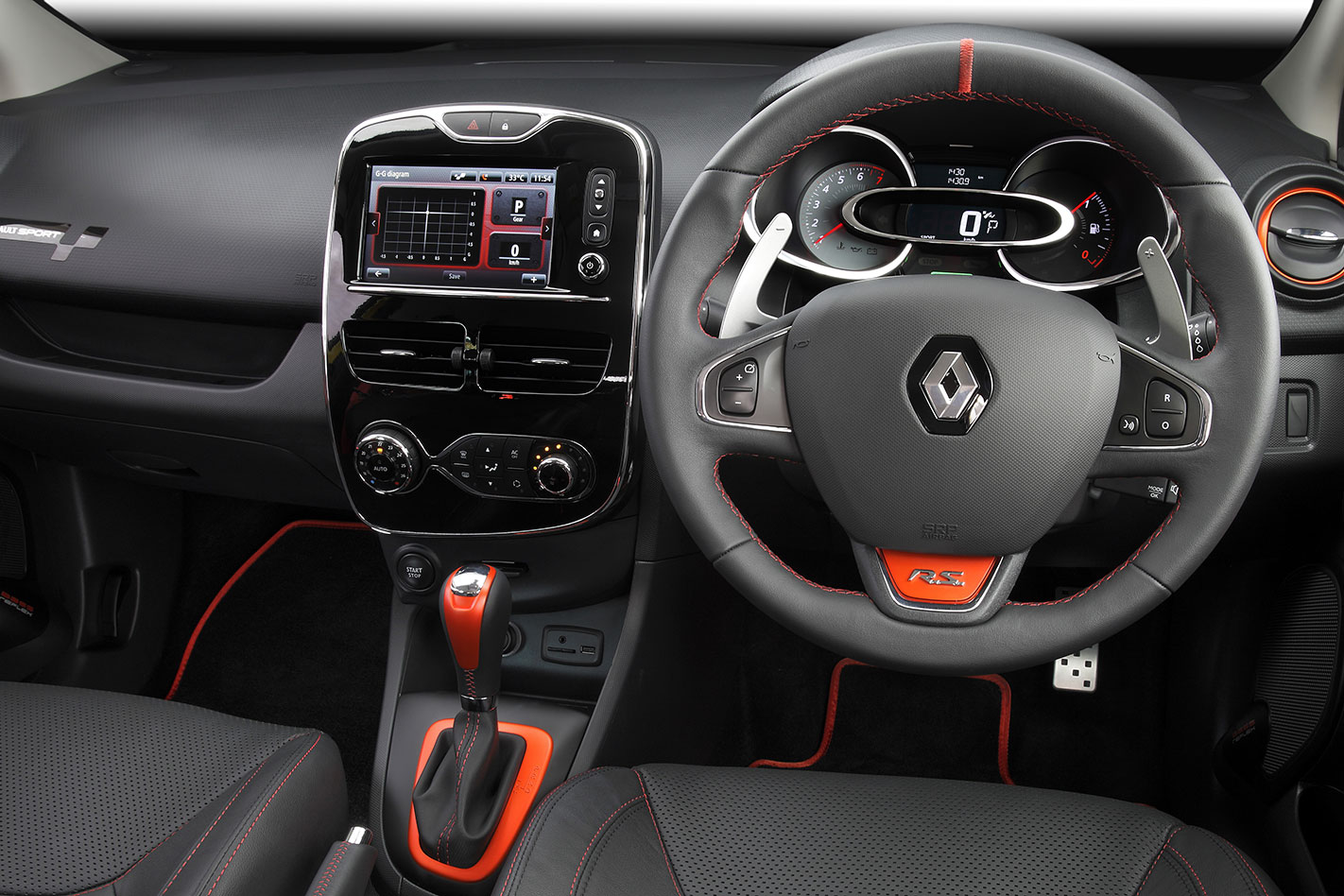
Nevertheless, the base Clio RS 200 EDC Sport has all the mod-cons you’d need and expect from a five-door city warrior, like auto headlights/wipers, hands-free entry and leather steering wheel.
And the Sport’s silver 17-inchers, wrapped in Goodyear F1 rubber, look nice and chunky. But it’s on the bitumen where the Clio grabs hold of you, literally, as its seats squeeze your kidneys tighter than a South American organ thief.
It’s a necessary cuddle, though, as the RS goes for apexes like a puppy goes for exposed toes, and its fantastically-balanced chassis lets you wag its tail with a little lift-off. Try that with the Cup chassis and that wag becomes a slide, yet you always feel in control.
Between corners the RS is a little less exciting. Sure, its Getrag dual-clutch fangs through gears frightfully quickly, and its idiot-proof launch control will easily match the claimed 6.7sec 0-100km/h, but its engine sounds industrial doing so.
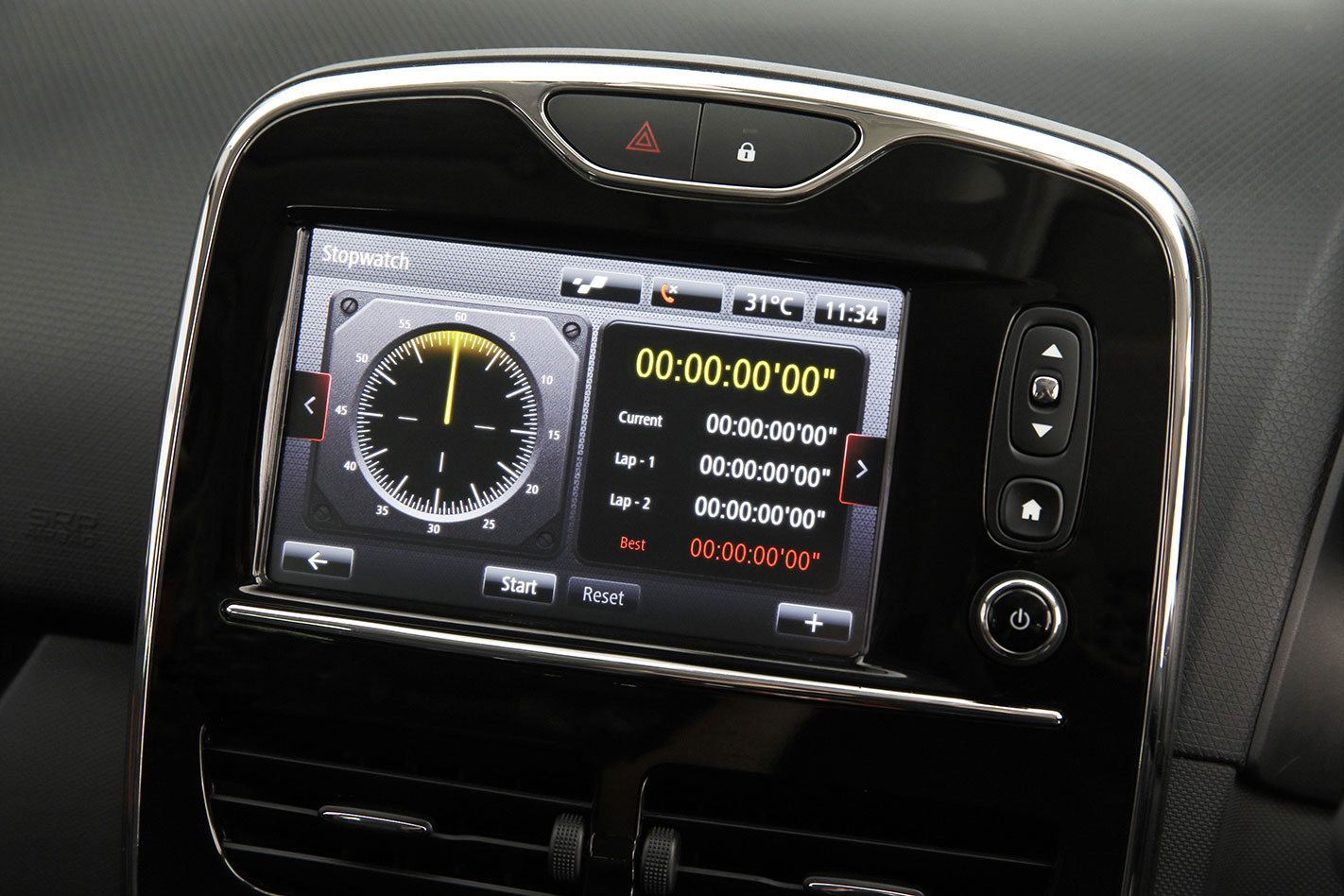
Some might bemoan the Nissan engine and auto transmission, but holding that against it would be like dismissing Eva Mendes at a bar because she has a mole on her face.
While it’s not the sharpest in its segment, the Clio RS 200 EDC is well finished, practical and more than playful when you’re up for it. Oh, and EDC stands for Efficient Dual Clutch.
4/5
Specs:
Engine: 147kW @ 6000rpm Torque:240Nm @ 1750rpm Weight: 1218kg Gearbox: 6-speed dual-clutch 0-100km/h: 6.7sec (claimed) Fuel consumption: 6.3L/100km (claimed) Price: from $29,490
Click here to watch the video review on the full Renault Clio.
