
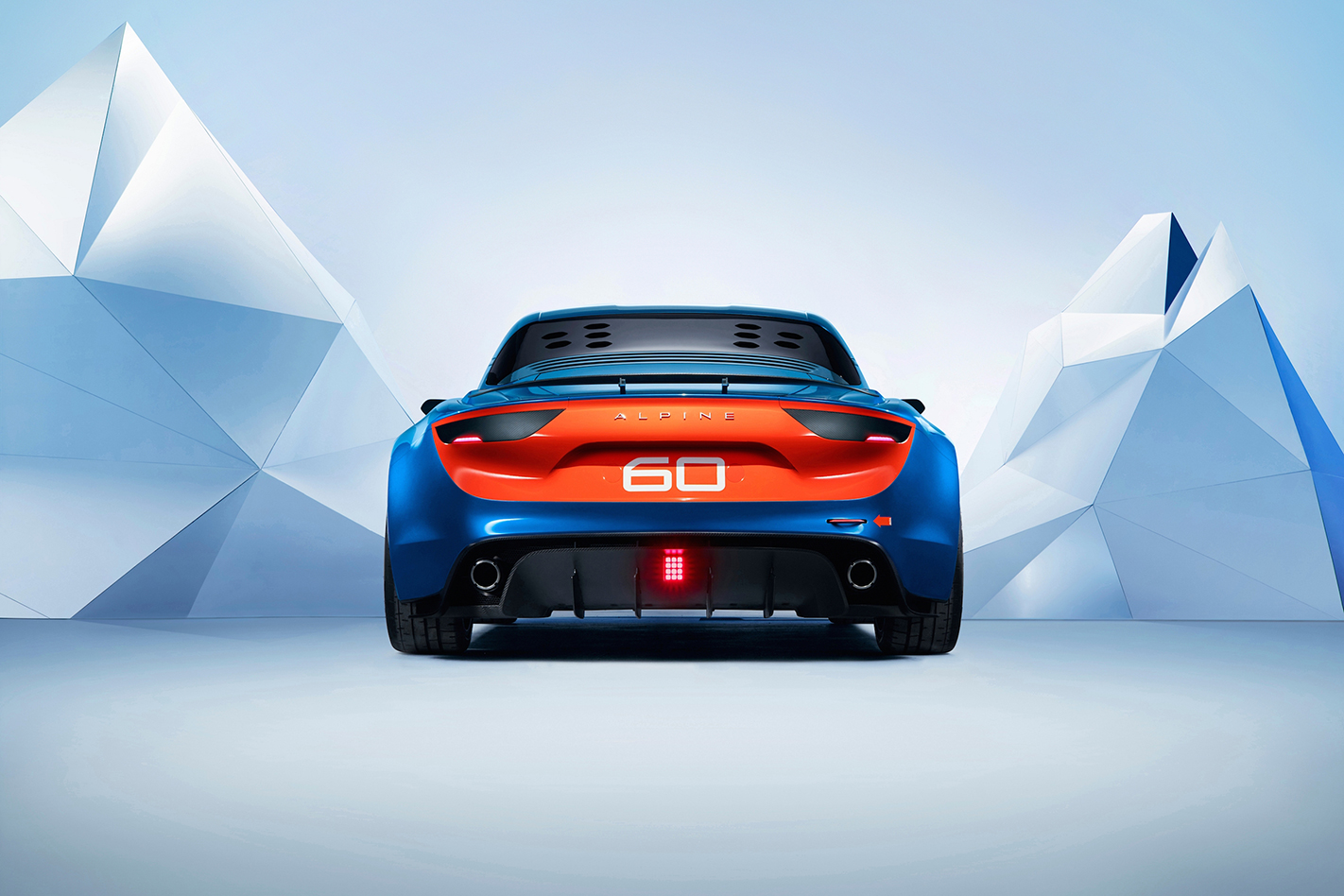
Revival of the iconic Alpine brand is a step closer after the release of this near-production concept at Le Mans.
Three years on from the unveiling of the Renault Alpine A110-50 concept at the Monaco Grand Prix, which celebrated 50 years since the release of the legendary Alpine Berlinette, comes a closer-to-reality Alpine Celebration concept – and it too has something to celebrate, in this case six decades since the brand’s Circuit de la Sarthe streak from 1963 to 1969.

The Alpine Celebration has softer, more elegant surfacing than the 2012 concept, giving the best indication yet of what next year’s road-going version will look like. Pointers such as carbon detailing on the side sills, air intake and mirrors are used “to highlight the high-tech features of the car’s body”, indicating kerb weight will be a key consideration.
Rear three quarter cooling ducts and rear window louvres reveal the mid-rear engine design, and although drivetrain details aren’t yet disclosed, a 1.6-litre turbo and six-speed dual-clutch automatic from the Clio RS is widely expected.
Other styling elements look back on the past, such as wheel design that is a throwback to the A110 and A310 of the 1970s, while round, masked headlights give a nod to the adhesive strips used over headlights on race cars to keep them from breaking.

“The Alpine Celebration faithfully replicates the timeless style of Alpines of old whilst adding a modern twist,” announced Alpine CEO, Bernard Ollivier.
“Its low profile, sloping, creased bonnet, sculpted sides, distinctive rear window and other design details are all clear echoes of models like the A110 that have featured so prominently in Alpine’s glorious history.

“With no need for gimmicks to stand out from the crowd, the beauty of the Alpine Celebration resides in its simplicity.”
Ollivier spoke with Australian media at the Paris motor show last October, revealing that an official production model will lob in 2016, a manual will be unlikely and a sub-1000kg kerb weight is the target.
According to the Alpine boss, the production car will sit “somewhere between a Porsche Cayman and an Alfa 4C … Alpine will be premium, with a French touch.”
The mid-engined, rear-drive production car will be built in right-hand drive, and Renault Australia is keen to get the car here for between $60K and $90K sometime after next year’s release.
Porsche makes it 17 wins; rain sees Will Power fail to convert pole to victory; Rossi and Lorenzo now a single point apart; Kiwi upstart makes Sebastien Ogier work for it in Italy
PORSCHE has won the Le Mans 24 hours for a record 17th time, breaking Audi’s stronghold on the race. German F1 driver Nico Hulkenberg and co-drivers Nick Tandy and Kiwi Earl Bamber won by more than a lap over fellow Porsche team car of Aussie Mark Webber, Brendon Hartley and Timo Bernhard. The Audi of André Lotterer, Marcel Fässler and Benoît Tréluyer completed the podium.
Toyota failed to front for the race in terms of speed, finishing well down the field, while there was heartbreak in the GTE-AM class, with the number 98 Aston Martin crashing from its leading position with a mere 45 minutes of racing left, handing victory to the Ferrari 458 of Voctor Shaytar, Anrea Bertolini and Aleksei Basov.For our Le Mans race report, click here.
Rain provides surprise IndyCar result
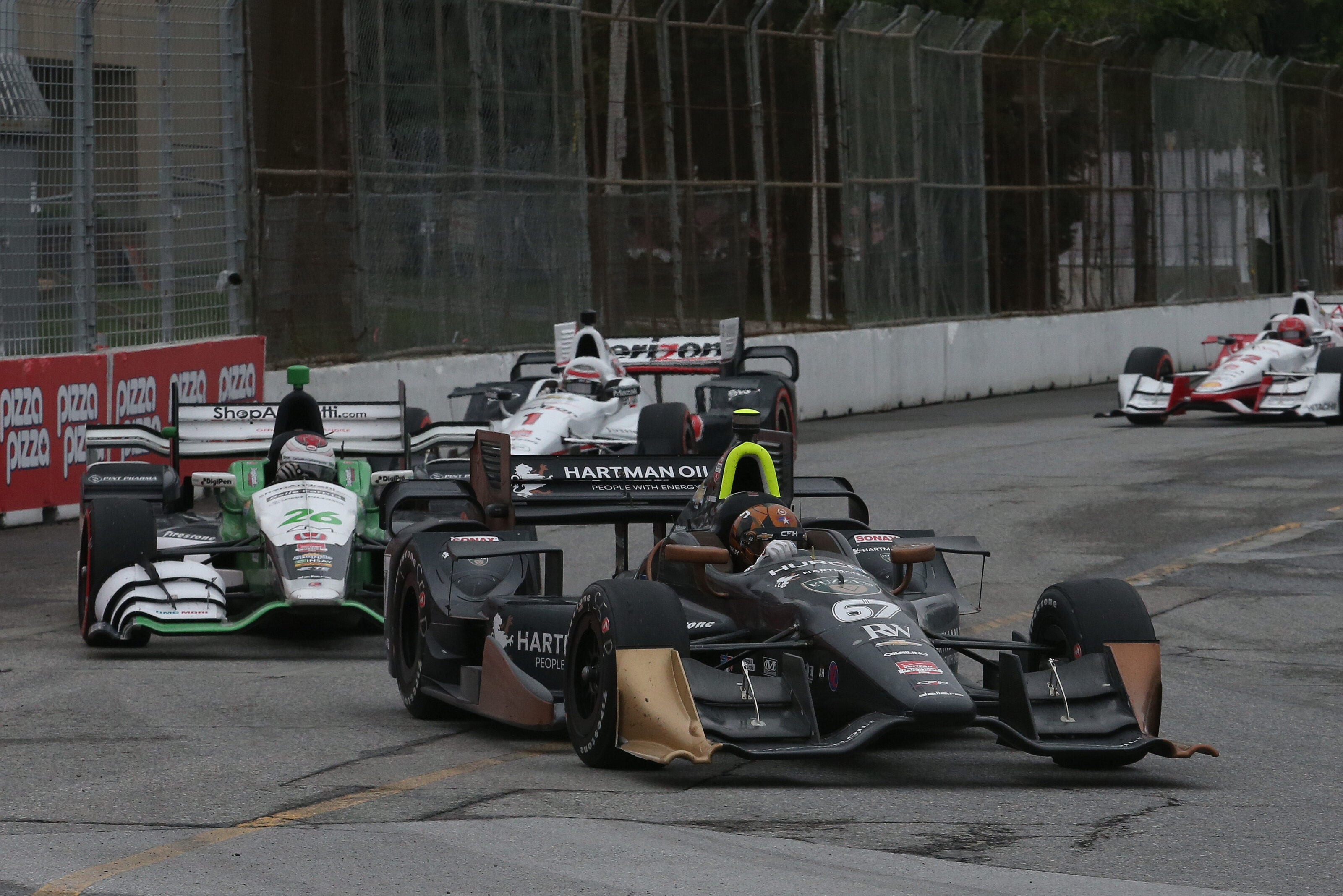
Josef Newgarden took a surprise win at the Toronto round of the IndyCar World Series, after a slick pit-stop from his CFH team under yellow flags put the 24-year-old into the lead. Newgarden, who started from 11th on the grid, led home his teammate Luca Filippi by 1.3385sec.
Aussie Penkse driver Will Power started from pole position and led the race until lap 29, when the worsening conditions saw a full-course yellow, where the CFH Racing crew managed to jump the field with both of its cars, Newgarden getting into the pits for a tyre change before pitlane was closed.
Team Penske drivers Helio Castroneves and Will Power finished third and fourth ahead of Sebastien Bourdais in fifth. Juan Pablo Montoya retains the IndyCar points lead with his seventh place, ahead of Power in the standings and Scott Dixon who finished eighth.
Newgarden is a star in the making, having won earlier in the year at Alabama.
MotoGP, Catalunya, Spain: Lorenzo continues his momentum with another win
Spain’s Jorge Lorenzo won his fourth consecutive MotoGP, leading from start to finish. Lorenzo held off a late challenge from Yamaha teammate and championship leader Valentino Rossi, with Lorenzo’s win seeing him a single point behind Rossi’s 138 in the overall standings.
The final podium position was filled by Dani Pedrosa.
Suzuki surprised the paddock by taking out the first two grid spots, with Spaniard Aleix Espargaro setting a fastest-ever time, just ahead of countryman Maverick Vinales. This was Suzuki’s first MotoGP pole since 2007 and Espargaro’s second ever but euphoria needed to be tempered by the Suzuki team’s participation in an open class which allows concessions such as soft tyres.
More significant was Jorge Lorenzo’s golden season continuing with third spot on the front row of the grid for Yamaha, ahead of Marc Marquez, who crashed out of the race.
WRC Rally d’Italia: Kiwi Hayden Paddon takes fight to Ogier
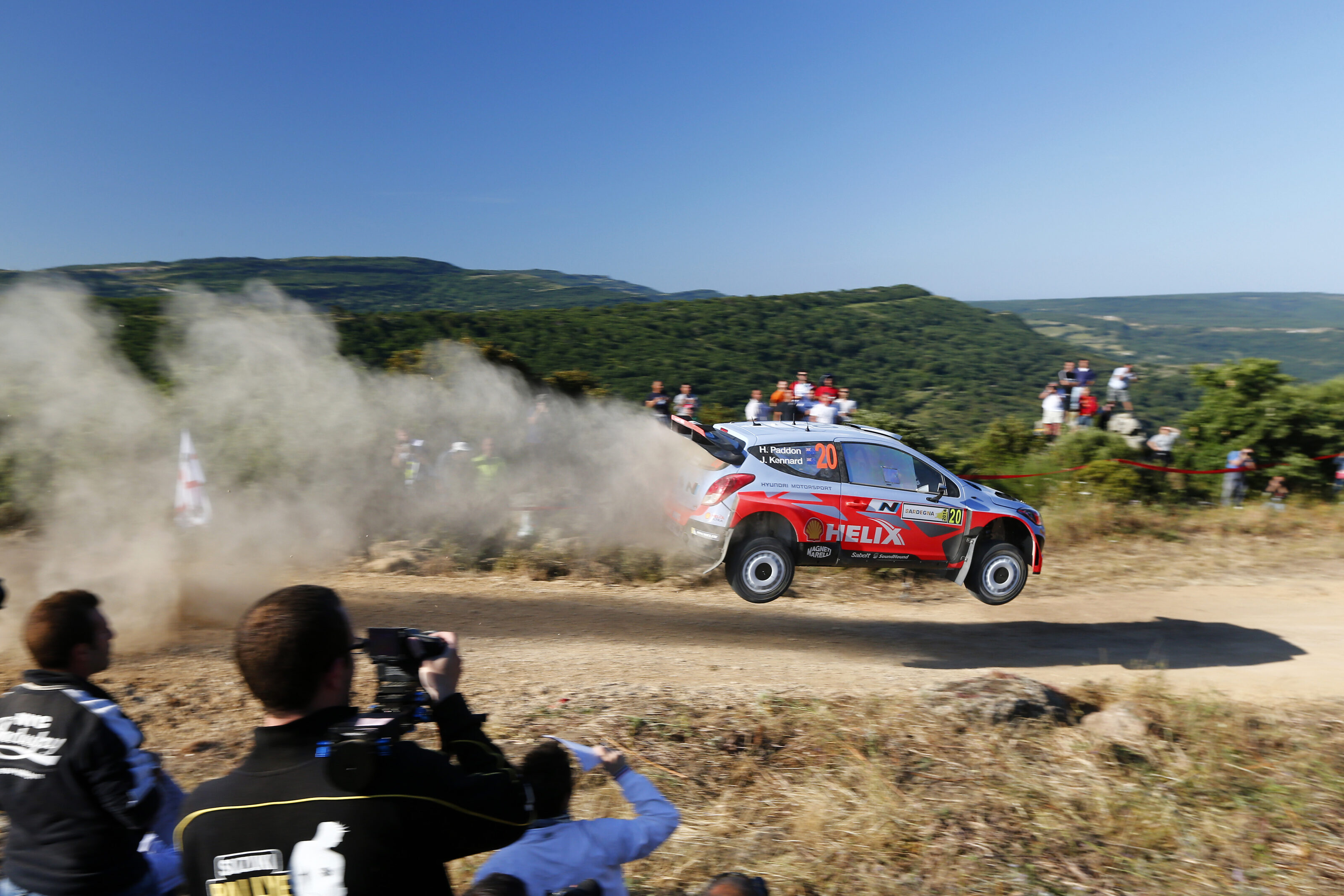
Sebastien Ogier in his Volkswagen Polo R might have won the Rally d’Italia on Sardinia’s car-breaking roads, but he spent the first two days playing catch-up to 28-year-old Kiwi Hayden Paddon in his Hyundai i20. Unfortunately, Paddon had a minor spin on SS17, allowing Ogier back into the lead, but the Kiwi had made his point.Paddon later experienced transmission issues after hitting a rock, allowing Ogier to widen the gap that eventually stretched to beyond three minutes, with Paddon completing the rally in second place.
Hyundai third when Thierry Neuville overtook Mads Østberg who had a spin late in the event.
Elfyn Evans’ M-Sport Ford Fiesta RS WRC finished 4th ahead of Østberg’s Citroen in 5th and Jari-Matti Latvala 6th in the second VW who was plagued by tyre issues after winning the last event in Portugal. The Super Special Stage was dominated by the three Volkswagen Polos.
While it was Ogier’s fourth win of the season and first since Rally Mexico back in March, it was the performance of Paddon that set tongues wagging.
Senior Isle of Man TT: Red flags again stop race
In a repeat of Sunday’s Superbike race, the Friday Senior TT was red flagged following an accident, this time after only one and a half laps. Spectators held their collective breath at this 60km long circuit where 246 riders have been killed on the public roads that meander through villages and plummet down mountainsides, enabling the leading bikes to reach 320km/h.
Although the accident caused serious injuries to Jamie Hamilton who had a tank-slapper that sent him into a tree, the good news is the 24 year old Ulsterman is expected to recover fully.
Such was the scale of the damage, road sweepers had to be deployed before the race could be restarted. Ian Hutchinson had been leading by 1.7sec over John McGuinness’ Honda but after the restart, 43 year old McGuinness took control of the remaining four laps, breaking the outright lap record on the way to his 7th Senior TT win and 23rd victory around the Isle of Man. He finished 14 seconds ahead of James Hillier while Ian Hutchinson completed the podium.
Sign up here to receive the latest round-up of Wheels news, reviews and video highlights straight to your inbox each week.
PORSCHE has ended the recent dominance of Audi with an emphatic win at the Le Mans 24 Hours.
THE number 19 Porsche 919 Hybrid of Nico Hulkenberg, Nick Tandy and Kiwi Earl Bamber crossed the finish line a lap ahead of team mates Mark Webber, Brendon Hartley and Timo Bernhard to complete the one-two victory.
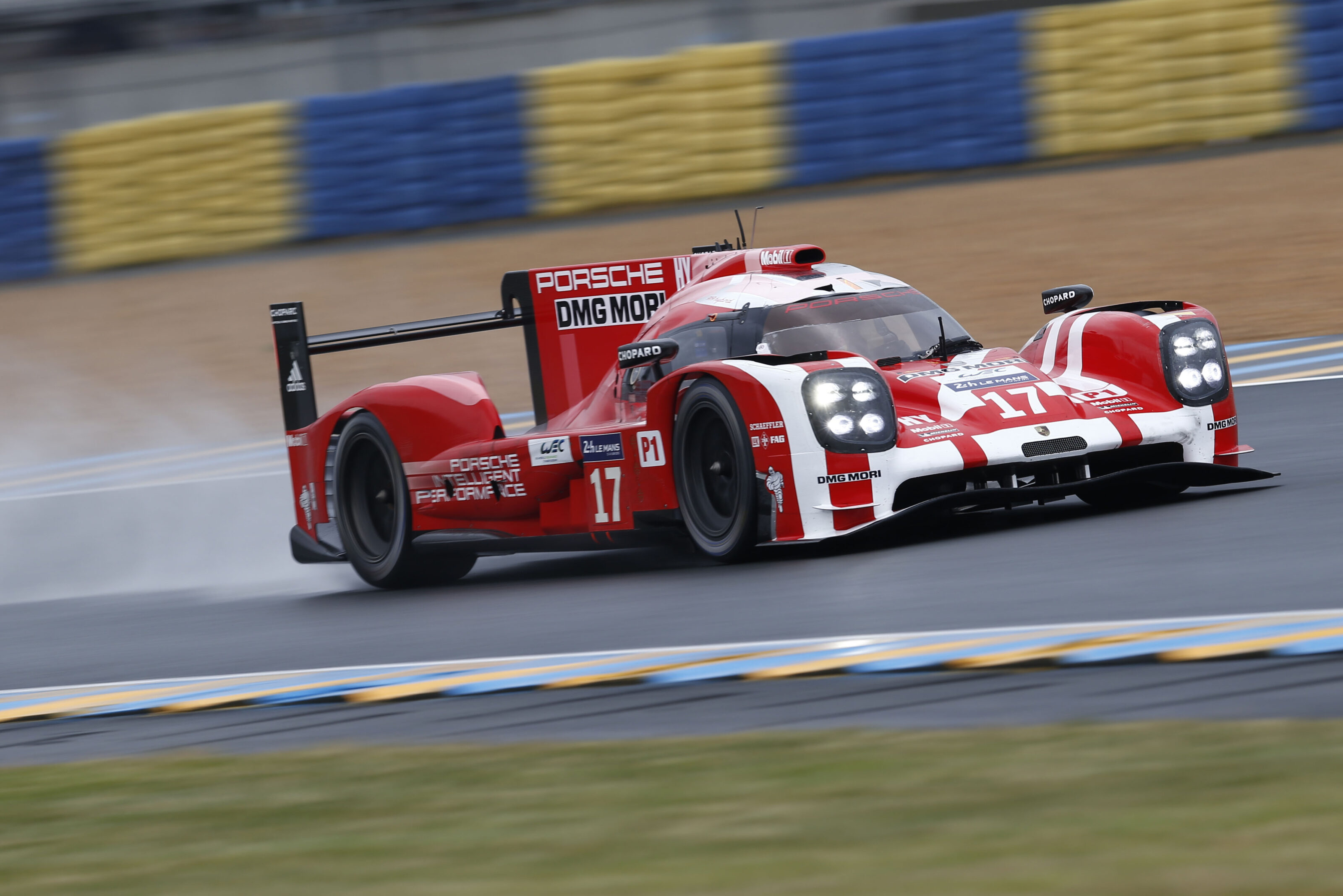
The battle with Audi lasted virtually all race with the Porsches asserting dominance only in the last eight hours. The number 7 Audi R18 e-tron quattro driven by Marcel Fassler, Andre Lotterer and Benoit Treluyer completed the podium, finishing two laps behind the leader.
It was Porsche’s 17th victory at Le Mans and its first since 1998. The company only re-entered the World Endurance Championship last year, spearheaded by ex-Formula One pilot Webber.
It was a current F1 driver who took home the big trophy however, and the moment must have been sweet for the hugely talented Hulkenberg who was unable to attract the attention of the bigger F1 teams this season.
Of the other LMP1 outright contenders, the number 8 Audi finished fourth and the number 9 car was seventh after an off in the latter stages of the race damaged its front end.
The number 8 Audi was in the wars early in the race when driver Loic Duval seemed to misjudge the speed of cars slowing for a previous yellow flag sector, got his car into the grass and biffed the wall. A new nose fixed the damage but at least a minute was lost in the crucial early stages of the race.
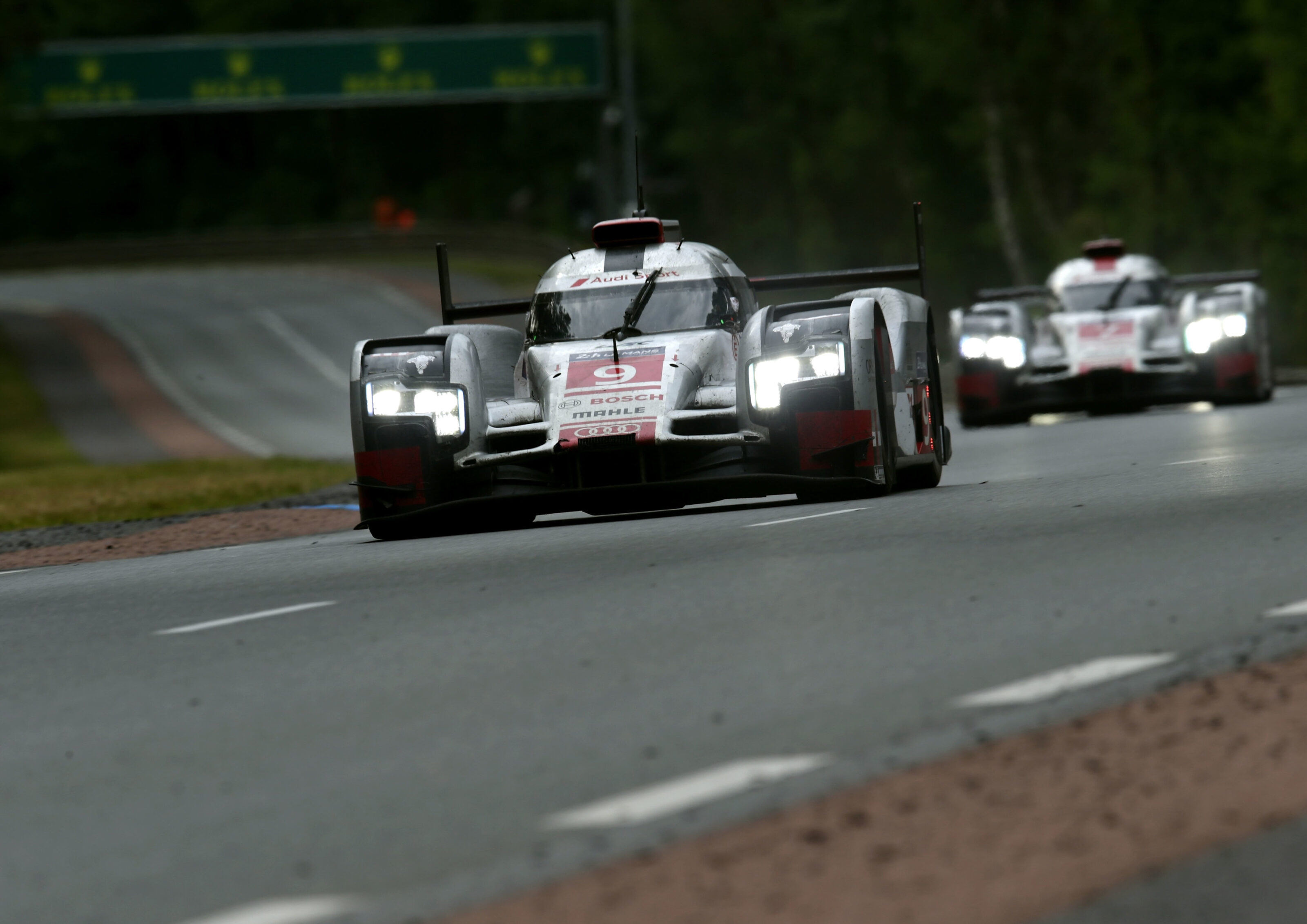
In fact, it does not diminish Porsche’s huge effort this weekend to say that the balance of good fortune was tilted slightly further in its way than Audi’s.
The winning car ran the full 24 hours virtually without issue, completing 395 laps and 5372km in a race run without the rain predicted beforehand until a small shower in the last 30 minutes of the race.
The number 17 Porsche lost a chunk of time when New Zealander Hartley was penalized for speeding during a yellow-flagged slow zone. Mark Webber served the one minute stop-go pitlane penalty late on Saturday night during his marathon stint and was never able to recover the deficit.
Toyota’s TS040 Hybrid was reliable but not able to match the pace of the Germans either in qualifying or race, and the two car team came home sixth and eighth, split by the third Audi.
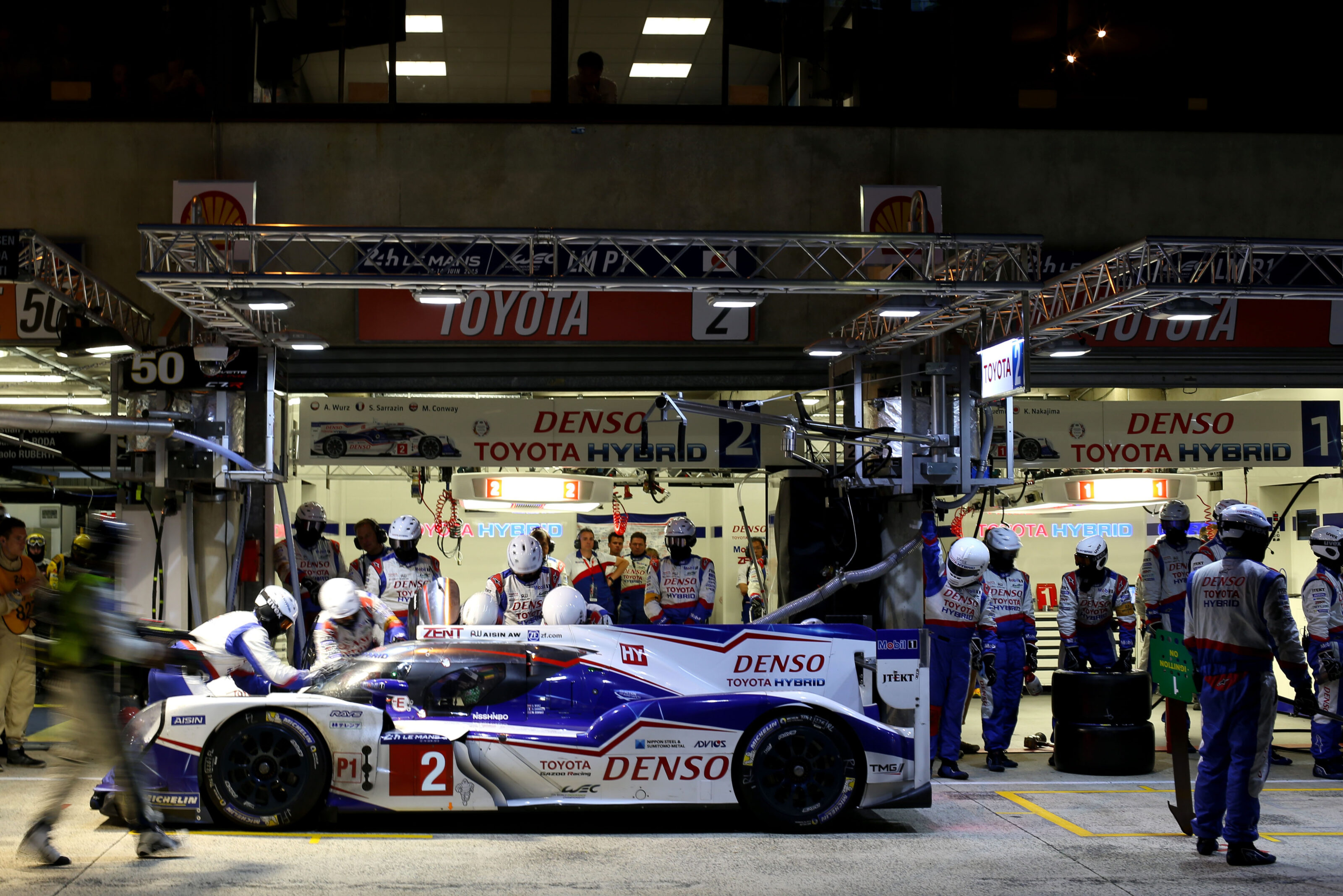
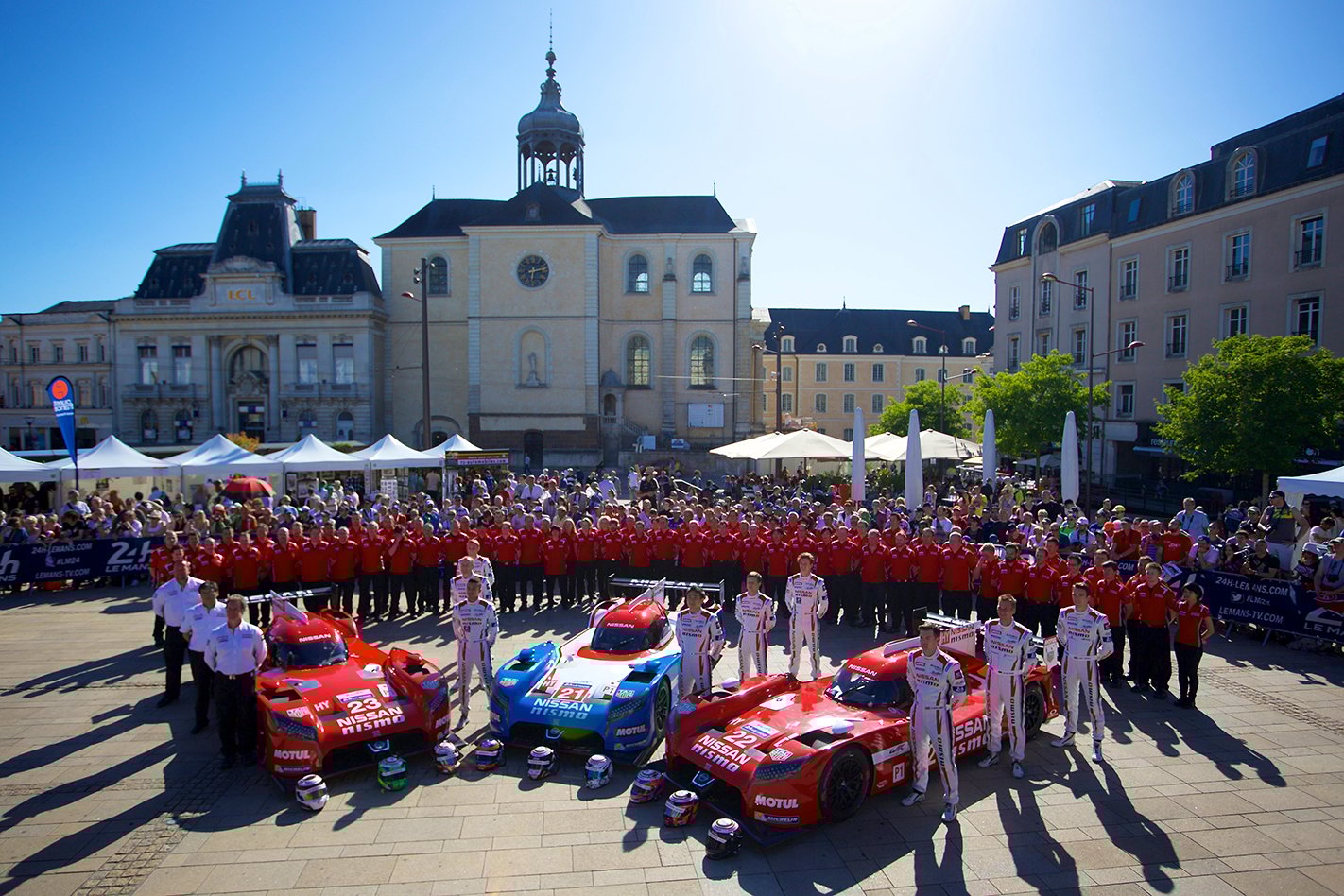
Nissan’s debut in LMP1 was fraught with difficulty as the Nismo team completed what was virtually a public test session in its underdeveloped GT-R LM.
Steering, handling, bodywork and braking problems conspired to put the three front-engined, front-drive Nissans at the rear of the field.
Even so, it looked like two cars would finish before an engine fire put paid to the number 23 car only an hour from the chequered flag.
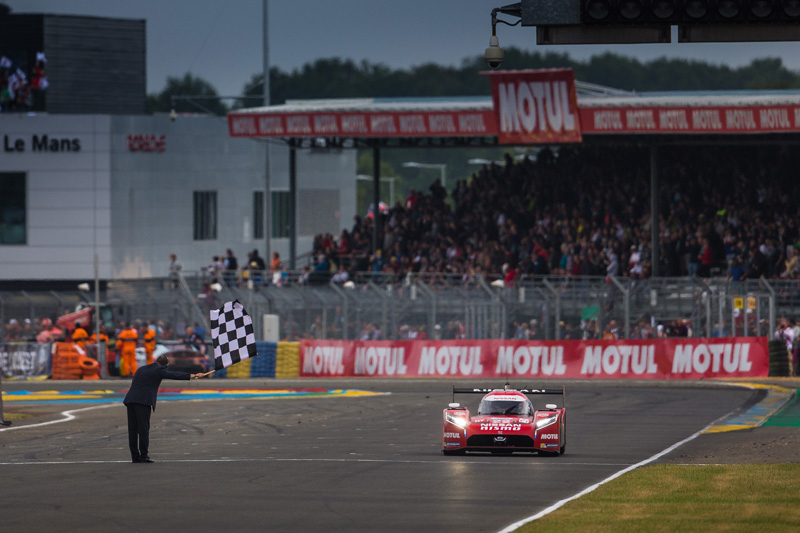
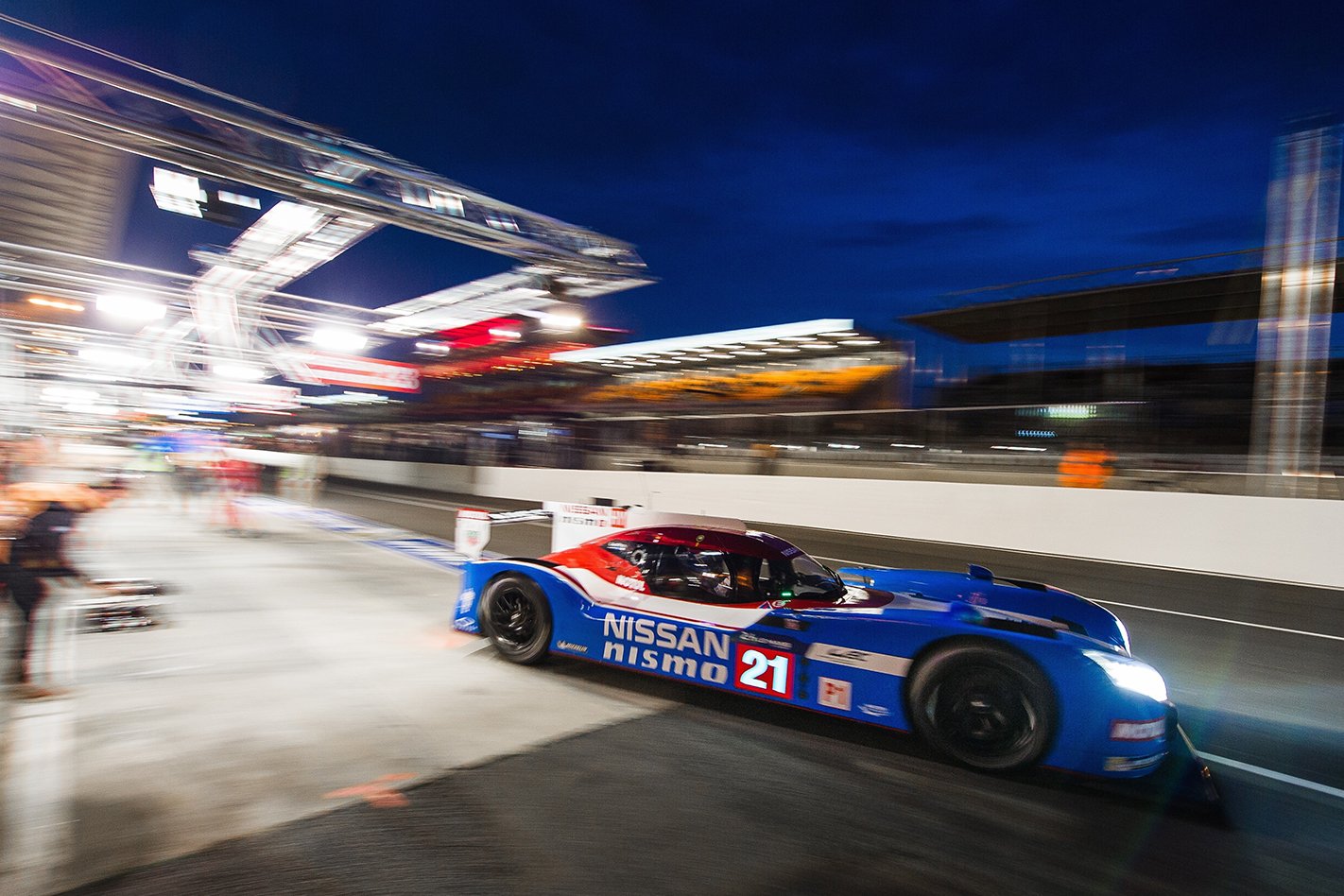
The number 22 car driven by sometime V8 Supercar pilot Alex Buncombe, Michael Krumm and Harry Tincknell crossed the finish line amid scenes of jubilation by the team that were remarkable if only because the car finished dead last out of 40 Le Mans 2015 survivors.
Sign up here to receive the latest round-up of Wheels news, reviews and video highlights straight to your inbox each week.
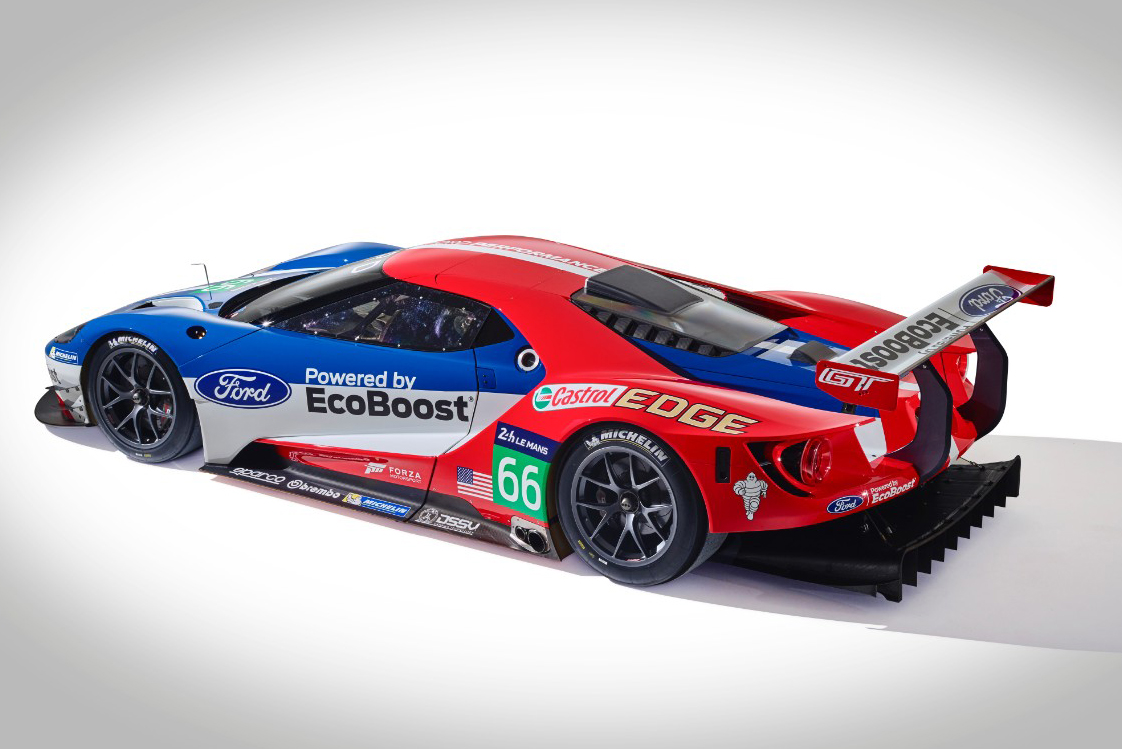
Ford has announced it will return to the Le Mans grid in 2016 with its new GT supercar.
It has timed its return to commemorate 50 years since Ford’s first Le Mans win in 1966, when it secured a 1-2-3 finish with the iconic GT40, a victory it backed up in 1967, 1968 and 1969.
The cars will be entered in the GTE Pro class and run by legendary US race team Chip Ganassi Racing.
“When the GT40 competed at Le Mans in the 1960s, Henry Ford II sought to prove Ford could beat endurance racing’s most legendary manufacturers,” said Bill Ford, executive chairman, Ford Motor Company.
“We are still extremely proud of having won this iconic race four times in a row, and that same spirit that drove the innovation behind the first Ford GT still drives us today.”
Like the road car, the Ford GT GTE will be powered by a 3.5-litre twin-turbo EcoBoost V6 and feature a extensive use of carbon fibre.
While Le Mans is the headline act, Ford will campaign the GT in both the full FIA World Endurance Championship and the US-based TUDOR United Sportscar Championship, making its competition debut at the 24 Hours of Daytona in January 2016.
Get your free weekly report from the world of fast cars – subscribe to the MOTOR newsletter!
Stunning GT concept car is the basis for a comeback to the famous enduro, five decades on from Ford’s first triumph in 1966
FORD will return to the Le Mans 24-hour in 2016 using the Ford GT supercar that was shown at the 2015 Detroit Motor Show.
Ford will not only compete in the legendary French race, which is being held this weekend at the Circuit de la Sarthe, but the entire FIA World Endurance Championship in the LM GTE Pro class. The first event for the team, which will be operated by Chip Ganassi Racing with Felix Sabates – a partnership that’s seen success in both IndyCar and NASACAR events – will be the Rolex 24-hour at Daytona in January 2016.
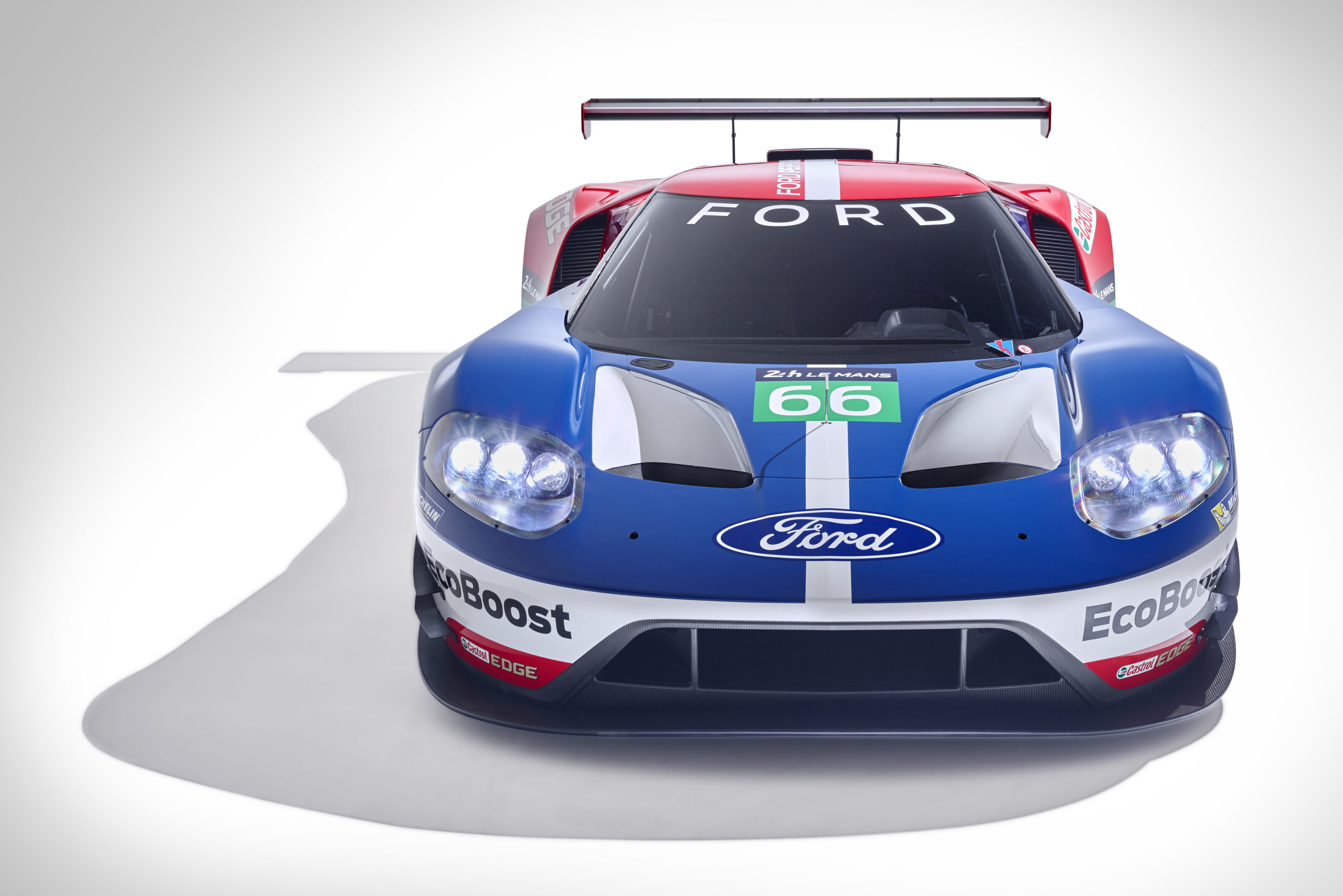
When the Ford GT concept was shown at the Detroit show in January, it wasn’t difficult to connect the dots that the brand was staging a comeback to Le Mans, especially with 2016 the fiftieth anniversary of the first of four consecutive victories in the race with the iconic Ford GT40.
Ford joins Porsche, Audi, Toyota, Aston Martin, Bentley, Ferrari, Chevrolet and Nissan as sports car racing continues to lure manufacturers to the envy of categories including Formula One. The car maker claims that its entry into both series is ‘a further proof point of Ford innovation’ despite the fact that it’s not competing in the top-level category alongside Mark Webber’s Porsche 919 and the high-tech Audi and Toyota entries.
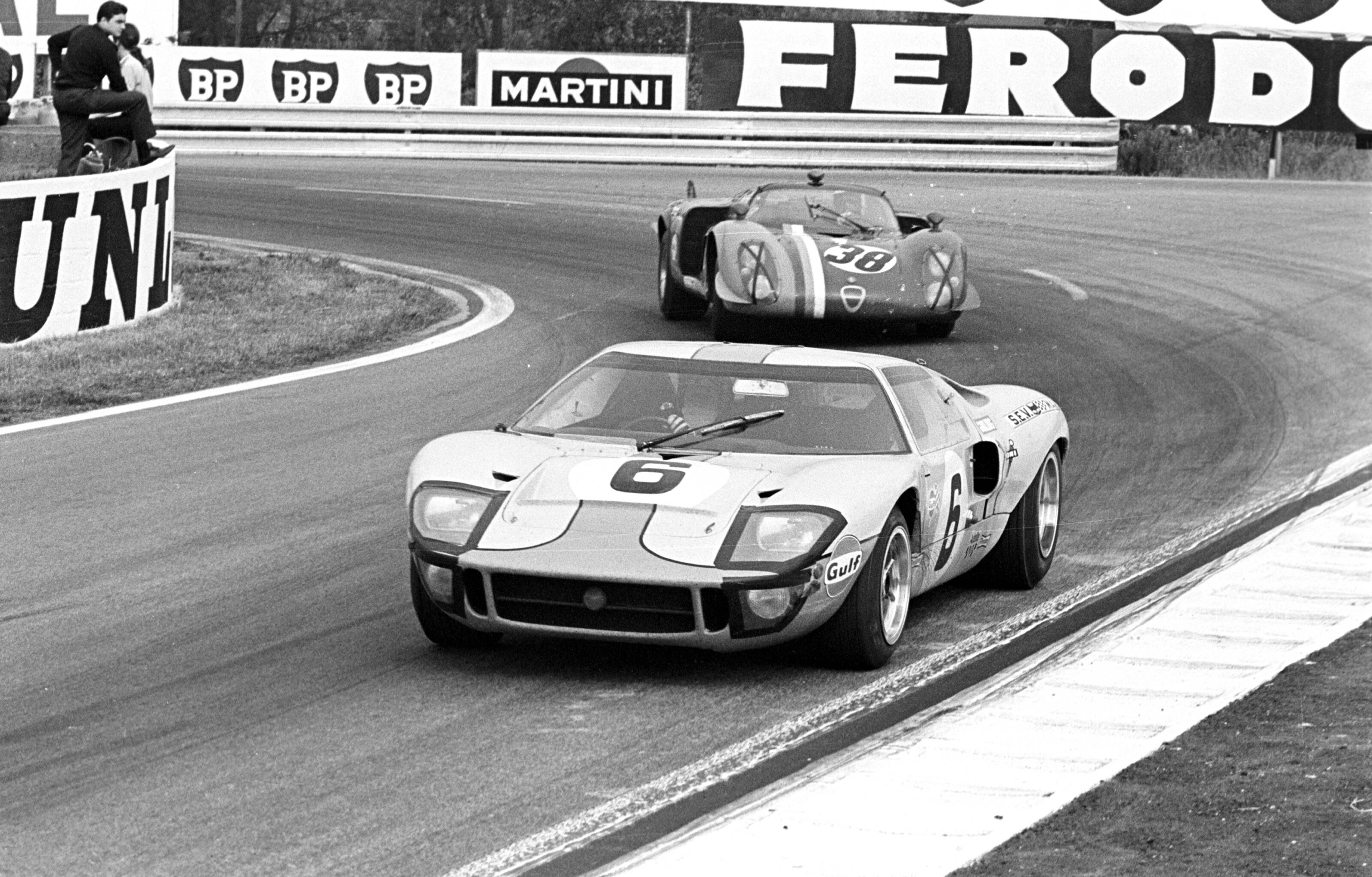
What we will indeed see is a race version of the 3.5-litre V6 that was mid-mounted in the show car, with the development carried out by the legendary Roush outfit that currently specialised in highly-tuned Ford Mustangs. The GT will also rely heavily on carbonfibre, from its body parts to wheels. Indeed, Ford claims that the GT will be the first production car to market with carbonfibre wheels.
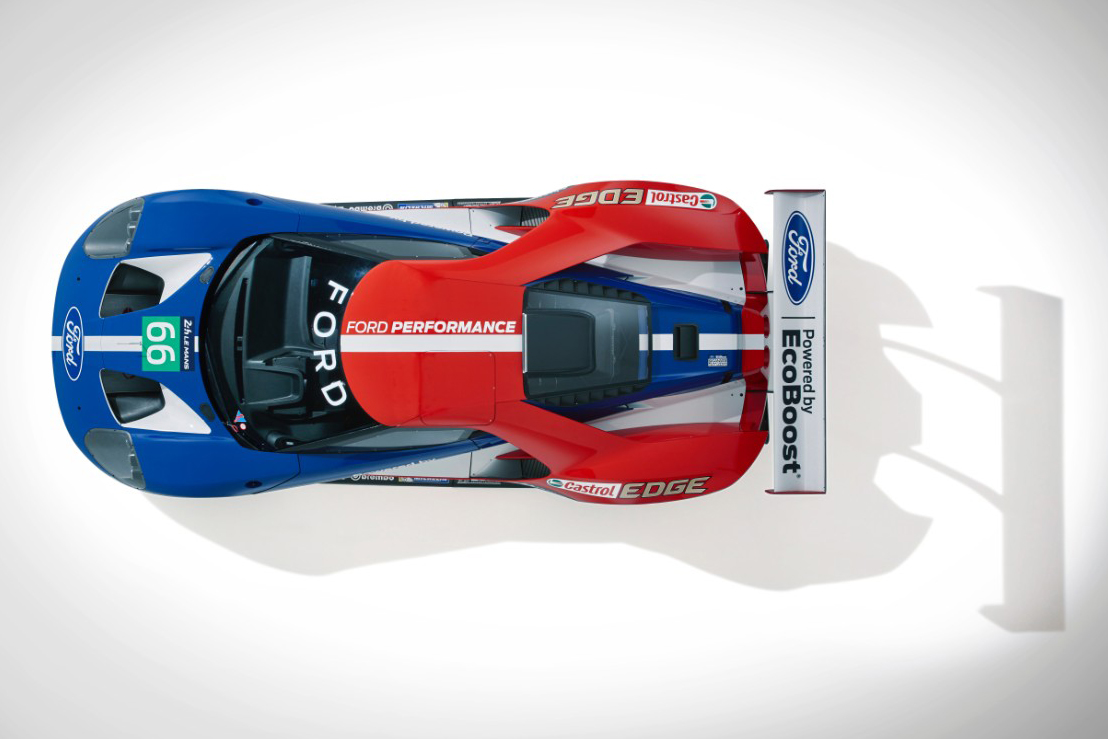
“As we developed the Ford GT, from the outset, we wanted to ensure we had a car that has what it takes to return Ford to the world of GT racing,” said Ford vice president and chief technical officer, Raj Nair. “We believe the Ford GT’s advances in aerodynamics, light-weighting and EcoBoost power will make for a compelling race car that can once again compete on a global stage.”
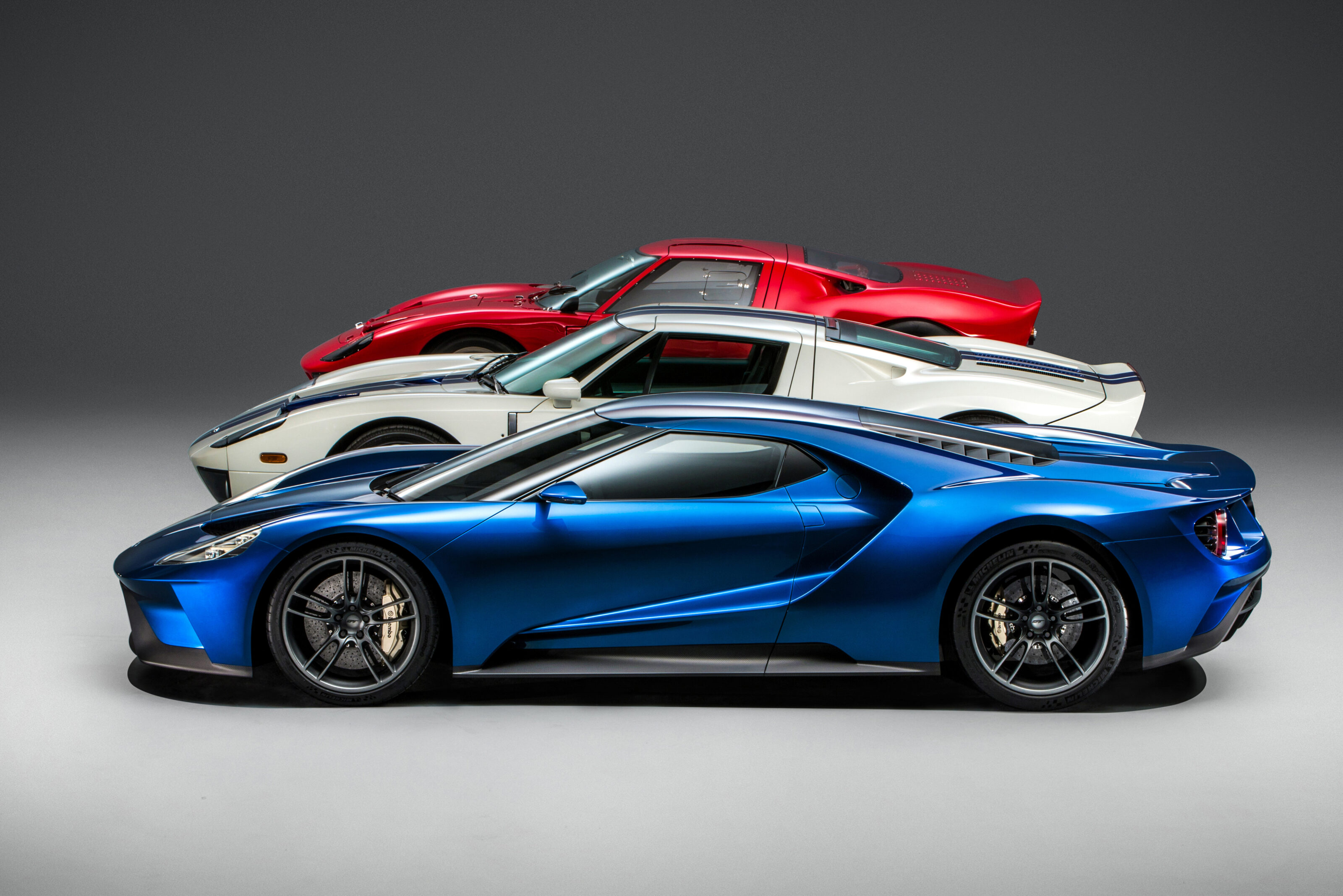
The announcement is part of a push for road-going Ford Performance line-up that in addition to the GT includes the Ford Focus RS, Focus ST and Fiesta ST, as well as the Ford F-150 Raptor and hot versions of the Ford Mustang including the Shelby GT350 and GT350R.
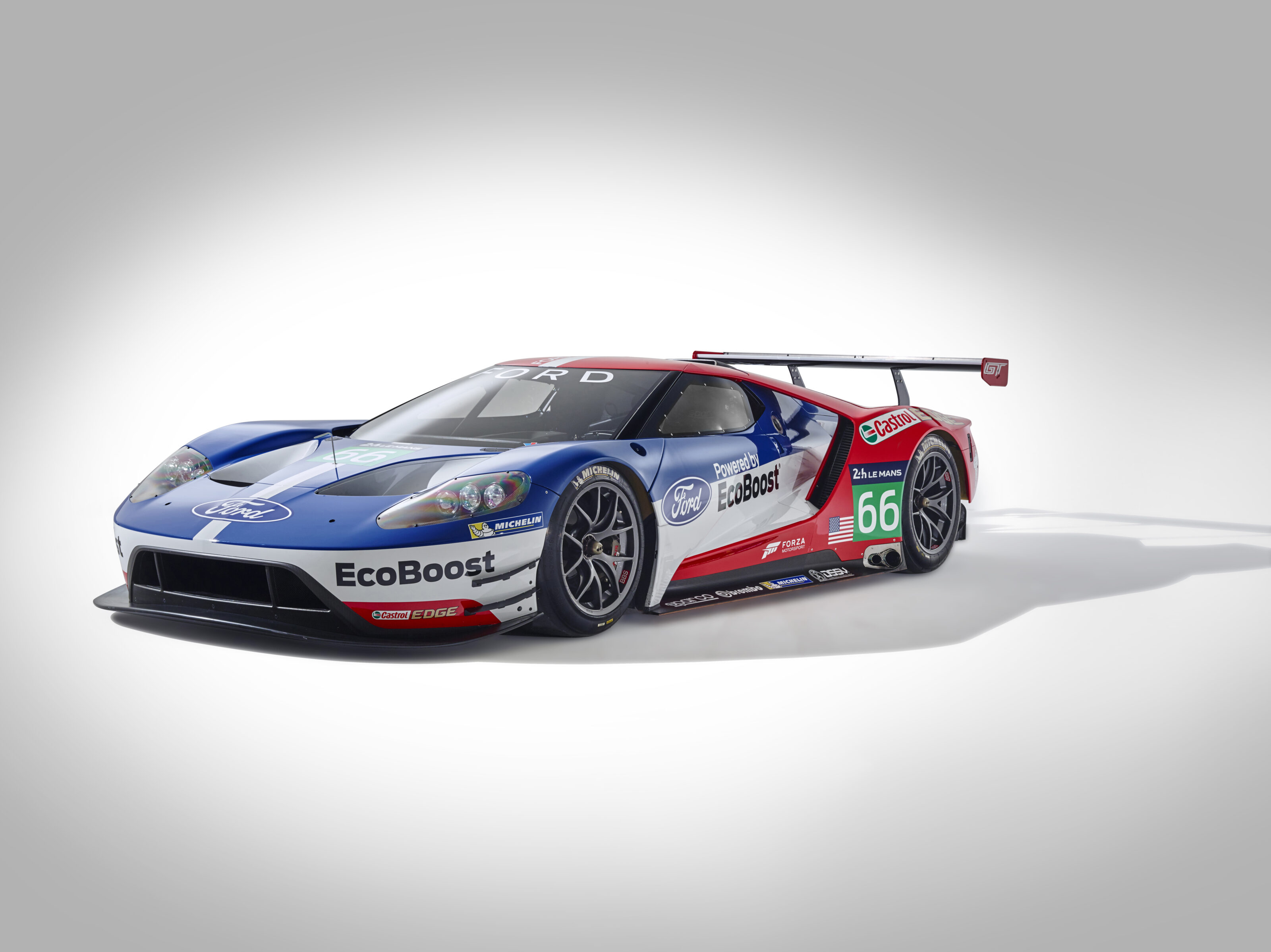
Sadly, while the news is welcomed among racing and supercar fans, the GT won’t make it to Australian showrooms when the production model arrives in 2016, as the limited production run of 250 cars will be left-hand drive only.
Sign up here to receive the latest round-up of Wheels news, reviews and video highlights straight to your inbox each week.
Need something to get you through to knock-off time on a Friday afternoon? Sit back and enjoy the Wheels film library, including the new Lambo’s ferocious attack on the famous strip of German blacktop…
In recent years, Nissan has developed a reputation for doing things a bit differently when it comes to motor racing.
Rather than follow convention, it’s had the courage to try and bring something genuinely new to the motorsport table, and it’s an approach that has led the company back to Le Mans with the radical GT-R LM, the first time Nissan will have competed in the top category since the late 1990s with its R390 GT1.
Unlike its far more conventional predecessor, this second GT-R LM is a showcase of radical and controversial engineering. Following on from its ground-breaking Deltawing and Zeod designs, Nissan is using an almost-retro front-mid-engine layout for the GT-R LM, but with a petrol V6 driving the front wheels!
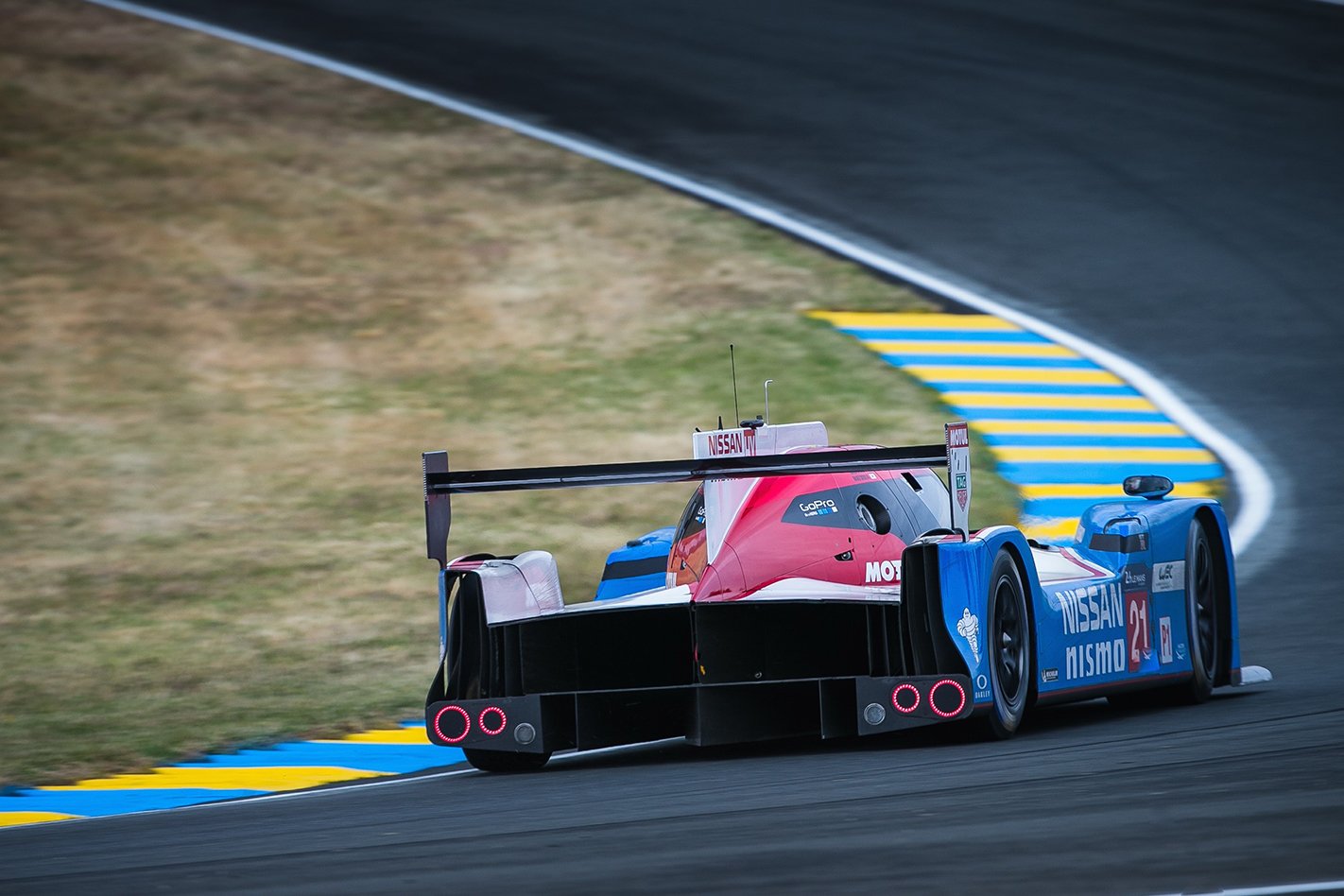
The man behind this madness is Ben Bowlby, Team Prinicipal and Technical Director of the project. Bowlby has prior form building wildly different race cars for Nissan. He’s the crazy professor who designed the radical Deltawing and Zeod, you see.
Much the same as when it entered Group A racing with the R32 GT-R, Nissan has studied the opposition and then done its own thing, as Bowlby explains. “We could have copied what Audi, Porsche and Toyota are doing, but it would have been difficult to beat them by doing that. They’ve got more experience and have put a lot of resources into their cars.”
One of the reasons for the car’s radically different approach is aero packaging and the associated rules. “If you look at the regulations you’ll see that the aerodynamics at the rear of the cars is very controlled [in terms of the wing you can run and the underbody diffuser], but they’re much more open at the front.”
The GT-R has taken some inspiration from Time Attack racing, where aero is almost a free-for-all, and used the air going around its front-mid engine differently to conventional LMP1 cars. Bowlby has used the front splitter as an inverted wing to channel bulk air under the car, like the double-diffuser on the crazy Nemo Racing Time Attack Evo from 2012.
The key difference to other LMP1 designs is that the air is used in the front to create downforce, rather than doing so with a rear-mounted diffuser. That air still needs to get out from under the car, so Bowlby added two large passages under the GT-R, with a kick up so the air passes over the diffuser in the rear and gives even more downforce. And he can achieve this advantage as there is no drivetrain taking up all the space.
“This is a very efficient solution in terms of lowering drag… you’ve seen all those louvres on the sides of the other LMP1 cars that let the air out from underneath the front of the car to the sides, we don’t do that because it’s a bit draggy. We duct it all the way back and dump it out over the top of the diffuser at the back.”
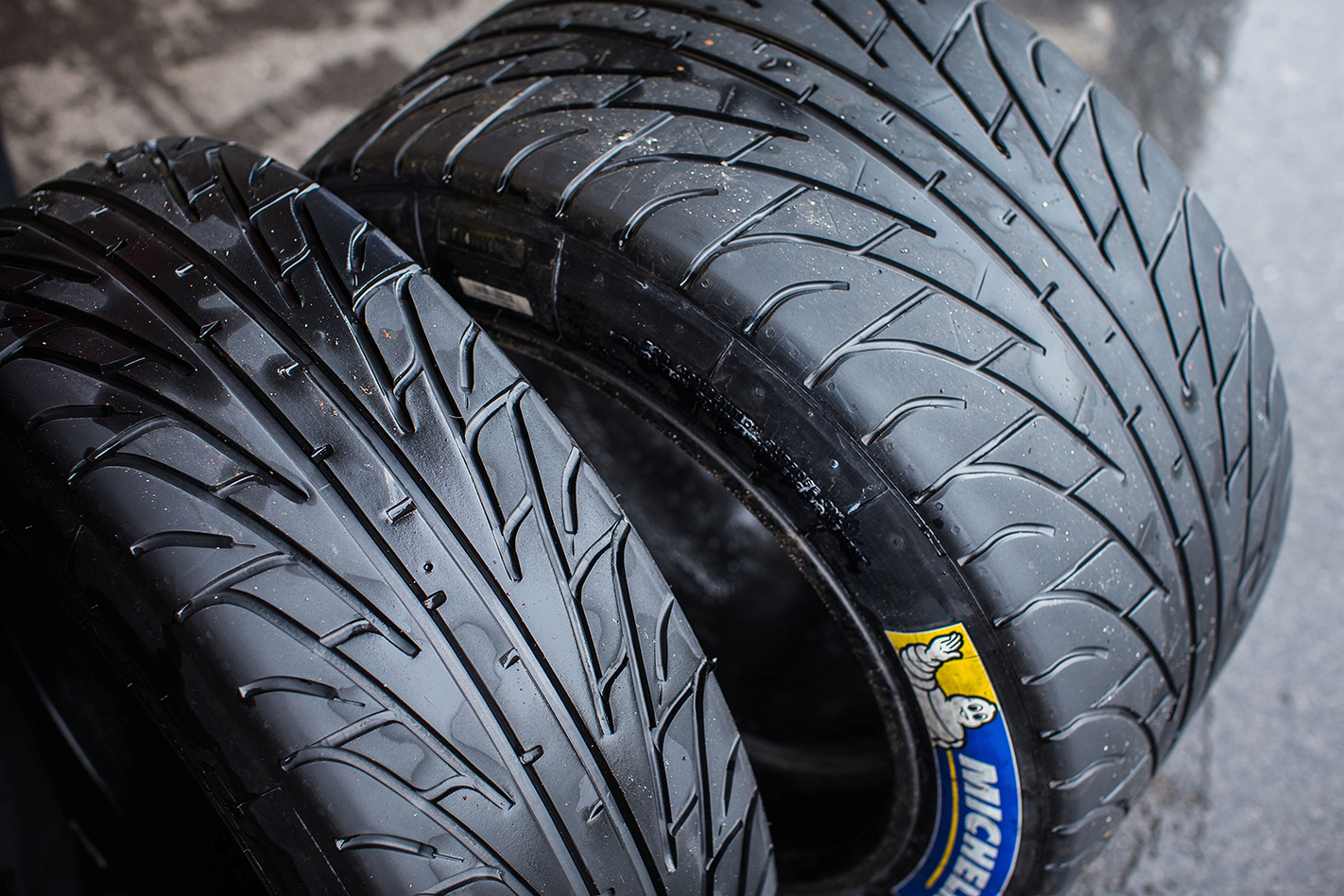
But why generate a tonne of downforce in the front? It’s handy if the heaviest parts of your drivetrain also reside in the turning end, rather than the burning end. The GT-R LM runs a 65:35 weight distribution, with 14-inch-wide front and nine-inch-wide rear tyres to balance out the nose-heavy weight and aero.
Packed snugly in the super-low-slung front is a twin-turbo 3.0-litre V6 making 410kW and peaking at 6500rpm. Bowlby says the petrol engine’s thermal losses are minimal and, thanks to exhaust pipes dumping out the bonnet, the air is processed very well.
Unlike the Group C era of sports car racing, when Nissan’s R90s made over 750kW, power isn’t the key factor to the WEC. Teams hunt efficiency thanks to FIA rules that basically require LMP1 cars to have either hybrid powertrains or a very good energy regeneration system.
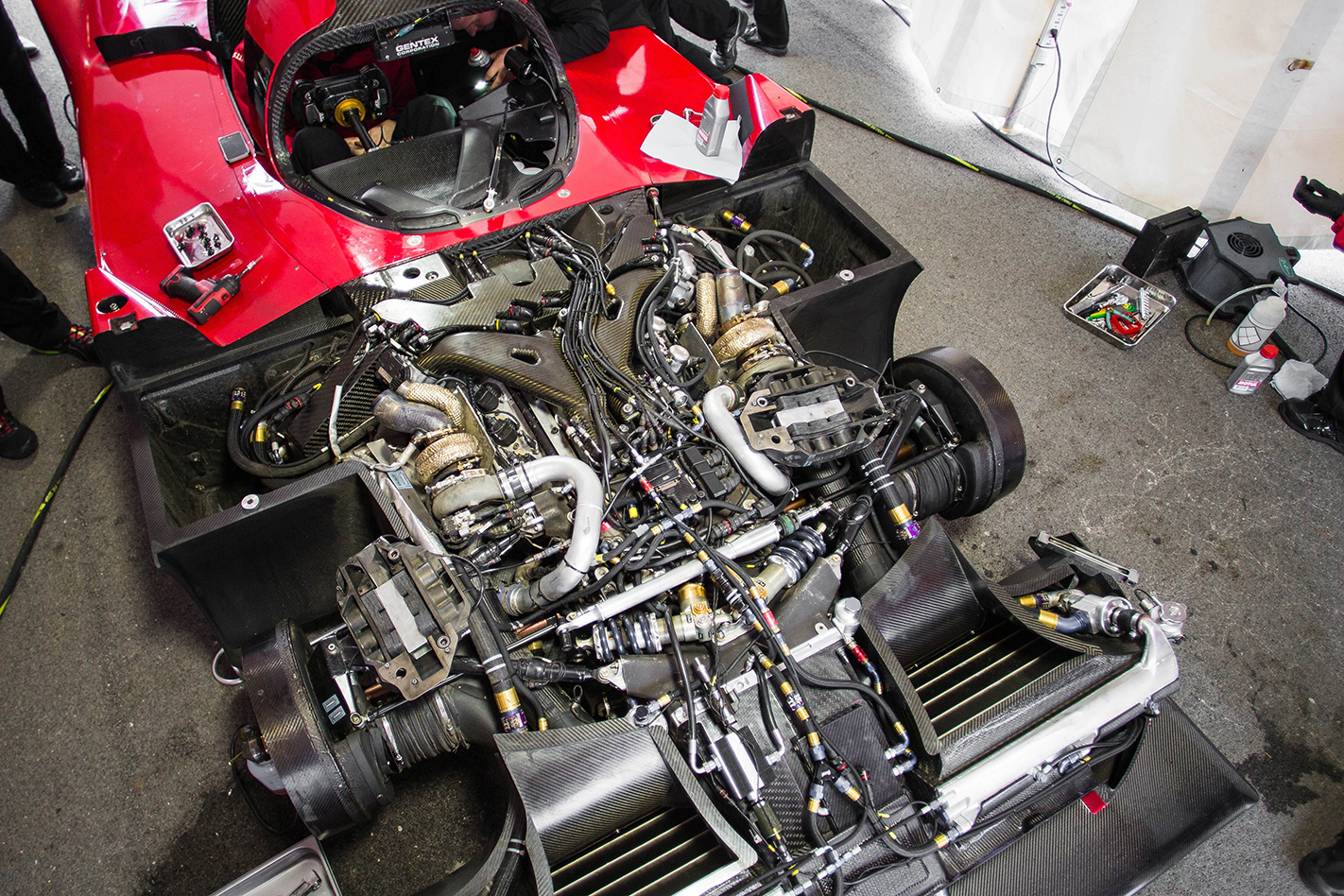
While the 2014 Nissan Le Mans challenger was the electric Zeod, Nissan has not used that experience for 2015. Instead, the Nismo GT-R runs a rear-mounted KERS-style energy regeneration system pushing up to 515kW to the wheels under acceleration. So while outright power isn’t the main goal, Nissan’s GT-R LM is capable of deploying over 930kW from its various systems. Yes, 930kW.
And here is, yet again, where the conventional and radical clash with stunning engineering. Bowlby’s team are trialling a system using traditional gears and clutches to turn an 8kg carbon and steel flywheel inside a vacuum, with a computer controlling it. Mounted horizontally on the gearbox output shaft it lies on a fore/aft axis near the valley of the motor.
As the driver applies the brakes, the computer calculates if the car’s speed should be retarded by the conventional hydraulic brakes or by the inertia of the 8kg flywheel.
The really trippy fact is the physics behind the flywheel, though. Flat out it can gain 19,000rpm per second up to a maximum of 60,000rpm, meaning the outer ring is loaded to 47,000G and spins at Mach 2.
This means, if it wasn’t housed in a vacuum, it would create a sonic boom. This kind of innovation arguably hasn’t been seen since the days of Jim Hall’s Chaparrals.
Unbelievably, despite internet experts and Saab Viggen-owners claiming the torque-steer would break the driver’s wrists before they even got into the car, Nissan has decided to run the car in front-wheel drive only for its first Le Mans outing.
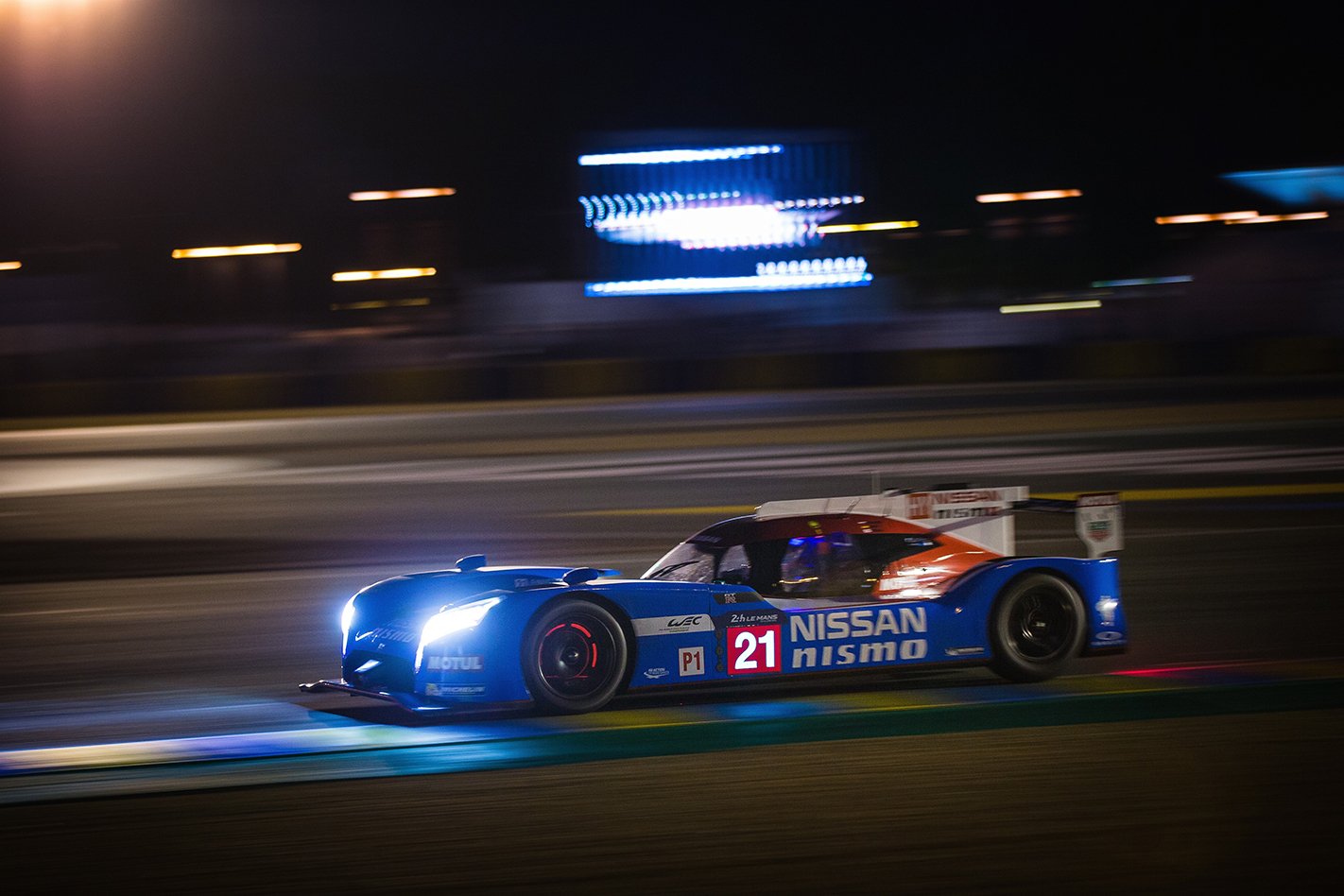
The biggest issue he sees is weight. “We’re going to be really challenged to make our weight target of 880kg when half of the weight of the car is the powertrain,” he says.
Nissan’s unconventional approach to racing extends beyond the mechanicals to its driver line-up. While ex-Formula One driver and 2009 Le Mans 24 Hour winner Marc Gené will lead the squad along with sports car regulars Michael Krumm, Olivier Pla and Harry Tincknell, Nissan is promoting at least two of its GT Academy winners to its LMP1 program.
Lucas Ordonez won the inaugural GT Academy in 2008, with Jann Mardenborough following in his footsteps in 2011. The promotion completes their journey from talented video gamers to professional race drivers competing at the highest level.
“Jann and Lucas have proved their merit as professional racing drivers time and time again,” said Nissan’s global marketing boss, Darren Cox. “These guys are proof that if you want something badly enough and are prepared to give it everything you’ve got, you will succeed.”
But can Nissan succeed? Whether or not it succeeds, we’re damn glad that one manufacturer is keeping racing interesting by thinking so far outside the box.
It looks like apocalyptic art – and this studio photographed 1 millionth produced Corvette was swallowed by a sink hole.
The wrecked ‘Vette was part of a Corvette museum in Bowling Green, Kentucky, not far from where it rolled off the line in 1992 as the one millionth example of the iconic American supercar. More than 20 years later a sink hole appeared in the middle of the museum and swallowed it in the middle of the night.
Museum officials were on February 12 2014 at 5:44am alerted to the incident by alarm sirens, only to find part of the museum floor had given way, taking along with the 1992 Corvette a 2009 ZR1 prototype lightly damaged and since restored and others. A 1962 Corvette, 1993 40th anniversary edition, 2001 “Hammer” and 2009 1.5 millionth production vehicle all of which will be kept in their sinkhole-crushed state.
The mysterious sinkhole measured 18.3 metres wide and nine metres deep. Security cameras caught the collapse and the footage has garnered over 8.5 million views on YouTube.
This week GM head of design Ed Welburn was at Bowling Green to announce restoration will commence on the 1992 Corvette convertible by the company’s mechanical assembly group at the design centre.
Already the interior is stripped back to where the names of the workers who built the car can be seen on the chassis. The restored millionth ‘Vette will form part of a sinkhole-themed display at the museum.
Get your free weekly report from the world of fast cars – subscribe to the MOTOR newsletter!
Bugatti Veyrons are for wimps. McLaren P1? LaFerrari? Yeh, they’re alright, but if you really want kudos at your next track day, you need a Koenigsegg One:1.
There’s been plenty written about the world’s first ‘Megacar’, Koenigsegg’s word for its ultimate weapon, but we haven’t seen it in action – until now.
The above video shows Koenigsegg test driver Robert Serwanksi – now there’s a pretty good job – at full speed around the epic Spa-Francorchamps track in Belgium.
Unsurprisingly, even detuned from 1000kW to ‘just’ 925kW, traction is a severe issue, but its speed down Spa’s long straights is just staggering, the speedo needle looking more like a tachometer.
If you can’t get enough One:1 action, Koenigsegg also recently took the car to Suzuka, with Serwanski showing he’s quite a dab hand at drifting, too, around the Japanese circuit’s famous hairpin.
Get your free weekly report from the world of fast cars – subscribe to the MOTOR newsletter!
BMW has come out swinging with a better value, better-driving update to its smallest, most affordable model, the 1 Series.
WHAT IS IT? An update to BMW’s five-door hatchback, the 1-Series. The current shape went on sale in 2011 and this is the biggest facelift before a next generation front-drive model.
WHY WE’RE TESTING IT It’s a big seller for BMW (accounting for 10 percent of sales) and has undergone a decent transformation, so we hopped along to the media launch to check it out.
MAIN RIVALS Mercedes-Benz A-Class and Audi A3. Some Volkswagen Golf variants also cross over into 1 Series territory too.
THE WHEELS VERDICT Still a great car to drive, now with a much more convincing value equation. Shame about the back seats.
PLUS: Rear-drive dynamics; willing engines; intuitive and sharp-shifting eight-speed MINUS: Tight back seat; 118i performance only adequate; 125i doesn’t look special enough
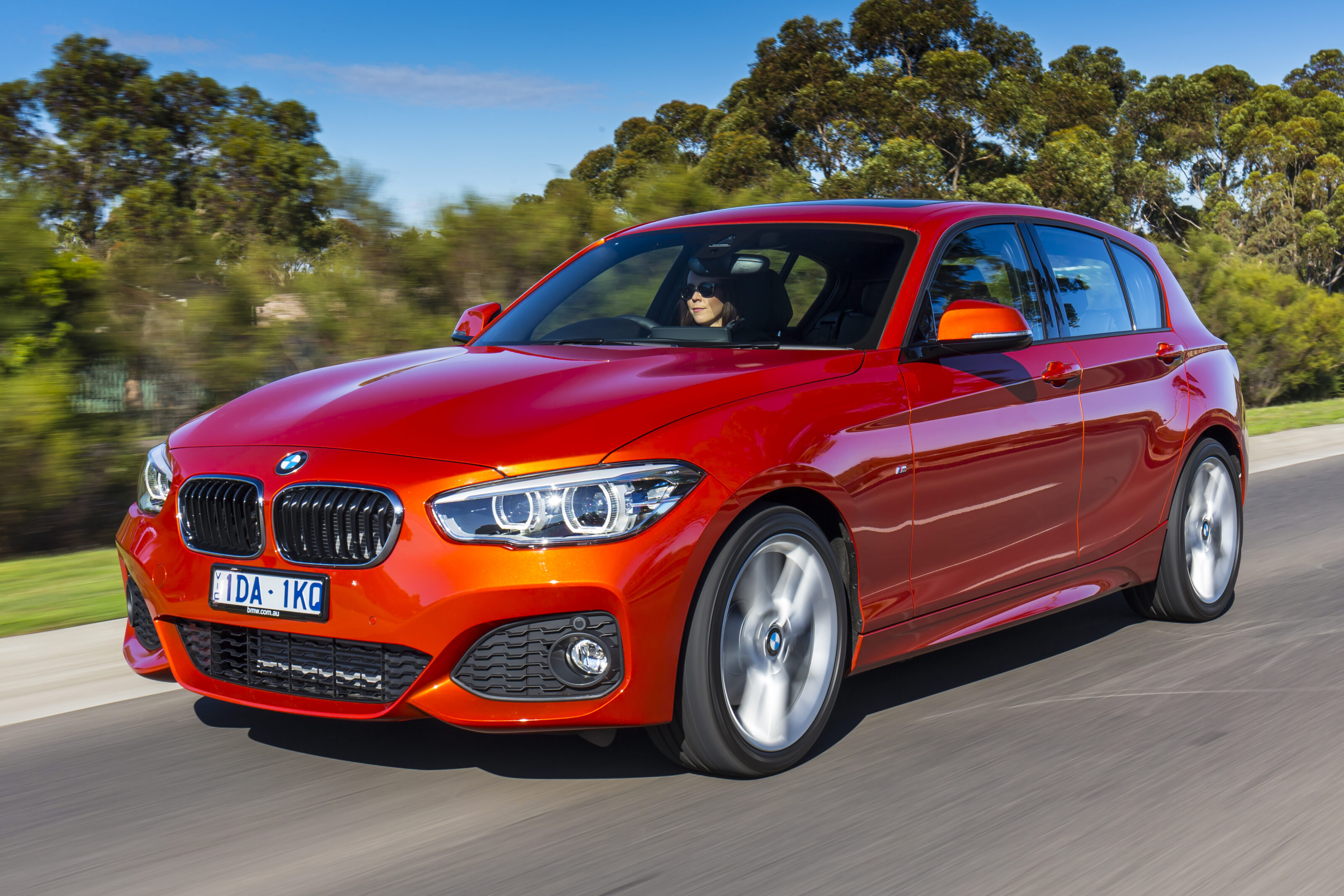
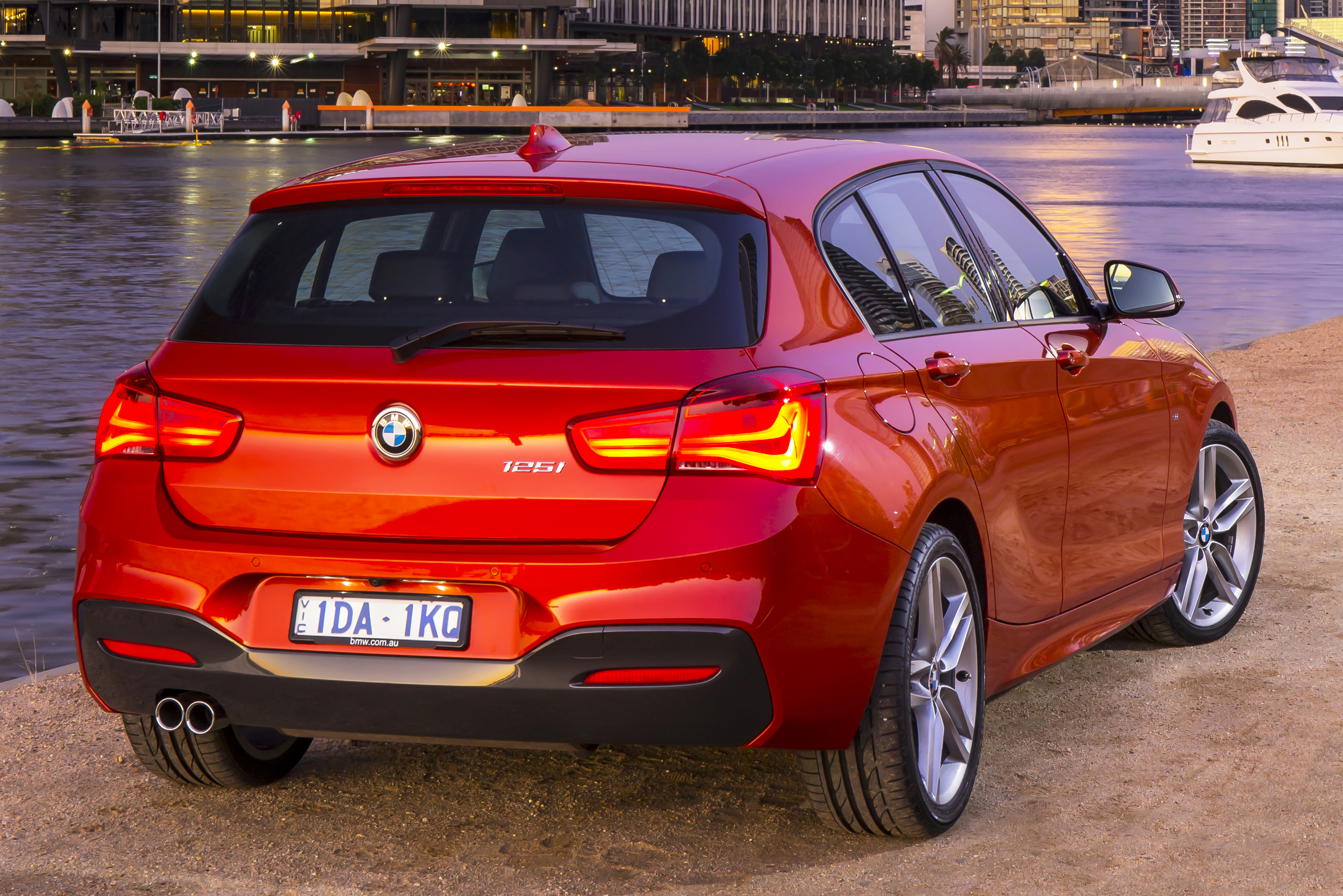
THE WHEELS REVIEW IT’S a case of look twice – even three times – to distinguish the updated 2015 BMW 1 Series from the model it replaces. Doors, roof and glasshouse are unchanged, leaving the visual grunt work to the new bumpers and heavily revised tail lights that create a more mature-looking rump.
It’s more in the positioning and model range that the 1 has undergone a more revolutionary change. The base 116i has been dropped, replaced by the identically priced ($36,900) 118i that uses a more powerful version of the same 1.6-litre turbo four. It’s to be a short-lived engine in the 118i, with the 1.5-litre three-cylinder from the 2015 Mini Cooper with identical 100kW/220Nm outputs to replace it around September 2016.
That same 1.6 four-pot does work in the $41,900 120i, mustering 130kW and 250Nm. Wheel size also grows from 16s to 17s, while fake leather and dual-zone climate control ramp up the appeal.
From there it’s 2.0-litre engines, with the sole diesel in the 118d ($40,300, matching the 118i’s gear) a familiar 110kW/320Nm unit.
But it’s the high performance models that BMW is pinning much of its sales hopes on. The 125i (pictured here) ups the performance ante to 160kW/310Nm courtesy of a 2.0-litre turbo. And with an M Sport pack, with bigger brakes, and a sticker of $48,900 it’s got its gunnels aimed squarely at the VW Golf GTI.
Topping the range is the rorty M135i, with its 3.0-litre twin turbo six good for 240kW/450Nm. Genuine leather and extras such as digital radio add to the appeal, as does the sharper pricing, down almost three grand to $62,900.
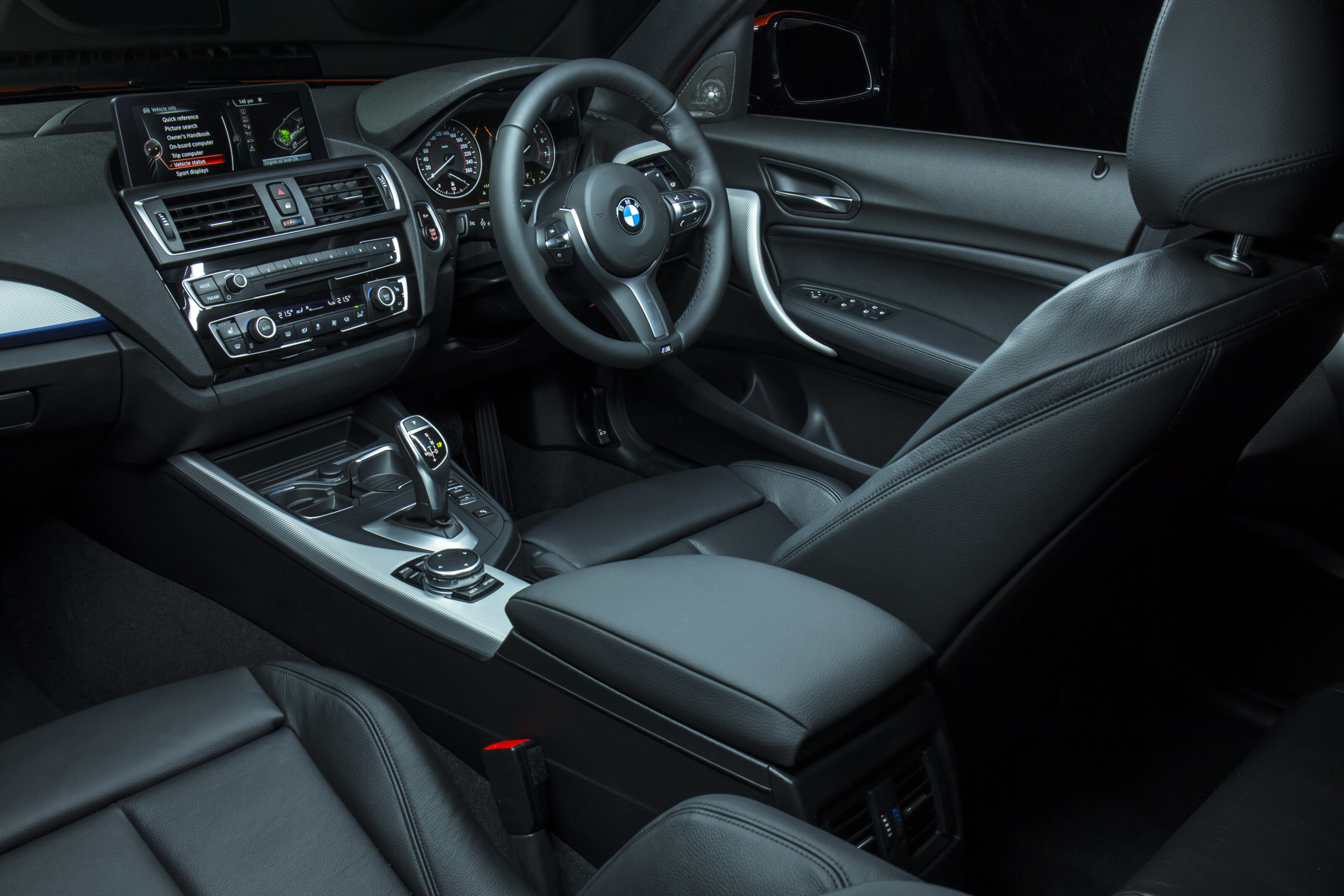
All 1s now come with a reversing camera and satellite-navigation, among other goodies, while the Sport Line pack is standard fare on lower models.
It’s all part of fighting harder against German rivals. While the 1 set a local sales record of 2300 in 2014, it was outsold two-to-one by its biggest competitors, the Mercedes A-Class and Audi A3.
Inside, the 1’s largely unchanged presentation is showing its age; the white panelling of the optional Urban Line lacks the elegance of the red-highlighted black in the Sport. The 125i’s hexagonal partial Alcantara trim stands out, as do the patterned silver finishes.
Further aft the 1 packaging is unchanged and remains an issue; there’s marginal rear legroom, so adults front and rear will require compromises or limber limbs. There are no air vents and the transmission tunnel makes life tight for those planning to squeeze a third across the back. Thankfully head room is respectable.
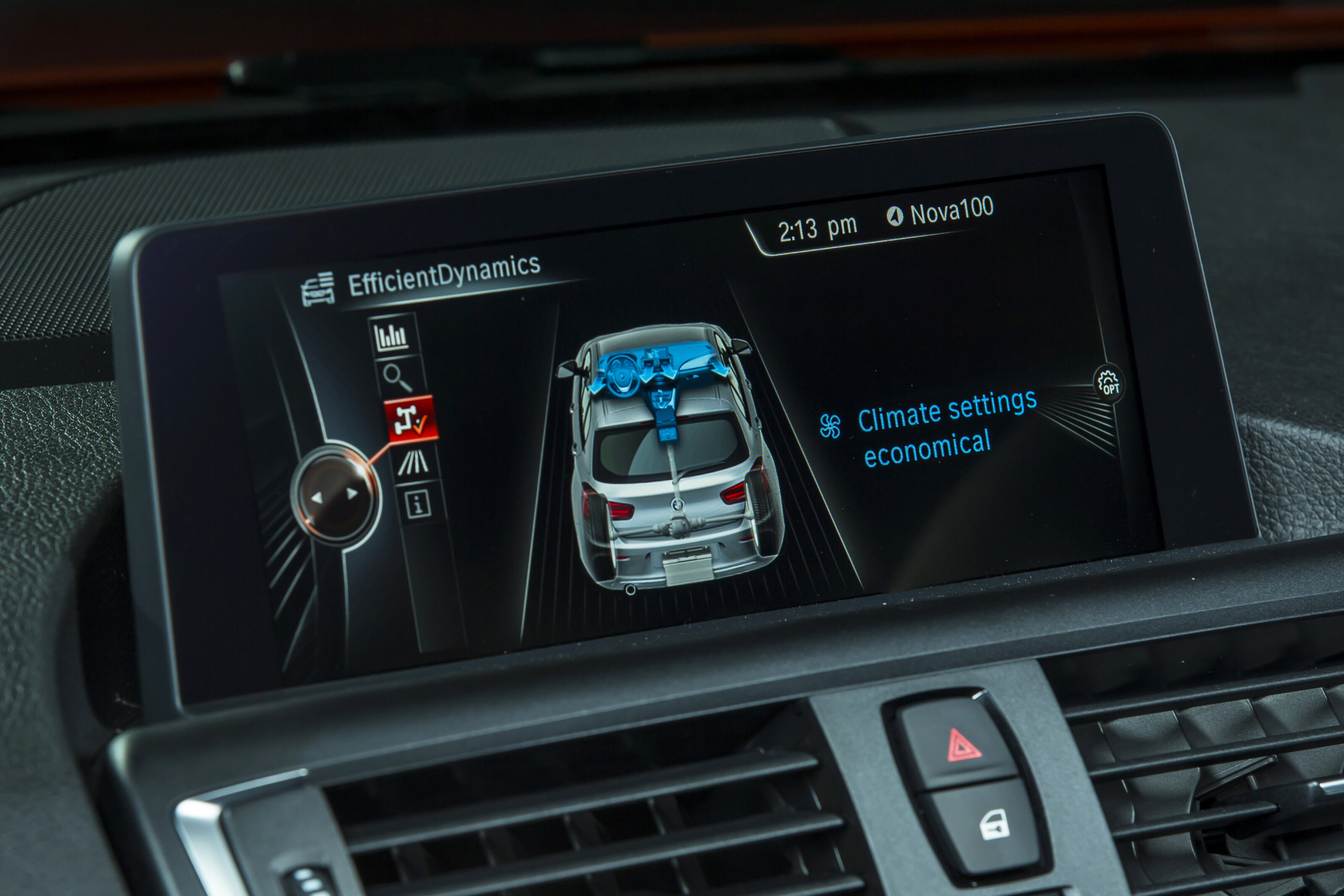
It’s on the road where the BMW asserts itself as an accomplished and enjoyable hatch. It’s the only compact rear-driver going (at least until it switches to front-drive for the next gen); the 118i and 120i will rarely fluster its planted tail, while the 50/50 front-rear distribution ensure beautiful balance. Steering, too, blends accuracy with zero kickback and linear, predictable responses through its arc.
While it’s not about to light up the rears the 1.6-litre engine is lusciously free revving, and while there’s respectable torque down low it lacks the muscle to make for effortless hill climbing. Fortunately the eight-speed auto is a sweetie and cleanly downshifts to keep things progressing.
The 130kW tune in the 120i doesn’t feel markedly quicker in relaxed driving but gives more oomph at higher revs thanks its loftier kilowatt peak.
Those wanting hot hatch flair will be well catered for in the 125i, with its chunky M steering wheel and shift paddles for added control of the self-shifter. Its 2.0-litre sings harder, up to almost 6900rpm, while the extra cubes ensure less need to go there. It’s the first in the 1 range where the rear-drive benefits are most obvious, able to be tweaked on the throttle powering out of bends.
Brakes on the basic car don’t feel up to the ultimate driver’s car pitch; they faded during a persistent, twisting, steep downhill run, but on the open Queensland plains we sampled the 1 Series on they were more reassuring. The bigger brakes of the 125i deliver a meatier pedal feel and more assertive stopping power.
A brief blast around Lakeside raceway reaffirmed our love of the M135i, with near previous gen M3 levels of performance for a comparative bargain.
It’s a fantastically fun thing, too, with the hearty inline six zinging to its redline. Brakes bite hard and the excellent 1 Series balance makes itself known through fast, sweeping corners.
So chuck the 1 on your shopping list if you want to enjoy the drive. Just don’t expect the full carload to enjoy it with you.
SPECS Model: BMW 120i Engine: 1598cc four-cylinder turbo Max power: 130kW @ 4800-6450rpm Max torque: 250Nm @ 1500-4500rpm Transmission: 8-speed auto Kerb weight: 1305kg 0-100km/h: 7.2sec Fuel economy: 5.6L/100km Price: $41,900 On sale: Now
