
What stands out?
The strong performance of the V6 turbo-diesel engine in more expensive models sets the Navara D40 apart, and that is enhanced by an excellent, seven-speed automatic gearbox. You can get a D40 Nissan Navara in a wide variety of forms, from basic tradie or farm truck to well-equipped, work and play family transport.
What might bug me?
Limitations when you’re driving off-road – several other four-wheel drive utes have more ground clearance and a lockable rear differential. However, the Navara performs well in less extreme off-road use.
What body styles are there?
Two-door Single Cab and King Cab, and four-door Dual Cab.Single-Cabs seat two people, while King Cabs have folding seats behind the front seats in an extended cabin. Dual Cabs seat five.Only King and Dual cabs can be had as pick-ups, with a factory tub at the rear. All body styles come in cab-chassis form.The Navara comes in rear-wheel drive or dual-range four-wheel drive. It is classified as a light commercial pick-up.(Alongside this D40 model Navara, which arrived in 2006, Nissan has sold the previous-generation D22 Navara as a low-priced alternative. The D22 Navara is not reviewed here.)
What features do all D40 Navaras have?
Cruise control, audio and phone controls on the steering wheel, and Bluetooth phone connectivity.Airbags in front of the driver and front-seat passenger, and ABS brakes, both baseline safety features.Every Navara but one has electronic stability control, a very useful feature that helps prevent and control skids. The exception is the D40 ST 4×2 Dual Cab, which unlike most Navaras is built in Spain.All Navaras come with Nissan’s three-year/100,000km warranty.
Which engine uses least fuel, and why wouldn’t I choose it?
All D40 Navaras are turbo-diesel powered, using a range of 2.5-litre four-cylinder engines and a 3.0-litre V6.In real-world use, any of the 2.5-litre fours will use significantly less fuel than the V6.Among the 2.5-litre fours, the most fuel efficient is the 120kW version fitted only to the 2WD ST Dual Cab. However, this is the only D40 Navara that does not have electronic stability control.The 4WD ST Dual Cab gets a more powerful, 140kW version of that engine which uses only marginally more fuel, consuming 8.5 litres/100km in in official tests with a manual gearbox and 9.0 litres/100km as an auto (city and country combined). This is the most fuel-efficient of the better equipped 4WD dual-cab Navaras. In the real world you can expect 10 to 11 litres/100km.The 3.0 litre V6 in Navara ST-X and ST-X 550 dual-cabs is the performance leader, with 170kW. In the official test it is not much more thirsty than the fours, but in the real world it is a different story: you can expect 12.5 to 13.5 litres/100km.The four-cylinder diesels come with either a six-speed manual gearbox or a five-speed automatic. The V6 comes only with a seven-speed automatic.
What key features do I get if I spend more?
Spend more money and you can seat more people (up from 2 to 5), enjoy the practicality and fun of four-wheel drive, and gain more safety, convenience and luxury.ST-X King Cabs get 16-inch polished aluminium-alloy wheels, which look nicer than the steel wheels fitted lower down the range.ST and ST-X Dual Cabs have 17-inch alloy wheels, air-conditioning that maintains a set temperature, an audio system with more speakers (6 or 7, up from 4), and iPod connectivity.ST and ST-X Dual Cabs also get four more airbags: side airbags, to protect the bodies of the driver and front-seat passenger from side impacts; and full-length side-curtain airbags, to protect the heads of front and rear-seat passengers from side impacts. And they have a ‘Sports Bar’ behind the cabin and a handy adjustable cargo tie-down system for the rear tub.The key difference between the ST and ST-X Dual Cabs is in the engine: STs have a version of the 2.5-litre four-cylinder, while the ST-X has the V6. However, the STs also have satellite navigation and a reversing camera, where the ST-X does not.The Navara ST-X 550 has the V6, satellite navigation and a reversing camera. It also has leather seats, with the front seats power-adjustable, and side steps.Both V6 models also have Electronic Traction Control, which helps in difficult off-road conditions.
Does any upgrade have a down side?
As with any ute like this, going to a bigger cabin means a shorter tub or tray and a reduced payload.White, red, blue and black are all standard colours at no additional cost.
How comfortable is the Navara?
The Navara has a comfortable cabin that set new standards in 2006 when the D40 range was released. The ST and ST-X Dual Cab interiors have been updated from time to time, preserving a contemporary feel.The Navara rides as utes generally do. With only passengers on board, the ride can be uncomfortable. Very smooth roads are fine but everywhere else you know you are in a ute. Weight in the tub or on the tray helps settle the ride.Nevertheless newer utes such as the Ford Ranger and Mazda BT-50, and particularly the Volkswagen Amarok, ride and handle better than the Navara.The V6 in the ST-X and ST-X 500 Dual Cabs is notably smoother and quieter than any of the four-cylinder engines and is keener to rev, being originally designed for passenger car use. The four-cylinder engines have more of a working character to them and are happier at low and middle engine speeds.The seven-speed auto mated to the V6 also brings smoother and faster gear changes than five-speed auto used with the four-cylinder engines.
What about safety in a D40 Navara?
Stability control on all but one model helps D40 Navaras rate at least a Good for safety, while the addition of side and side-curtain airbags lifts some ST and ST-X Dual Cabs into the Very Good range.The model that does not have stability control is the D40 Dual Cab ST 4×2. This feature is compulsory on passenger cars but not on commercial vehicles such as the Navara. Its absence on this variant means you are on your own when controlling skids or slides – you don’t get help from a computer, which on other Navaras adjusts power and braking for you.(To see a full list of the safety features on any model, select the car and look under the features tab. Safety-related features are listed in red.)The Australasian New Car Assessment Program (ANCAP) has rated only the Dual-Cab 4x4s from this D40 series, which were awarded four stars.
I like driving – will I enjoy this car?
The V6 turbo diesel in the ST-X and ST-X 550 offers strong performance that is enhanced by the sophisticated seven-speed automatic gearbox. There is nothing quite like this engine in any other ute, and these cars are fun to drive by ute standards.The only glitch here is that the seven-speed automatic is not well calibrated for off-road driving and will often change gears at exactly the wrong time.Of the various four-cylinder engines, the 140kW version in the ST Dual Cab 4WD is the best and it works well with both the automatic and the manual gearboxes.The other engines are draught horses, and best with a manual gearbox.
How is life in the rear seats?
Before bigger utes such as the Ford Ranger, Mazda BT-50 and Volkswagen Amarok arrived, the D40 Navara was the standard-setter for rear-seat space and comfort. Now it’s a mid-fielder. ST and ST-X Dual-Cabs get three child restraint anchor points, but RX Dual-Cabs have none.The two folding seats in King-Cab models are suitable only for children and smaller adults, and over shorter distances.
How is it for carrying stuff?
Like all utes, the Navara is built to carry stuff. The Single-Cabs are the best at this as they have the longest trays. Dual-Cabs have the smallest trays or tubs.Payload ratings are class competitive but not up with the class leaders. They range from 1223kg (including the tray) for the RX Single-Cab cab-chassis 4×4 to 828kg for the ST Dual-Cab Pick Up 4×4.All 4x2s have 2000kg tow ratings, while 4x4s have a 3000kg tow rating. Again this is competitive but not up with the best in the class.
Where is the Navara D40 made?
Both V6-powered Navaras and the ST Dual-Cab 4×2 are built in Spain. All other Australian-delivered D40 Navaras are built in Thailand.
What might I miss that similar cars have?
Quite a few things, starting with leading-edge safety, more cabin space and greater towing capacity.If you wish to take your D40 Navara 4×4 off road, you might also miss the extra ground clearance that other 4WD utes offer, and a rear differential lock (available on the Ford Ranger, Mazda BT-50 and Volkswagen Amarok, for example). A rear differential lock helps you go further in difficult off-road conditions.Other utes you might consider include the Toyota Hilux, Mitsubishi Triton, Holden Colorado and Isuzu D-Max.
I like this car, but I can’t choose which version. Can you help?
The ST-X and ST-X 550 Dual-Cabs offer superior performance and a better driving experience. However, like all utes there is a big model range to suit a wide range of uses, so no one model will suit all potential buyers.
Are there plans to update the Navara D40 soon?
A new-generation NP300 dual-cab Navara has been on sale since mid-2015. The rest of the NP300 Navara range is expected by late 2015.
THE Volkswagen Golf Cabriolet will stick with its present form, fighting small drop-tops the likes of the Mini Cabrio, Renault Megane Coupe Cabriolet and Holden Cascada until a next-generation hatchback range surfaces in around 2018.
With the present Mk7 Golf celebrating its third birthday in September, the Wolfsburg company again will loosely stick to the one-gen on, one-gen off approach that has served the four-seat cabrio since the original Mk1 ragtop’s 1979 debut.
This means the soft-top Golf will keep using the dated Mk5 Golf-based Mk6 body and chassis for another three years, eschewing Volkswagen’s high-tech and highly fuel efficient MQB lightweight modular transverse architecture until then.
Whether the next Golf Cabrio will follow in the steps of the latest Audi A3 Convertible by losing its signature squat bustle-back design for a more elongated sedan-style silhouette is not known. However, the Volkswagen’s iconic status suggests the Germans will not mess with a successful formula, particularly as the now-discontinued Eos hardtop convertible failed to catch on in many key markets, aside from Australia.
Wheels understands that the Mk8 Golf will be a comprehensive reskin of the Mk7, brandishing new sheetmetal and a fresh interior in order to keep the German C-segment at the top of its game. Evolution is the name of the game here.
According to Volkswagen AG product communication boss Christophe Peine, the Golf Cabrio has always skipped at least one generation over its 36-year history, and the latest version is no exception.
“This is the way it has always been for the Golf Cabrio,” he told Wheels at the launch of the Volkswagen Golf Alltrack and Volkswagen Golf R wagon in Spain. “There will not be a new Cabrio until the next Golf.”
Regular Wheels readers will recall that the current Mk6-based Golf Cabrio was only released in late 2011, nearly three years after the hatch version surfaced, yet still only just missed out on scoring a semi-finalist’s spot in that year’s Car of the Year award.
There have only been three Golf Cabrio generations. Unveiled in 1979 and launched on the world market in 1980, the original was yet another feather in the trendsetting Mk1 Golf’s cap (after establishing the modern hatch and GTI segments), kicking off the small-car-based convertible class that continues to this day with the likes of the new BMW 2 Series and the Holden Cascada.
However, Australia would have to wait until 1990 before seeing the then-ageing Mk1 Golf Cabrio, though its Mk3-based successor arrived in a more timely manner in 1995. The so-called ‘Mk4’ version was really the previous generation with a newer nose and cabin trimmings grafted on.
PLUS
- Italians know style, so it’s no surprise Fiat makes aesthetics a major priority, and the 500X’s curvaceous lines displays everything we know about body shapes from 2015. Plus, anything that has us pretending we’re winding through the streets of Rome gets a big swipe-right from us.
- Interior styling is no different, if not up a notch. It’s exactly what you’d expect in a Fiat with dark tan leather trim and metal-look finishes.
- For a 1.4-litre, four-cylinder petrol engine (it’s a small one), it provides plenty of power – you’ll get plenty of force when you push down on the accelerator.
- It’s a small, soft-roader SUV, so you’re basically getting a big-city car with plenty of flair.
- Space. Okay so we know this is Fiat’s addition to the small-SUV market, but this baby SUV is underwhelming when it comes to space in the back seats. Fine for children or small adults, not ideal for those with a bit of extra height.
- On larger bumps, the Fiat 500X behaves itself and soaks up as much it as it can, but it doesn’t enjoy those small, sharp lumps and it makes sure you know about it.
- Front seats aren’t as comfortable as they could be with minimal lumbar support.
- We know we said we liked the interior, and we do. But the plastics could be of better standard. I mean, we like lower costs and all, and if we’re going to compromise, we’re happy to do it this way, but ideally we’d like them to feel less… well… cheap! Okay, thanks!
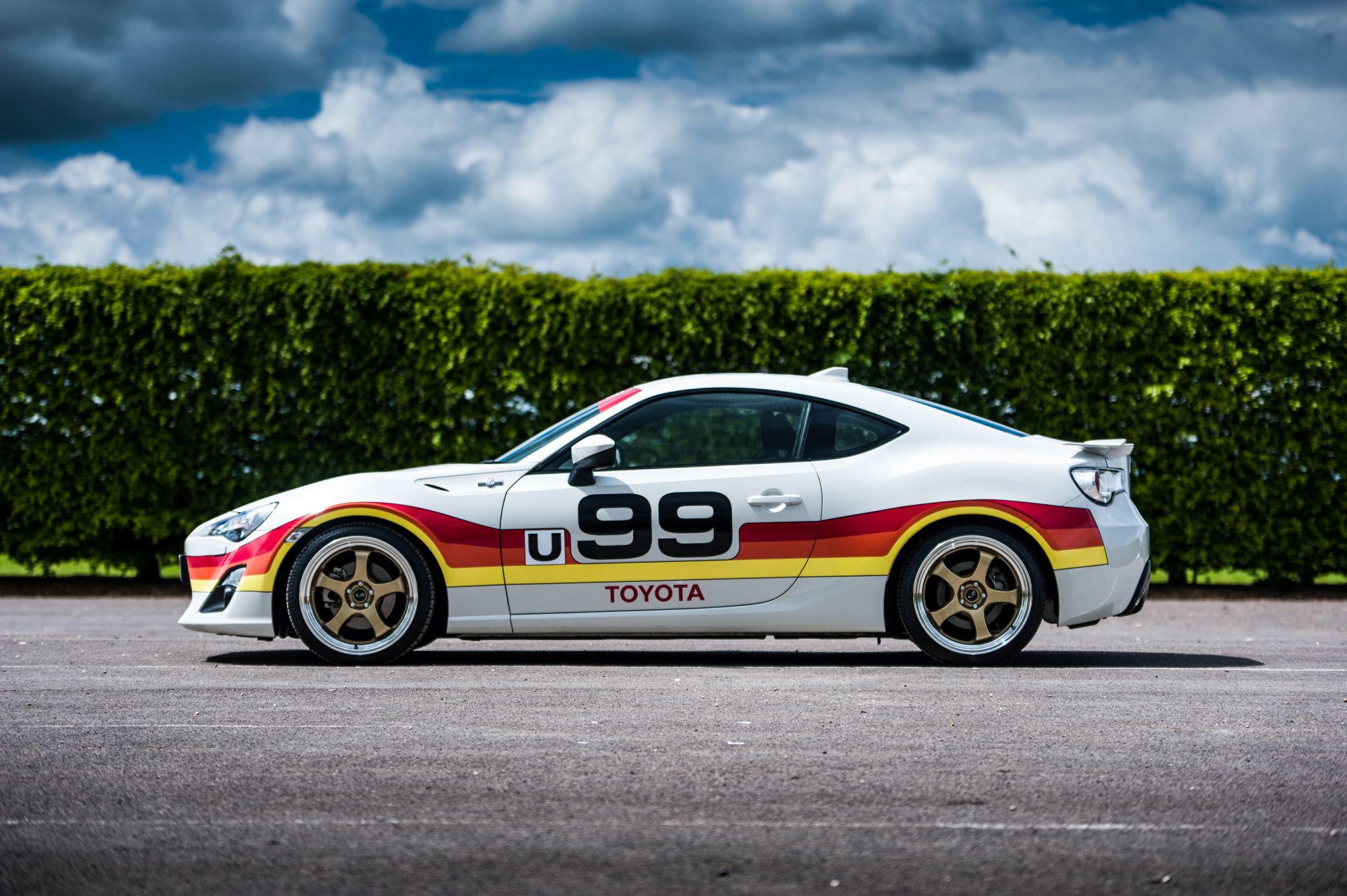
While PlayStation fans know why Toyota would throw red and green swirls on an 86, the significance of a 2000GT in Shelby-style dress requires knowledge more esoteric.
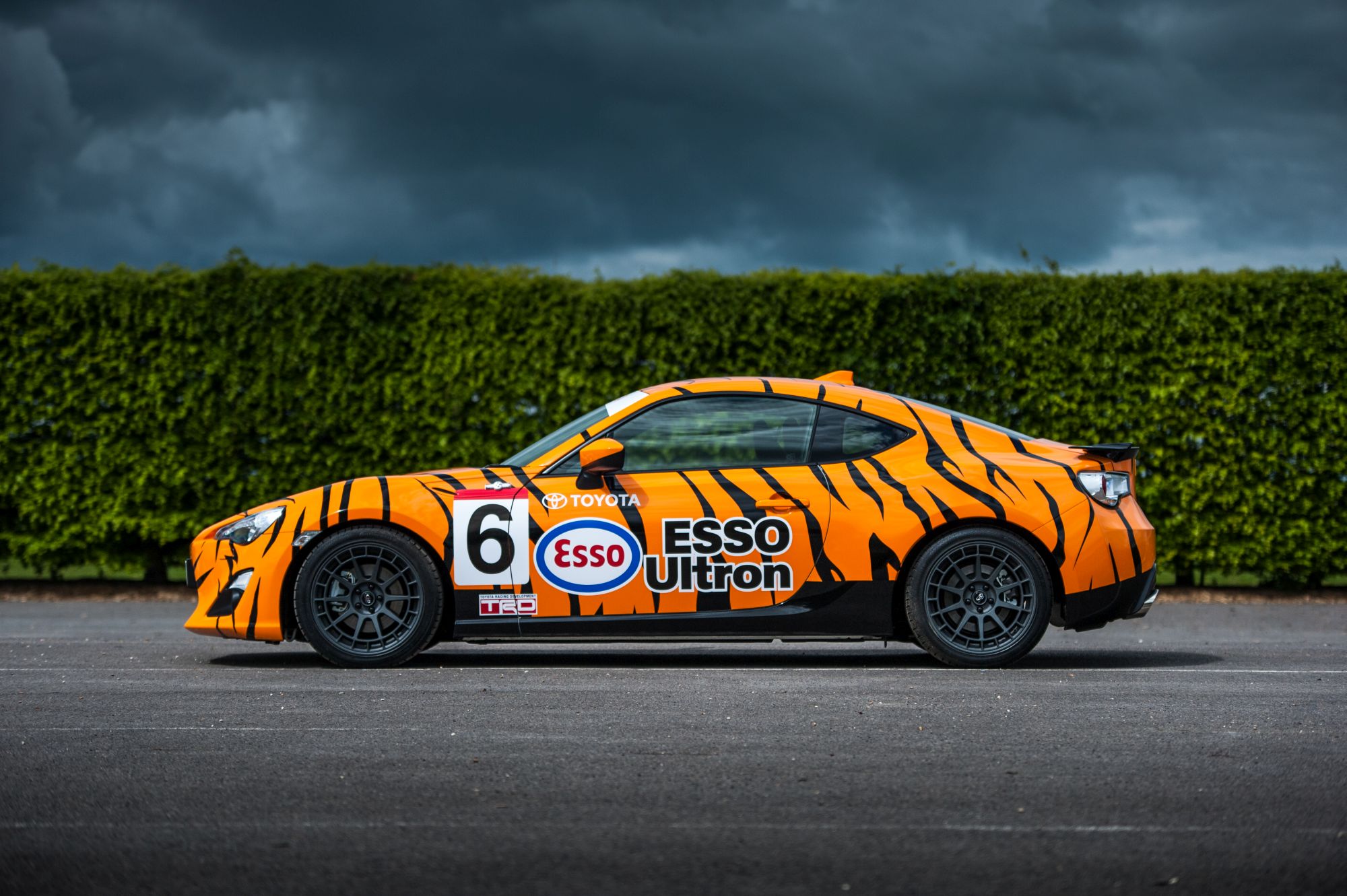
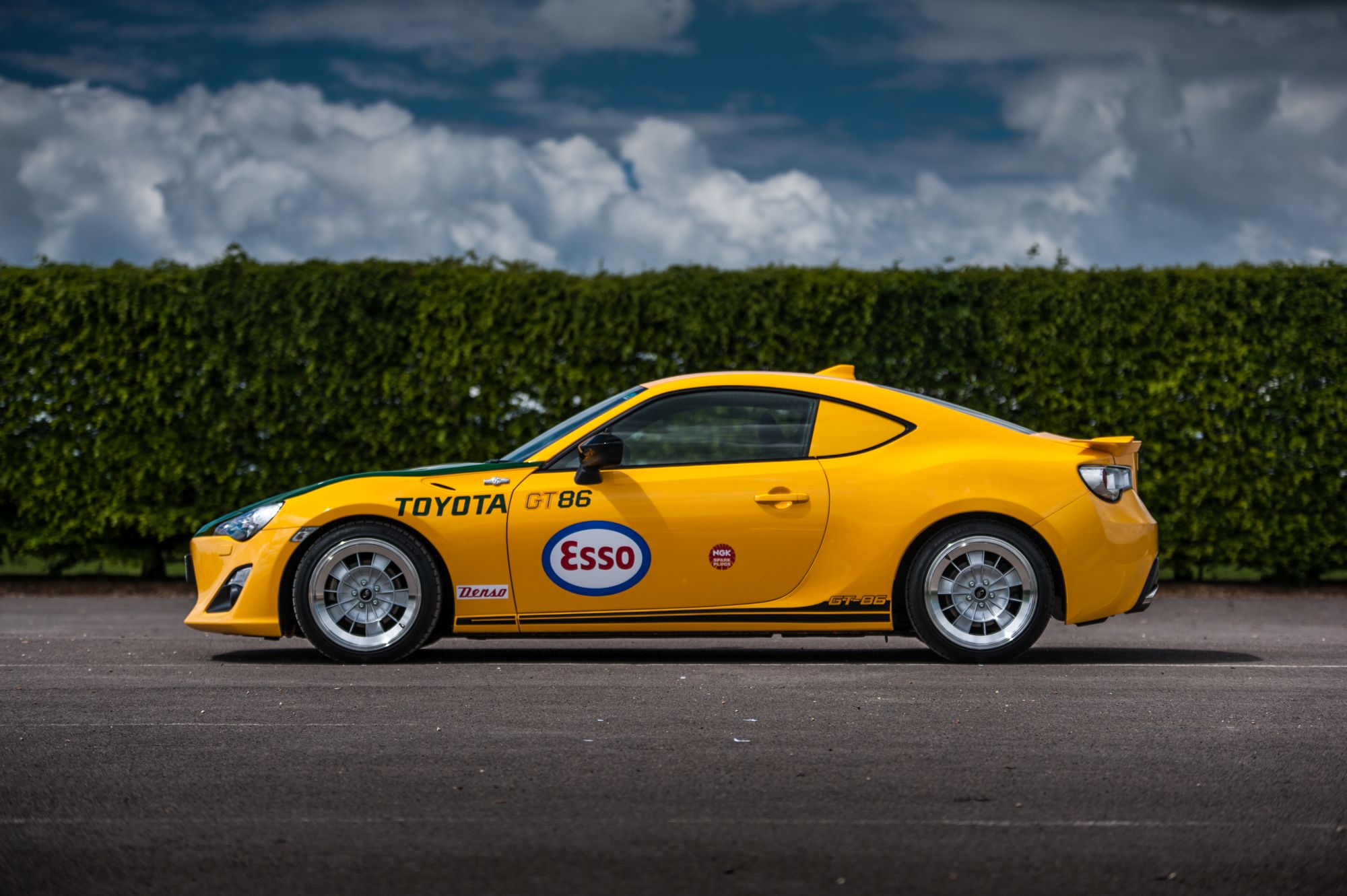
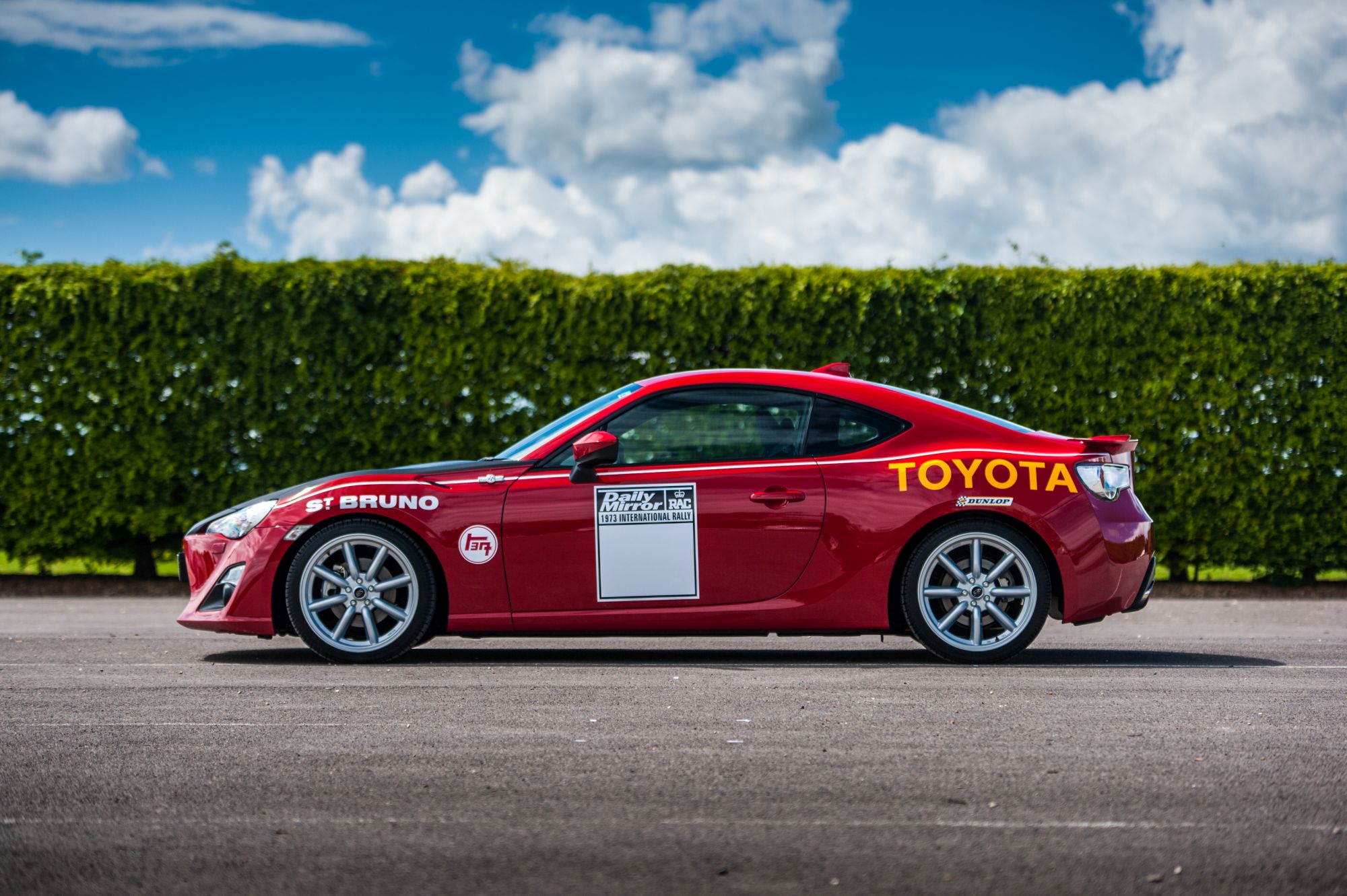
Six versions of Toyota’s 86 will be sporting a unique livery at the Goodwood Festival of Speed this year, each vinyl scheme throwing back to a particular car in Toyota’s motorsport history.
Toyota’s racing CV stacked with prestigious entries, so the reasons why these inspiring legends were chosen in particular are deserved of the following attention.
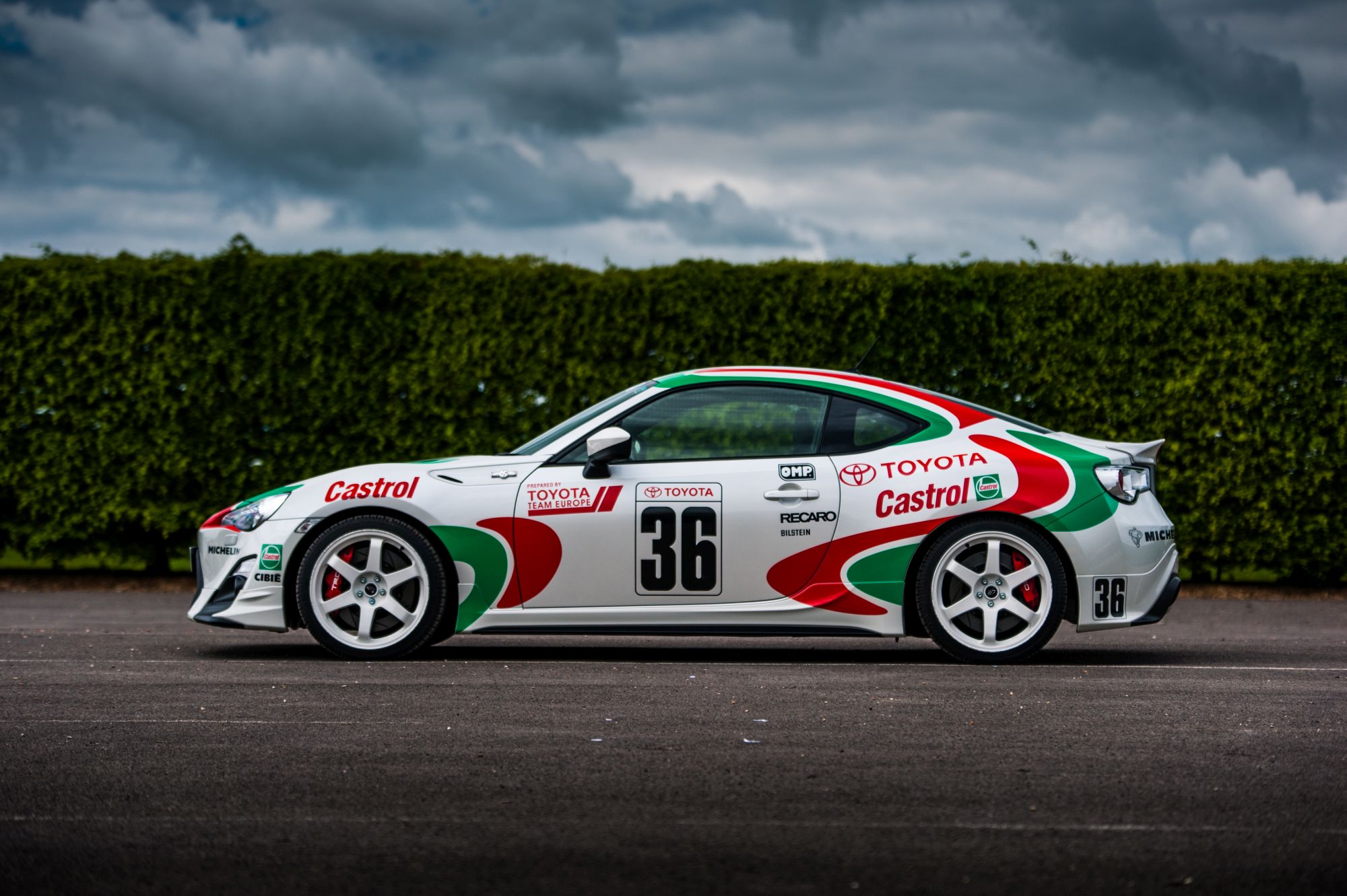
CASTROL Celica GT-Four ST205

With the Supra having competed in the Japanese GT Championship and the Celica in WRC, there’s an equal chance your first sight of a Castrol draped Toyota was either of these beasts. But at Goodwood Toyota’s red and white 86 will nod to the third generation of the Celica which dominated the dirt. It took over duties from the championship wining ST185 in 1995.
ESSO ULTRON Tiger Supra JGTC
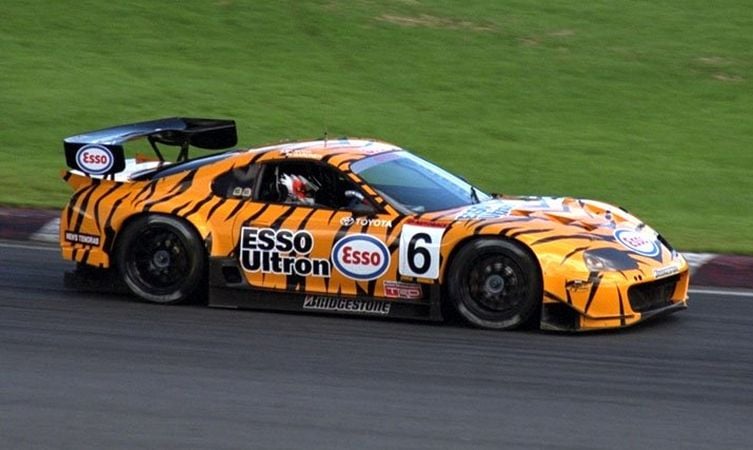
As one oil giant left Toyota’s corner, another came aboard. While less intimidating on an 86, the Esso Ultron tiger livery was introduced to the JGTC Supra raced by Aussie Wayne Gardner and Hideki Noda in 1999, the same year Castrol’s partnership with Toyota came to a close. However the kitty’s scratch couldn’t match its stripes – the Ultron didn’t place as well as its Supra forebears that year.
YATABE Speed Trial 2000GT

Before companies turned the Nürburgring in to a farm for performance marketing, endurance and speed trials used to be trick. Toyota was no different, and it instructed Tosco (then TRD) to build a 2000GT for a 72 hour high speed test at Yatabe in 1966 to coincide with the car’s release. It averaged 207.2km/h over the 72 hours.
CARROLL SHELBY 2000GT

Toyota’s ambitions for its 2000GT were expanded to the pacific when it sent three examples to Carroll Shelby to compete in the Sport Car Association of America series. It wore blue and white paint, while weight-reducing modifications, low profile tyres, 60mm lower ride height, and a bored out inline-six meant it was heavily modified by the US legendary tuner. Two 2000GTs finished second and third in the 1968 SCCA championship behind Porsche.
Ove Andersson’s Celica 1600GT

Hoping to find its way in to the WRC in 1972, Toyota approached Ove Anderson, who was considering building rally cars in retirement, to run its campaign. To start the partnership, Ove was gifted a 99kW Celica 1600GT to use for the British WRC rally. The car was the only rally Toyota in history to not use white for its livery.
IMSA GTU CELICA
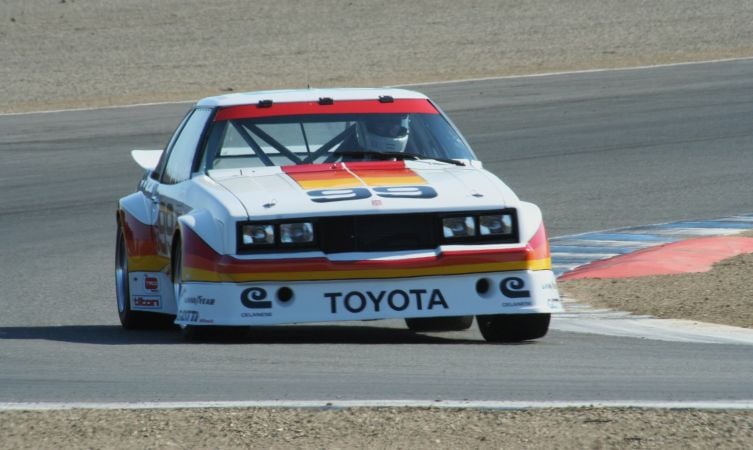
In order to inflate its presence in North America, Toyota established a TRD arm in the US and delivered it two Celicas specified to FIA GT regs for the 1981 International Motorsports Association championship. The Celica’s wide body proportions and eye-catching strips were recognisable, but it didn’t find much success in its first season, as it finished seventh.
The hardest revving, most powerful naturally aspirated V8 that Ford has ever produced won’t be available in cubic centimetre-loving Australia.
Official figures (with raunchy video) have been released for the 5.2-litre V8 under the bulging bonnet of the sadly left-hand drive only Mustang Shelby GT350 and GT350R.
Ford had previously said the 200cc-larger, all-new donk would make “more than 500 horsepower, with a torque peak above 400 lb.-ft,” though it turns out the big block unit will crank out 526hp (392kW) at 7500rpm and 429lb.-ft (582Nm) at 4750rpm.
Without turbochargers to rely on, Henry has made the slightly oversquare (94mm bore, 93mm stroke) 5163cc engine rev all the way to 8250rpm – the highest cut out of any Ford V8 ever.
That said, 90 per cent of peak torque is on tap between 3450rpm and 7000rpm, and Ford makes a point of the “racetrack friendly” 3000rpm gap between power and torque peaks.
An aluminium engine block is said to reduce weight, while the flat-plane crankshaft that is “typically found in a Ferrari sports car or in racing applications,” has piston rods made of high strength forged steel to cope with big rpm.
Attaching the rods to the crank at 180-degree intervals rather than the usual 90 degrees vastly improves engine breathing, says Ford, while contributing to “a uniquely exotic, delicious engine note” that presents a “change in the characteristic sound of an American V8” – check out the video and judge for yourself.
No fancy direct injection here, but a single 87mm throttle body is the largest Ford has used on any production engine ever. Ford is also doing away with modern trends by offering only a single manual transmission offering, a six-speed Tremec TR-3160.
Of course all this is moot for Aussies unless a specialist importer such as Mustang Motorsport can get its hands on a car, and sell it to you before the end of the year when its low volume import regulations end as the regular ‘Stang becomes officially imported.
The only choice then (or if you take a US holiday) is a road-friendly Shelby GT350 or hardcore, track-focused Shelby GT350R.
Get your free weekly report from the world of fast cars – subscribe to the MOTOR newsletter!
One of the coolest features of Porsche’s 918 Spyder hypercar is its crazy top-exit exhausts.
They’re there for all sorts of important engineering reasons, like reducing temperatures, saving weight, and freeing up space for aerodynamics, but even more importantly it makes the car REALLY LOUD and they spit blue flames – BLUE FLAMES!
The saddest thing is that when you’re driving your 918 Spyder, you can’t see the flames as they’re being emitted behind your head, though come to think of it, that’s not particulary sad as it means you’re driving a 918 Spyder!
Which hypercar would be parked in your garage if your lotto numbers came up (a few times)?
Get your free weekly report from the world of fast cars – subscribe to the MOTOR newsletter!
The Lotus Exige S is the second Lotus to receive an automatic transmission, following on from the Evora S IPS. The British brand, known for taking a purist stance, has relented to sports-car-buyer demand for a self-shifter option, though the stick-shift is expected to remain the more popular pick.
WHAT IS IT? The Lotus Exige S automatic is of the same hardcore specification as the manual version – it has the same power and firmly focussed suspension. The new gearbox adds only a mere six kilograms, and makes the Exige S a fraction quicker to accelerate from 0-100km/h, at 3.9sec, and slightly less thirsty, at 9.6L/100km.
The automatic version costs $5000 more than the manual, at $137,990 in either coupe or roadster form, and offers manual paddle gear shifters and specific shift calibrations as part of its Sport and Track modes.
The six-speed automatic is of the conventional torque-converter type. It’s not as quick as a dual-clutch auto, but is smoother than some, and should be long-lived.

WHY WE’RE TESTING IT The Lotus Exige S automatic is on sale now in roadster and coupe versions, and Wheels was offered a first drive on roads from Sydney to the NSW Hunter Valley.
MAIN RIVALS Alfa Romeo 4C
THE WHEELS VERDICT The Exige S is among the most involving cars you can buy to drive on the road, and the automatic version removes a degree of that involvement. This will likely make the Exige S appealing to new buyers, but it’s not an auto for those who would weigh it up against the manual, because it uses a torque-converter auto, which can’t provide the rapid-fire shifts of the dual-clutch auto (as is used in the Alfa 4C), or its immediacy of response to the gear shift paddles.
PLUS: Hard-wired steering and talented chassis; full-on involvement; blinding speed MINUS: Tardy response of paddle shifters; unassisted steering heavy for parking

THE WHEELS REVIEW IN A world in which automatics dominate Porsche sales, and you can’t even buy a manual Ferrari or Lambo anymore, it seems fitting that Lotus, as the purest of the purists, held out for the longest, finally relenting in 2012 with a shiftless Evora.
The fact that a two-pedal Exige S now joins it doesn’t signal the death of the H-gate – not as long as customers keep buying the stick – and Lotus guesses at a sales split of around 50:50 between the ’boxes.
It’s difficult to imagine those who are attracted to the British brand of uncommon focus, unassisted steering and undiluted involvement being attracted to an Exige that embodies those ideals in every aspect except for the delivery of gear-lever and clutch-derived entertainment.
Yet, Hethel, having seen the direction the world’s supercar makers (and buyers) are going, and watching as new rival the Alfa Romeo 4C was born sans-manual, would’ve been mad not to offer the option.
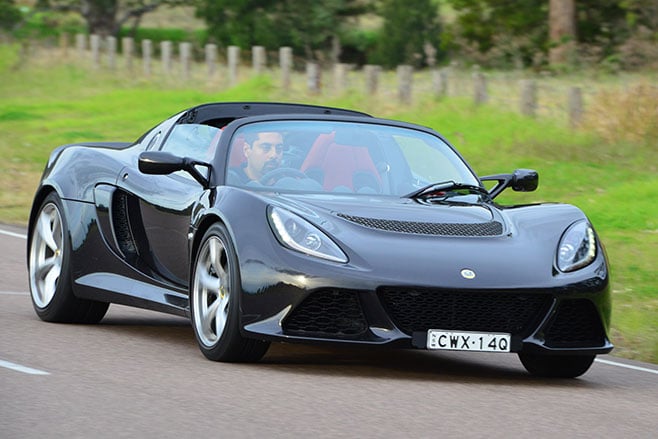
The Exige S automatic isn’t a softened-off kerb-crawler. It still accelerates (and rides bad roads) like a bastard, its steering weighting up, kicking back and delivering unrivalled feedback when cornered.
Nothing changes other than the slotting in of an Aisin-via-Toyota-sourced six-speed conventional automatic, reprogrammed to deliver eager kick-down response and over-excited auto-downshifts in Sport and Track mode.
The auto adds six kilograms to the kerb weight, which is no longer feather-light now there’s a blown 3.5-litre V6 shoehorned behind the cabin, at 1172kg, but is still trimmer than most.
A single tenth is shaved from the 0-100km/h, now 3.9sec, according to claims, official economy falls from 10.1L/100km to 9.6, and the auto adds $5K.
Is this the autobox Lotus really wanted? Engineers would likely have preferred a dual-clutch, yet it was impossible to ignore the ready-made Toyota six-pack-’n’-slusher combo.

The auto’s response to the paddles, which are fixed to the steering column, isn’t nearly dual-clutch quick, and shift requests can be denied if you’re not in the acceptable revs/road speed window.
Without relent – and with six-pot snarl – the Exige S shoves its occupants in the back, via bum-numbing race seats, though torque converter slur subjectively takes the edge off compared with the DIY gearbox.
Few cars offer more raw fun than a Lotus Exige S automatic, then, but the manual version is one of them.

SPECS Engine: 3456cc V6, dohc, 24v, supercharger Max power: 258kW @ 7000rpm Max torque: 400Nm @ 4600rpm Transmission: 6-speed automatic Weight: 1172kg 0-100km/h: 3.9sec Fuel economy: 9.6L/100km Price: $137,990 On sale: Now
For any manufacturer the Goodwood Festival of Speed represents a fitting opportunity to parade its race heritage among the petrol head.
Toyota will attend this year’s event with a fleet of retired racers to do exactly that, but it’s the firm’s idea to reinterpret its 86 in classic dress that’s captured our imagination.
Six modified examples of its modern performance hero have been wrapped in iconic liveries and schemes that have before adorned significant Toyota’s race cars.
The unique troop of 86s will be a ‘strictly one-off collection’ and will be available for public test drives at this year’s Goodwood FoS Moving Motor Show on June 25.
Lowered springs (-40mm), period style Rota wheels and a Milltek stainless steel exhaust system are also installed on the cars to ensure a stance more fitting with their wraps.
While praised as a sports car, the production 86 is yet to forge a career in motorsport like some of the brand’s previous sports icons.
For that it’s rare to see the Japanese coupe wearing race livery or numbers, which are explained by clicking on the model names, but even more surprising is how well the retro-schemes suit the sleek coupe.
Toyota says the cars will be relegated to press duties following the festival.
THE LIVERIES
Castrol Toyota Celica GT-Four ST205
Esso Ultron Tiger Toyota JGTC Supra
Yatabe speed trial Toyota 2000GT
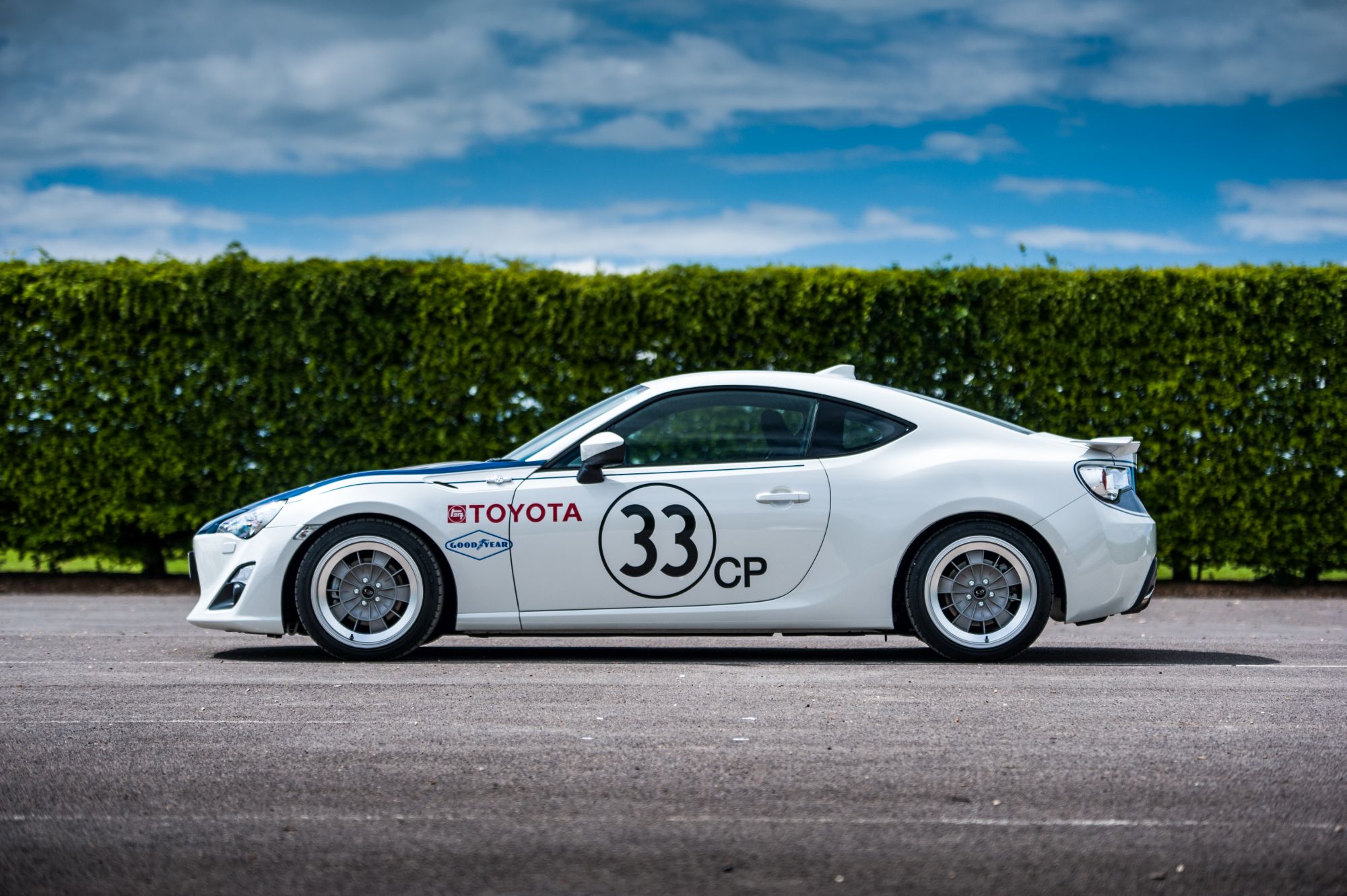
Ove Andersson’s Toyota Celica 1600GT
Click here to read the full range review of the Toyota 86
Welcome to the latest issue of MOTOR magazine, available at all good retail outlets and online in iPad and Android formats.
Below you’ll find a quick outline and preview of the main features in this month’s mag, plus our usual news, first drives, columns, long-term updates and more!
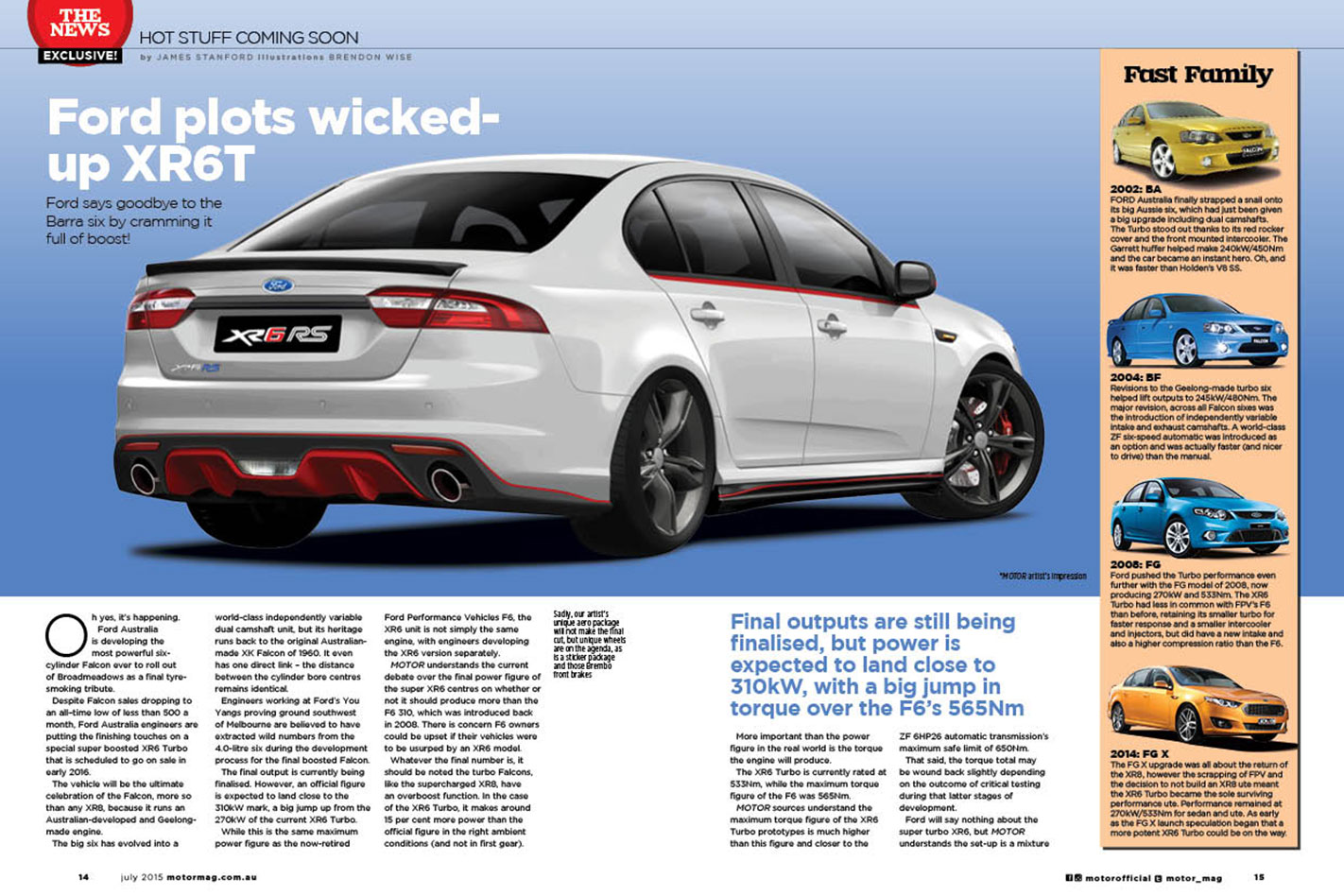
First up is news that Ford is planning to farewell the XR6 Turbo with a powered-up, hunkered-down special edition that may just wear the iconic ‘Sprint’ badge.
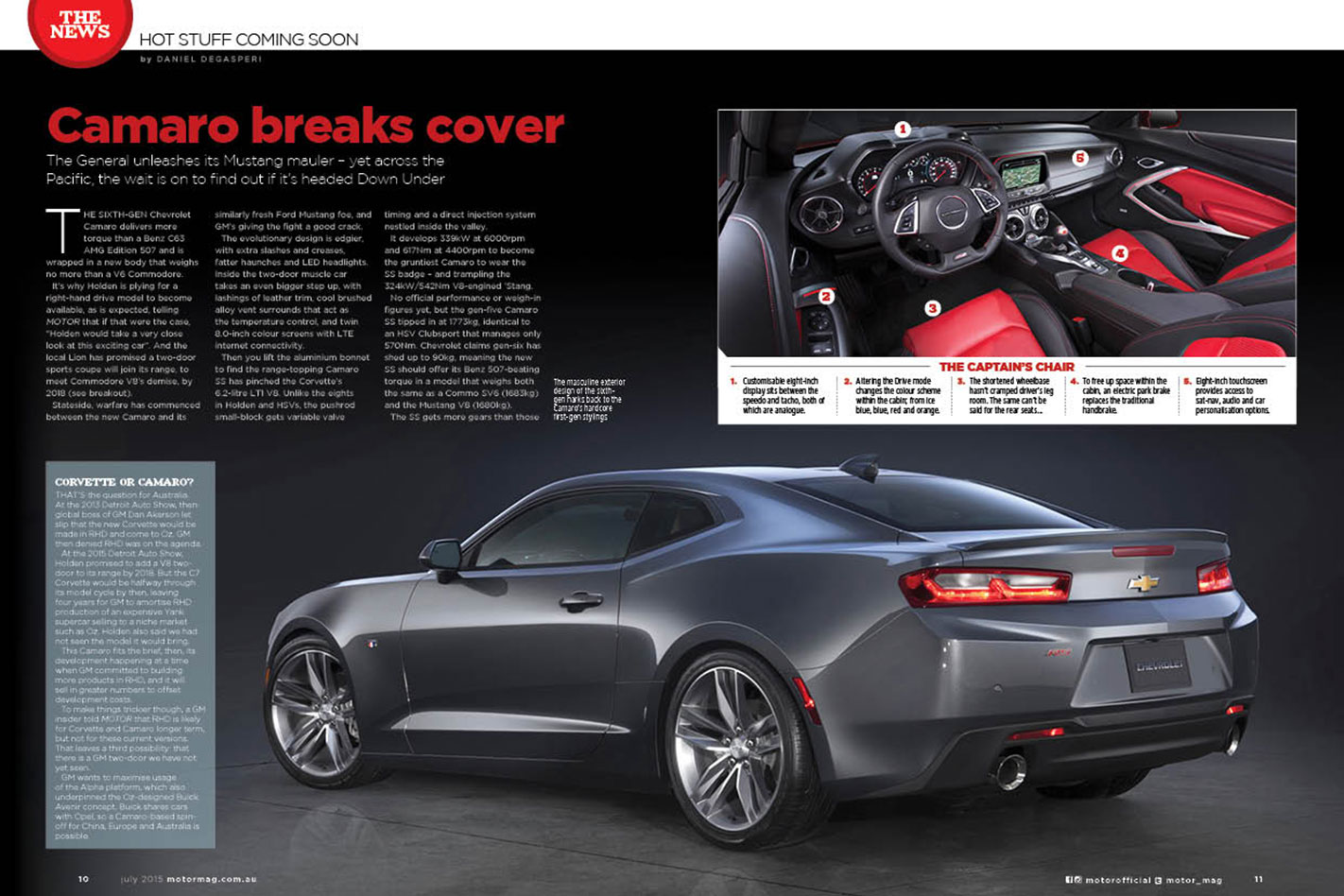
Chevrolet recently launched its new-generation Camaro, and we’ve got all the details you need to know, including whether this is Holden’s post-Commodore V8 Coupe.
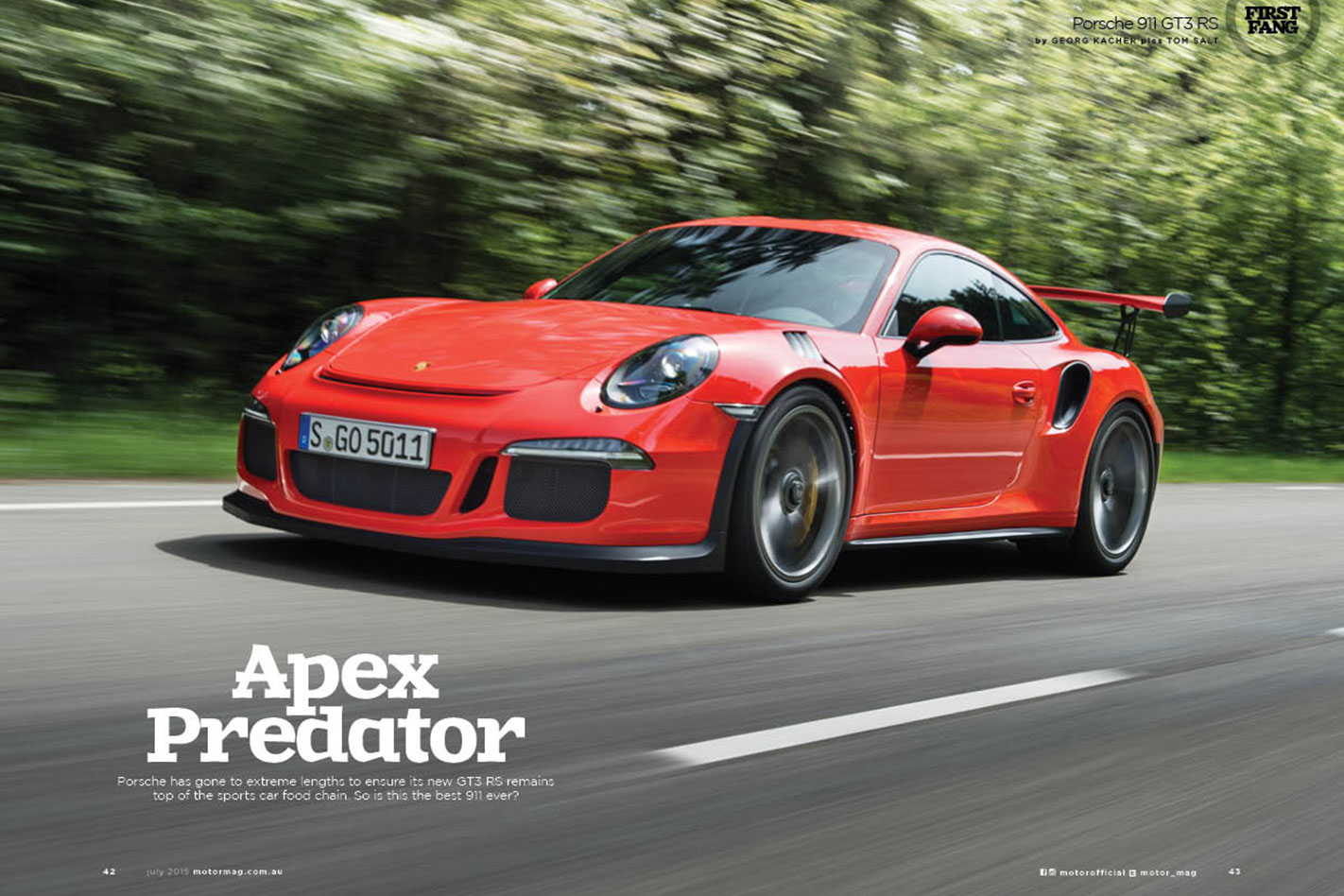
Our man Georg Kacher was first behind the wheel of the epic new GT3 RS and delivers the verdict on whether this road warrior is really almost $100K better than the amazing GT3.
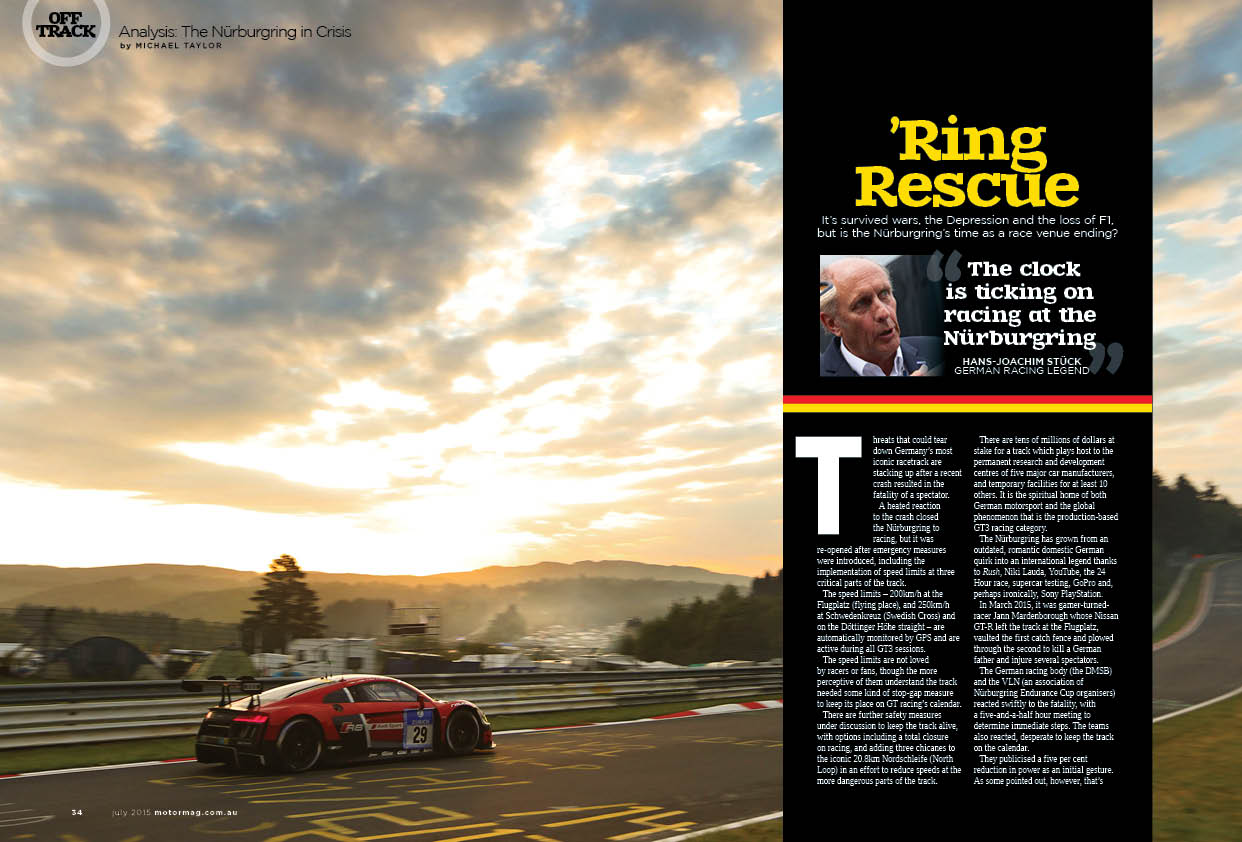
Since the recent tragic death of a spectator due to an accident, the Nurburgring’s future as a race venue has been under threat. Can the world’s most famous circuit survive?
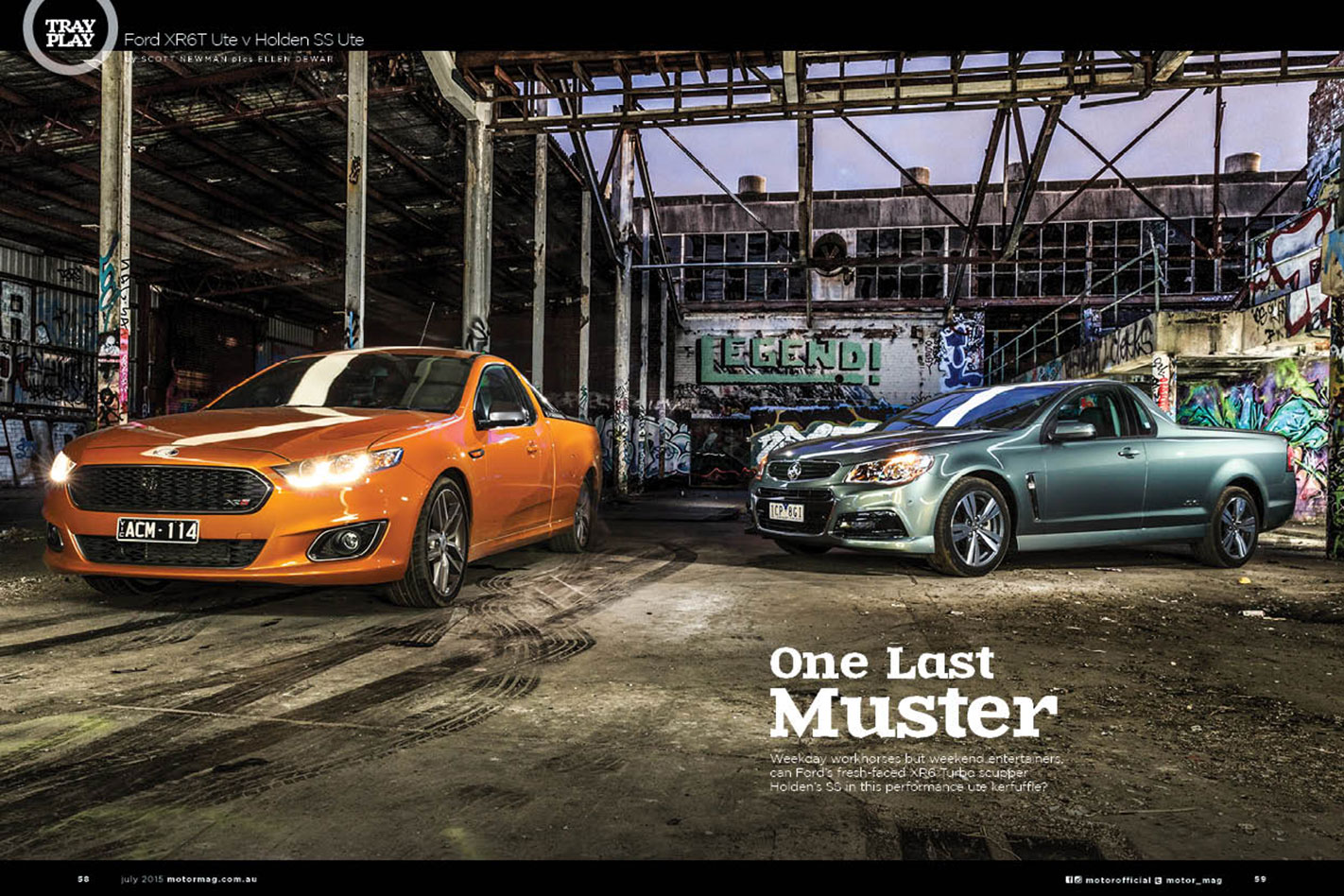
It’s a sad fact of life that when local manufacturing wraps up, so too will the uniquely Australian invention of the high performance ute. Can Ford’s facelifted FG X XR6 Turbo get the upper hand over Holden’s SS?
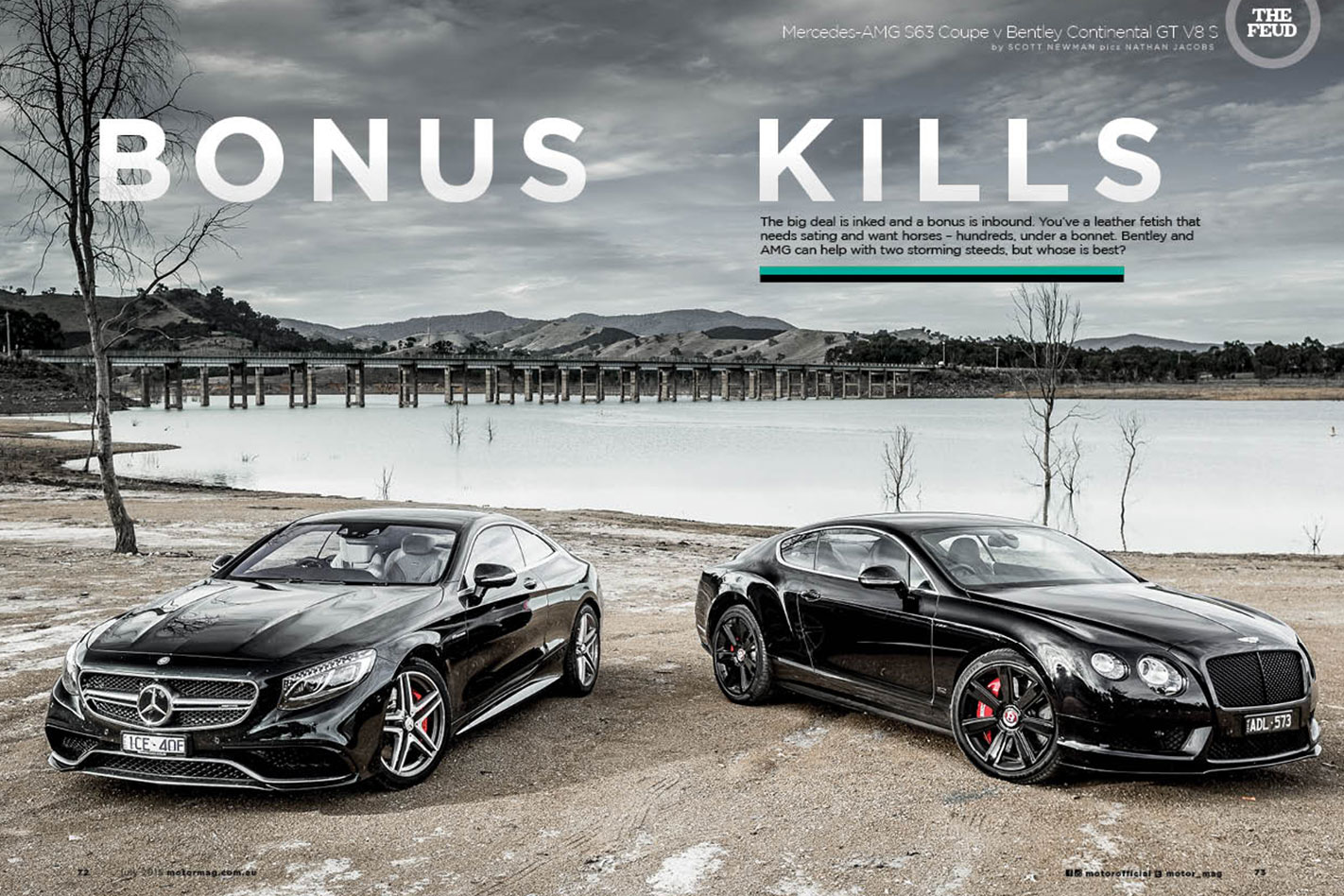
You’re lucky enough to have the best part of $500K burning a hole in your pocket and a desire for a new set of wheels, but which is best out of the Mercedes-AMG S63 Coupe or Bentley’s Continental GT V8 S?
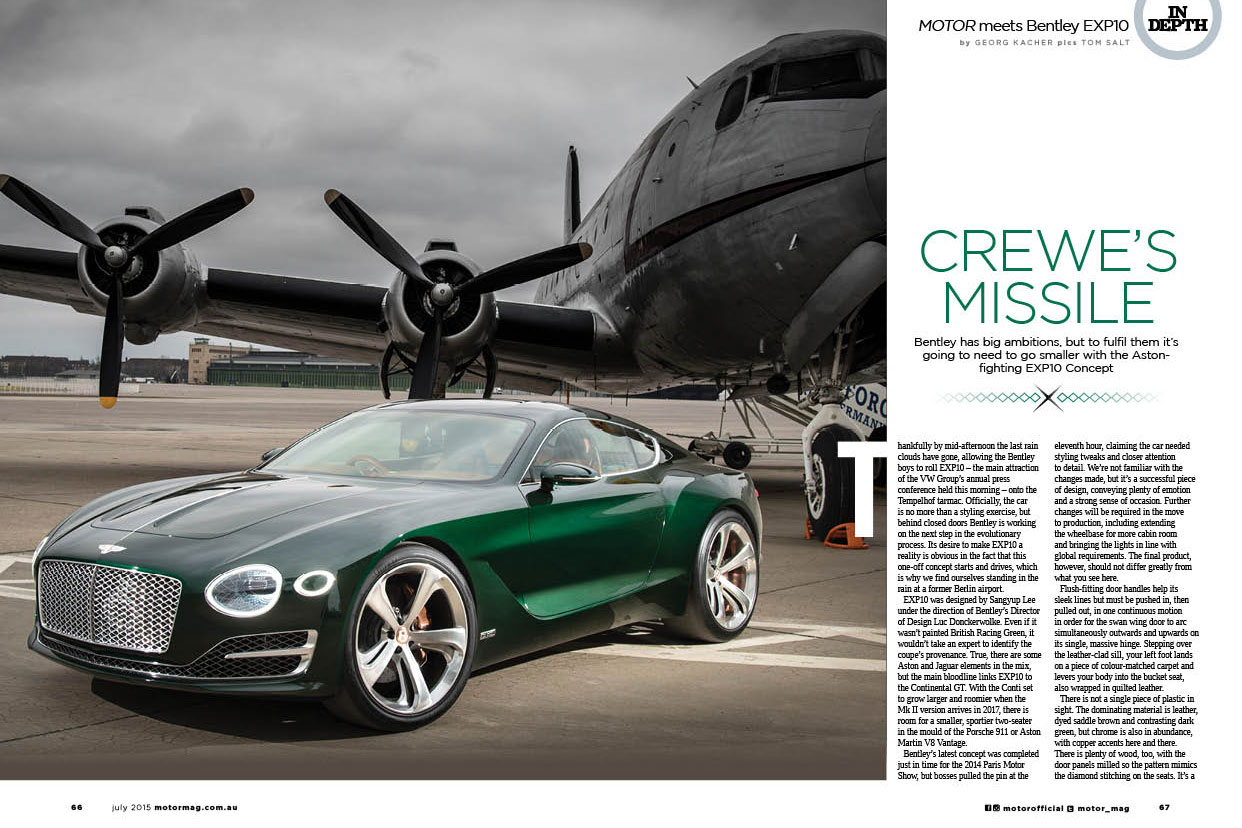
If the Continental GT is Bentley’s present, then the curvaceous EXP10 Speed 6 Concept is its future, hinting at a smaller, lighter, more agile Aston Martin fighting sports coupe.
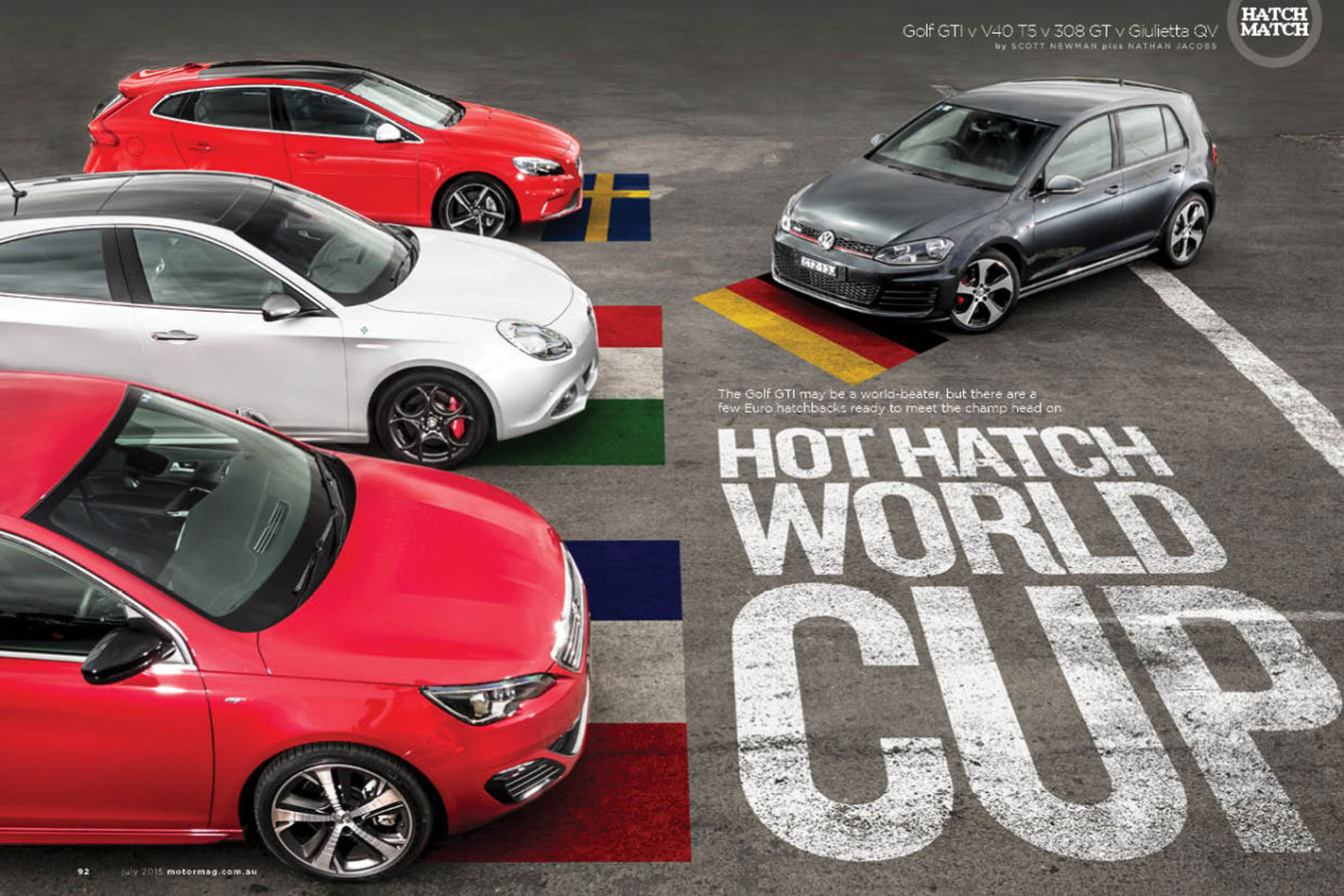
Back in the real world, we pitch Peugeot’s 308 GT, Alfa Romeo’s Giulietta QV and Volvo’s V40 T5 R-Design against the VW Golf GTI to find out if any of them can hold a candle to the current category champ.
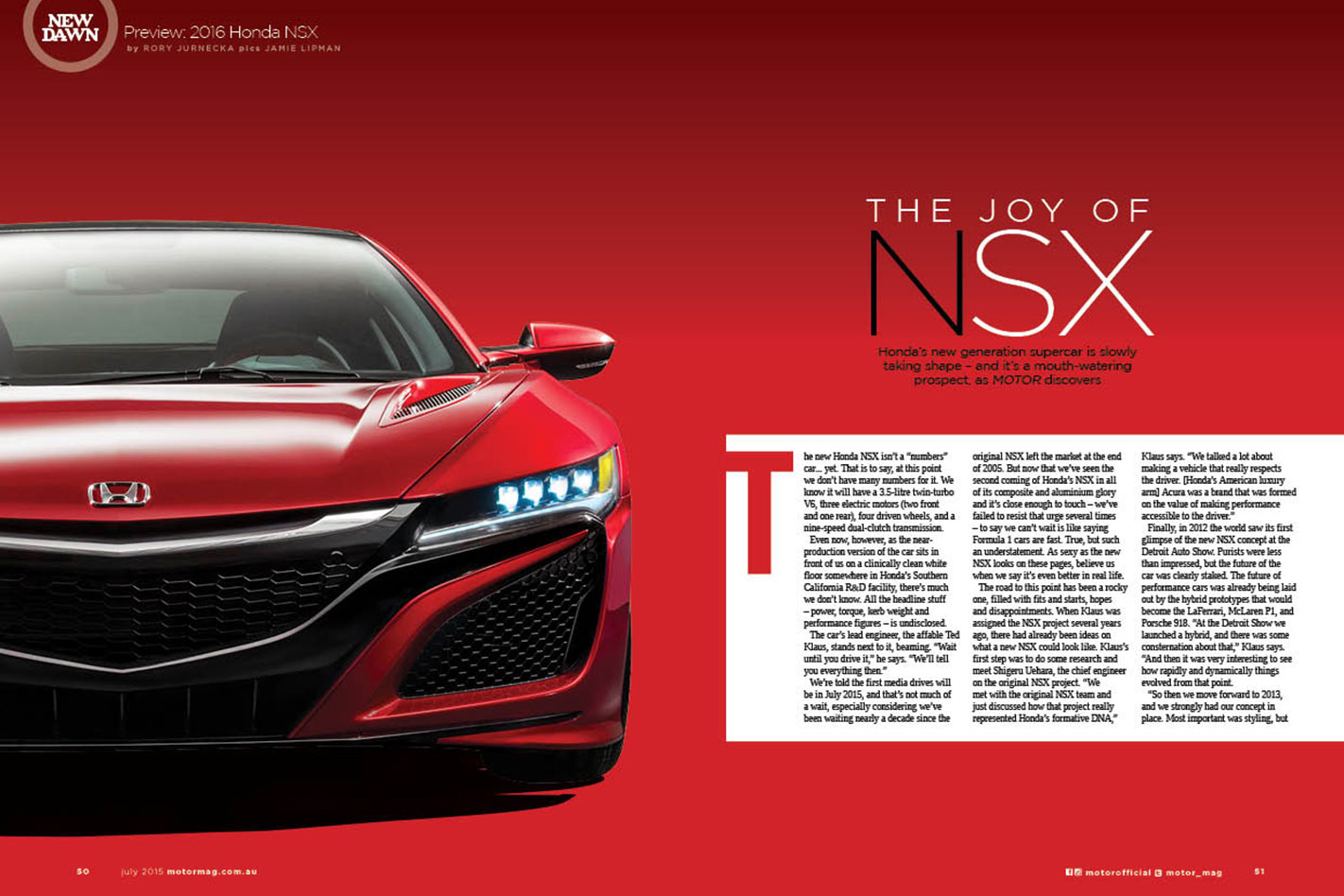
Honda’s NSX has been in development for what seems like forever, but there’s is light at the end of the tunnel and we bring you and in-depth look at this radical hybrid supercar.
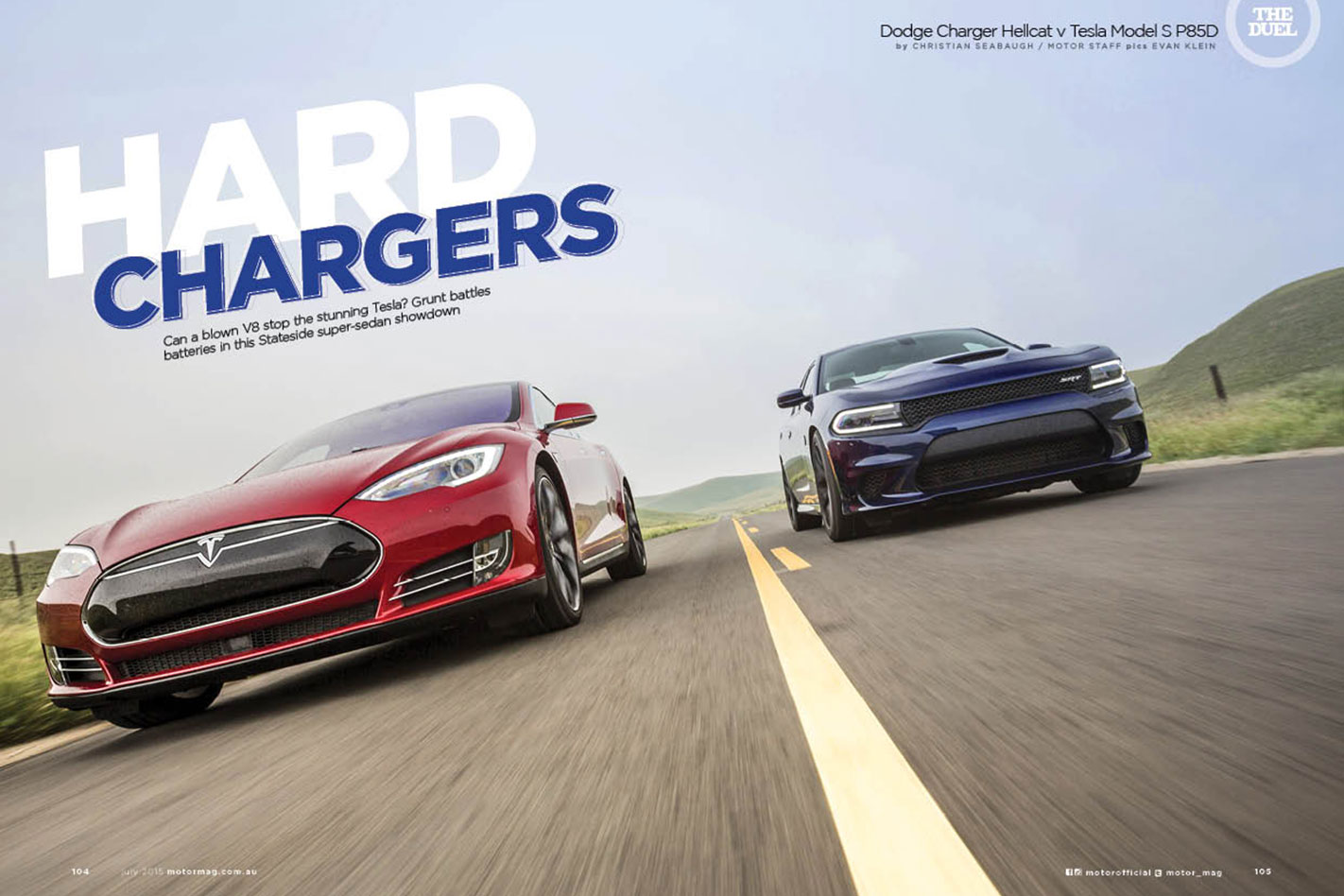
It’s pulverisingly fast, but can Tesla’s Model S P85D zap Dodge’s old-school Charger Hellcat when it comes to pure driving appeal?
Sales of Toyota’s once evergreen 86 sports car have dropped off dramatically in 2015, but a facelift could still be years away.
This time last year the 86 had racked up over 2000 sales and 391 of the rear-drive coupes found homes in May 2014.
Things are dramatically different this year with just 256 Toyota coupes delivered last month, bringing the year’s total to 1343 units.
These numbers represent the end of the 86’s reign as the affordable sports car sales king, with Subaru’s all-paw WRX pulling in 279 sales last month and 1353 for the year.
The Toyota’s sales figures are still undeniably impressive for such a car, but they’re nothing like what they once were and the 86’s steady decline could continue well into next year.
While the 86 has received a few subtle specification and suspension upgrades over the past few years, a proper facelift isn’t expected to occur until late next year.
And while Toyota will fettle the 2.0-litre atmospheric engine, we’re hearing the modifications will be minor – so no 300kW turbo conversion then…
It’s believed the changes will be mainly focused on refreshing the styling, meaning the 86 will come in for the usual bumpers and bling treatment.
The 86’s Subaru BRZ brother may also receive a freshen up given both cars are built on the same production line.
BRZ sales have slowed to a trickle in recent months. Even the Porsche 911 outsold the two-door Subie in May.
Get your free weekly report from the world of fast cars – subscribe to the MOTOR newsletter!
