
The final Australian-built Holden Commodore will be compatible with both Apple and Android smartphones as Holden models deliver improve tech
THE LAST Holden Commodore to be made in Australia will join an Armada of General Motors models offering compatibility with both Apple and Android smartphones.
Carmakers globally are divided between providing full support for two of the world’s biggest phone operating systems – Apple and Android – with many fully supporting how one integrates with their car’s multimedia system, and only partially supporting the other.
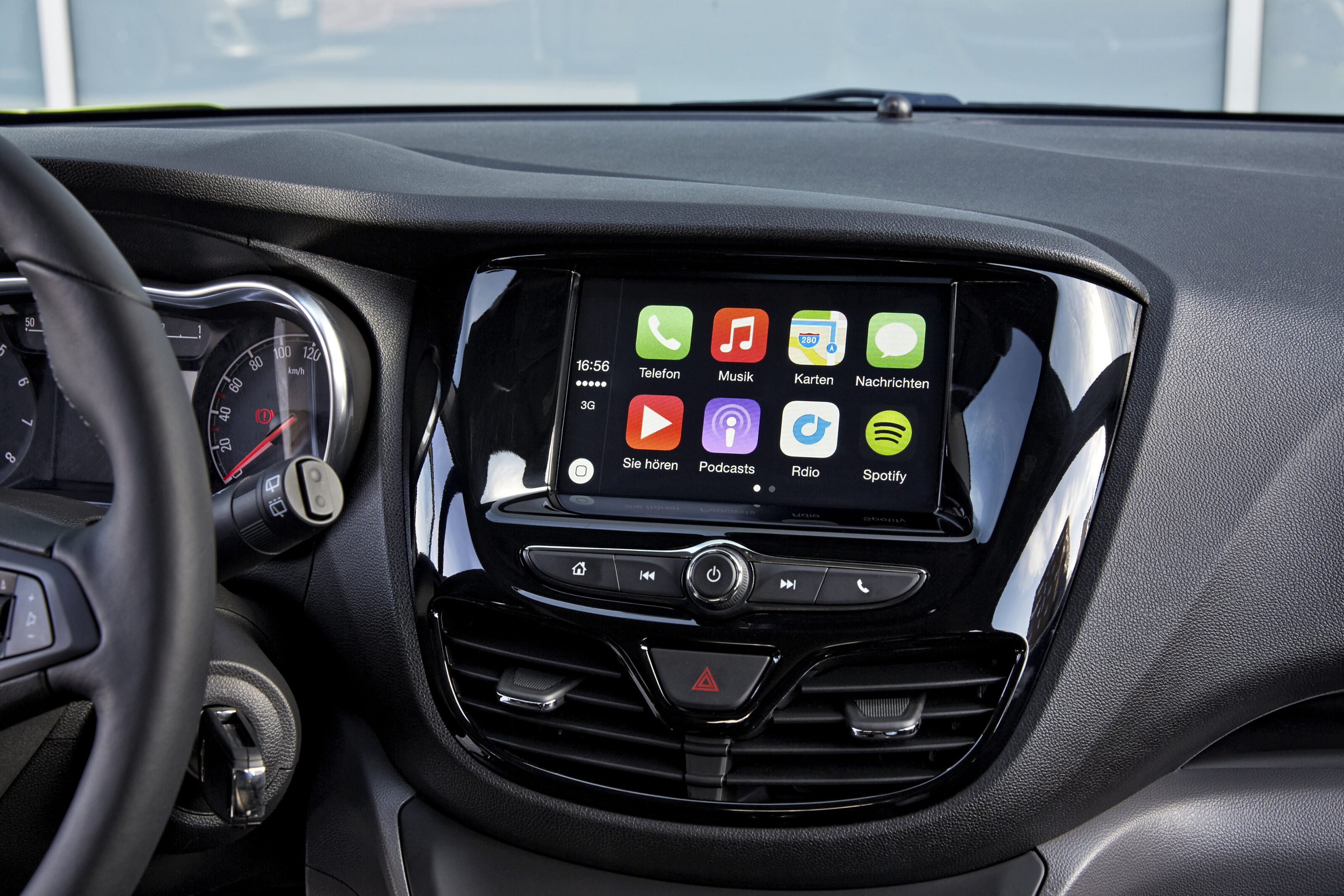
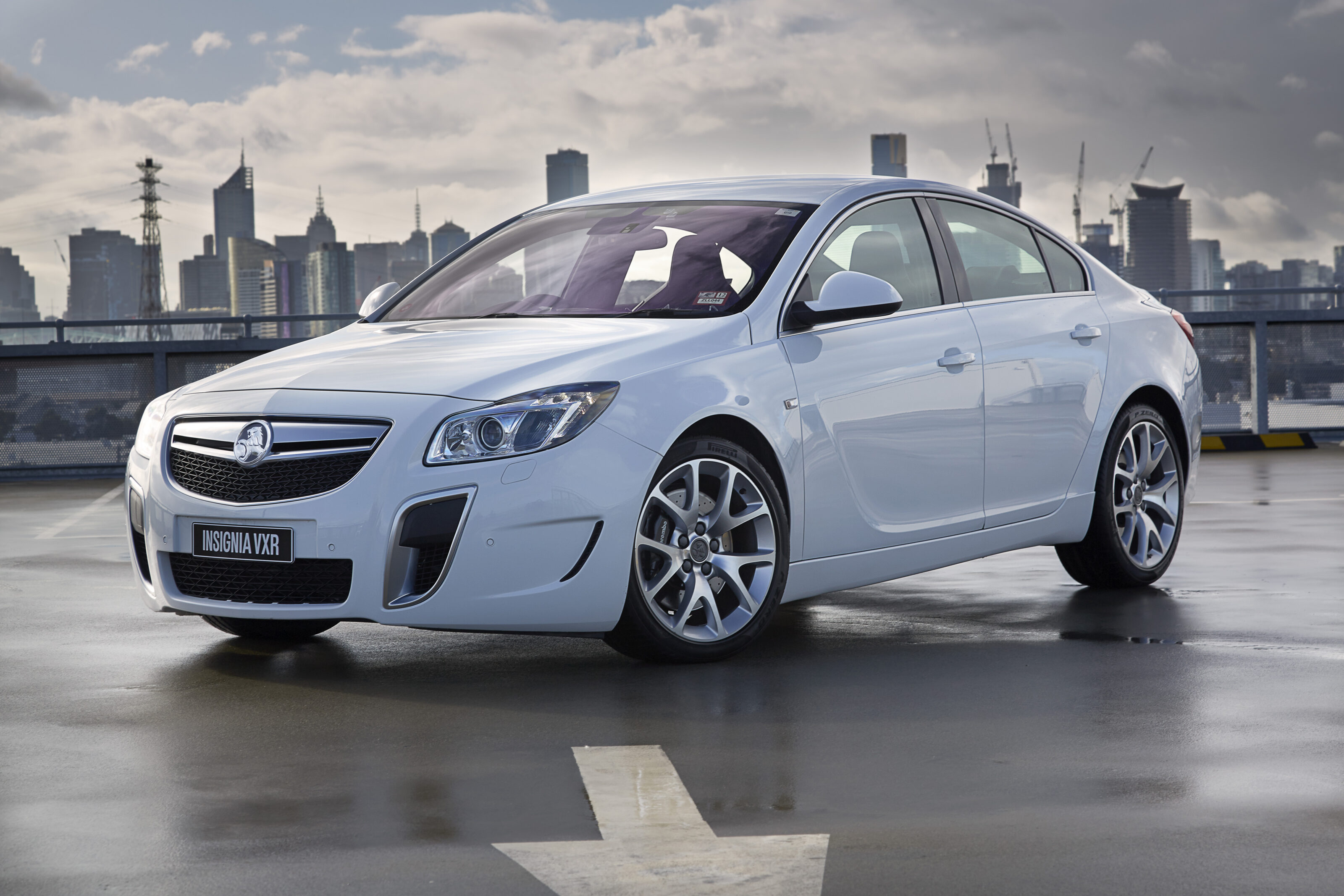
However Opel, the German car-making arm of General Motors that supplies the Holden Astra and Holden Cascada convertible in Australia, and will soon reintroduce the Holden Insignia VXR mid-size sedan, has flagged plans to fully support both smartphone systems in future vehicles. The technology will also extend to Chevrolet models, and that puts the Commodore on the list of MY2016 products to score the new system.
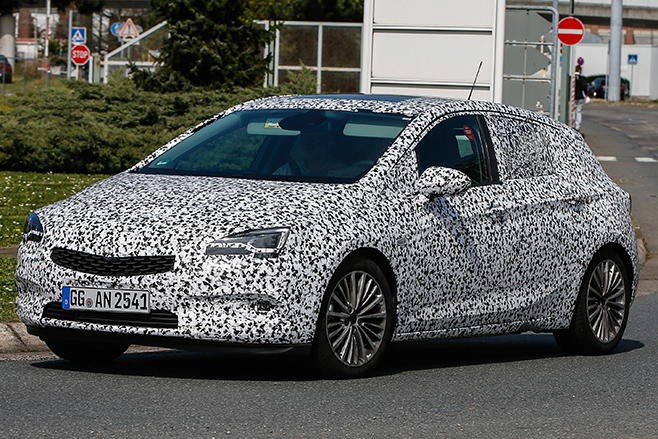
A new-generation Astra hatchback (above), due to be unveiled at Frankfurt in September, will also offer both Apple CarPlay and Android Car smartphone integration, with the Insignia VXR (below) stepping up in 2016. So, too, will the next-generation Holden Cruze, due to be shown next month.
The compatibility comes through General Motors’ R 4.0 IntelliLink infotainment system, which sense whether a smartphone connected via a USB cable is Apple or Android. The touchscreen interface will run the appropriate menu and subsequent systems.
However, there’s a caveat: if you’re hanging on to your iPhone 4 or earlier, you won’t be able to use the new interface, as it requires an iPhone 5 or newer, while Android users will need to have the Lollipop 5.0 operating system or newer.
The war between Google and Apple has been extending into the car, following the debut of Apple CarPlay at the 2014 Geneva motor show. The system was revealed simultaneously through three car manufacturers: Ferrari, Volvo and Mercedes-Benz. Yet car makers have been somewhat cautious in aligning themselves strictly to one side or the other, with brands such as Fords proclaiming to be ‘device agnostic’ and striking up deals with both Apple and Microsoft, for instance.
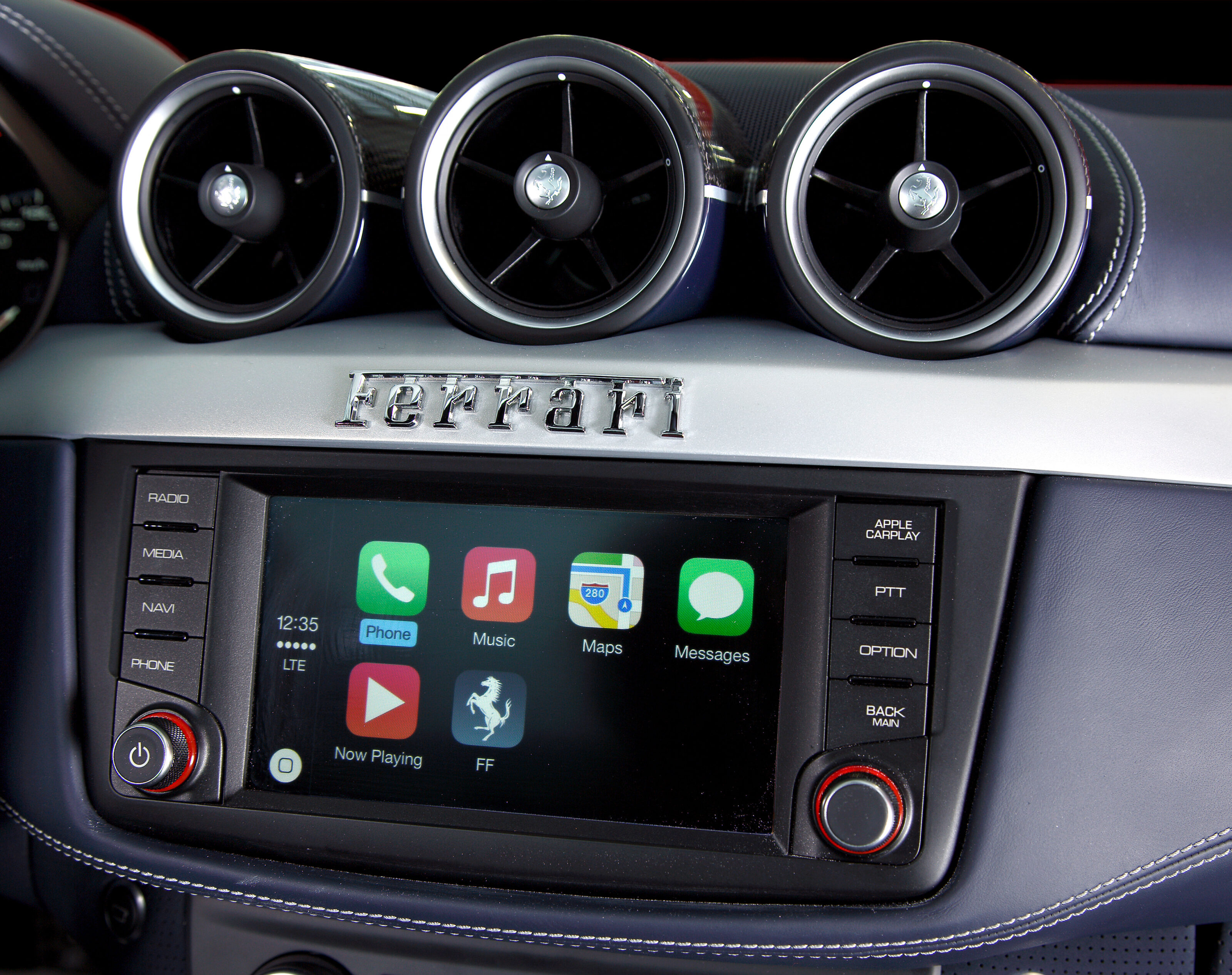
Of course, Ferrari has no qualms in teaming up with Apple, with typically unshakable confidence in the affect a $1000 smartphone has on a $500,000 purchase. “If they don’t have one [an iPhone], we will give them one,” suggested a Ferrari spokesperson.
Sign up here to receive the latest round-up of Wheels news, reviews and video highlights straight to your inbox each week.
MORE than half the 179 new cars on sale rated as having a perfect five-star safety score by the Australasian New Car Assessment Program (ANCAP) would not maintain that rating if evaluated to 2015 standards, which came into effect on January 1.
Conversely, some four-star cars launched in 2014 would have achieved five-star safety endorsements if their Australian market launch had been delayed until 2015, or if the manufacturers had chosen to fit one or two peripheral ‘safety assist technologies’ (SATs) with debatable real-world bearing on occupant protection.
These discrepancies in ANCAP safety ratings are confusing for consumers, and could be costing car companies sales.
Increasingly safety-aware shoppers – including influential fleet and government buyers – who do not understand what the changes mean may be wiping recently released four-star models off shortlists for the wrong reasons.
Through its own marketing campaigns, ANCAP actively encourages buyers to “cross it off your list” if a car does not have a five-star rating – even if the vehicle is among the safest in its class.
Further confusing the process of choosing a safe car is ANCAP’s shift into a new “transition period” whereby the independent safety watchdog, which receives about a third of its income from taxpayers, will be locked into incompatible protocols from its European equivalent, Euro NCAP.
This loophole has led to at least one new car – the Renault Captur – inheriting a five-star Euro NCAP rating despite lacking what ANCAP describes as “vital” side curtain airbags that can save the lives of rear-seat passengers.
“The Captur is one of the small anomalies of the transition [to Euro NCAP protocols],” ANCAP communications manager Rhianne Robson said. “Obviously … there will be certain things that aren’t watertight in the transition.”
ANCAP CEO Nicholas Clarke points to recently introduced “date-stamping” – whereby the test date of a vehicle is specified – as an aid to consumers understanding the year a vehicle was rated. But ANCAP only applies date-stamping to vehicles tested from July 2014.
“The importance of the carry-forward of the 2013 rating for Renault and for consumers is that it’s actually a two-year-old car that’s rated to two-year-old standards, and that’s the message that consumers will take,” he said.
However, the ‘five-stars-or-nothing’ message promoted by ANCAP means many consumers may not look beyond the five-star ratings or understand the distinction of a vehicle tested a year or more earlier.
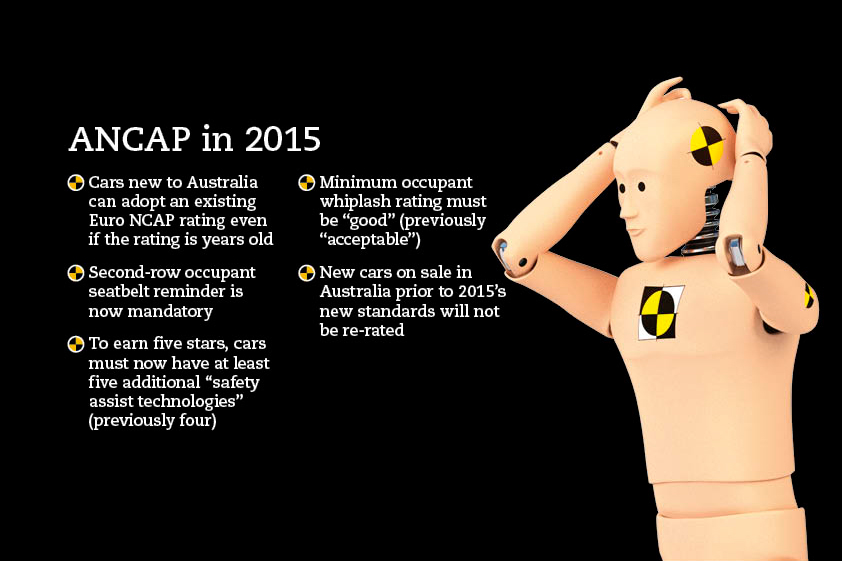
Wheels’ exclusive investigation into ANCAP safety ratings shows many five-star cars lack safety features the organisation considers crucial, such as rear curtain airbags, which ANCAP chairman Lauchlan McIntosh refers to as a “vital safety feature”.
Wheels identified at least 90 new cars rated five stars by ANCAP that would not maintain that rating if recalculated to today’s ANCAP protocols. They include popular models such as the Toyota Corolla, VW Golf, Holden Trax, Toyota LandCruiser and Ford Territory, plus a variety of dual-cab utes, including the Toyota Hilux, Mazda BT-50 and Ford Ranger. Most are missing only a reminder system for the rear seatbelts.
The new criteria and associated transition period has led to some cars with near class-leading safety levels scoring only four stars because they are missing a single SAT such as hill-start assist or daytime running lights.
Wheels believes ANCAP’s new requirement for a minimum number of SATs – on top of a sound crash structure, suitable airbag coverage, good pedestrian protection and other traditional elements credited with saving lives – could be misleading consumers about which cars are safe and which are not.
Some SATs are mandatory to achieve a five-star rating. They include ESC, side curtain airbags for the first and second row of seats, and seatbelt reminders for the first and second row seats.
However, carmakers need up to five additional SATs to achieve a five-star rating, some of which appear to have little or no potential for reducing crashes. They include a smart key, which ensures the “vehicle will not operate without an appropriate electronic key”, trailer stability control, which is relevant only for vehicles used for towing, and hill-start assist, which ANCAP claims “avoids the need for the driver to go through an awkward sequence of events involving the parking brake to hold the car momentarily whilst on a hill”.
One of the biggest inequalities with the ANCAP rating system concerns the protocols applied to the year a vehicle earned its rating. A vehicle’s ‘model-life’ can stretch up to 12 years, so it’s not unusual for its safety rating to be many years old. Vehicles rated by ANCAP in previous years are not penalised despite missing now-mandatory safety features. “We don’t apply our ratings retrospectively,” Ms Robson said. “The ratings are particular in which year the model was launched generally. Yes, there may be a vehicle launched two years ago that doesn’t meet five additional SATs, because the requirements in that year were only three additional SATs.
“What consumers need to acknowledge is that they need to look for a five-star rating; whether that’s a car rated in 2008, the five-star rating for that year is the best safety performer at that time.”
ANCAP CEO Clarke referenced fridge energy use ratings and also pointed to hotel ratings as facing similar problems. “How does a consumer know if a five-star hotel that was rated in 2010 is the same as a five-star in 2015?”
Clarke said re-evaluating cars was unnecessary because “a car is rated to a standard at a particular date”. However, recalculating a car’s score would not require more crash testing, which is by far the most expensive component of the ANCAP process.
Clarke said recalculating the rating of a car is an involved process, despite admitting the physical crash tests have changed little. “There is an enormous amount of science and engineering that goes into this program. This is not a box-ticking exercise. There is complex processes in place.”
He said new ratings protocols adopted on January 1, 2015, which saw the Suzuki Celerio – launched on March 1 – marked down to four stars for missing one SAT, was not indicative of overall ANCAP results.
“It’s pretty easy to sort of get hung up on a couple of what we think are more sort of outliers,” Clarke said.
ANCAP has tried to highlight the issues of older cars tested to older standards with its date-stamping. But there is little explanation of the differing requirements as ANCAP standards have changed – including what occupant protection or crash-avoidance technology an older five-star car may be lacking.
This information is on the ANCAP website in a 19-page document available for download. However, it reads as though written for industry insiders rather than less knowledgeable consumers, and is incomplete, listing six references to features where the assessment method is “TBA” (to be announced) and four where the definition of a feature is “TBD” (to be determined).
It’s not easy for buyers to understand why a car is considered less safe by ANCAP. The difference could be as simple as the lack of an automated handbrake or the wrong car key. Or it could be as serious as poor structural crash protection or the omission of life-saving airbags.
ANCAP’s rating inconsistencies give new vehicles released prior to 2014 an unequal advantage in car dealerships, and could give buyers false assurance that a vehicle rated five stars by ANCAP is safer than a four-star one.
The ANCAP message, by its own admission, is simple: four stars is not safe enough, five stars is. But, as Wheels has discovered, not all five-star cars justify their top safety rating against current ANCAP standards.
In some cases, a four-star rival may actually be the safer choice.
ANCAP ‘falling behind’ on safety Founder says Australian body is no longer a world leader
TWO people instrumental in setting up ANCAP in the 1990s have criticised Australia’s crash test authority as becoming less relevant to car buyers and less nimble in its ability to adapt to new technologies and trends.
Road safety consultant Michael Griffiths told Wheels the taxpayer-funded organisation had lost its innovative approach and was now behind other crash testing authorities.
“It’s a shame that a program that was world leading is now world lagging,” Griffiths said, pointing to the US Insurance Institute for Highway Safety as a leader in occupant protection. “ANCAP should be taking the same innovative route as IIHS rather than being tied to a program that has the limitation of a committee needing to represent all of Europe’s interests.”
Griffiths highlighted new test procedures used by IIHS – including the punishing small-overlap test introduced in 2012 and the side-impact sled test developed in 2003 – as better simulations of side impact from a higher-riding SUV. “This is the kind of initiative ANCAP should be taking.”
According to ANCAP’s annual report for 2013/2014, of $3.5 million in income (comprising $1.1 million in government grants, $2 million in subscriptions revenue and other income) less than half – just $1.6 million – was spent on the “cost of test program”.
The report shows more than $400,000 was spent on “communications and marketing”, including $96,170 on travel, as well as advertising, events and website costs. The books closed with a $250,000 surplus.
ANCAP CEO Nicholas Clarke defended the organisation’s spending.
“That’s nonsense; we’re spending more on tests than we ever have. The funds that we get in through our members is only a fraction of what we spend on crash tests. “You’re forgetting we’re a not-for-profit [organisation]. We make money through all sorts of channels in kind and in cash. We get … probably $4.5 million on average in ratings from Euro NCAP for free. We get manufacturers assisting with the donation of tests and cars. These are not things that hit the balance sheet.”
Dr Tom Gibson – a visiting professor at the University of Technology, Sydney, and a director of Human Impact Engineering, a consultancy company that deals with the biomechanics of impact injury – also believes ANCAP is losing relevance.
Gibson, who was involved with Griffiths in establishing ANCAP, agrees the testing procedure needs to focus more on occupant protection and developing more difficult and relevant tests.
“The critical issue at present is the compatibility of vehicles,” said Gibson. “When a light vehicle hits a heavy vehicle … the little vehicle isn’t going to do well, no matter what ANCAP says.”
ANCAP touches on the incompatibility of large and small vehicles in its website’s FAQ section: “It is not appropriate to compare ANCAP safety ratings across vehicle categories, particularly if there is a large weight difference.”
However, Wheels believes the simplified ‘five-star only’ message overlooks these potential dangers. And ANCAP has done little to evaluate vehicle mass differences, increasingly important in a country where one in three new cars is an SUV.
Gibson also questions whether Australia has the money or resources to justify its own NCAP testing. It’s a topic of contention as local manufacturing approaches its 2017 end-date.
“There was more reason [to have a local NCAP] when we had more unique models,” Gibson said. “It seems to me Australia could get better bang for their bucks if they did things differently.”
Star-struck cars risk sales snub Safer maybe, but no longer on shopping lists
SAFER cars could be more expensive to register and insure due to inconsistent and confusing crash ratings.
ANCAP has successfully lobbied fleets, large companies and governments to only purchase cars with five-star ratings. The national marketing communications manager of LeasePlan Australia, Paul Scully, said the star ratings are “increasingly important to fleet buyers, governments in particular … the car is seen as part of the workplace and ANCAP is the rating they rely on”.
However, such fleet purchasers could be missing out on the latest safety features because of ANCAP changing its requirements and entering a “transition period” culminating in the 2018 adoption of Euro NCAP protocols.
The Suzuki Celerio, for example, is one of the few cars in its class to feature seatbelt reminders in the rear seats, something now mandatory for a new five-star rating. It also protects occupants well in a crash, according to Euro NCAP’s data (supplied to ANCAP), and has the second-highest pedestrian protection score for a light car.
However, because it arrived in Australia in 2015, the Celerio requires five additional safety assist technologies to achieve a five-star rating. It fell short by one SAT, so was rated as four stars, with ANCAP recommending buyers shop for another car.
However, Wheels’ own investigation reveals that of 12 major light car competitors, the Suzuki is one of the safest. If Suzuki fitted a hill-hold system, for example, it would almost certainly be upgraded to five stars.
Four-star cars could soon also be more expensive to register. Last year, NSW roads minister Duncan Gay released a discussion paper proposing higher registration fees for cars without a five-star ANCAP rating. A department spokesperson told us “a final report will be prepared for the government’s consideration and approval in due course”.
The ANCAP safety message can also go the other way. The simplified “accept nothing less” message from ANCAP says “consumers should look for vehicles that have earned the maximum five-star ANCAP safety rating”, but many older cars that still boast that rating miss out on now-mandatory “safety assist technology” or potentially life-saving airbags. The ANCAP website states cars rated four and five stars have “head-protecting technology (side curtain airbags)”. But many ANCAP five-star cars – including the Volkswagen Amarok and Beetle, and Renault’s Clio and Captur – do not have full-length curtain airbags.
The Tata Xenon, which gets four stars, has no side airbags at all and an inferior lap-only seatbelt in one seat.
ANCAP also claims “a vehicle must achieve the highest standards in all tests and feature advanced safety assist technologies (SAT)” to earn five stars, yet many such cars do not meet the current ANCAP requirements for safety assist technologies.
Lamborghini has confirmed it will build an SUV to sit alongside its Huracan and Aventador supercars.
The Italian brand will build a production version of the Urus, the concept car unveiled at the 2012 Beijing Auto Show and pictured above.
To build the SUV, Lambo will radically renovate its factory in Sant’Agata, Italy, to include a new production line – and will enlarge its existing R&D labs.
Lamborghini says it’ll hire another 500 people to develop and build the SUV, which will nearly double Lamborghini sales.
Unveiled in 2012, the Urus – pronounced “oo-rooss” – was about the size of BMW X6, packed around 450kW and was hybrid.
Of course the Urus won’t be Lamborghini’s first SUV. Built between 1986 and 1992 the boxy LM002 packed the Countach’s 331kW 5.2-litre V12 – and did 209km/h.
MOTOR ANALYSIS
Let’s face it, at the end of the day Lamborghini is a business – and it’s in the game to make money.
An SUV we assume borrowing bits from its Audi and VW stablemates will double sales and significantly bolster the cash coming in.
Particularly in China; it wasn’t a coincidence the Urus concept car was unveiled in Beijing.
We can only hope, like the way Porsche justified its Cayenne SUV, Lamborghini will spend more money designing and developing its bewitching supercars.
Who knows, the extra cashflow could mean Lamborghini branches further out in the supercar space, perhaps making a cheaper model to take on the 911.
Certainly that’s been McLaren’s strategy lately.
We can speculate that Lamborghini is facing expensive engine development for its next generation of supercars, given ever-tightening emissions regulations that have forced even Ferrari to turn turbo.
The Urus could help pay for this instead of sending Lambo broke.
And while we all know the Lamborghini brand is built on a lineage of stunning supercars, unfortunately purists can’t play the blasphemy, ‘but-they’ve-never-made-an-SUV-before’ card this time around.
The LM002 was Lambo’s first SUV and with the Countach’s V12, sounds like delicious madness.
Let’s not forget Lamborghini, too, began life as a tractor manufacturer.
Now there’s an interesting precedent.
Here we have two hot hatches with the same engine, both all-wheel drive, both with very similar power-to-weight ratios, but the question is: which is faster?
The 206kW/380Nm VW Golf R has the advantage of more power and torque, but the 170kW/370Nm Audi S1 counters with around 100kg less weight.
Given how similar the two cars are on paper, the difference could come down to transmission. VW only had a DSG-equipped Golf R, whereas Audi only offers the S1 with a manual ‘box.
Place your bets and watch the video above to discover the winner!
Get your free weekly report from the world of fast cars – subscribe to the MOTOR newsletter!
Fifty years of the supercar is the theme for this year’s Motorclassica in Melbourne, which will boast an “unprecedented” number of iconic exotica.
As a tribute to mark the period since the Lamborghini Muira was introduced in 1965, show-goers who pack the Royal Exhibition Hall over the October 23-25 weekend will see a flotilla of the world’s best sports cars.
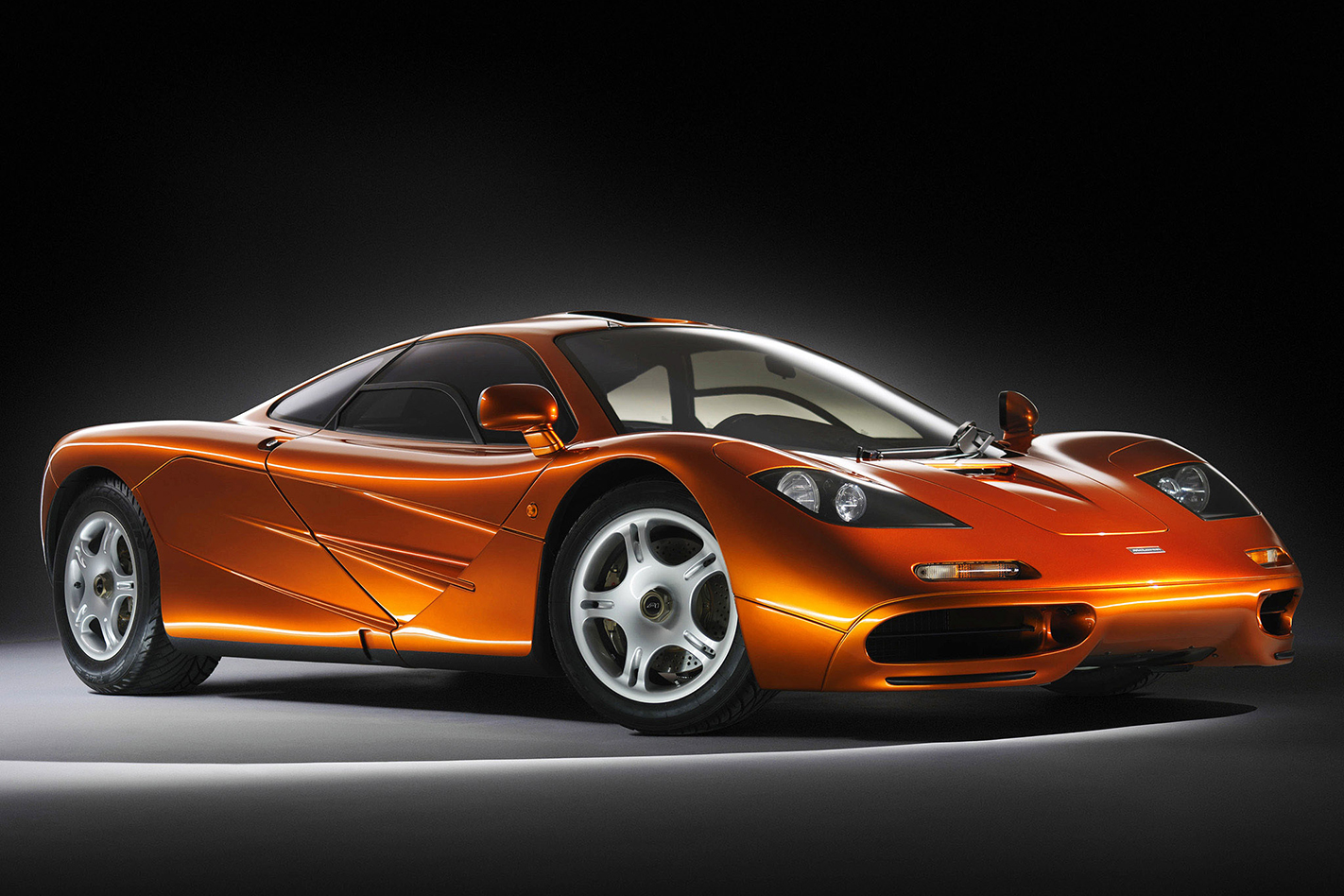
Topping the list in value will be a McLaren F1, today priced at $10 million, which will join other bedroom pin-ups from over the years that also now top seven figures.
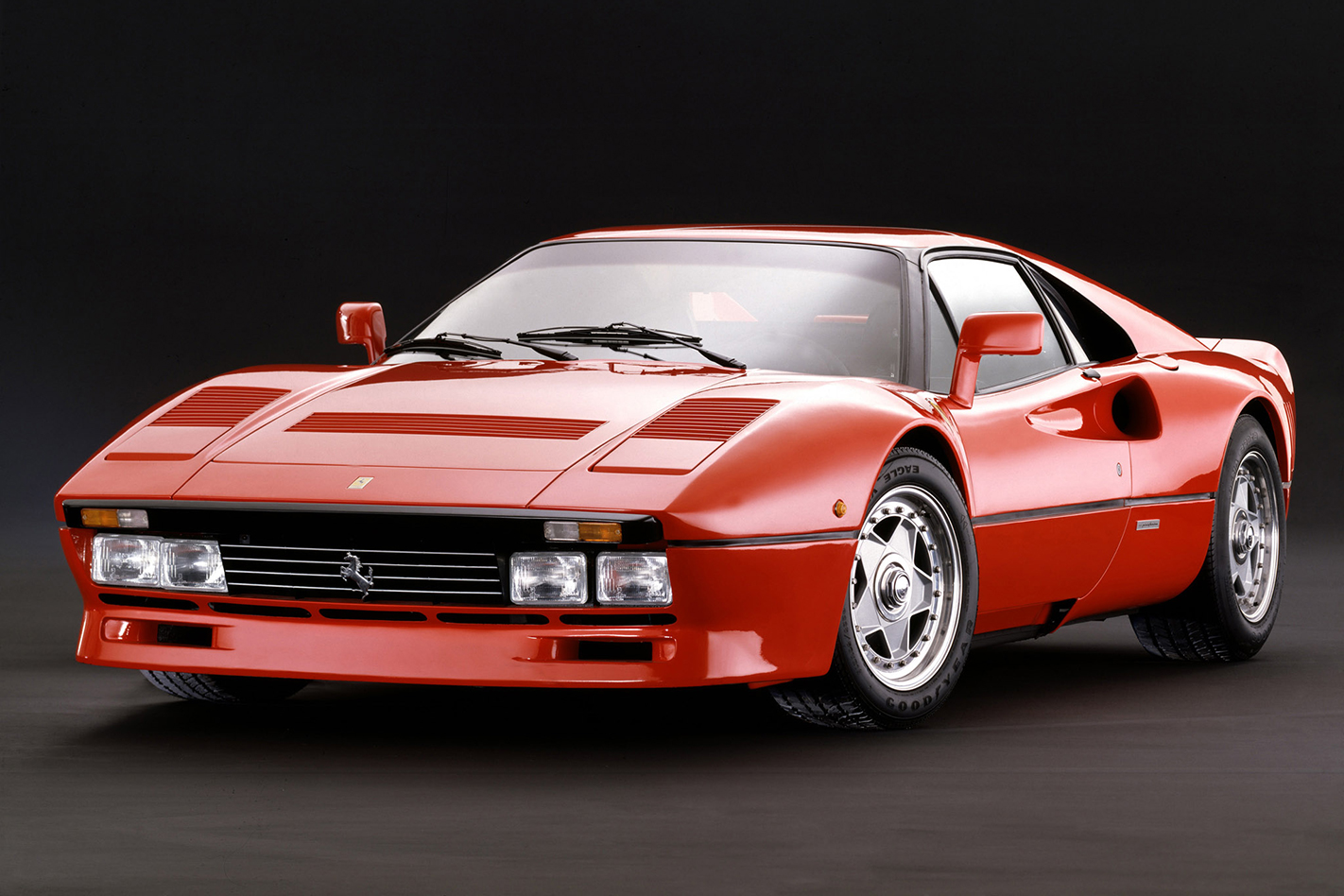
The beautiful, $1 million Ferrari 365 GTB/4 Daytona will sit beside a $1.5 million F40, a $2 million 288 GTO and a Testarossa on display.
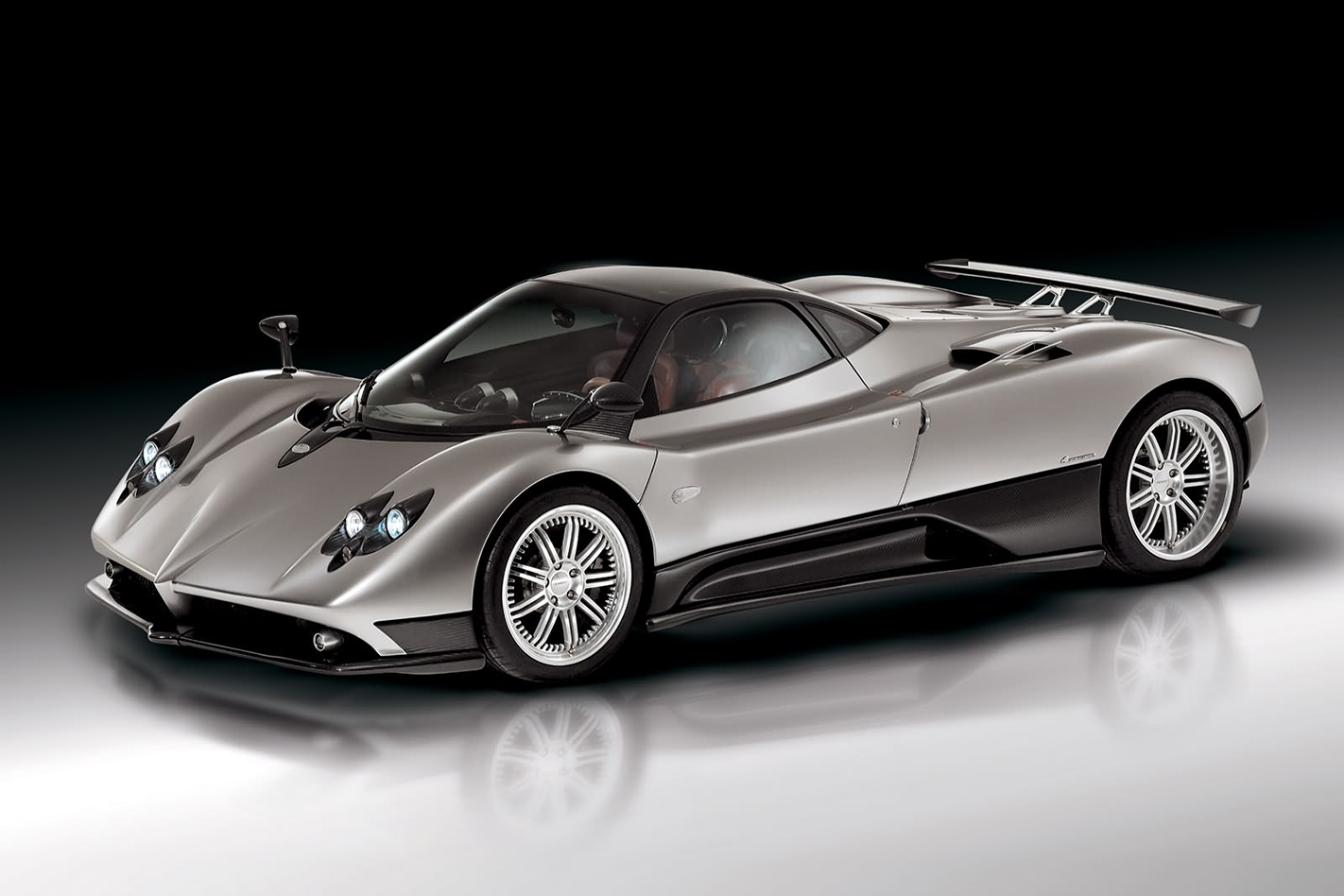
One of the newest and rarest of the lot will be a $1.5 million Pagani Zonda.
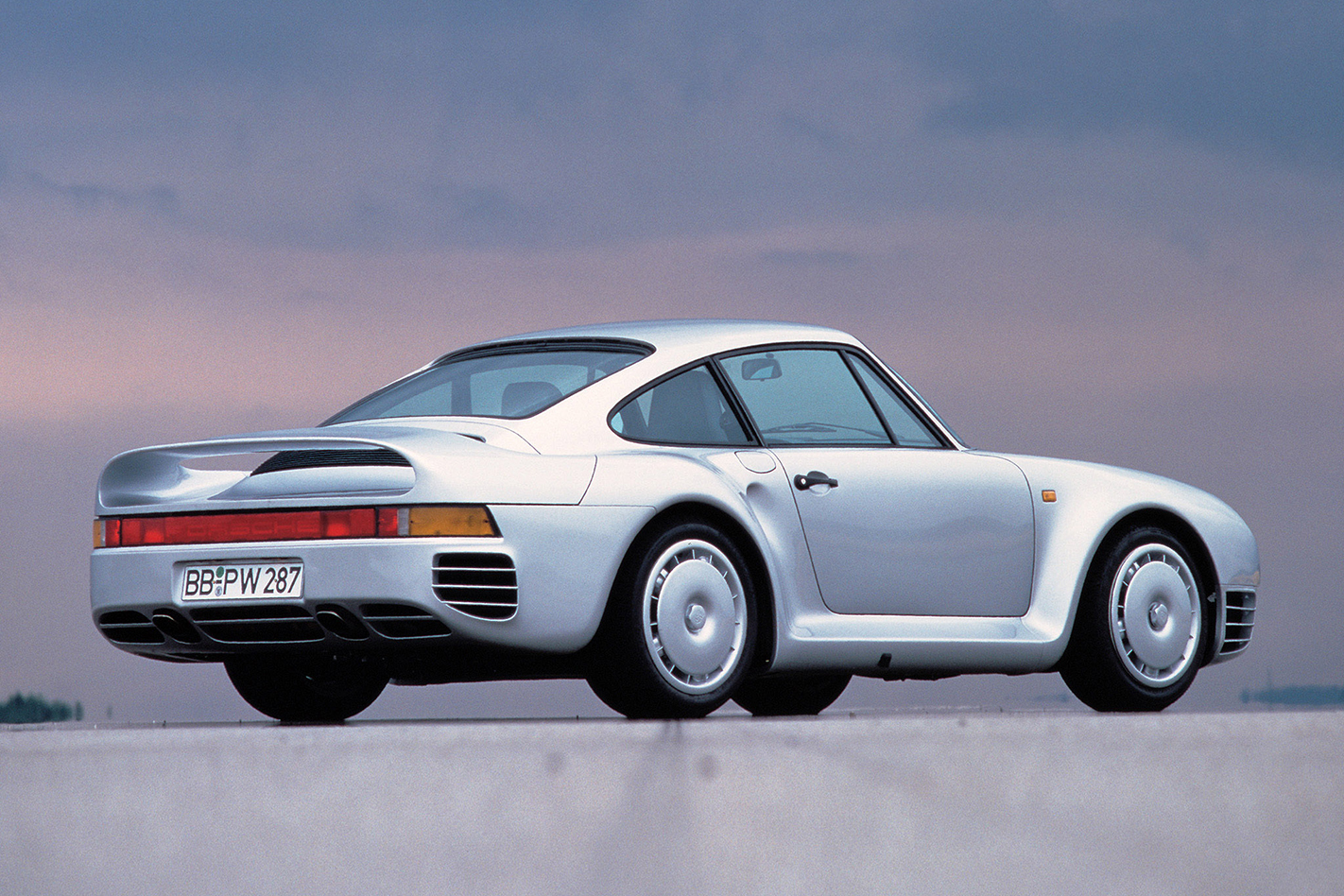
A Lamborghini Diablo will feature alongside a Countach LP400 and of course the Muira, while in the German camp a Porsche 959 – tagged as the most technologically advanced car of its time – and Carrera GT will be shown.
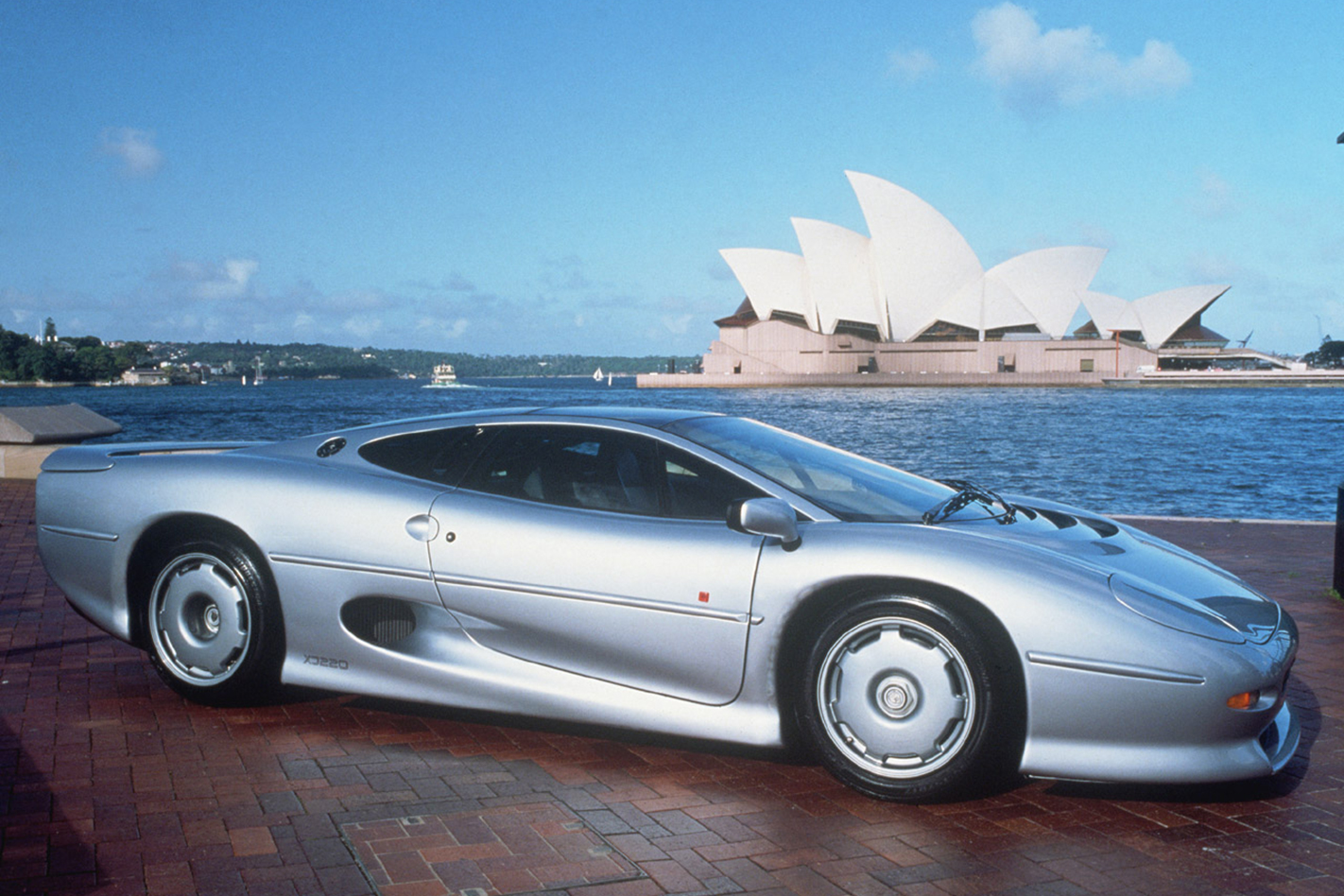
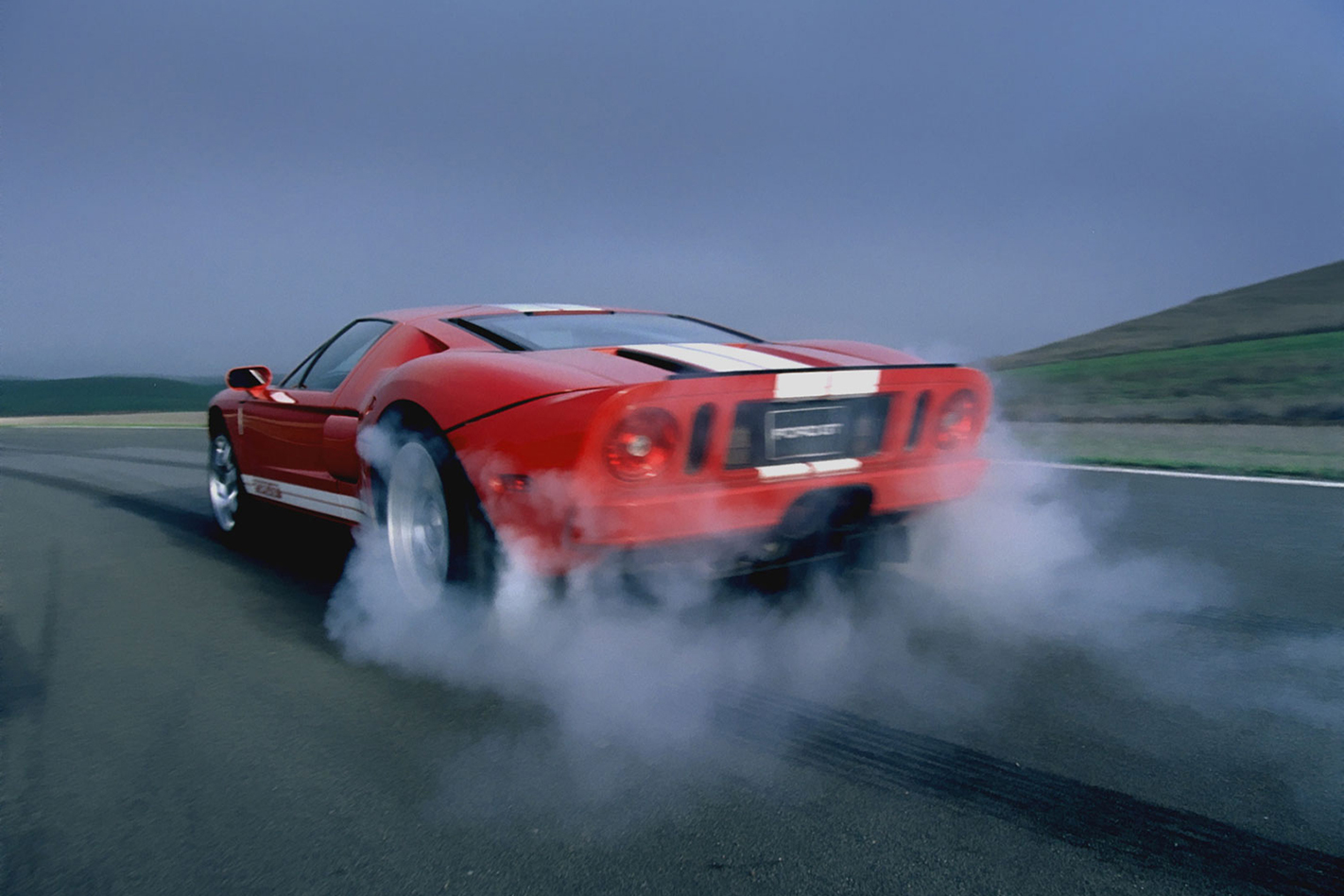
Jaguar’s only supercar, the XJ220, might have been lonely if the Ford GT isn’t also appearing as the lone Blue Oval example of a breed that Motorclassica describes as: “hard to define, there’s no dictionary definition, but fundamentally these are the ultimate road cars.”
“To celebrate everything that’s special about these amazing machines, we’ve assembled a truly fabulous collection of the fastest and rarest, it’s a line-up the likes of which has never been seen in Australia before,” adds Motorclassica event director Paul Mathers.
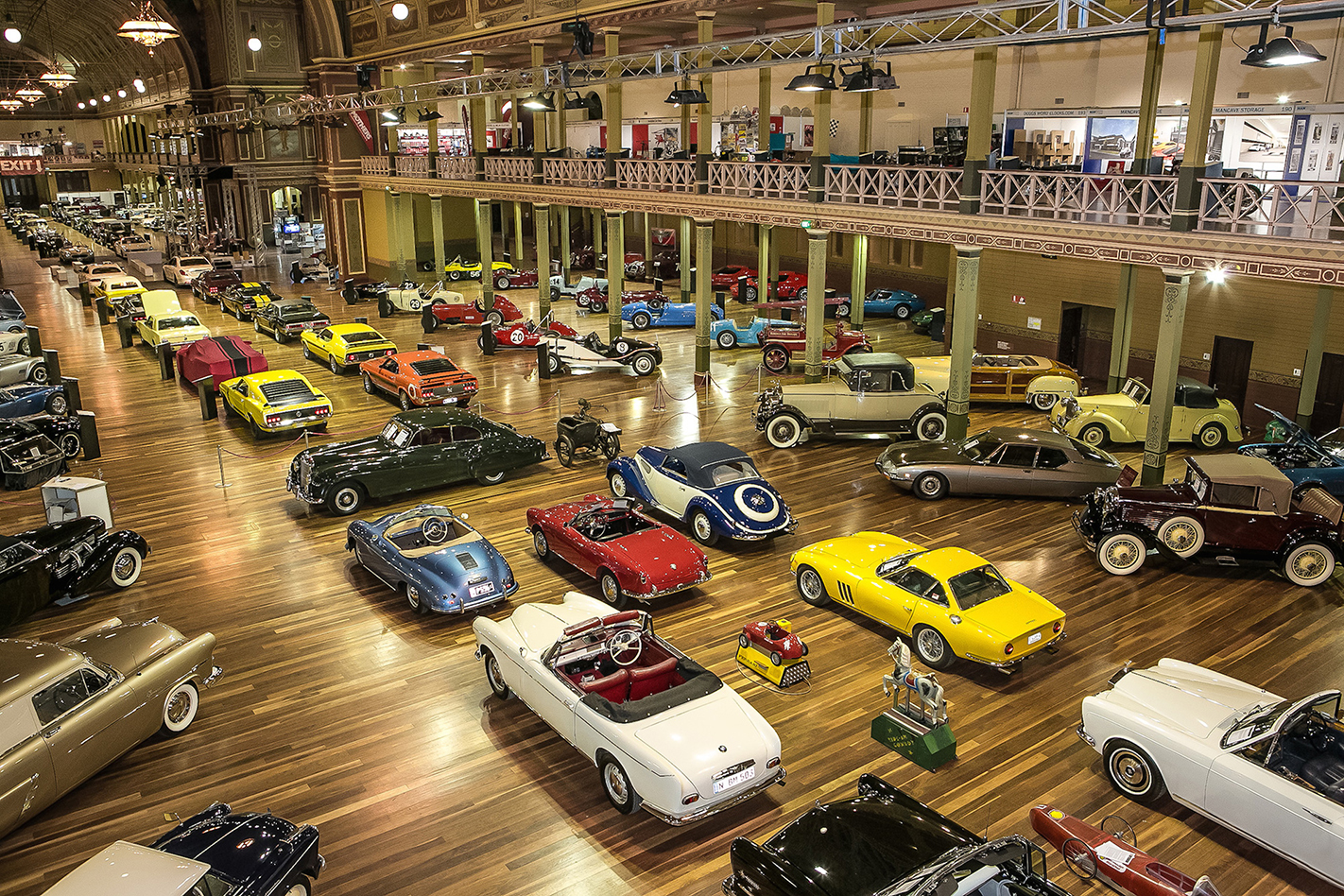
For its sixth year running, Motorclassica will aim to have 20 supercars on display out of a total 100 cars and 50 motorcycles as part of other exhibits – such as 50 years of the Ferrari Dino and the Bugatti Owners Club, and 70 years of MV Agusta.
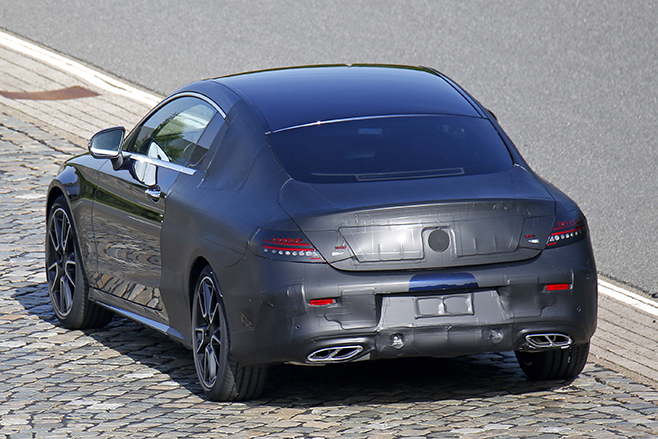
The next-gen Mercedes-Benz C-Class Coupe nears completion on its way to this September’s Frankfurt motor show, and like the sedan, it’s a mini S-Class
NEAR production-ready images of the Mercedes-Benz C-Class Coupe keep coming on stream, in preparation for its September IAA Frankfurt motor show debut, showing more slinky styling details than ever before.
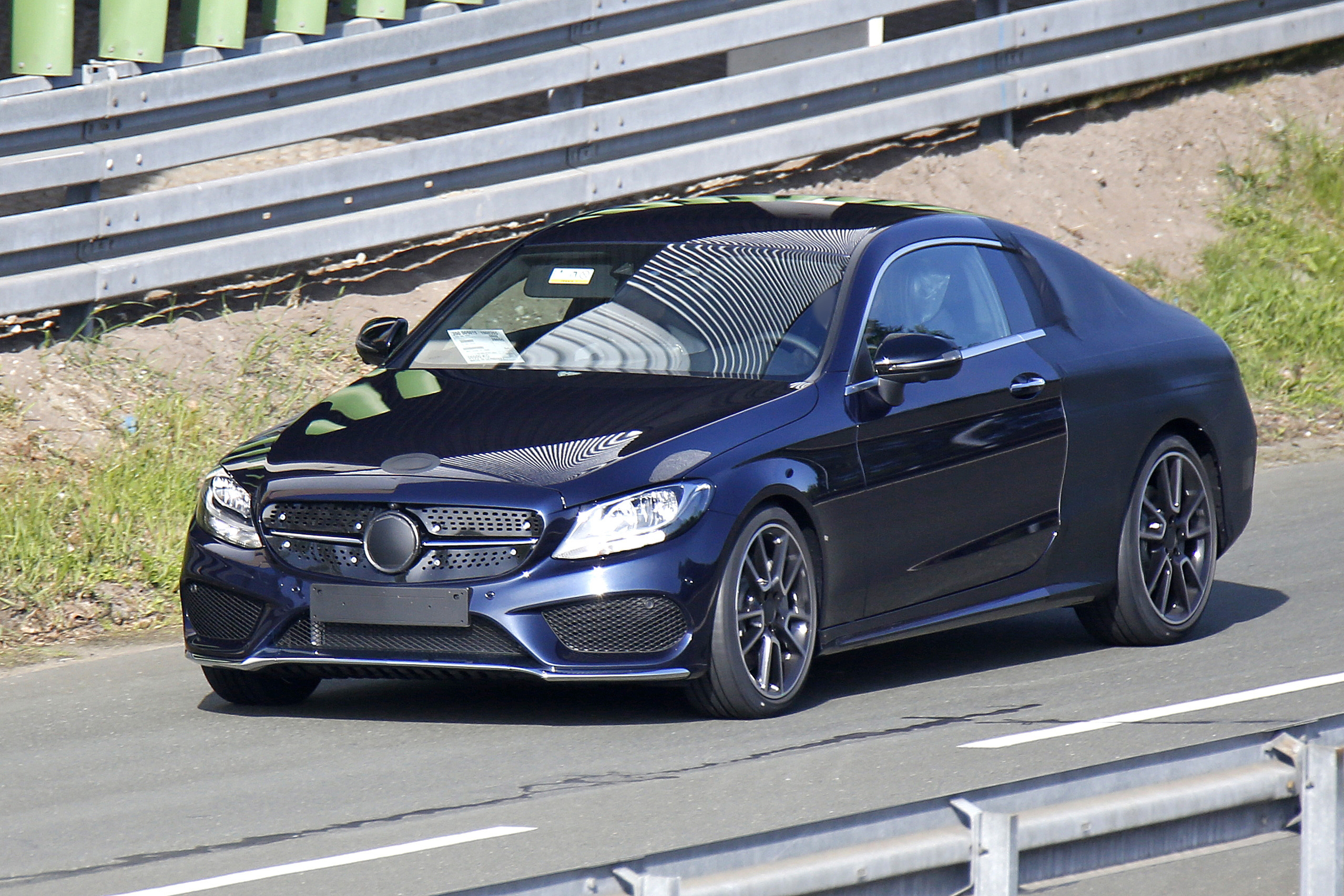
After the relative two-door sedan dumpiness of what’s currently on offer, the Stuttgart product planners have clearly decided that a more rakish form is required to take on the successful Audi A5 and BMW 4 Series coupes.
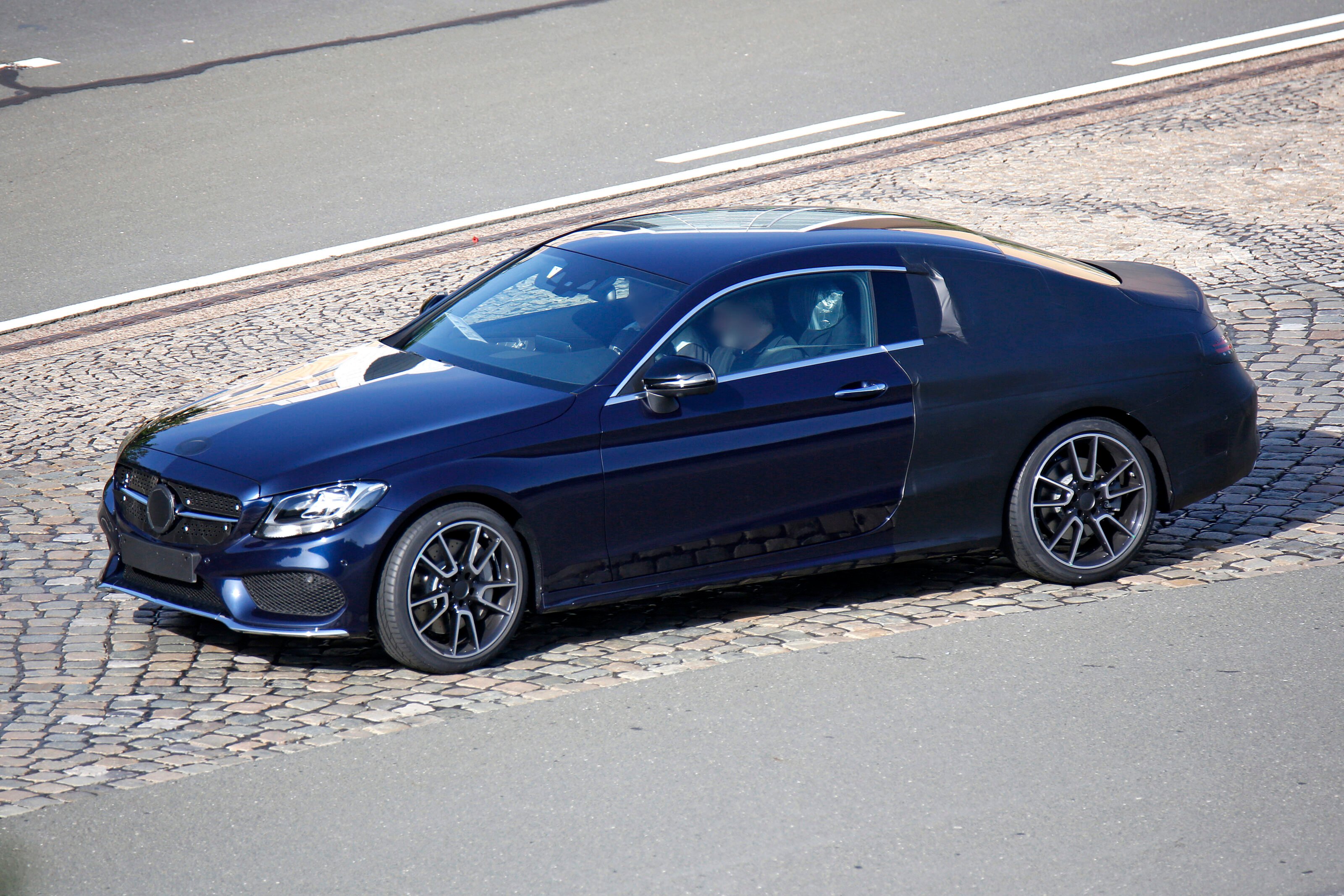
The A205 ragtop convertible version of the C205 Coupe is also waiting in the wings, probably in time for the Paris motor show in September next year, completing the rollcall of current-gen C-Class models.
Have spy pics of your own? We’d love to see them. Just email them to [email protected]
Sign up here to receive the latest round-up of Wheels news, reviews and video highlights straight to your inbox each week.
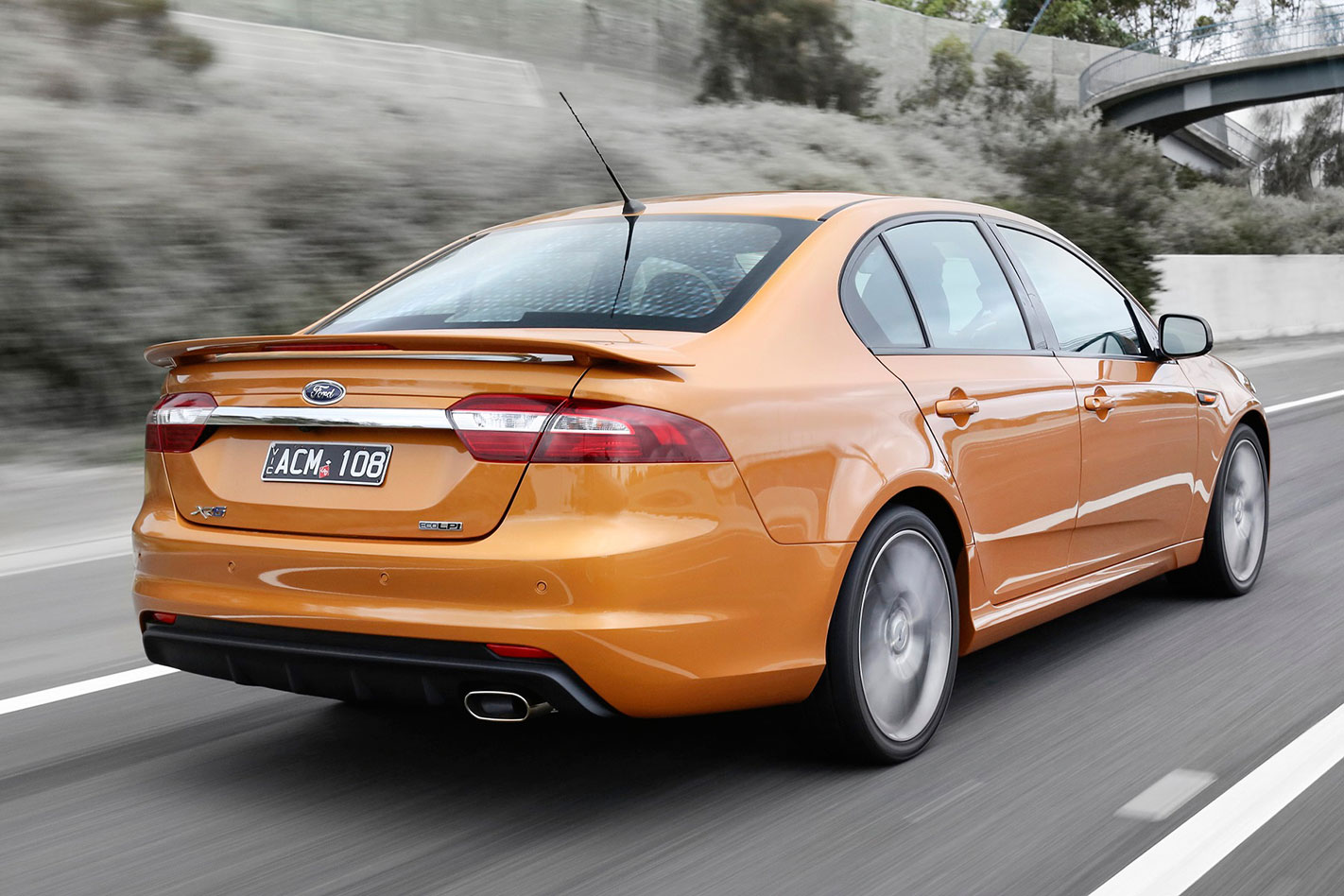
What do a little bear’s bed, a breakfast cereal, and the Ford Falcon XR6 all have in common? All feel ‘just right’.
As you’re probably aware, not much has changed in the transition to FG X, but it’s a good opportunity to re-acquaint ourselves with what could be the pick of the range.
So what is new? Well, there’s the looks. As ever with questions of design, attractiveness is largely up to the individual, but we reckon the new face and Jaguar-esque rear end do a brilliant job of making the Falcon look fresh.
Inside, it’s a case of business as usual bar the new SYNC2 infotainment system that includes sat-nav, Bluetooth audio streaming, digital radio and Wi-Fi.
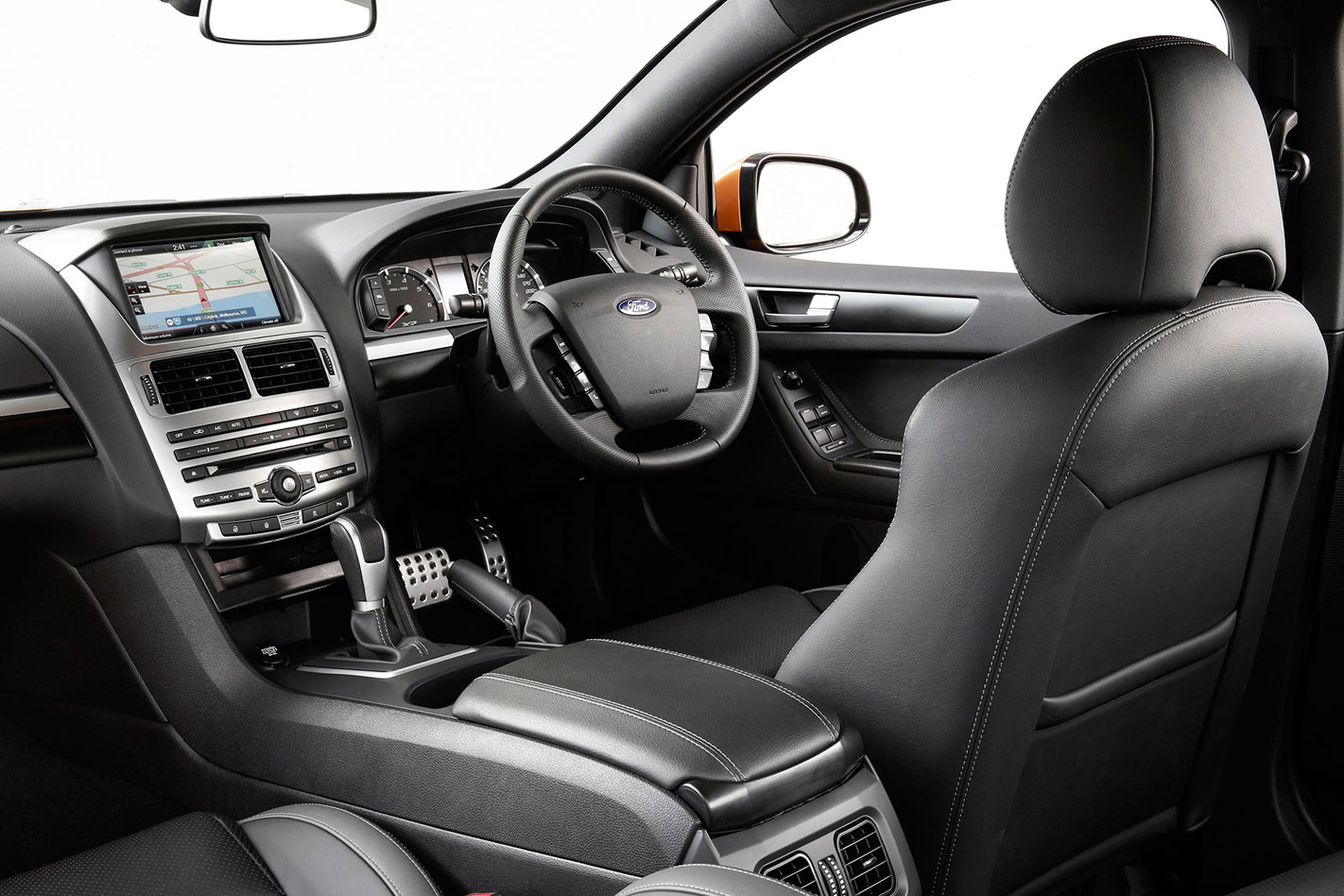
Mechanically, there’s not much to write home about, either. You’re limited to the venerable 4.0-litre inline-six in 195kW/391Nm petrol or 198kW/409Nm EcoLPi form, the latter only available with the six-speed ZF automatic.
Morley reckons the biggest problem with the XR6 is that you can get a Turbo for not a whole lot more. He has a point, as the basic XR6 is never going to give the acceleration hit straight-line junkies crave, but there are a couple of reasons why the atmo toiler is worth a look.
Firstly, adding a snail brings the price tag up by more than $7000, no small sum. And then there’s the chassis. Unlike some other models in the FG X range, the XR6 hasn’t had any suspension tweaks, so its setup remains identical to FG Mk II.
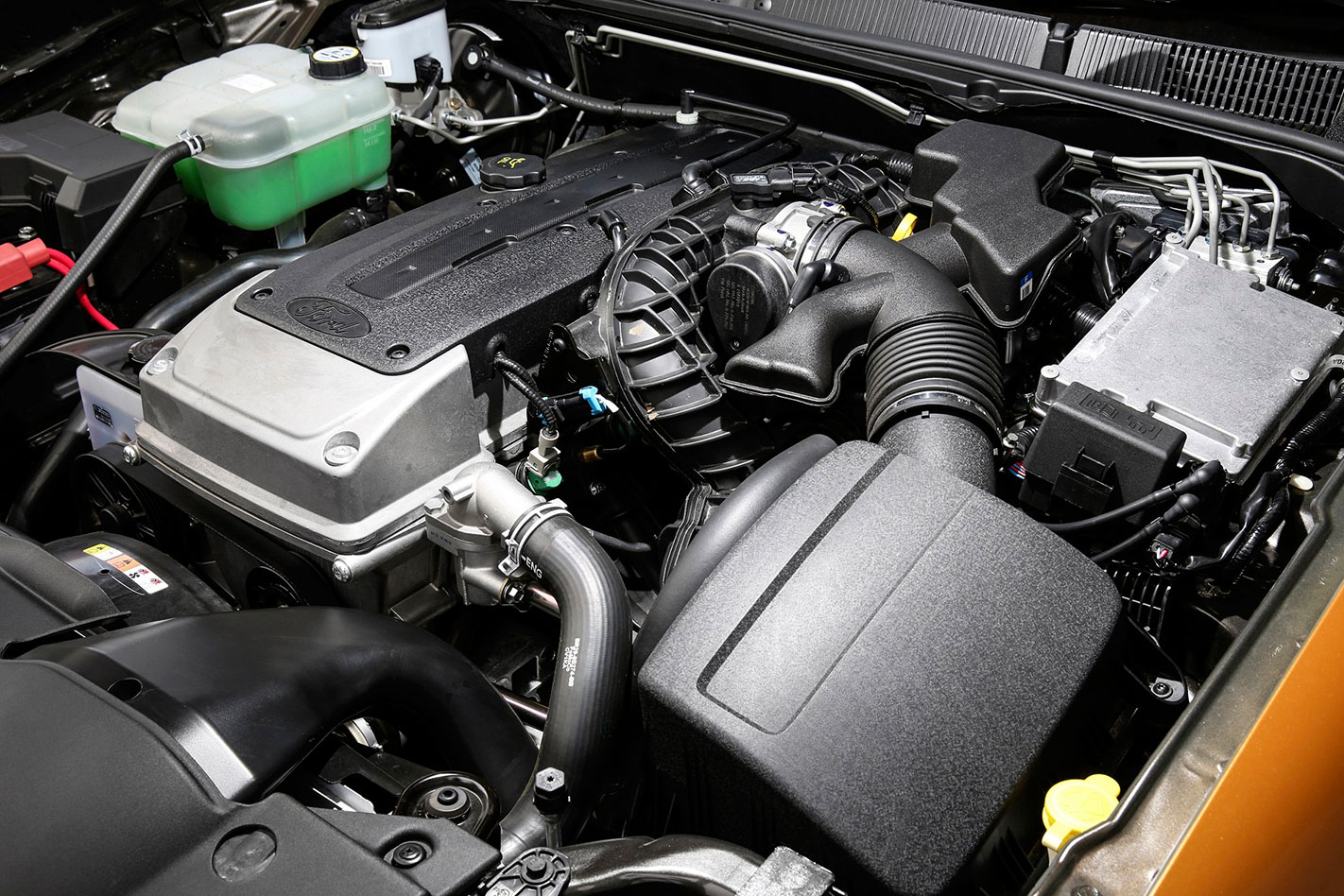
But that’s no bad thing, because there wasn’t a lot wrong to begin with. In terms of the crucial ride and handling balance, the XR6 is just about ideal, not paunch-jigglingly stiff like the XR8 but firm enough to keep everything under control when the going gets twisty or bumpy.
The extra grunt of the blown six (or eight) can also sometimes ask questions the Falcon’s ageing platform can’t answer. With less weight over the nose and less power to contend with, the XR6 allows the driver to control the chassis like a conductor does an orchestra.
Neat and tidy or wild and lairy, either option is available, as the Barra six has j-u-s-t enough power to overwhelm the rear tyres in the dry, and on slippery surfaces it’s a drifter’s delight.
It’s not the most inspiring engine around, though, and it’s a shame the auto doesn’t match revs on downshifts. Making an EcoBoost XR6 would solve both problems, but it appears that one will remain a pipe dream.
The biggest improvement the FG X has brought, however, is to the bottom line. At just $36,090, the basic XR6 manual is $3900 cheaper than before – it’s actually the cheapest FG X you can buy!
The automatic has had less of a haircut, but at $38,290 it’s still $2700 less than FG Mk II and represents excellent value.
At this price point the old interior and questionable build quality are less of an issue and you’re left with a big, comfortable Aussie sedan that can tow a boat and swallow a family, yet still entertain the driver. Just right.
3.5/5
Specifications
Engine: 3984cc inline-6, DOHC, 24v Power: 195kW @ 6000rpm Torque: 391Nm @ 3250rpm Transmission: 6-speed manual/6-speed automatic Weight: 1748kg (manual) 0-100km/h: 7.2sec (estimated) Top speed: N/A Fuel consumption: 9.0L/100km (manual) Price: from $36,090
Toyota’s Aussie-made V6 sedan has been given a nip and tuck as it struggles in the showroom sales race
THE Toyota Aurion has been given styling tweaks and equipment upgrades following a significant update of the car it’s based on, the Toyota Camry. In tackling the Mazda 6, Honda Accord as well as fellow Aussie sixes the Holden Commodore and Ford Falcon, the Aurion’s price and kit has been sharpened to maintain its appeal.
The reason the Camry has been given a significant change is due to Toyota’s Calty design studio in California, which style the four-cylinder model. “In the US the four-cylinder and the V6 are sold in the same body style,” Toyota Australia told Wheels. That left a heavily revised Camry, but not an equivalent Aurion, essentially a V6 Camry with unqiue Aussie styling and nameplete. “Calty led, and we followed … there was never a plan to do more than a facelift for the Aurion.”
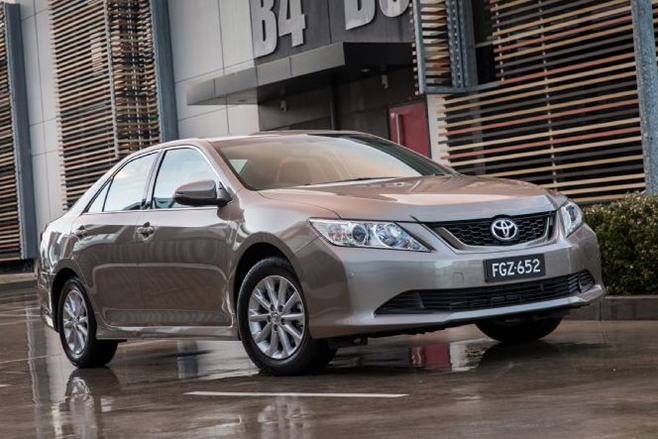
The Aurion AT-X remains at its $36,490 starting price, with the Sportivo also holding station at $40,990, while the flagship Presara rises by $500 to $50,440. The 2015 Toyota Aurion is in showrooms now.
One minute and 27.38 seconds. That’s how long it’ll take a GT3 car to trace the Phillip Island Circuit.
Porsche’s 918 Spyder, a road car that’s 26 seconds quicker than a Nissan GT-R around the Nurburgring Nordschliefe, would need another 11 seconds to do the same at Phillip Island in the hands of the 918’s chief instructor Mattias Hoffsuemmer.
Nurburgring 24-hour winner Christopher Mies was in Victoria to take part in the Australian GT round at Phillip Island, and his qualifying lap in the JAMEC PEM Racing Audi R8 LMS Ultra was one of the fastest.
Despite the lack of telemetry, Mies’s commentated lap delivers a respected insight in to hustling GT3 machines, which feature aerodynamics that exploit the circuit’s high-speed nature, around the Island almost five seconds faster than a V8 Supercar…
Get your free weekly report from the world of fast cars – subscribe to the MOTOR newsletter!
Oh what a day, what a lovely day!
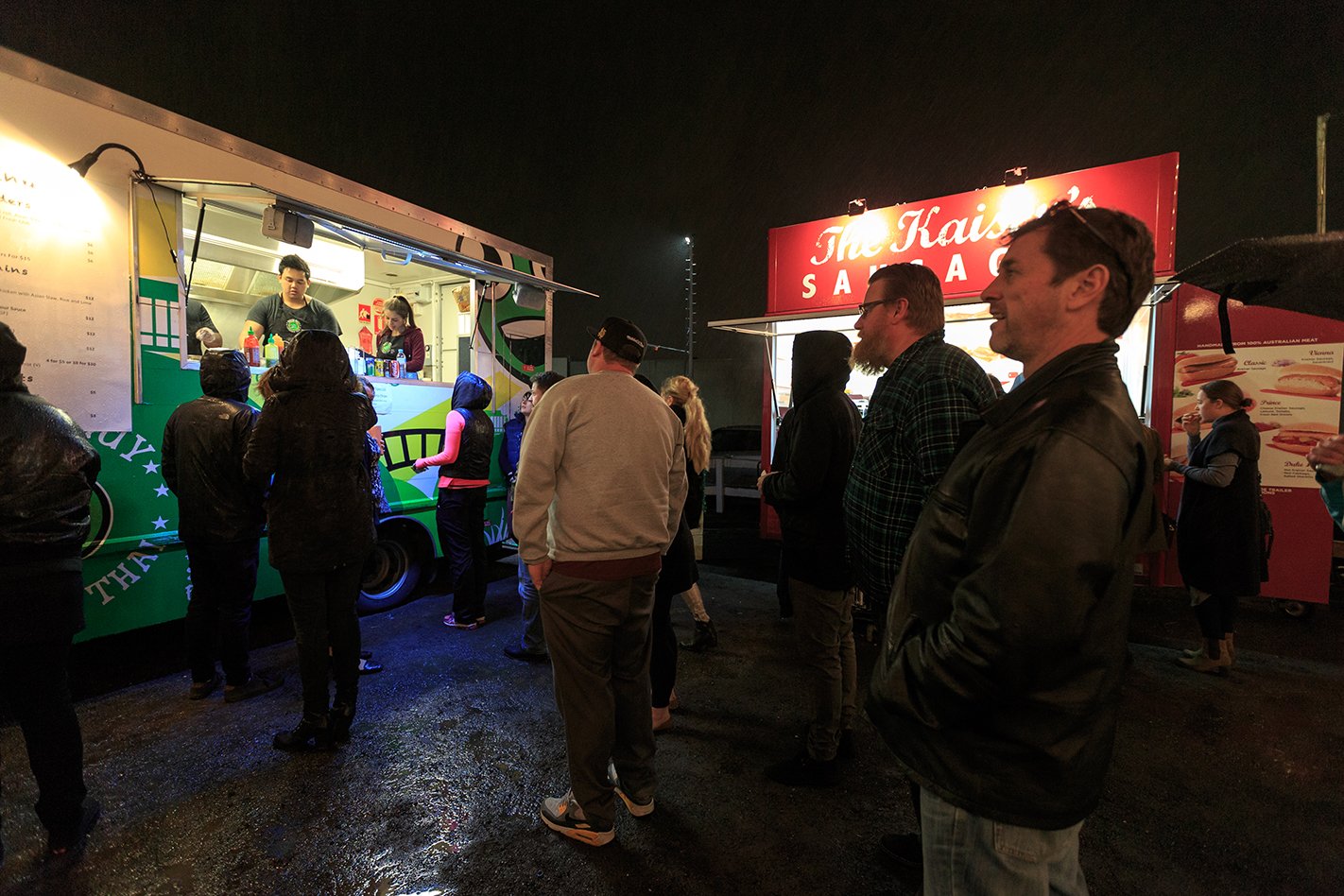
The latest instalment of the Mad Max saga showing at the drive-in theatre was enough to set pulses racing among the Wheels petrolheads but with a distinct lack of flat-black, supercharged Ford coupes in the car park, what would we drive to Fury Road? Editor Butler had the closest contender with a near-on black, turbocharged coupe but getting the keys of the AMG S63 from him proved to be as fruitless as The Lord Humungus’ attempts to overrun a desert oil rig.
We had to take a step back from the AMG and settle for the slightly less exclusive, no-less luxurious S500 long wheelbase from the regular Mercedes-Benz showroom. No great sacrifice; we needed a large comfortable ride with a killer sound system to make the most of the flick and the S-Class sounded better than Tina Turner shrieking over a saxophone solo.
Certainly not the last of the big V8s, the S500 is a classic grand touring saloon and its interior is spacious and sumptuous; just the ticket for watching a film from, although we were looking at a big screen and not the pair of 10-inch screens mounted in the back for rear seat entertainment of a kind not normally associated with the drive-in.
We did enjoy the crisp and booming sound of the Burmester surround-sound audio system with its 590 watts of grunt feeding through 13 speakers strategically placed throughout the cabin. These include two subwoofers mounted in the firewall that use the chambers within the vehicle’s chassis to ‘pipe’ the bass though the car to the best positions in the interior. Every explosion of the relentless vehicle chases boomed though the Benz while the wild engines of the unbelievable film cars roared like fuel-injected suicide machines storming the suburban theatre.

On a cold and wet Melbourne night, the Benz’s lounge-like heated leather seats, with their duck-down quilted headrests provided comfort and warmth like no shopping centre cineplex pew ever could and better still, they didn’t smell of stale popcorn or leave gum stuck to the back of your jeans.
Johnny the Boy may not have had ‘the style’ but we certainly did among the swathes of older cars at the northern suburbs drive-in that night. In the absence of any Interceptor coupes and alongside Butler’s AMG, the S500 stood out in a class of its own, all shiny and chrome.

