
Snapshot
- Vision AMG revealed as four-door EV
- Mercedes-AMG says it previews the future of its electric performance cars
- Hints of Formula 1 influence throughout design
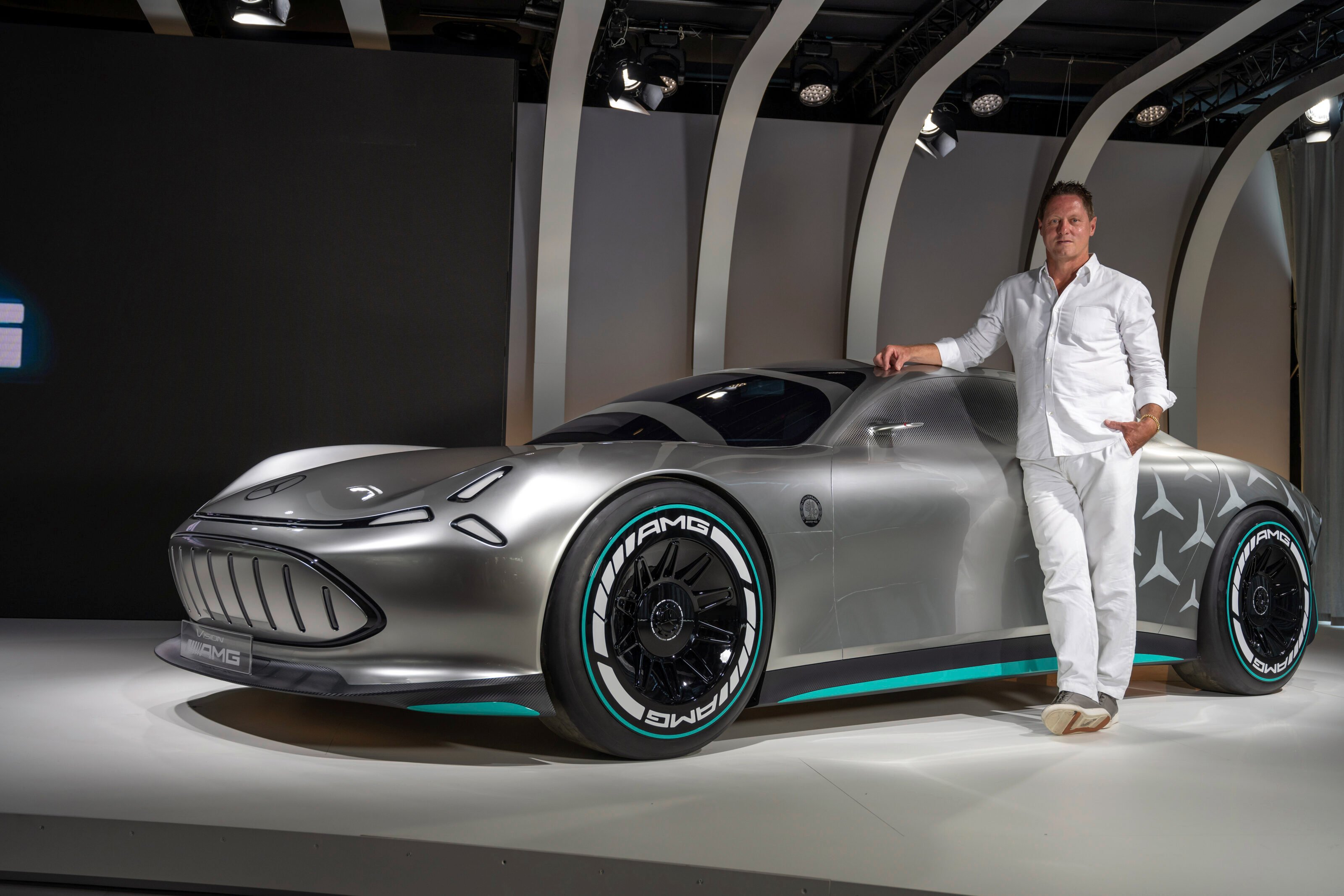
The latest concept creation from Mercedes-AMG has been uncovered – the Vision AMG.
Underpinned by the new AMG.EA electric vehicle architecture, the Vision AMG is designed as a preview of where the German manufacturer could go with its future performance EVs.
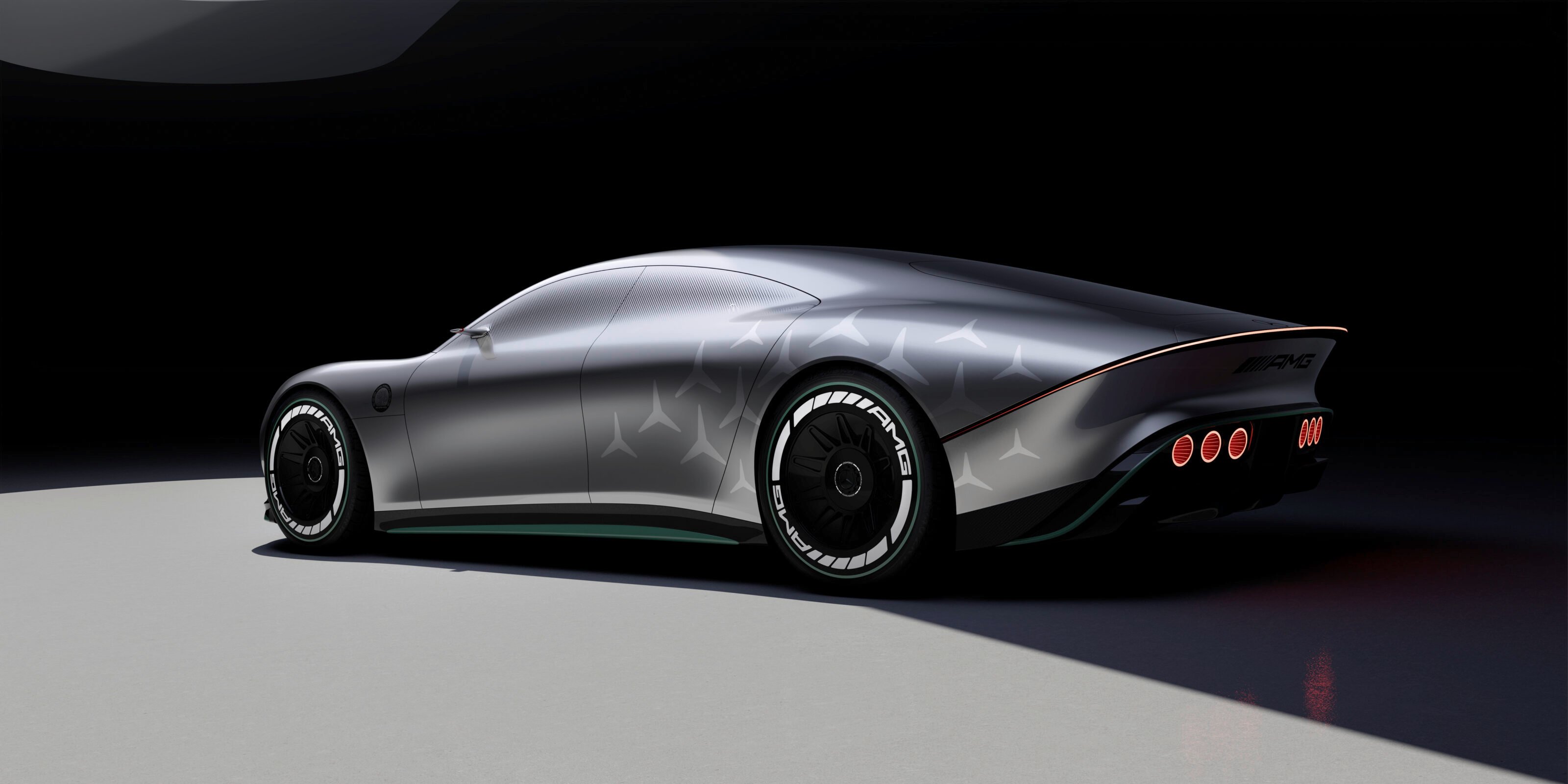
Just like the Mercedes-Benz Vision EQXX, the Vision AMG is a four-door ‘coupe’ with sleek bodywork to cut through the air, incorporating tight lines, a short front overhang and an elongated rear overhang to make itself as efficient as possible, also aided by Formula 1-style aerodynamic wheel covers.
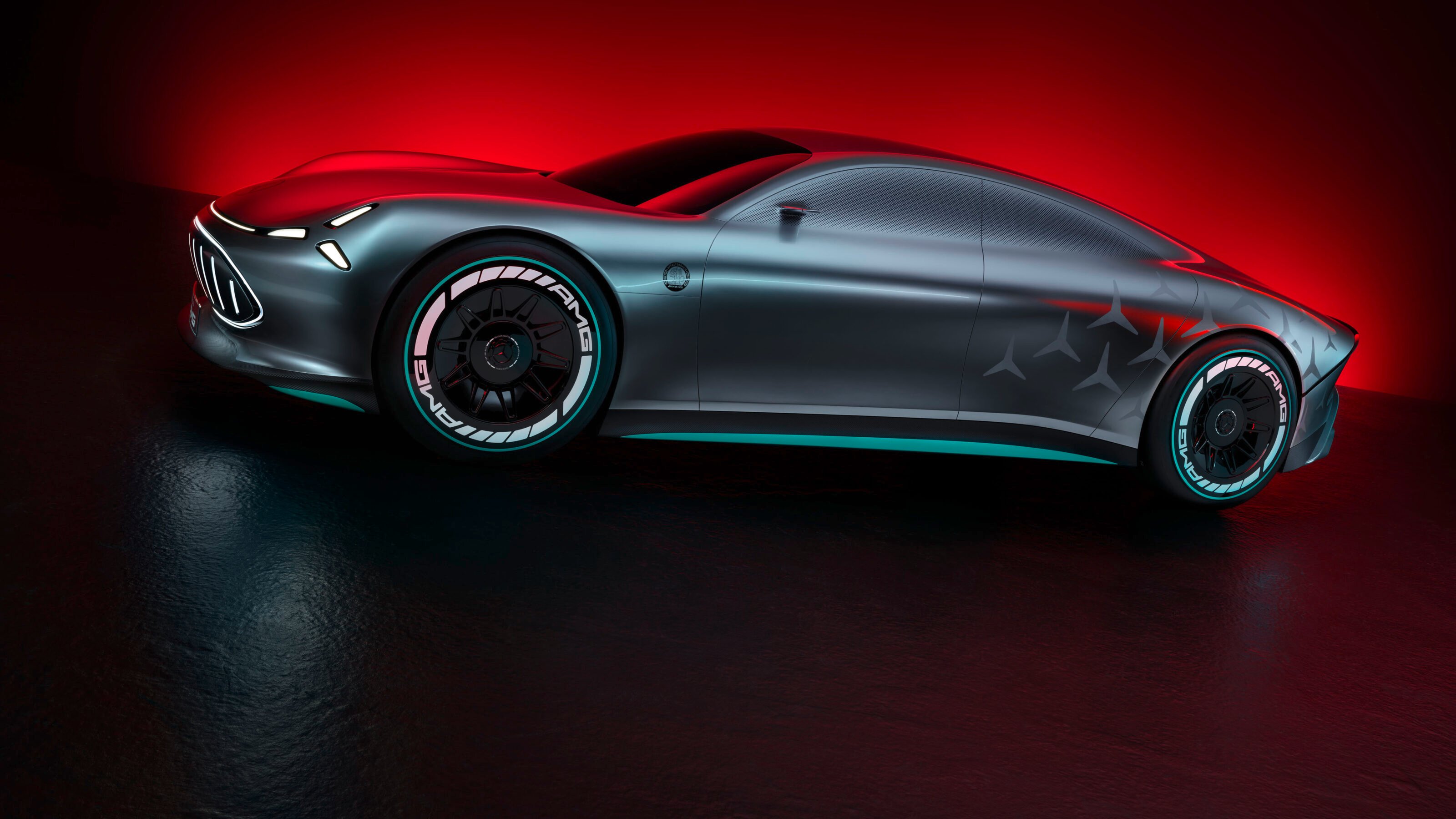
AMG acknowledges parts of its own Vision design aren’t disimilar to the EQXX, with both adopting tear-drop body shapes, long wheelbases and sharply angled A-pillars.
As opposed to the EQXX, the Vision AMG utilises an active rear spoiler to keep its rear end planted at high speed, as the air from its sharp shark-nose front design is directed towards the rear of the car to further improve its aerodynamic performance.
Closed-off grilles have become commonplace in the EV world, and the Vision AMG concept is no different – making use of the lack of a traditional radiator to instead install more integrated lights, tying in with the three LED element headlights.
Vision AMG is also the first Mercedes to use an axial-flux motor, although the manufacturer hasn’t given out any details on how much power the revolutionary design is making.
Nor is AMG revealing what kind of driving range could be expected from its dedicated underfloor battery pack.
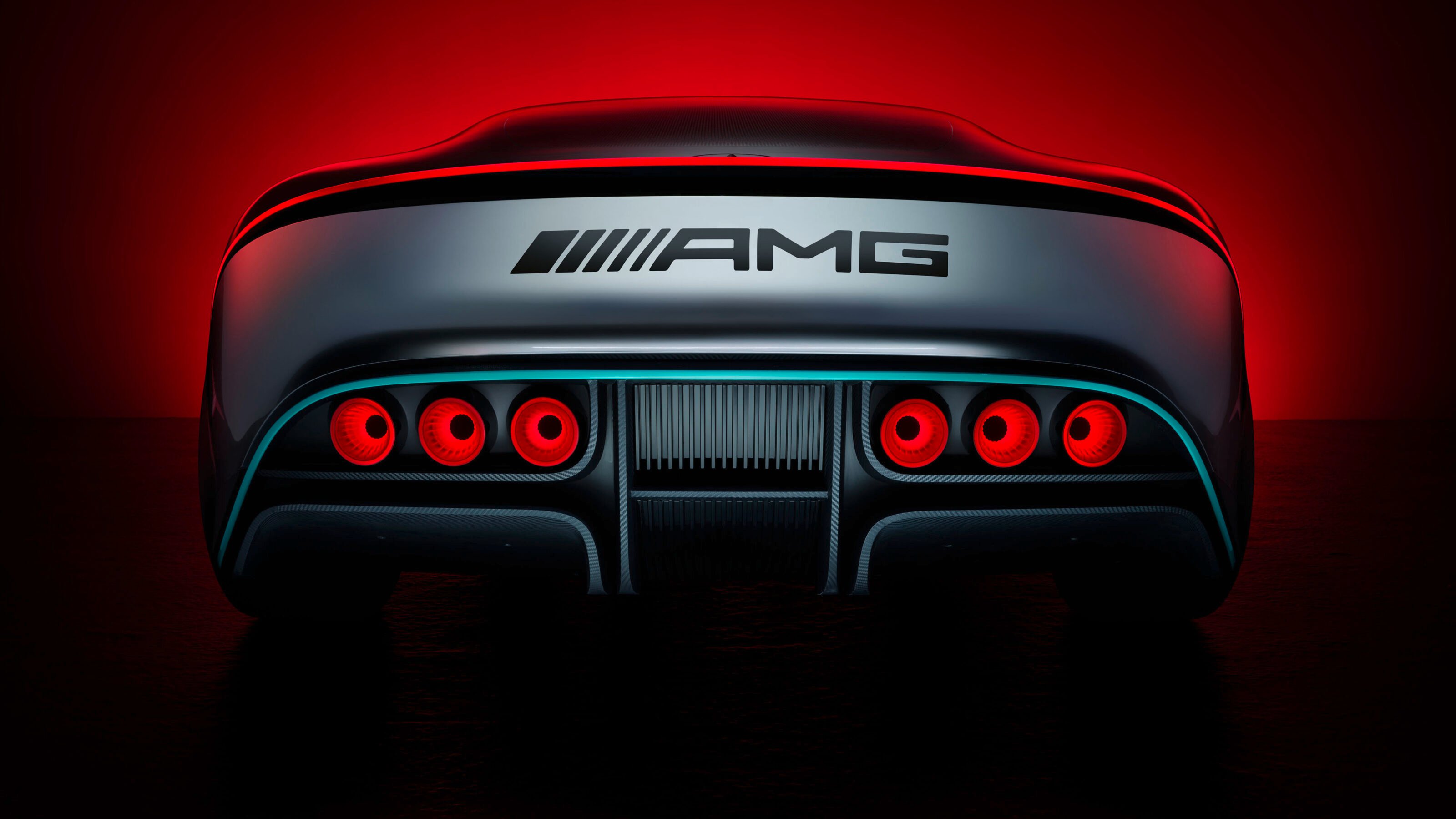
“The Vision AMG shows in spectacular style what electrification could look like at Mercedes-AMG, while staying true to the brand aesthetic,” said Chief Design Officer of Mercedes-Benz, Gorden Wagener.
“The study’s extreme proportions create fascination and passion for performance – that’s what AMG is all about. The Vision AMG is an impressive embodiment of the brand’s dual polarity – the interplay of beauty and the extraordinary.
“At the same time, elements from the future, such as the light signatures with the illuminated high-tech grille, underscore the progressive evolution of our design language of sensual purity.
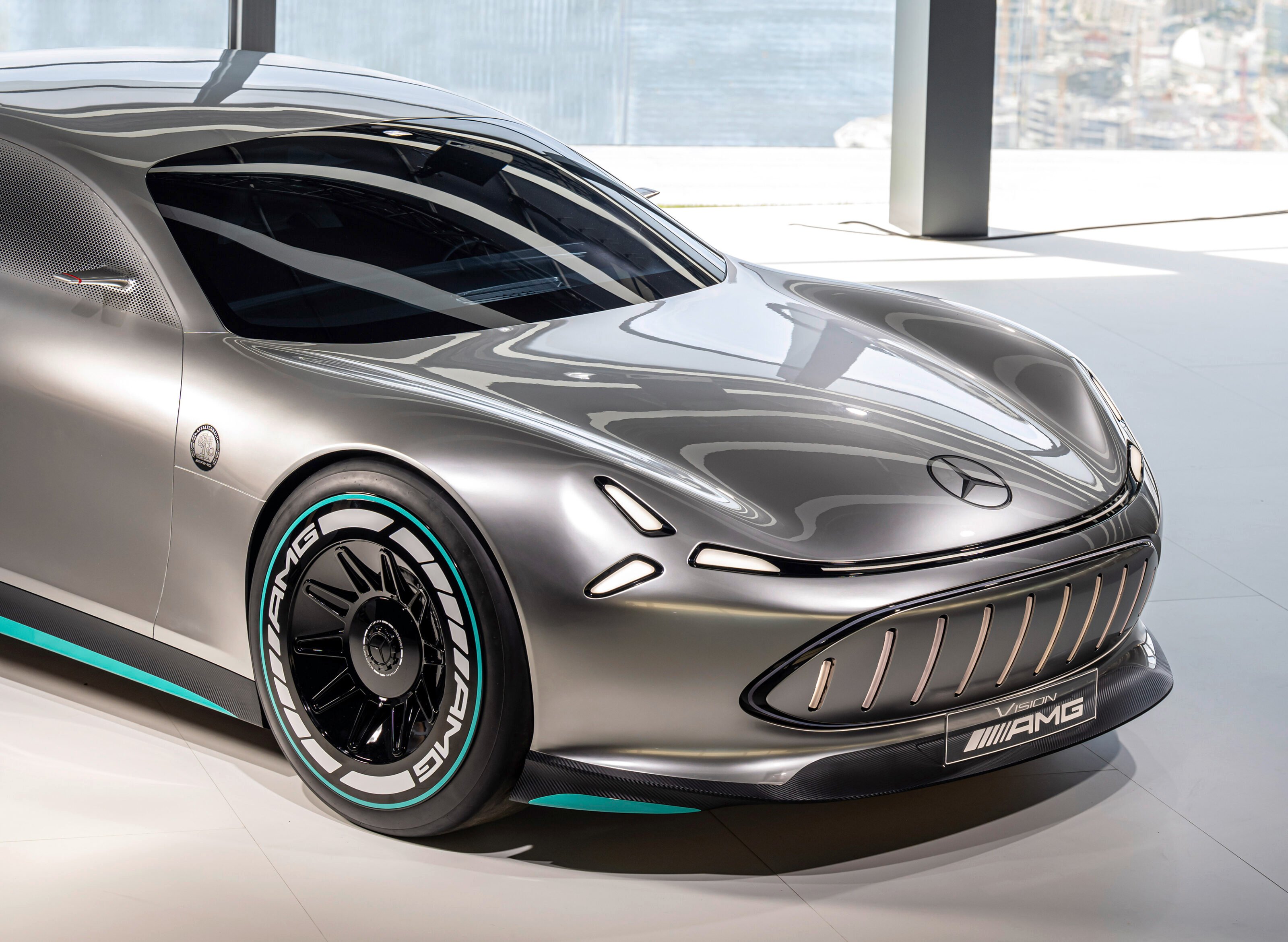
“With its contrasting modern surfacing and radical proportions, this car showcases the next design step, building on the Vision EQXX and moving further towards performance luxury.
“The seamless flow of beautifully formed surfaces and the monolithic sculpture complete the powerful aesthetic of the Vision AMG. The result is an electric supercar, a style icon that stimulates desire – and that’s exactly what sets a luxury sports car apart.”
Although the Vision AMG is a showcase of the manufacturer’s future outside of internal combustion engine vehicles, its Alubeam silver paint finish and teal Petronas colours link it to models such as the flagship AMG One – potentially Affalterbach’s final fossil fuel-powered hero car.
Snapshot
- 2022 Volkswagen Tiguan prices to rise between $1200 and $1700
- Price hike in effect from June 1
- Digital radio added to 2022 range
UPDATE, May 19, 2022: Volkswagen Tiguan prices to increase from June 1
This story, originally published in February 2021, has been updated to reflect latest pricing and features.
Prices for the 2022 Volkswagen Tiguan range will jump between $1200 and $1700 from June 1, 2022, excluding the flagship R variant.
The latest increases follow similar rises of between $900 and $1000 in October 2021.
Apart from the addition of DAB+ digital radio for model-year 2022, there have been no other changes to the Tiguan since the introduction of the facelifted model in early 2021.
The line-up was recently bolstered with the addition of the high-performance Tiguan R, which produces 235kW of power and 420Nm of torque.
It is available now, priced from $68,990 before on-road costs. You can find out more about the Tiguan R by clicking here.
In addition, the facelifted seven-seat Tiguan Allspace range will begin arriving in Australian showrooms during May 2022. To find out more, click on the link below:
2022 Volkswagen Tiguan pricing
Prices exclude on-road costs.
2022 Volkswagen Tiguan features
Life
Elegance, in addition to Life
R-Line, in addition to Elegance
Options
Luxury Package (Life) – $5000
Sound and Vision Package (Elegance, R-Line) – $2500
Panoramic sunroof (Elegance, R-Line) – $2000
Metallic/pearl paint – $900; Kings Red premium metallic – $1000
Engine, drivetrain and fuel economy
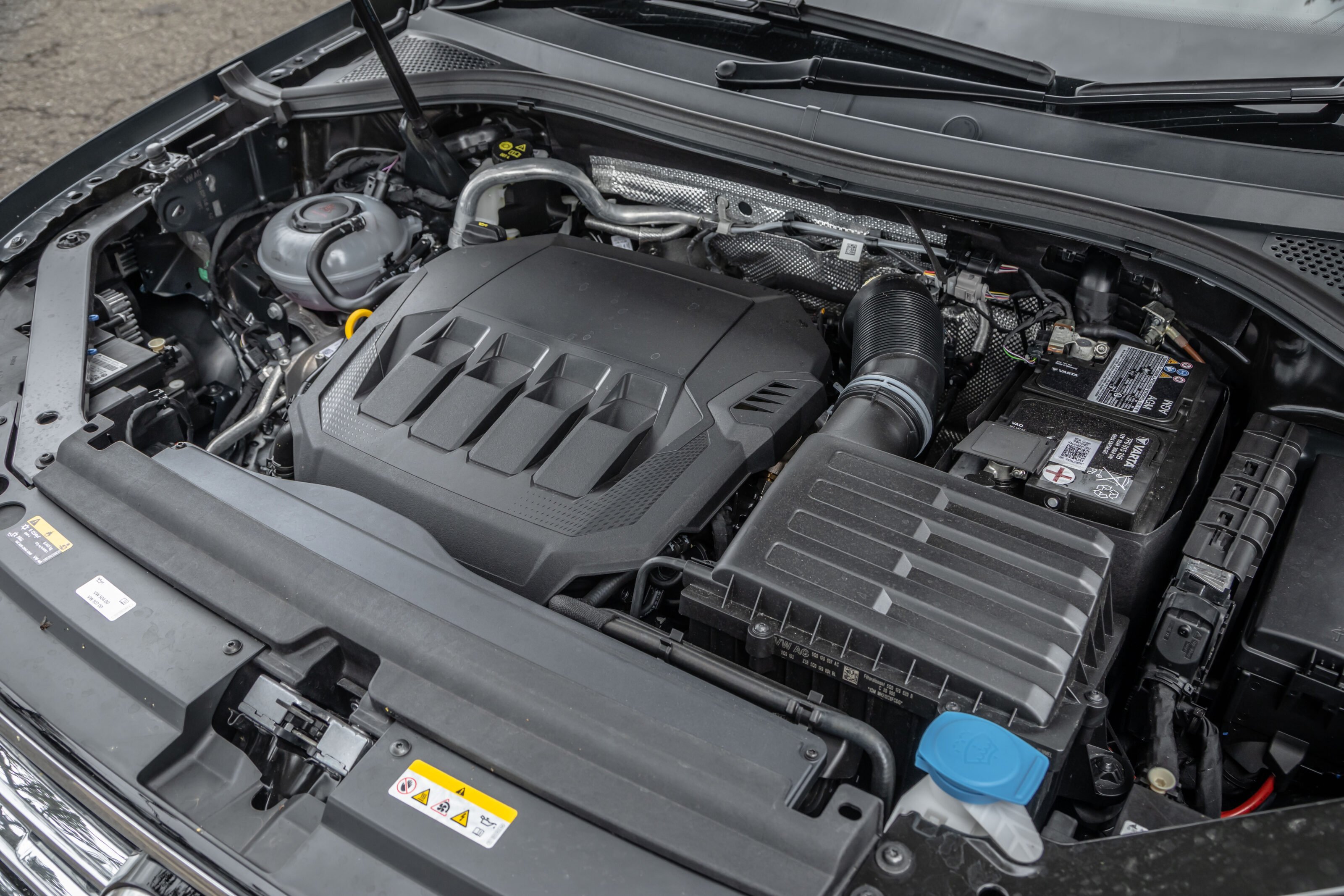
Two powertrains can be selected for the entry-level Life variant, with buyers able to choose between the standard 110TSI or optional 132TSI engines.
In 110TSI guise, the Tiguan is powered by a 1.4-litre turbocharged four-cylinder petrol engine producing 110kW of power and 250Nm of torque.
It is mated to a six-speed dual-clutch automatic transmission sending power exclusively to the front wheels.
Stepping up to the 132TSI brings a 2.0-litre turbocharged petrol engine with all-wheel-drive. It outputs 132kW and 320Nm, and is matched with a seven-speed dual-clutch automatic gearbox.
Elegance and R-Line buyers can select between 162kW/350Nm petrol or 147kW/400Nm diesel power, with both powertrains featuring AWD and a seven-speed dual-clutch automatic.
All petrol variants require 95RON premium unleaded, while the 147TSI diesel requires AdBlue exhaust fluid.
Fuel economy figures can be found in the table below:
Safety
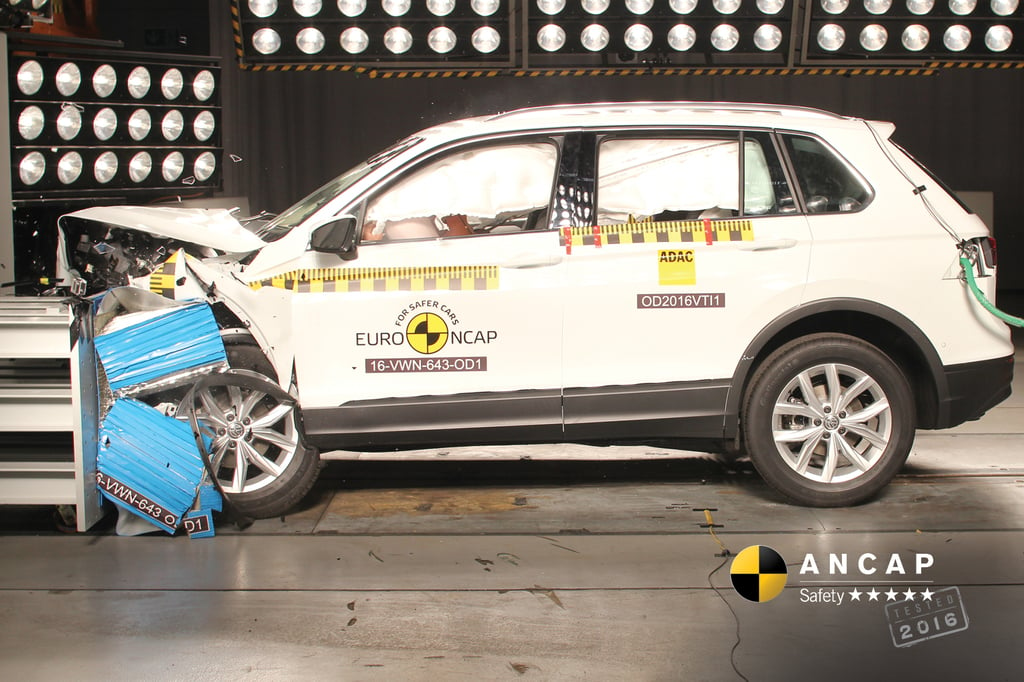
The Volkswagen Tiguan is covered by a five-star ANCAP safety rating, based on testing conducted in 2016.
Eight airbags feature across the range.
Each variant includes the following active safety equipment as standard:
Dimensions

The Tiguan has a wheelbase of 2681 millimetres, and is 4509mm long and 1839mm wide.
Front-wheel drive versions are 1674mm high, with AWD adding an additional 10mm of ground clearance (1684mm).
Warranty and servicing
As per the wider Volkswagen range, the Tiguan is covered by the brand’s five-year/unlimited kilometre factory warranty, along with a complimentary 12-month roadside assistance program.
Service pricing can be pre-purchased, consisting of three- or five-year packages with 12-month/15,000km intervals.
Prices for each powertrain can be found below:
| Powertrain | Three-year | Five-year |
|---|---|---|
| 110TSI | $1400 | $2600 |
| 132TSI | $1650 | $2950 |
| 162TSI | $1650 | $2950 |
| 147TDIu00a0 | $1650 | $2750 |
Tesla’s Supercharger Pilot program is being expanded in Europe, allowing non-Tesla owners in more countries to access its charging network.
First limited to The Netherlands, Norway and France, the trial program now allows non-Tesla electric vehicle owners in the United Kingdom, Spain, Sweden, Belgium and Austria to use the Superchargers – all through Tesla’s smartphone app.
Strangely, German residents are also included in the pilot program, but only when travelling abroad – with EV owners unable to access the Tesla Superchargers within their own country.
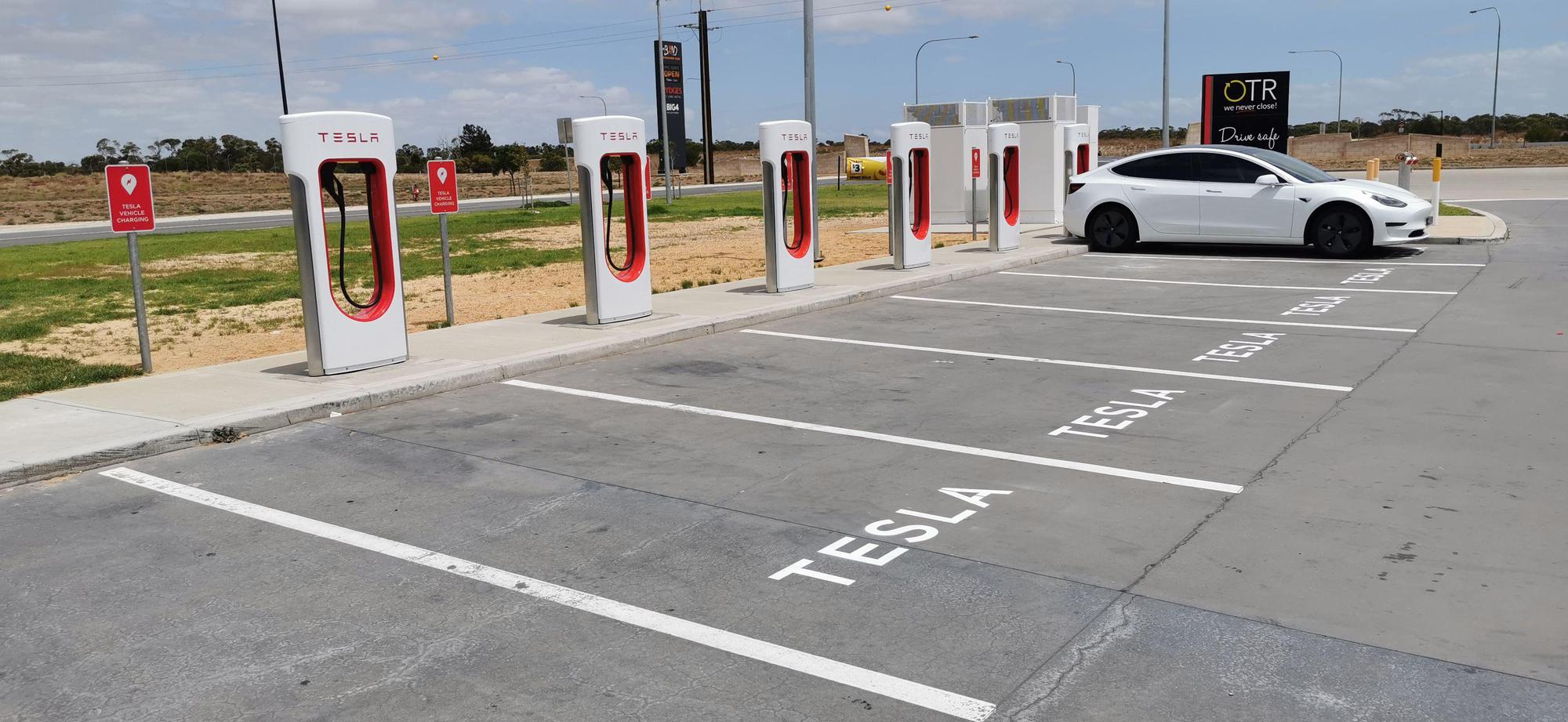
Tesla says it intends to open its entire network to other brands in the future, believing it will lead to wider adoption of EVs and will allow the industry to thrive.
“It’s always been our ambition to open the Supercharger network to non-Tesla EVs, and by doing so, encourage more drivers to go electric,” the manufacturer said.
“More customers using the Supercharger network enables faster expansion. Our goal is to learn and iterate quickly, while continuing to aggressively expand the network, so we can eventually welcome both Tesla and non-Tesla drivers at every Supercharger worldwide.
“We’re starting with a select number of sites so that we can review the experience, monitor congestion and assess feedback before expanding. Future sites will only be opened to non-Tesla vehicles if there is available capacity.”
At present, Tesla’s Australian network boasts 48 Superchargers with more planned to become operational in the future, although it is limited to its own vehicles, with the Model 3 leading in the EV sales charts after recording more than 12,000 local deliveries last year.
Snapshot
- Series 32 airs on Stan platform
- Comic trio back for another season
- Highlights include swamp-buggy racing in Florida
Top Gear is back with a bang for its 32nd season, with the winning combo of Freddie Flintoff, Paddy McGuinness and Chris Harris returning to front the hit motoring show.
To mark the start of the new series, the BBC has released first-look images and details from the trailer – featuring some tantalising glimpses of a Florida road-trip, Freddie bobsleighing in a Sinclair C5, and the lads putting their dream TV Cop cars through their paces.

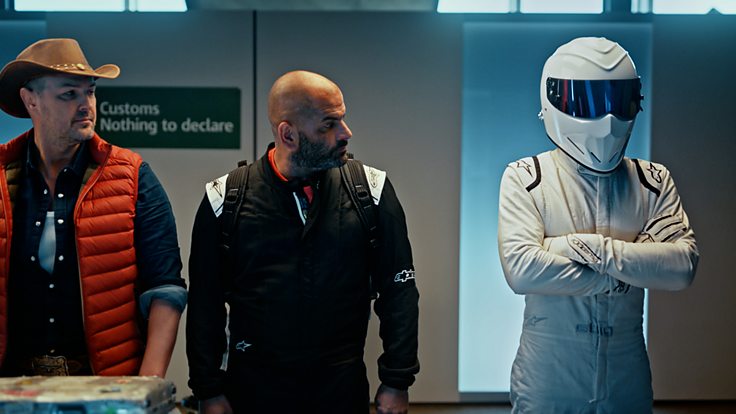
The advert-style teaser also includes an uncomfortable airport encounter with Customs officials when searches of the presenters’ luggage reveal a speed gun, a pair of handcuffs and some ‘oily’ boxer shorts. Things go from bad to worse, however, when the humourless Customs officer decides to interrogate the fourth member of the travelling Top Gear team – The Stig.
Other highlights on their way throughout the coming weeks include; swamp-buggy racing in Florida where all three presenters enter the unique event that involves a field of homebuilt aquatic buggies splashing around a circuit cut through an alligator-infested swamp, and the team travelling the US state in Top Gear’s RV – a 35-foot-long Holiday Rambler Aluma Lite, complete with 7.4-litre Chevrolet V8 engine.

Later the presenters go head-to-head on Miami’s quarter-mile drag strip in America’s newest official motorsport, where classic US muscle cars are modified to produce up to 1491kW!
Throughout the season, the trio also test out some classic TV cop cars (Paddy in Starsky and Hutch’s Ford Gran Torino, Freddie in Magnum PI’s Ferrari 308 GTS and Harris in Inspector Morse’s Jaguar Mk 2), before creating their own telly cop car icons for the 21st century.
Paddy ‘Dirty Cobra’ McGuinness sets out to fight crime in a Dodge Charger Hellcat muscle car, Chris ‘Dave Tall’ Harris battles the baddies in an Audi RS3 hot hatch, and Freddie ‘Preston Ranger’ Flintoff cleans up the streets with a monstrous Ford F-150 Raptor pick-up truck.
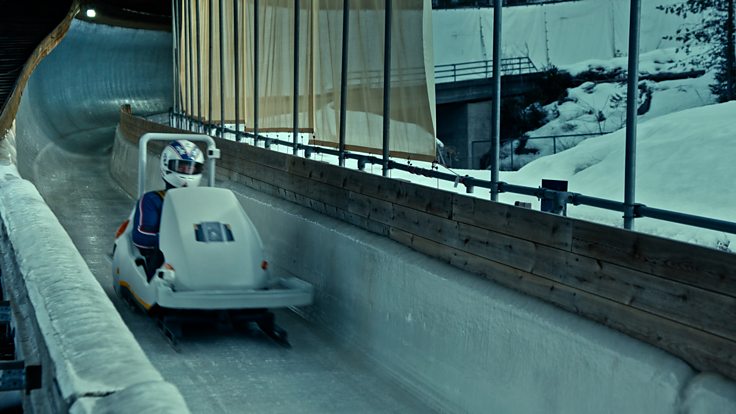
To wind up proceedings and celebrate the life of the late Sir Clive Sinclair, Freddie turns a Sinclair C5 into a bobsleigh – christened the Ski5, obviously – and attempts to hit 97km/h down Norway’s Lillehammer’s Olympic luge track.
The final event of Team Top Gear’s Florida motorsport adventure involves the gang lining up in a grid of heavily modified Ford Crown Victoria police cars – all equipped with power-boosting nitrous oxide.
While the first episode aired on British television on Saturday, in Australia it is only currently available on streaming service Stan, with no premiere date for free-to-air TV yet confirmed.
Snapshot
- Renault confirms second price increase of 2022
- Majority of models up by more than $1000 before on-road costs
- Prices to come into effect from July 1
Renault Australia is set to hand down its second price increase for its model range this year.
Set to be implemented from July 1, the new financial year will start with Renault’s entire model range going up in price for the second time in under six months – having last been majorly adjusted in February.
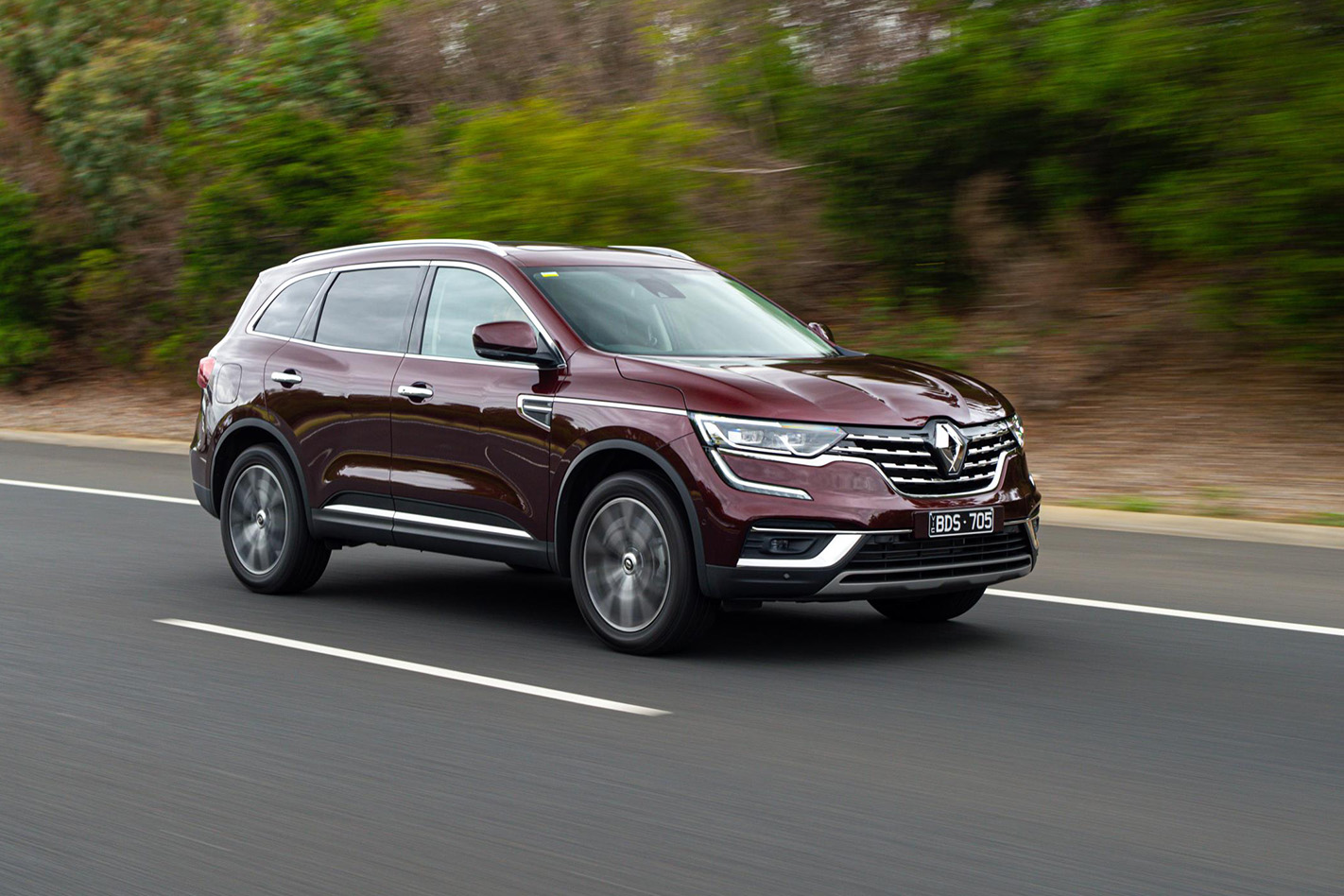
While the Kangoo commercial van gets away with a relatively minor $100 increase across its variants, every other model has gone up by at least $1000, with the Megane R.S. unable to catch a break – having been hit by a $2210 premium rise following its $6100 hike three months ago.
Renault Australia’s General Manager, Glen Sealey, said supply chain costs were the main factor behind the decision.
“Like many brands here in Australia, rising shipping costs and an increase in the price of raw materials means we’ve had to adjust prices across the range,” said Sealey.
“While these increases are an unfortunate consequence of the ever-changing global world we live in, the Renault range still represents a premium European offering combined with genuine value thanks to its high-levels of safety, technology and cutting-edge design.”
Local importer Ateco has encouraged customers to make their purchase before the new prices are implemented on July 1, stating there is limited stock across the country.
2022 Renault Captur pricing
Prices exclude on-road costs.
| Model | Price |
|---|---|
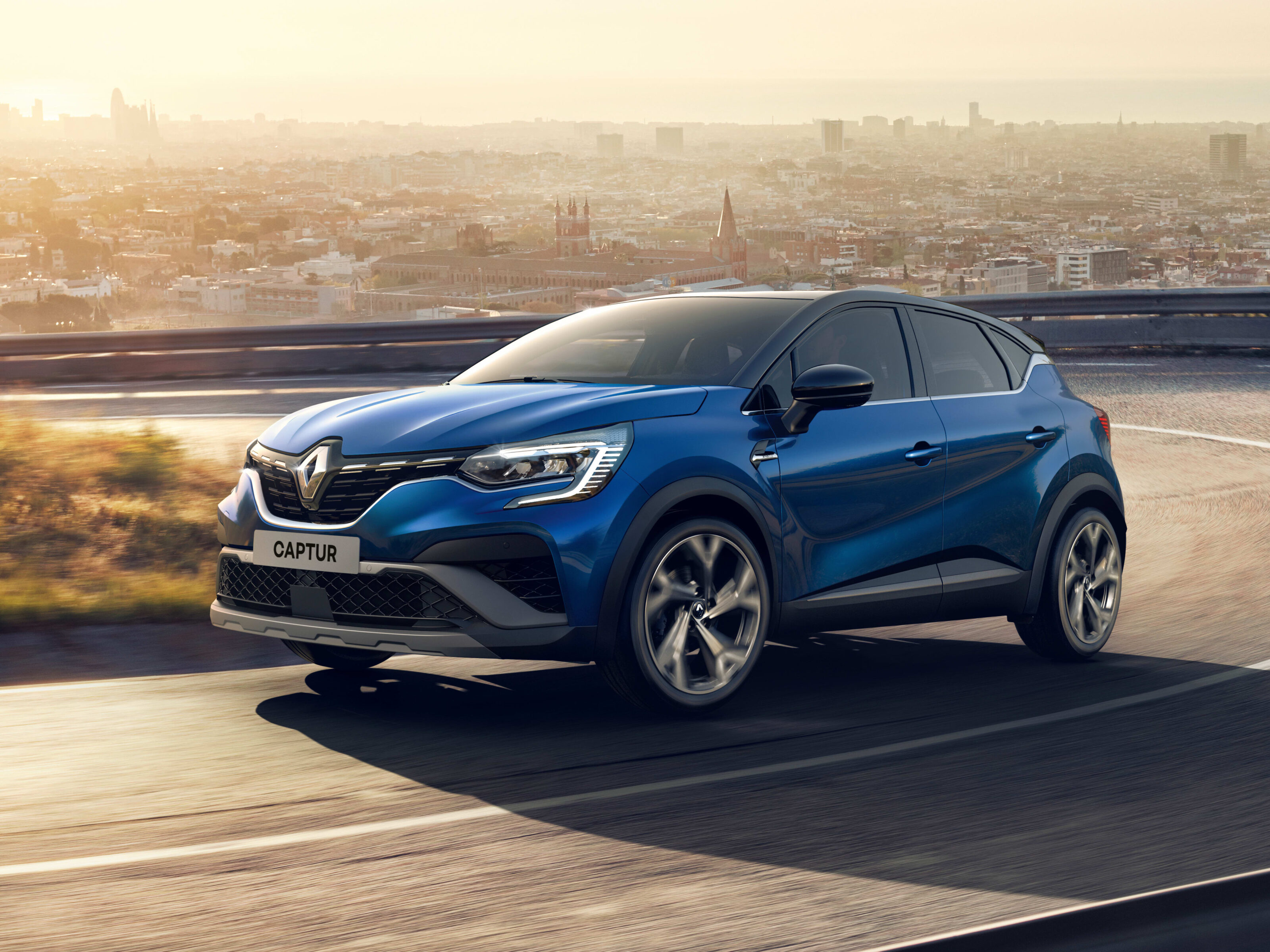
| Captur Life | $31,300 (+$1210) |
| Captur Zen | $33,300 (+$1210) |
| Captur Intens | $38,300 (+$1210) |
| Captur R.S. Line | $40,800 (+$1210) |
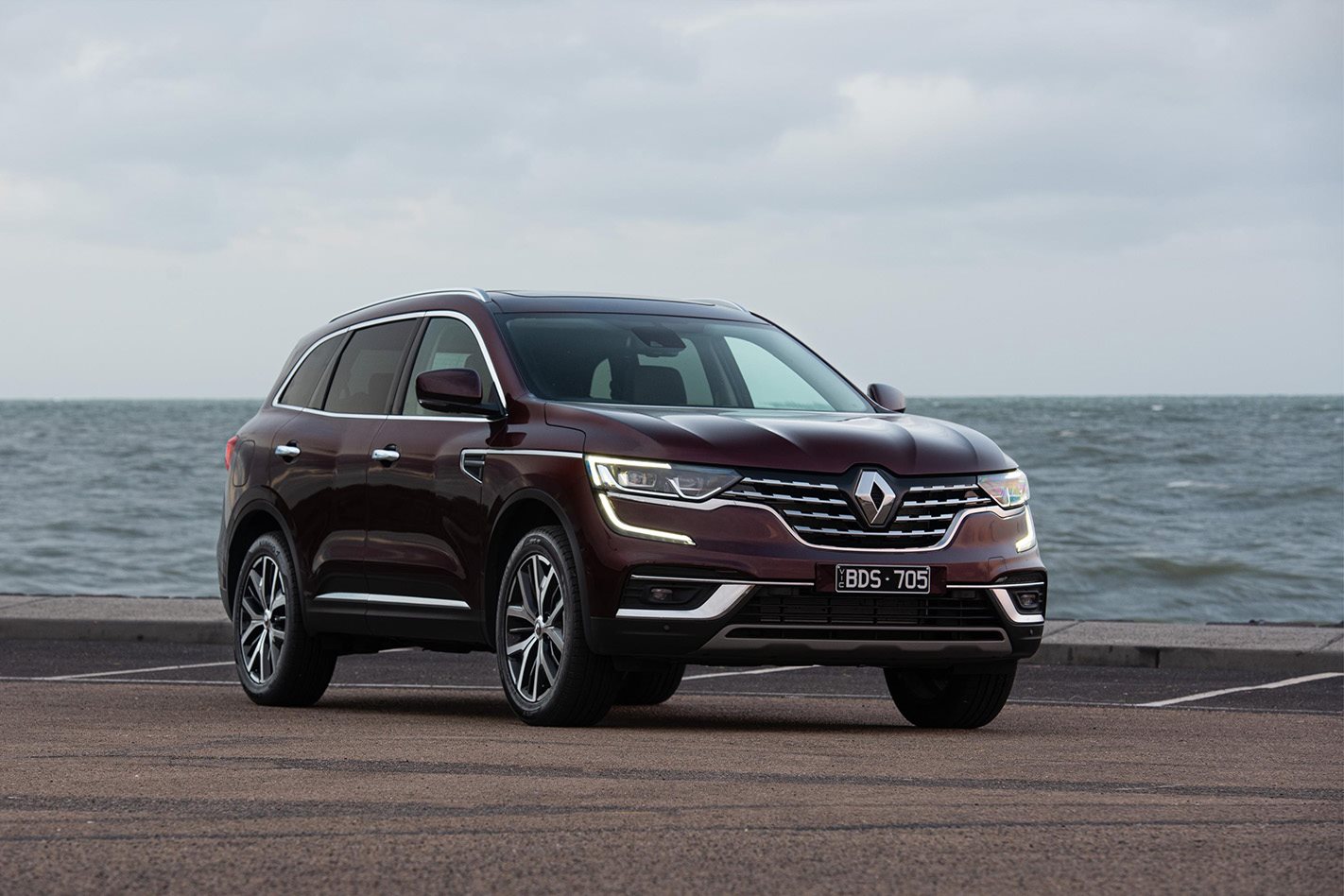
2022 Renault Koleos pricing
Prices exclude on-road costs.
| Model | Price |
|---|---|
| Koleos Life 4×2 | $35,000 (+$1410) |
| Koleos Zen 4×2 | $38,800 (+$1410) |
| Koleos Black Edition 4×2 | $40,500 (+$1410)u00a0 |
| Koleos Intens 4×2 | $45,000 (+$1110) |
| Koleos Intens 4×4 | $47,500 (+$1110) |
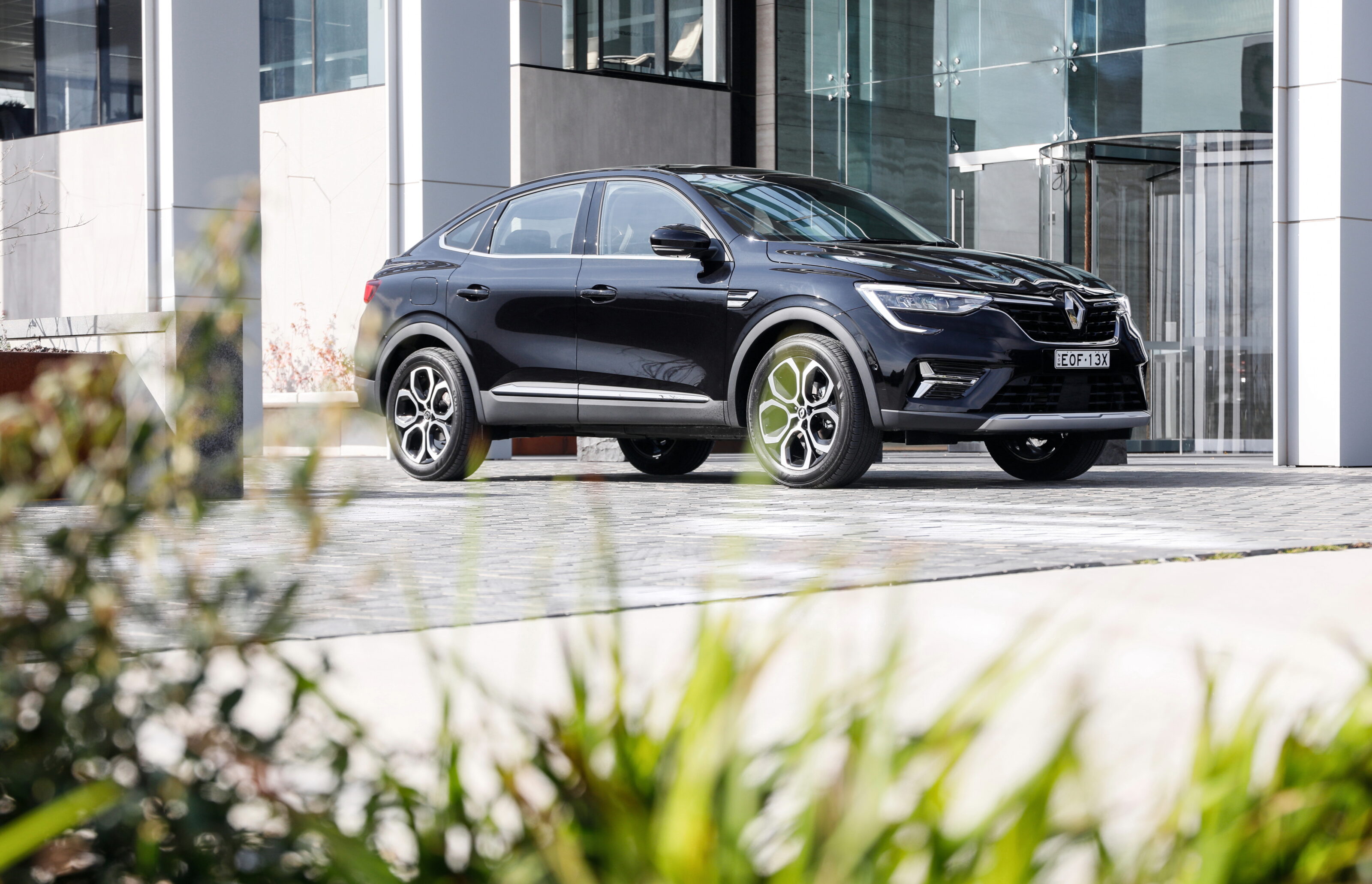
2022 Renault Arkana pricing
Prices exclude on-road costs.
| Model | Price |
|---|---|
| Arkana Zen | $35,800 (+$1210) |
| Arkana Intens | $39,800 (+$1210) |
| Arkana R.S. Line | $43,300 (+$1210) |
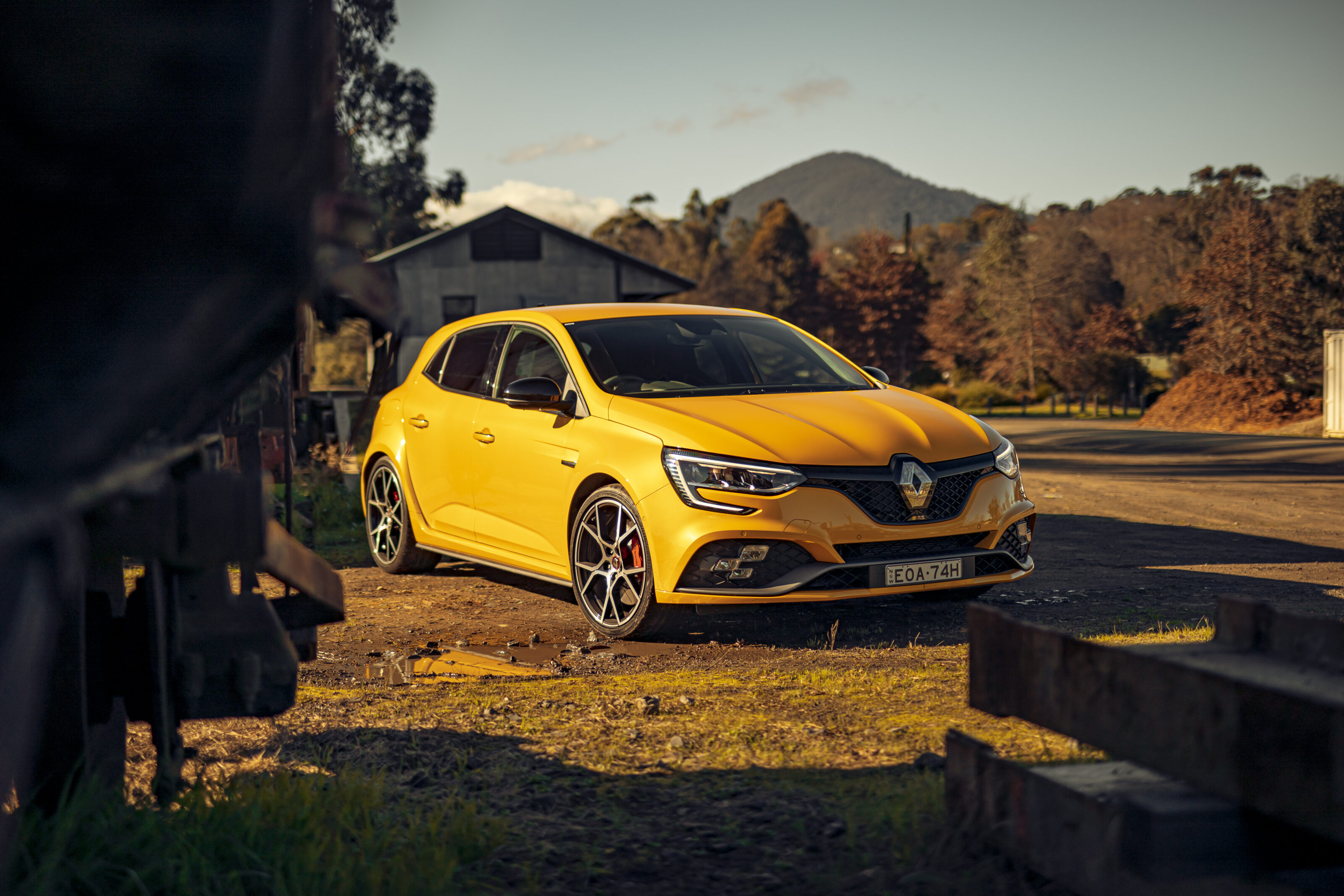
2022 Renault Megane pricing
Prices exclude on-road costs.
| Model | Price |
|---|---|
| Megane R.S. Trophy manual | $62,300 (+$2210) |
| Megane R.S. Trophy automatic | $65,300 (+$2210) |
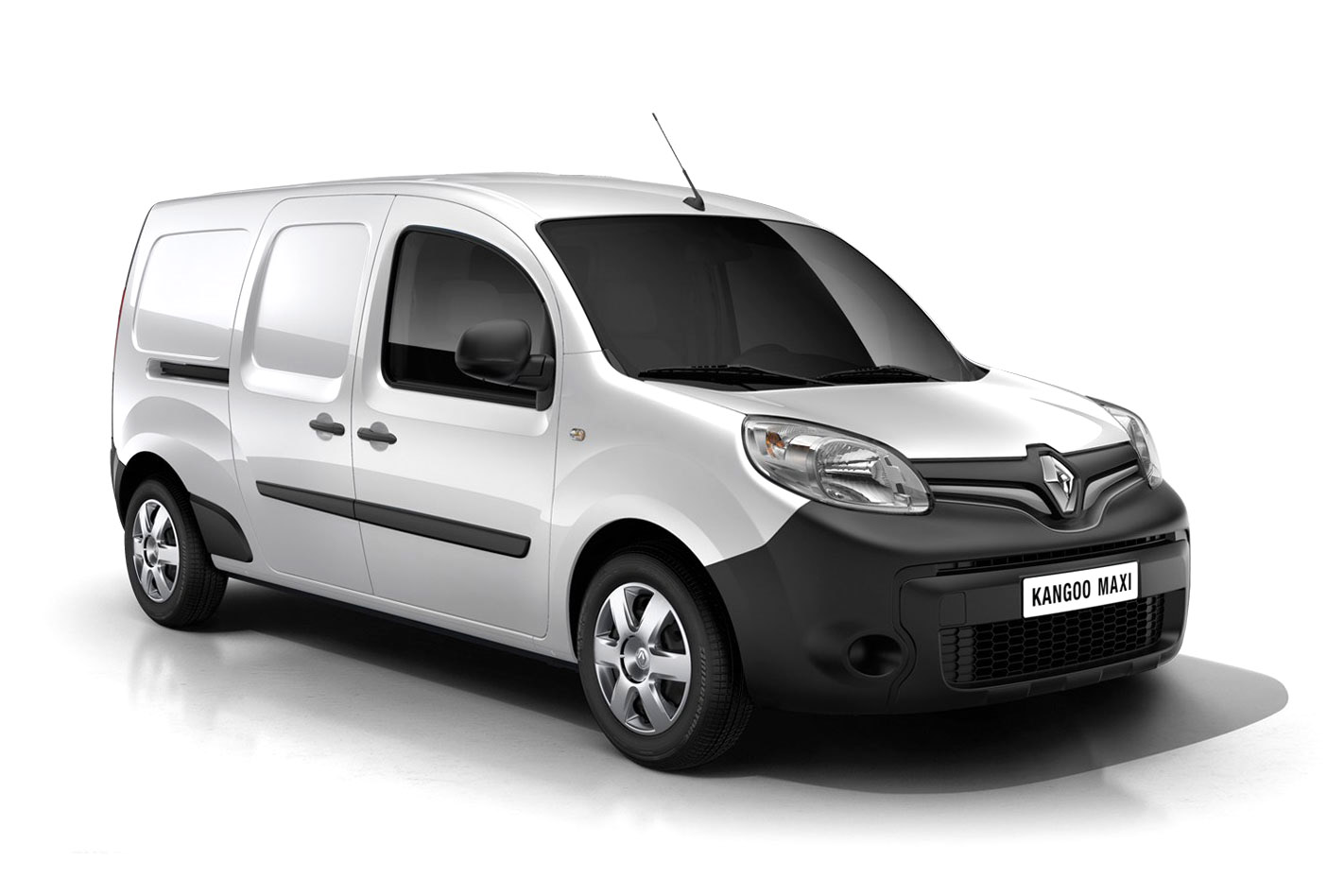
2022 Renault Kangoo pricing
Prices exclude on-road costs.
| Model | Price |
|---|---|
| Kangoo Compact petrol manual | $26,390 (+$100) |
| Kangoo Compact petrol dual-clutch automatic | $28,890 (+$100) |
| Kangoo Maxi diesel dual-clutch automatic | $32,590 (+$100) |
| Kangoo Maxi ZE automatic | $50,390 (+$100) |
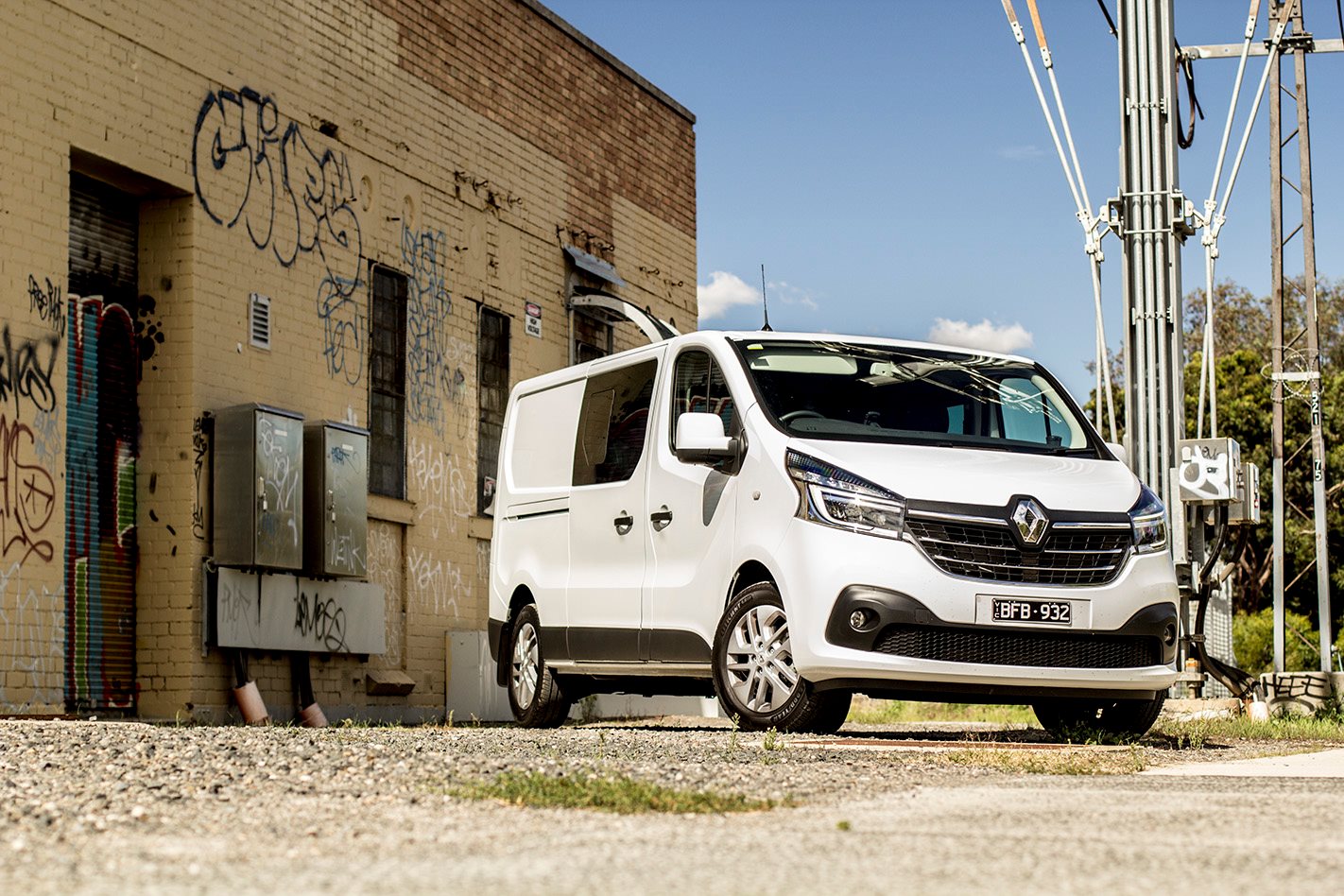
2022 Renault Trafic pricing
Prices exclude on-road costs.
| Model | Price |
|---|---|
| Trafic SWB Pro 1.6L diesel manual | $39,590 (+$1000) |
| Trafic LWB Pro 1.6L diesel manual | $41,590 (+$1000) |
| Trafic SWB Premium 1.6L diesel manual | $43,090 (+$1000) |
| Trafic LWB Premium 1.6L diesel manual | $45,090 (+$1000) |
| Trafic SWB Premium 2.0L diesel dual-clutch automatic | $47,090 (+$1000) |
| Trafic LWB Premium 2.0L diesel dual-clutch automatic | $49,090 (+$1000) |
| Trafic LWB Crew Lifestyle 2.0L diesel dual-clutch automatic | $56,090 (+$1000) |
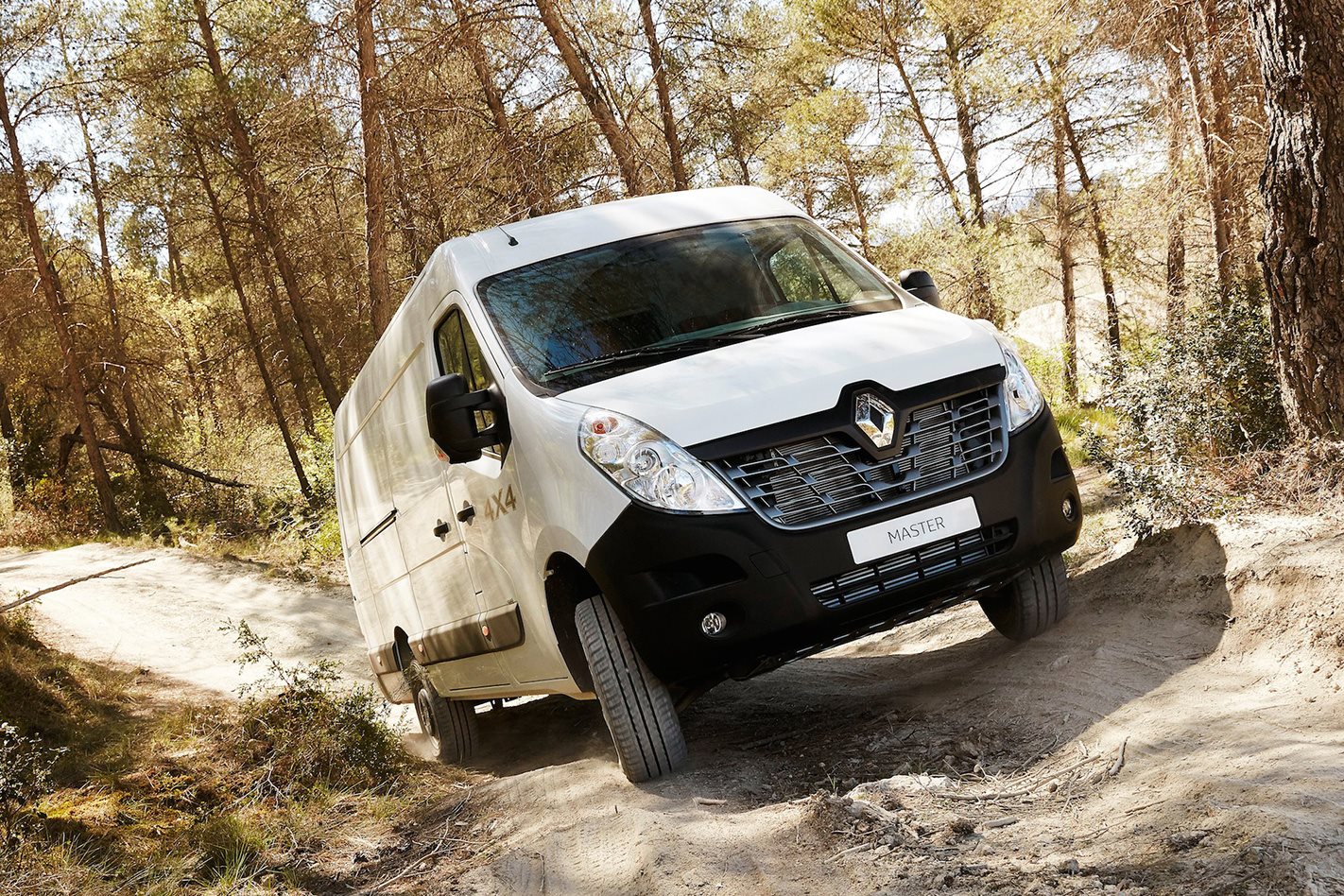
2022 Renault Master pricing
Prices exclude on-road costs.
| Model | Price |
|---|---|
| Master SWB Pro FWD 2.3L diesel manual | $48,600 (+$1510) |
| Master SWB Pro FWD 2.3L diesel automatic | $51,100 (+$1510) |
| Master MWB Pro FWD 2.3L diesel manual | $51,600 (+$1510) |
| Master MWB Pro FWD 2.3L diesel automatic | $54,100 (+$1510) |
| Master LWB Pro FWD 2.3L diesel manual | $53,600 (+$1510) |
| Master LWB Pro FWD 2.3L diesel automatic | $56,200 (+$1610) |
| Master LWB Pro RWD 2.3L diesel manual | $56,200 (+$1610) |
| Master ELWB Pro RWD 2.3L diesel manual | $59,200 (+$1610) |
| Master LWB Bus FWD 2.3L diesel automatic | $67,600 (+$1750) |
Snapshot
- Over-the-air upgrade brings 50kW and 20Nm boost
- No confirmation as to whether driving range is affected
- Understood to be coming to Australia in second quarter 2022
UPDATE, May 19, 2022: Performance boost finally arrives for Australia
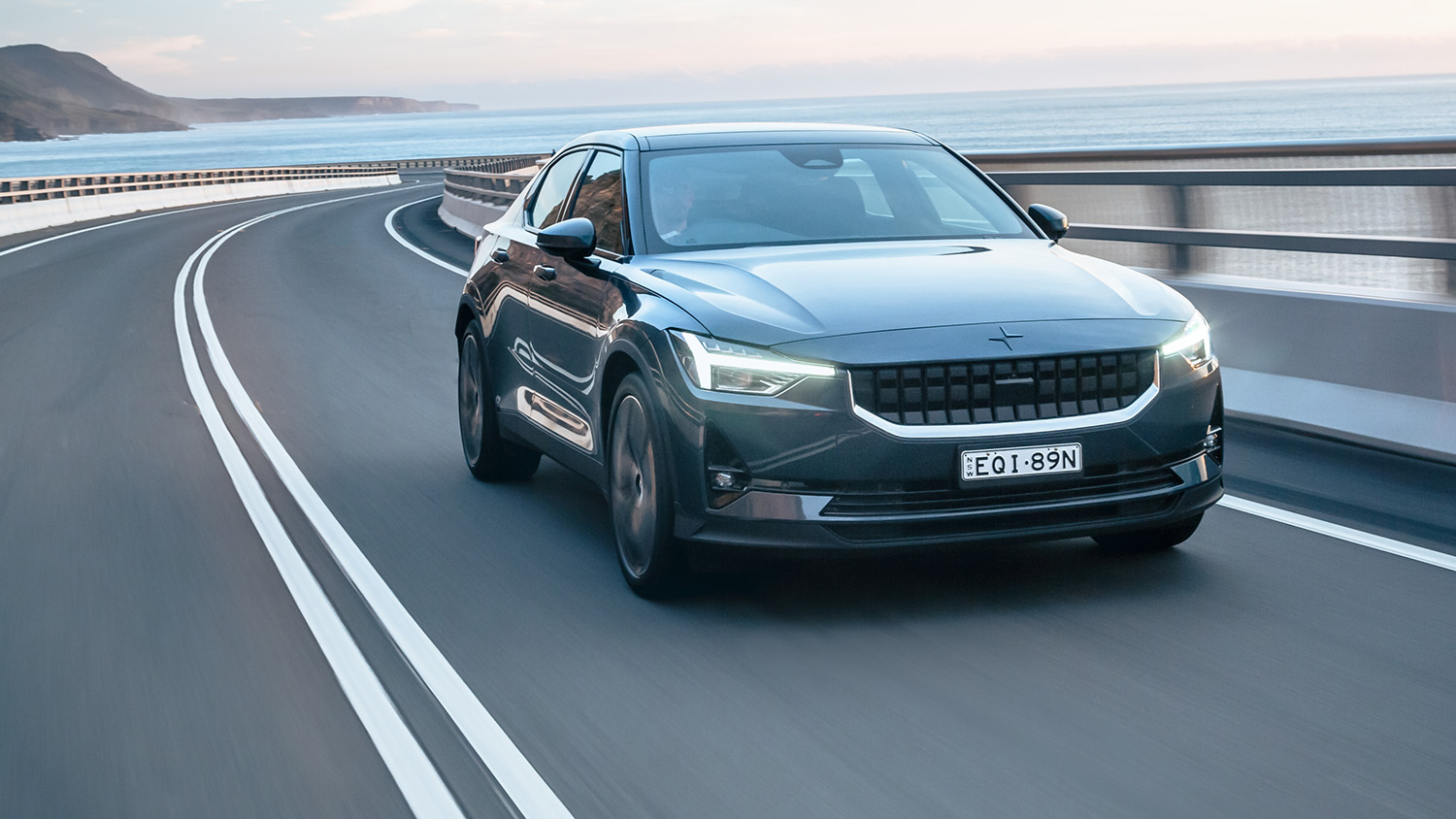
The long-awaited performance boost for the Polestar 2 Long Range Dual Motor has finally arrived in Australia.
The upgrade is now available for customers with eligible cars in the Polestar Extras web shop as a software download that is delivered remotely to their Polestar 2 via an over-the-air update.
“The upgrade highlights how connected technologies can transform the relationship a car company has with its customers. The driving experience in Polestar 2 is something we are really proud of. It is such a fun car to drive already, but with this upgrade we can offer even more to our customers who might be after a little extra excitement,” said Thomas Ingenlath, Polestar CEO.
Read below for further details of what the boost entails.
April 1, 2022: Upgrade due this month
A performance upgrade for the 2022 Polestar 2 is likely to arrive on local shores this month, Wheels has learned.
It’s also understood that Apple CarPlay, previously not available on the vehicle from launch, will be rolled out using an over-the-air update in the third quarter of this year.
The story to here
December 8, 2021: Polestar is taking the fight to Tesla with a software upgrade which brings a 50kW and 20Nm boost over the factory performance figures.
Made available in certain European countries for now, the remote software update enables an extra 50kW and 20Nm, which is deployed between 70km/h to 120km/h in the Polestar 2 Dual Motor.
The upgrade also improves throttle response with minor performance gains at lower speeds. Overall, the 0-100km/h dash is 0.3 seconds faster than before at 4.4s. For overtaking, the 80km/h to 120km/h sprint is a full half-second quicker at 2.2s.
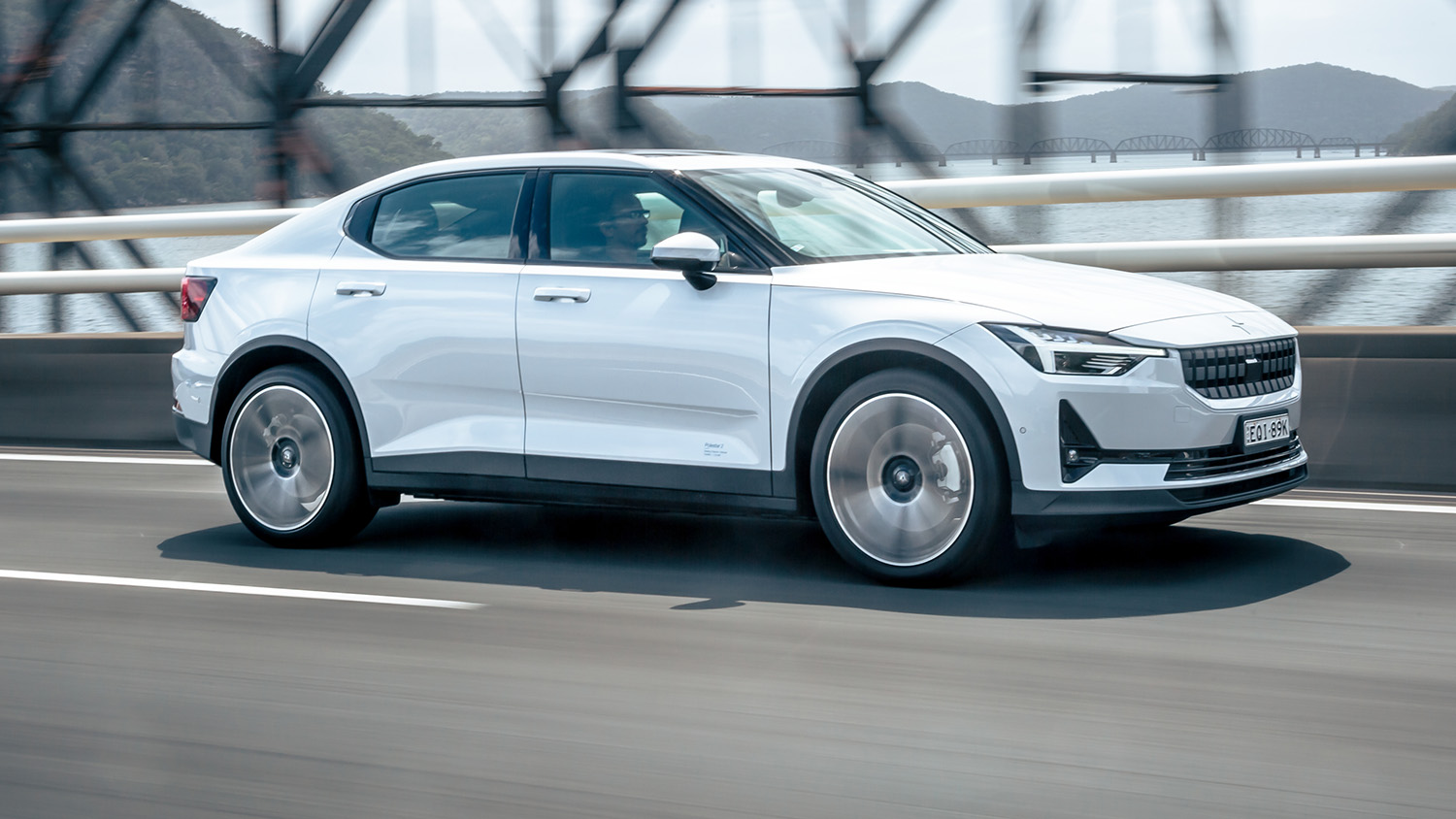
While performance takes a boost to help the Polestar 2 in its fight against the Tesla Model 3, the Swedish company has not confirmed if quoted efficiency or the 480 kilometre driving range claim are affected, although a lack of detail in this department means they are unlikely to be any better after the upgrade.
For now, it’s available to install in Austria, Denmark, Finland, Germany, the Netherlands, Norway, Sweden, Switzerland and the UK. It costs the equivalent of around $1600 in Europe to buy and download and upgrading is done remotely, meaning you don’t need to take the vehicle to a service centre.
Polestar has confirmed that the software will be made available to the US and Canada at a later date. In Australia, the latest OTA upgrade on Polestar’s official website does not include the performance boost, with minor bug fixes and improvements being the focus.
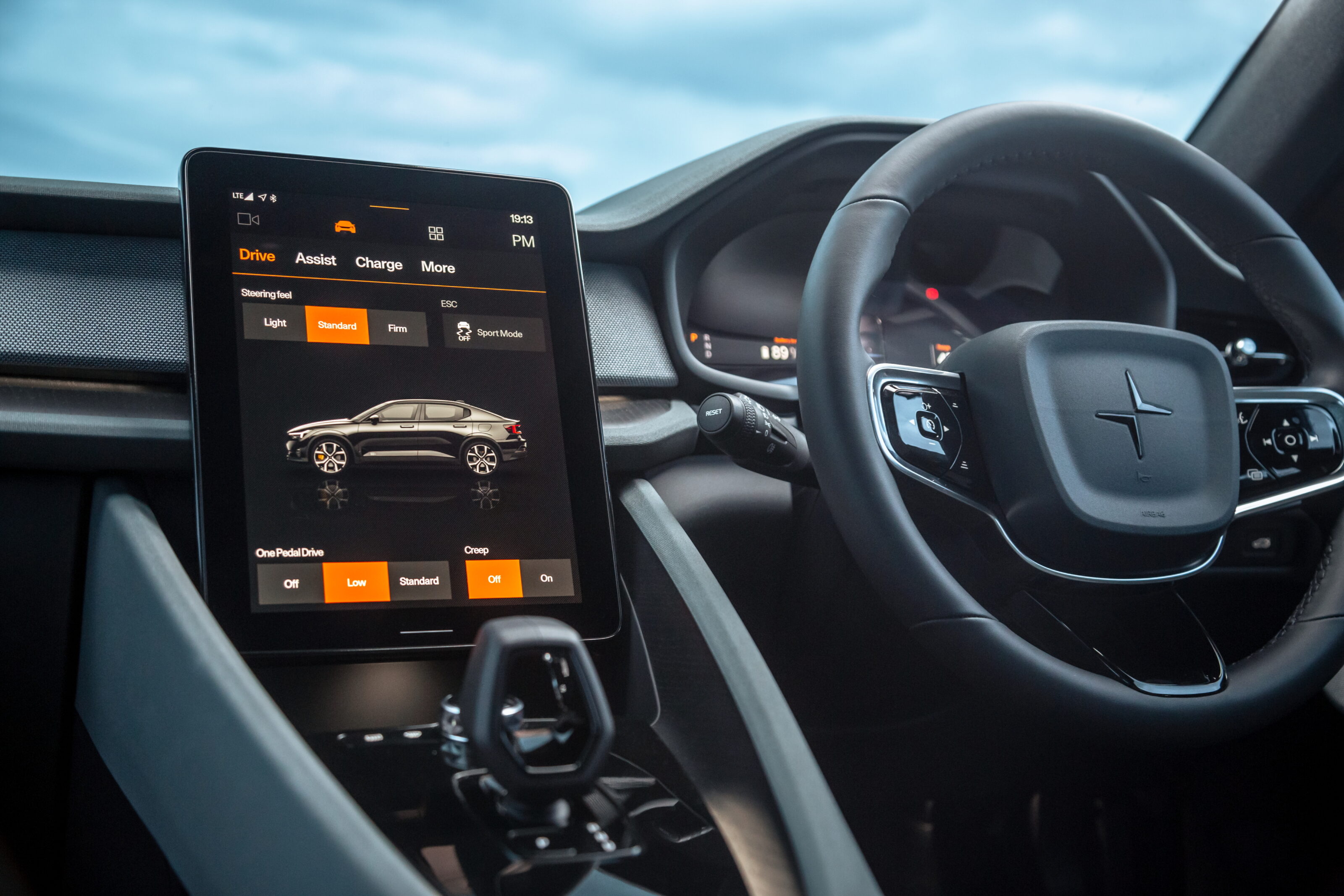
Unlike traditional combustion-engine cars, which require tuning and hardware upgrades for such considerable gains, CEO Thomas Ingenlath says the Polestar 2 upgrade “highlights how connected technologies can transform the relationship a car company has with its customers”.
“The driving experience in Polestar 2 is something we are really proud of,” Ingenlath continued.
“It is such a fun car to drive already, but with this upgrade we can offer even more to our customers who might be after a little extra excitement.”
Snapshot
- Fast-charging could cause CPU to overheat
- 4287 vehicles impacted
- Over-the-air updates will rectify the issue
The popular Tesla Model 3 electric sedan has been recalled thanks to an issue while fast-charging.
Affecting a total of 4287 units built between 2021 and 2022, the reported issue occurs when the Model 3 is being fast-charged, with Tesla saying the charging process may result in the infotainment central processing unit (CPU) overheating.
If the CPU does overheat, it will cause the centre display to lag or go blank, locking drivers out of the car’s drive mode selection, rearview camera display, window wiper control settings and warning lights, potentially causing higher risk for other road users.

According to Tesla, an over-the-air update is being rolled out which will reduce the temperature of the infotainment system whilst fast-charging, preventing the issue from arising again.
Those who are unsure as to whether their Model 3 is affected can search a list of VINs on the recall notice here or look up their VIN on Tesla’s recall search site.
It’s the second time this month where Australia’s most popular EV has been recalled, following a smaller notice for another software problem relating to Track Mode.
Snapshot
- Paired to twin-turbo V8
- Will share mechanicals with forthcoming XM
- Figures of 480kW and 550kW touted
BMW has confirmed that the next generation of the iconic M5 mega sedan will join the high-performance electrification revolution with a powerful plug-in hybrid powertrain.
Heavily disguised prototype vehicles recently sighted on public roads wearing ‘Hybrid Test Vehicle’ stickers were believed to be very early mules hiding the powertrain for the seventh-generation M5, but BMW has now ended speculation.
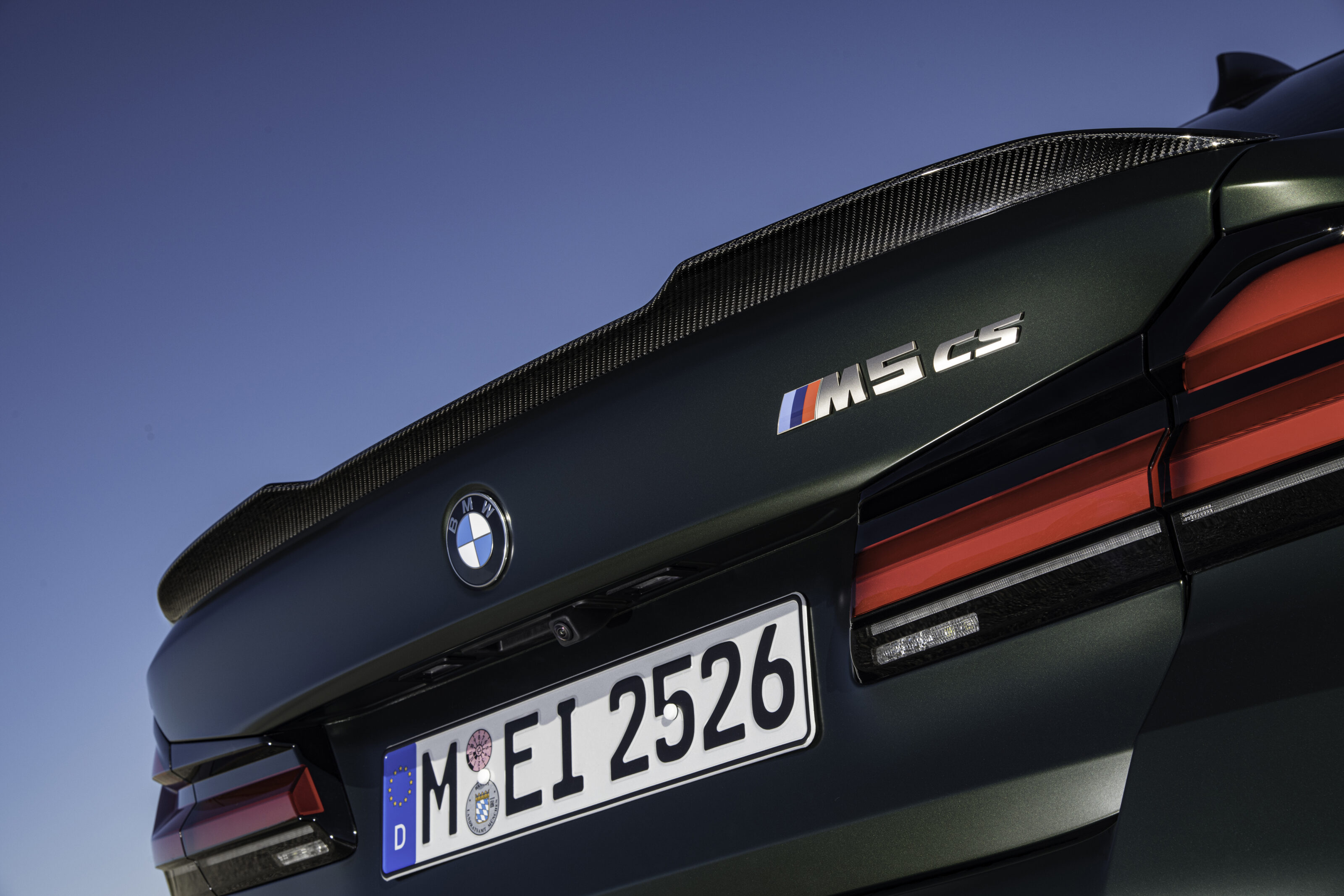
Speaking to media at the BMW M headquarters in Garching Germany, BMW M workshop manager Hans Rahn confirmed the next M5 would be powered by a “plug-in hybrid” powertrain paired to a “twin-turbo V8”.
This almost certainly means the new M5 will share a mechanicals with the forthcoming XM which will be BMW’s first full-fat M hybrid, and has also been confirmed to have a plug-in powertrain bolted to a turbo V8.
While the recent prototypes offer a glimpse at the evolution of M5 power, they have no secrets to reveal regarding what the next model will look like at this stage, with the current F90 5 Series providing the ‘mule’ under the camo wrap.
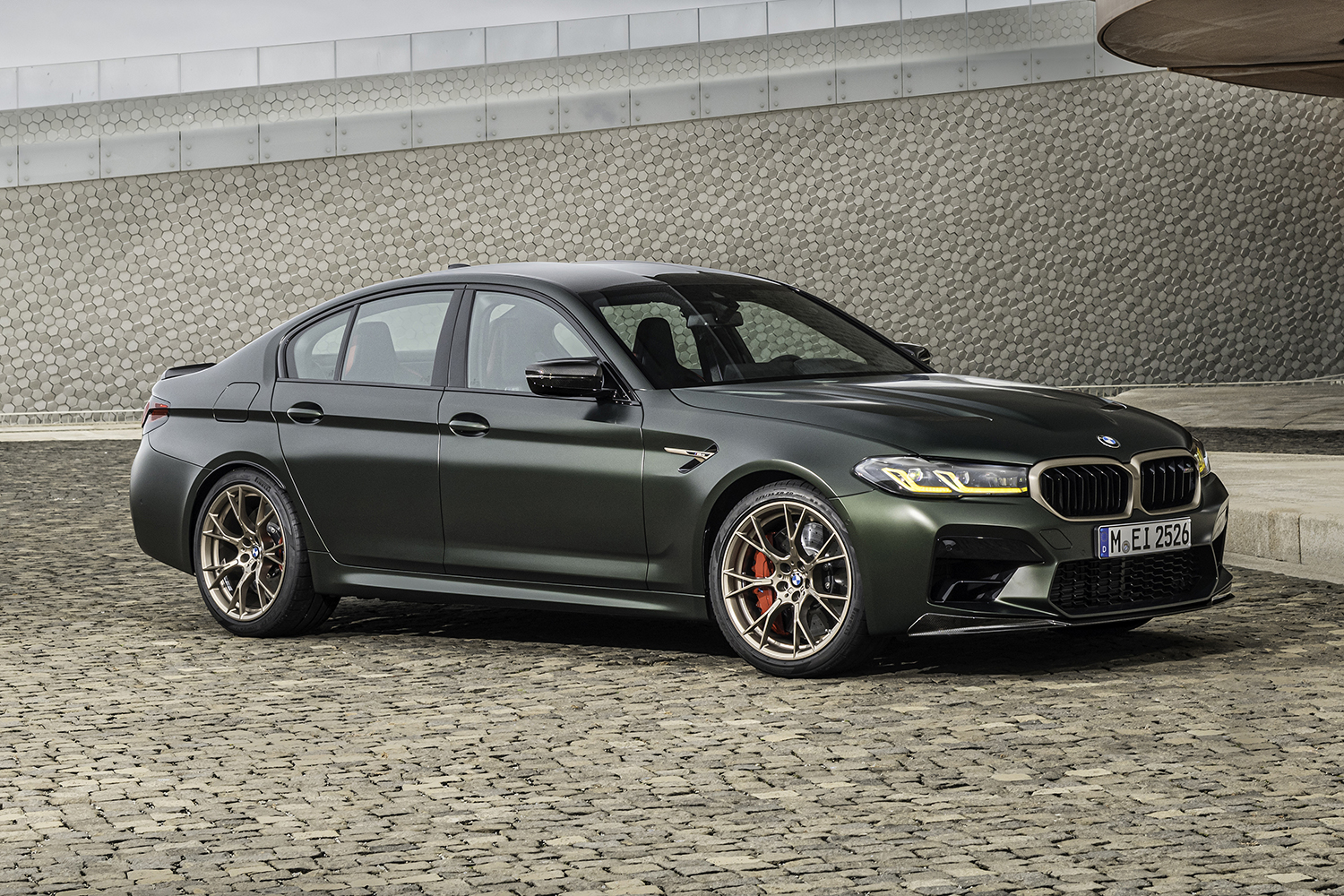
Power figures and performance are also still a long way off and the new version isn’t expected until 2024 to coincide with the M5’s 40-year anniversary, but figures of between 480kW and 550kW are touted for the new model, although the highest performance could be an ‘overboost’ function.
With a plug-in powertrain, the new M5 will also have a pure-electric mode with about 80km of zero-emissions range expected before the V8 needs to fire up or a charge socket found.
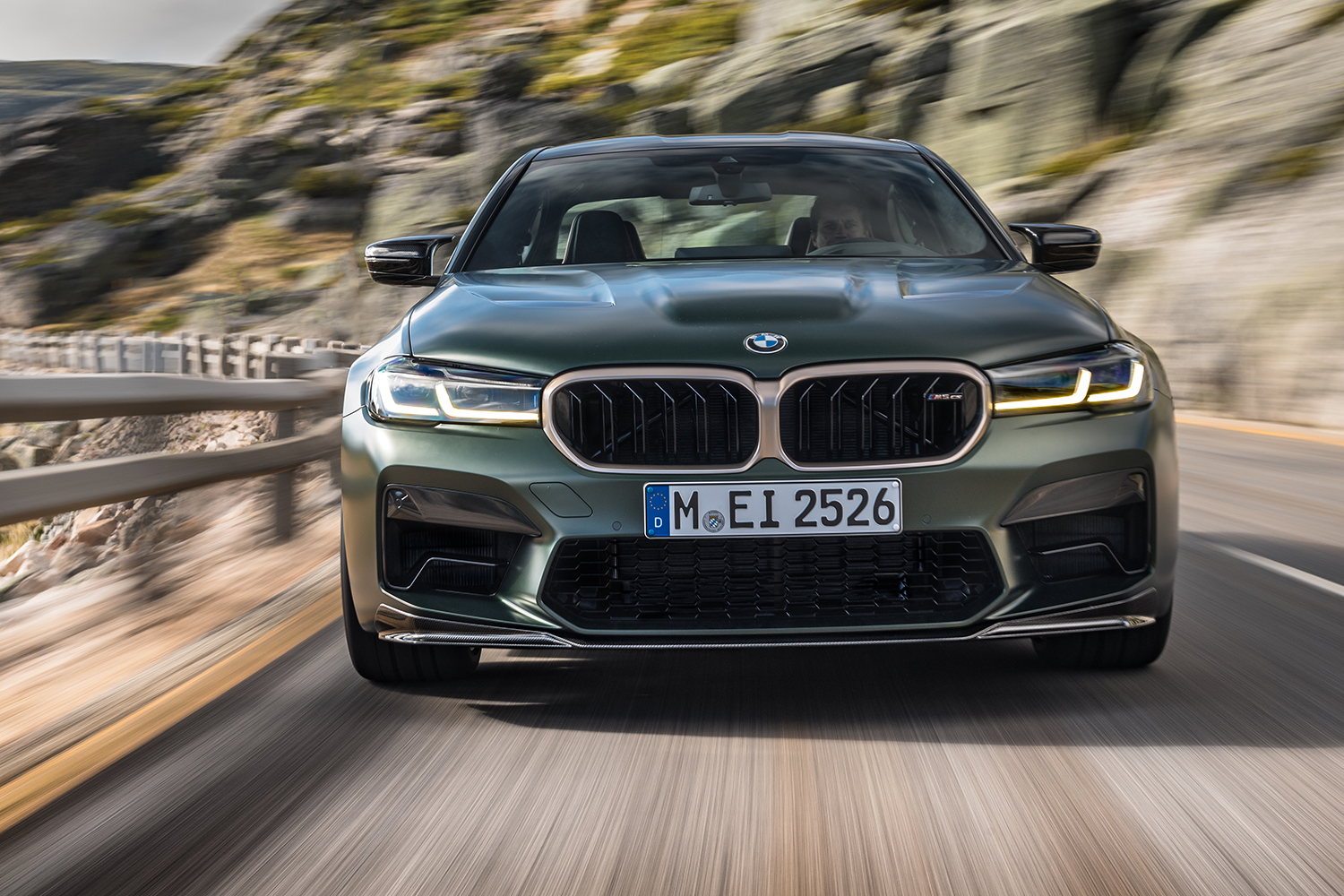
The confirmation of PHEV power for the new M5 will no doubt rekindle the flames of controversy generated by the F90 generation when BMW revealed it would adopt all-wheel drive to tame increasing amounts of power.
Public opinion aside, the move to hybridisation will preserve the future of BMW’s mighty S68 V8 for now, cutting emissions and fuel consumption, but it will ultimately have to yield to pure EVs at a point down the line.
Snapshot
- 2023 BMW 2 Series and M3 to receive large curved displays
- Rear-wheel-drive M240i announced with less power
- Production to commence from July
BMW has announced the 2023 2 Series Coupe is set to receive its curved dashboard display and two new rear-wheel-drive variants in Europe.
Production is to commence from July, with the curved screens consisting of a 12.3-inch instrument cluster and 14.9-inch infotainment system running iDrive 8 to replace the existing separated displays featuring iDrive 7.
A rear-wheel-drive version of the M240i is also coming, slotting below the current all-wheel-drive ‘xDrive’ variant.
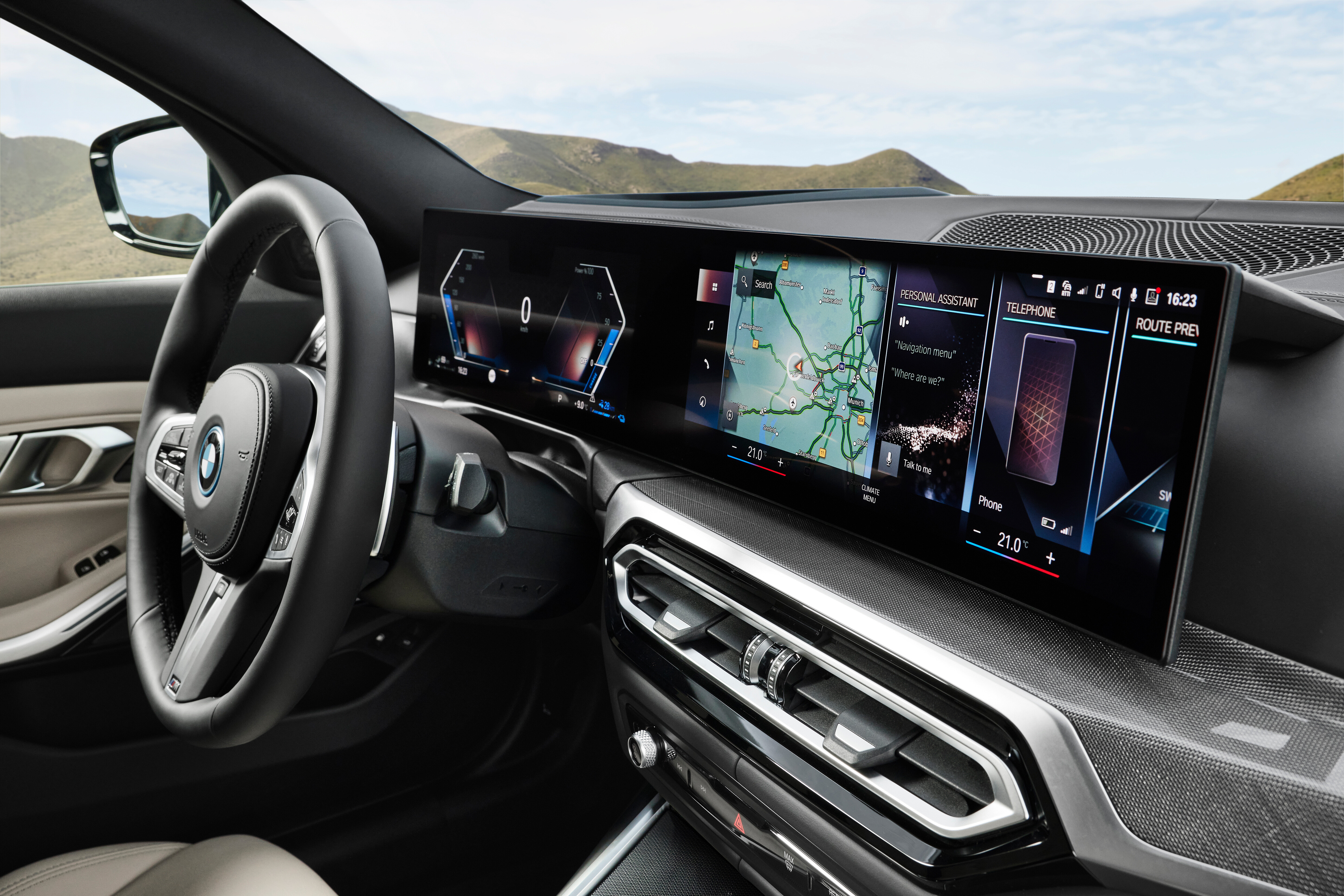
Power is slightly reduced at 275kW, compared to the full-fat 285kW tune in the M240i xDrive.
While this is a step closer to the previous, RWD-only F22 generation, the M240i will continue to be exclusively paired with an eight-speed ZF torque-converter automatic transmission.
In addition, BMW is adding to the bottom end of the 2 Series Coupe range with the 218i, which features a detuned version of the 2.0-litre turbo found in the 220i producing 115kW of power and 250Nm of torque.

BMW claims the M240i RWD will complete the 0-100km/h sprint in 4.7 seconds – down 0.4s on the M240i xDrive – while the 218i is exactly four seconds slower.
In Australia, the newly-added mid-spec 230i will arrive in June from $70,900 before on-road costs, slotting between the 220i and M240i xDrive – although it will not feature the changes listed above.
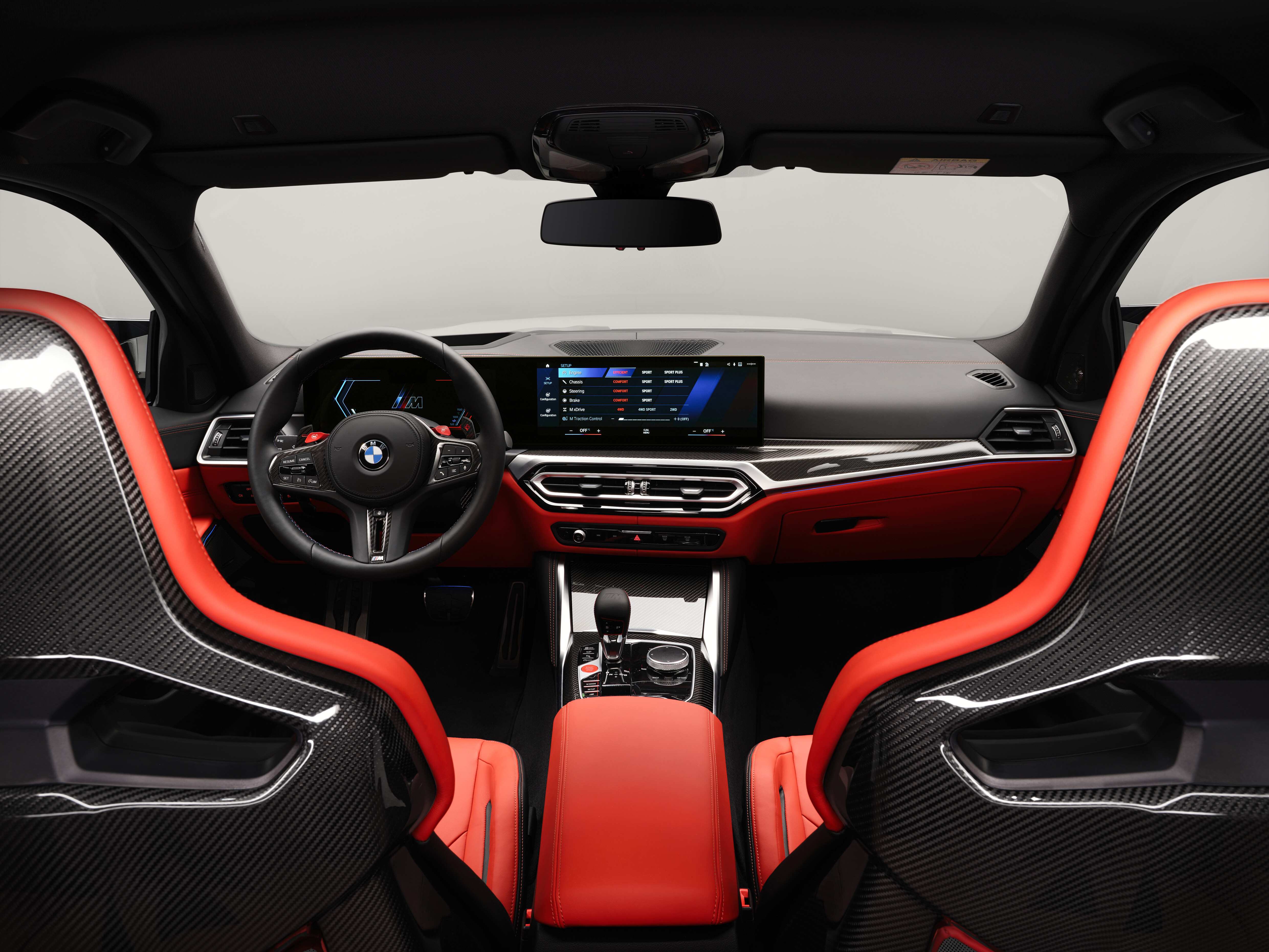
The German marque also confirmed the M3 will adopt the larger screens, following the unveiling of the facelifted 2023 3 Series range this week.
No other changes are planned for the M3, although the long-booted M3 Touring is set for reveal in the coming months.
Wheels has contacted BMW Australia for local comment. This article will be updated when further information becomes available.
The second-generation Volkswagen Tiguan landed in 2016 and it landed hard, but in a good way. After a fairly lacklustre entry into the mid-size SUV market with the original car that wasn’t really a mid-size SUV, VW’s product planners and engineers came up with something vastly superior.
Sure, it had its quirks like missing out on LED headlights (baffling) and a slightly frumpy front end, but both of those things were sorted out in the mid-life facelift.

Six years is a long time in the car world. Some cars land in a blaze of glory but find themselves staggering along to their unmourned deaths after such a period. Others just kind of fade into insignificance as fresher metal with shinier things come along. The Tiguan still has some way to go before replacement while almost every other competitor is new or close to. Can the Tiguan still really play at the front?
Pricing and Features

For $55,990 before on-road costs, you are playing at the top end of a segment brimming with quality, so you’re going to want a lot of stuff, in a well-built and attractive car that drives well. So not much to ask, really.
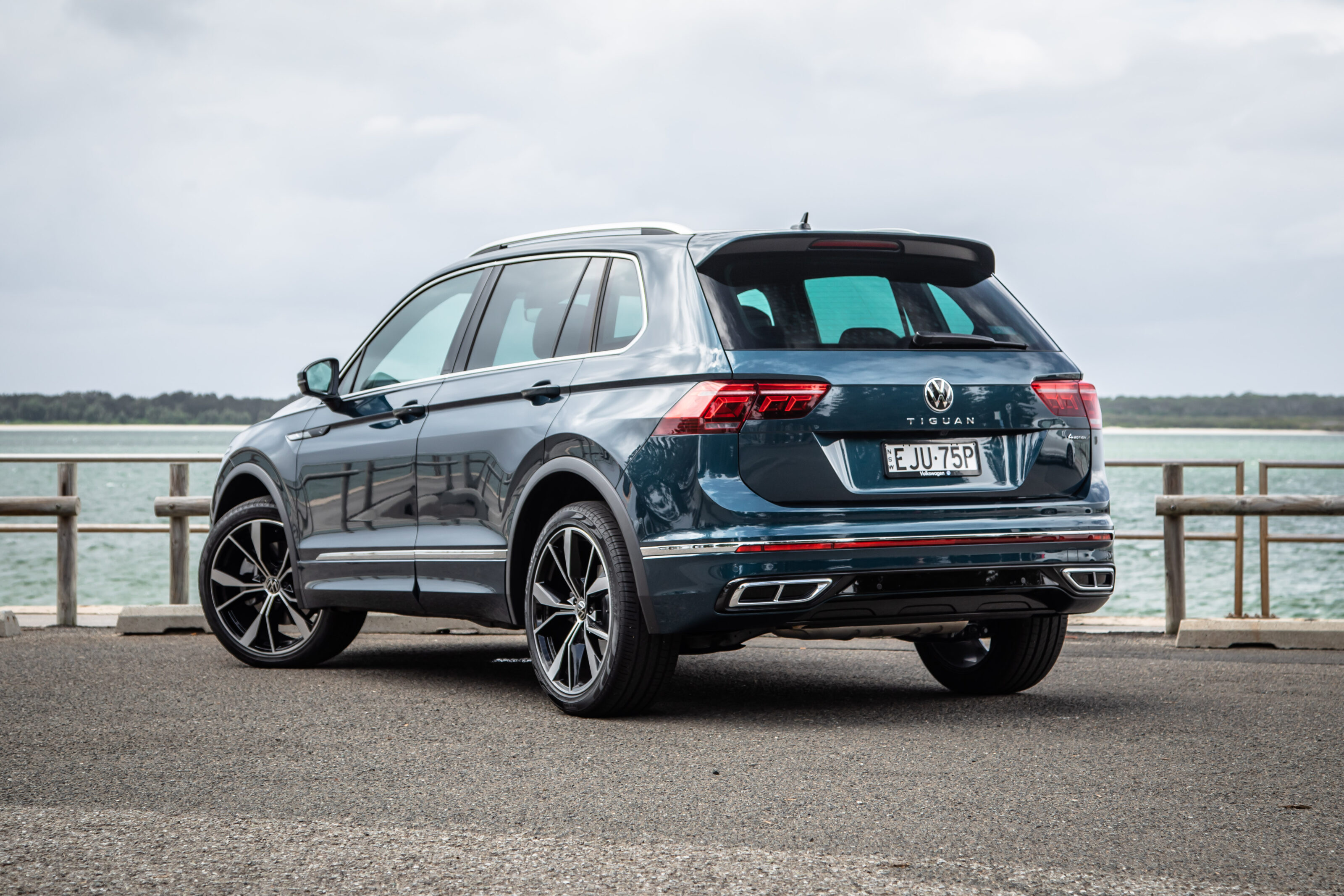
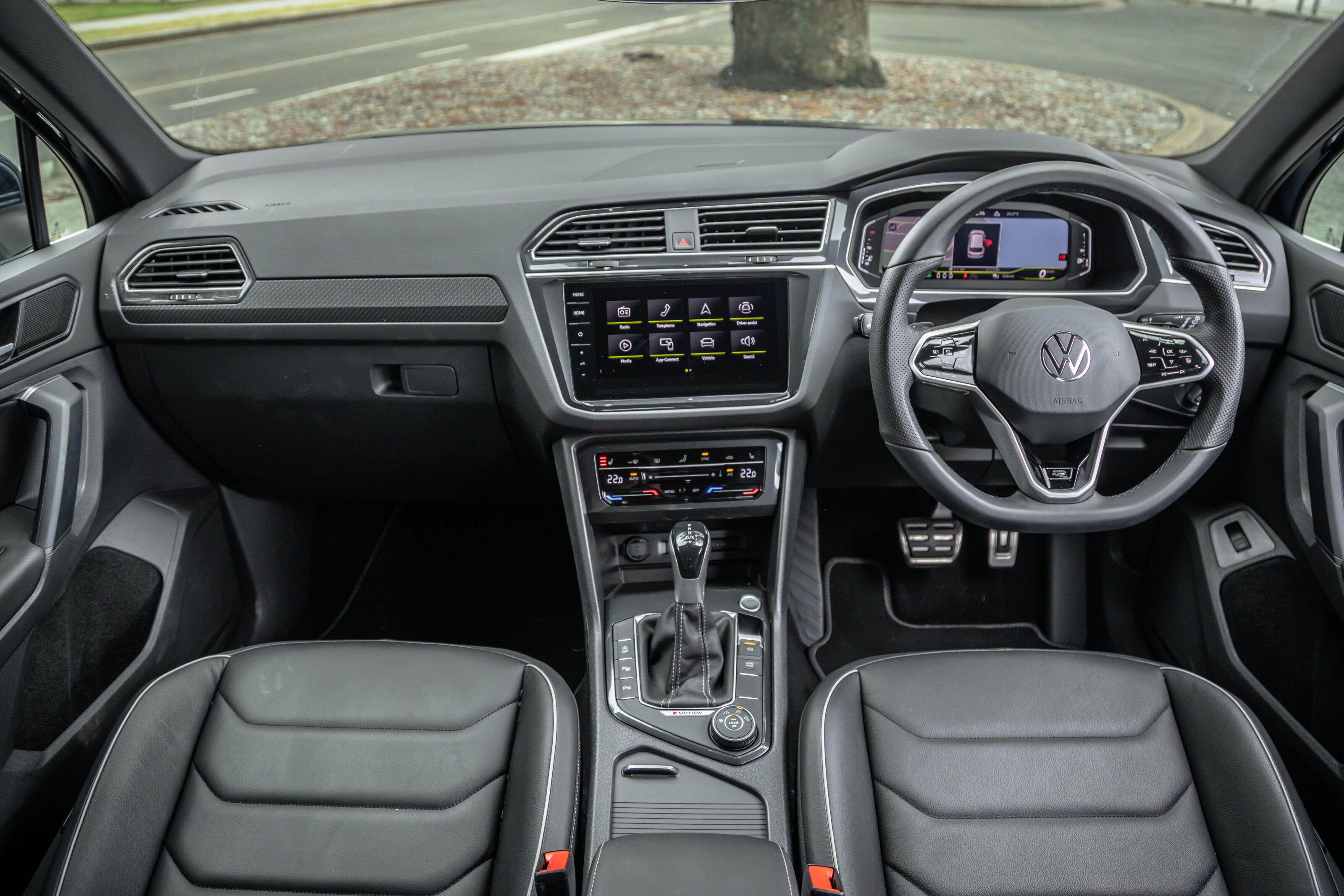
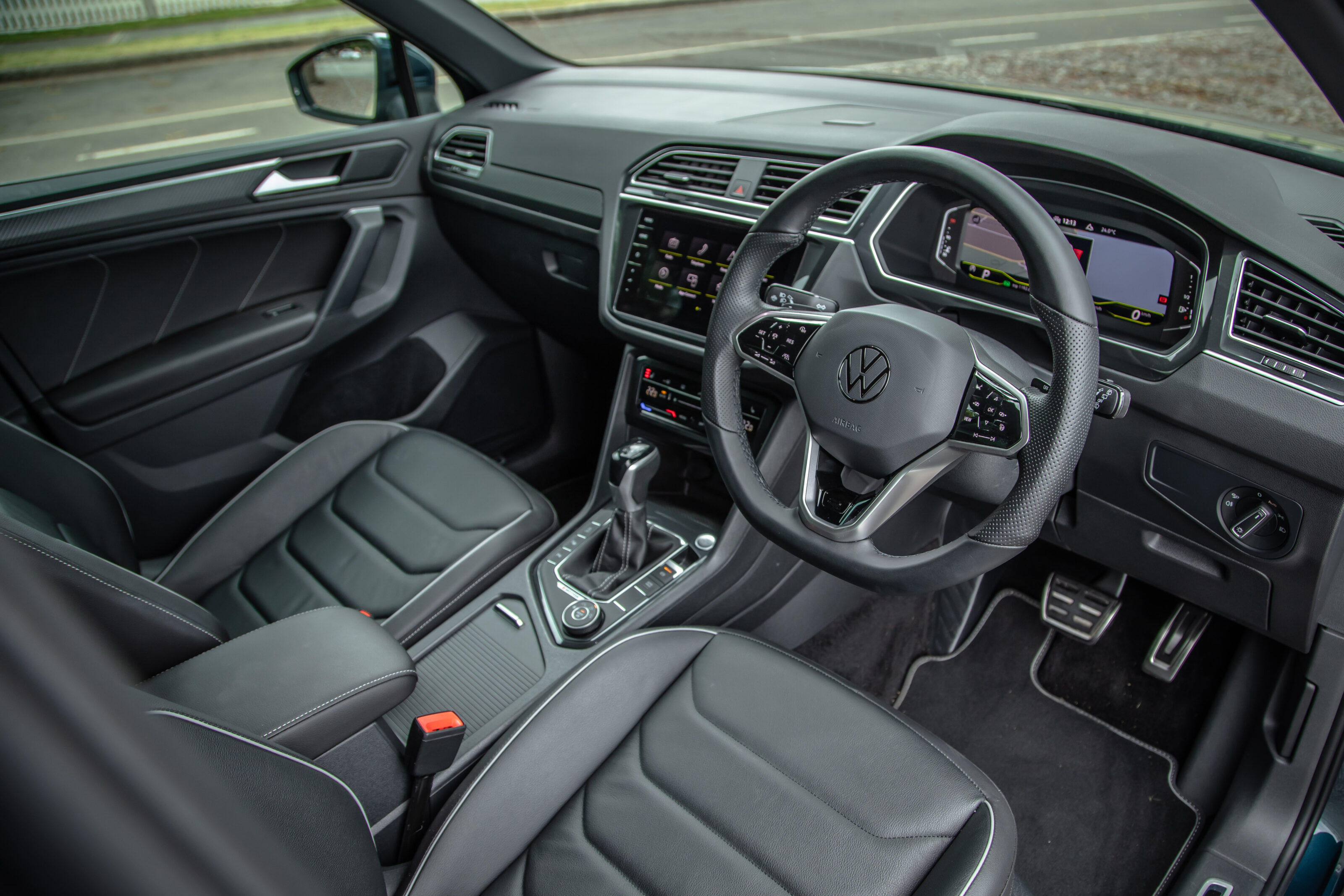
The Tiguan 162 TSI R-Line ships with 20-inch alloys, an eight-speaker stereo, multi-zone climate control, auto LED headlights, electric and heated front seats, keyless entry and start, auto parking, wireless mobile phone charging pad, reversing camera, powered tailgate, power everything, leather trim (some of it real, some it not), front and rear parking sensors, digital dashboard, adaptive cruise control, auto high beam, auto wipers, heated steering wheel and a space-saver spare.
R-Line in the name refers to the sporting character of this Tiguan’s cosmetic accoutrements rather than anything technical, but for me it’s more attractive than the luxury-skewed Elegance.
For $55,990 you are playing at the top end of a segment, so you’re going to want a lot of stuff, in a well-built car that drives well. Not much to ask, really
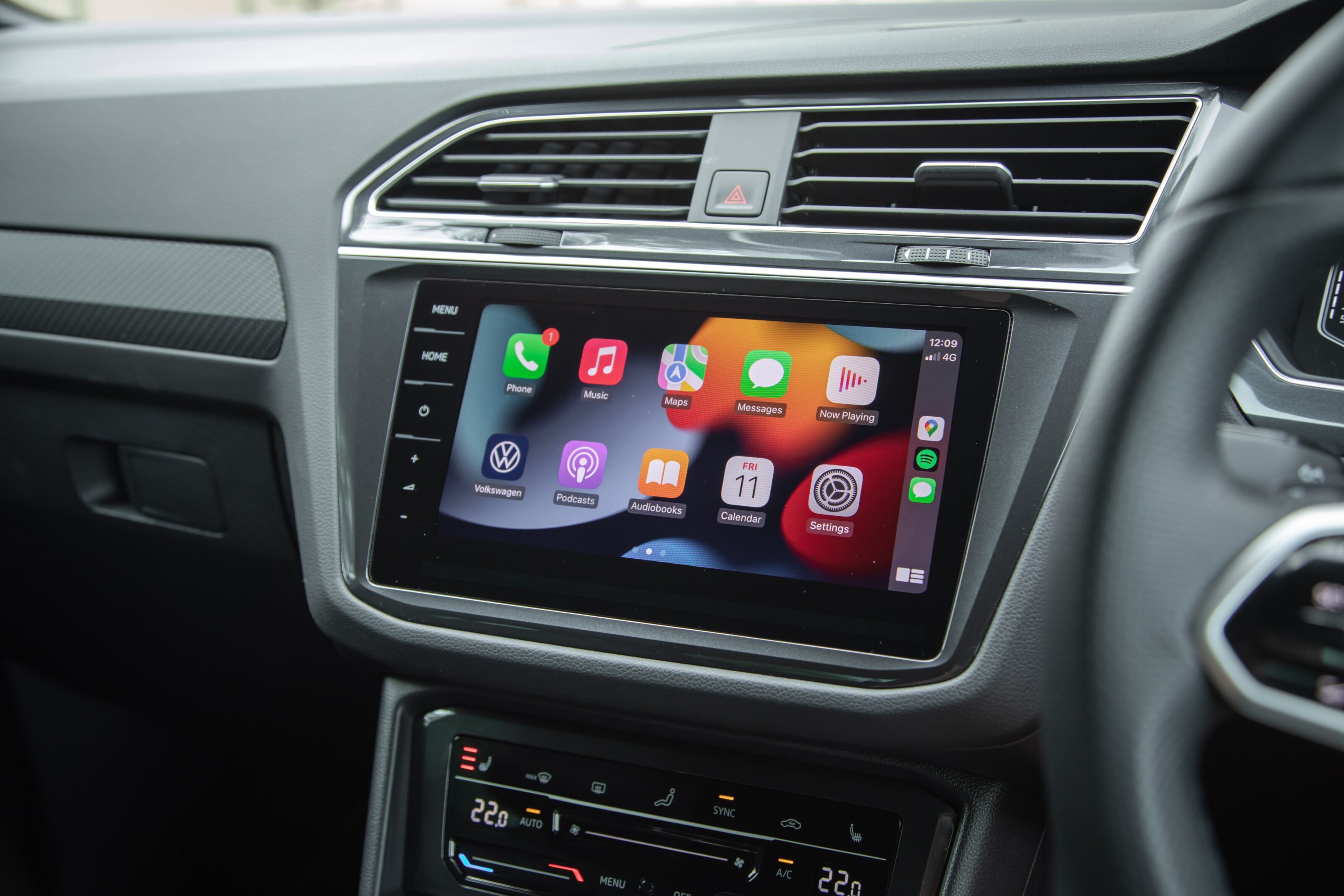
VW’s media system is alive and well on a large central touchscreen with sat-nav, DAB+ digital radio and support for Apple CarPlay (wireless) and Android Auto.
Five-star ANCAP safety comes courtesy of seven airbags, the usual stability and braking controls, forward and reverse auto emergency braking (AEB) with collision warning plus reverse cross-traffic alert, driver fatigue detection, speed limit warning and tyre pressure monitoring.
The forward AEB has pedestrian and cyclist detection at city speeds.
Comfort and Space
The interior space of the Tiguan is among the best in the class and comes with a trick that still amuses me to this day. Its rear seat slides forward and back and I remember that being the subject of absurd delight when I first drove this car.
I’ve always joked that it brings the children within striking distance but since becoming a dog owner (reluctantly and resentfully), it was also useful on the very long trip we took to bring the mithering little idiot closer so she didn’t whine incessantly. There’s a handy tip for 0.3 per cent of the population because, apparently, I’m one of the few people on earth to like dogs but not want to own one.
Rear seat passengers are further spoilt with their own climate control zone and air vents

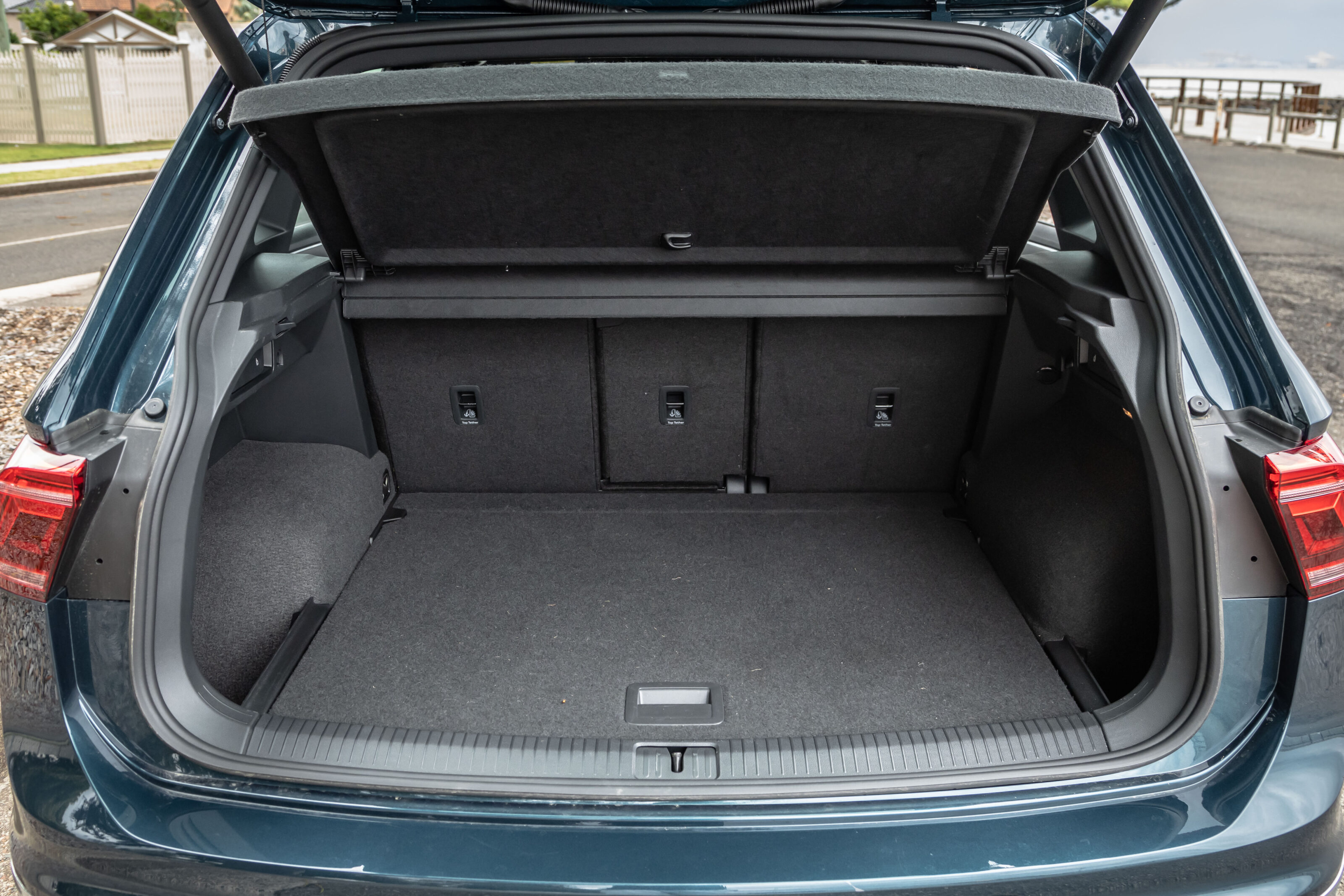
What it also means on a far more practical level is that you can optimise the space in the boot. You start with an already hefty 520 litres with the seats all the way rearward – providing tons of legroom along with the generous headroom – and then when you slide it forward, you can get all the way up to 615 litres of space. I always find that the smaller the child the more stuff you need to carry, so this is very clever (and yes, I know other cars have this but the Tiguan does it really well and it’s not common in this segment).
Rear seat passengers are further spoilt with a pair of cup holders in the armrest, folding tray tables built into the front seatbacks (including a groove to stand tablets and phones) and their own climate control zone and air vents.
The front seats are very comfortable and even with the sunroof, you have tons of headroom and the driving position is excellent. A natty roll-top covers the cupholders, you have bottle holders in every door and a sunglass holder on the ceiling that actually takes sunglasses rather than those old cheap 3D glasses you got in the sixties. The glove box is also cooled for your…I dunno…blood samples? Hey, it could happen.
On the Road

Here at the top of the range is the 162 TSI. In true VW style, the 162 refers to the number of kilowatts produced by the 2.0-litre four-cylinder turbo-petrol engine under the bonnet. This unit is familiar across the VW group as is the seven-speed dual-clutch transmission.
As always, the 2.0-litre is an absolute belter, smooth and quiet but with plenty of power even with nearly 1700kg to lug along. The torque figure of 350Nm isn’t startlingly good, but bests a good chunk of its competition.
Also familiar is the all-wheel-drive system, which had plenty to deal with during our week with the Tig. As has been the whole deal with Sydney in the last few months, the rain absolutely tipped down for a few days of the car’s time with us. Not only did it have to handle that around town but on the giant mess that is the surface of the M5 motorway, a road that somehow holds more water than a medium-sized dam whenever it sprinkles a few drops.

The trip down the M5 took us all the way to Jindabyne for a few days in the Snowy Mountains. Fans of the area will know the roads are tremendously winding and the Tiguan’s chassis is a big fan of that kind of thing. The adaptive suspension (standard on the Elegance and R-Line) is always taut but can run into firmness on rougher tarmac in Sport mode. That’s something you might want to know if you’re looking for a plush ride and is probably down as much to the R-Line’s 20-inch alloys as the impressive handling balance.
It’s an excellent highway cruiser, with well-damped road noise and an easy gait at speed, with just a little wind noise around the mirrors. The trip to Jindabyne is roughly 500km and a few more if you swing through Canberra on the way for a vast improvement on the coffee and food available on the Federal Highway. We got out at the other end fresh as daisies and even the dog was reasonably happy.
The trip took us to Jindabyne and the Snowy Mountains … the roads are tremendously winding and the Tiguan’s chassis is a big fan of that kind of thing

The Tiguan 162 pulls well on overtaking manoeuvres and while it’s not a rocketship, the power available is rare in this part of the market (at least in petrol form), with really only Ford’s Escape and Mazda’s turbo-petrol CX-5 coming close. Well, the Escape has more, but neither the Koreans nor Japanese tend to get very close to this kind of grunt.
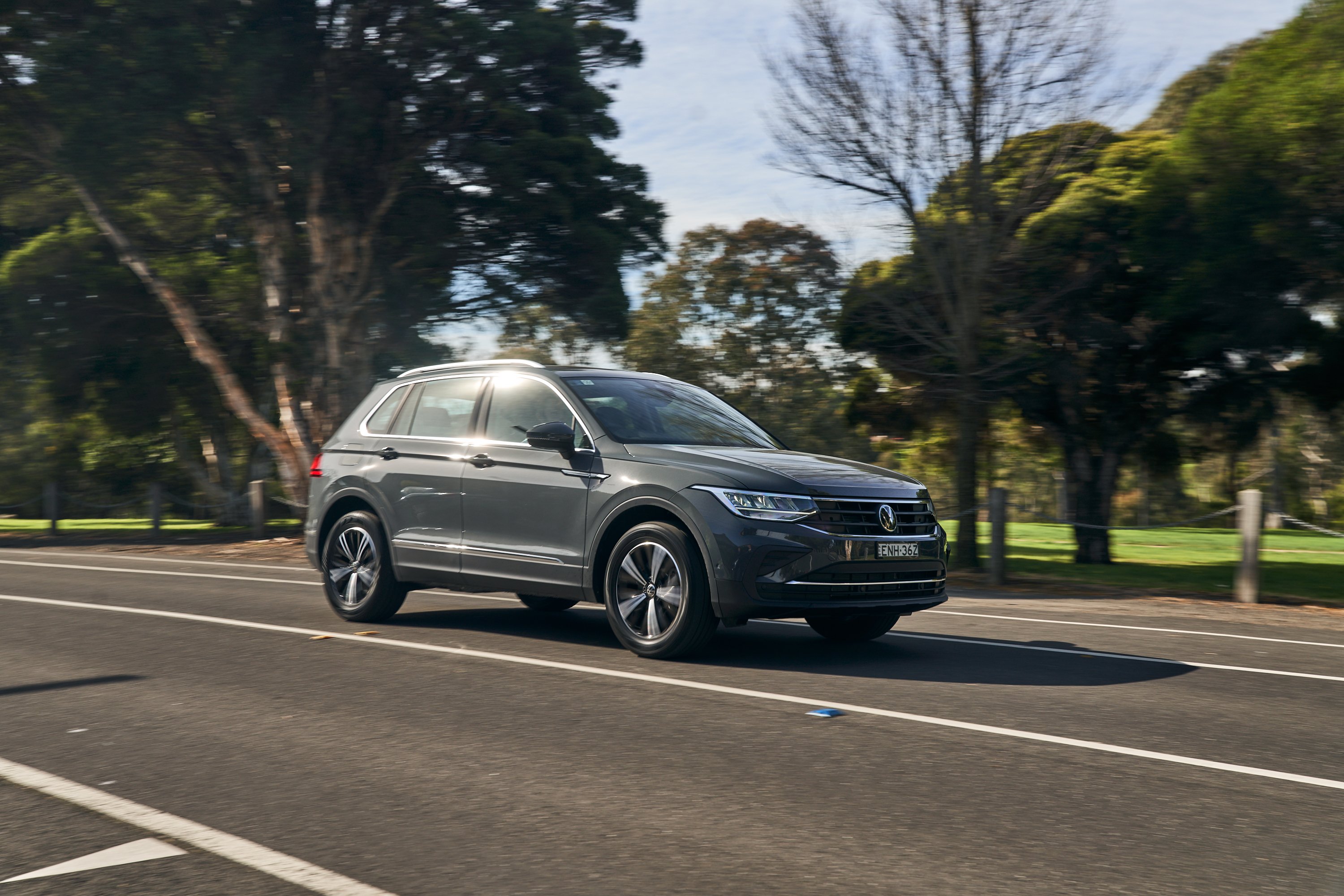
In the suburbs where – say it with me – these cars spend most of their lives, the Tiguan is handy. Its footprint isn’t too big so it’s super easy to live with. The steering is nicely weighted around town without losing touch with the road and the firm suspension never gets crashy over the inevitable potholes.
Volkswagen says you’ll get 8.5L/100km on the combined cycle and our week with it absolutely nailed that figure, although a good portion of it was highway running.
Ownership

Volkswagen offers a five-year warranty with unlimited kilometres and was one of the earliest of the European marques to do so. You need to return to the dealer every 12 months or 15,000km for a service.
Rather sobering is the Assured Servicing pricing. Over five services you’ll pay between $474 and $1627 for a service, totalling $3973. A five-year care plan offers a substantial saving over pay-as-you-go, with five services totalling $2580 (saving $1393), bringing the pricing more into line with its competitors. If you want, a three-year plan is $1500 for a saving of about $350. VW’s website seems to undersell the savings of the five-year plan by a hefty $500 so if you can, I strongly recommend paying upfront.
VERDICT

The Tiguan is as it has been since its launch – one of the leaders of the mid-sized SUV pack. It was a long time between Tiguan drives and I’m still mightily impressed by its versatility, driveability and practicality.
I can see why it’s not everyone’s cup of tea, especially in the 162 form where it is starting to look very pricey indeed and putting it in reaching distance of the more premium brands (albeit with a lot less gear).
Otherwise there are few complaints beyond some stiff service prices and the lack of a more economical drivetrain to rival the RAV4 Hybrid. Comfortable and stylish, quick enough and good to drive, there’s not too much more buyers need from an SUV.
2022 Volkswagen Tiguan 162TSI R-Line specifications
| Body: | 5-door mid-size SUV |
|---|---|
| Drive: | all-wheel |
| Engine: | 2.0-litre four-cylinder turbo |
| Transmission: | 7-speed dual-clutch |
| Power: | 162kW @ 6200rpm |
| Torque: | 350Nm @ 1500-4400rpm |
| Bore stroke (mm): | 82.5 u00d7 92.8 |
| Compression ratio: | 9.6 : 1.0 |
| 0-100km/h: | 8.0 sec (estimate) |
| Fuel consumption: | L/100km (combined) |
| Weight: | 1697kg |
| Suspension: | MacPherson struts front/multi-link rear end |
| L/W/H: | 4509mm/1839mm/1684mm |
| Wheelbase: | 2681mm |
| Brakes: | ventilated disc front / solid disc rear |
| Tyres: | 255/40 R20 Pirelli Scorpion Verde |
| Wheels: | 20-inch alloy wheels (space-saver spare) |
| Price: | $55,990 + on-road costs |
