News

Gallery 1
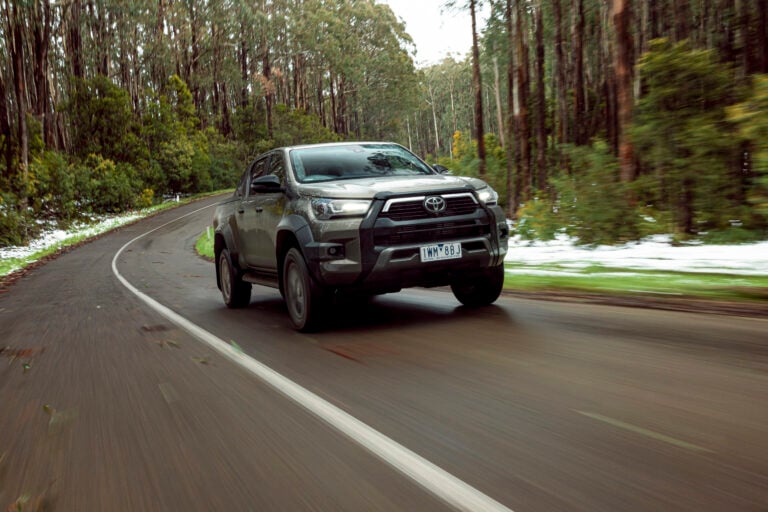
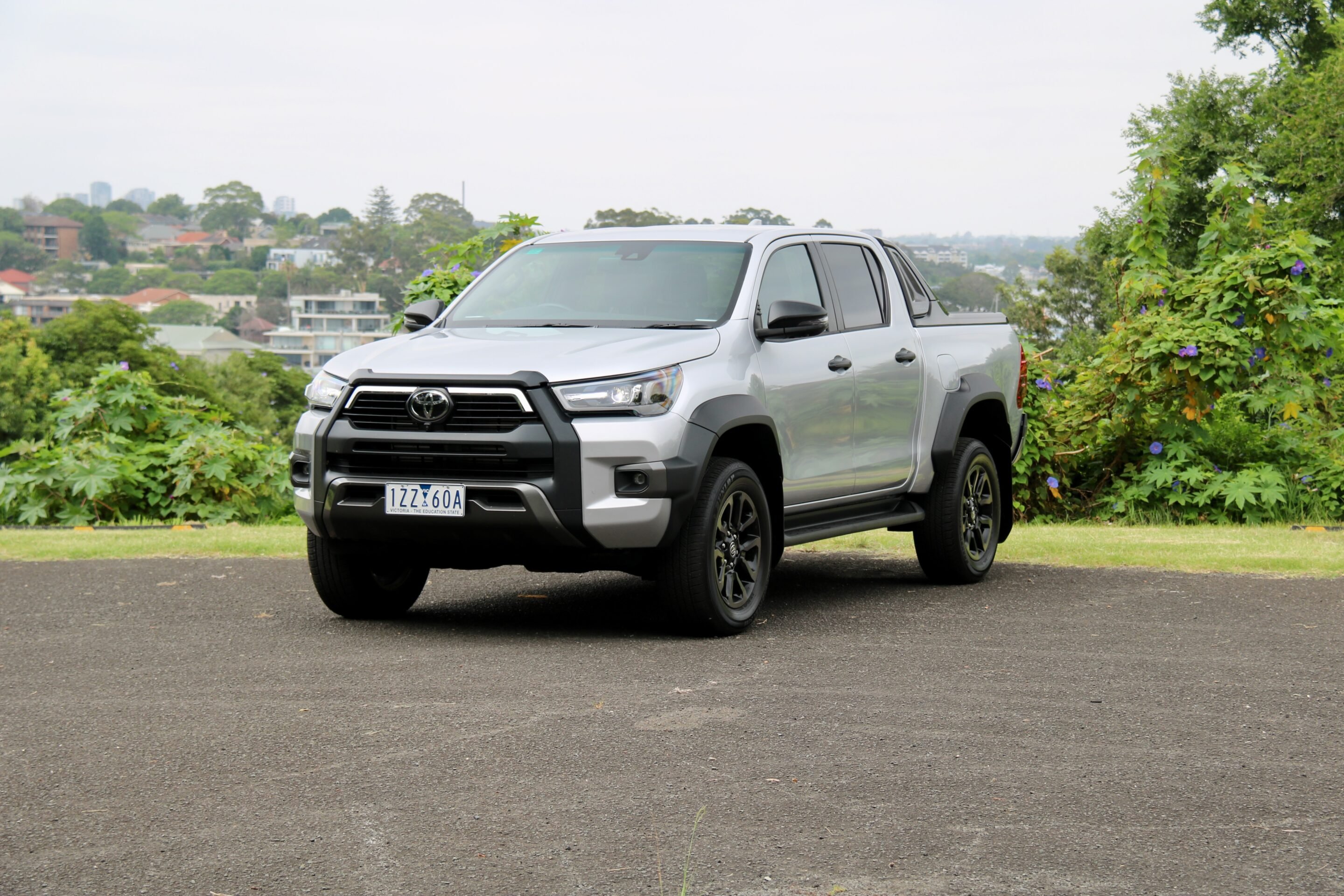
Though it remains one of Australia’s most popular vehicles, we’re overdue a new generation of the venerable Toyota HiLux.
The reveal of Toyota’s new workhorse will be one of the biggest reveals of 2025 and a chance to reestablish dominance in an increasingly crowded dual-cab segment.
As we get closer to the new HiLux’s first public appearance, details are firming as to its make up and you’ll find everything we currently know here, so check back regularly as more information comes to light
When will the new Toyota HiLux be revealed?
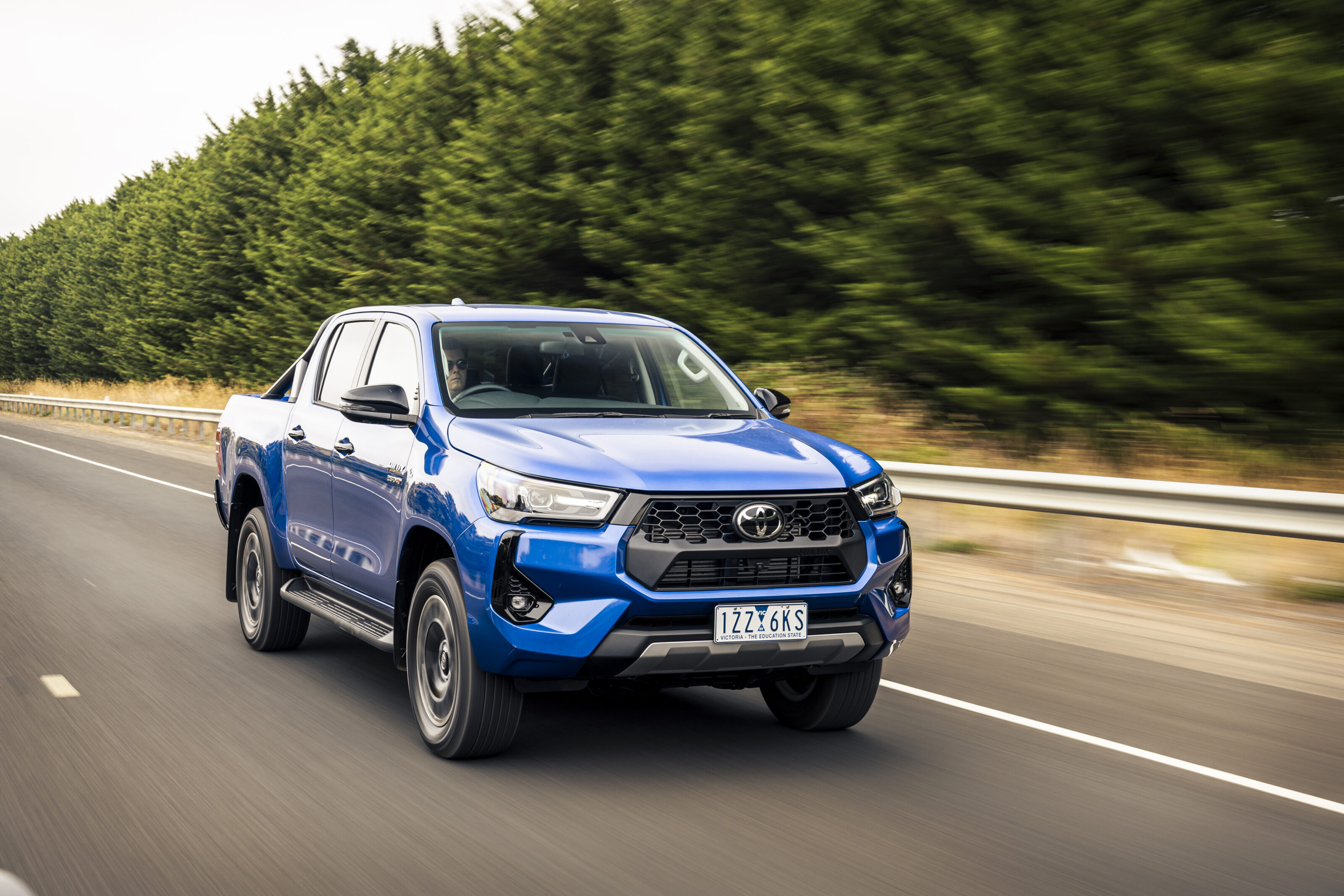
While not officially confirmed, it’s expected the 2026 Toyota HiLux will be revealed at the 2025 Bangkok Motor Expo in late November given that it is its country of origin.
It will then hit Australian shores sometime in 2026, but as one of the biggest markets don’t expect too much time to elapse between its reveal and its arrival in local showrooms.
What will power the 2026 Toyota HiLux?
Those wanting an under-bonnet revolution for the new HiLux are likely to disappointed, in the short term at least, as documentation recently submitted for Australian Design Rules certification lists only the 1GD-FTV 2.8-litre four-cylinder turbodiesel engine.
This tallies with speculation that the 150kW/500Nm mild-hybrid engine and its 165kW/550Nm high-output sibling from the GR Sport are likely to carryover, though attached to an eight-speed automatic rather than the current six-speeder.
However, as the New Vehicle Efficiency Standards get increasingly stringent as the 2020s progress, Toyota will be forced to offer more efficient powertrains to avoid hefty fines.
Recent reports from Japan suggest Toyota’s new-generation 2.0-litre four-cylinder petrol, which currently produces 224kW, will appear in the HiLux in due course and a true hybrid HiLux is almost a certainty.
While Toyota Australia’s Vice President of Sales and Marketing, Sean Hanley, coyly told media recently that there were currently no plans to introduce Toyota’s Performance Hybrid technology, which will soon appear in the 300-Series LandCruiser, in the HiLux, its multi-pathway approach to powertrains means they can react quickly should the need arise.
Rather than the 3.5-litre twin-turbo petrol V6 hybrid found in the LandCruiser and Tundra, our money would be the 2.4-litre four-cylinder turbo-petrol hybrid found in the US Toyota Tacoma, which produces a healthy 243kW/630Nm, though it would need to be uprated to ensure the HiLux retains its 3500kg maximum towing capability.
How new will the 2026 Toyota HiLux be?
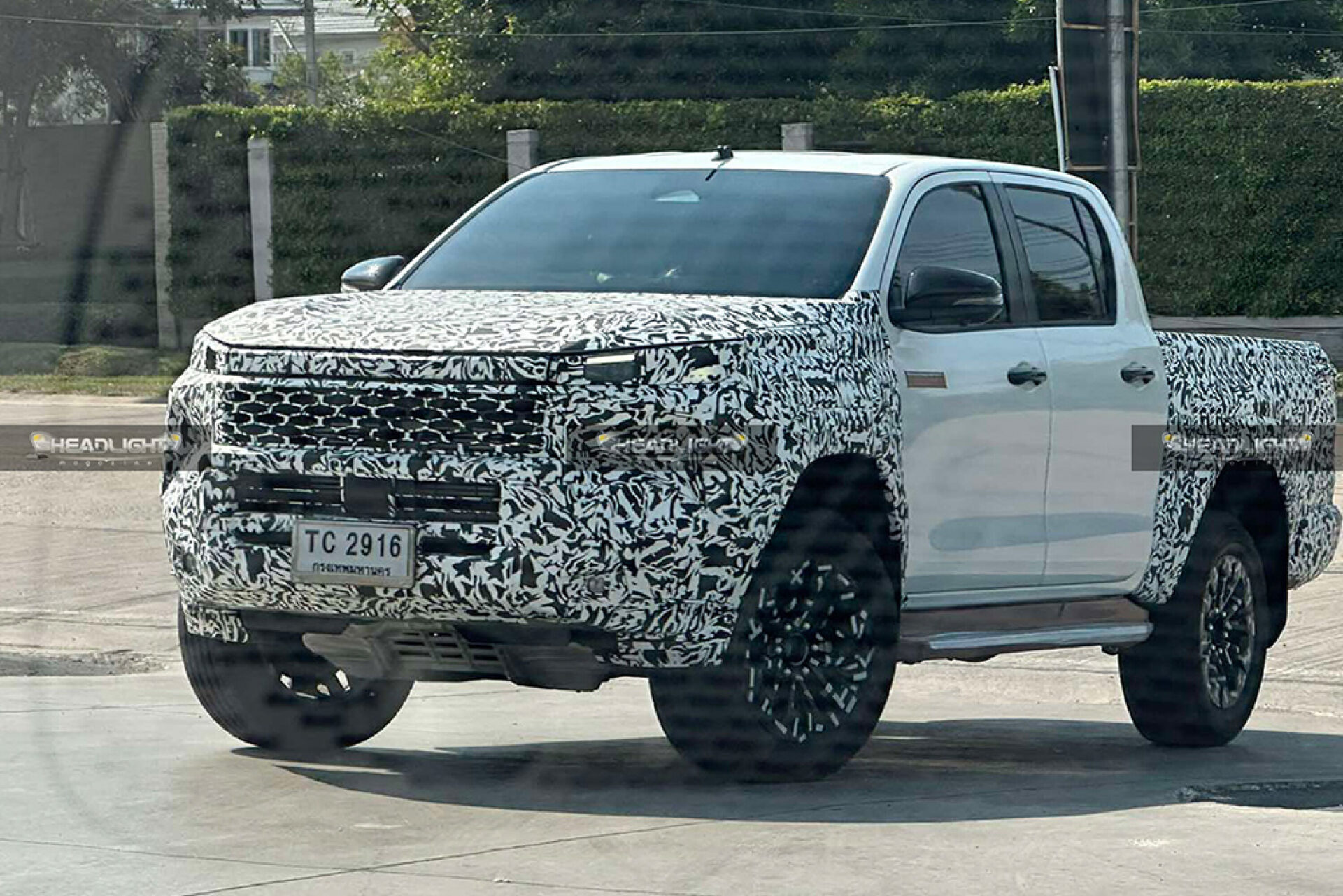
Contrary to early reports that the new Toyota HiLux would move to the TNGA-F platform that underpins the Tacoma, 300-Series, Prado and Tundra, it appears it will use a revised version of the current chassis called IMV.
Toyota has form here, choosing the heavily update the original 86 to become the GR86 rather than start afresh. There are several reasons this makes sense. Firstly, Toyota has continually invested in the current HiLux platform, widening the tracks and fitting disc brakes for the Rogue and GR Sport and updating active safety assist systems.
Secondly, the need for new electrified powertrains is likely to absorb plenty of development budget over its decade-plus life cycle.
Nevertheless, the new HiLux will receive a hefty birthday inside where it’s most feeling its age and a look at the latest Prado and the new FJ Cruiser gives a clear indication of the direction Toyota is going with its interiors.
Expect a large digital instrument display (at least on high-spec variants), a larger infotainment system with wireless smartphone mirroring and connected services while the inclusion of a front-centre airbag will help it attain a five-star ANCAP rating.
Will there be an electric Toyota HiLux?
An all-electric Toyota HiLux is already on the radar, with a rear-wheel drive, single-cab prototype driven by Australian media in 2023, while Toyota Australia also partnered with mining giant BHP on a 12-month trial of a battery-electric dual-cab prototype.
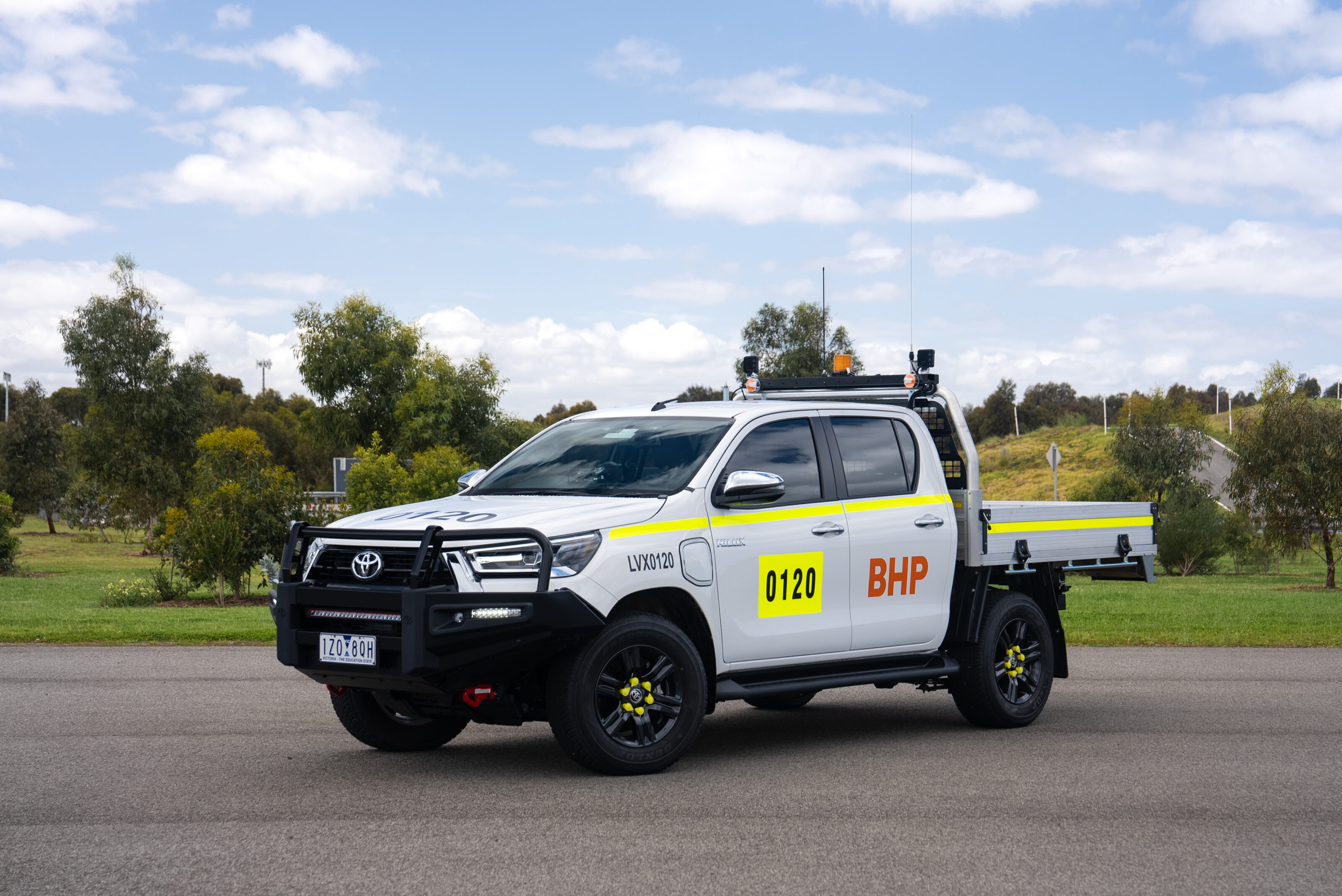
In terms of a conventional dual-cab for consumers, however, the picture is murkier, with Hanley previously telling media an electric HiLux won’t suit the “silent majority” of buyers until it can tow 3.5 tonnes and a laden range of 700-800km, something that isn’t possible with current technology.
As such, it remains to be seen whether Toyota’s first electric HiLux will be powered by batteries or a hydrogen fuel cell, the latter overcoming issues with range but striking new ones with a lack of infrastructure, something Hanley is confident will change dramatically by 2035.
However, on that timeframe, an all-electric HiLux may not appear until the following generation.
Follow WhichCar/Wheels on Google
Click the button below to make WhichCar by Wheels a preferred source for your news.