News

Gallery 1
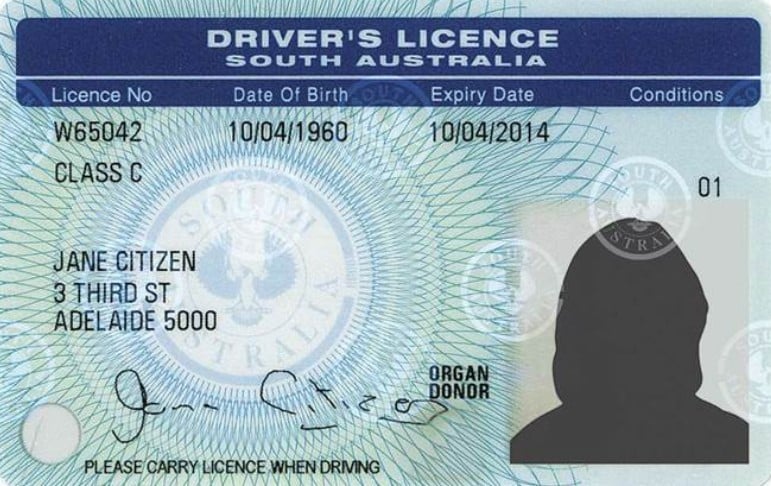
South Australia is leading a renewed push to boost organ donation rates across the country, urging other states to follow its lead by allowing Australians to register as donors through their driver’s licence.
The proposal comes as SA continues to record the highest participation rate in the nation, with around 74 per cent of eligible residents signed up. Crucially, about 90 per cent of those registrations have been made during driver’s licence applications – highlighting the effectiveness of integrating the process into a routine, everyday interaction.
Premier Peter Malinauskas and Health Minister Blair Boyer say the model removes barriers and encourages people to make a decision at a familiar point in time. With national registration numbers lagging, they argue the approach could deliver significant gains if adopted more broadly.
1
The push comes against a concerning backdrop. Only around two per cent of people who die in Australian hospitals meet the criteria for organ donation, while roughly 2000 Australians are currently waiting for transplants. A further 14,000 rely on dialysis due to kidney failure, underlining the ongoing demand for donors.
South Australia is now the only jurisdiction to retain donor registration within its licensing system. Other states phased out similar schemes following the introduction of the national Australian Organ Donor Register in the early 2000s, with most removing the option entirely by 2012.
However, falling registration numbers have prompted a rethink. In 2025, new sign-ups to the national register dropped by 15 per cent compared to the previous year, according to DonateLife.
Victoria and Queensland are now exploring ways to reverse the trend, including reintroducing licence-based registration and expanding public awareness efforts. In Victoria, reforms could also see organ donation education introduced in schools, targeting younger Australians before they reach driving age.
Advocates say the South Australian system offers a simple, proven solution. By prompting a decision during licence applications or renewals, it normalises the conversation and increases participation without adding complexity.
With multiple states signalling openness to change, South Australia’s model could form the blueprint for a national approach – one that aims to lift donor numbers and, ultimately, save more lives.
Follow WhichCar/Wheels on Google
Click the button below to make WhichCar by Wheels a preferred source for your news.


We recommend
-
 News
NewsMajor road rule changes coming in 2026: What Australian drivers need to know
From lower speed limits to AI enforcement and tougher penalties, sweeping reforms are set to reshape Australia’s roads next year.
-
 News
NewsAI traffic cameras lead to surge in road fines across Australia
Automated enforcement technology is lifting fine revenue nationwide, with most offences now detected by cameras rather than police.