News
Gallery 1
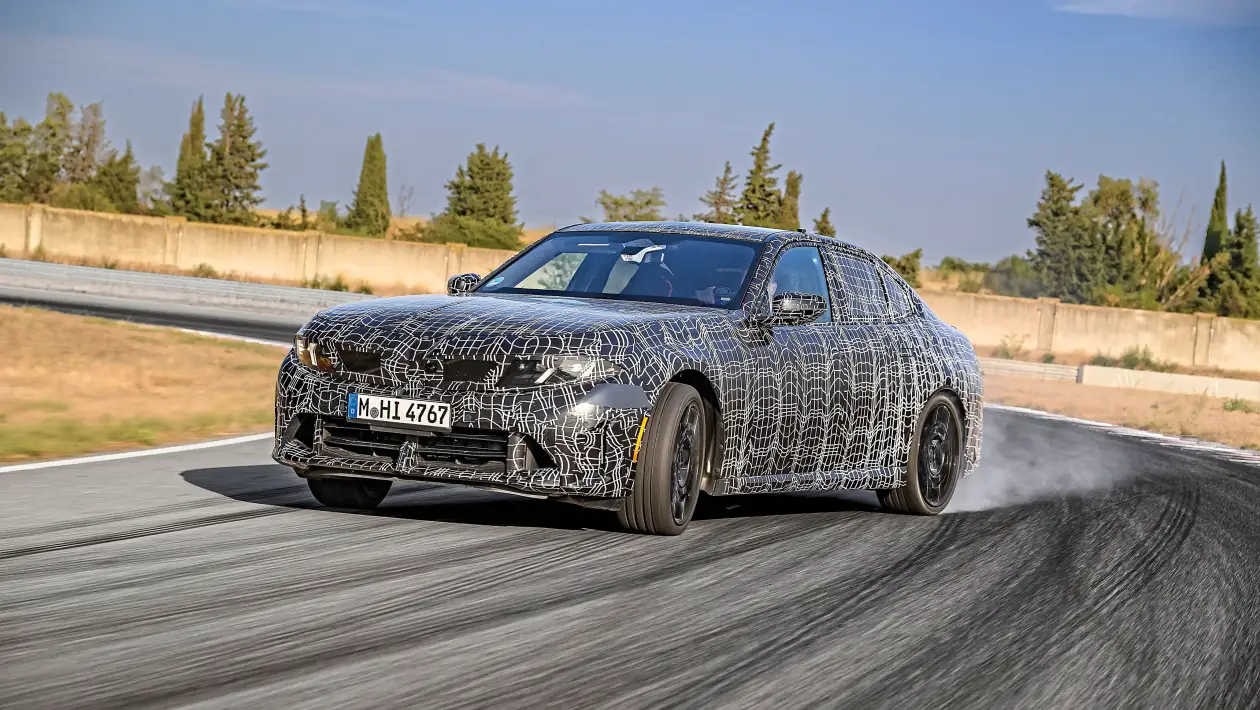
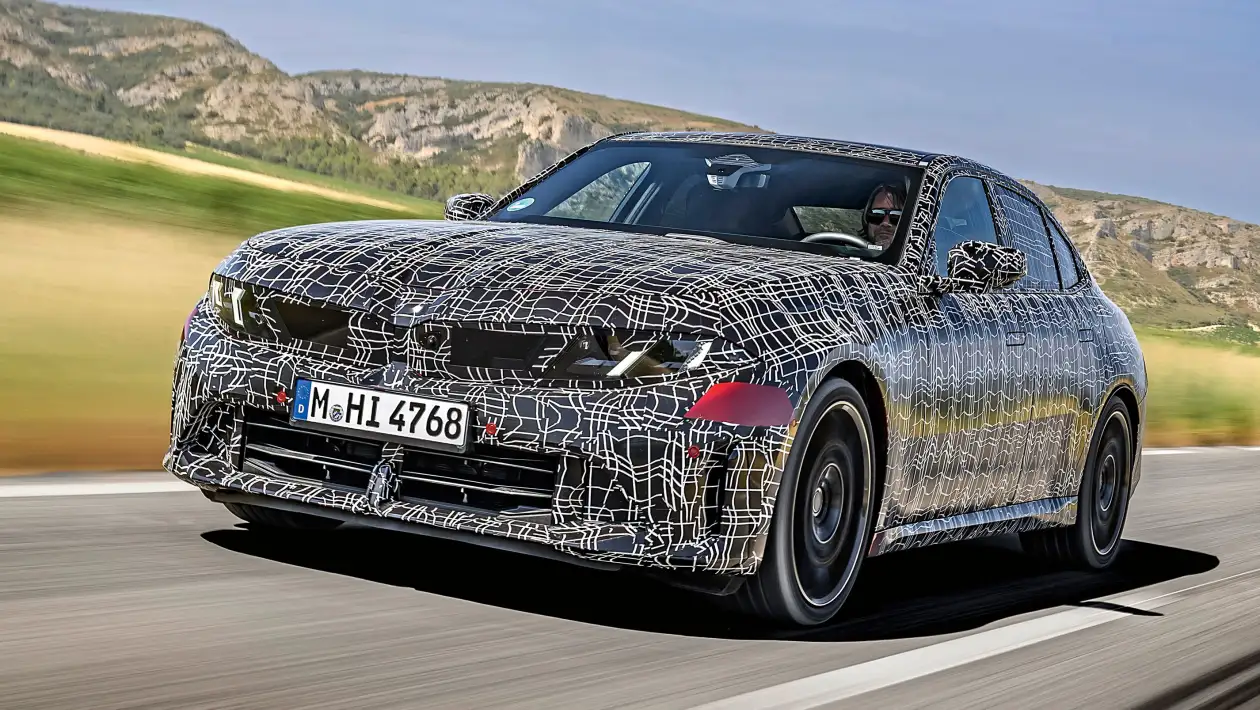
The BMW M350 xDrive is a Jekyll-and-Hyde car in the best possible way. The performance hero of the eighth generation of the legendary 3 Series – at least until the new M3 drops – can switch instantly from a relaxed cruiser to a fiery and agile sports sedan.
Proof that BMW has dragged the classic 3 into the modern era in fine style, the M350 also brings blade-sharp handling, cutting-edge connectivity great safety features to the table. The new models are combustion-powered relatives of the upcoming Neue Klasse EVs, and the near-production example we tested left a great first impression.
4
Known internally as the G50, the new 3 Series is due to launch internationally later in 2026, more than 50 years after the original arrived in 1975. While BMW is simultaneously developing the battery-electric i3, the new 3 Series will continue to offer combustion power, with four- and six-cylinder engines supported by 48V mild-hybrid technology.
Sitting at the top of the range is the new M350 xDrive, which effectively replaces the current M340i xDrive as the performance flagship below the full-fat M3. Its turbocharged 3.0-litre inline-six produces a healthy 326kW and 580Nm, sending its power through an eight-speed automatic transmission and specially calibrated all-wheel-drive system.
That AWD system can constantly vary the amount of power sent to each axle, but there’s an entertaining party trick hidden in its electronics: drivers can select a dedicated mode that sends power exclusively to the rear wheels. Known as “Drift Moment”, it won’t be available at launch, instead coming as an over-the-air update at some stage next year.
Performance is suitably potent. With launch control engaged, BMW claims the approximately 1.8-tonne M350 can ace the 0-100km/h sprint in 4.1 seconds. A mild-hybrid electric motor contributes an additional 40Nm before the turbocharger is fully on song, helping sharpen response from low engine speeds.
The changes go much deeper than the powertrain. BMW has lengthened the wheelbase and widened the track while fitting thicker anti-roll bars, increasing caster and stiffening the wishbone mounting points. The aim is to give the new 3 Series an even broader spread of abilities without sacrificing the handling characteristics that have defined the model for decades.
6
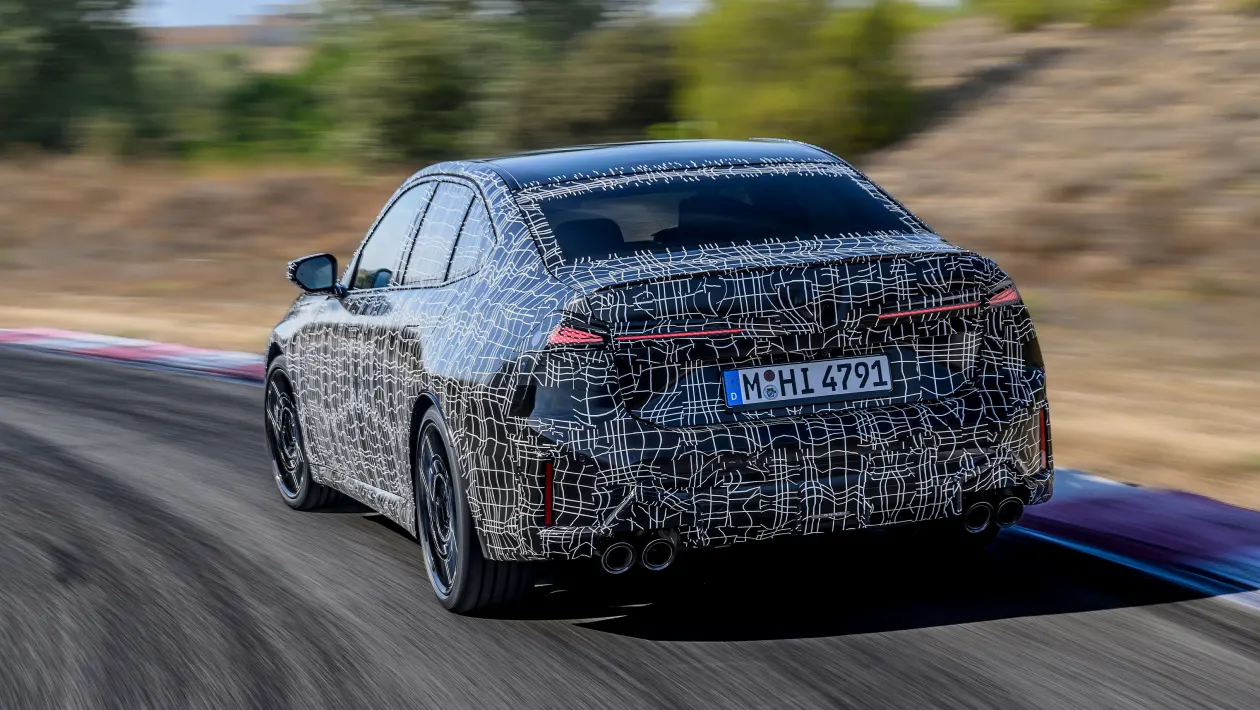
An available M package adds variable-ratio steering, adaptive dampers and upgraded brakes, along with heavily bolstered front seats and 20-inch wheels wearing 245/35 R20 tyres at the front and 275/30 R20 rubber at the rear.
Early impressions suggest those changes have worked. The M350 can settle into comfortable cruising before transforming into a keen and highly engaging sports sedan when the road becomes more interesting.
Despite sharing plenty of technology with BMW’s Neue Klasse electric models, the combustion-powered 3 Series uses different physical underpinnings. Without a large battery beneath the floor, its seats can be mounted lower, leaving space through the centre of the car for a conventional exhaust and driveshaft. The technological ties remain strong, however. The new 3 Series inherits BMW’s latest electronic architecture and will feature Panoramic iDrive, Operating System X and AI-enhanced voice control.
That combination of new-generation technology and old-school BMW performance means the new 3 Series looks a sure bet to continue its reign as the best-driving mid-size sedan money can buy.
Follow WhichCar/Wheels on Google
Click the button below to make WhichCar by Wheels a preferred source for your news.

We recommend
-
 News
NewsThe V10-powered X5 M that BMW never built is about to become a reality
BMW didn’t officially bestow an M badge on the X5 until the second-generation model, but now a retro rebuild aims to correct that with V10 power, a manual transmission and all-wheel drive.
-
 News
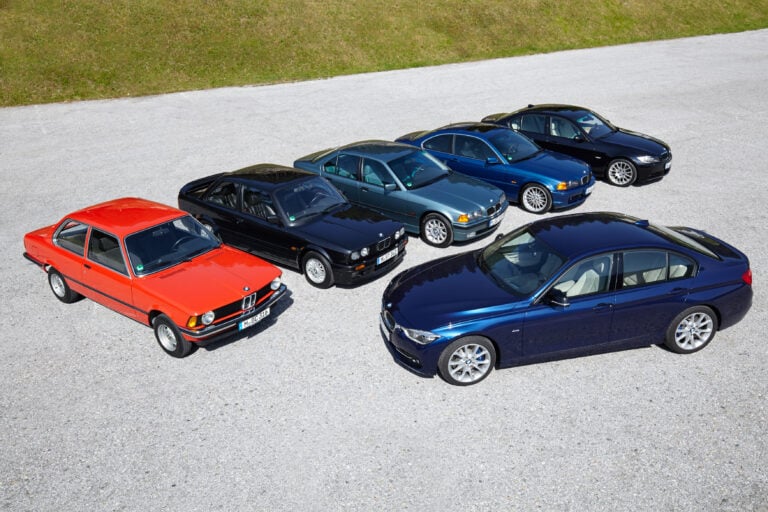
NewsThe BMW 3 Series: 50 years of driving excellence
An automotive icon marks a half-century and announces a new special edition.