News
Gallery 1
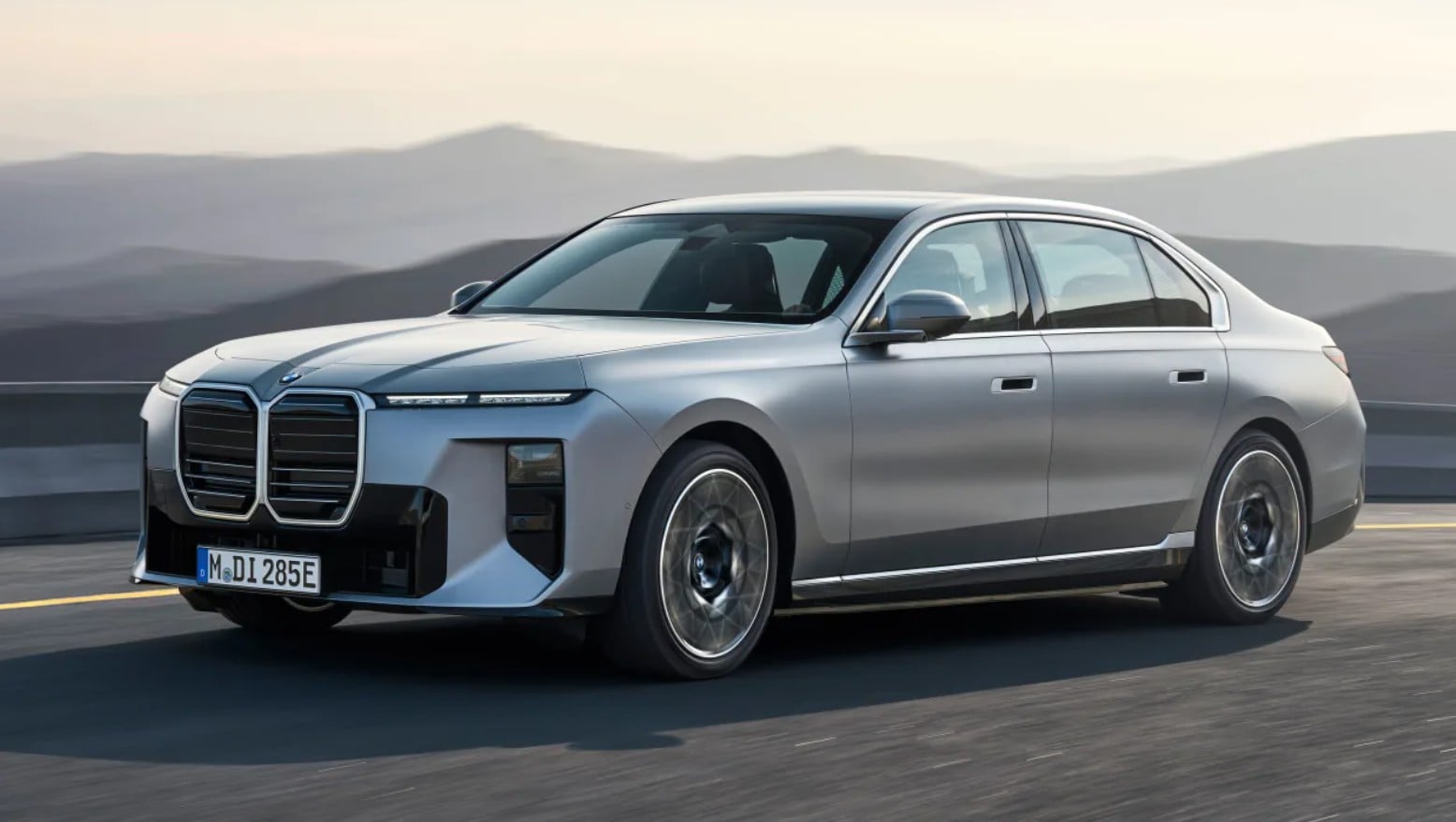
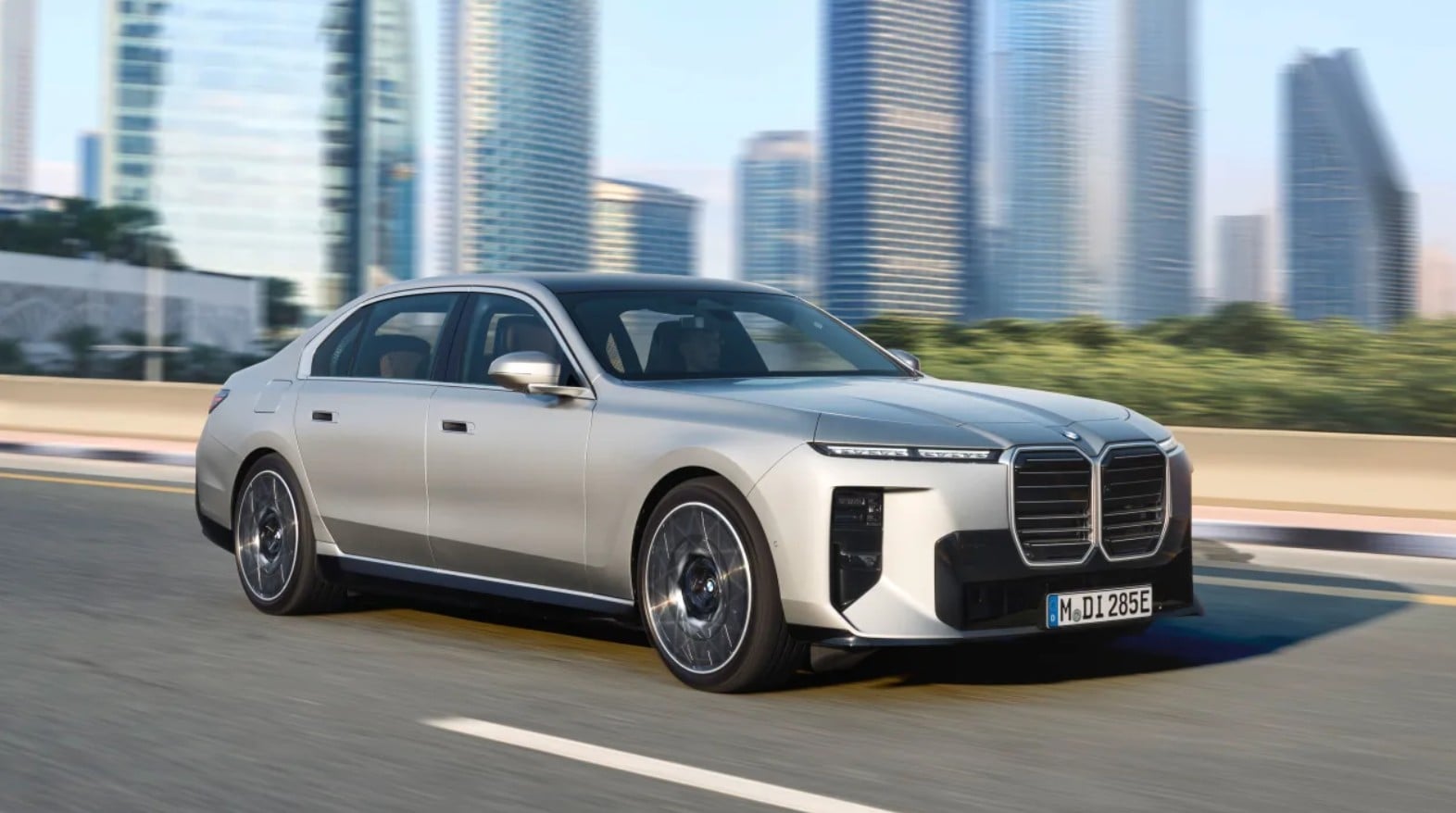
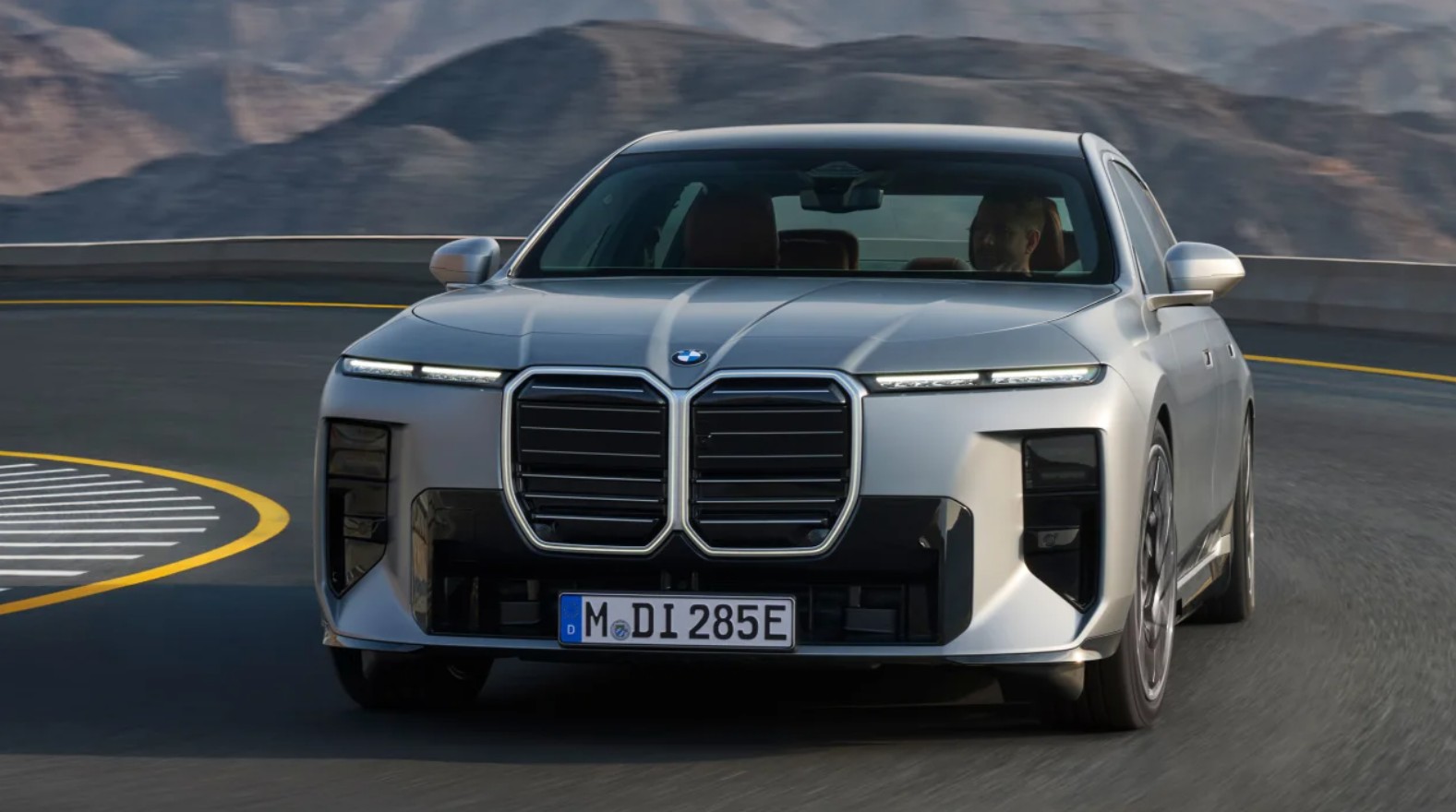
BMW has revealed a significantly updated version of its flagship 7 Series, describing the changes as the most extensive mid-cycle upgrade the model has received. The revisions span design, technology and powertrains, with both combustion, plug-in hybrid and fully electric versions continuing in the range.
The updated 7 Series will again be offered with a mix of petrol, plug-in hybrid and battery-electric options, all sharing the same underlying platform. That approach contrasts with some rivals that separate their electric and combustion models entirely, allowing BMW to maintain a consistent design and engineering base across the line-up.
For the electric i7 variants, BMW claims meaningful gains in efficiency and driving range. The latest models are expected to deliver up to around 720 kilometres on a single charge (WLTP), an increase over the outgoing version, although still trailing some competitors in outright range. All-electric variants retain dual-motor all-wheel drive, with outputs ranging from approximately 335kW to more than 500kW in high-performance versions.
3
A key part of the update is the introduction of BMW’s latest electrical architecture and next-generation battery technology, which also underpins newer models across the brand. Battery capacity is expected to be around 110kWh, while charging capability has been increased to 250kW DC. BMW says this enables a 10 to 80 per cent recharge in under 20 minutes under ideal conditions.
Plug-in hybrid versions will continue, pairing a turbocharged six-cylinder petrol engine with an electric motor. Electric-only driving range is expected to be around 80 kilometres, making them more usable for short daily trips without relying on petrol power.
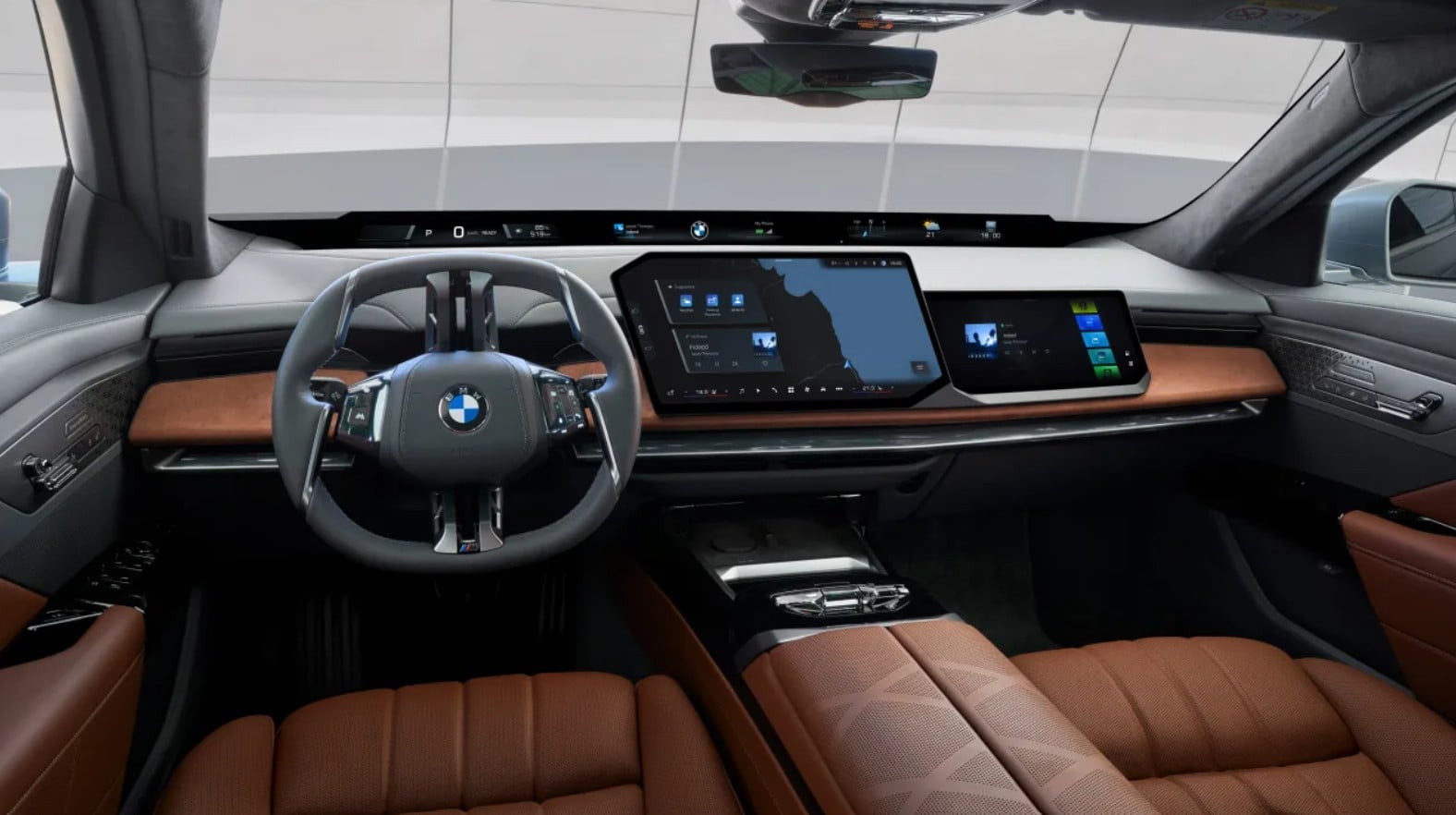
Inside, the 7 Series receives a major redesign. A new dashboard layout incorporates BMW’s latest digital interface, including a panoramic display system that spans the width of the cabin. A redesigned infotainment system and an optional front passenger screen further emphasise the car’s focus on technology and connectivity.
4
Exterior changes are more subtle but still noticeable, with revised lighting elements, updated grille detailing and new wheel designs. BMW is also expanding customisation options, including new paint finishes and a two-tone exterior treatment.
Despite the updates, core features such as air suspension, rear-wheel steering and the large rear-seat entertainment screen remain, reinforcing the 7 Series’ position as BMW’s technology flagship.
6
Follow WhichCar/Wheels on Google
Click the button below to make WhichCar by Wheels a preferred source for your news.

We recommend
-
 Reviews
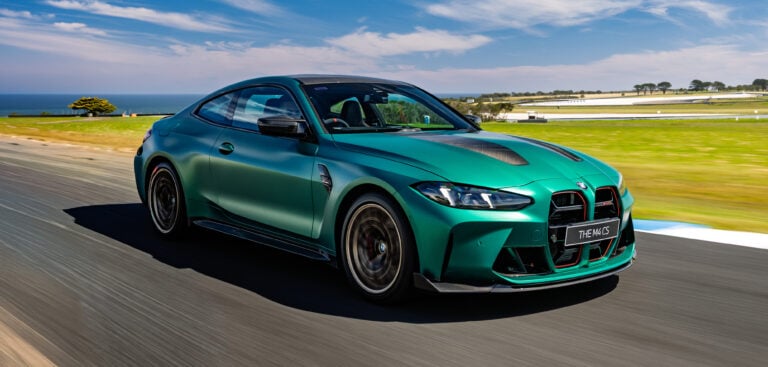
BMW M4 CS first drive review: The ultimate track day warrior?
The BMW M4 CS really showcases its track-focused nature when unleashed on one of the world's great race tracks – Mount Panorama.
-
 Reviews
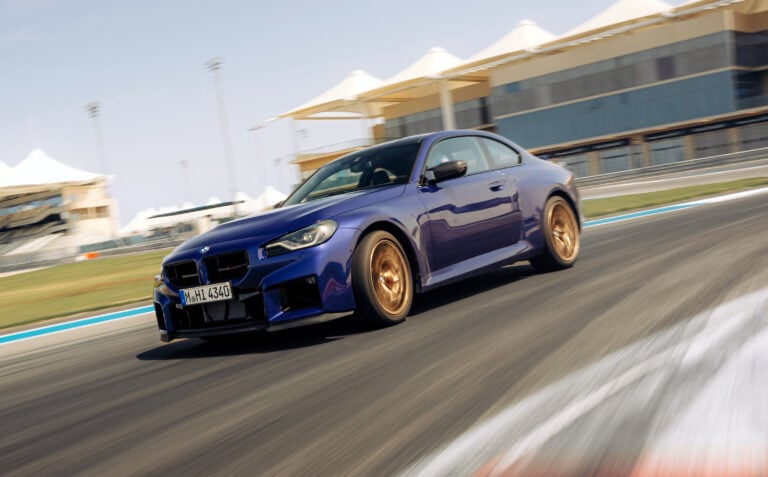
2026 BMW M2 CS first drive review: The very essence of the M badge
The all-new 2026 BMW M2 CS distills the very essence of the M badge into one, ferocious, rear-wheel drive package.
-
 Reviews
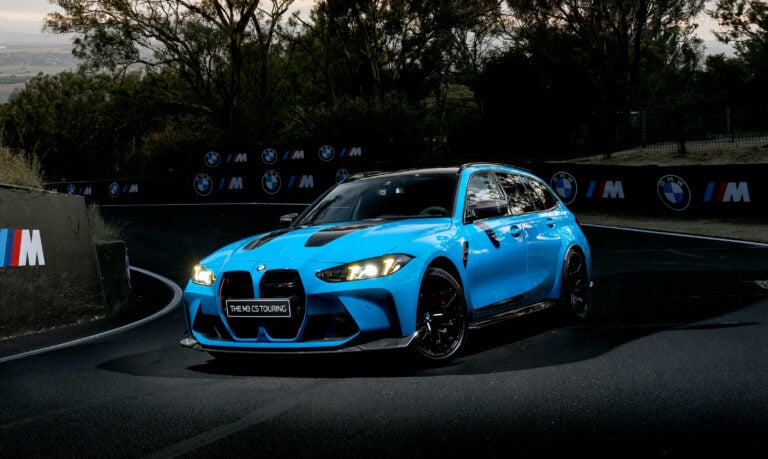
2026 BMW M3 CS Touring first drive review: The best wagon in the world?
Lighter, faster and more powerful, what was BMW's already formidable M3 Touring gets the Competition Sport treatment.