News

Gallery 1
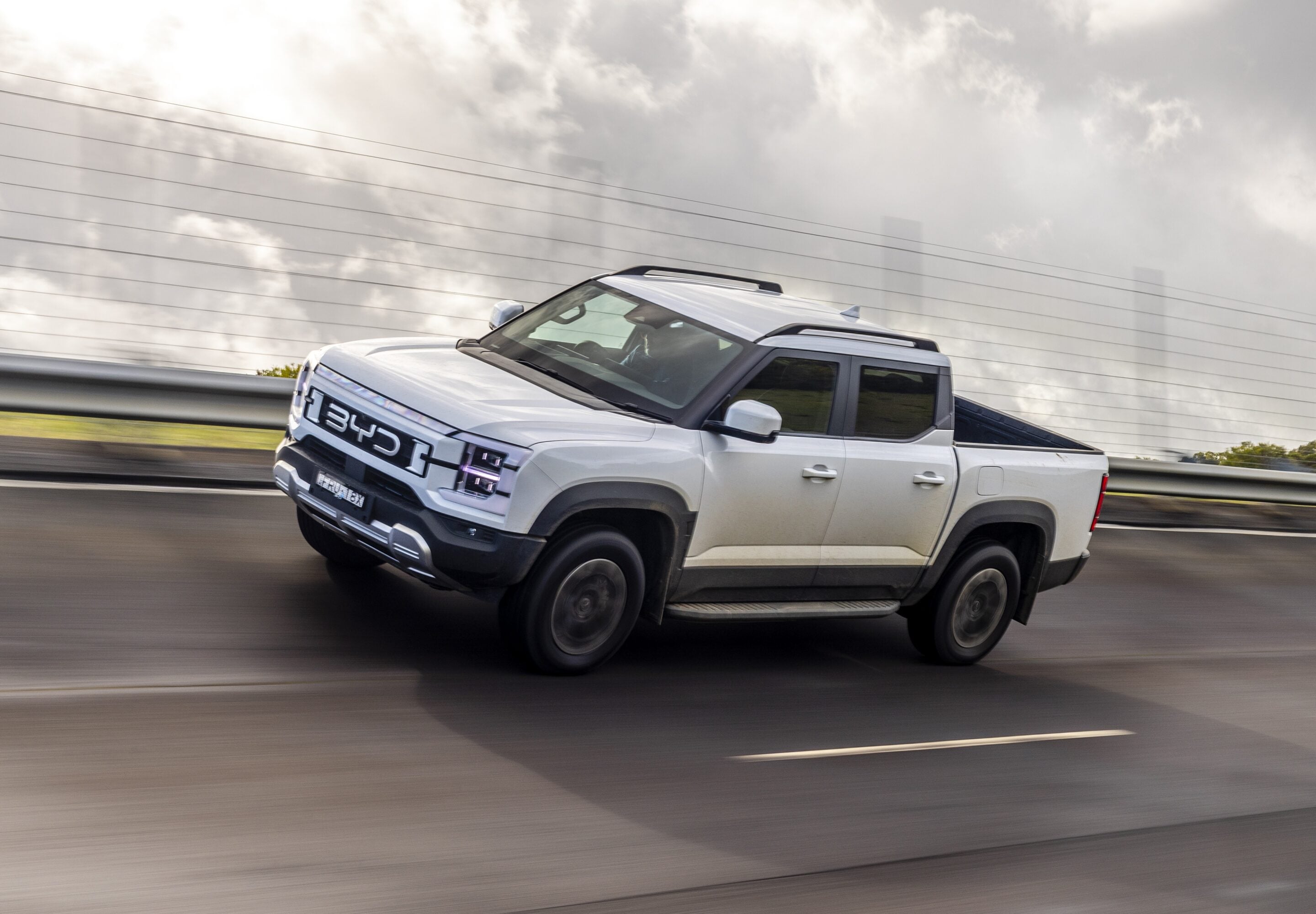
Electric vehicle owners and buyers remain a major focus of the 2026 Federal Budget, but the latest measures signal the Albanese Government is beginning to shift from aggressive EV incentives toward a longer-term transition strategy.
The biggest change affects the Fringe Benefits Tax exemption for electric vehicles purchased through novated leases – one of the most significant incentives driving EV adoption in Australia over the past four years. Introduced in 2022, the exemption allowed eligible EVs to be salary packaged without attracting FBT, dramatically reducing running costs for many buyers. Industry estimates suggested the policy helped put more than 100,000 EVs on Australian roads.
Under the Budget changes, the concession will gradually be wound back from April 2027. Premium EVs priced above $75,000 will first lose part of the exemption before the changes progressively expand to cover all EVs by 2029. The government expects the move to recover about $1.9 billion over five years as pressure mounts on federal revenues following temporary cuts to fuel excise.
For drivers considering an EV purchase, the current rules remain in place for now, meaning eligible battery-electric and hydrogen-powered vehicles obtained through novated leasing still qualify for full FBT exemption until the phase-out begins. Plug-in hybrids, however, already lost eligibility in April 2025.
1
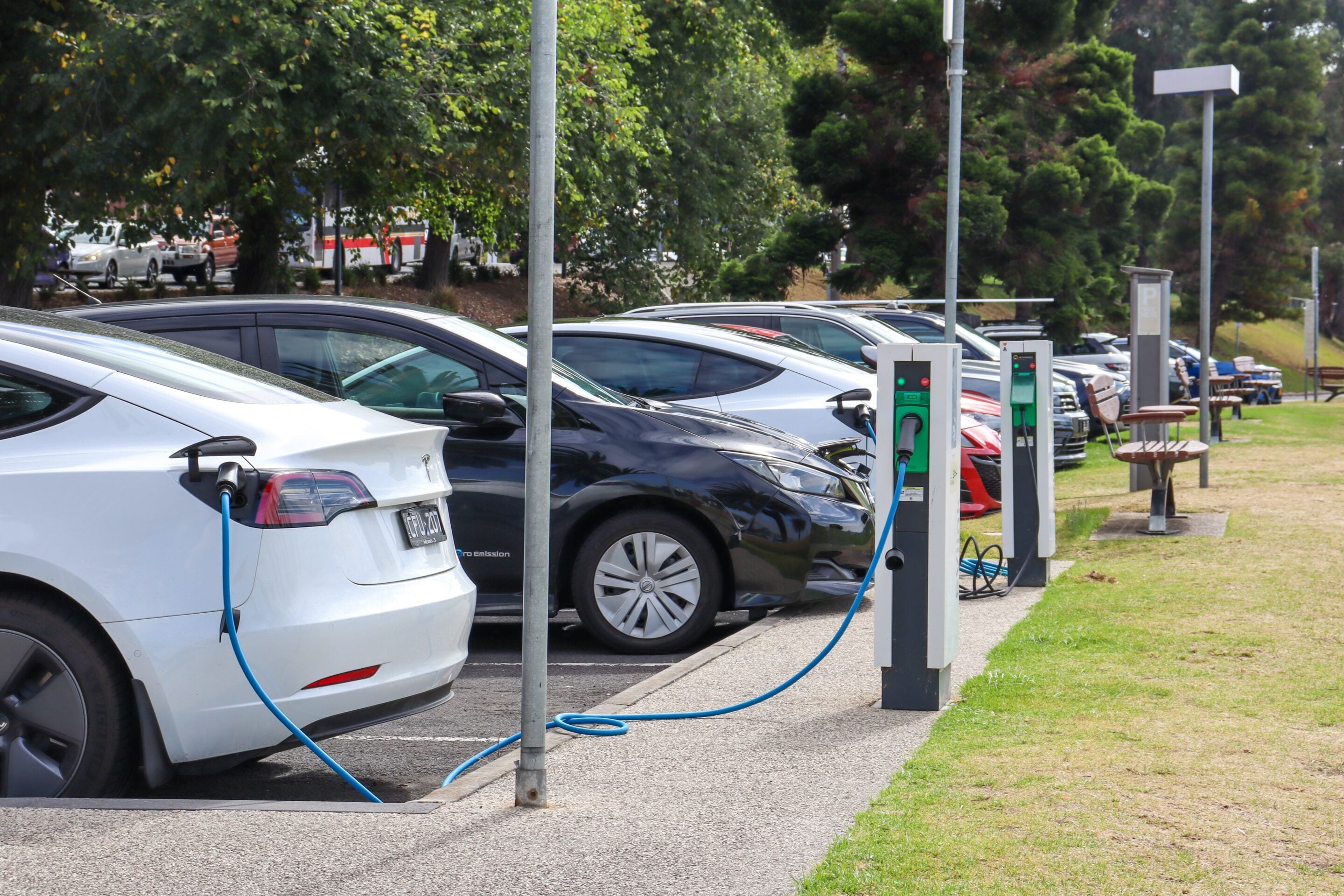
At the same time, the government committed new funding to charging infrastructure, particularly outside metropolitan areas. The Budget includes $40 million over four years for regional and kerbside EV charging projects, aimed at improving charging access for apartment residents, regional communities and motorists travelling longer distances. Australia Post will also receive $40.5 million to support electrification of its delivery fleet.
The government also stopped short of introducing a national road-user charge for EVs, despite growing debate around how Australia will eventually replace declining fuel excise revenue as petrol and diesel consumption falls. While several states had previously explored EV-specific distance charges, legal and constitutional concerns have effectively halted those efforts for now.
For conventional motorists, the Budget delivered more immediate hip-pocket relief through a temporary halving of fuel excise, part of a broader fuel security package introduced amid rising global oil prices and Middle East instability.
Taken together, the Budget suggests Australia’s EV transition is entering a new phase: less reliant on generous purchase incentives, but increasingly focused on infrastructure, long-term taxation reform and broader mainstream adoption.
Follow WhichCar/Wheels on Google
Click the button below to make WhichCar by Wheels a preferred source for your news.

We recommend
-
 News
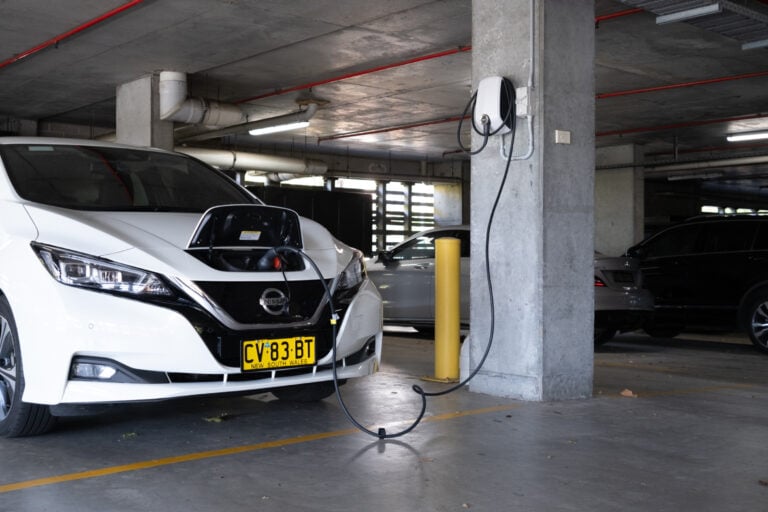
NewsExpanding Australia's public EV charger network could come at a cost... even if you don't own an EV
A proposed federal government initiative to expand access to public EV chargers could impact households without an EV, but despite pushback, the cost could be minimal.
-
 News
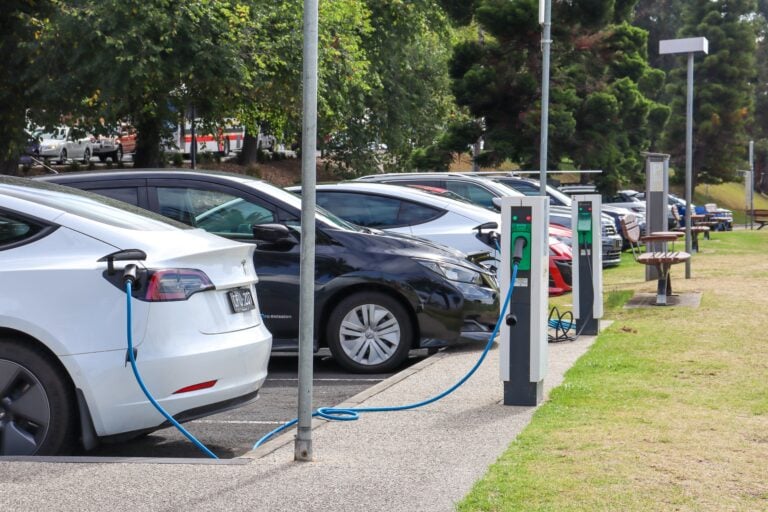
NewsCan Australia’s EV charging network possibly hope to replace the humble petrol station?
With sales of EVs expected to surge thanks to the conflict in the Middle East, is Australia's charging infrastructure ready to meet increased demand?