News
Gallery 1
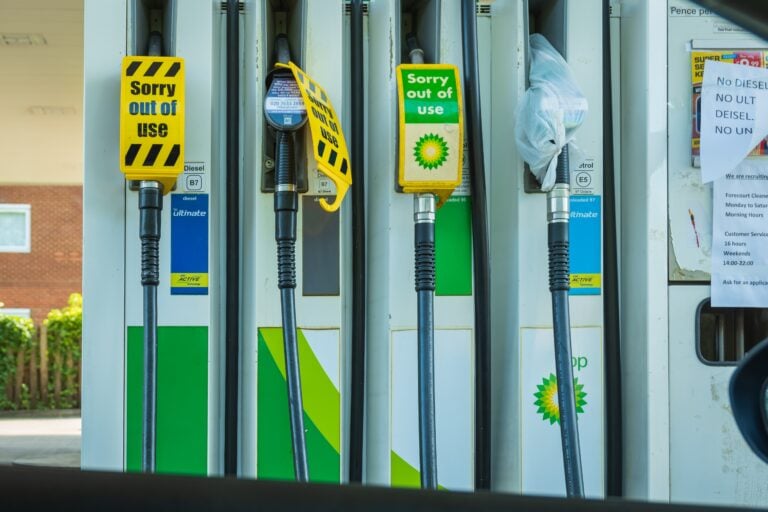
Australia could face fuel restrictions within weeks, with analysts warning the country is edging closer to supply shortages as global disruptions continue to tighten availability.
While the federal government has so far resisted imposing limits, there is growing expectation that some form of restriction – either voluntary or enforced – may be introduced shortly after the Easter holiday period. Officials have been cautious about triggering panic ahead of one of the busiest travel periods of the year, but that stance may soon shift.
A report in the Australian Financial Review quotes MST Marquee energy analyst Saul Kavonic, who foreshadowed more emphasis on working from home, using public transport and even driving restrictions to maintain fuel for critical industries.
1
“The second half of this month is where the real crunch point is on supply,” Kavonic told the AFR. “The 30 to 40 days of fuel stocks is not fuel in a tank ready to go because it includes stuff in trucks and ships and not at every servo. The truth is we will face a structural shortage by the time stocks get to around 15 days.”
As reported by a number of media outlets, authorities have stopped short of outlining a clear trigger point for rationing, instead signalling that decisions will depend on how supply and demand evolve in coming weeks.
Current estimates suggest Australia has around 30 to 40 days’ worth of fuel supply, though analysts caution this figure includes fuel already in transit or distributed across the network – not all of it immediately available at service stations.
Some experts warn that once reserves fall closer to two weeks’ supply, more direct intervention may become unavoidable.
The challenge is not only rising prices, but uncertainty around securing shipments. Ongoing geopolitical tensions have disrupted key supply routes, including the Strait of Hormuz, through which a significant share of global oil flows. Even where buyers are willing to pay higher prices, there are concerns about whether fuel can be delivered reliably.

1
In response, the government has begun coordinating with states and industry under a national fuel security framework, aimed at maintaining supply and prioritising critical sectors such as healthcare, emergency services and freight.
Treasurer Jim Chalmers has indicated the government is working to avoid “COVID-style” restrictions, but acknowledged the situation represents a significant economic shock.
Analysts suggest initial measures could include encouraging working from home, increasing public transport use and reducing non-essential driving. More structured approaches – such as limiting fuel purchases or introducing number plate-based driving restrictions – have also been raised as possible scenarios.
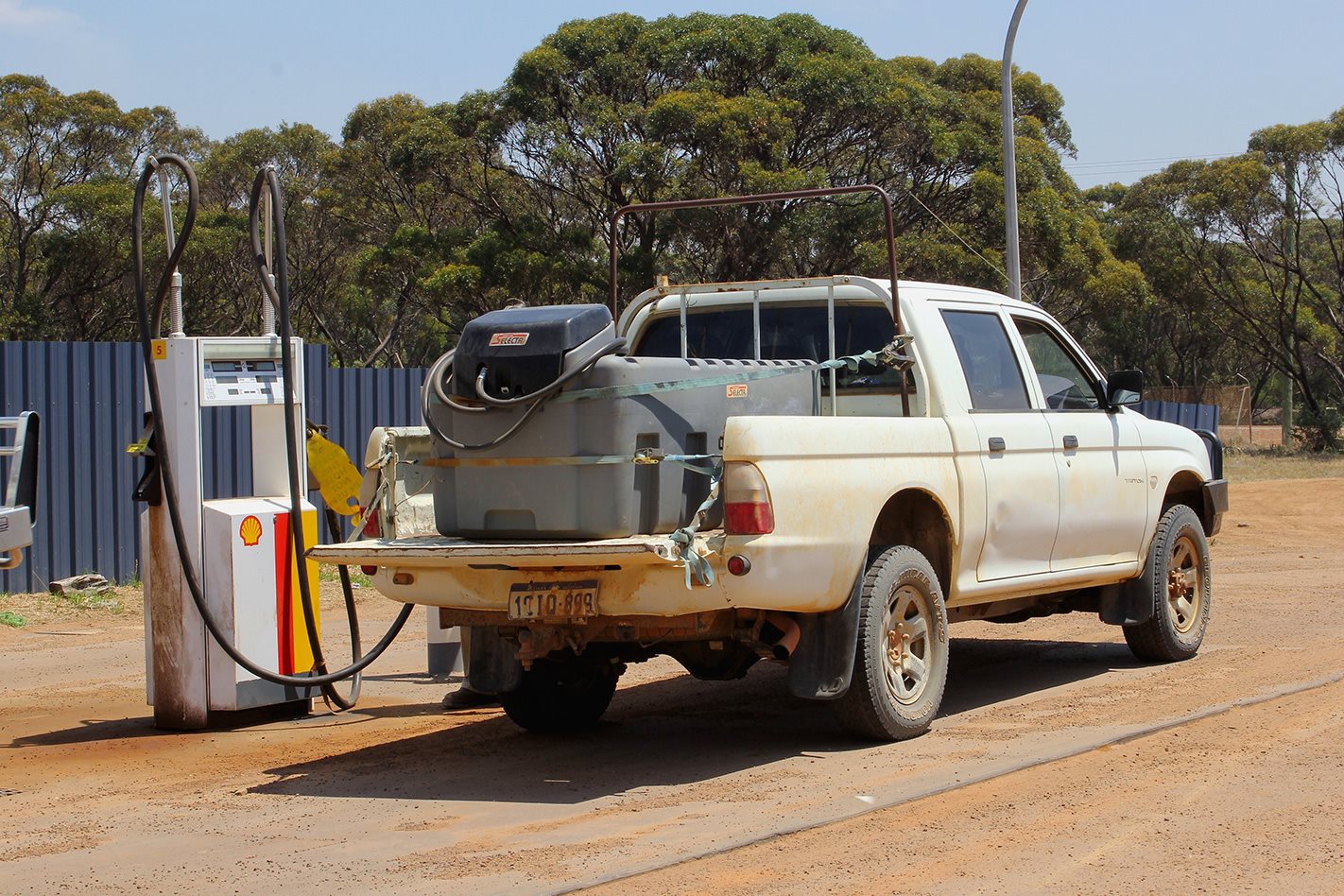
Regional and agricultural communities are expected to be among the most affected, particularly given Australia’s growing reliance on imported diesel following refinery closures in recent years.
For now, the focus remains on managing demand and securing supply. But with pressure building, the prospect of fuel restrictions – once considered unlikely – is now being treated as a real possibility.
Follow WhichCar/Wheels on Google
Click the button below to make WhichCar by Wheels a preferred source for your news.

We recommend
-
 News
NewsIt’s been almost 50 years since Australia last rationed fuel… are we about to go there again?
Australia last rationed petrol in 1979 but the federal government has reassured the public rationing is off the table... for now.
-
 Opinion
Trent Nikolic: Now is the time to discuss why Australia is not fuel self-sufficient
With talk of fuel such as diesel hitting $4.00/litre, rationing taking effect, or supply drying up, now is the time for Australians to be demanding a return to fuel self-sufficiency... and asking what happened to a 90-day reserve.
-
 News
NewsSurging demand for EVs in wake of fuel crisis leads to longer wait times
Demand for electric vehicles has exploded in Australia as buyers look for immunity from rising fuel costs and supply uncertainties.