News
Gallery 1
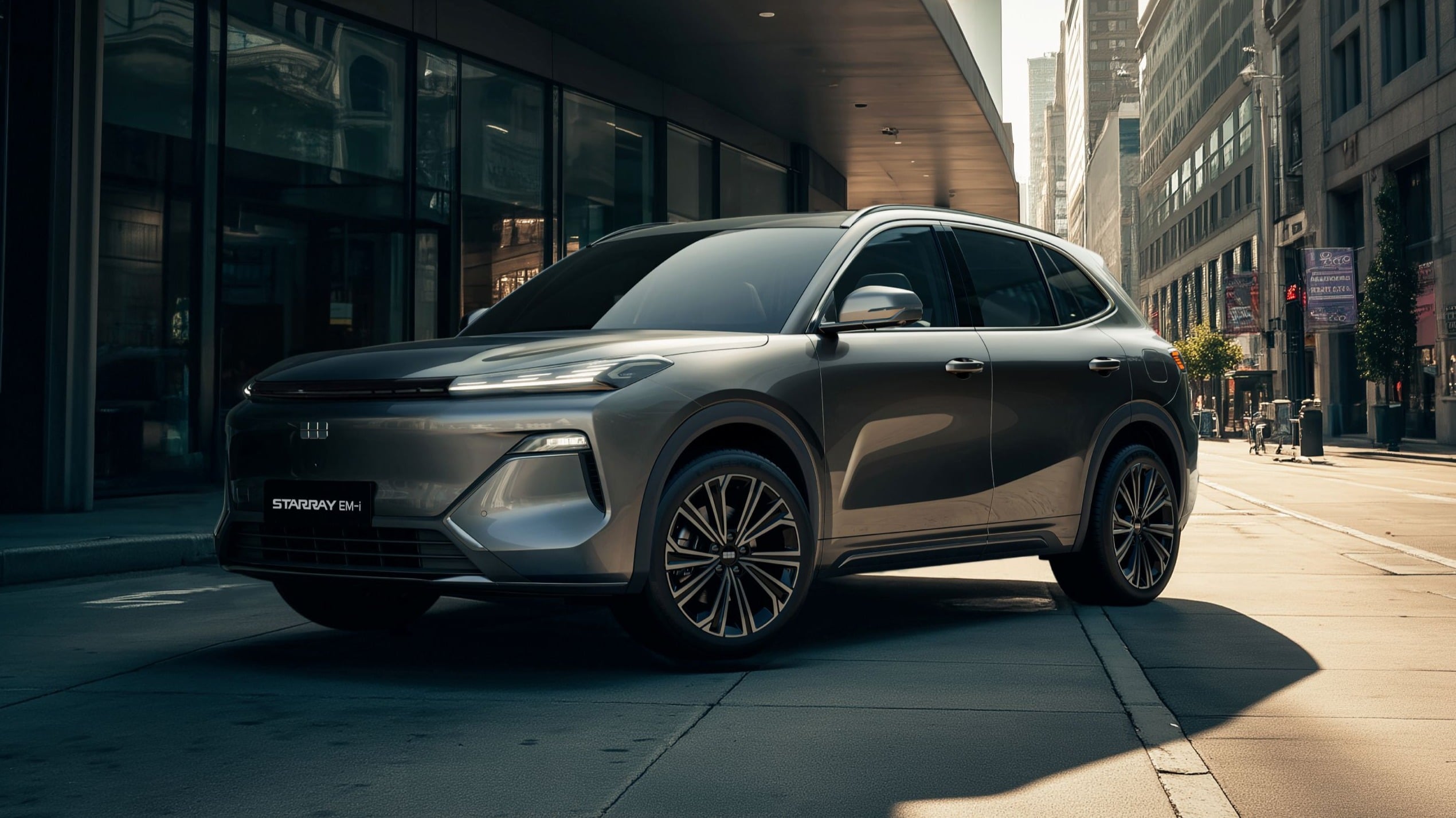
Geely is preparing to launch its own in-house rival to BYD’s ultra-rapid Flash Charging system for EVs. Based around a 1000-volt battery architecture, the Chinese giant’s new tech will cut the time needed to charge from 10 to 97 per cent to as little as five and a half minutes, surpassing BYD’s nine-minute claim.
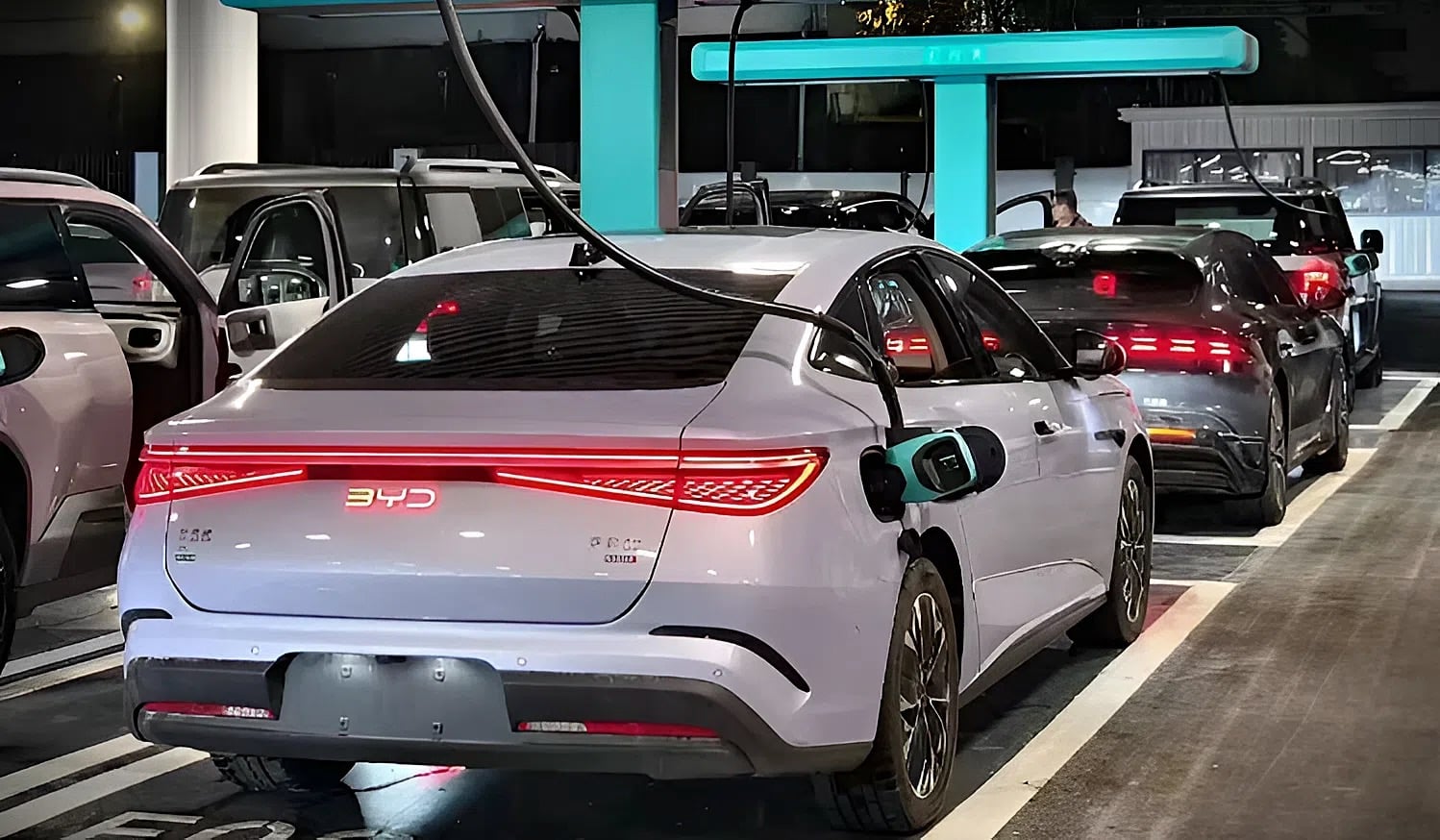
At present, BYD’s 1000-volt-compatible Flash network (pictured below) can deliver a charge rate of 1000kW to 1500kW on compatible vehicles. It quotes recharge times of five minutes for a 10-70 per cent recharge, with an additional four minutes to fill to 97 per cent.
2
While BYD’s system can be used by compatible rivals with 1000-volt electrical systems, Geely’s development could be used to lure Chinese consumers by giving them an alternative to BYD’s infrastructure.
CarNewsChina reports that Geely is working on its new 1000V system and has plans for higher-voltage battery tech to come, potentially resulting in even shorter charge times. Geely has already begun rolling out 1500kW chargers to rival BYD’s, but with 800V and 900V systems in use on its current vehicles, it can’t yet match the peak charging rate of Flash-compatible BYD vehicles.
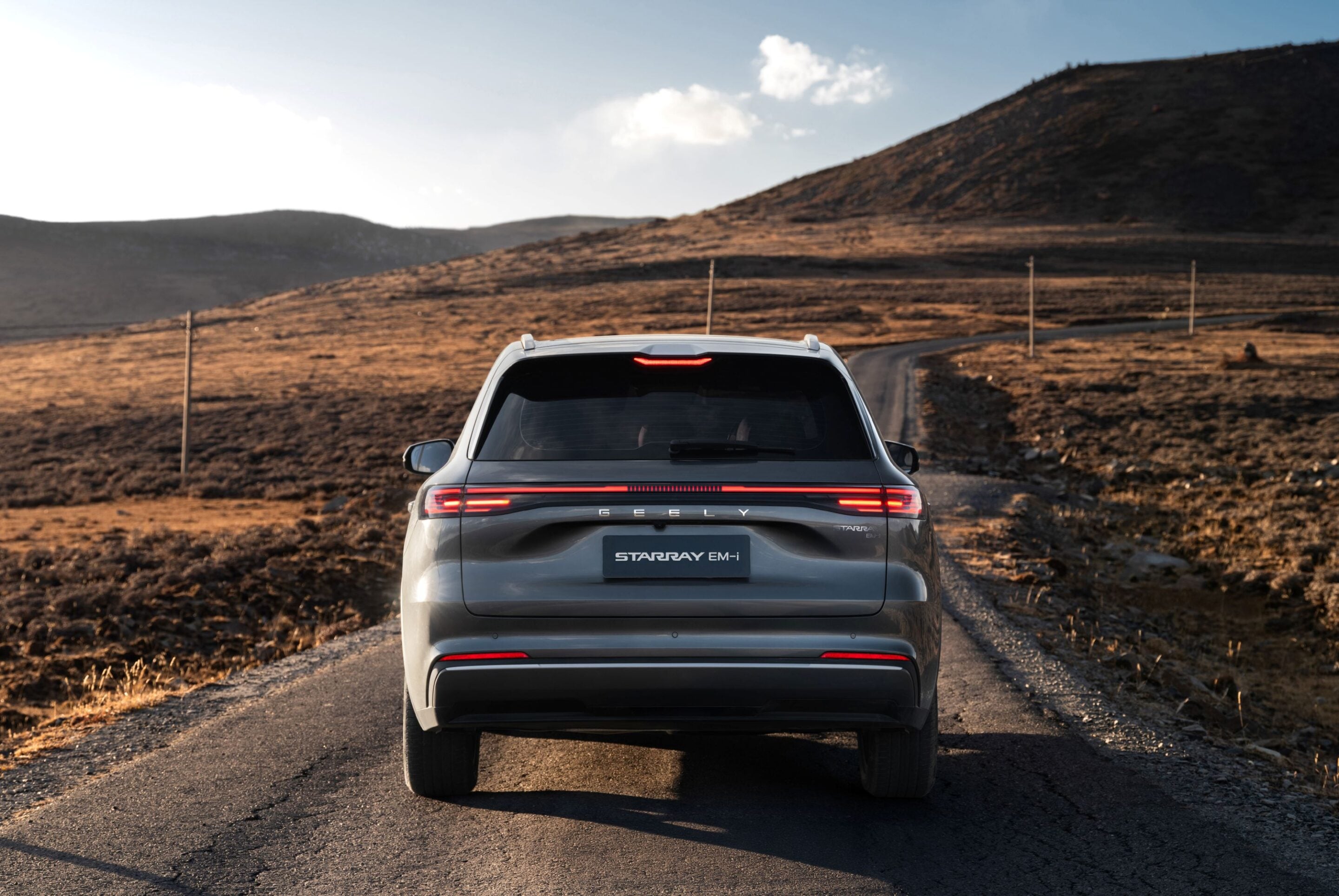
In a demonstration of its high-powered charger, the Chinese-market Lynk & Co 10 sedan, with a 900V battery, hit an 1100kW peak, but it could not charge beyond 430kW on the Flash network. With a revised electrical platform, a 1000V system would unlock even faster charging to take advantage of the full 1500kW capacity, dubbed Extreme Charge.
3
Demonstrations of Geely’s 900V architecture have already beaten BYD’s recharge times, with the Lynk & Co 10 recharging from 10 to 70 per cent in four minutes and 22 seconds, and to 97 per cent in eight minutes and 42 seconds, ahead of the 5-minute and 9-minute benchmarks from BYD for the same charge levels.
With Geely in control of brands like Zeekr, Volvo, Lotus, Smart, and Farizon, the new ultra-rapid tech could be rolled out across a wide variety of vehicles at different price points, although plans for an Australian introduction have yet to be confirmed.
Follow WhichCar/Wheels on Google
Click the button below to make WhichCar by Wheels a preferred source for your news.

We recommend
-
 News
NewsGeely model onslaught to boost the brand in Australia
Chinese newcomer Geely promises Australian model onslaught and expanded dealer network over the next 18 months.
-
 Advice
EV charging explained: Home and public charging, speed and plugs
Are you considering switching to an electric vehicle? Here's our newly updated guide to understand charging an EV at home or on the road...