News

Gallery 1
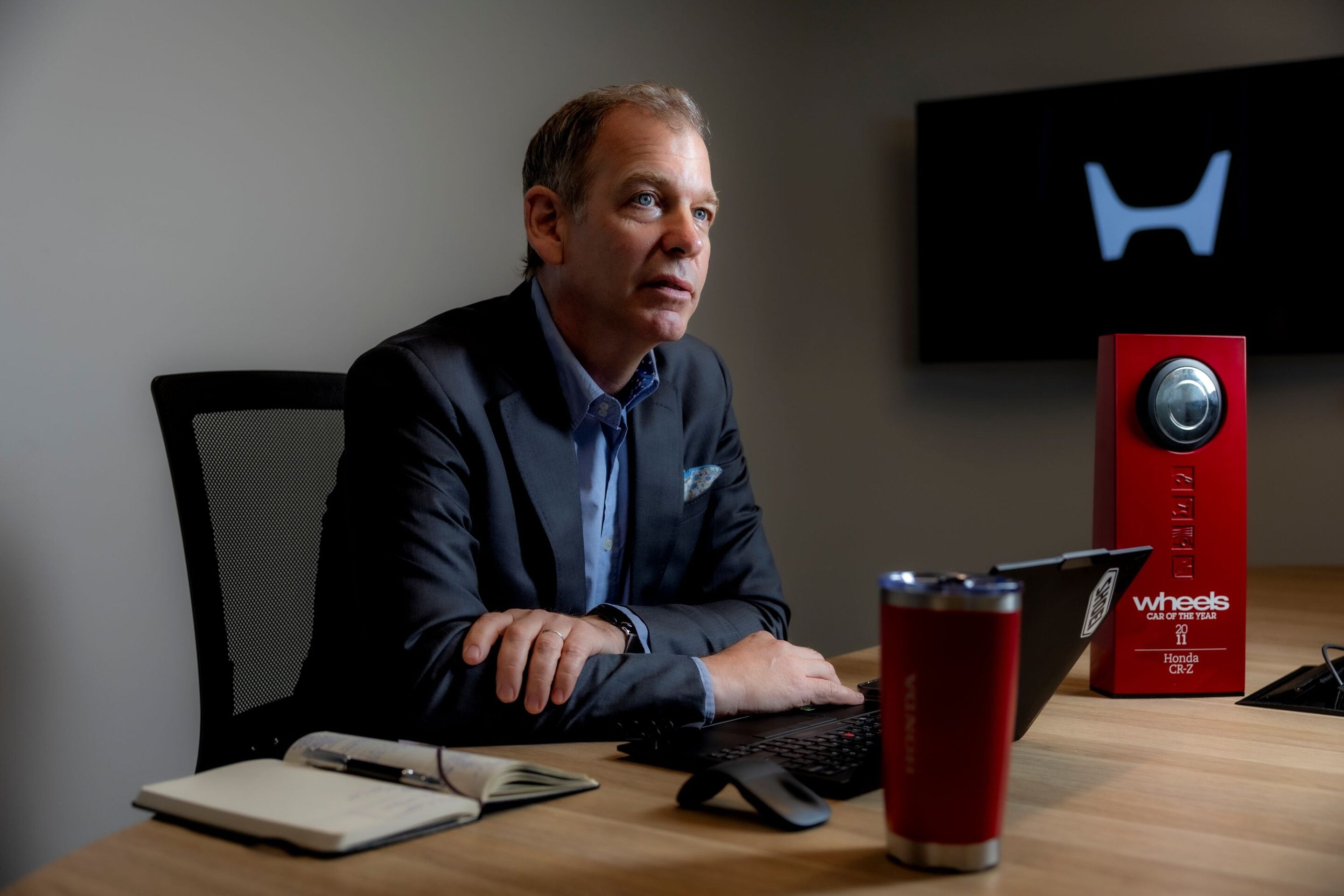
Honda’s local boss believes the intensely competitive nature of Australia’s new car market, with around 80 brands vying for a relatively small audience, will inevitably see some car makers depart.
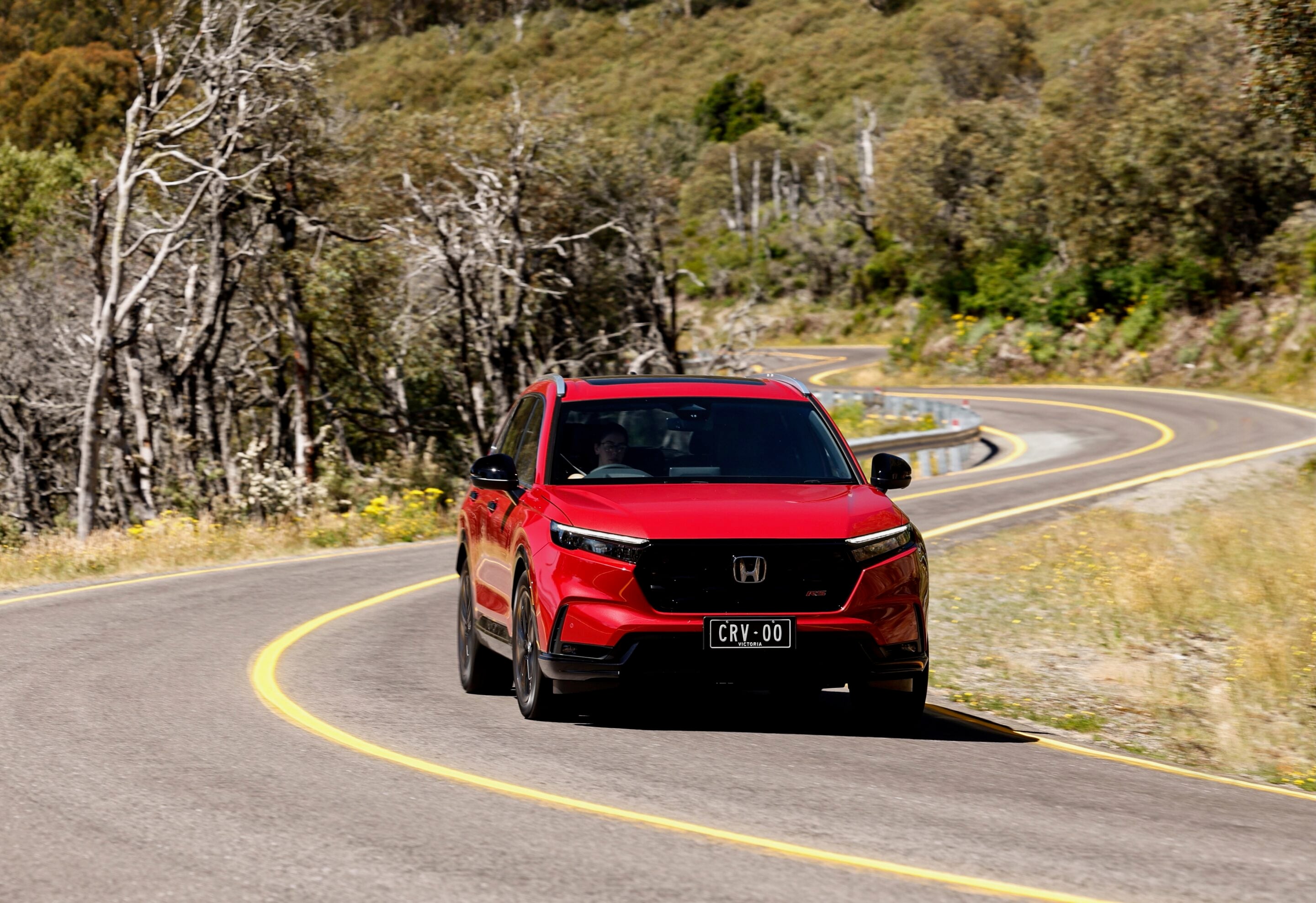
“Yes, I don’t think it’s sustainable to have so many manufacturers, especially when there are too many [of them] that are out at the margins,” Jay Joseph, President and CEO of Honda Australia (main), told WhichCar by Wheels at the launch of the new CR-V (below).
A veteran of Honda in the United States, Joseph reiterated the significant difference between a market that supports 42 brands competing for 16 millions sales, and the Australian market with “a much smaller pie [and] much smaller pieces”.
“There are too many who have dropped below one per cent of market share,” Joseph told WhichCar by Wheels. “And the network would be very hard to maintain at those low levels.”
1
Joseph went on to explain that you can potentially get customer’s attention at those levels if you’re a low-volume, high price manufacturer like Ferrari, Aston Martin or Lamborghini, or if you’re selling a low volume at a very cheap price. But, when you’re competing in the middle of the market, it’s unsustainable.
“There could be a niche for a company at low volume, low price for example,” he said. “The middle, though, is where it’s tough. So if you’re competing in the mainstream and you’re not able to increase your pricing because it’s such a competitive market, that’s a tough place to be, so I don’t think everybody can survive.”
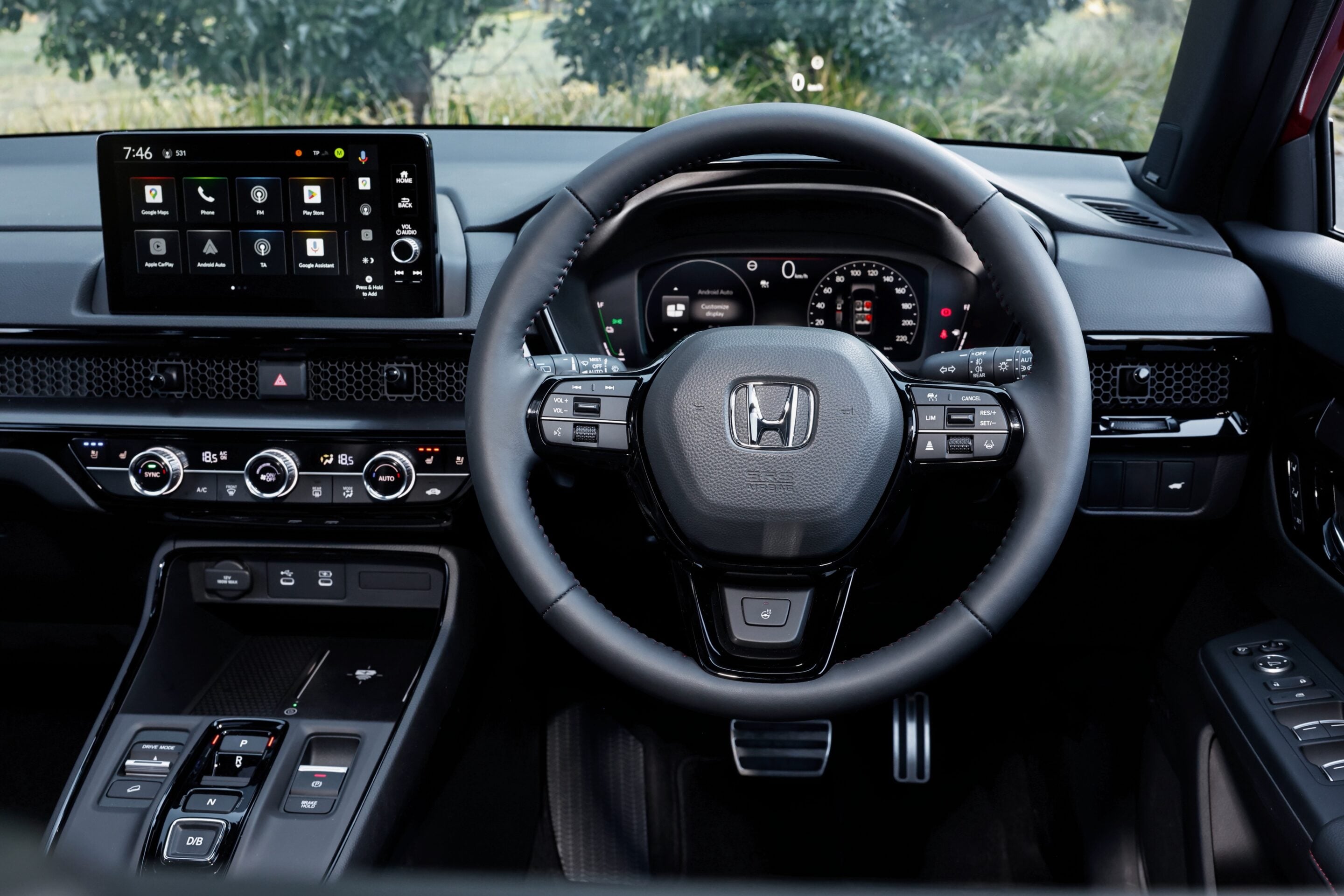
In the United States, Joseph explained that Honda takes reliably 10 per cent of new vehicle sales, with strong awareness in the market and that’s been the case for quite some time.
1
“Coming here was eye-opening, I very quickly realised that it’s a very different market to the United States,” he said. “While it’s a much smaller pie, split into much smaller pieces, that’s not even completely true, because Toyota takes 20 per cent, so one player takes a huge chunk of the pie, but then you’ve got Mazda and Ford at nearly 10 per cent each.”
Joseph went on to explain that when you factor in the top 10 brands, 60 per cent of sales go to the top seven. “The other 69 players then duke it out over the remaining 40 per cent of sales, so that’s completely different to the United States,” he said.
Follow WhichCar/Wheels on Google
Click the button below to make WhichCar by Wheels a preferred source for your news.

We recommend
-
 News
NewsHonda backs hybrid technology as the key to Aussies making the transition to EVs
With sales growth of 10 per cent in 2025, and targeting another 10 per cent increase this year, Honda Australia believes hybrid vehicles are not just the driver to sales growth but the key step between traditional cars and electric vehicles.
-
 Features
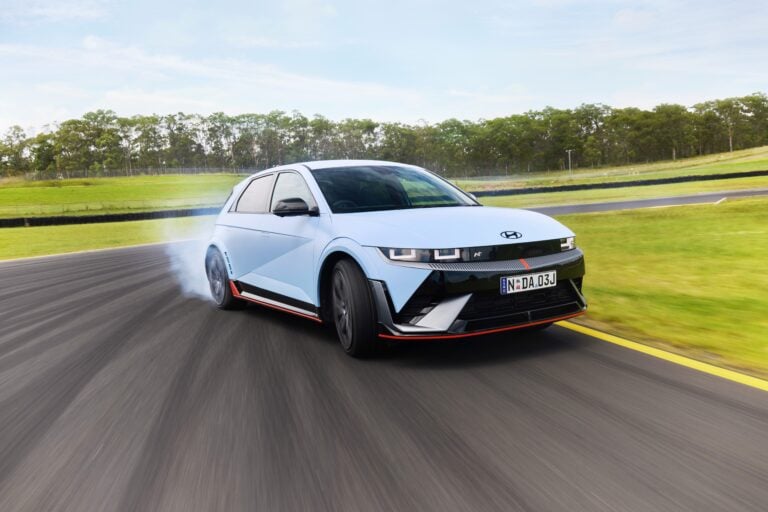
Think all electric vehicles are boring? Here are 10 with soul
More people are showing interest in shifting to an electric vehicle but some enthusiasts find them sterile and boring. Can EVs like this selection change their minds?
-
 News
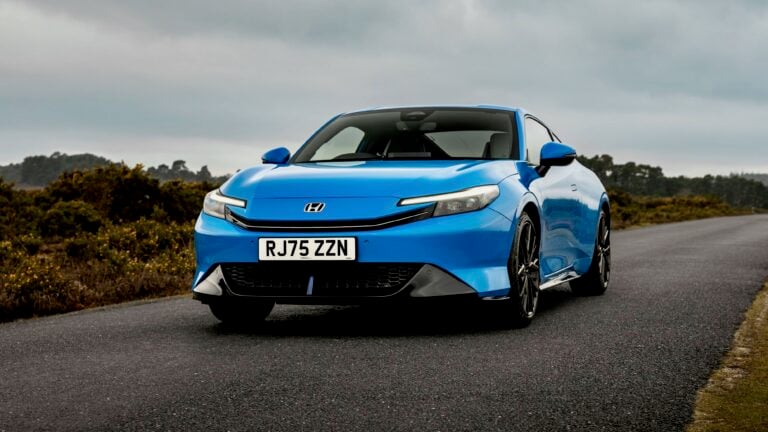
News2026 Honda Prelude priced for Australia as new model returns after more than two decades
Honda has priced its new sixth-generation Prelude for Australia – available again after a 23-year absence – with a single hybrid model now available to order.