
News
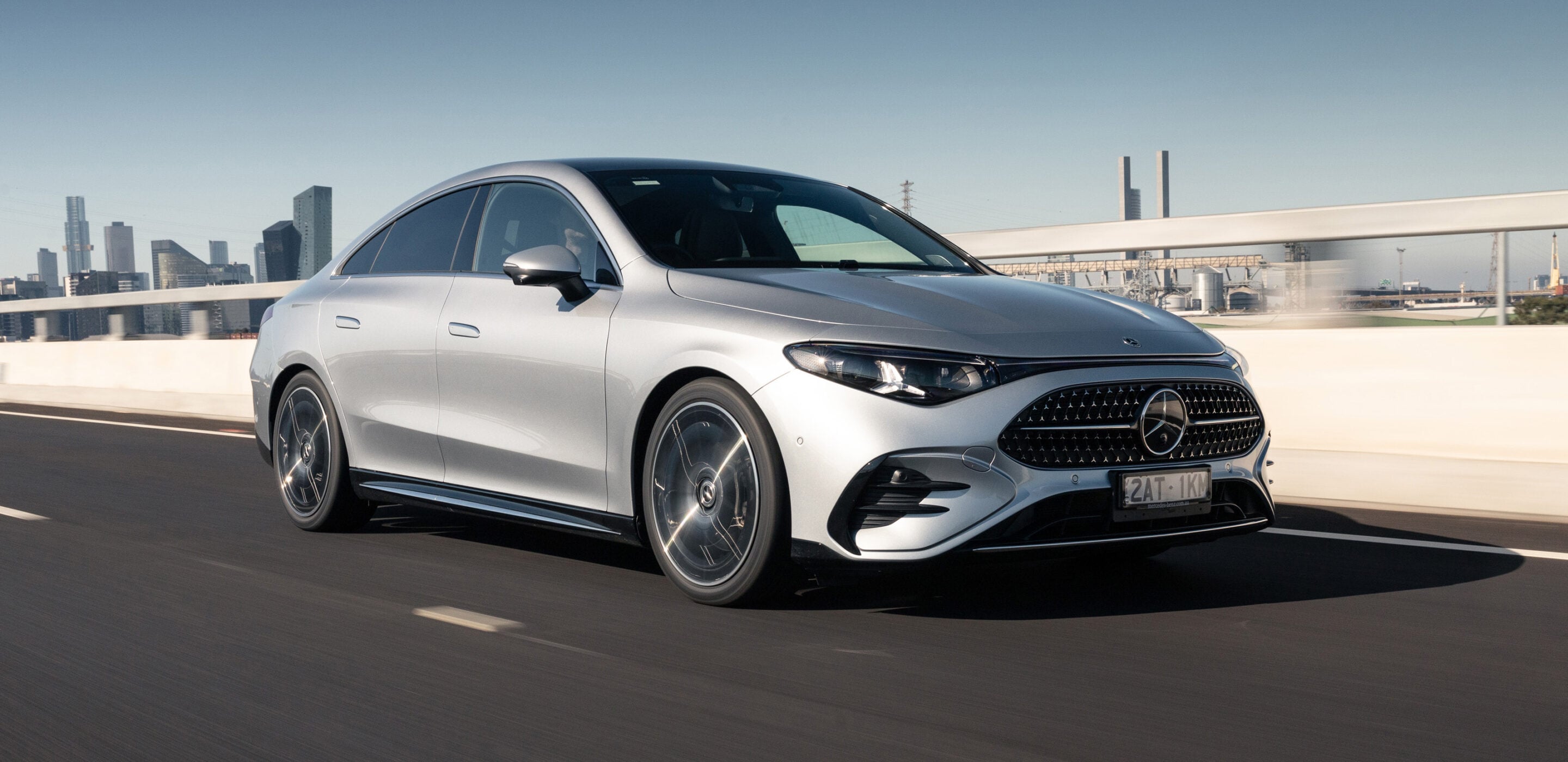
Gallery 1
The Federal Government’s Luxury Car Tax (LCT) is set to undergo the biggest restructure since its 1999 introduction next year, in line with changes proposed under a new Australia-European Union Free Trade Agreement.
Rather than an across-the-board change, European-sourced vehicles would no longer be subject to import duties, and the LCT threshold for zero-emissions vehicles from the region would be subject to a much higher $120,000 threshold.
The proposal could see dozens of prestige European-built electric vehicles drop in price, and could result in automakers shifting their pricing strategies to best fit with the LCT changes.
Right now, the changes are tabled as a proposal, and yet to be officially adopted, however Federal Government documents point to an expected July 1st, 2027, introduction for the new regime.
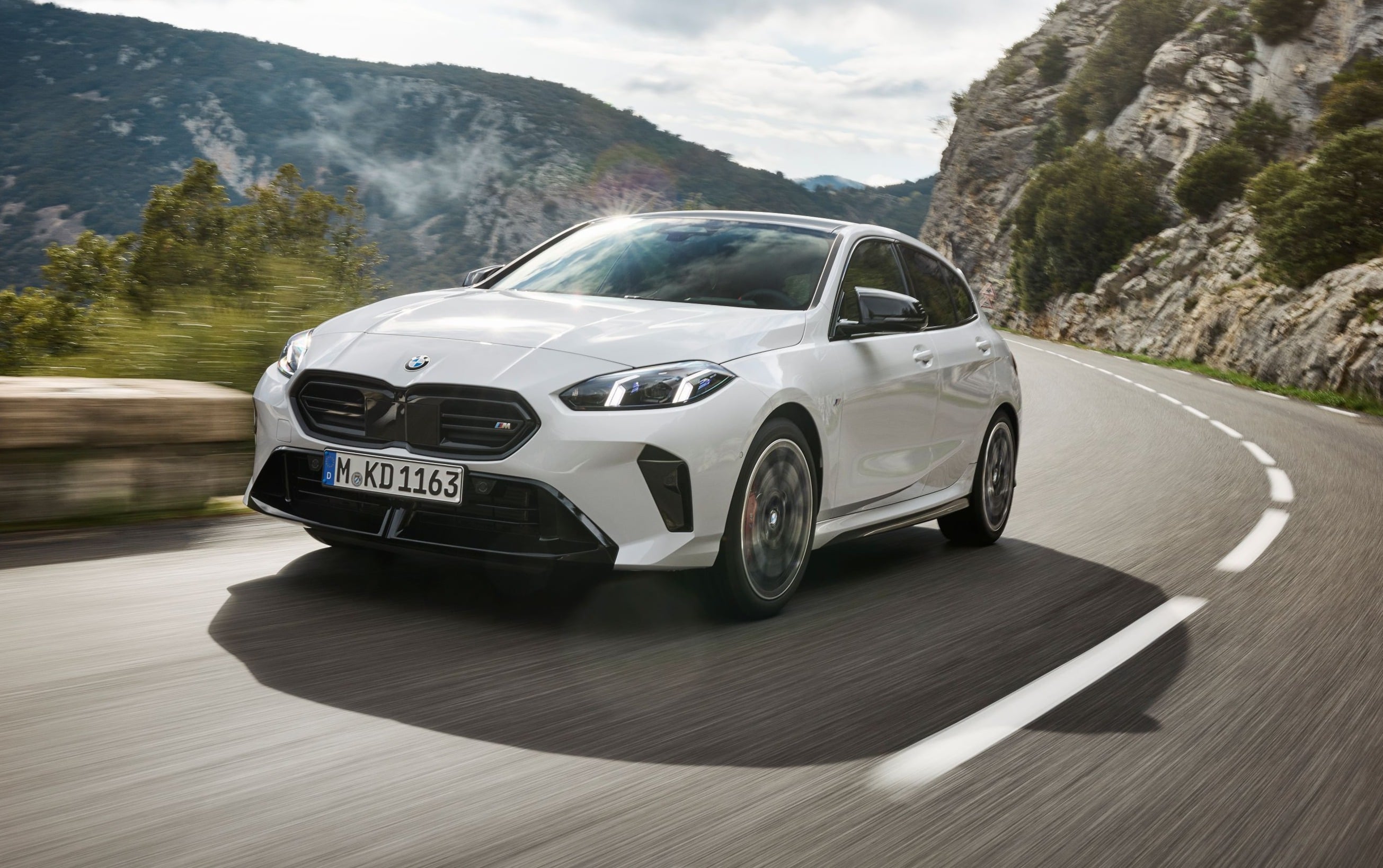
1
Current LCT thresholds are set to increase from July this year, in line with annual indexing linked to the Consumer Price Index as an indicator of inflation. LCT is calculated across two categories, with fuel-efficient vehicles (those that use under 3.5L/100km of fuel) and non-fuel-efficient vehicles calculated at a different rate.
LCT is charged at 33 per cent on the value above the respective threshold. In the current 2025-2026 financial year, non-fuel-efficient vehicles are taxed on their value above $80,567. For fuel-efficient vehicles, the threshold kicks in above $91,387.
From July 1, 2026, those thresholds will rise by $242 for non-efficient vehicles to $80,809. Fuel-efficient vehicles have a $274 higher threshold, starting from $91,661.
The revised thresholds increase by only $82.20 and $72.60 respectively, making them the smallest annual adjustments to the fuel-efficient and standard caps since 2016 and 2008.
As part of the newly proposed European Free Trade Agreement, the higher threshold from 2027 would not be applied to luxury vehicles universally, and creates a third category for LCT calculations.
The change means that zero-emission vehicles from Europe will have a rate separate from low-emission vehicles (those which use up to 3.5L/100km), essentially separating EVs and PHEVs into different categories. Vehicles sourced from regions like China, Japan, the USA, or other areas outside of the European Union will be subject to next year’s regular LCT adjustments, with no distinction between zero- and low-emission vehicles for taxation purposes.
Automakers are yet to reveal how they plan to integrate the LCT change into their pricing structures of applicable vehicles, with the final pricing adjustments and potential savings calculations to be calculated based on next year’s regular LCT indexing.
For a small subset of buyers, however, the change will be significant enough that sales are likely to be impacted on applicable models in the lead-up to the changeover.
Follow WhichCar/Wheels on Google
Click the button below to make WhichCar by Wheels a preferred source for your news.

We recommend
-
 News
NewsLuxury Car Tax threshold set to be lifted under EU free trade agreement
Ongoing free-trade negotiations with the EU could see Australians paying less for some new cars.
-
 News
NewsLuxury Car Tax: Why it could be gradually phased out rather than quickly junked
The future of the Luxury Car Tax (LCT) is part of negotiations between the Australian government and the EU over trade - but the resale values of Aussie drivers have now entered the chat...
-
 News
NewsAre cars really about to become cheaper in Australia?
The possibility the Luxury Car Tax will be dropped in order to secure a new trade deal with the European Union could see $10,000 off the price of certain marques.
