News

Gallery 1
Australia’s newly signed free trade agreement with the European Union is set to reshape the local new-car market, with lower prices expected for a wide range of imported vehicles.
Prime Minister Anthony Albanese confirmed the deal has now been finalised, bringing an end to years of negotiations that began in 2018. While the agreement still requires formal ratification before it takes effect, key elements have already been outlined — and they carry significant implications for both carmakers and consumers.

1
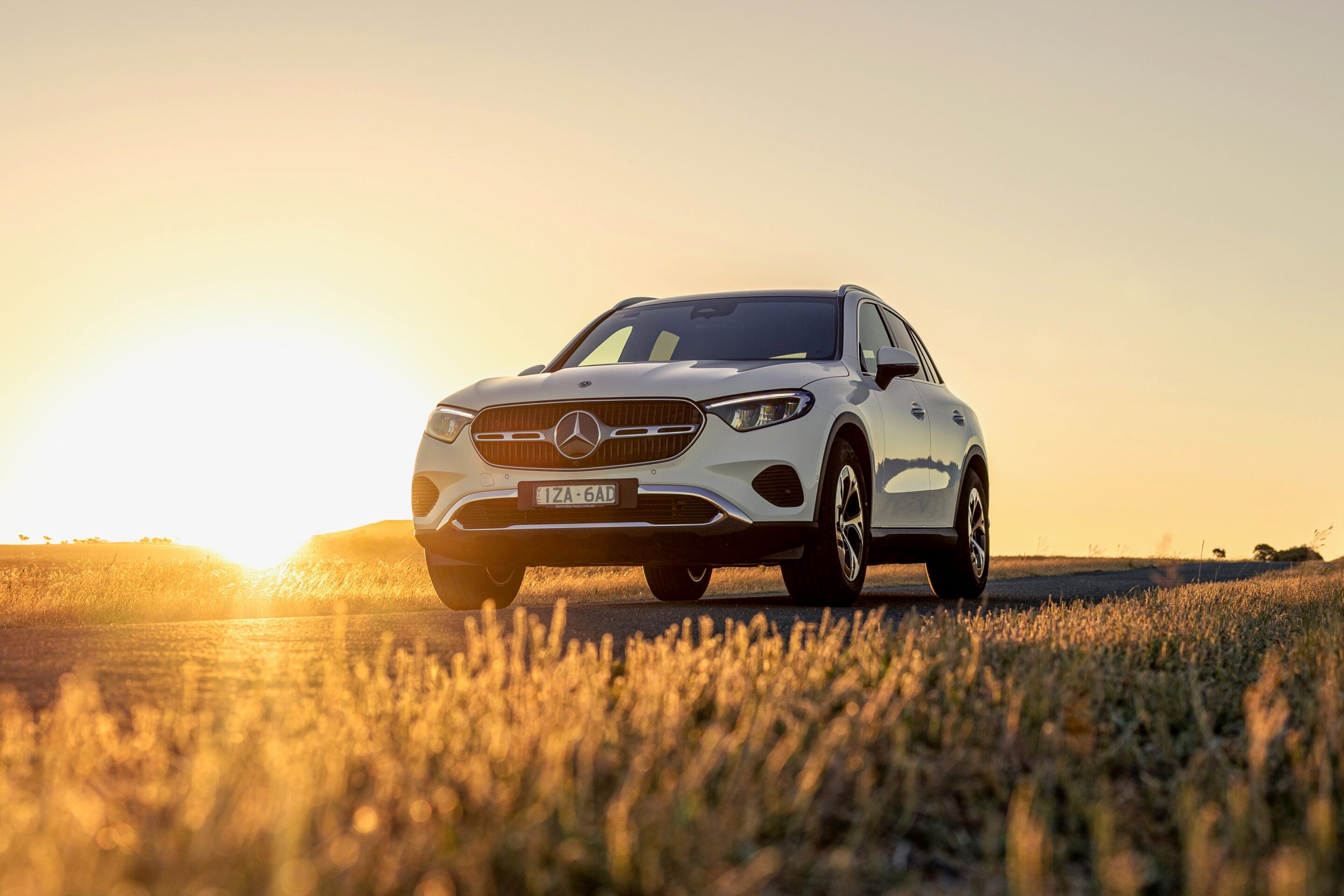
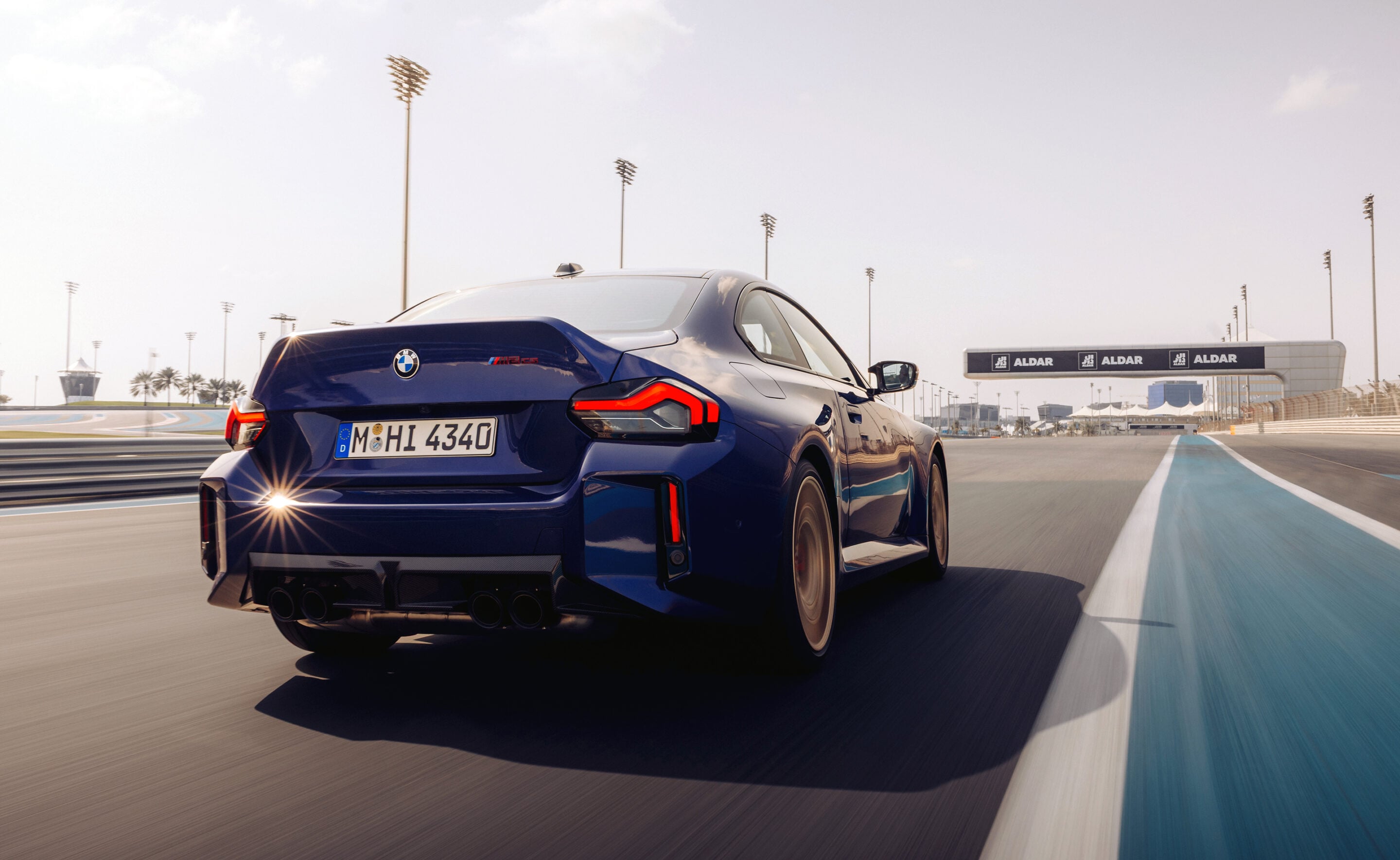
One of the most immediate changes is the removal of the five per cent import tariff currently applied to vehicles sourced from Europe. Once implemented, the move is expected to reduce the cost of cars from brands such as BMW, Mercedes-Benz, Audi and Volkswagen, regardless of whether they are petrol, diesel, hybrid or electric.
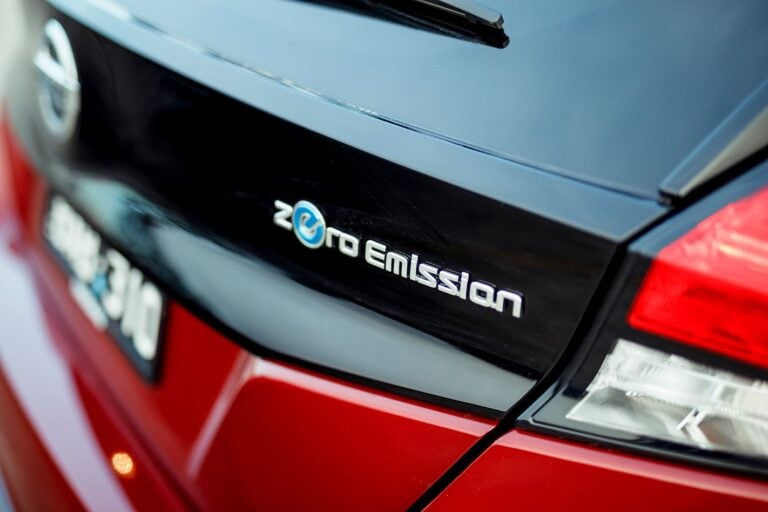
In addition to tariff cuts, the agreement introduces a new category under Australia’s Luxury Car Tax (LCT) specifically for zero-emissions vehicles. The threshold for this category will be lifted to $120,000, allowing more high-end electric vehicles to avoid the tax or incur less of it.
“The removal of the tariff is a positive outcome for Australian consumers and brings European vehicles in line with those imported from other major markets such as China, Japan, Korea and Thailand,” said Federal Chamber of Automotive Industries chief executive, Tony Weber.
“The change to the Luxury Car Tax is incremental and leaves in place an outdated measure that no longer reflects the structure of the Australian automotive market,” he said.
“Luxury car taxes were first introduced in Australia nearly 40 years ago to protect a domestic manufacturing industry which no longer exists. It serves no clear purpose other than raising revenue and continues to impose unnecessary costs on consumers.”
1
Under current rules for the 2025–26 financial year, fuel-efficient vehicles — including EVs — are subject to LCT at a rate of 33 per cent on the value above $91,387. The higher threshold is expected to ease the tax burden on premium electric models, potentially making them more competitive against combustion-powered rivals.
While the changes are expected to benefit European manufacturers, the revised LCT treatment is understood to apply more broadly to all electric vehicles, regardless of origin. That could see flow-on effects across the wider EV market in Australia.
The federal government has framed the agreement as a win for consumers, pointing to the likelihood of more affordable vehicles and greater choice. However, the extent of any price reductions will ultimately depend on how much of the savings are passed on by importers and dealers.
Beyond the automotive sector, the agreement eliminates tariffs on the majority of goods traded between Australia and the EU, including agricultural products and manufactured exports. In return, Australian consumers will see reduced import costs on a range of European products.
For now, the automotive industry is awaiting further detail, but the direction is clear: cheaper European cars — and potentially more accessible EVs — are on the horizon once the agreement comes into force.
Follow WhichCar/Wheels on Google
Click the button below to make WhichCar by Wheels a preferred source for your news.

We recommend
-
 News
NewsAre cars really about to become cheaper in Australia?
The possibility the Luxury Car Tax will be dropped in order to secure a new trade deal with the European Union could see $10,000 off the price of certain marques.
-
 News
NewsGovernment weighs curbing EV tax breaks as cost of scheme surges
Budget review could restrict fringe benefits exemption to cheaper electric vehicles.