News

Gallery 1
The ongoing closure of the Straight of Hormuz could see production of new vehicles massively restricted. The pivotal shipping route sees around half of the world’s supply of sulphuric acid shipped from the Middle East, where it is produced as a byproduct of oil refining. Sulphuric acid is essential to extract battery-grade nickel from Indonesian ore.
Indonesia is one of the leading producers of battery-grade nickel, though Australia also contributes to the supply of metals like lithium and copper used in the production of EVs.
A report by Reuters has identified that, like fuel supply from the Middle East, the supply of other products from the region is starting to impact areas outside of the fossil fuel industry.
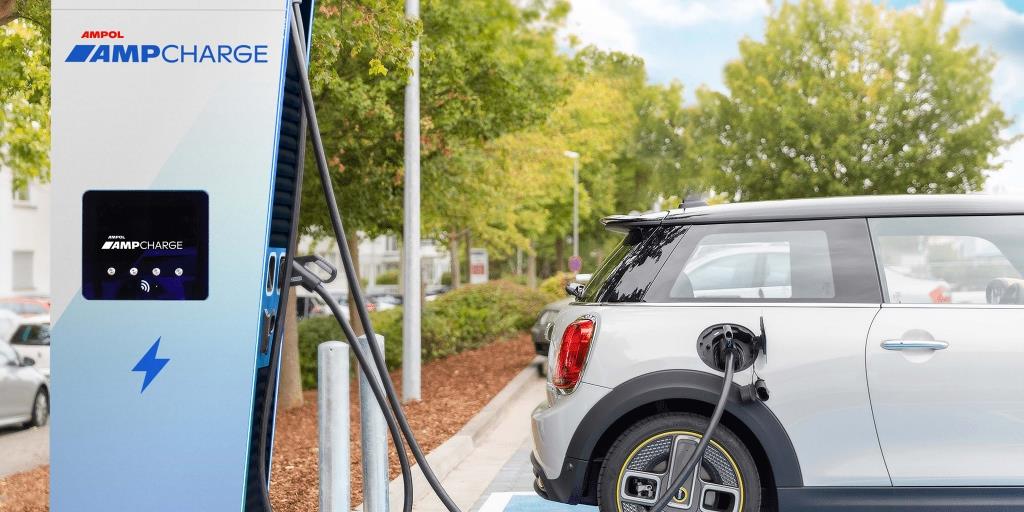
With the supply of sulphur slowing, the manufacturing of electric vehicle batteries is set to face delays at a time when interest in electric and plug-in hybrid vehicles is soaring as consumers look to offset rising fuel costs.
1
Commodity analysts Kpler report that sulphur shipped through the Straight of Hormuz has dropped from a monthly average of 1.27 million tonnes at the start of the Iran war conflict, to 180,000 tonnes in March and just 30,000 tonnes in April.
The price of sulphur has risen by 50 per cent, according to reports, with the higher cost impacting the price of metals like copper, nickel, and lithium, and contributing to shortages of those metals.
With electric vehicle batteries reliant on the supply of those metals, battery suppliers face output restrictions that could see car makers left short of stock, and facing higher production costs.
Demand for electrified vehicles is already rising in the short- to mid-term as a side-effect of rising petrol prices. Now, new car buyers could be faced with delays in a repeat of the waiting lists that stemmed from component shortages earlier this decade.
Materials shipped through the Straight of Hormuz could also run short for other industries which, alongside battery supply shortfalls, could also see other electronic components, computer chips, and associated hardware rise in cost as production output shrinks.
Helium supply, shipped from countries like Kuwait and Qatar and used for semiconductor production, is also at risk. With priority given to medical usage, slowing the output of electronic components.
Follow WhichCar/Wheels on Google
Click the button below to make WhichCar by Wheels a preferred source for your news.

We recommend
-
 Features
The best electric vehicles still to come in 2026
2026 has been a banger of a year for new electric vehicle releases, but here are 10 more that we think you should be excited about.
-
 News
NewsAustralia’s EV boom is in full swing – here are the top 10 cars people are buying
As fuel prices continue to surge amid the Middle East conflict, Australian new car buyers are gravitating to EVs in ever-increasing numbers.
-
 News
NewsUsed and repairable EV sales surging thanks to fuel crisis
The fuel crisis caused by the latest Middle East conflict has not only bought significant new electric vehicle sales... but also for used and damaged but repairable EVs as well, new stats show.