News
Gallery 1
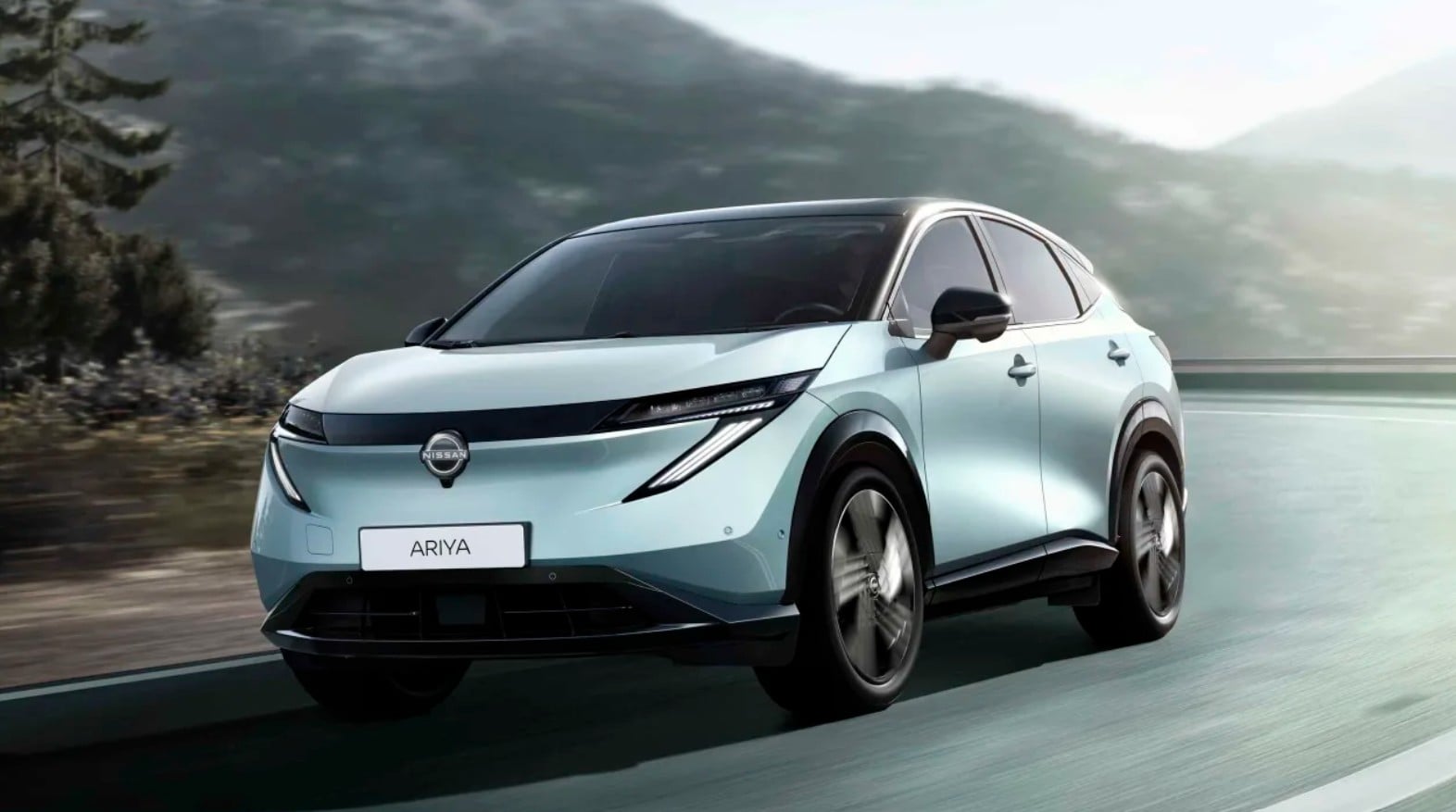
Restructuring efforts have, so far, seen the Nissan close factories, reduce production complexity, and streamline the development of new models in an effort to reduce operating costs and restore profits.
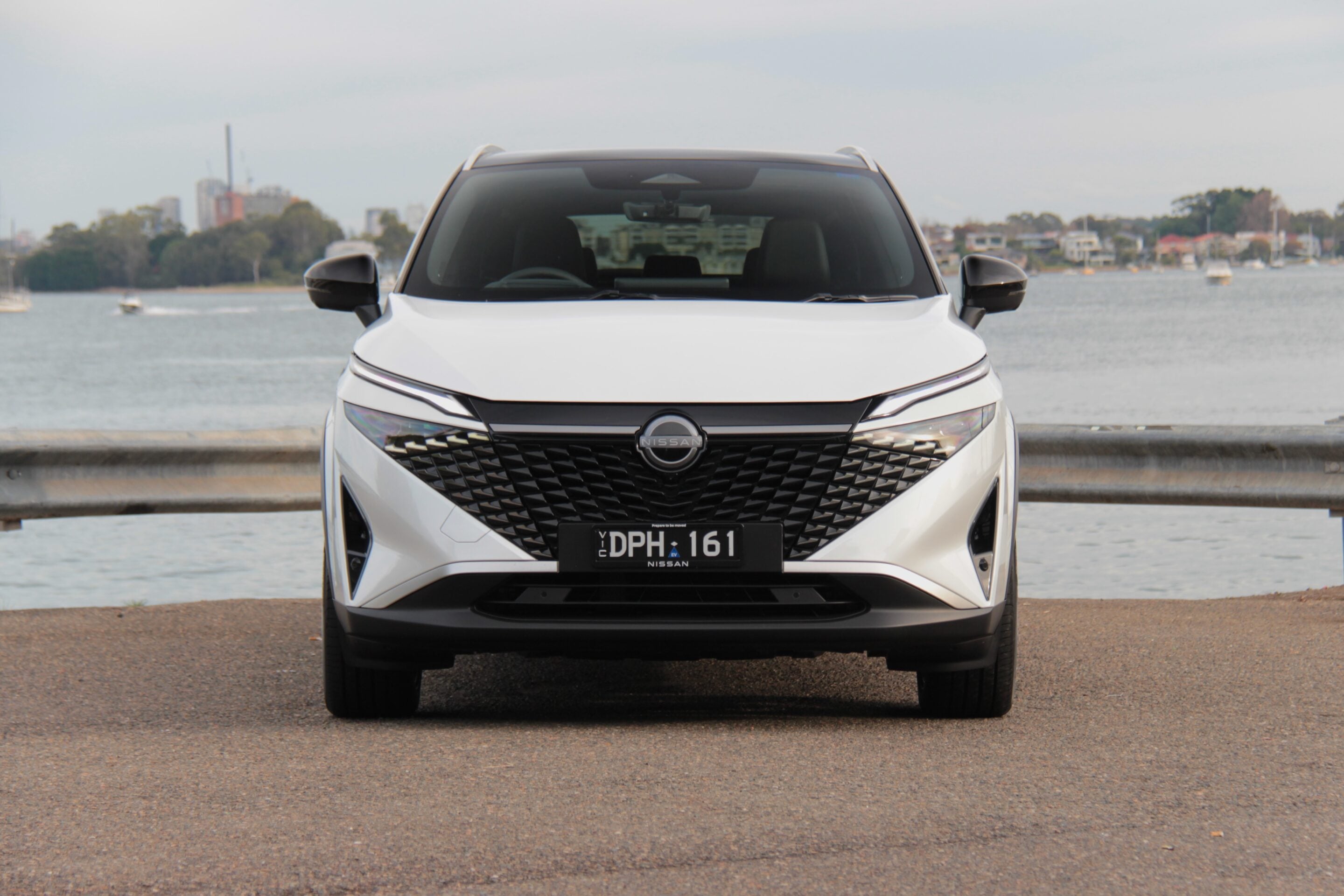
While not an official part of Nissan’s published Re:Nissan recovery plan, the Japanese company’s CEO, Ivan Espinosa, has admitted that Nissan’s focus on low-margin, high volume fleet sales has had a damaging ipact on the brand in North America.
In an interview with Reuters, Espinosa revealed that Nissan was actively trying to distance itself from its rental fleet dependency.
“Before, it was like, okay, we want volume, volume, volume.” Espinosa said. “This is not a good way of operating a car company.”
3
Nissan’s North American operations over the last decade have seen the brand turn to generous discounts and promotional offers designed to sustain volume, with a focus on sales to low-margin outlets like rental car companies and fleet sales.
Espinosa admitted that, as the company reshapes itself, its US sales strategy would see it “stay away” from the rental market. America’s massive rental car market has contributed over 1 million new car sales annually (across all brands) in 2023 and 2024.
Fleet turnover sees cars, on average, traded to the used car market after 18 to 24 months, usually with between 80,000 to 130,000km, according to car rental comparison site, Car Genius. The resulting market trend sees private buyer resale values harmed, and brand reputations for fleet favourites take a beating.
6
Nissan’s US product plans also play a role in the change, with the company planning larger, high-margin models including as many as four body-on frame SUVs that could push Nissan out of the price-sensitive fleet market.
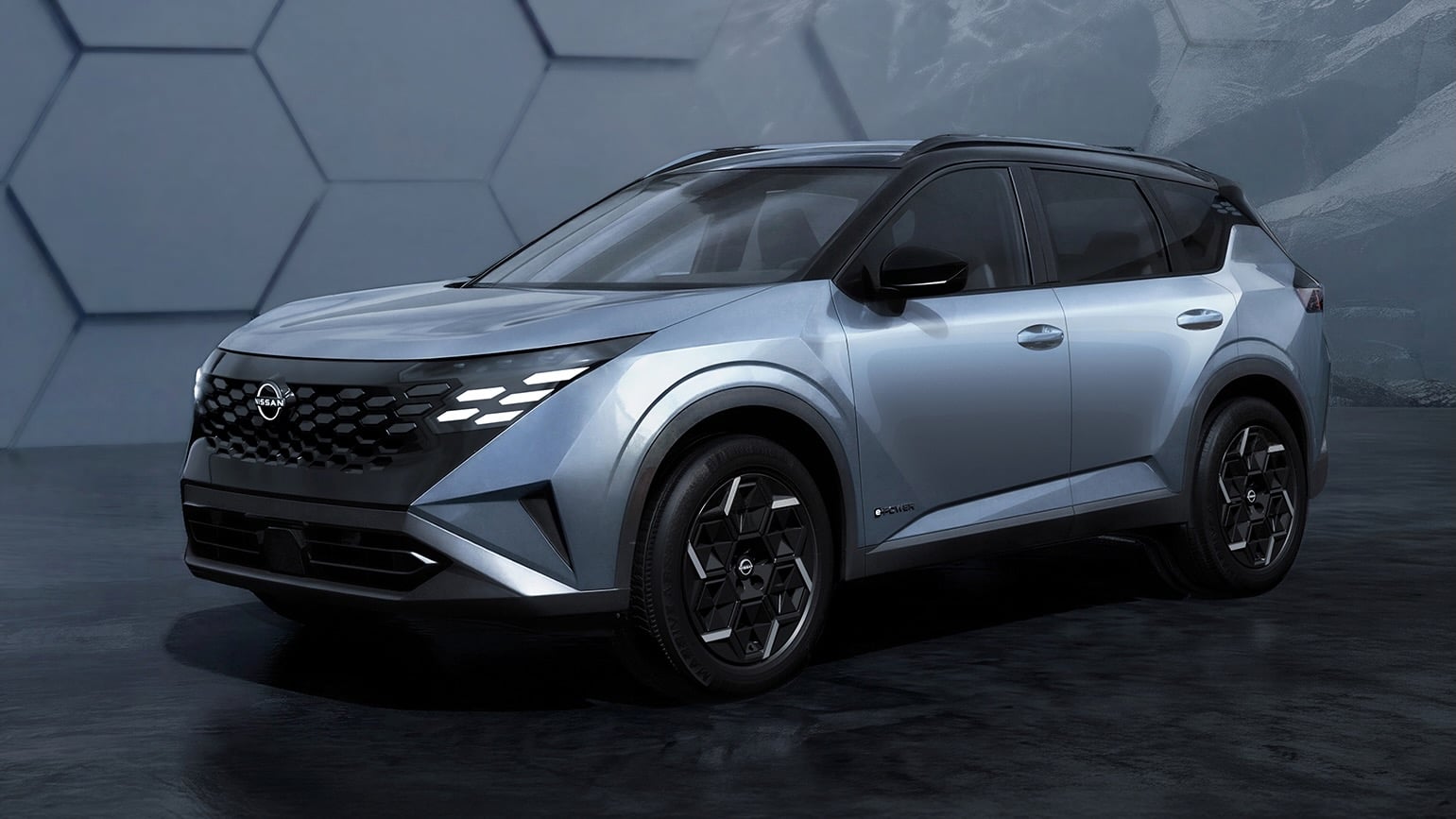
Nissan’s first major launch as part of its revival plan will come next year, with a new generation X-Trail, sold as the Rogue in the USA, which will introduce the brand’s e-Power hybrid system for the first time in that market.
Follow WhichCar/Wheels on Google
Click the button below to make WhichCar by Wheels a preferred source for your news.

We recommend
-
 News
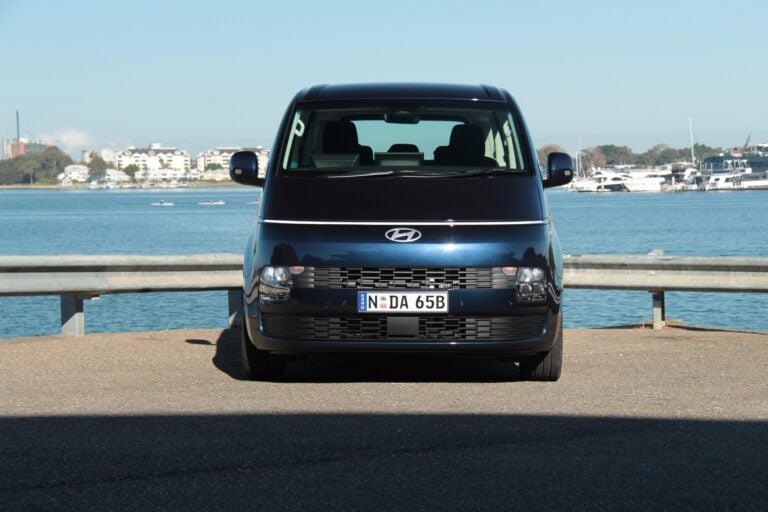
NewsHyundai committed to its last V6 in Australia despite emissions pressure
The last-remaining V6 in Hyundai's Australian lineup will remain on sale for the foreseeable future despite pressure from new emissions standards.
-
 News
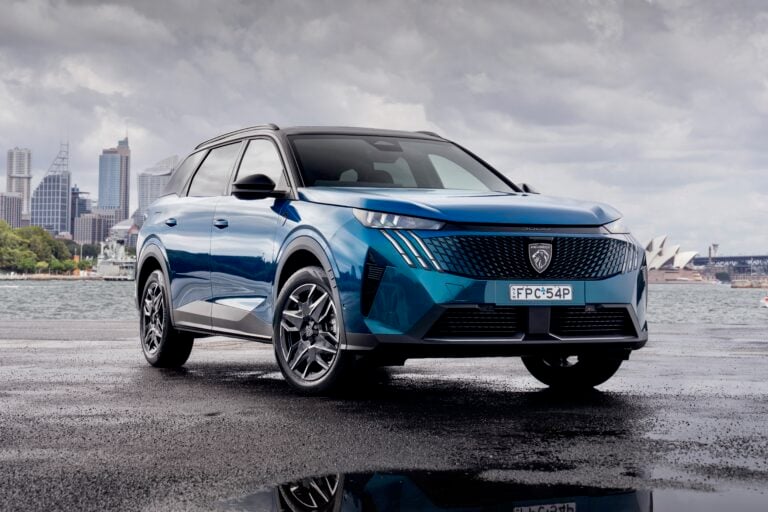
NewsPeugeot’s Australian future unclear as current importer ends distribution agreement
After almost 10 years as Peugeot’s official Australian importer, Inchcape has announced it will cease distribution of the French brand in Australia.
-
 News
NewsMitsubishi doubles down on Pajero off-road credentials with retro tech inclusion
Mitsubishi strengthens ties with the Pajero and its off-road past by teasing a new feature set to star in the revived 2027 model.