News
Gallery 1
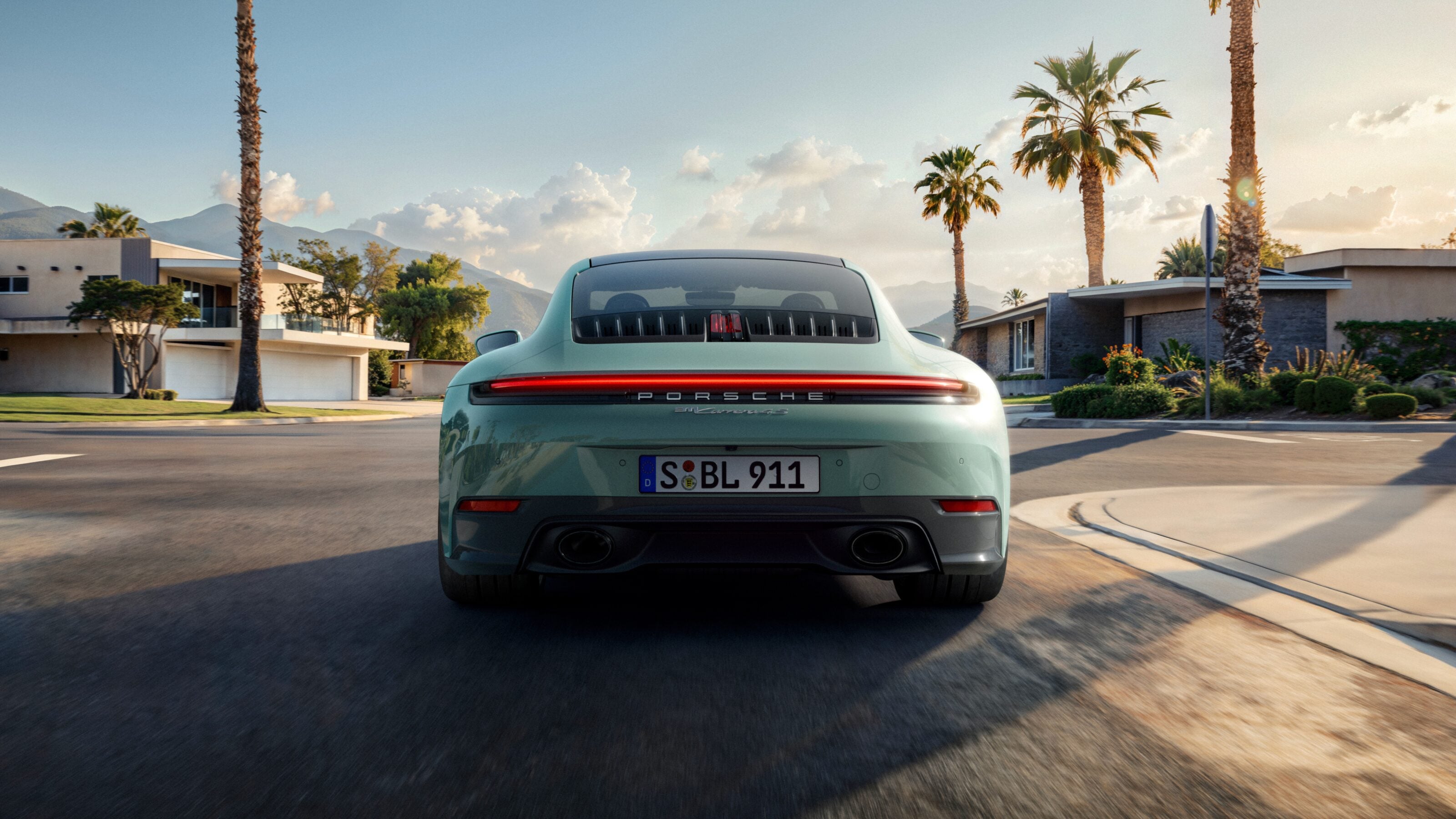
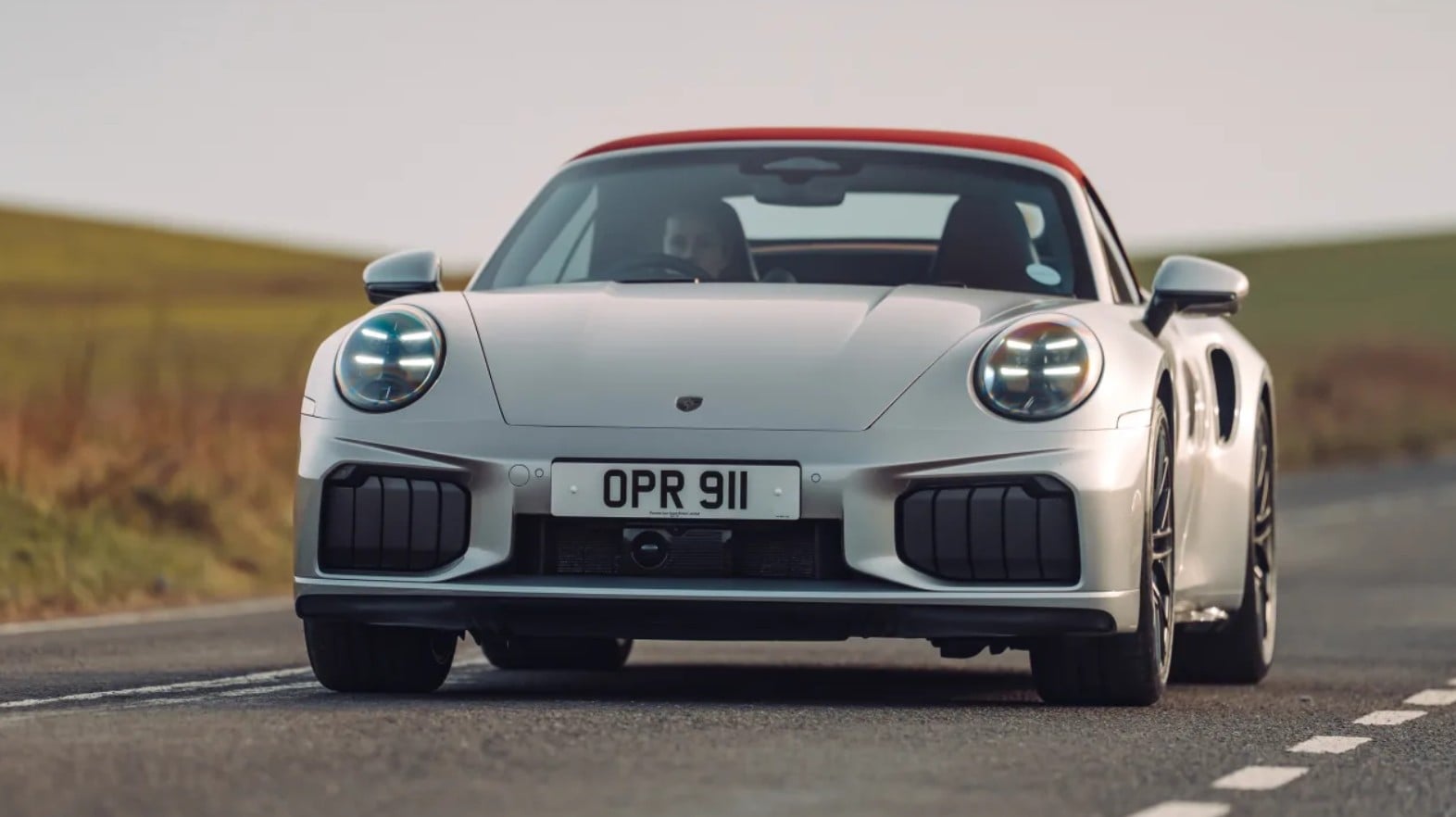
Porsche will cut almost 9000 jobs over the next decade as the German luxury car maker attempts to reduce costs amid falling global sales, a weakening Chinese market and slower-than-expected demand for electric vehicles.
The company has confirmed it will eliminate around 9000 positions by 2035 – equivalent to roughly one in five jobs – as part of a broader restructuring program agreed with employee representatives. The move follows months of negotiations between management and labour unions and comes as parent company Volkswagen undertakes sweeping cost-cutting measures across its brands. Reuters reported the agreement will rely on natural attrition, voluntary redundancies and early retirement schemes rather than compulsory job losses.
Porsche employed around 42,600 people at the end of 2024, meaning the planned reductions represent about 21 per cent of its global workforce.
1
The latest announcement includes a further 5000 job cuts, adding to 3900 positions already earmarked for removal in early 2025 and another 500 jobs linked to the closure of subsidiaries announced earlier this year.
The restructuring follows a difficult period for the Stuttgart-based manufacturer. Porsche’s sales have fallen sharply in China – once its most profitable market – as local buyers increasingly favour domestic premium brands such as Xiaomi, Yangwang and Nio. At the same time, demand for premium battery-electric vehicles has softened in several key markets, forcing Porsche to rethink the pace of its electrification strategy. Analysts have also pointed to growing pressure from Chinese manufacturers expanding into Europe with increasingly competitive electric vehicles.
According to Reuters, automotive analyst Daniel Schwarz from investment bank Metzler said the scale of the workforce reduction broadly matched Porsche’s decline in sales volumes and reflected expectations that the Chinese market was unlikely to recover to previous highs.
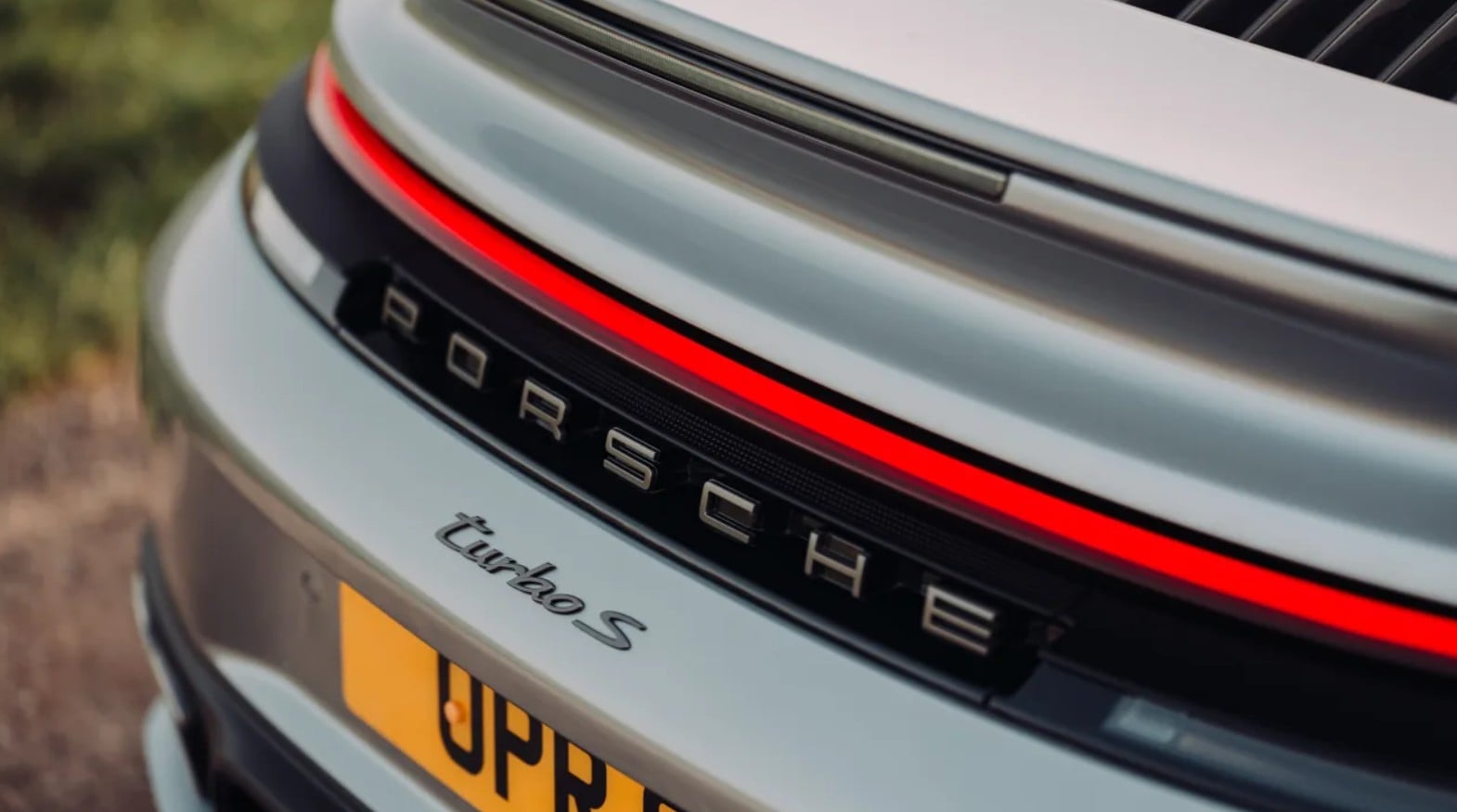
Despite the cuts, Porsche said it would invest €2.1 billion (around A$3.7 billion) in its Zuffenhausen production plant and Weissach research and development centre, while also guaranteeing the future of its German manufacturing sites until at least the end of 2035.
1
The announcement comes as Volkswagen Group chief executive Oliver Blume, who previously held the top job at Porsche, pushes for deeper reforms across Europe’s largest carmaker. According to reports, Volkswagen is seeking to double planned job reductions across the group to around 100,000 positions, while warning several German factories –including an Audi plant – could face closure after 2030 if competitiveness does not improve.
Porsche’s restructuring mirrors a broader trend across the European automotive industry, with Mercedes-Benz, BMW and Volkswagen all seeking to reduce costs as they contend with slowing EV demand, increased competition from Chinese manufacturers and the impact of tariffs in key export markets.
Follow WhichCar/Wheels on Google
Click the button below to make WhichCar by Wheels a preferred source for your news.


We recommend
-
 Reviews
Porsche 911 GT3 S/C review: Open-top cars don't come any better
The Porsche 911 GT3 S/C is the first open-top GT3 variant ever. It's expensive, but won't disappoint its driver for pure open-top thrills.
-
 Features
Dying breed: The last remaining manual cars available in Australia
The mechanical connection of a clutch and manually manipulated gear lever continues to be a rare find on Australia’s new car market, with just 25 cars and light commercial vehicles left with the three-pedal option.
-
 Reviews
Porsche 992.2 GT3 review: Track testing a supreme handler
Porsche’s updated 911 GT3 refines its race-bred formula with subtle engineering gains, revised suspension and new options, in the face of a future shaped by hybrid power and tightening emissions rules.