News

Gallery 1
Toyota will go from redesigning its models every seven years to waiting almost a decade before freshening them up in what amounts to a huge shift in the brand’s product cycles, according to a report in Japan.
The new strategy comes as Toyota deals with long waiting lists for some of its most popular models, such as the LandCruiser, with demand remaining strong enough to lengthen the redesign process significantly.
6
The report in Nikkei says Toyota is extending the average sales cycle of its mainstream models to nine years. Instead of making big changes to vehicles’ bodywork, chassis, drivetrain and other mechanicals, refreshes will centre more around substantial software updates.
Toyota’s shift comes after the launch of its Software Defined Vehicle (SDV) strategy, which allows the development of new and updated functions through digital technology alone. The move will also free up resources that can be devoted to the firm’s focus on electrification.
The SDV plan is a major part of the brand’s drive to increase profits from sources other than new-car sales by around 40 per cent by 2030. Over-the-air software updates for functions like powertrain calibration, safety systems and multimedia operations are driven through the company’s Arene software platform, described as “Toyota’s tugboat into the future” by CEO Hajime Kumabe.
Toyota is now looking to charge customers extra for such updates, and the process has already begun. Owners of the performance-focused GR Yaris and GR Corolla can already pay to download a cooling function that manages temperatures during hard driving, for example. Subscription-based services could also be offered, although some other manufacturers have suffered blowback for bringing them in.
8
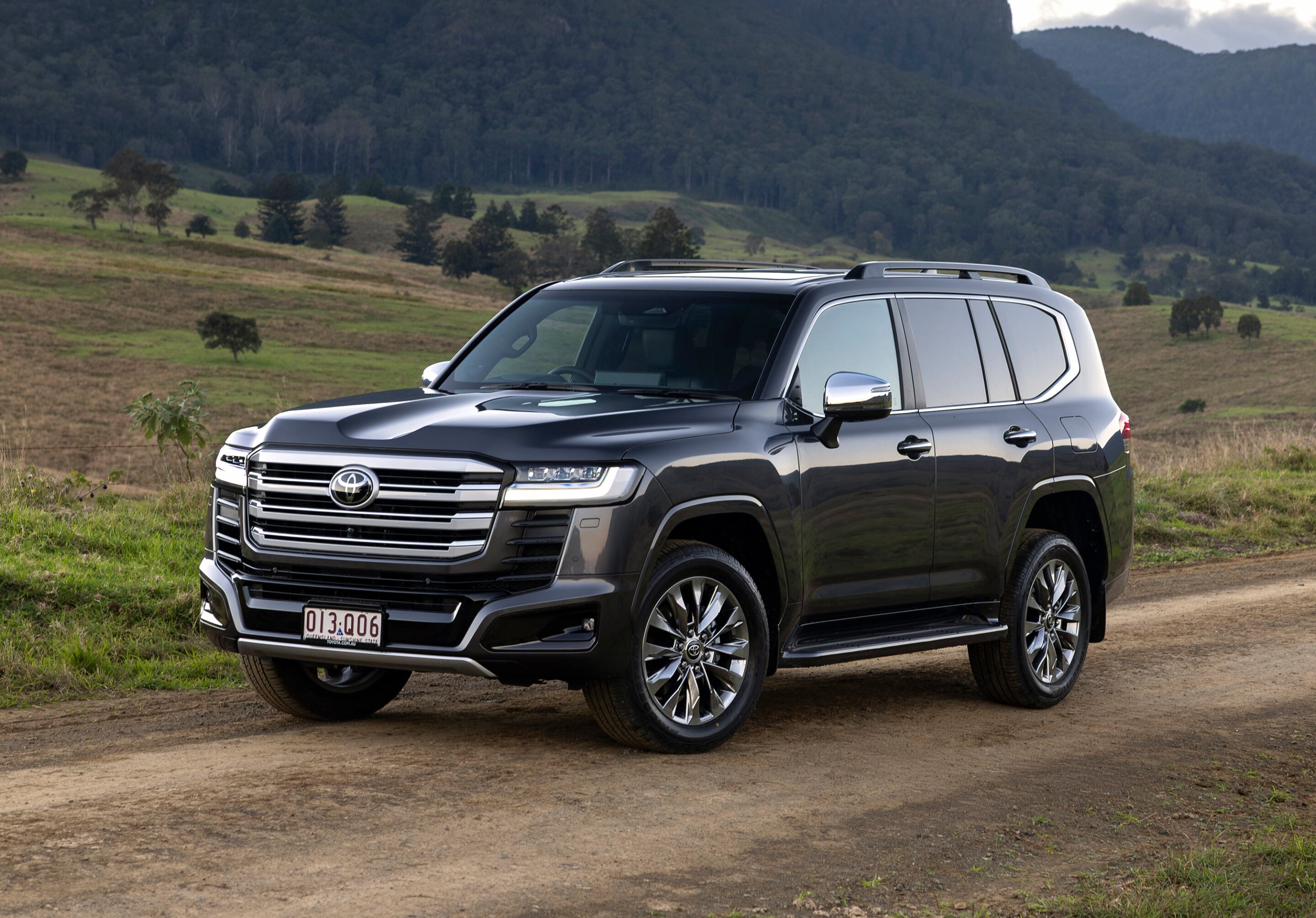
The imbalance between supply and demand for models is a key factor in the switch to longer cycles. Toyota has even had to suspend orders for models like the LandCruiser 70 series because wait times were becoming so long. The Camry was hit by such a move in Australia in 2023.
Sales of used Toyotas – which have always been strong – should benefit from the switch too. The company’s models are well known for retaining value when they get sold on, and the ability to keep evolving them under the skin will only add to that.
However, Nikkei also reported that the new cycle has encountered opposition from dealers in Japan, who are worried about their margins being eaten away as a result of the plan bringing in more flexible prices.
Follow WhichCar/Wheels on Google
Click the button below to make WhichCar by Wheels a preferred source for your news.


We recommend
-
 News
NewsEverything we know about the new Toyota Celica as details and leaks keep stacking up
Toyota’s reborn Celica is shaping up as a very different sports car, with a mid-engined layout, all-wheel drive and a new 2.0-litre turbo engine potentially putting the GR coupe in a class of its own.
-
 News
NewsToyota to launch next-generation battery to slash the cost of cars and boost their performance
Toyota is aiming to change production lines to fit the new tech to 600,000 vehicles, with customers the big winners.