News

Gallery 1
Toyota is banking on a switch to next-generation lithium-ion batteries to fend off its Chinese rivals by reducing costs for customers and increasing performance, the company has revealed in an earnings call.
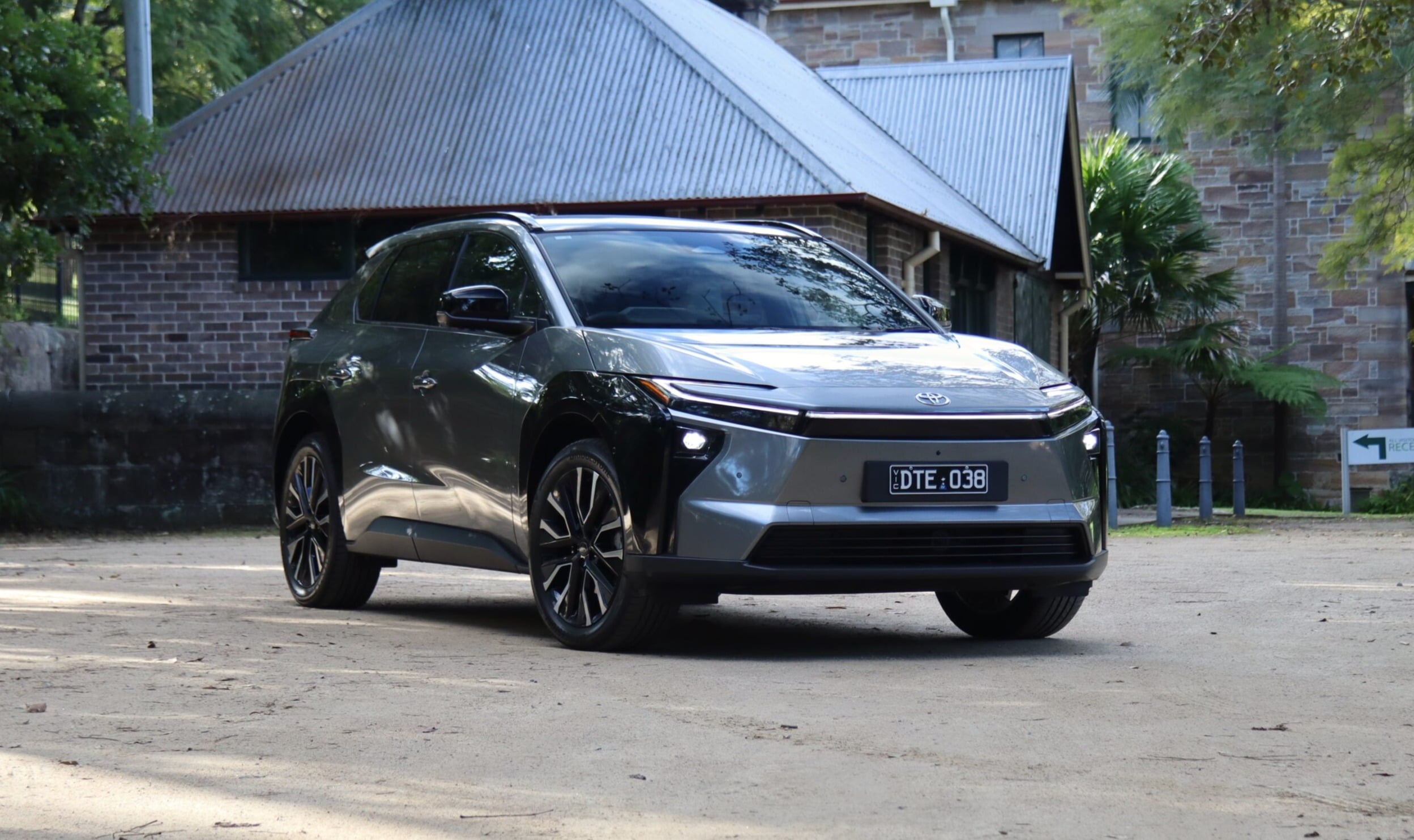
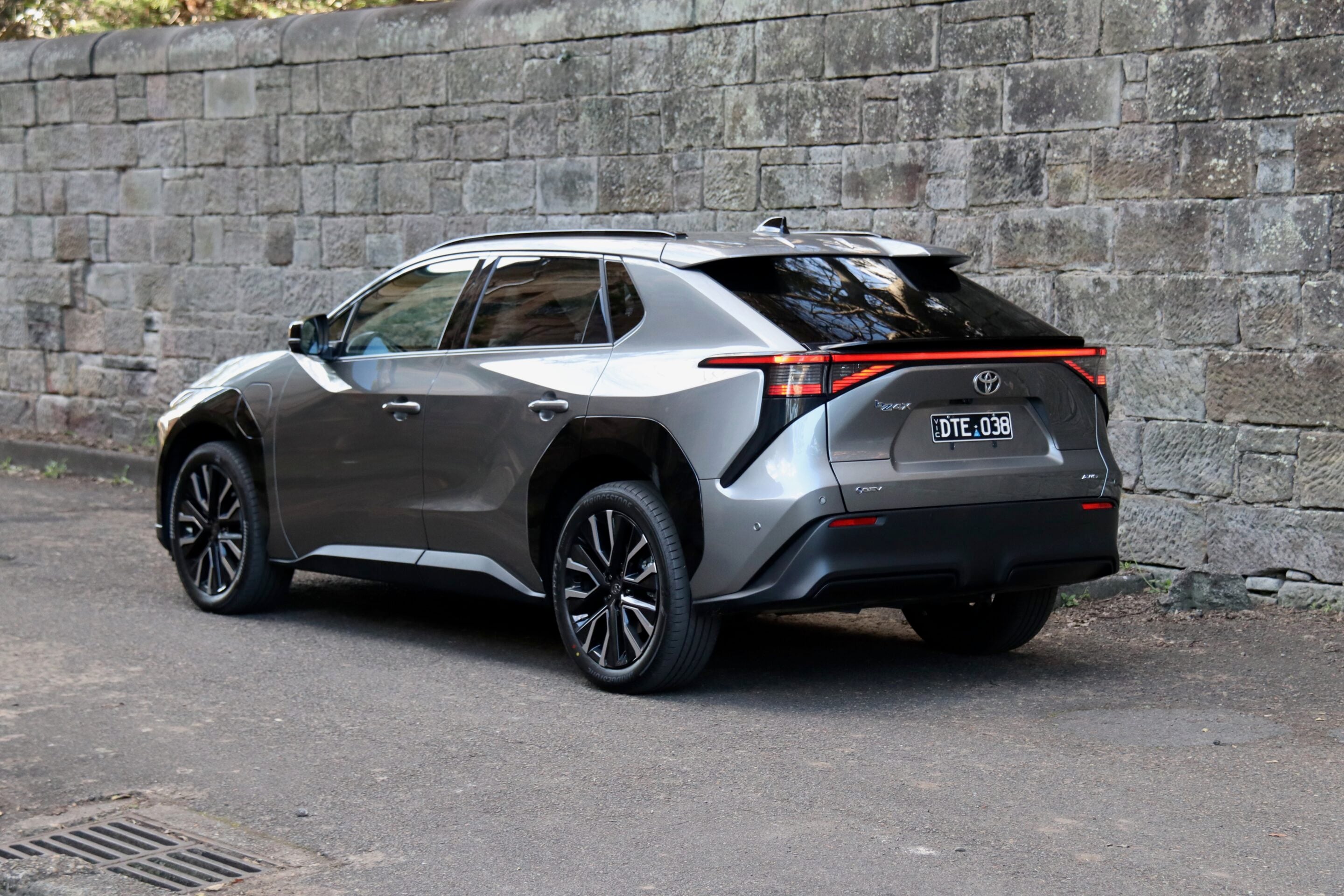
The new strategy will see Toyota turn away from nickel-metal hydride batteries as it converts production lines in Japan with enough capacity to fit the new packs to 600,000 vehicles. It has been reported that the next-gen batteries could reduce costs by 20 per cent compared with the units in the current bZ4X electric SUV (pictured below), while delivering a claimed range in excess of 800km.
3
“We are expanding battery production capacity during 2027 and 2028, and we will continue our efforts to fully capture customer demand,” chief accounting officer Takanori Azuma told investors. The switch away from NiMH batteries – which was revealed in the company’s first-quarter results for the fiscal year – will also rope in suppliers like China’s CATL.
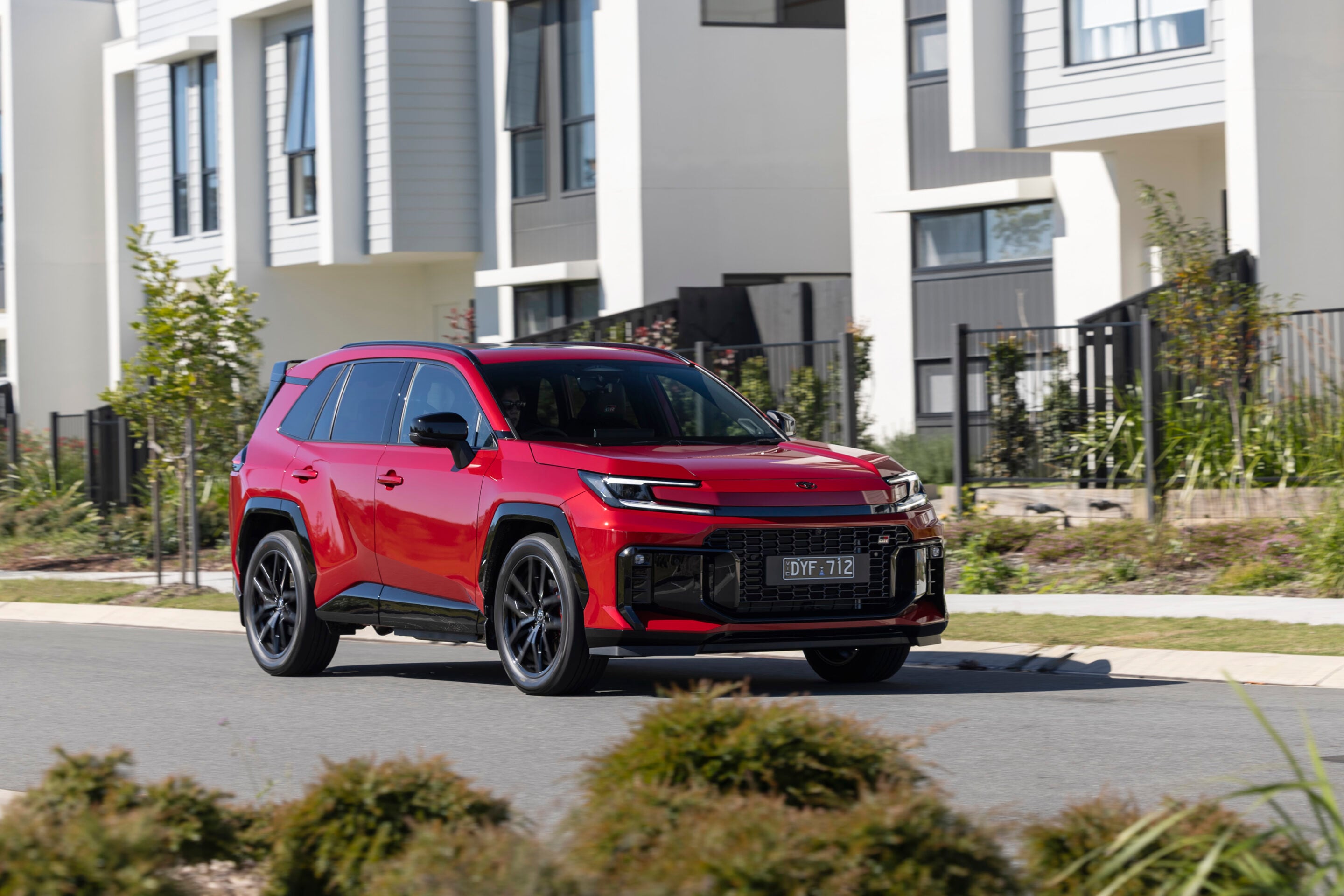
Toyota has been relying on NiMH batteries for its hybrids for years, but the shift to Li-ion has already begun in newer vehicles like the sixth-generation RAV4 with its high-capacity 22.7kWh unit.
No details about the composition of the new batteries, energy density, charging times or service life have been released, but the move comes after Toyota’s 2023 announcement that it will use bipolar Li-ion technology providing a fast recharging time of 20 minutes or less. The new tech was intended to be introduced for BEVs this year.
The move to Li-ion revealed in the earnings call is targeted at hybrids, which are playing a huge role in bolstering the company’s sales. In June, Toyota said hybrid or electric vehicles would make up half of its expected 230,000 sales in Australia for 2026.
3
Toyota will also be hoping the new battery strategy helps bring down waiting times for vehicles in Australia, which the company says have hovered around three to six months for most models.
The earnings call also revealed that Toyota has upped its production forecasts for the 2027 financial year from 9.6 million to 9.7 million units, with Azuma announcing that expansions of HEV battery capacity are also being examined.
Follow WhichCar/Wheels on Google
Click the button below to make WhichCar by Wheels a preferred source for your news.

We recommend
-
 News
NewsMG 4X crossover revealed with semi-solid-state battery technology
MG has revealed a higher-riding version of the MG4. But the MG 4X is not just a new bodystyle, it’s also powered by a battery that’s a departure from anything we’ve seen so far.
-
 News
NewsBYD prefers its fast-charging Blade battery over hyped solid-state tech... for now
Solid-state EV batteries promise to be lighter, safer, and deliver longer range, but the world’s biggest EV manufacturer says they are not the best option.