News

Gallery 1
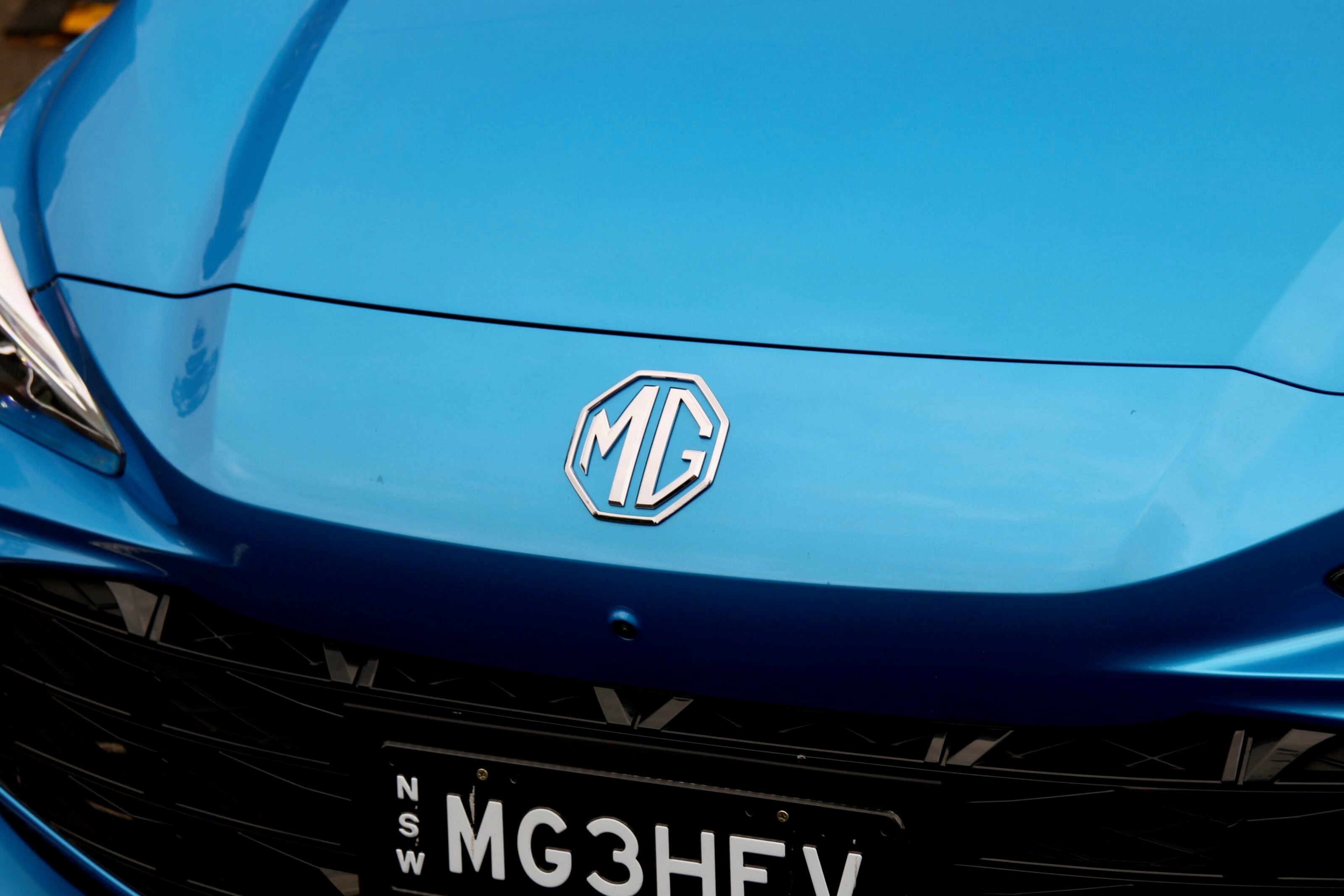
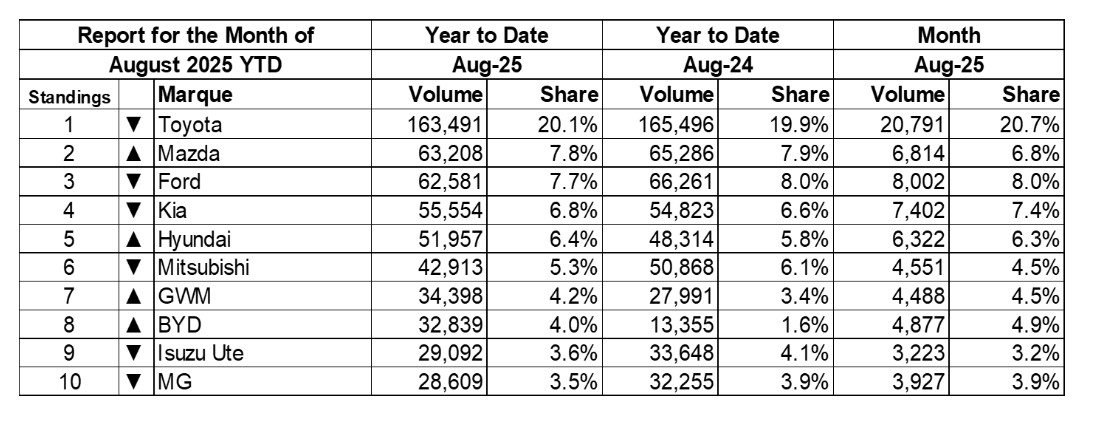
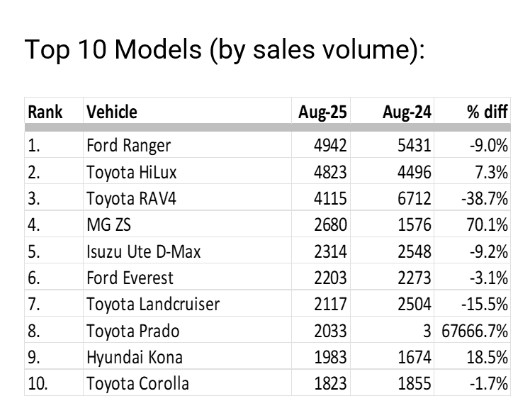
Australians purchased 100,539 new vehicles in August 2025, making it the second strongest August on record. The milestone month also marked the first time four Chinese carmakers – BYD, GWM, MG and Chery – all ranked in the national top 10.
In total, 20,070 Chinese-made vehicles were sold during August, a 67 per cent increase compared with the same month in 2024.
Federal Chamber of Automotive Industries (FCAI) chief executive Tony Weber said the results reflected the pace of change in the sector.
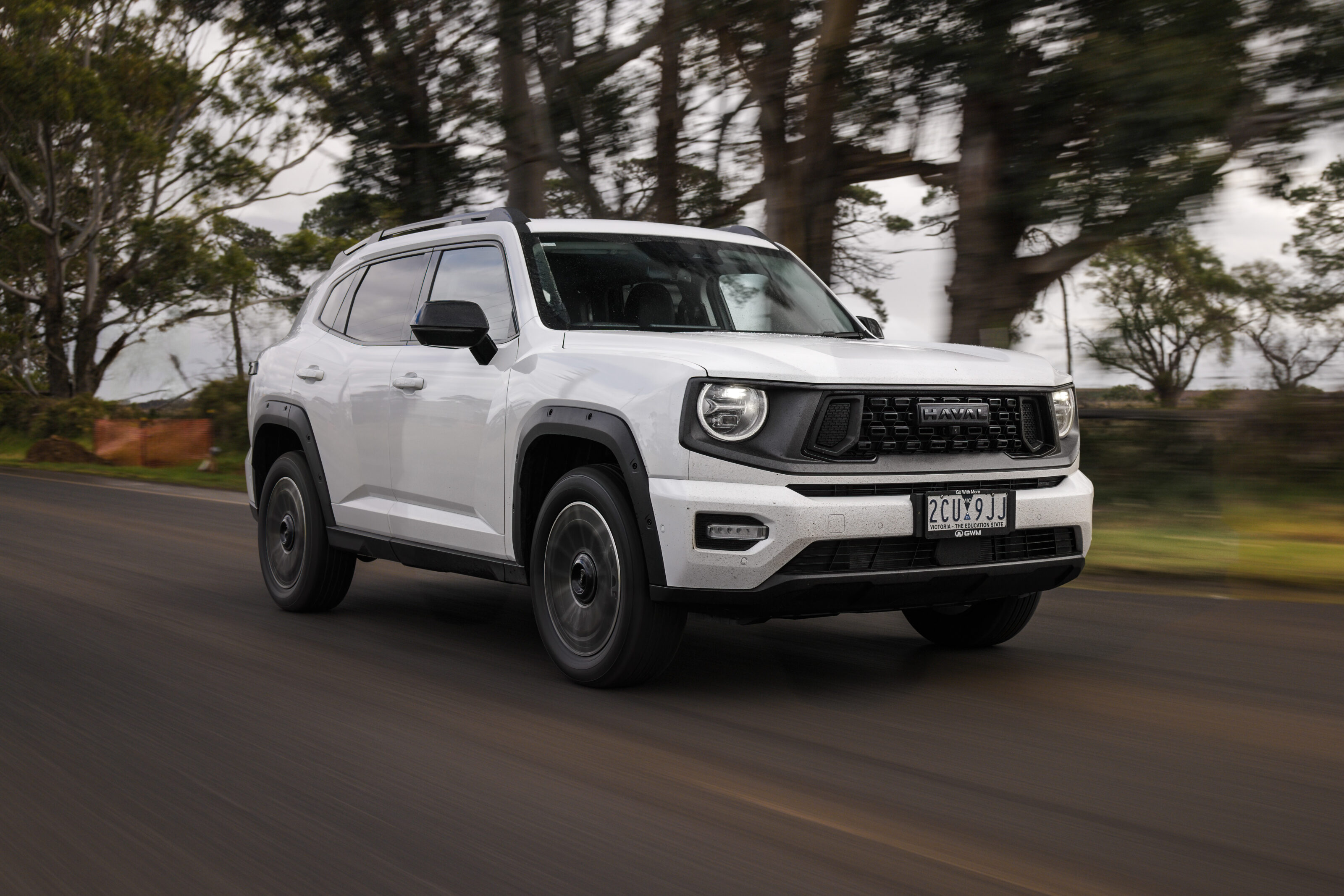
“The presence of four Chinese brands in the top 10 illustrates the continuing evolution of the automotive landscape in Australia. Consumers have an extraordinary range of vehicles to choose from – more than 400 models, including around 100 EVs,” he said.
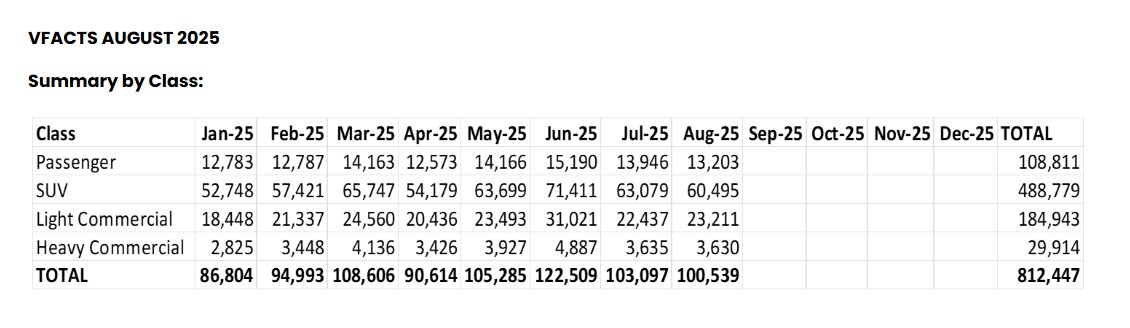
SUVs remained the dominant category, with 60,495 sales in August, representing 60 per cent of the market. Passenger car sales fell to 13.1 per cent, with year-to-date figures down 25 per cent compared to last year.
Electrified vehicles continued to grow in share. Battery-electric vehicles made up 6.8 per cent of sales, while plug-in hybrids accounted for 3.9 per cent.
Year-to-date, 812,447 vehicles have been sold nationally, a modest decline of 2.1 per cent from the 830,226 recorded in the same period of 2024.
Ahead of this week’s Council of Treasurers meeting, Weber reiterated FCAI’s support for a nationally consistent road user charge.
“As the number of electrified vehicles increases, governments must support a smooth transition away from fuel excise. A road user charge is needed to provide an enduring revenue stream to support road and recharging infrastructure,” he said.
Toyota remained the overall market leader with 20,791 sales, followed by Ford (8,002), Kia (7,402), Mazda (6,814) and Hyundai (6,322).
Across the states and territories, results were mixed. Sales rose in the ACT (up 20.7 per cent), Victoria (up 3.8 per cent), NSW (up 2.4 per cent), Queensland (up 2.8 per cent) and WA (up 1.6 per cent). Declines were recorded in the Northern Territory (down 7.8 per cent), South Australia (down 6.0 per cent) and Tasmania (down 3.1 per cent).
Follow WhichCar/Wheels on Google
Click the button below to make WhichCar by Wheels a preferred source for your news.