News
Gallery 1
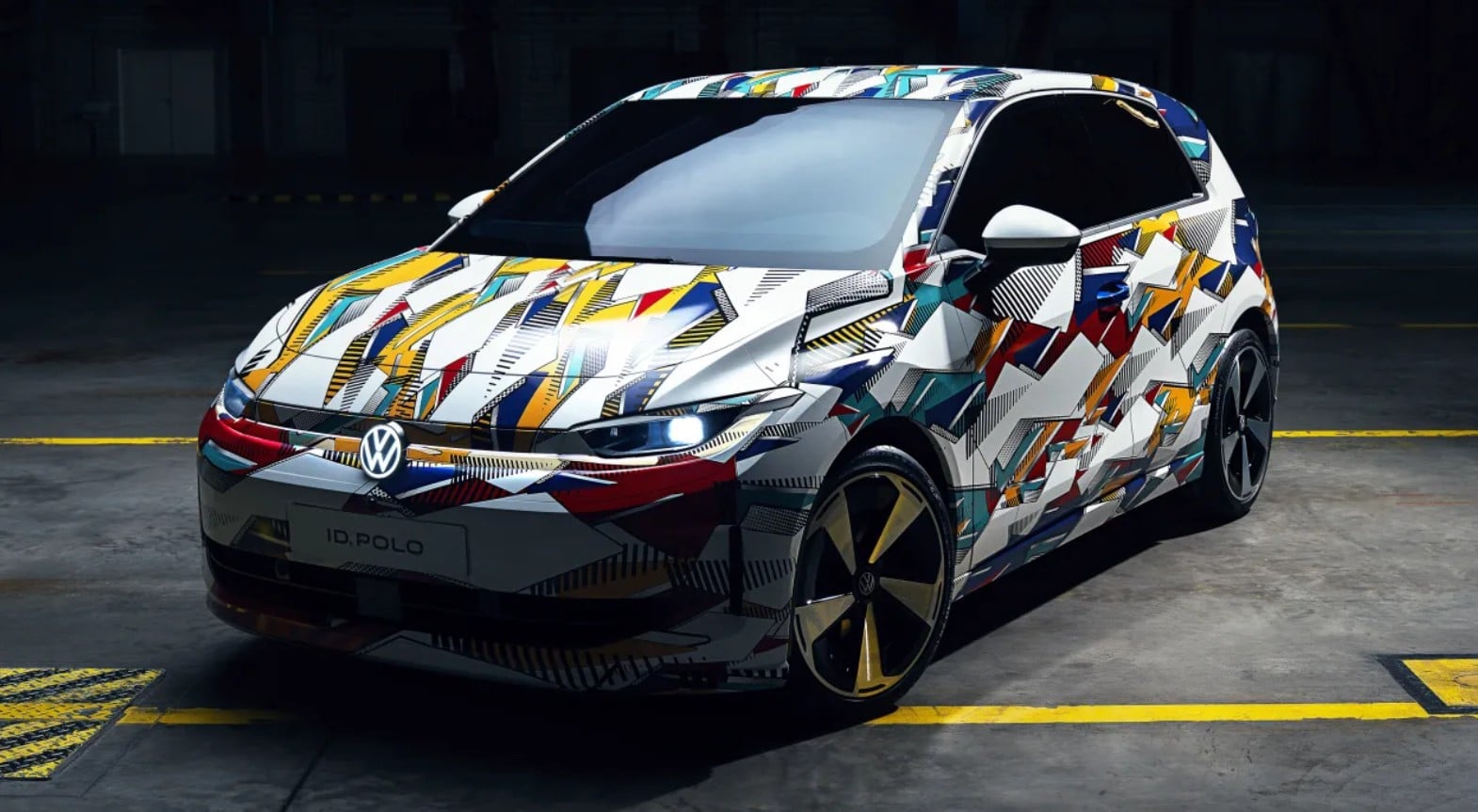
Volkswagen has lifted the curtain on the interior of the all-new ID. Polo, offering a clear signal that the brand has listened to years of feedback as it prepares for the electric supermini’s full global debut later this year.
The most immediate change is one many buyers will welcome. The much-criticised touch-sensitive sliders and haptic panels found in models like the ID.3 have been ditched. In their place is a far more traditional and intuitive cabin layout, headlined by a squared-off steering wheel fitted with chunky physical buttons, a row of proper climate-control switches on the dashboard, and – finally – a real volume dial on the centre console.
3
Volkswagen has also reinstated four individual window switches for the driver, doing away with the awkward front-and-rear toggle system. One familiar quirk remains, however, with the play-and-pause symbols still stamped onto the accelerator and brake pedals.
Early images suggest a noticeable step up in perceived quality over existing VW EVs. Air vent tabs and rotary controls feature knurled metallic finishes, while soft-touch fabric trim stretches across the dashboard, doors and centre console. Volkswagen says the goal was to make the ID. Polo feel warmer and more inviting than its electric predecessors.
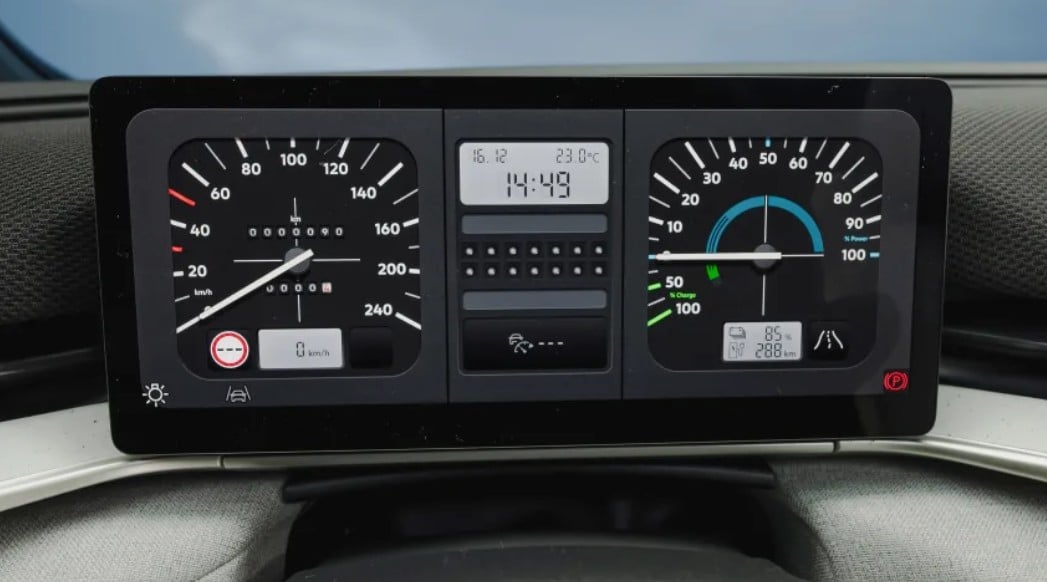
Screen layout has also been rethought. A 10.25-inch digital driver display now sits in the conventional position within the dashboard, replacing the column-mounted unit used in the ID.3. The central touchscreen grows to 13 inches and, notably, is no longer angled toward the driver, making it easier for front passengers to interact with.

2
New software promises greater customisation, including retro-inspired display modes that mimic the analogue dials of classic Volkswagens such as the original 1970s Golf.
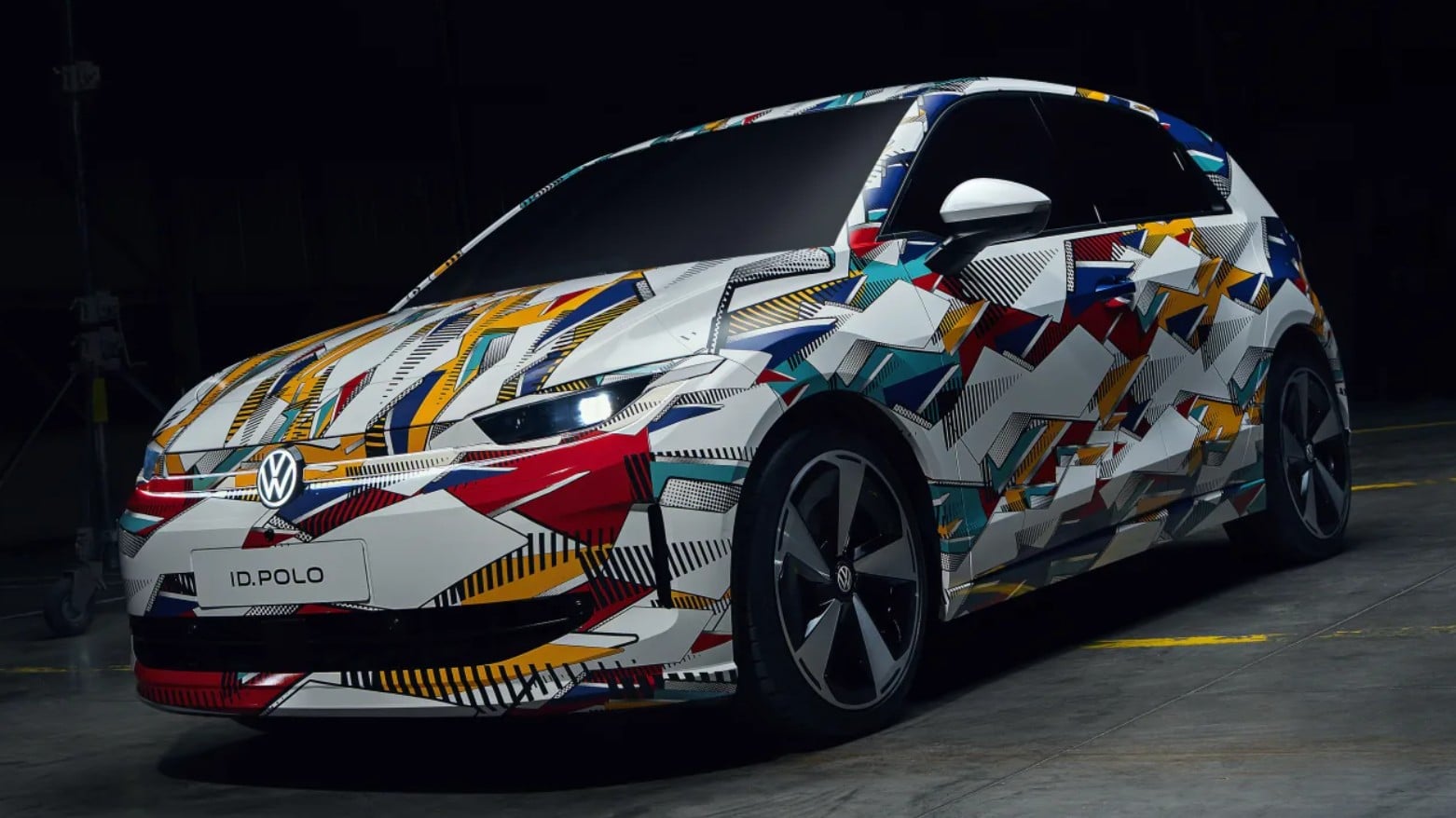
The ID. Polo will ride on Volkswagen’s new MEB+ platform, shared with models including the Cupra Raval and Skoda Epiq. Designed specifically for smaller, more affordable EVs, the architecture switches to front-wheel drive and uses simpler rear suspension to reduce costs.
Two battery options will be offered: a 37kWh lithium iron phosphate unit and a larger 54kWh nickel manganese cobalt pack. The latter is expected to deliver up to around 450km of driving range, with DC fast-charging of up to 130kW enabling a 10–80 per cent top-up in about 23 minutes.
7
Volkswagen has also confirmed an ID. Polo GTI for 2026, marking the first time the iconic badge has appeared on an electric car. The hot hatch is expected to produce around 169kW, driving the front wheels via a limited-slip differential and featuring bespoke suspension tuning.
Australian sales are yet to be confirmed.
Follow WhichCar/Wheels on Google
Click the button below to make WhichCar by Wheels a preferred source for your news.

We recommend
-
 Reviews
2026 Volkswagen Tiguan 110TSI Elegance review: Improved offering in third generation medium SUV
Tiguan’s third generation chases a more premium feel, adding features and polish – but questions remain over engine efficiency and hybrid options.
-
 Reviews
2025 Volkswagen Golf GTI review: Stylish refresh for the hot hatch icon
The Mk8.5 Volkswagen Golf GTI successfully evolves the storied model after a half-decade of existence.