
Opinion

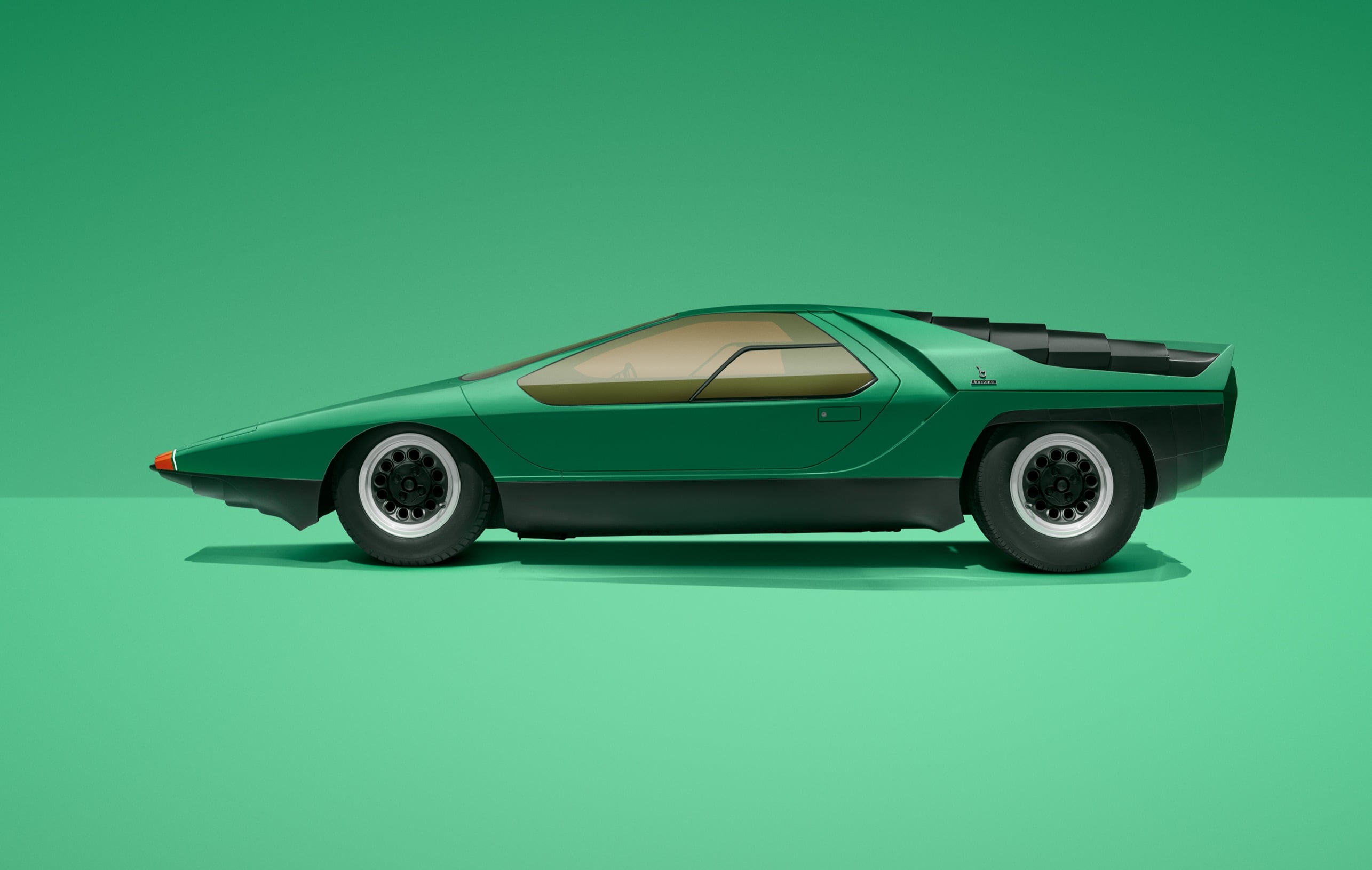
Gallery 1
Driving home from the country recently with one of my daughters, we were talking about cars and driving. That’s not unusual: both my daughters are now of driving age, and it makes me happy that they’re conscious of the activity in which they’re engaged.
We were talking about things like processing the constant stream of information from surrounding traffic, a cloud of dust or smoke beyond a crest, a truck labouring up a distant hill. I write scenarios in my head, which may or may not happen, but it certainly keeps my brain in the game as I drive.
Mostly unrelated to that, Stahlette No.1 suddenly asked me: what would I have imagined cars would look like in 2025, back when I was a kid? (She didn’t say “in the olden days”, as I’d have said … in the olden days).
I was stunned to realise I’d never really thought about it. It’s especially weird, given the hard-core automotive upbringing I had and the entire career that followed. My memory went straight back to the books, magazines and toys I had in the late-1960s and ’70s.
Flying cars were really more of a hangover from the 1950s, but I did have a favourite book that included a particular two-seater flying car with large rotors framed in the bonnet and boot and the obligatory, jet-age glass bubble canopy.
Perpetually propped in front of The Jetsons, which (like me!) first aired in September 1962, that car always struck me as somehow plausible.
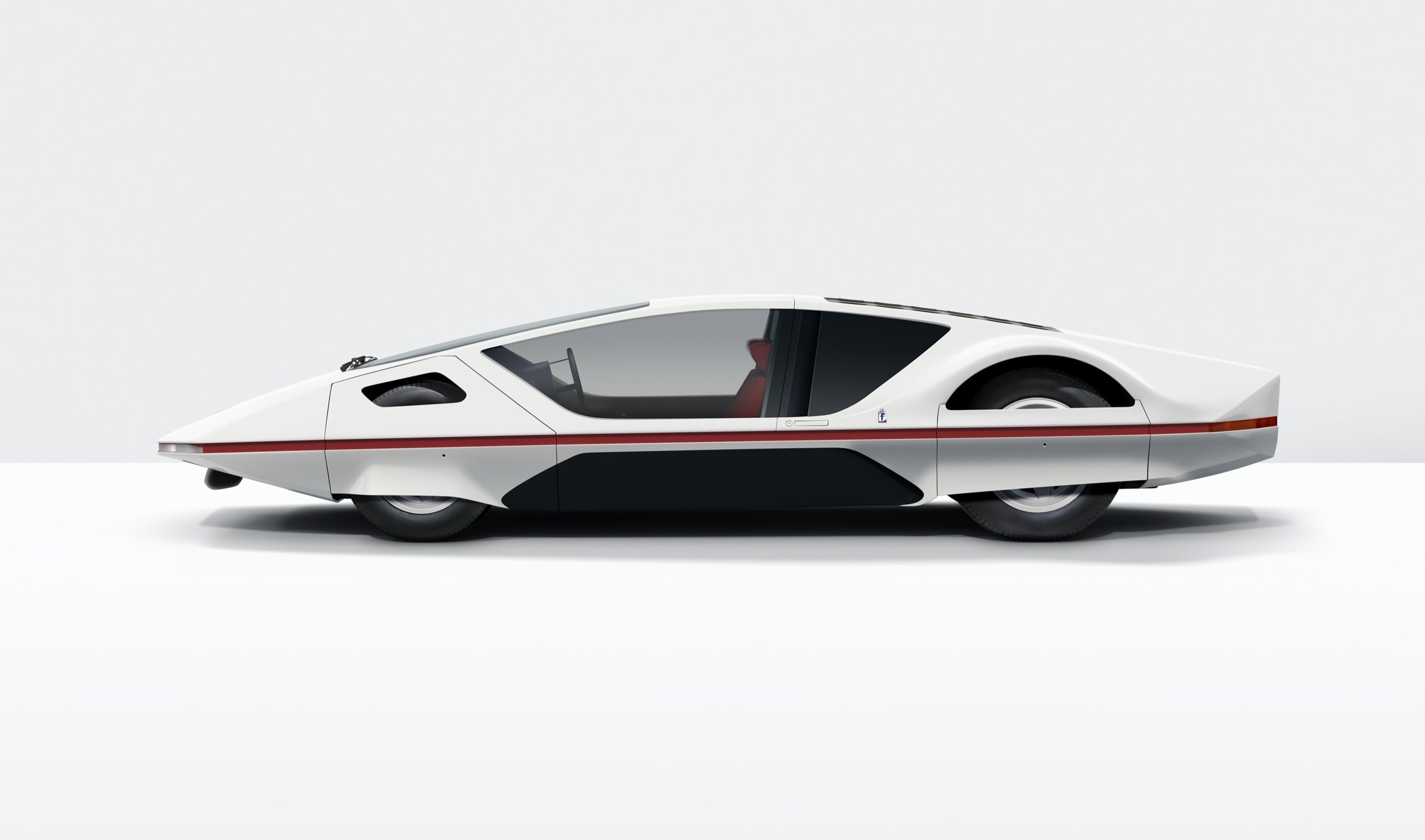
But the cars of the future burned into my childhood brain are almost exclusively late-1960s to early-1970s concepts like the Ferrari Modulo (below), Lamborghini Marzal, Mercedes-Benz C111, Alfa Romeo 33 Stradale and Carabo, and the Lancia Stratos HF Zero.
I had no recollection of the Holden Hurricane from 1969; ironic now, because it is the one “wedge era” concept car that I have driven (Wheels, November 2011). I got big dad-points when my daughter pulled up a pic of the Hurricane on her phone.
None of these cars of the future considered a future that could accommodate more than two people, with luggage. Sure, these were supercars – “dream cars” – but I can’t recall any futuristic takes on three-box or even two-box passenger vehicles, which were the reality of motoring back then.
Oh, George, Jane, Judy and Elroy could magically squeeze into the Jetson family car, even if Astro was sometimes towed in a separate bubble-top trailer. I had to wait another three decades before family packaging and futuristic styling were more credibly addressed by a cartoon, with The Homer.
Certainly, in the early-1970s nobody was predicting the global dominance of the Sport Utility Vehicle. That seed was only planted around the middle of that decade and I think, in Australia at least, my family had a tiny, peripheral part in it.
Skip forward just a few years to the early-1980s and the hot car industry topic was “substitution”. Almost like EVs today, the industry was grappling with a seismic market shift wherein punters were spurning passenger sedans and station wagons in favour of off-road 4WD wagons.
These crude 4WDs were classed as commercial vehicles and thus paid only a fraction of the 57.5 per cent import duty on passenger cars that helped protect the local manufacturers from competition.
A whole wave of buyers sacrificed creature comforts and dynamic ability for the family space and dubious practicality of a Land Rover, Toyota LandCruiser or Nissan Patrol. (The Range Rover was, I’m pretty sure, classed as a passenger car and was twice the price of a LandCruiser).
A small catalyst was my wheel and tyre-dealing stepdad, who recognised that these vehicles were hamstrung by the limited tyres available for their 16-inch steel wheels. Developing a tough 15 x 8” design – the original Sunraysia wheel – opened a much bigger choice of both road and off-road tyres.
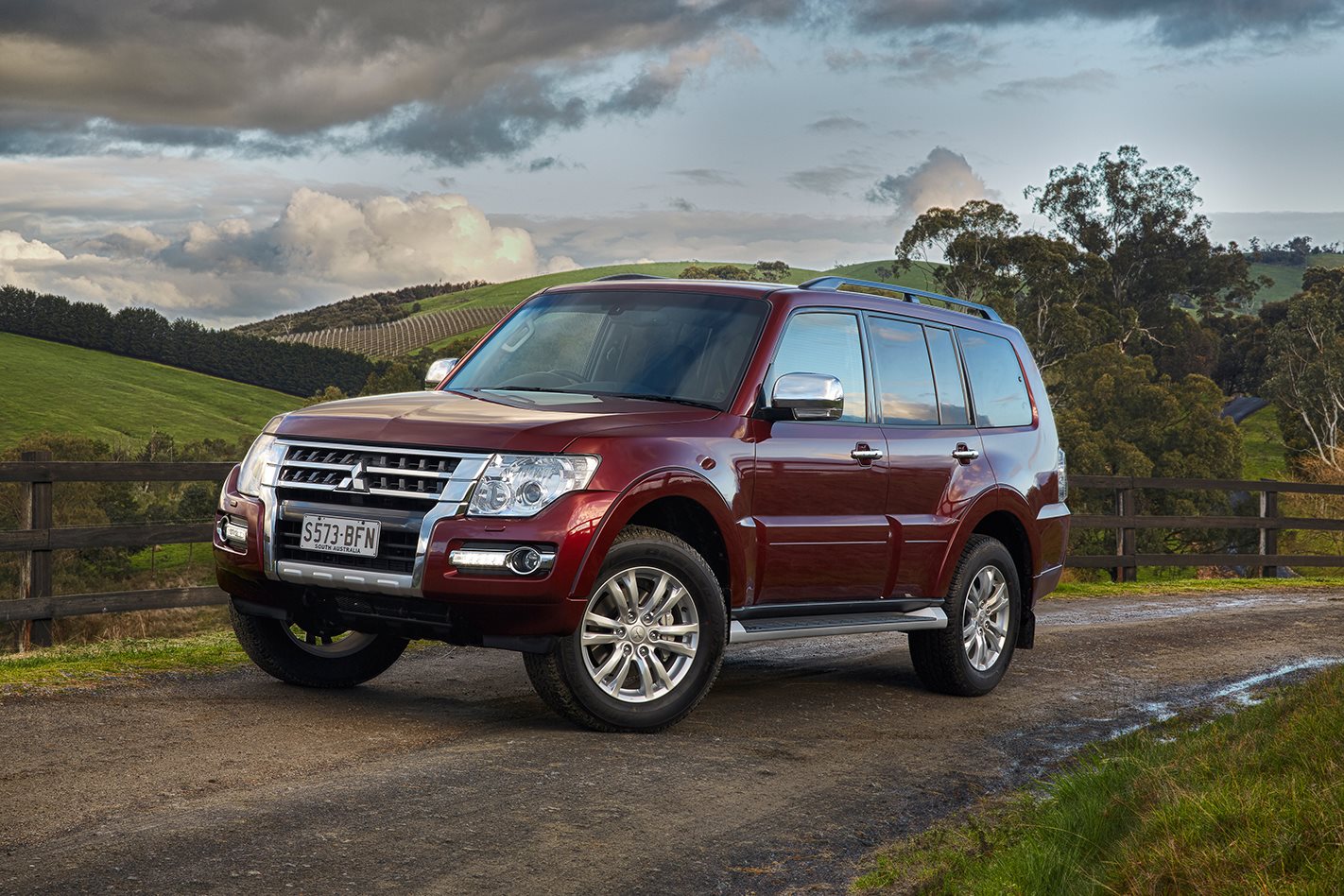
By the early-1980s we were seeing a softer breed of 4WD wagon like the Mitsubishi Pajero (above) and Holden Jackaroo. We were dreaming Birdsville, while the reality was Bunnings.
The article originally appeared in the December 2025 issue of Wheels. Subscribe here and gain access to 12 issues for $109 plus online access to every Wheels issue since 1953.
Follow WhichCar/Wheels on Google
Click the button below to make WhichCar by Wheels a preferred source for your news.

We recommend
-
 Opinion
Michael Stahl: How a classic Aussie car I thought was lost found its way back into my life
A story about a wine-coloured Falcon GT 'barn find' sparked a memory from 40 years ago.
-
 Opinion
Opinion: Should we be asking more questions about the ANCAP safety ratings?
Wheels columnist Paul Gover reckons It’s time to ask some questions about the cherished ANCAP 5-star safety rating.
