Reviews

Gallery 1
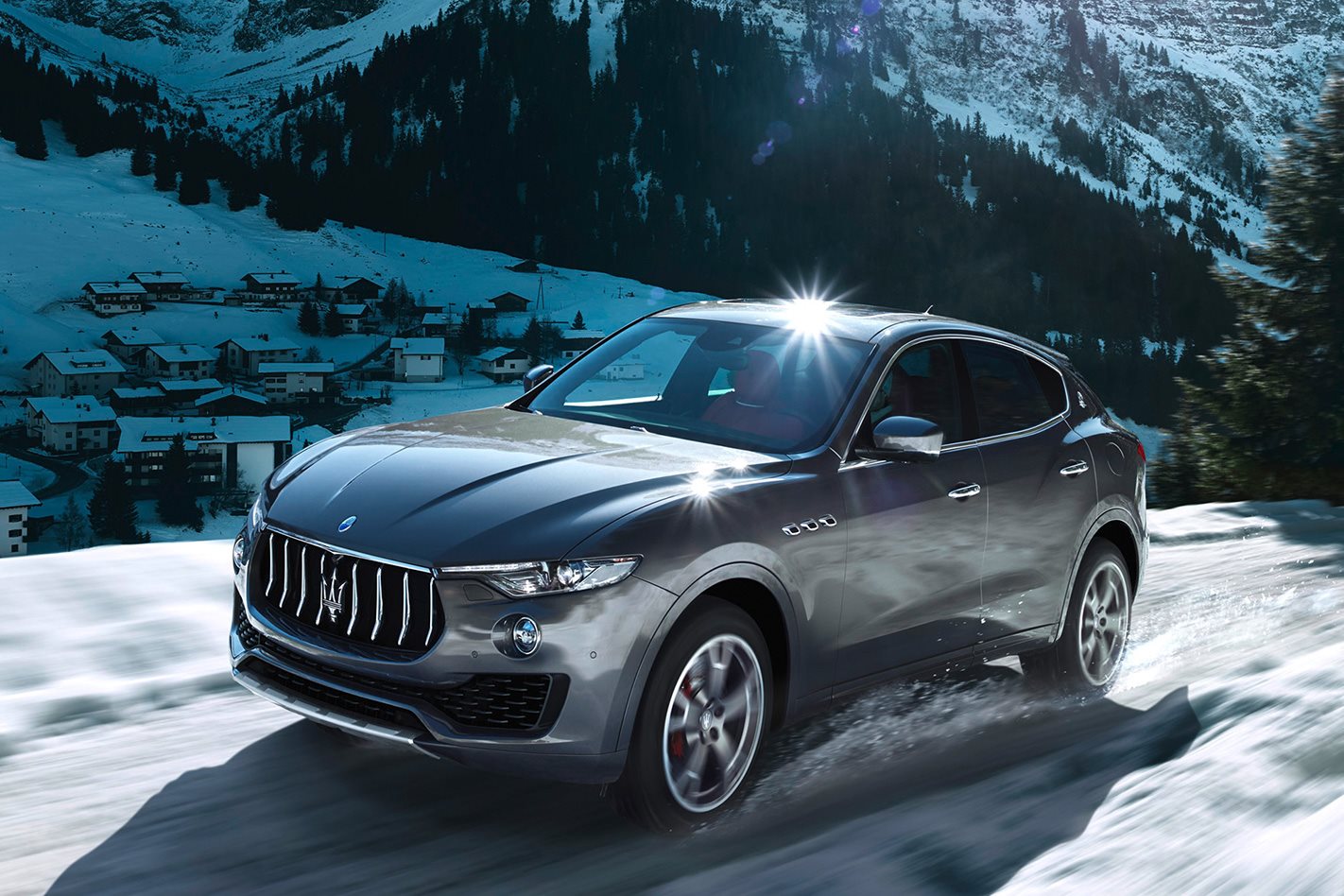
Maserati and suv. The brand and the acronym are unfamiliar with each other – but once upon a time, Porsche and the SUV were strangers, too. And it’s into this same premium SUV market that Maserati has unleashed its Levante.
In an automotive market that has gone SUV-crazy, no premium brand (except Ferrari) can afford not to jump on the SUV bandwagon. The Levante’s not engineered to tackle the Simpson or the Rubicon, but it will happily haul you to the door of your ski chalet or holiday farm.
It has ample performance and most equipment-related must-haves but in Aussie-speak, it’s no proper four-wheel drive. What it does have is a large dose of the italianitá emotion that Maserati does so well, evident in its aggressively pretty design and courageous blend of wool, silk, and leather inside.

In its infancy, the Levante project was to be twinned with the Jeep Grand Cherokee – including, in all probability, US assembly. In view of the differing quality culture accepted by the big three, this would have almost certainly been a recipe for disaster for a Maserati product.
Instead, the Levante is derived from the Ghibli and Quattroporte platform. As a result, the new aluminium-intensive SUV is relatively light, weighing in at 2034kg. Thanks to its origins, this SUV feels agile, firmly planted and – on the right tyre size – quite comfortable.

It’s also a petroholic. Although the manufacturer (and the EU norm police) claim a perfectly acceptable average of 10.9 litres per 100km, we drained the 80-litre tank dry in less than 200km. But any trace of guilt is forgotten when you blip the throttle. The Levante is vocal and alive but – as elsewhere – the fake downshift blat-blat doesn’t seem right.
Among the Levante’s main claims to fame are the low drag coefficient of 0.31, the remarkably spacious rear passenger compartment, the tight turning circle (11.7 metres), the low centre of gravity (only 610mm above street level), the high-speed aerodynamic stability and the astonishing lateral acceleration (0.95g max).

The Levante S shows a nice set of performance figures: 0-100km/h in 5.2sec and 264km/h top speed. The 21-inch wheels and 265/40 and 295/35 tyres might look nice to some but they destroy the ride, tramline like crazy, and unless properly warmed up fail to produce proper grip.
Over the really rough stuff, the Levante bucks to the left and right, requiring constant adjustments at the wheel. The diesel’s smaller 20-inchers (that we also drove) showed far more composure and compliance.

The steel brakes are one of the Maserati’s major dynamic strengths and deserve full points for stopping power and pedal feel. And the claimed 0-100km/h distance is a sportscar-like 34.5 metres. Another asset is its all-wheel drive system; through the eight-speed auto, it drives only the rear wheels most of the time.
But when required the front wheels can, with the help of torque vectoring, be allocated 50 per cent of the available drive. Further assistance is provided by four driving programs labelled normal, sport, ice (for increased control and efficiency) and off-road.

There is no denying that some rivals can claim a softer ride, further reaching headlights, more assistance systems and superior refinement. But when it’s driving that counts rather than comparing it in the parking lot, you can forgive the Levante’s minor flaws for its character and charisma. So, SUV segment, make some room for a welcome stranger.
4 OUT OF 5 STARS
LIKE: Great mix of luxury and performance, snarling six-pot soundtrack DISLIKE: Thirst, ride quality on 21-inch wheels
SPECS Engine: 2979cc twin-turbo V6 , DOHC. 24v Power: 316kW @ 5750rpm Torque: 580Nm @4500-5000rpm Weight: 2034kg 0-100km/h: 5.2 sec Price: TBC
Follow WhichCar/Wheels on Google
Click the button below to make WhichCar by Wheels a preferred source for your news.