Reviews


Gallery 1
WHAT IS IT?
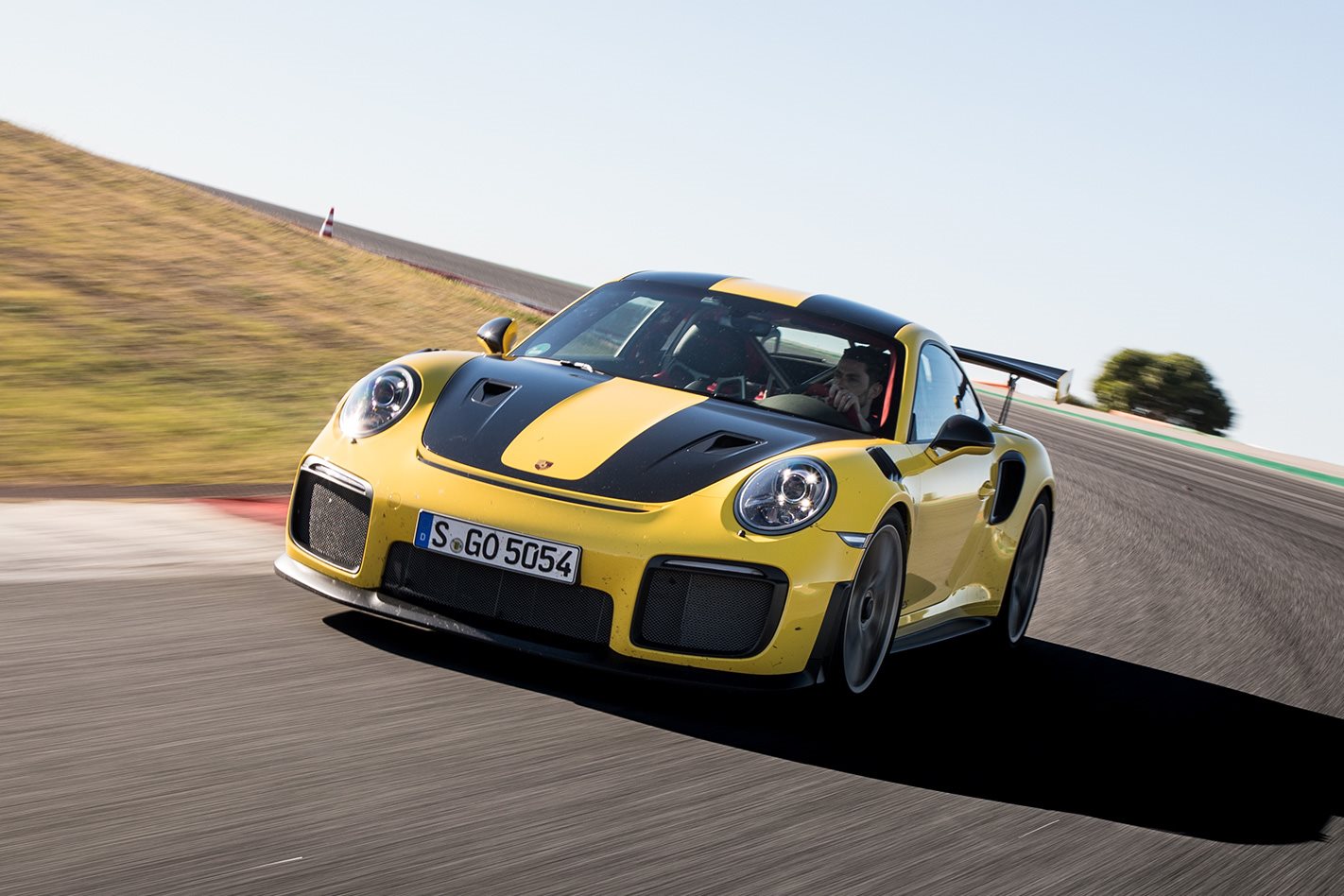
The alpha male of the 911 range. It’s the GT2 RS, a car infamously known as the Widow Maker and, in this fourth-generation form, as the most powerful road-going 911 ever built. Power comes from the same basic 3.8-litre twin-turbo six used in the Turbo S, only tweaked to produce 515kW/750Nm, sent solely to the rear wheels. Meaning it should be a bit of a handful…
WHY WE ARE DRIVING IT
To see just how much of a handful it is. Porsche happily admits it wanted the GT2 RS to be an animal; a car that commands respect. Even Mark Webber, who helped with the GT2’s development and is used to driving F1 cars, warns this is a machine that should be approached with caution.
McLaren 720S, Ferrari 812 Superfast, Ferrari 488 GTB, Lamborghini Huracan Performante, Porsche 911 GT3 RS
PLUS: Prodigious speed; powertrain immediacy; braking performance and feel; chassis dexterity; edgy personality MINUS: Prodigious price tag; cost of Weissach pack; tyre noise; exhaust drone
IT’S NOT quite a gasp, more a sharp, involuntary hiss that rushes through my teeth as I hit the brake pedal at 290km/h and watch, wide-eyed, as the shimmying silver rump of a 918 Spyder grows ever larger through the windscreen.
Porsche’s reborn 911 GT2 RS is fractionally better under brakes than its four-year-old hypercar (thank a lighter 1440kg kerb weight), but for a heartbeat I panic, worried I’ve left it too late to hammer the left pedal.
A finger of white hot fear flashes up my spine as I quickly calculate the cost of this potentially monumental cock-up ($1,500,000 + $645,700 = $2,145,700) but then the GT2’s Michelins bite, the moment passes, and we’re off again: me in the GT2 chasing Porsche’s test driver as we climb and turn around Portugal’s Portimao circuit.
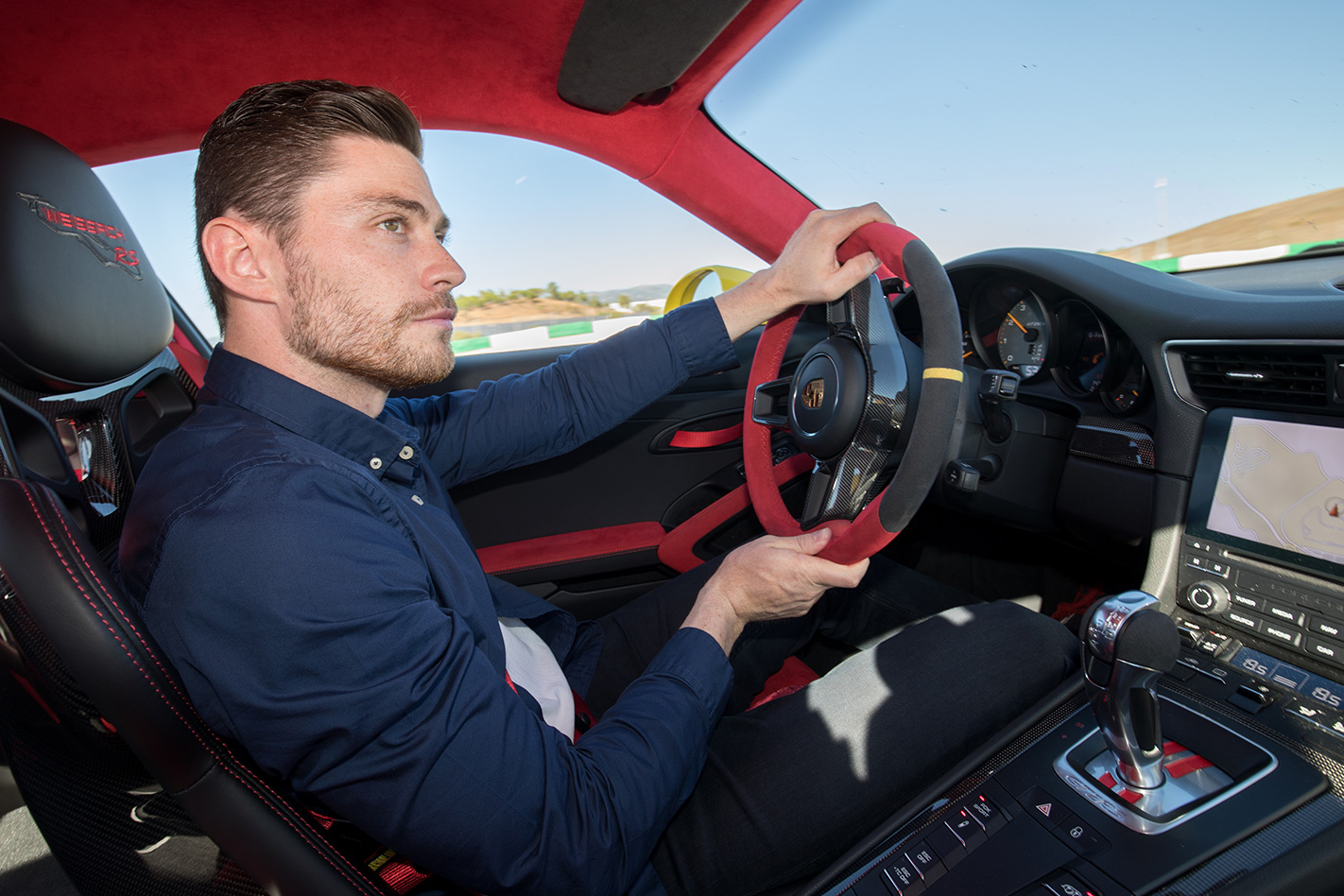
Porsche proudly admits it wanted the GT2 to be wild, to command respect, and even Mark Webber, a man capable of extracting the maximum from an F1 car and who helped develop the GT2, says it needs to be driven with a degree of caution.
It’s enough to make you think Porsche’s 911 flagship will be boosty, edgy, unforgiving, unpredictable. Yet strangely, it’s not. Well, not intimidatingly so. Yes this is a car that demands your full attention when driven quickly, but it’s no window-licking, straitjacket-wearing lunatic. It’s easier to explore the outer limits of grip than I expected, to hold small slides on corner exit and revel in the sheer power and tsunami of torque delivered by the twin-turbo six.
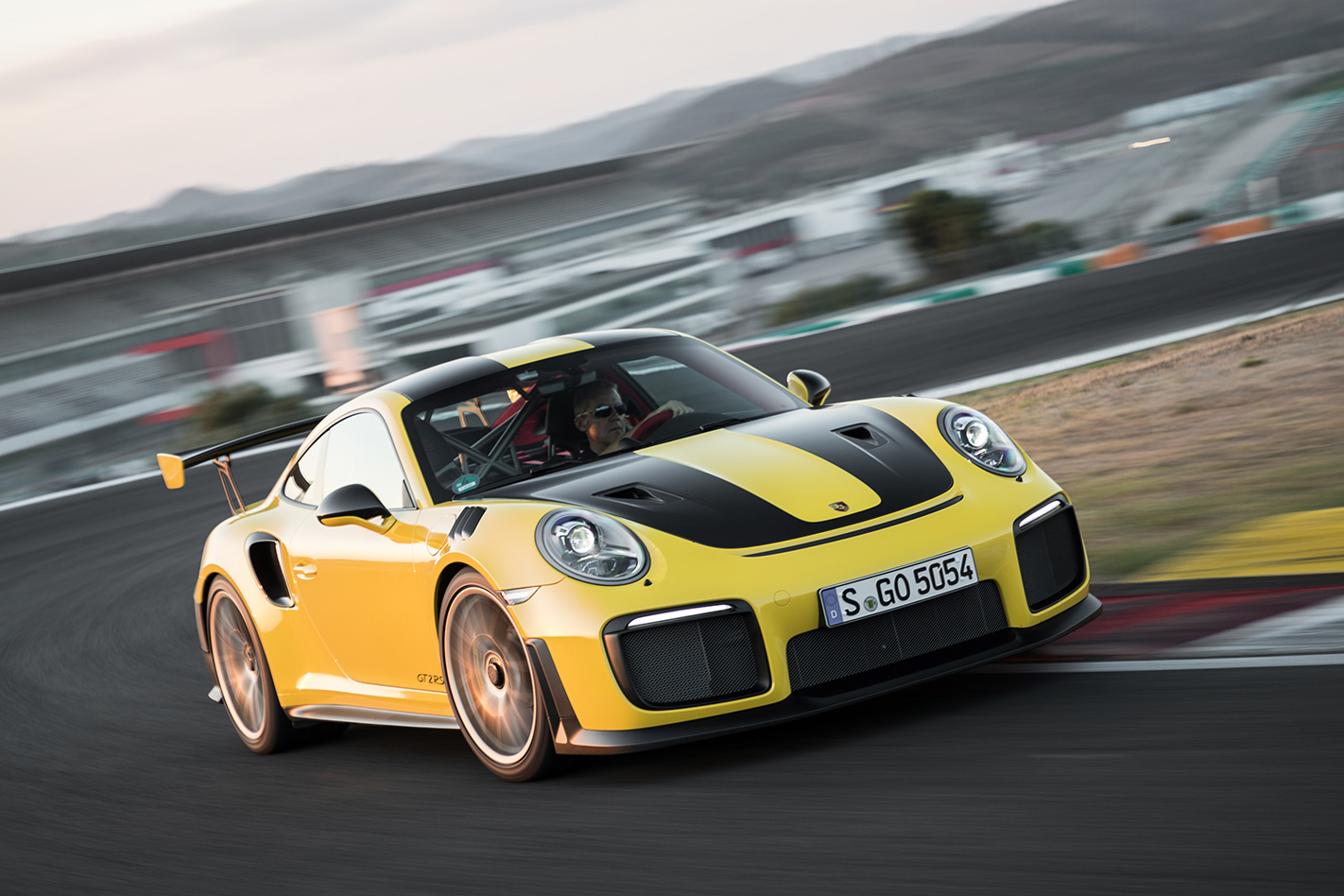
Deploy all this at the track and the results are remarkable. I can’t think of a stronger factory-spec turbocharged engine on sale and it’s a unit that oozes its own unique personality. Truly engaging turbo engines are rare, and while it mightn’t have the spine-tingling howl or stratospheric top-end of the GT3’s free-breathing 4.0 (max engine speed here is 7200rpm), the GT2 is angrier, with a blunter, beefier soundtrack that seems to come from deep within. And the way it accelerates is ferocious. Porsche claims 0-100km/h in 2.8sec but it’s how the GT2 piles on speed beyond three figures that’s most impressive.
Even at 290km/h at the end of Portimao’s long straight it’s pulling just as hard; no fuss, no unnerving wobbles or hiccups, just pure, unrelenting speed. This makes it wildly addictive on track, but point the GT2’s jutting front splitter at the public road and it demands a slight recalibration. Suddenly, even gentle squeezes of the throttle, or swift prods to execute an overtake, result in velocities that will have the authorities scrambling for their infringement pads. The strengthened seven-speed PDK gearbox, which uses shorter ratios and elements from the 918 Spyder, plays a part here too, delivering swift upshifts to make the torrent of acceleration feel virtually seamless.
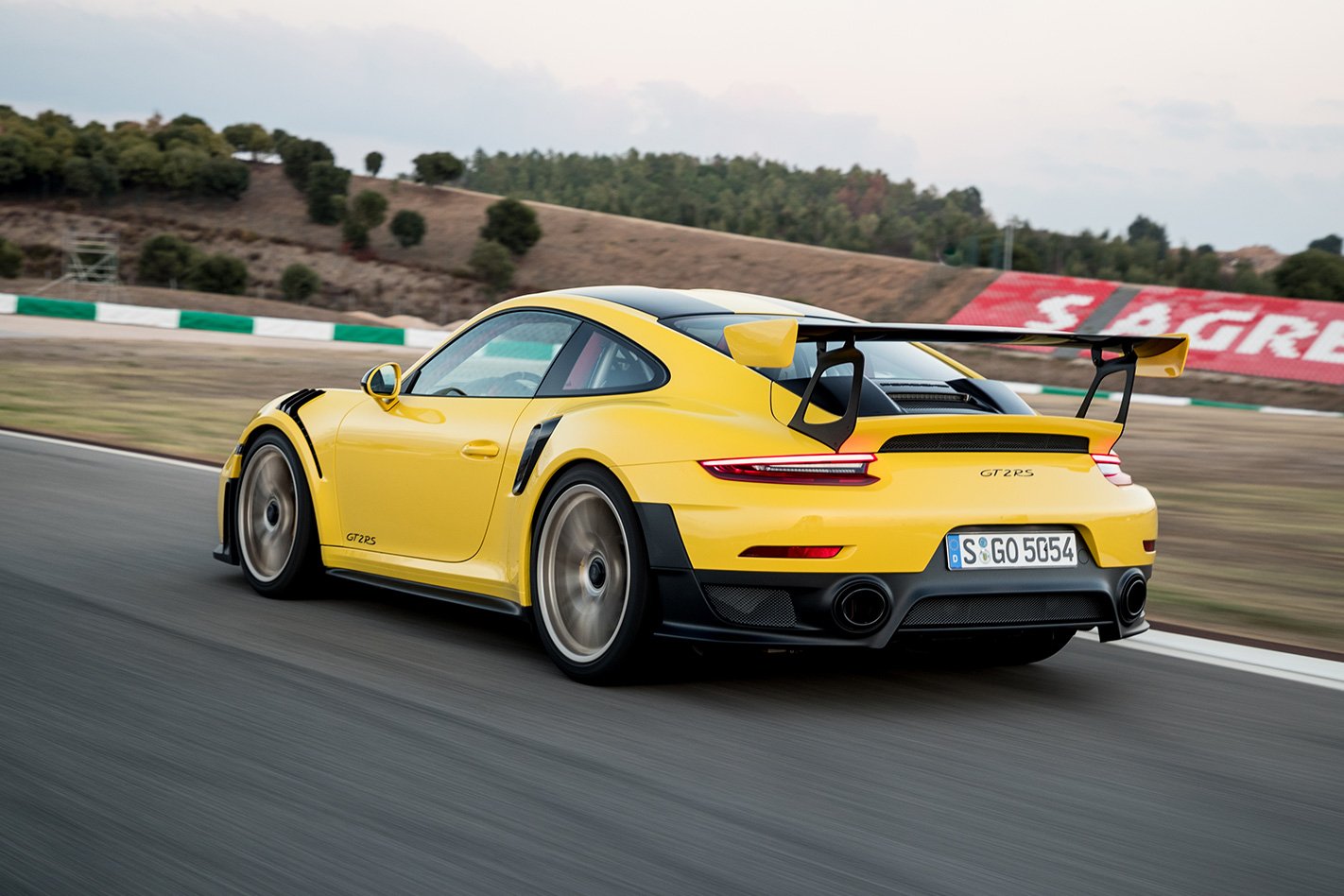
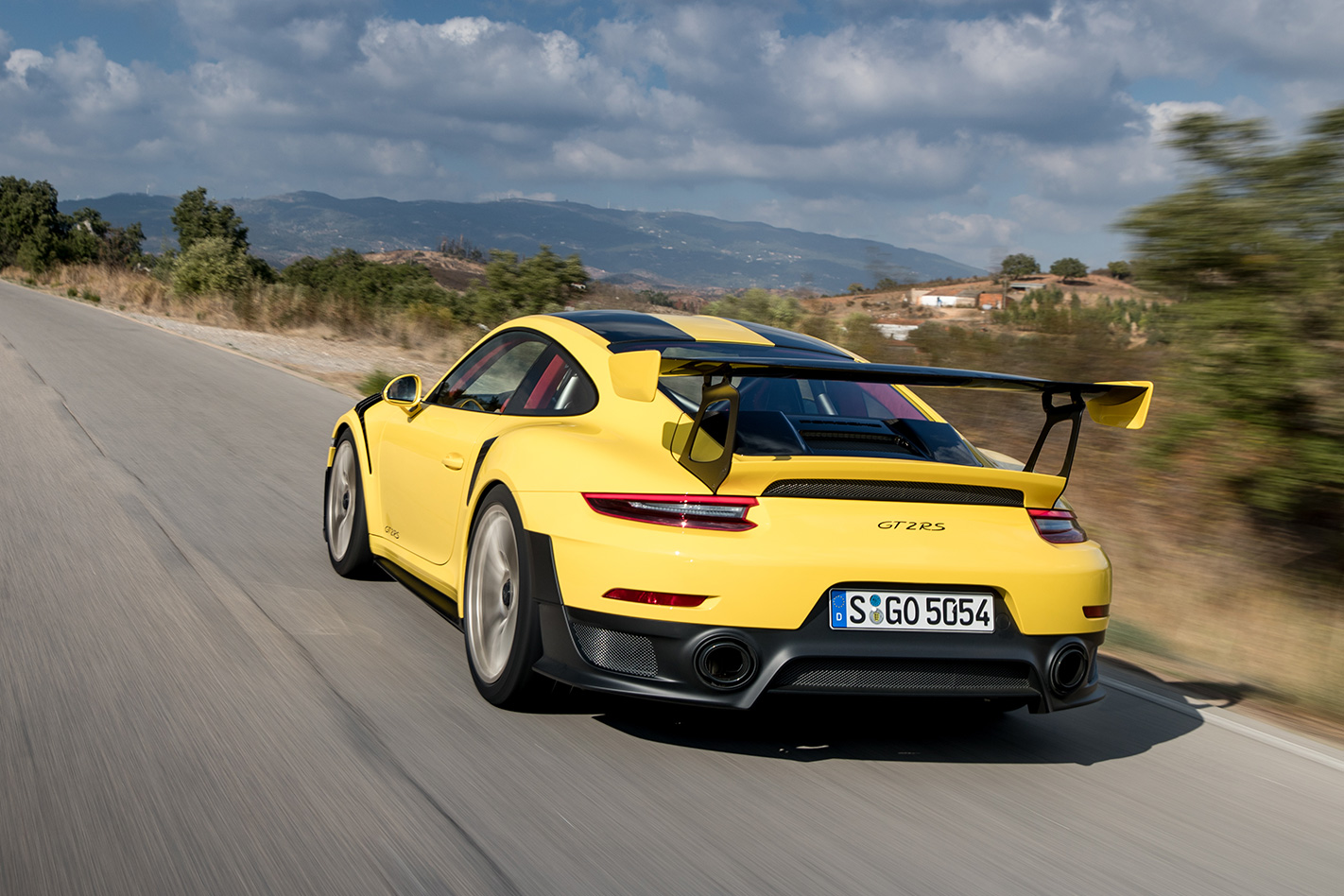
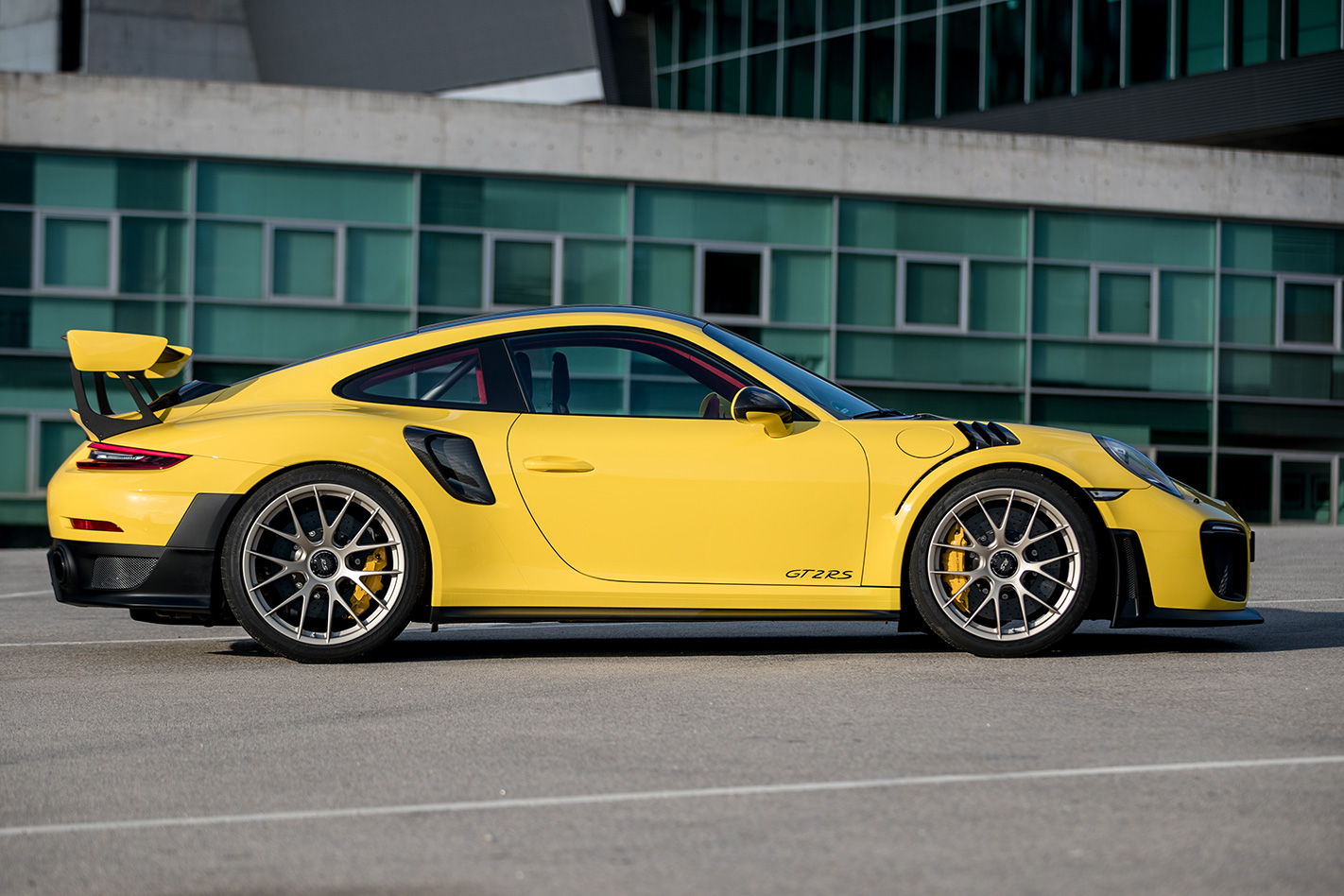
There’s aero trickery afoot too. Like the GT3, the GT2 uses the wide body from the Turbo but the aero package is more aggressive, with wider intakes at the front and on the bulging haunches, taller carbon fins over the front wheel arches and a huge, adjustable rear-wing.
Those seeking an even more hostile appearance and performance bent can tick the optional Weissach pack that, for $69,990, adds a titanium rollcage, carbon anti-roll bars and suspension couplings, magnesium wheels, and a carbon roof in place of the standard magnesium one. You also get carbon spokes on the steering wheel and carbon shift paddles, a six-point racing harness, plus bonnet stripes and PORSCHE emblazoned across the rear wing. All up the pack saves 30kg, bringing the GT2’s kerb weight down to 1440kg (just 20kg more than the GT3 RS, despite the extra hardware), and Porsche expects 80 to 90 percent of owners to go for it.
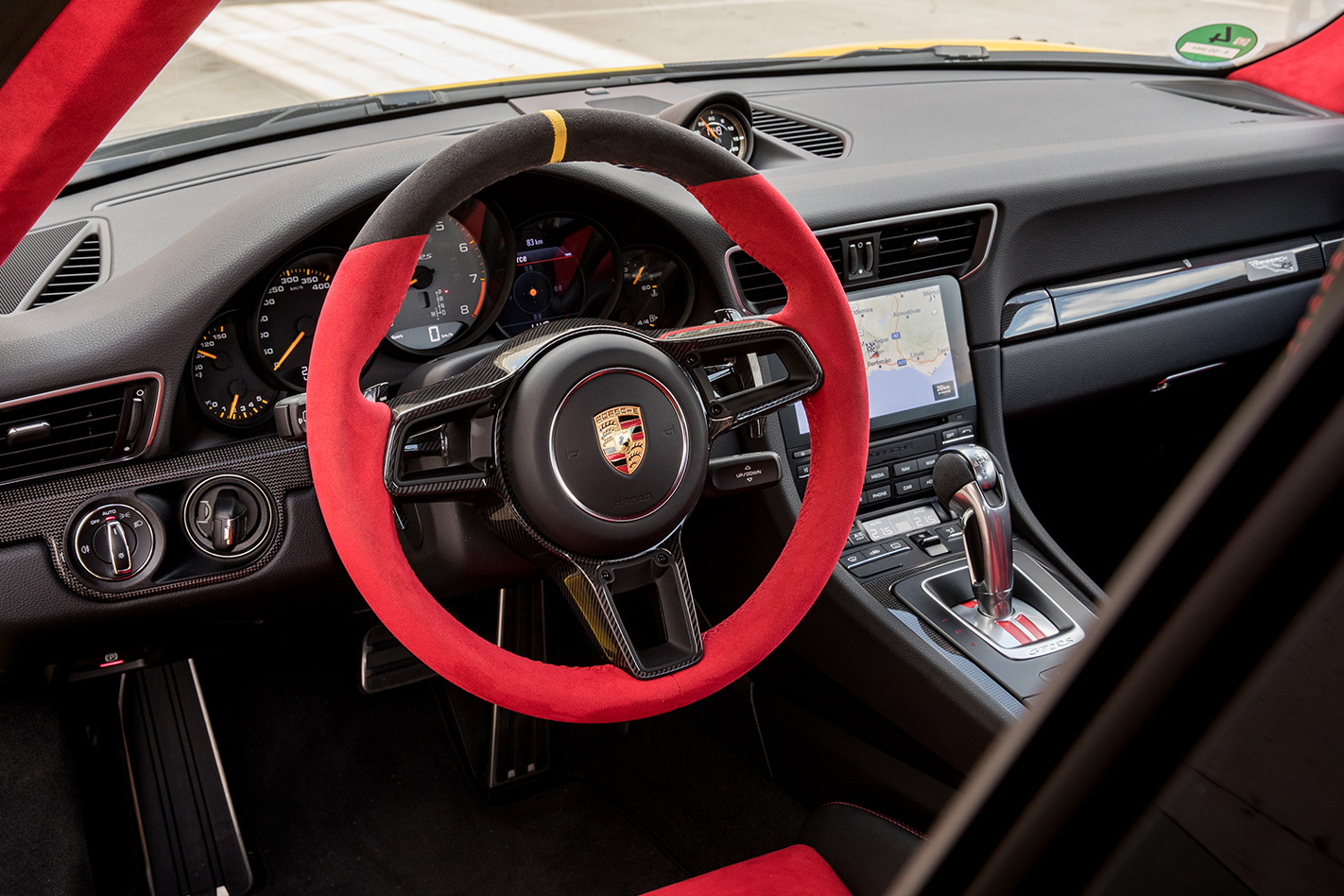
The risk with being so heavily turbocharged is that the GT2 will feel boosty and lethargic, especially at low rpm, yet it’s surprisingly responsive. And I’m stunned at how the power builds as the tacho sweeps through the rev range. There are no engine modes to play with, just a PDK Sport setting for the gearbox, a button for the dampers and another for the exhaust, and while there is some lag low in the rev range (peak torque arrives between 2500 and 4500rpm), the base engine is strong enough that it never really feels off boost. And because the power delivery is so immediate, with slight adjustments of the throttle altering the car’s attitude, it’s easy to attack in the GT2.
But it’s the stream of feedback that defines the experience. Information fed through your hands, feet and bum provides an uncommon connection to the road; enough to sense, in detail, when the Michelins are approaching the limits of adhesion.
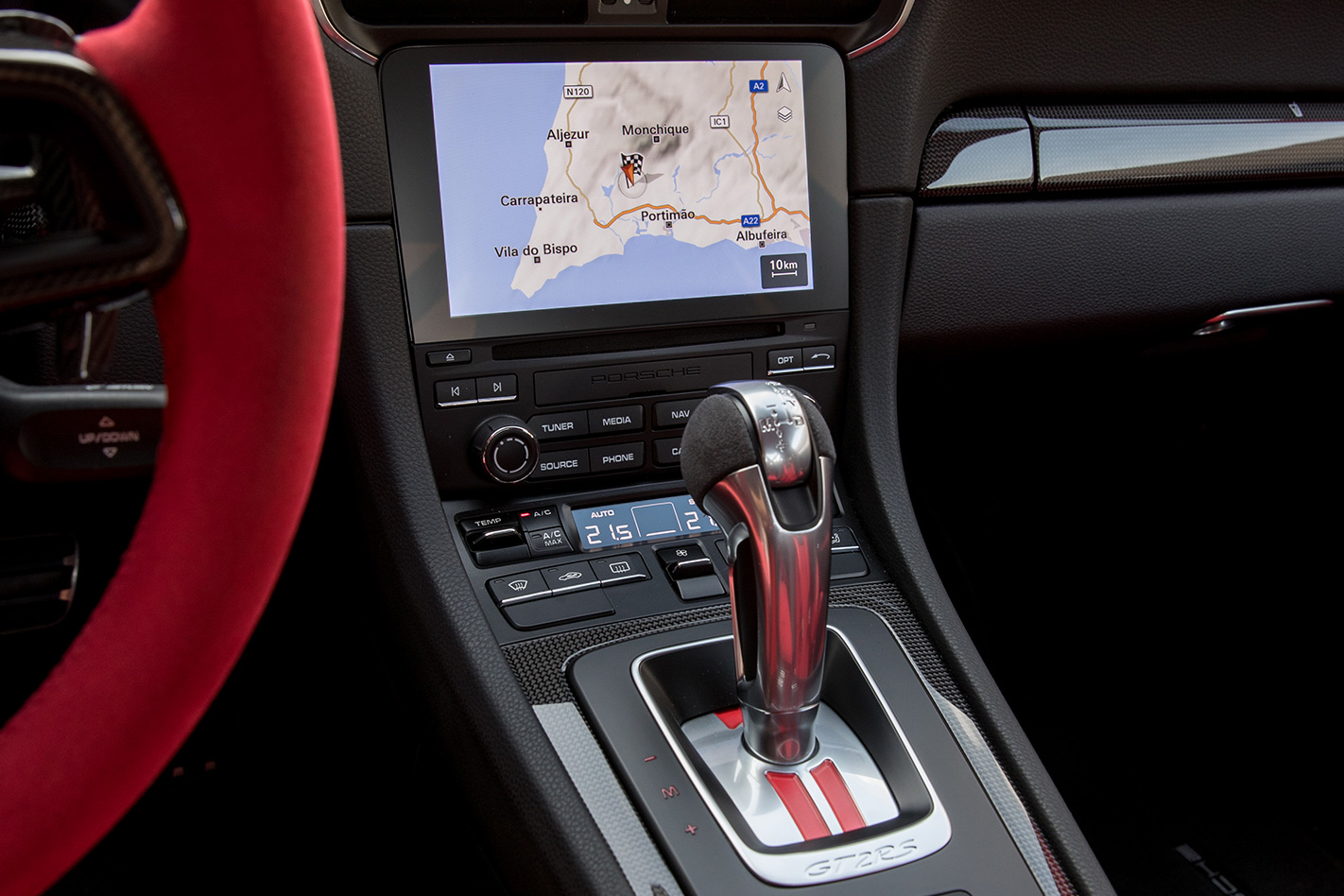
Yet despite the obvious highs, the GT2 isn’t as intuitive or as forgiving to drive on the limit as a GT3. Perhaps it’s the weight of the turbos, but you’re more aware that the GT2 is rear-engined; that a significant portion of the car’s mass is positioned behind the rear axle. And despite the immediacy of its controls, if you lift fractionally mid-corner or get too greedy on corner exit, there’s an edginess lurking beneath the surface that harks back to GT2s of old.
On the road, things are surprisingly civilised. There’s no escaping that the track-focused suspension is taut, but it never crashes through. And while you do notice the lack of travel over big bumps, the body is tightly controlled, at least on Portuguese back roads. It feels as agreeable as a GT3, only arguably takes less effort to drive quickly. Where the GT3 comes alive high in the rev range, the GT2’s huge reserves of torque make it an instantly gratifying experience, as the PDK quickly and intuitively cycles through the ratios to keep the engine in its fat mid-range. Only a high degree of road and tyre noise, and a booming exhaust drone under light load (if you leave the exhaust button switched on) detract from what is an otherwise perfectly liveable experience on the road.
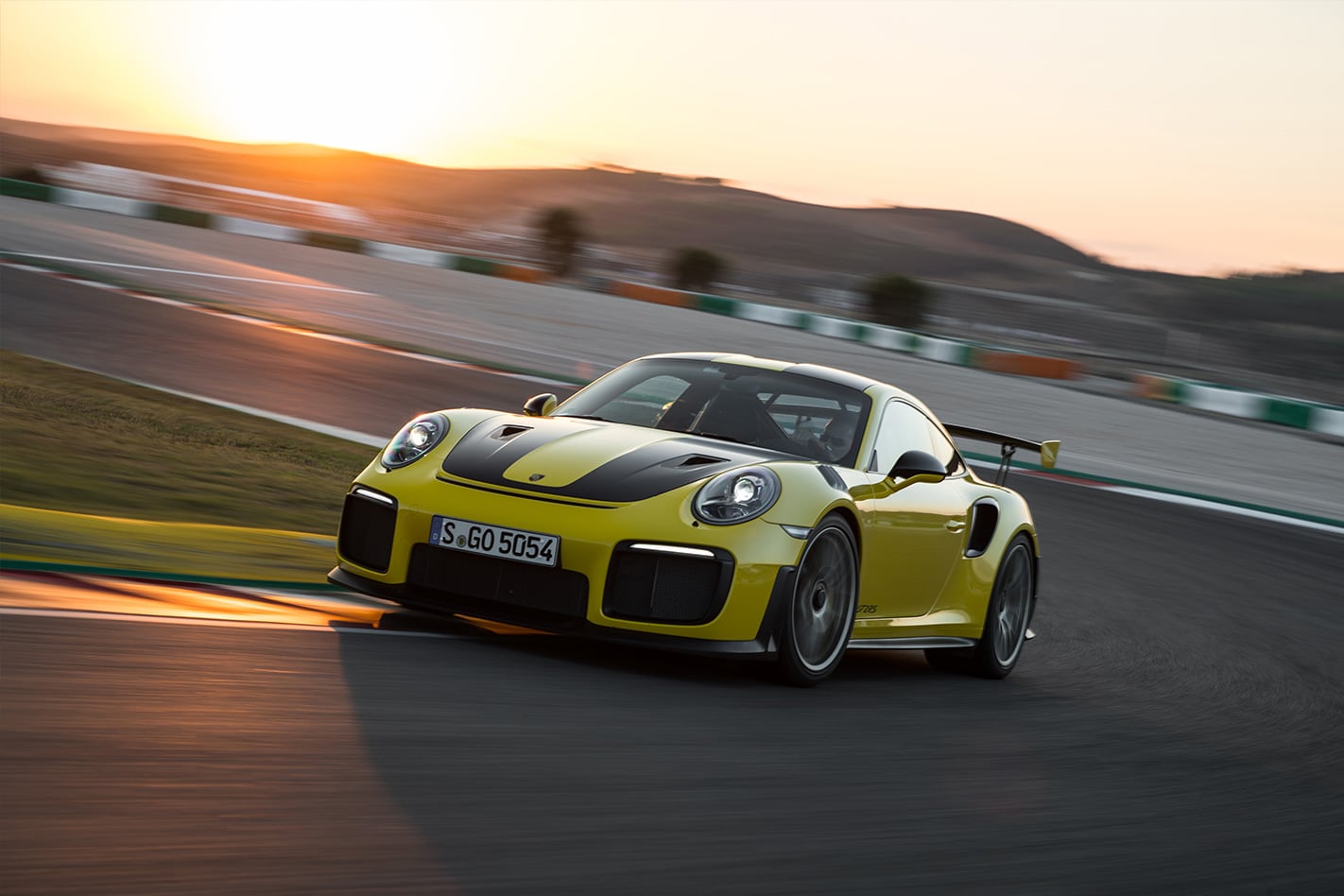
2018 Porsche 911 GT2 RS Specs
Model: Porsche 911 GT2 RS Engine: 3800cc flat-six, dohc, 24v, twin-turbo Max power: 515kW @ 7000rpm Max torque: 750Nm @ 2500-4500rpm Transmission: 7-speed dual-clutch Weight: 1470kg 0-100kmh: 2.8sec (claimed) Economy: 11.8L/100km Price: $645,700 (162,600 more than a Turbo S cab) On sale: Q1 2018
%MCEPASTEBIN%
Follow WhichCar/Wheels on Google
Click the button below to make WhichCar by Wheels a preferred source for your news.