Comparisons


Gallery 1
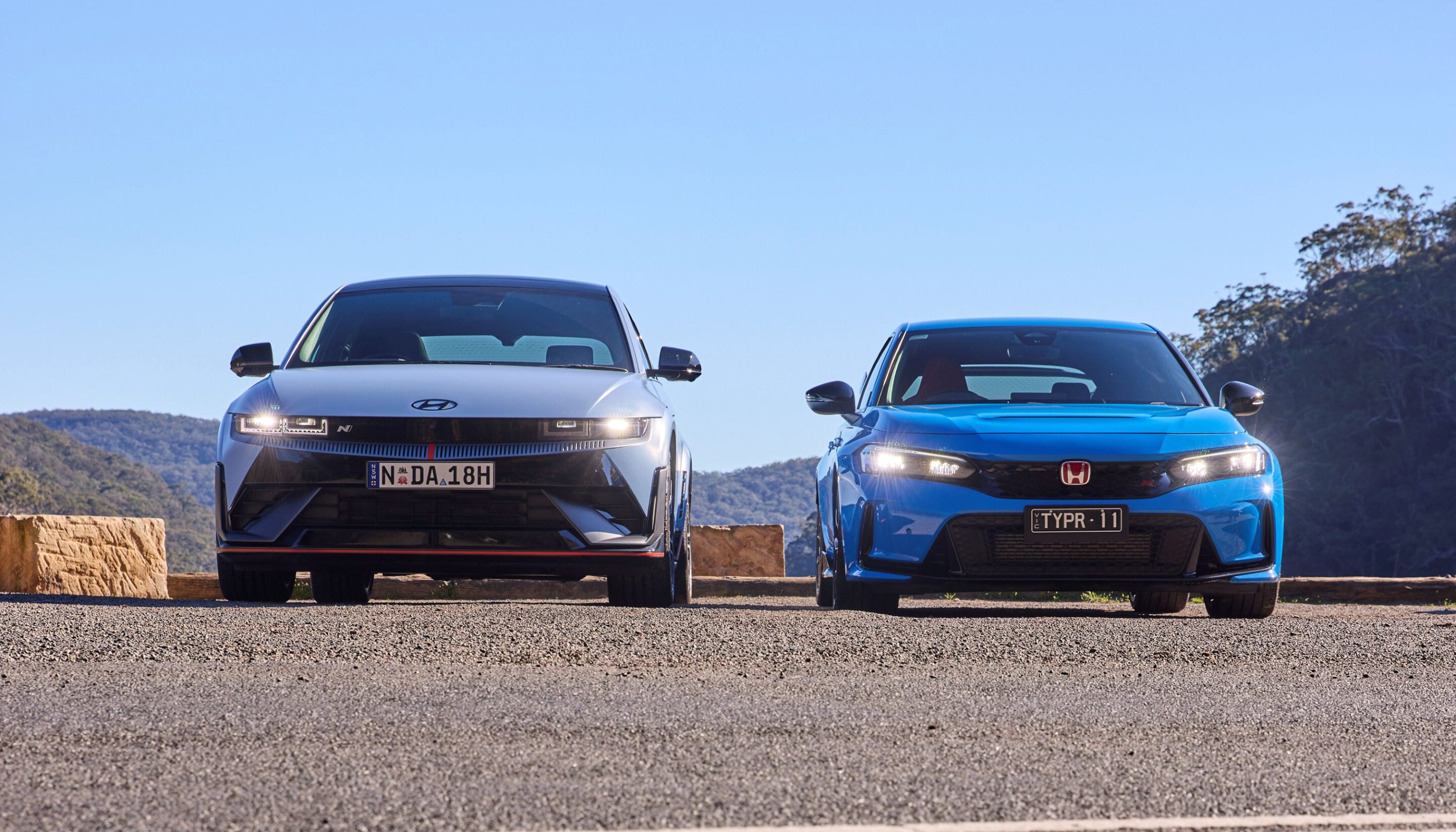
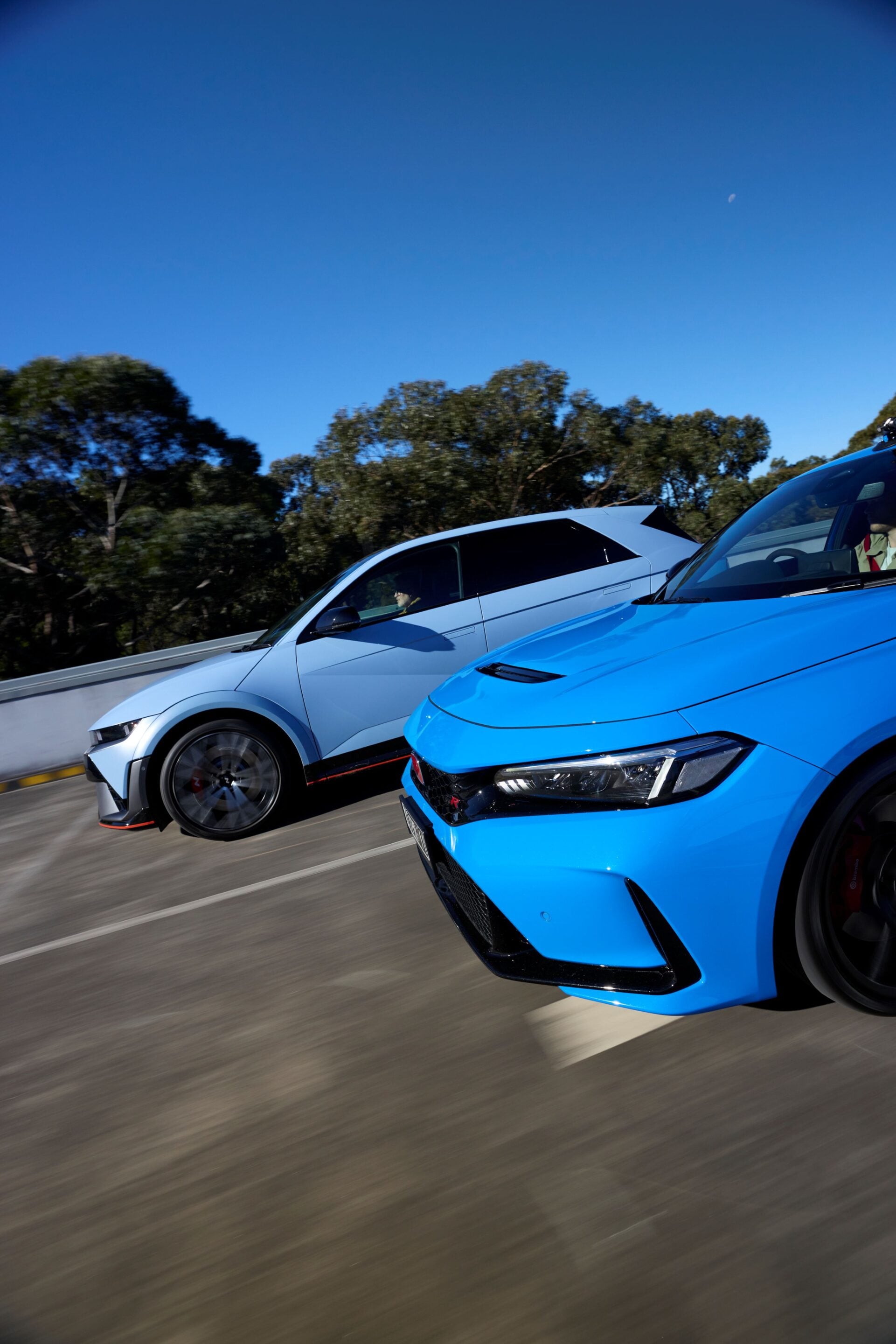
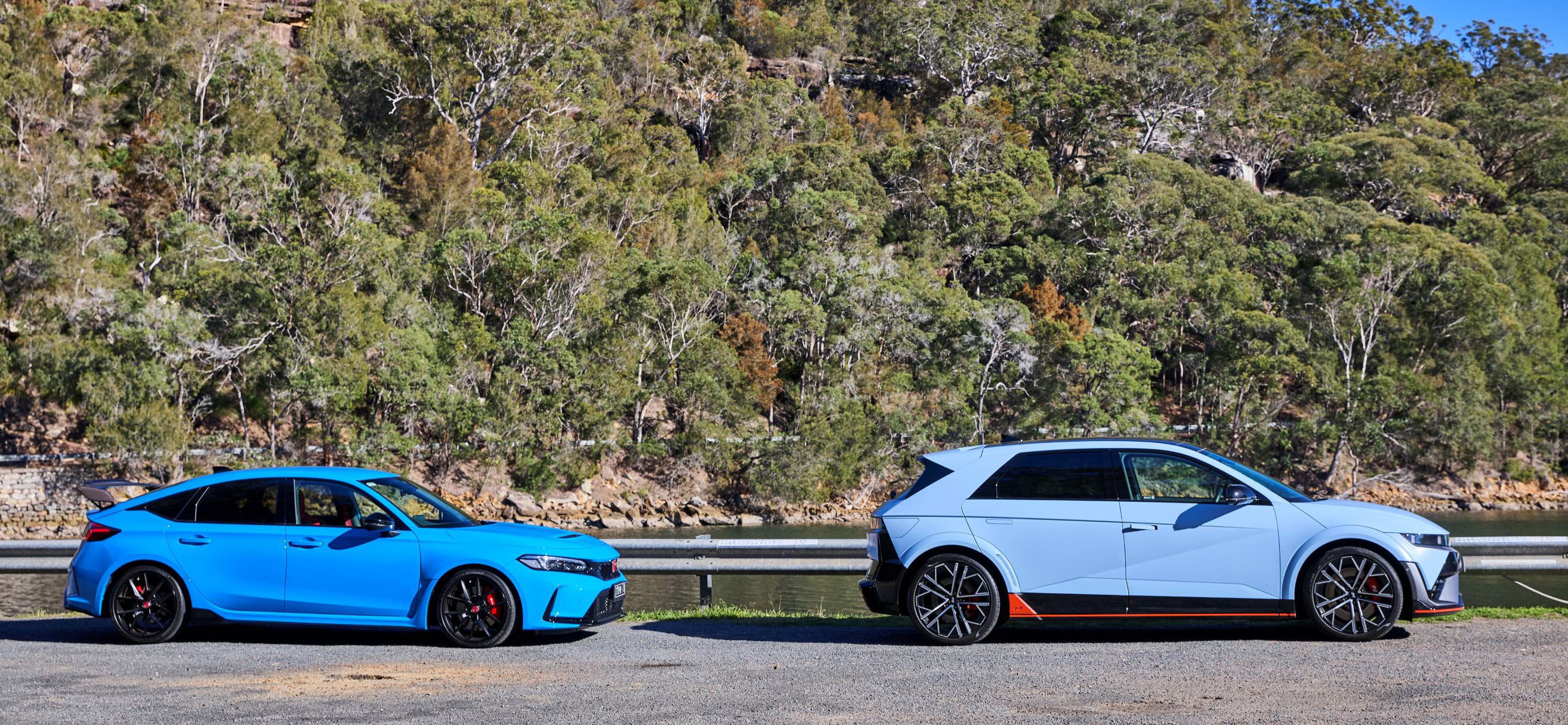
Pitting an icon of the hot hatch genre against an electric crossover hi-po SUV might not seem like an obvious comparison.
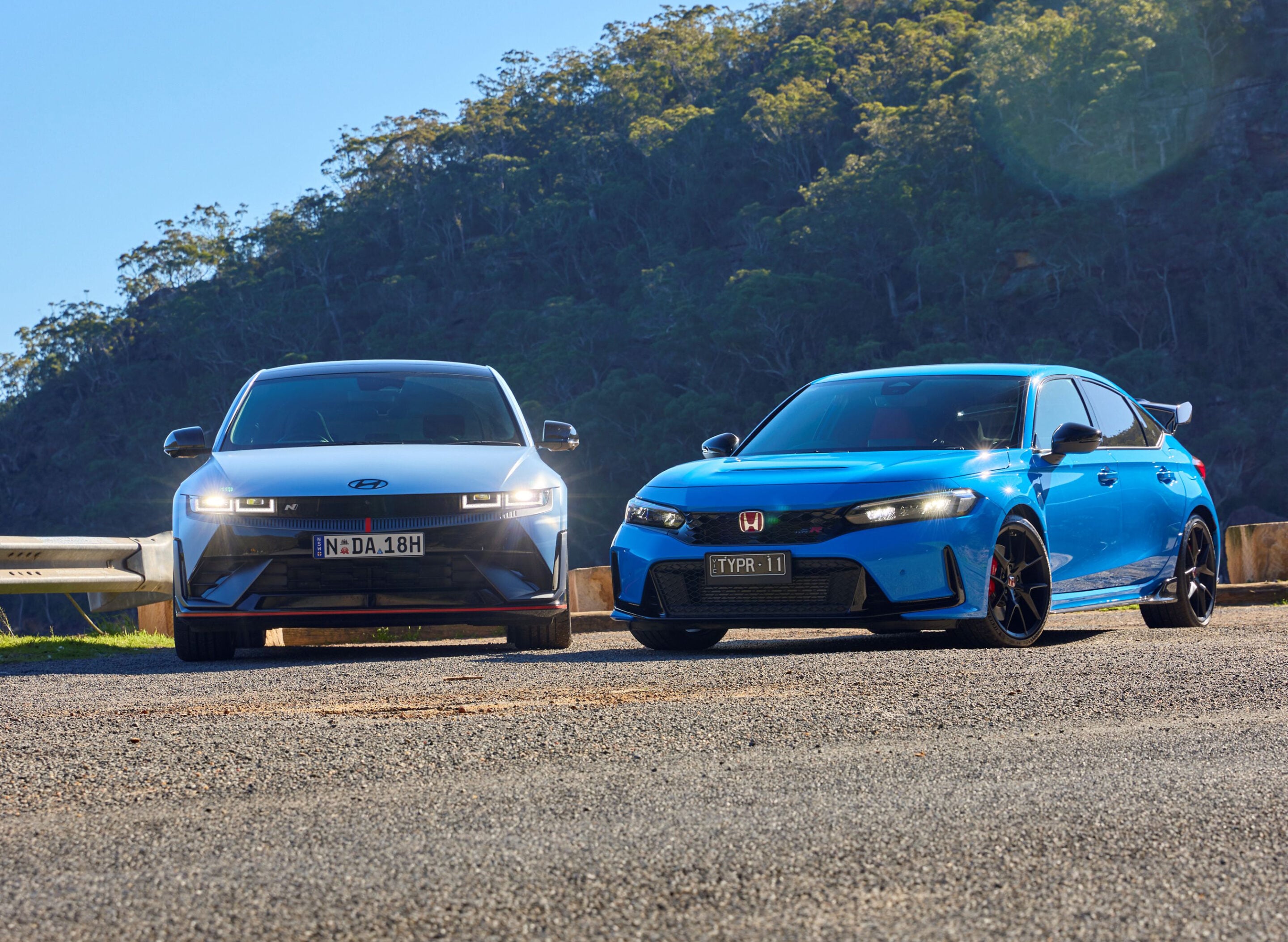
And yet, that’s exactly what we’ve done here with the Honda Civic Type R and Hyundai Ioniq 5 N. One is decidedly antediluvian, the other a glimpse into the future.
And yet both seek to answer the same question of what makes a truly great performance car, one that promises and then delivers driving enjoyment and engagement in a way fewer and fewer cars today can.
If anything, the two cars here are proof that there is no simple ‘one-size-fits-all solution’ when it comes to performance motoring.
But can an electric upstart, one that has rewritten the rulebook of what an EV can be, really match it with one of the greats of the hot hatch world? There’s only one way to find out.
1
The contenders
Our two combatants couldn’t be more different. In the new-age corner, the battery-electric Hyundai Ioniq 5 N redefines what constitutes a modern performance car.
More than just fast in a straight line, the Ioniq 5 N brings a breadth of ability that few EVs can match. It was revelatory when launched in 2024, a battery-powered statement of intent, proof that an EV could be more than simply fast out of the blocks. Instead, Hyundai’s tech wizards ensured the Ioniq 5 N looked, felt and sounded like a genuine driver’s car. We were impressed enough to award it 2024-25 Wheels Car of the Year.
On the other side of the fence, creating drivers’ cars out of otherwise ordinary commuters is engraved in Honda’s DNA. Nothing typifies this more than the Honda Civic Type R which through six generations has defined, then honed, the Japanese brand’s razor-sharp focus on performance.
Australia has had an intermittent love affair with the Type R, the first example of Honda’s pocket-sized powerhouse not making its way here until 2007. It proved underwhelming, a naturally-aspirated hot hatch swimming against the turbocharged tide.
It wasn’t until the arrival of the fifth generation in 2017 that Australia finally had a Type R with a turbocharger that could really hold its own against an armada of rivals from Europe and Korea. We were smitten.
Today’s Civic Type R sells out in Australia almost as soon as they’re driven off the boat from Saitama, Japan. A recent batch of 100 cars was accounted for before they even left those shores. That didn’t stop us snaffling one for this comparison between an old school, turbo-petrol powered, manual hot hatch and a new age, battery-electric driven crossover SUV that reshapes the conversation around what the future of performance cars looks like.
1
Pricing
Honda hasn’t been afraid to stretch the limits here. When the sixth-gen Type R launched here in 2023, it wore a driveaway price of $72,600, already at the upper end of the hot hatch segment.
Fast forward to today, and that sticker now reads $85,000 driveaway, although updates and the inclusion of that striking Modulo carbon-fibre rear wing as standard (it was previously a $5300 option) go some way to mitigating the move by Honda Australia’s accountants.
On paper, the Hyundai Ioniq 5 N, priced from $114,918 before on-road costs – translating to around $123,000 driveaway (in NSW), according to the Korean brand’s online calculator – is no match for the Civic Type R it’s up against here.
But this isn’t a comparison based on price. Instead, this is a celebration of two very different engineering solutions to the question of what makes a great performance car. A driver’s car.
Both answer the question, but how each arrived at the solution is vastly different.
Performance recipes
Two wildly different approaches underpin our two rivals.
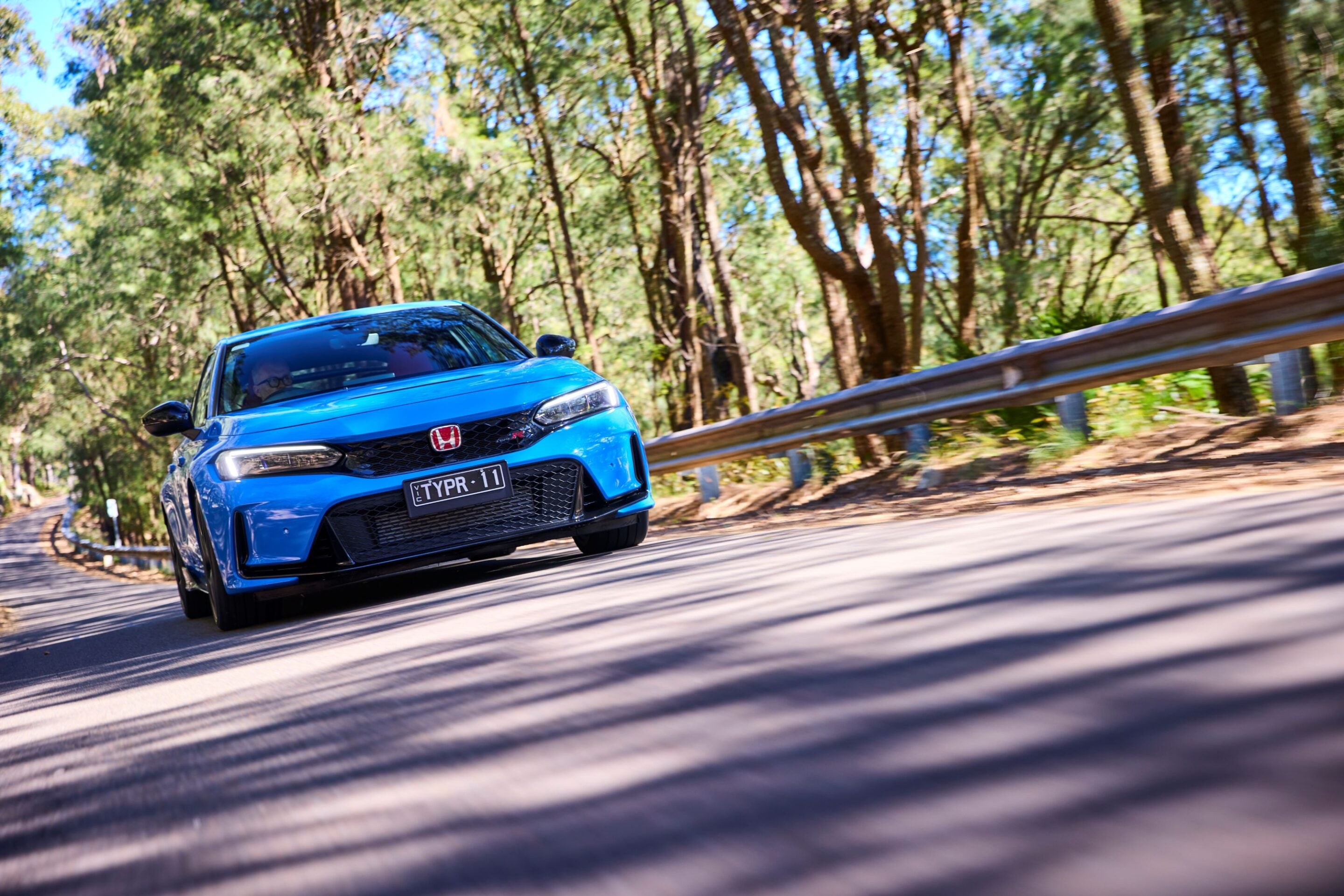
In the Honda corner, a 235kW/420Nm 2.0-litre turbocharged four-cylinder is matched with a deliciously old school six-speed manual transmission sending all of that engine’s VTEC glory to the front wheels.
Zero to a hundred? A claimed 5.4 seconds, which is put in the shade by the Ioniq 5 N but faster than the Golf GTI and Hyundai i30 N.
1
Purists might decry the Type R’s front-wheel drive platform, but Honda deserves praise for doggedly resisting the prevailing trends, eschewing the modernity of dual-clutch automatics and all-wheel drive. This Type R is as pure as it gets in 2026.
The gearbox is, in short, a work of art. Six close ratios accessed via a stubby gear lever through a gate that’s rewardingly tactile is a lesson in how to do a manual transmission right. Add in a rev-matching system that electronically blips the throttle on downshifts, or allows for flat-shift upshifts, and you have the hallmarks of a finely tuned driver’s car.
But more than just an engine and gearbox, Honda’s clever chassis engineers have come up with a package – thanks in part to the clever helical limited-slip differential at the front axle – that not only all but eliminates the inherent torque-steer of a front-wheel drive car, but brings prodigious levels of grip and stability during more adventurous driving and cornering.
The adaptive suspension – dual-axis MacPherson struts up front and independent multi-link out back – prioritises performance over comfort, i.e. it’s always firm under wheel, but how firm depends on the selected drive mode. There are four of ’em – Comfort, Sport, +R and Individual – that alter the chassis, throttle response, steering and enhanced engine sounds.
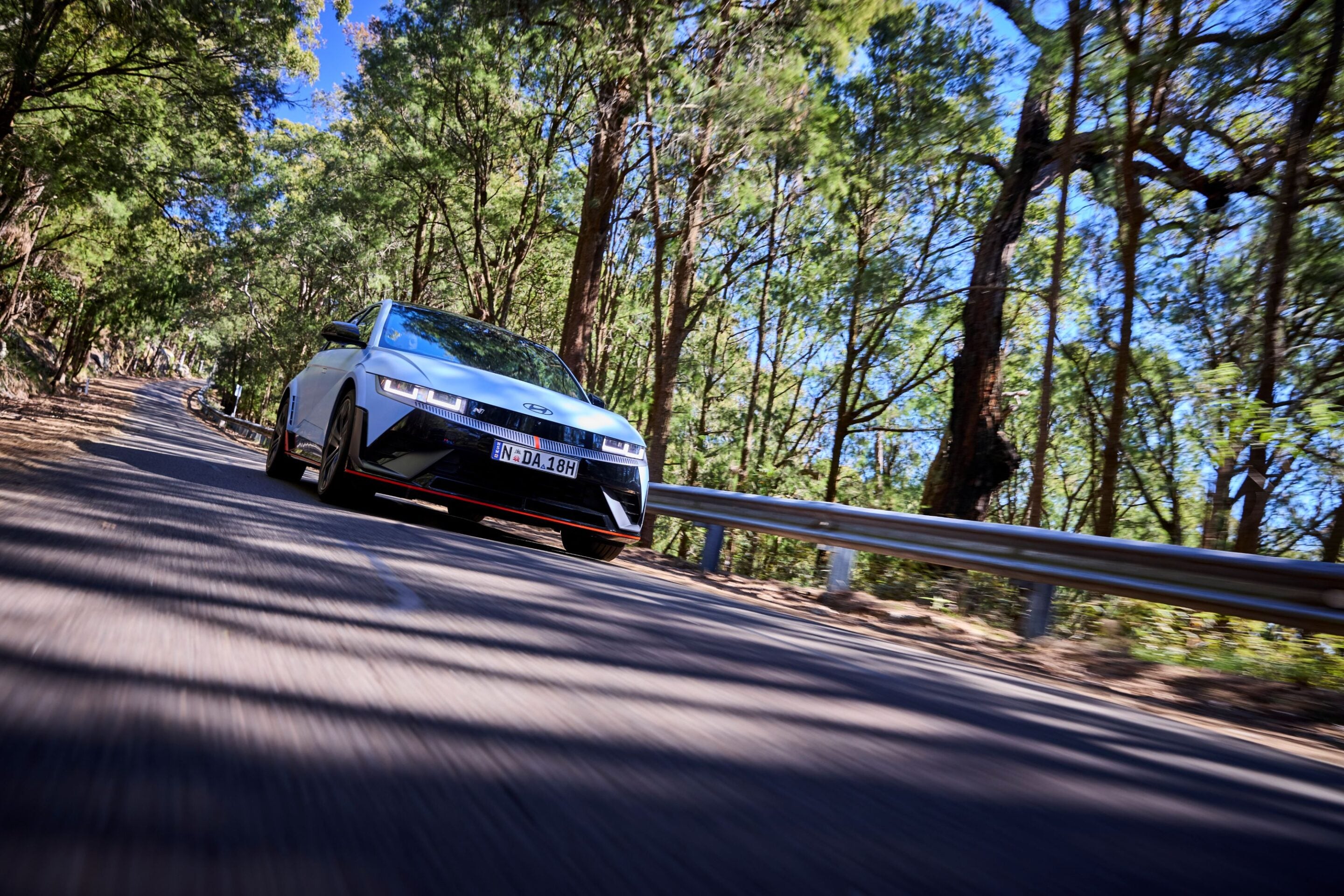
If the Honda is about purity of performance, then Hyundai’s electric approach is, at first glance, little more than trickery. Yes, elements such as fake engine sounds and fake gear shifts look, on paper at least, like the Korean carmaker has tried to gloss over an electric car’s inherent soullessness.
But – and it’s a huge but – what Hyundai’s N division has actually done, and with great success, is instill the 5 N with character and fun, as well as a driveability that will leave you grinning for weeks. There’s even an explicit mode for that – N Grin Boost.
1
The raw numbers are gobsmacking. Two electric motors combine for 448kW, 740Nm and 0-100km/h in 3.5 seconds. Hit the N Grin Boost button and outputs jump to 478kW and 770Nm, shaving 0.1s off the benchmark sprint.
There are other numbers: 80-120km/h is over in a scarcely believable 1.9s while the standing start to 400m (the old quarter-mile drag) takes just 11.7 seconds, or 11.5 with N Grin Boost activated.
While that might seem commonplace in today’s EV landscape, where even humble hatches offer supercar-like straightline acceleration, it’s what Hyundai has done under the skin that truly sets the Ioniq 5 N apart from almost every other electric vehicle on the market.
It’s not enough to extract stupendous power and torque from the electric motors. The 5 N needs to be able to use its headline numbers in a meaningful manner, in a way that leaves you in no doubt that this is indeed a car that can be driven with verve.
The bodyshell has been strengthened with additional welds and glue, the suspension mounts reinforced to accommodate a wider track and new arms, bushes and springs, as well as three-stage adaptive dampers. An electronic limited-slip rear diff governs the rear motor and bigger brakes – 400mm up front and 360mm rear – enhance and improve stopping power.
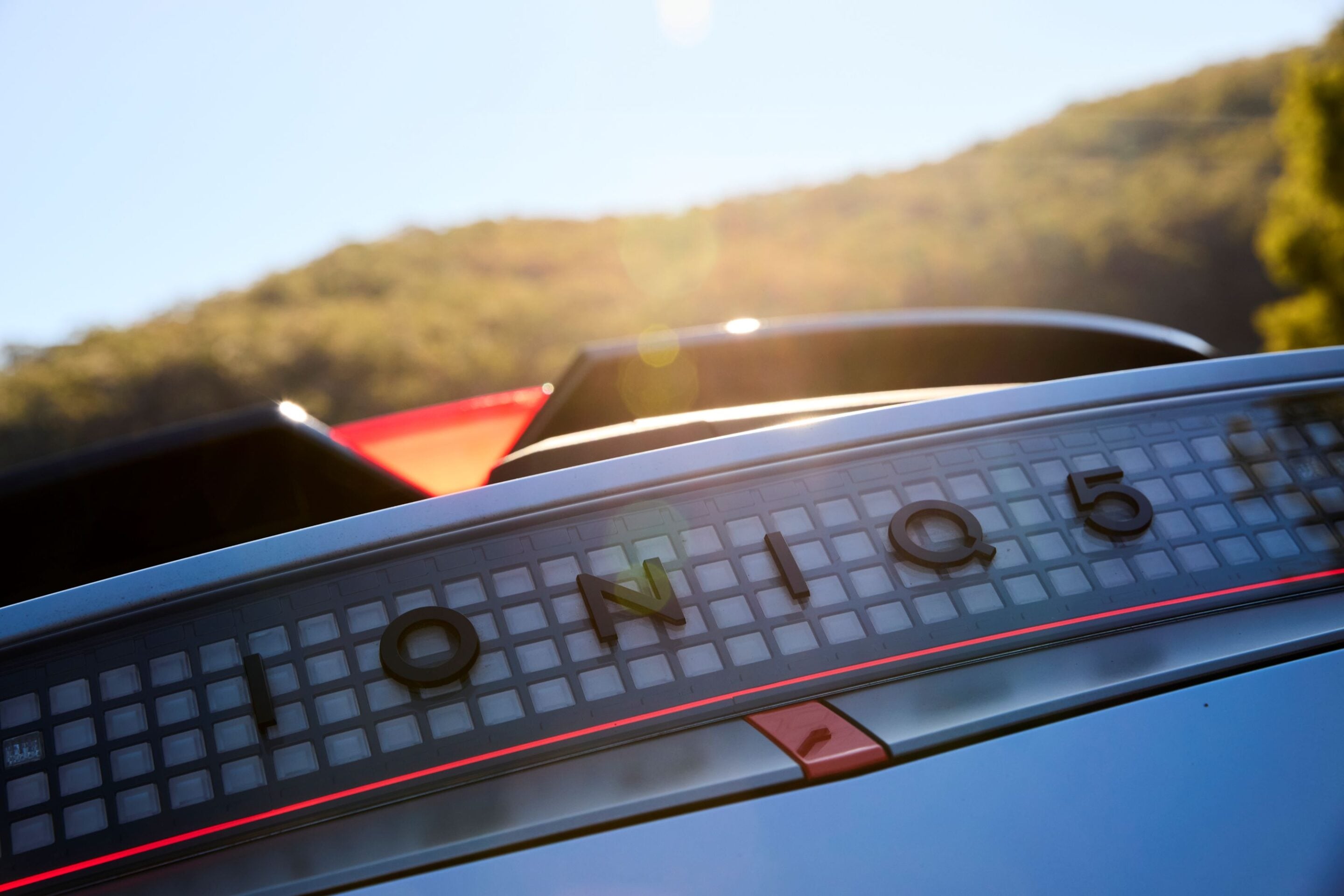
Outside, the 5 N sits lower than its regular Ioniq 5 stablemate, with a new front bumper and rear diffuser that not only look racy, but help keep the crossover SUV stuck to the ground. A rear spoiler, mounted atop the tailgate, reduces lift.
The sum of all these parts is a compellingly fun electric performance car, one that bucks the trend of fast but anodyne EVs that fall over once the big questions are asked of them.
1
Hyundai on the road
The key to winning this test will come down to an almost mystical and intangible metric: driver engagement. Can these two deliver the thrills enthusiasts hanker for, a connection between driver, machine and the road ahead? Is there a purity of purpose to be found in these two vastly different performance cars?
To find out, we headed to our favourite stretch of tarmac on the outskirts of Sydney, where the roads are largely empty and the cup of promises filled to the brim.
And it’s immediately apparent that both, despite their inherent differences, are fun even in the most mundane of commuter settings.
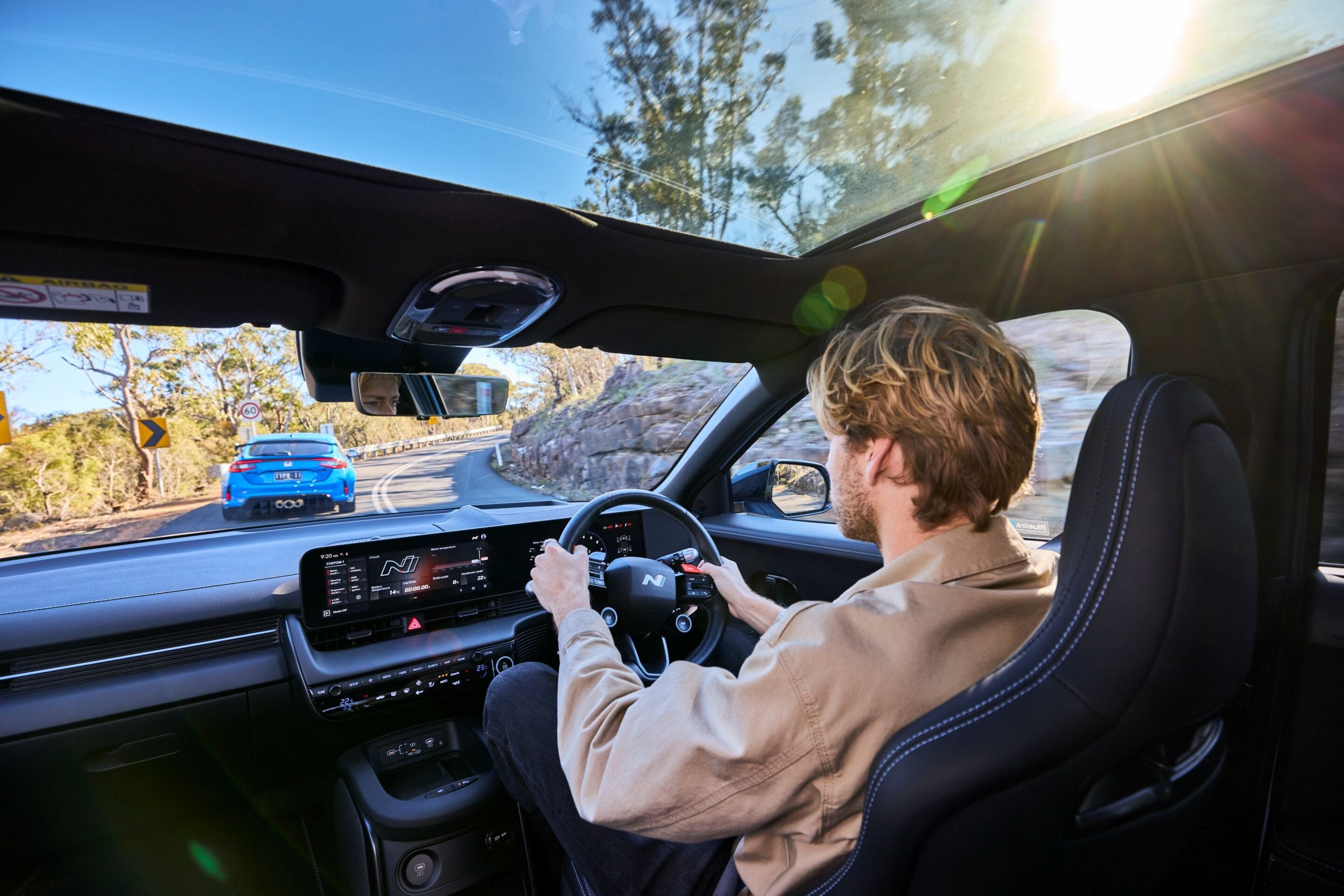
The Hyundai, with all its gizmos and gadgets switched off for the trundle to our favourite spot, behaves pretty much like an everyday electric car. It’s quick off the mark, quiet and composed on the road, and comfortable inside.
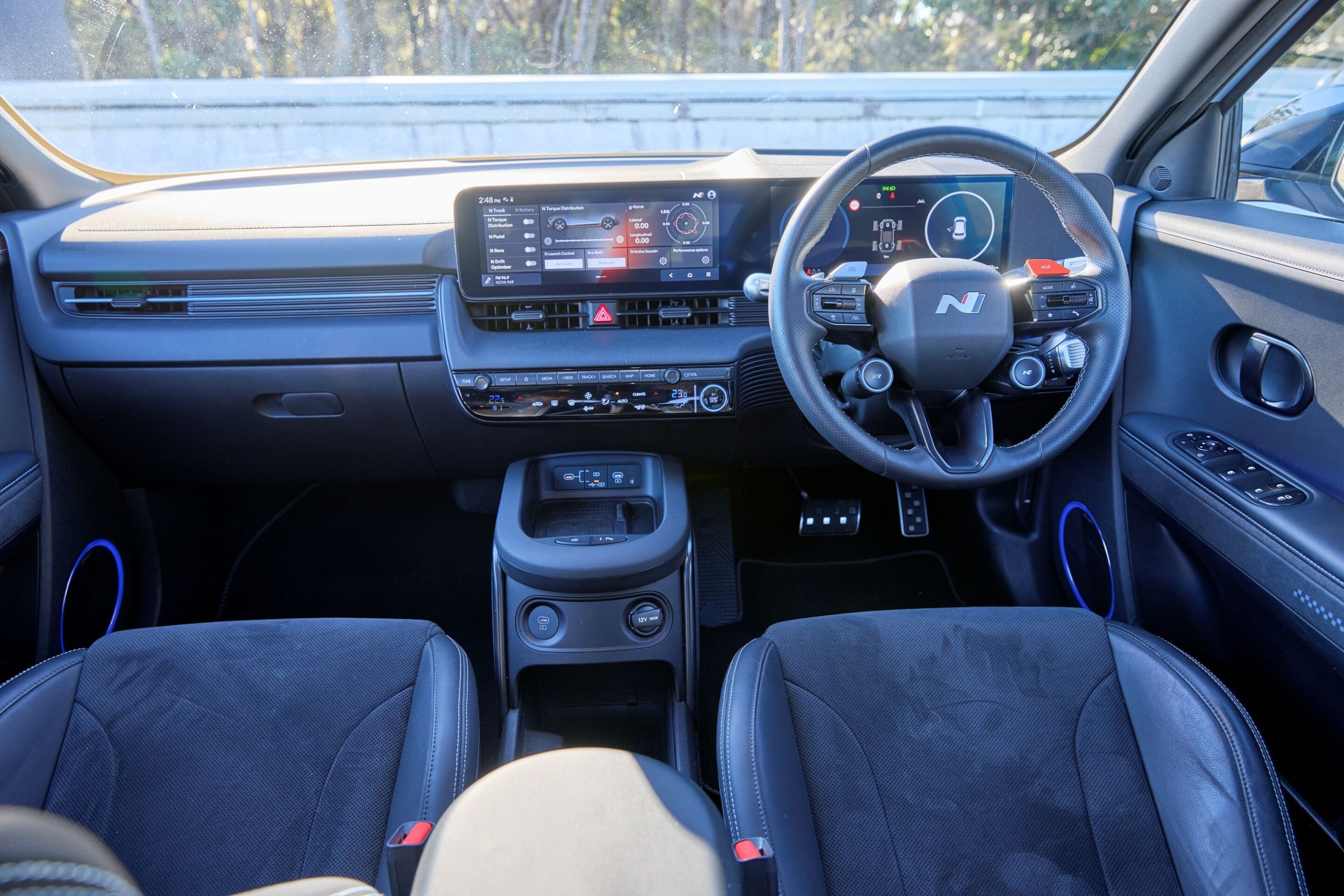
The 5 N’s cabin feels special enough with swathes of alcantara and leather, including on the manually adjustable sports seats. The seats sit lower in the 5 N compared to the pews of the regular Ioniq 5. And they’re heated and cooled too.
Contrast blue N stitching throughout enhances the sporty vibe inside while the unique-to-5 N perforated leather steering wheel feels reassuringly meaty in-hand.
It acts as the drive-centric nerve centre of the 5 N with buttons and switches for N Grin Boost, three regular drive modes – Eco, Normal and Sport – as well as two customisable N buttons where you can create your own personalised shortcuts to unleash everything the 5 N has to offer with a single press of a button. Our tip? Set one up for the ultimate in performance, the other to bring everything back to Nana levels for the comfortable drive home.
3
Not that you’ll want to head home after exploiting the 5 N’s prodigious abilities. Park your notions that EVs are a one-trick pony, that they can go fast in a straight line and not much else.
‘They’re heavy, cumbersome, lacking character, soulless, blah blah blah’ are common epithets surrounding EVs. In the case of the 5 N, they’re also wildly wrong.
Yes, it’s a heavy car, at 2.2-plus tonnes, but such is its breadth of engineering that you barely notice. If anything, the 5 N’s handling feels like it’s been brought up on a steady diet of Ozempic, seemingly shedding the kilos at an alarming rate to arrive at a point where its cornering ability, its road-holding, its slingshotting out of hairpin bends is as good as any combustion-engined car unencumbered by the weight penalty of an 84kWh lithium-ion battery riding shotgun.
Simply, the 5 N can explode out of the blocks, hustle through corners, remain frighteningly fast and flat through long sweepers, all while body control is kept neatly in check.
Grip? There’s masses of it, with trick diffs, sticky Pirelli P Zero rubber, and beautifully tuned suspension all working together to keep things straight ahead.
That’s not to say there isn’t some playfulness, because there most assuredly is, the 5 N happy to squirm at the rear if too much is asked of it mid-corner. But it’s easy to control with confident steering inputs and the delicate dance between the brake pedal and accelerator.
And what about N’s much-vaunted e-Shift? It all sounds a bit gimmicky on paper, and to some extent it is. But it also brings a level of engagement to the EV experience sorely lacking in this, the most modern and new age of segments.
In short, e-Shift simulates a traditional eight-speed sports transmission via paddle-shifters on the wheel. But the magic trick here is that the N’s boffins have done an incredible job of making it feel as realistic as possible. It works in conjunction with synthesised engine sounds (which sound a bit fake), the pairing replicating a very real and very tactile combustion car.
Upshifts are met with a bang and a jolt in the seat, while running out to the completely arbitrary ‘8000rpm redline’ will see the needle bounce off the tacho with the commensurate loss in acceleration. Downshifts elicit the same pops and crackles on overrun you’d expect from an i30 N.
It all sounds a bit silly, and the synthesised sounds, try as they might, cannot replicate the real rumble and roar of combustion. But what the setup does do, and by the trailerful, is deliver driver engagement in a meaningful and tangible way. It’s terrific.
Honda on the road
If the Ioniq 5 N is the current pinnacle of the performance EV brigade, then the Civic Type R sits at, or very near, the summit of the hot hatch mountain.
Few can match its fulsome performance. Yes, there are faster hot hatches, and more affordable too, but there’s something inherently ‘right’ about the Type R, about how it makes you feel behind the wheel.
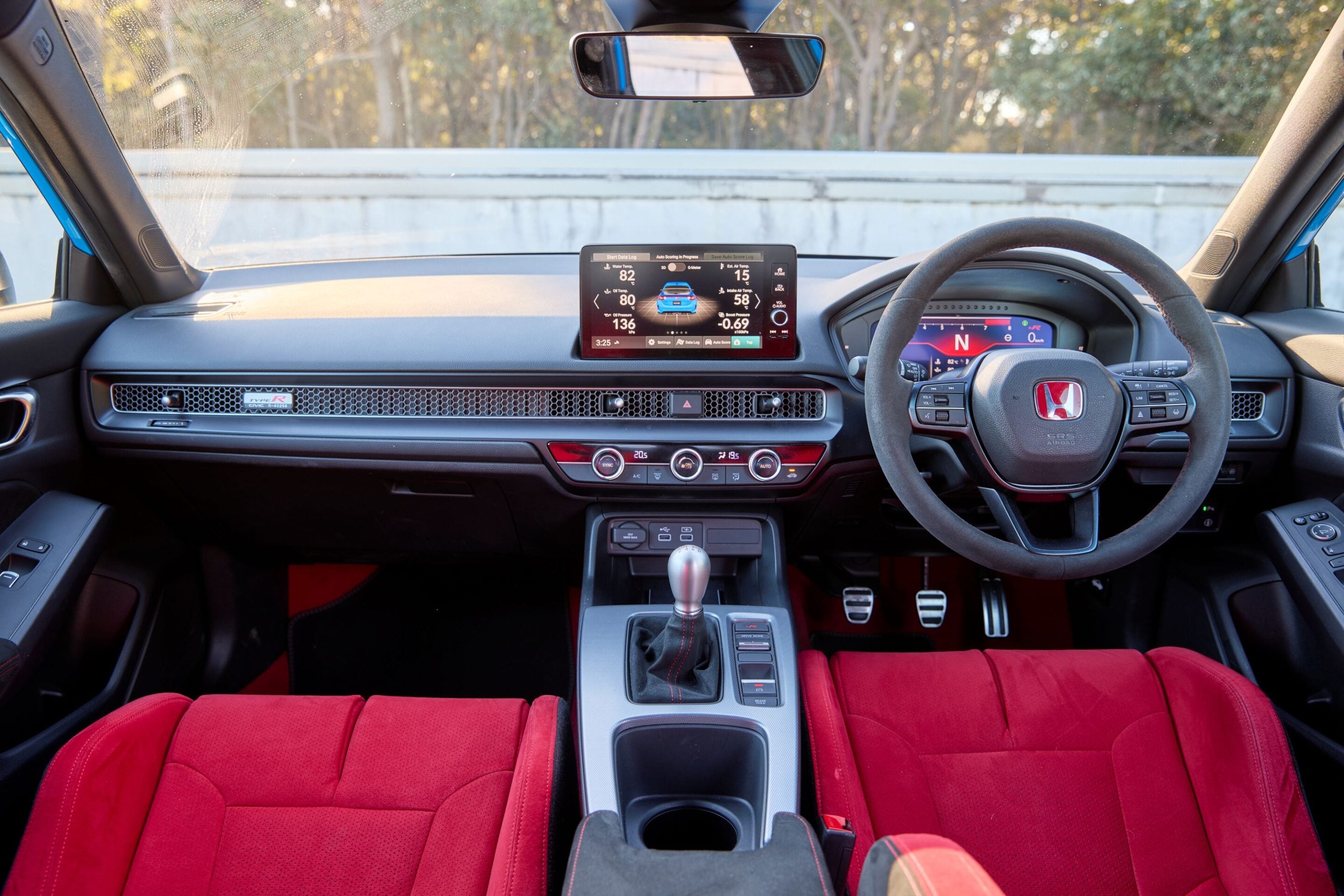
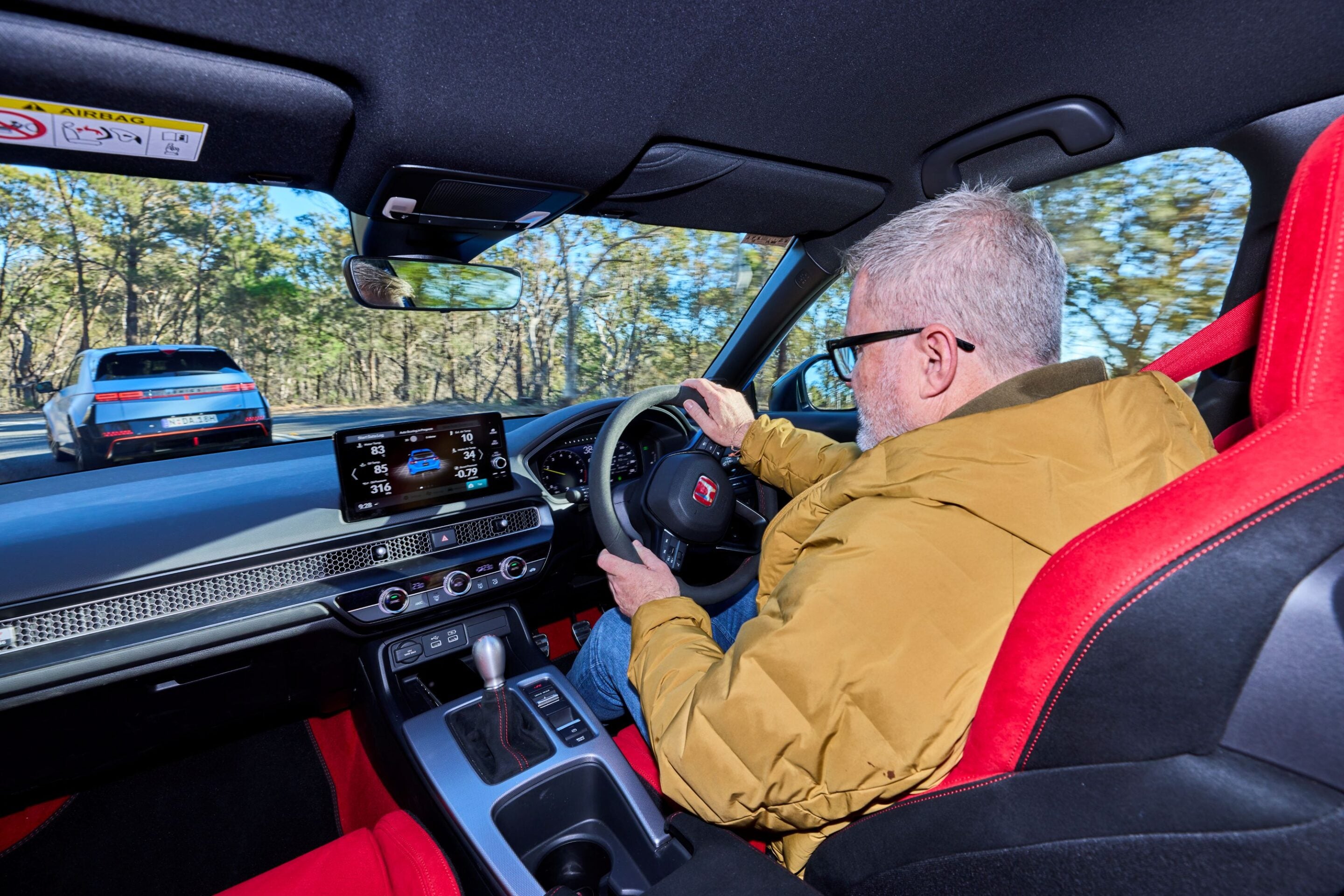
And it starts with the cabin, a sea of red alcantara that looks at once garish, yet suitably purposeful. Special. Red is everywhere – seats, carpets, seatbelts, stitching, even the Honda badge on the steering wheel.
3
The front seats are supremely supportive, with generous side bolsters (that you clamber over) holding you snugly in place. They sit low in the cabin, manually adjustable and without any of the refinements – such as heating – one might expect from a car costing $85k. But it matters not one jot when ensconced firmly behind the wheel. Neither does the fact that the Type R is strictly a four-seater – this is a car best enjoyed alone.
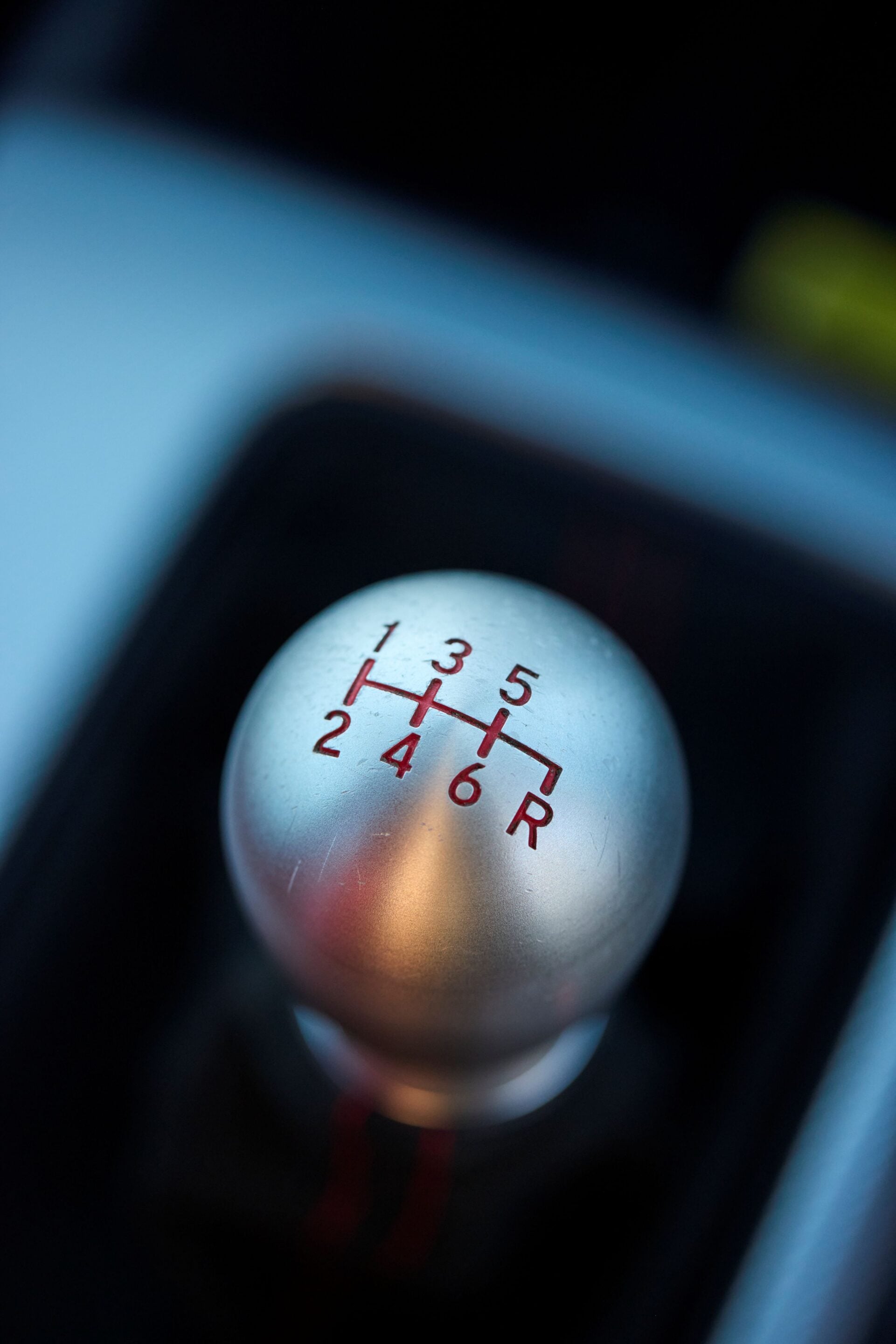
It’s an easy car to drive at socially acceptable speeds. The six-speed manual gearbox is a work of art, even in traffic, with an easy clutch and oh-so-satisfyingly precise throw through the stubby, cool-to-the-touch, milled aluminium gear lever. It’s a tactile reminder of something we have – almost – lost.
The ride is on the firm side, even with the three-stage dampers in their most comfortable settings. But it’s not so harsh as to leave you questioning your automotive life choices.
The payoff comes once you escape the city’s clutches, where the roads are sparsely populated and the twists and turns beckon like the Sirens’ call.
Here, the Civic’s precision and polish come to the fore in a beautifully balanced and harmonious dance of combustion and chassis brilliance that brings elevated levels of confidence to the driving experience.
The 2.0-litre turbo-four, which can tend to drone a bit in the ’burbs, comes into its own as the revs climb beyond 5000rpm when unleashed on a rural backroad.
Fast, yes, but the Type R’s true genius lies underneath where its sophisticated front-wheel drive engineering offers fluent and composed handling. Firm, also yes, but at no time does the Type R stray off its given line. It simply dances around corners and hunkers down for the slingshot to the next.
3
The shift action of the gearbox is a mechanical work of art. You can actually feel the linkages slotting into place through your left hand, wonderful and utterly enthralling. Joy of driving? It’s right there in the palm of your hand.
Drive modes alter the Type R’s characteristics noticeably. You might be tempted by the balls-out +R but it’s best saved for the racetrack. It’s too much for the open road, where the firmness of the dampers results in an uncomfortable and bone-jarring ride. Sport mode is enough, a positive blend of comfort and performance that will sate even the most ardent drivers.
There’s a tremendous amount of grip on offer, too. The sticky Michelin Pilot Sport 4S rubber, dual-axis front suspension and helical limited-slip front differential combine to produce choreographed precision in corners. The back end can step out if pushing a fraction too hard, but it’s easily countered and entirely predictable.
It’s the stuff of purity, a soulful dance of engineering and driver input that serves to remind us there is a simple pleasure in driving simply for the love of it.
1
The verdict
This isn’t really about winners and losers. It’s about the joy of driving, about what a modern performance car can be when the engineering planets align and some left-field thinking creates something truly marvellous.
Both cars deliver on the promise of driver engagement. They just come at it from a different angle.
Hyundai’s approach is novel and groundbreaking, so much so that other brands – BMW, for one – are adopting similar philosophies. It’s genuinely fun to drive, a performance car first, EV second. Playful, powerful and wonderful, the Hyundai Ioniq 5 N is a triumph of engineering.
But it’s the simplicity and purity of the Honda Civic Type R that wins here. It’s charmingly visceral and tactile, a vastly entertaining throwback to another era of motoring.
1
It rewards confidence with an uncompromising focus on handling and its manual gearbox is nothing short of a masterpiece. The Civic Type R is almost certainly the greatest hot hatch of its generation and arguably, of all time.
Specs
Honda Civic Type R
| Price | $85,000 driveaway |
|---|---|
| Engine | 2.0-litre turbocharged 4-cylinder petrol |
| Power | 235kW @ 6500rpm |
| Torque | 420Nm @ 2600-4000rpm |
| 0-100km/h | 5.4s |
| Transmission | 6-speed manual, front-wheel drive |
| Wheel size | 19-inch |
| Spare wheel | Tyre repair kit |
| Claimed fuel consumption | 8.7L/100km |
| Fuel type/tank size | 95 RON premium unleaded / 47L |
| Dimensions (l/w/h/wb) | 4606/1890/1407/2735mm |
| Boot capacity | 410L (rear seats up) / 1212L (rear seats folded) |
| Kerb weight | 1429kg |
| Warranty | 5 years/unlimited km |
| Servicing costs | $995, 5 years/50,000km |
| Overall rating | 9.0 |
3
Hyundai Ioniq 5 N
| Price | $114,918 driveaway |
|---|---|
| Drivetrain | Two electric motors |
| Combined power | 448kW (478kW with boost) |
| Combined torque | 740Nm (770Nm with boost) |
| 0-100km/h | 3.5s (3.4s with boost) |
| Transmission | Single-speed front and rear, all-wheel drive |
| Wheel size | 21-inch |
| Spare wheel | Tyre repair kit |
| Battery size | 84kWh |
| Driving range | 448km (claimed, WLTP) |
| Claimed energy consumption | 21.2kWh/100km |
| Dimensions (l/w/h/wb) | 4715/1940/1585/3000mm |
| Boot capacity | 480L (rear seats up) / 1540L (rear seats folded) |
| Tare mass | 2230kg |
| Warranty | 7 years/unlimited km (car) / 8 years/160,000km (battery) |
| Servicing costs | $2029, 6 years/90,000km |
| Overall rating | 8.7 |
This story first appeared in the October 2026 issue of Wheels magazine, now on sale. Subscribe here and gain access to 12 issues for $109 plus online access to every Wheels issue since 1953.
Follow WhichCar/Wheels on Google
Click the button below to make WhichCar by Wheels a preferred source for your news.

We recommend
-
 Comparisons
Ultimate plug-in hybrid test: Chery Tiggo 7 v BYD Sealion 5 v Geely Starray EM-i v GWM Haval H6
Hybrid technology paved the way for lower all-round fuel use, and electric vehicles paved the way for those wanting something completely different. But if you want to hedge your bets, plug-in hybrid drivetrains, which have benefited from advances in both petrol and electric technology, are the way to go.
-
 Comparisons
Hybrid Heroes: Honda HR-V v Hyundai Kona comparison
As hybrid technology reshapes Australia’s favourite vehicle segment, we compare two fuel-sipping small SUVs battling for value, efficiency, practicality and everyday driving appeal
-
 Comparisons
Toyota Yaris v Mazda 2: Small cars for the big smoke face off
Traditional rivals Toyota and Mazda tackle the compact city car segment with the Yaris and 2 – one hybrid, one traditional, but both intent on packing the most space into a compact hatch.