News
Gallery 1
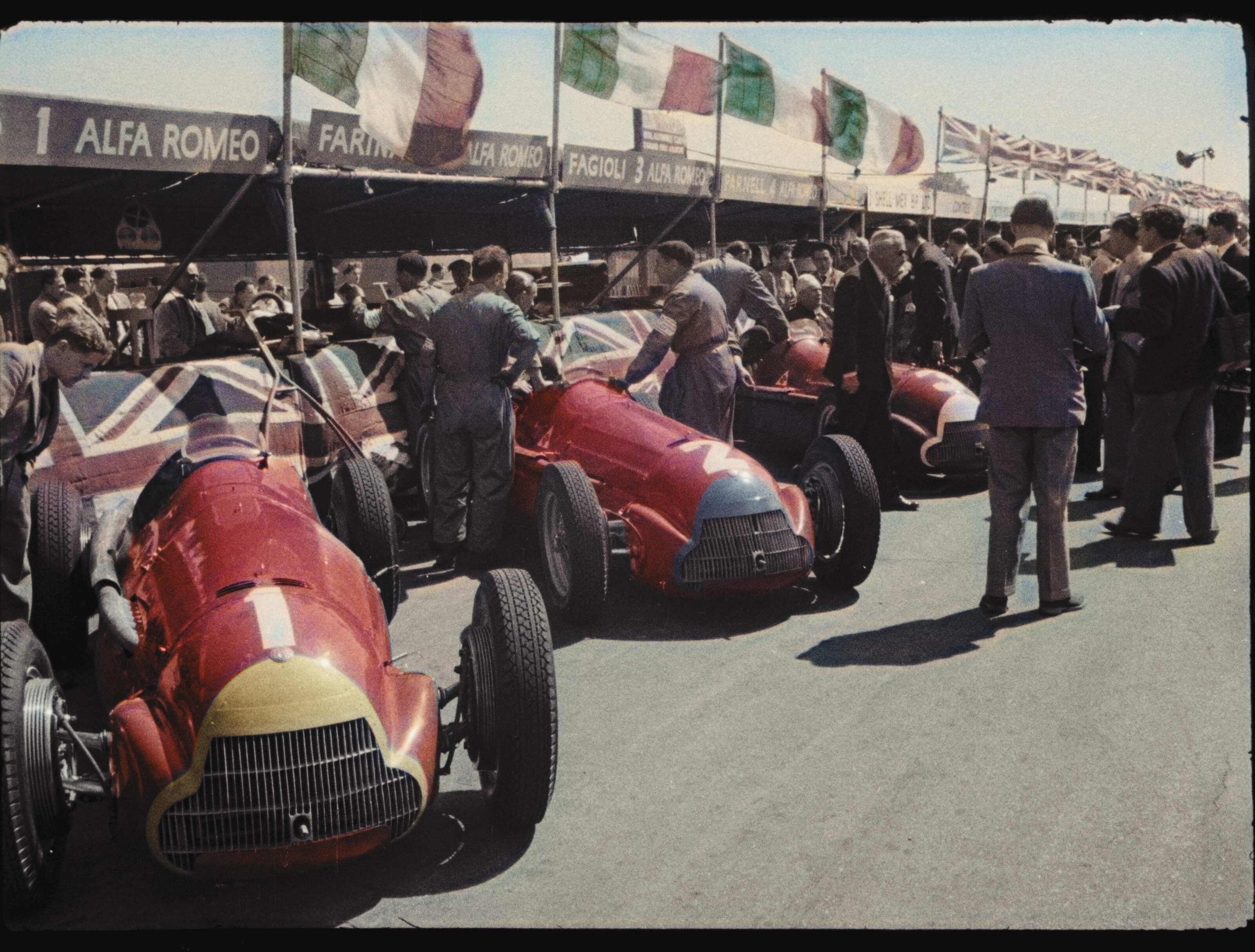
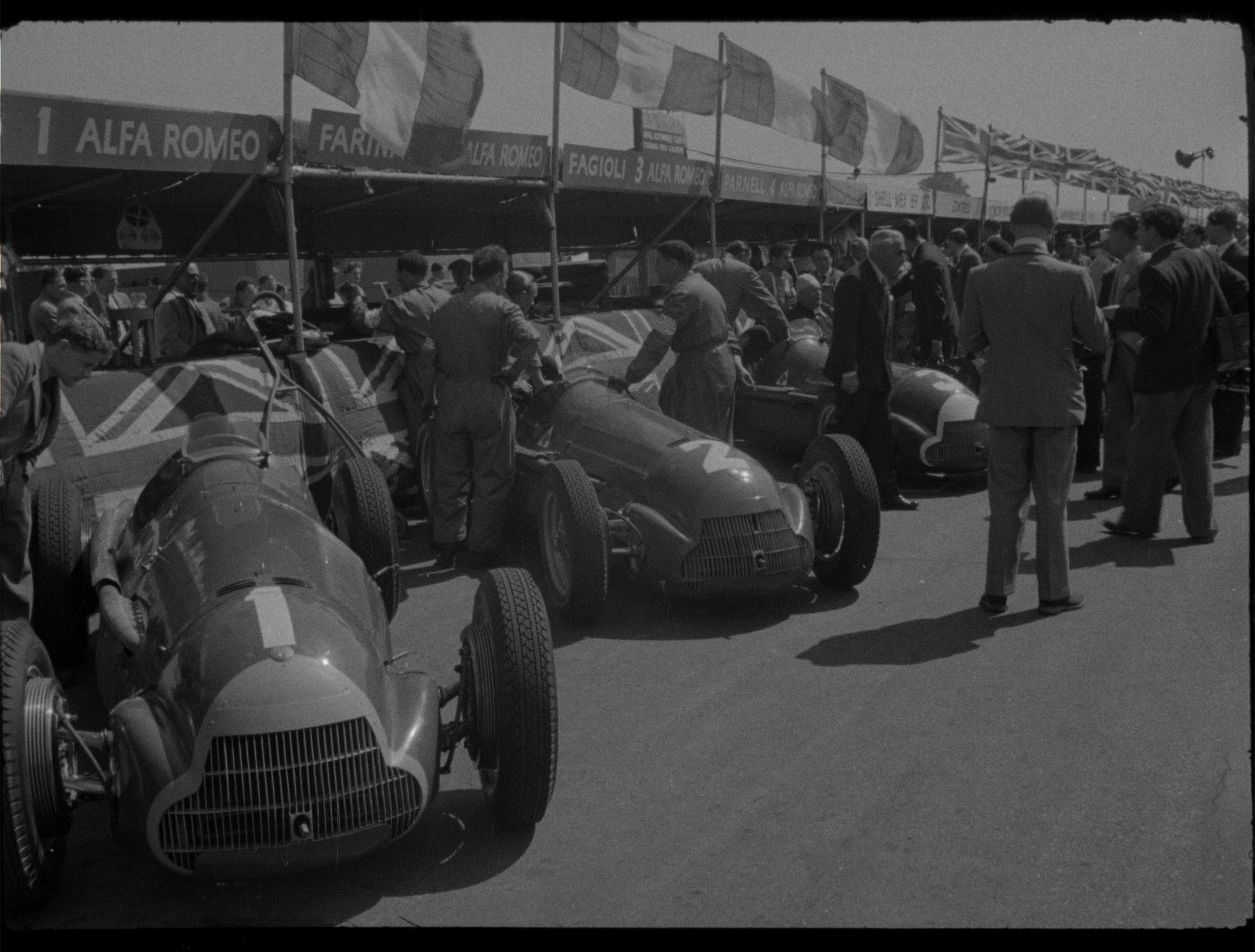
At exactly 15:00 on 13 May 1950, the roar of engines echoed across England’s Silverstone circuit as cars surged off the grid in what would become the very first Formula 1 World Championship race.
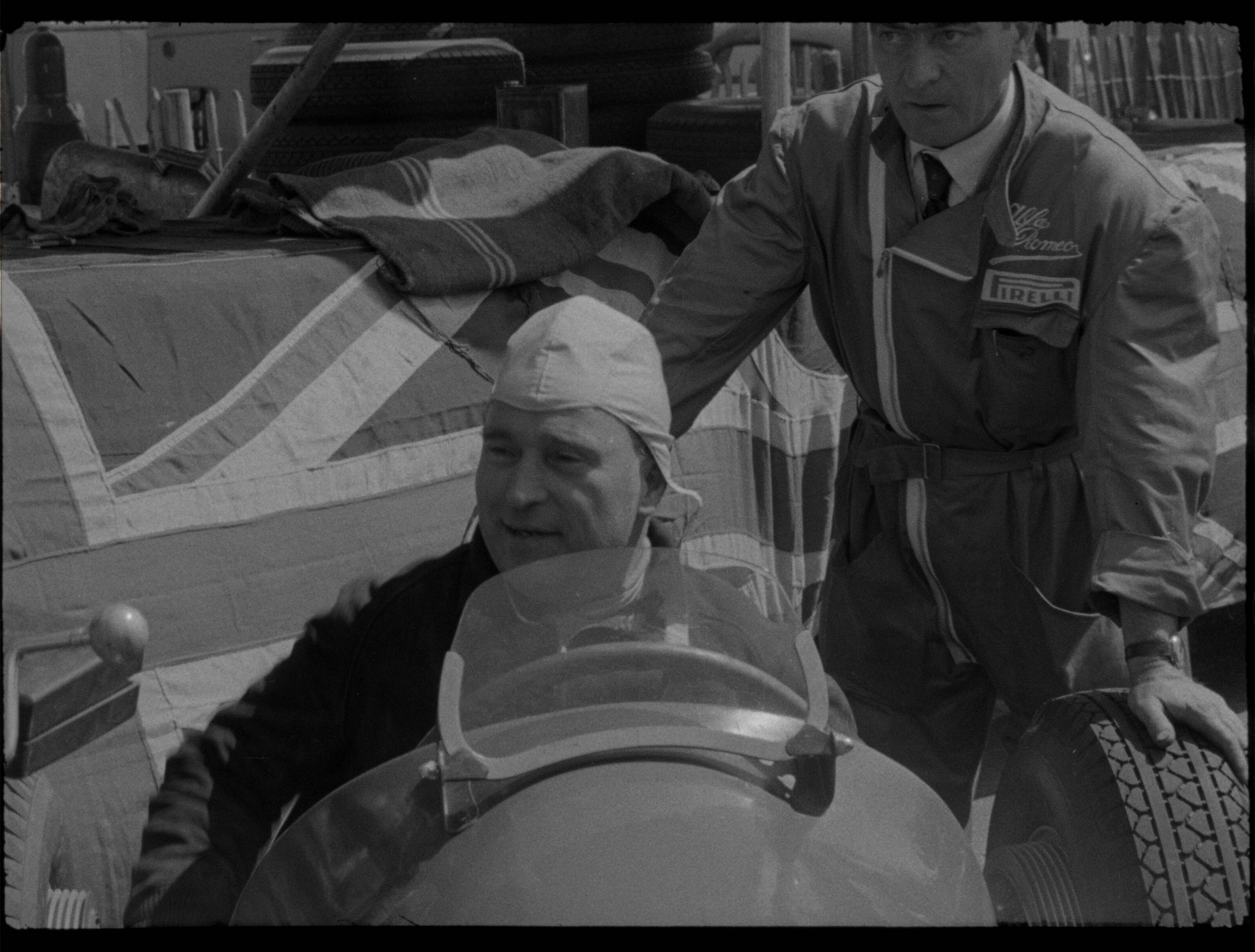
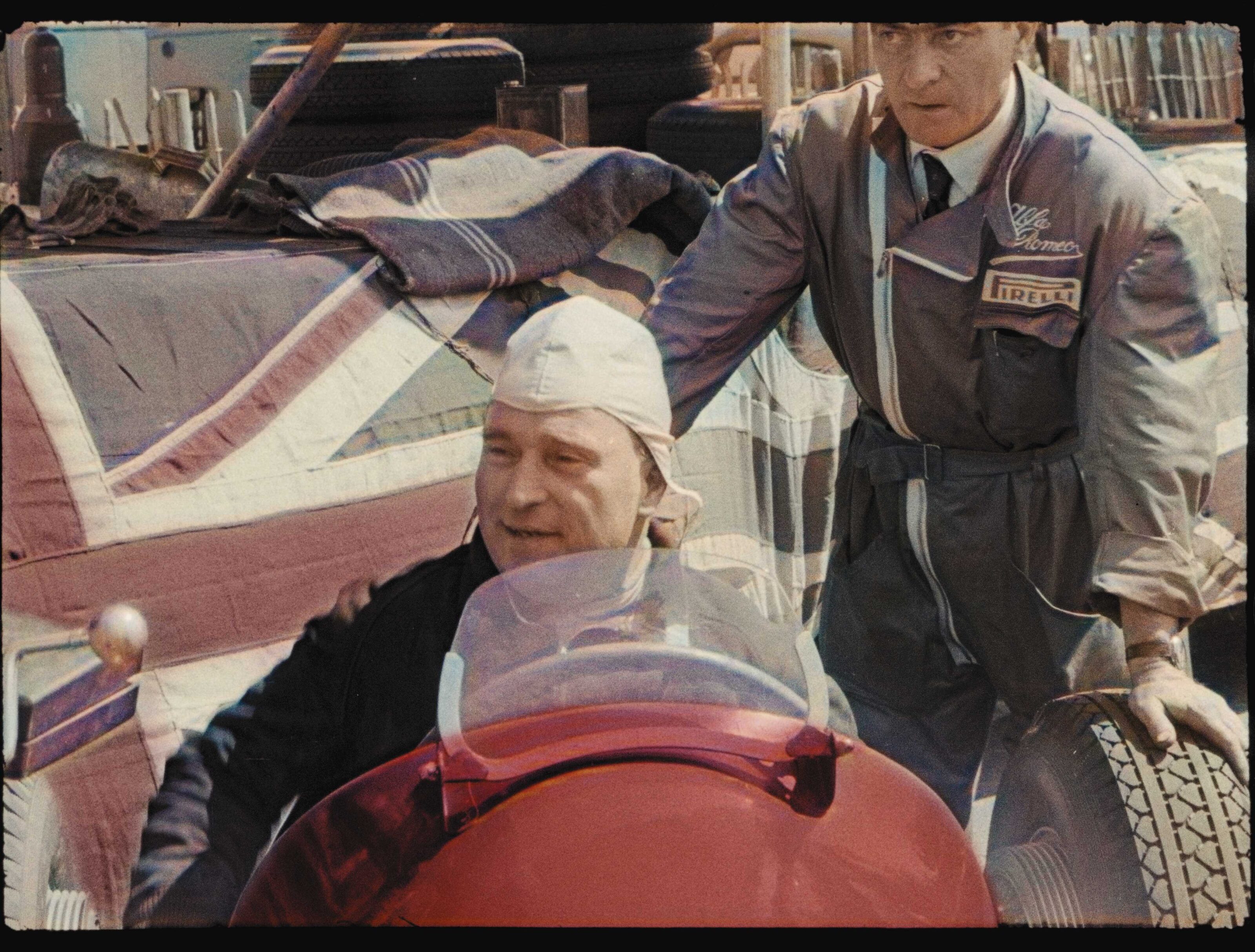
Seventy-five years later, Formula 1 is marking the milestone anniversary with a powerful tribute: the release of restored and colourised footage of that iconic event.
The once black-and-white film has been transformed using advanced AI software, reference photography, and meticulous manual painting techniques. The result is a vivid recreation of the day Italian driver Giuseppe “Nino” Farina triumphed in his Alfa Romeo, becoming the inaugural World Drivers’ Champion.
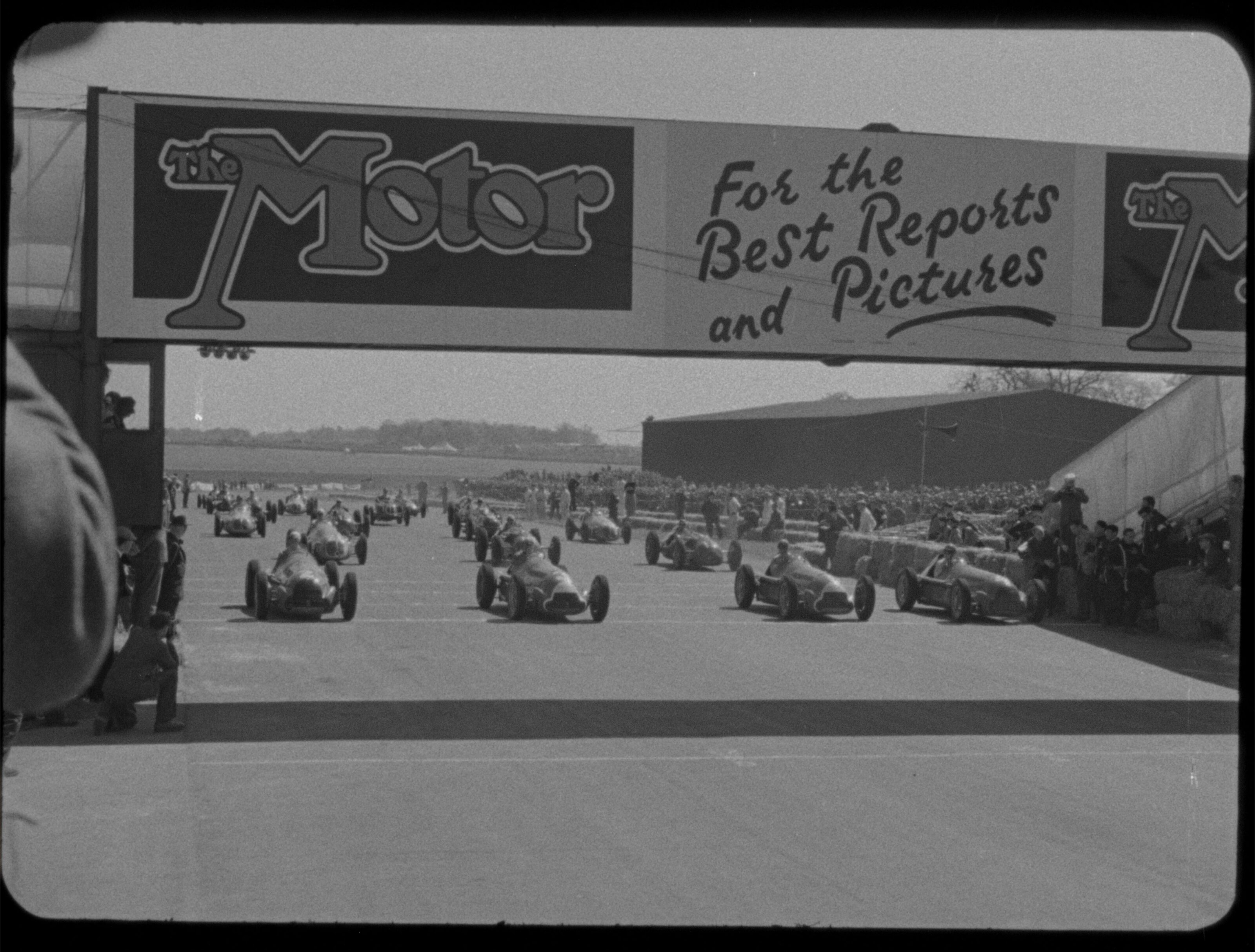
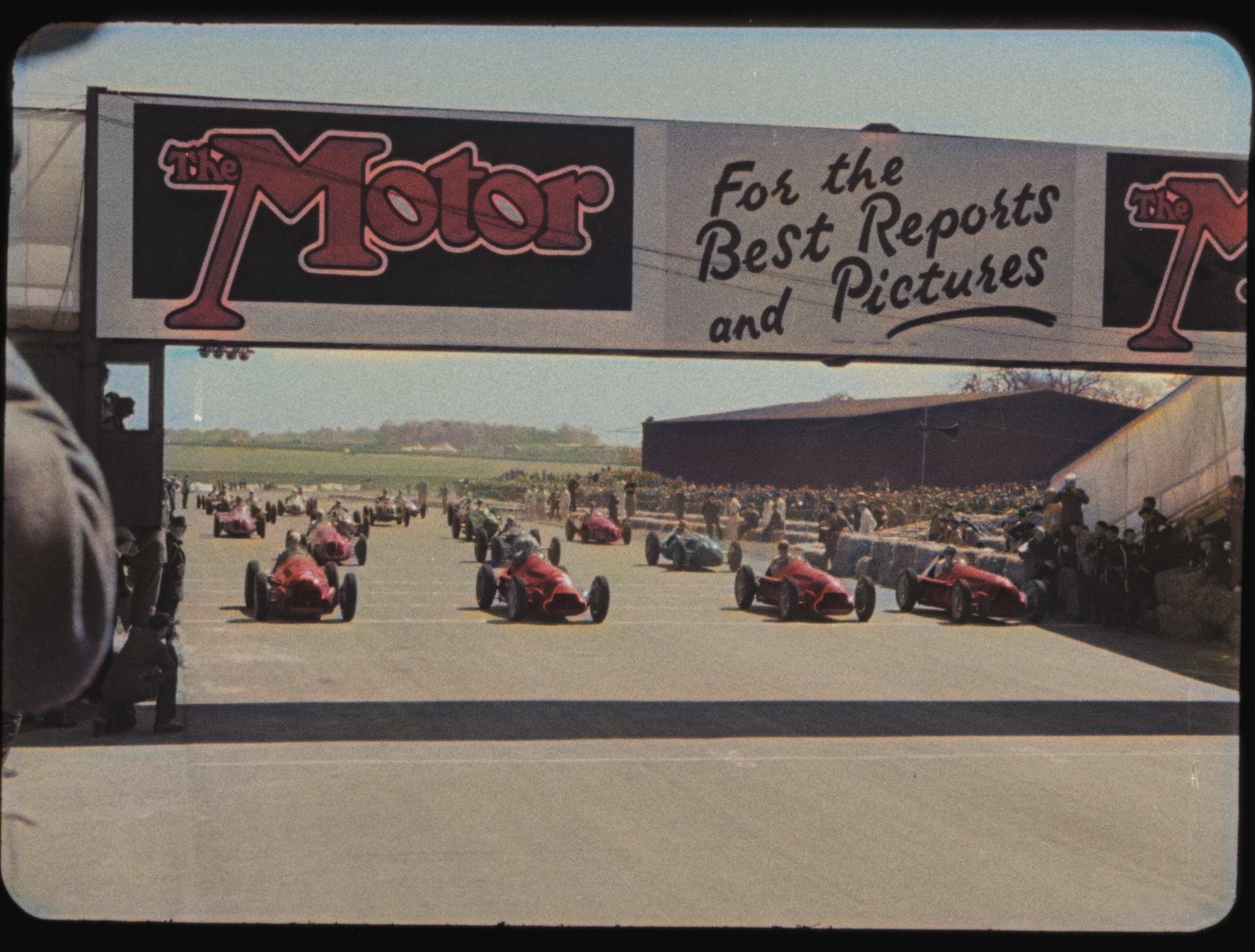
The newly enhanced footage not only revives a pivotal moment in sporting history but also immerses fans in the atmosphere of that groundbreaking race like never before.
Every frame of the footage has been carefully enhanced to reflect the original colours of the 1950s scene. Technicians at Formula 1 have individually coloured elements such as skies, grass, car liveries, and even facial details using historical references and archival footage to ensure authenticity.
This release forms the centrepiece of a day-long celebration of Formula 1’s legacy. Fans across the globe can tune into a special 24-hour YouTube stream showcasing seven full-length classic races, memorable highlights from each decade, and heartfelt reflections from today’s drivers and team principals on their first memories of the sport.
Stefano Domenicali, President and CEO of Formula 1, reflected on the occasion: “75 years ago today our sport roared to life, and we are privileged to continue the incredible legacy of the brave drivers who raced for the ultimate prize… It is fantastic to see this footage brought to life in full colour, and an amazing way to mark this historic moment.”
Formula 1 also released the following statistics on the past 75 years of racing…
75 years of Formula 1 in numbers:
- 1,131 Grands Prixi
- 787 drivers started a Formula 1 Grand Prix, from 41 countries
- 151 of the 787 drivers have represented the US, 148 from the UK, and 85 from Italy.
- 34 different F1 Drivers’ Champions
- 115 different F1 Grand Prix winners
- 216 podium finishers
- 107 different polesitters
- 77 circuits across 34 countries
- 11 circuits appeared only once on the F1 Calendar (Casablanca, Berlin, Dallas, Donington, Le Mans, Monsanto, Mugello, Pescara, Riverside, Sebring, Zeltweg)
- 363,956.169km driven since the 1950 British Grand Prix (through to the 2025 MiamGrand Prix), which is equivalent to:
- 9 times around the Earth
- 17 days of non-stop flying of an airplane at 900km/h
- 152 days of non-stop driving at 100km/h
- 95% of the way to the Moon
Age statistics:
• Max Verstappen is the youngest driver to win a race, aged 18 years, 7 months, and 15 days at the 2016 Spanish Grand Prix.
• Luigi Fagioli is the oldest driver to win a Grand Prix at 53 years and 22 days in the 1951 French Grand Prix.
• The record for the youngest driver to lead a race was broken this year in Japan, when Kimi Antonelli led at the Suzuka Circuit at 18 years, 7 months and 12 days. Previously, Max Verstappen held the record, after leading the 2016 Spanish Grand Prix at 18 years, 7 months and 15 days.
• The oldest driver to lead a race was also Luis Fagioli at 52 years and 9 days, which strangely, came a year before his record for the oldest race winner. This is because Fagioli was credited with a race win, alongside Fangio in the 1951 French Grand Prix when Fangio replaced Fagioli, taking control of his car in the middle of the Grand Prix, which was running midfield, before Fangio went on to claim the victory.
• Sebastian Vettel is the youngest driver to win a World Championship, aged 23 years, 4 months and 11 days.
• Juan Manuel Fangio is the oldest, at 46 years, 1 month, and 11 days.
• Max Verstappen is the youngest driver to ever start a race at the 2015 Australian Grand Prix aged 17 years, 5 month and 13 days.
• Louis Chiron from Monaco is the oldest driver to start a Formula 1 race, when he competed in his home Grand Prix at 55 years, 9 months and 19 days.
• The youngest driver to qualify on pole position for a Grand Prix is Sebastian Vettel at the 2008 Italian Grand Prix for Red Bull, aged 21 years, 2 months and 11 days, whilst the oldest pole position came from Italian Nino Farina at the 1954 Argentinian Grand Prix, aged 47 years, 2 months and 18 days.
• The youngest average age of a Formula 1 podium was at the 2019 Brazilian Grand Prix, where Max Verstappen, Pierre Gasly, and Carlos Sainz made up the top three, with an average age of 23 years, 8 months and 23 days. The oldest average age of an F1 podium is 46 years, 8 months and 20 days, when Nino Farina, Luigi Fagioli and Louis Rosier made up the top three at the Grand Prix in Switzerland in 1950.
Follow WhichCar/Wheels on Google
Click the button below to make WhichCar by Wheels a preferred source for your news.