News

Gallery 1
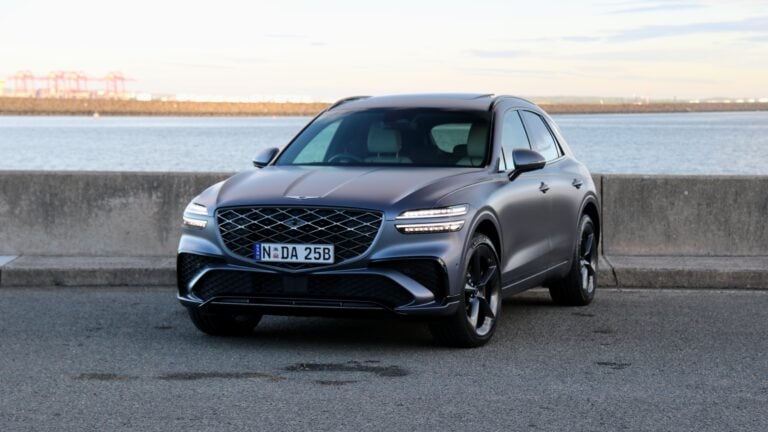
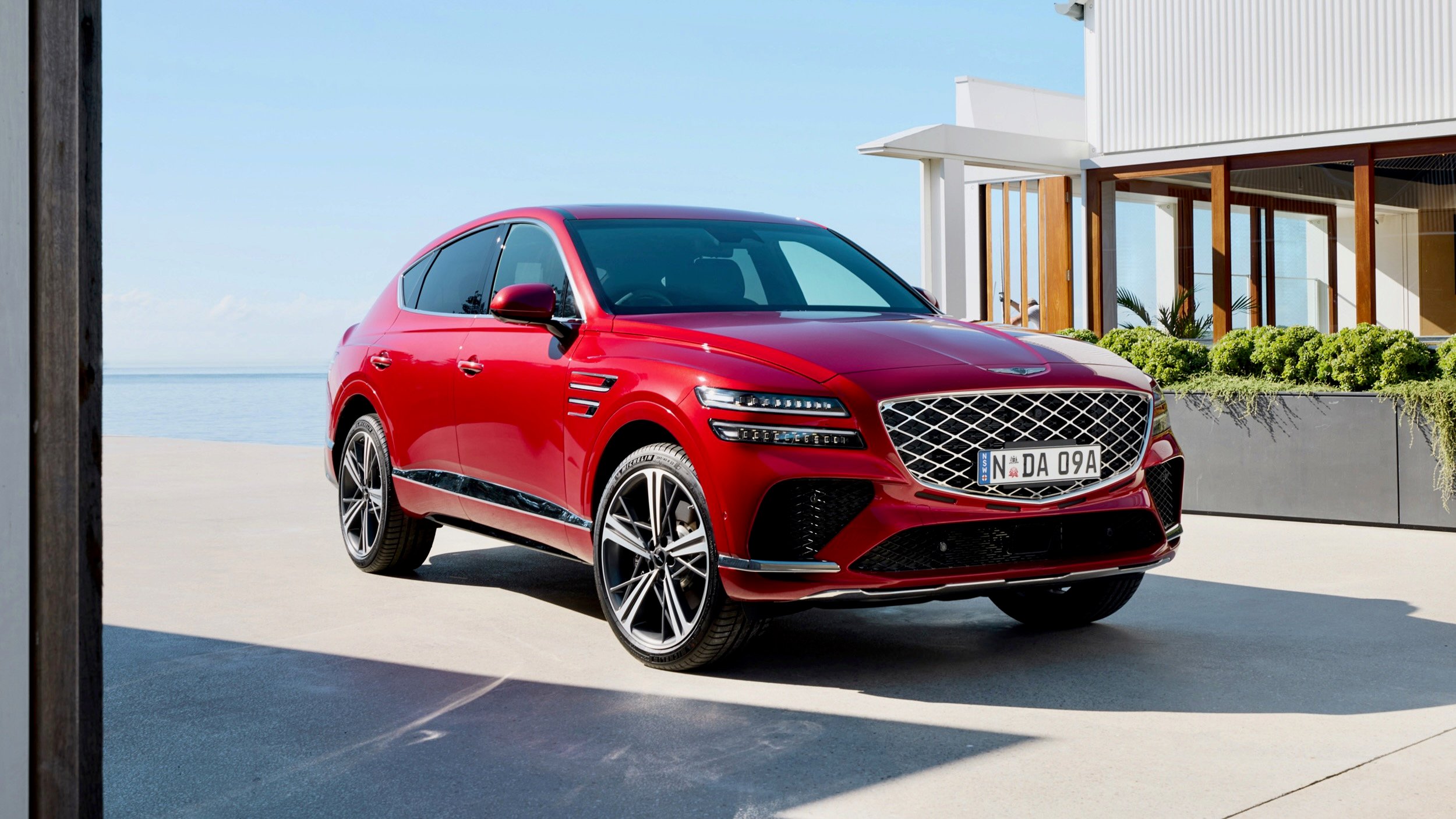
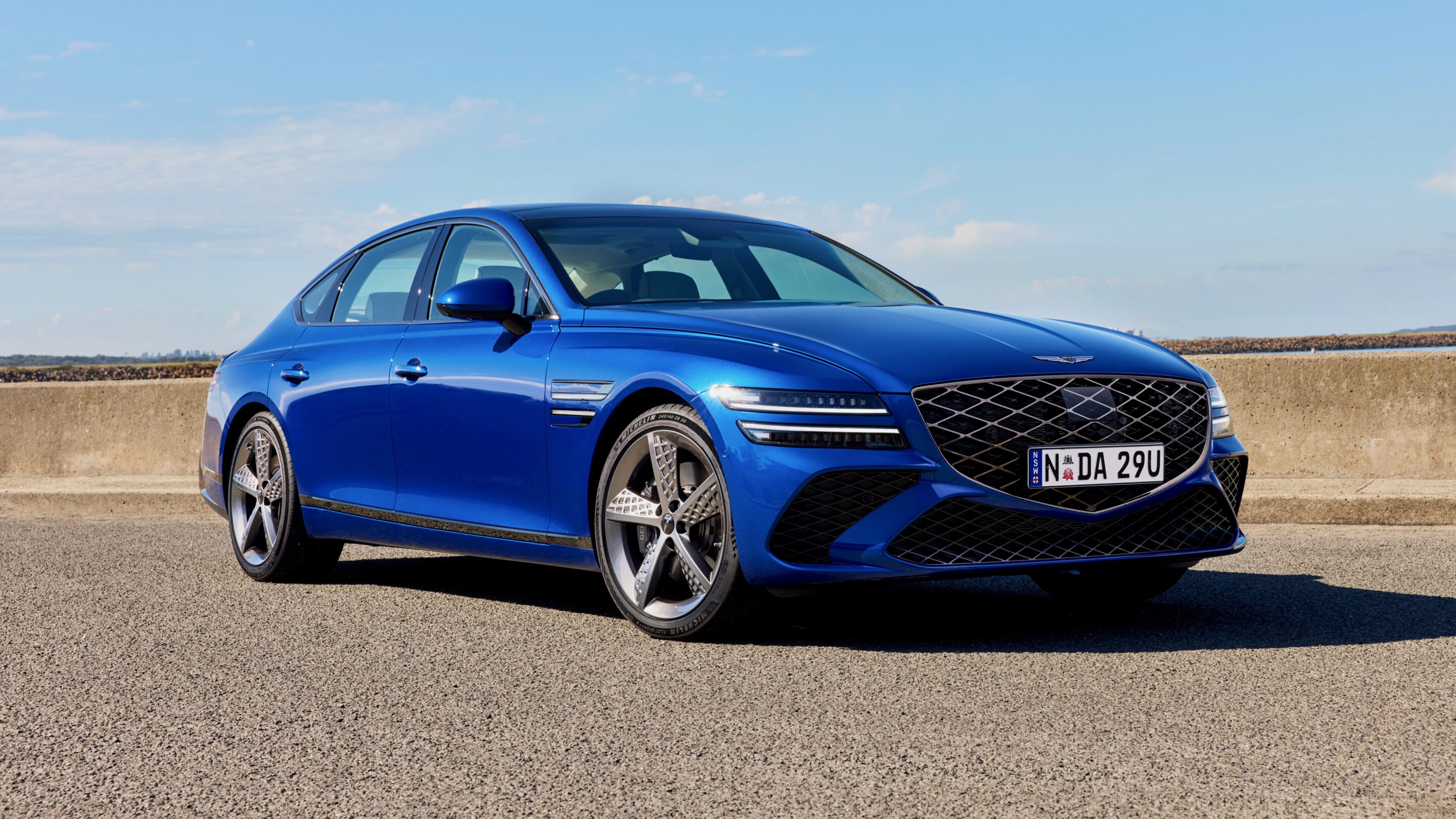
Genesis, the luxury arm of the Hyundai Group, has confirmed that it’s developing a range of new drivetrains for its future models, including hybrid, range-extender and full EVs in an interview with Hyundai Group’s Head of Vehicle Development Tech, Manfred Harrer.
Currently, Genesis offers no proper hybrid models globally despite Hyundai Group siblings Hyundai and Kia offering many across the globe. That’s something that is going to change dramatically, with the ‘chasm’ gap between EV early adopters and the market forcing car makers to offer hybrid models as a stepping stone to EVs for buyers.
7
“We cannot push so hard and bring only EVs to the market. It was a bold goal from us years ago, but we must adjust and face the reality of differences in our customers – that not every customer is ready to go there,” said Harrer.
“What we’re doing in the meantime is developing hybrid and other hybrid-similar technologies for our customers before we can really go 100-per cent EV, 100-percent zero emissions. We will soon offer a larger variety of new EV cars and updated or new Genesis models, with modern propulsion line-ups, like the hybrid I mentioned already, or even alternative technologies like the EREV.”
According to Herrer, the appeal of EREVs – or range-extender EVs – lies in combining EV driving characteristics with a longer range. They can be used as an EV on a daily basis, but also give drivers the range needed to drive from, say, Sydney to Melbourne, without planning your route around charging infrastructure.
But also according to Herrer, there’s more to EREVs than range: ample power for towing capacity – the energy to tow something like a horse trailer – which remains an unsolved issue with EVs.
When Genesis releases its EREV drivetrains, it’ll likely be the first brand to do so at the premium end of the market, though BMW is also believed to be developing the tech for its next-generation products also as a response to slow EV uptake.
But Genesis isn’t forgetting about EVs, and is developing a new platform to replace the current E-GMP architecture with an improvement in driving range. The new platform will also be compatible with its EREV drivetrains, and employ new engineering to offset the weight of the EV batteries, such as a more rear-biased power distribution and different front and rear tyres.
He also confirmed that the first of Genesis’ Magma performance sub-brand will be the GV60 Magma, which is still in development and likely to be revealed in production form soon. While Genesis is yet to reveal any technical details about it, the Magma brand will exist for the customer who “wants more horsepower, higher top speed, bold and sporty optics in each segment.”
Genesis is yet to confirm when its new drivetrains are to be released, though it’s likely to be at least 2026 at the earliest.
Follow WhichCar/Wheels on Google
Click the button below to make WhichCar by Wheels a preferred source for your news.