News
Gallery 1
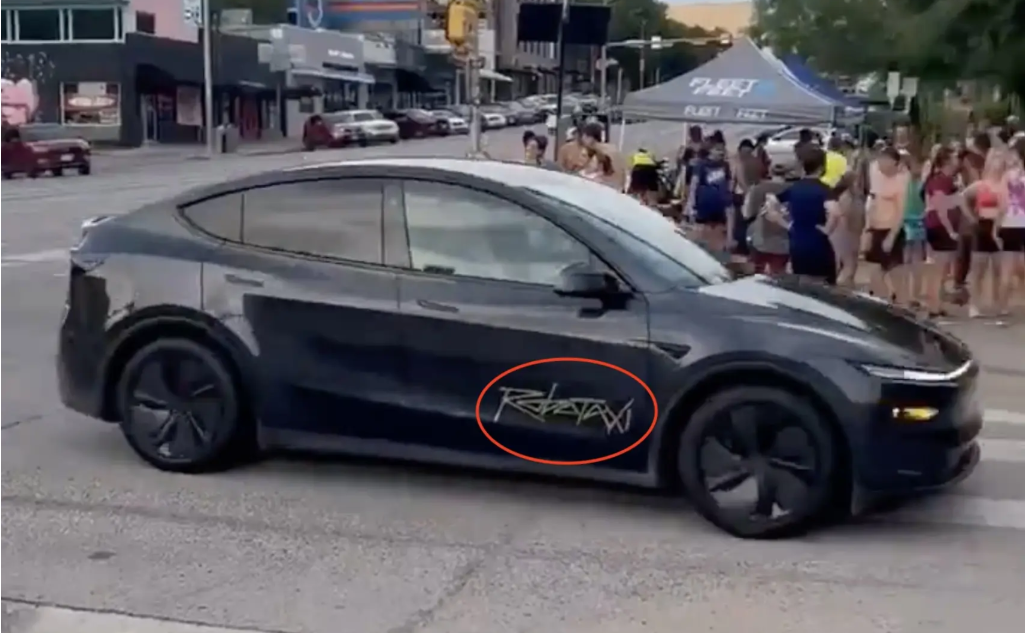
Tesla has officially launched its long-awaited robotaxi service in Austin, Texas following years of promises, signalling the start of what could be a major transformation in urban mobility.
The initial rollout is modest but highly symbolic. A small fleet of Model Y SUVs, equipped with Tesla’s camera-only Full Self-Driving software, began ferrying early users in a geofenced area of Austin’s south and southeast districts. The vehicles operate without a driver in the front seat – though a Tesla employee sits in the passenger seat as a safety monitor during this early access phase.
According to Musk, early riders are being charged a flat US$4.20 per ride, and the service operates between 6 a.m. and midnight daily. The fleet currently consists of 10–20 vehicles, with plans to scale to 1000 in coming months before introducing a purpose-built Cybercab that will lack pedals or a steering wheel entirely.
Tesla hand-picked the first wave of users, many of whom are prominent supporters and influencers. One such user, known online as “Bearded Tesla,” live-streamed a ride, showing the empty driver’s seat and describing the experience as “smooth.” Buttons visible in the cabin allow the safety monitor to stop the vehicle, pull over, or contact Tesla support if needed.
The robotaxi service arrives at a critical time for Tesla. The company faces slowing EV sales and rising investor pressure to diversify its offerings. Musk has increasingly emphasized autonomy and AI as the cornerstones of Tesla’s future, and this launch is seen as a real-world test of those ambitions.
However, the rollout hasn’t been without controversy. Democratic lawmakers in Texas recently urged state regulators to delay Tesla’s driverless service until new safety regulations take effect in September 2025. Still, under current Texas law, driverless vehicles are legal as long as they carry insurance, have proper safety equipment, and follow road rules.
Tesla’s debut joins a growing roster of autonomous services in Austin, including Waymo and Zoox, as the city becomes a hotspot for self-driving innovation. With Tesla now in the race, the pressure – and scrutiny – will only intensify.
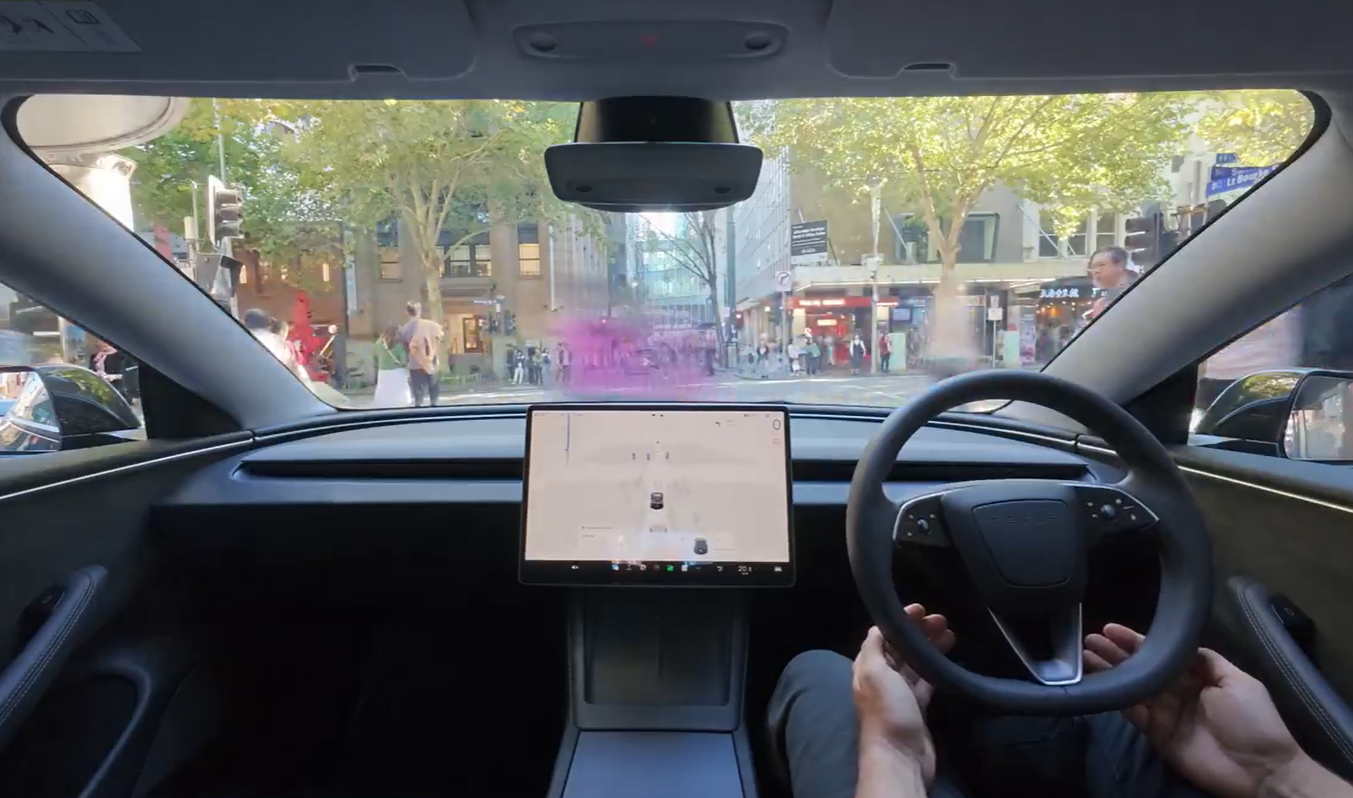
WhichCar recently noted that Tesla’s most advanced self-driving system – named ‘Full Self-Driving’ by the company – had started testing in Australia after a video was released showing an Australian-spec right-hand drive car self-driving through the Melbourne CBD.
Follow WhichCar/Wheels on Google
Click the button below to make WhichCar by Wheels a preferred source for your news.