News
Gallery 1
China’s grip on the global automotive market is tightening – and fresh figures out of the UK suggest the momentum is only accelerating.
Sales data from the first half of 2025 reveals a dramatic shake-up in British car-buying behaviour, with Chinese brands rapidly displacing long-established players from Europe, Japan, Korea, and North America.
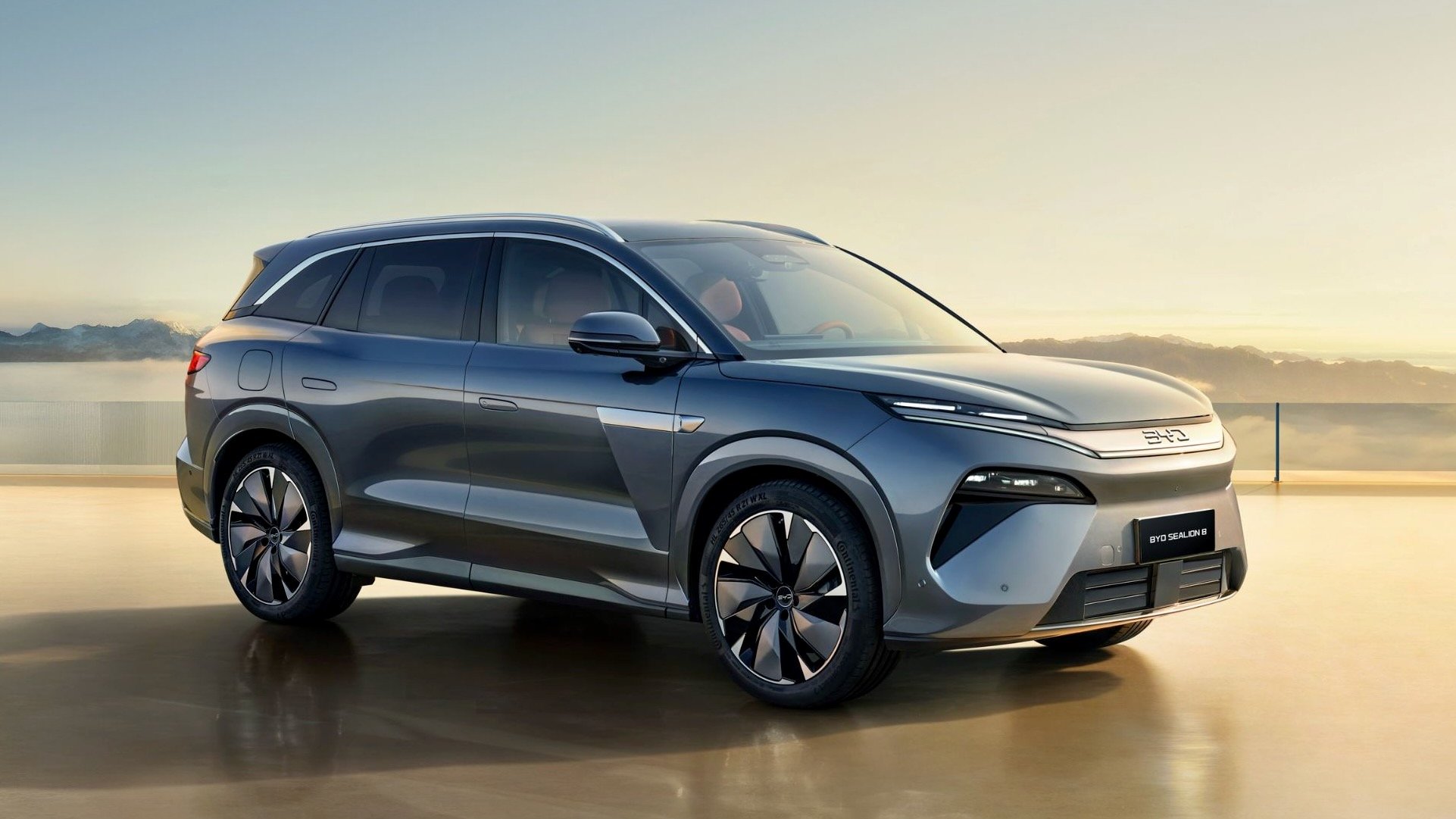
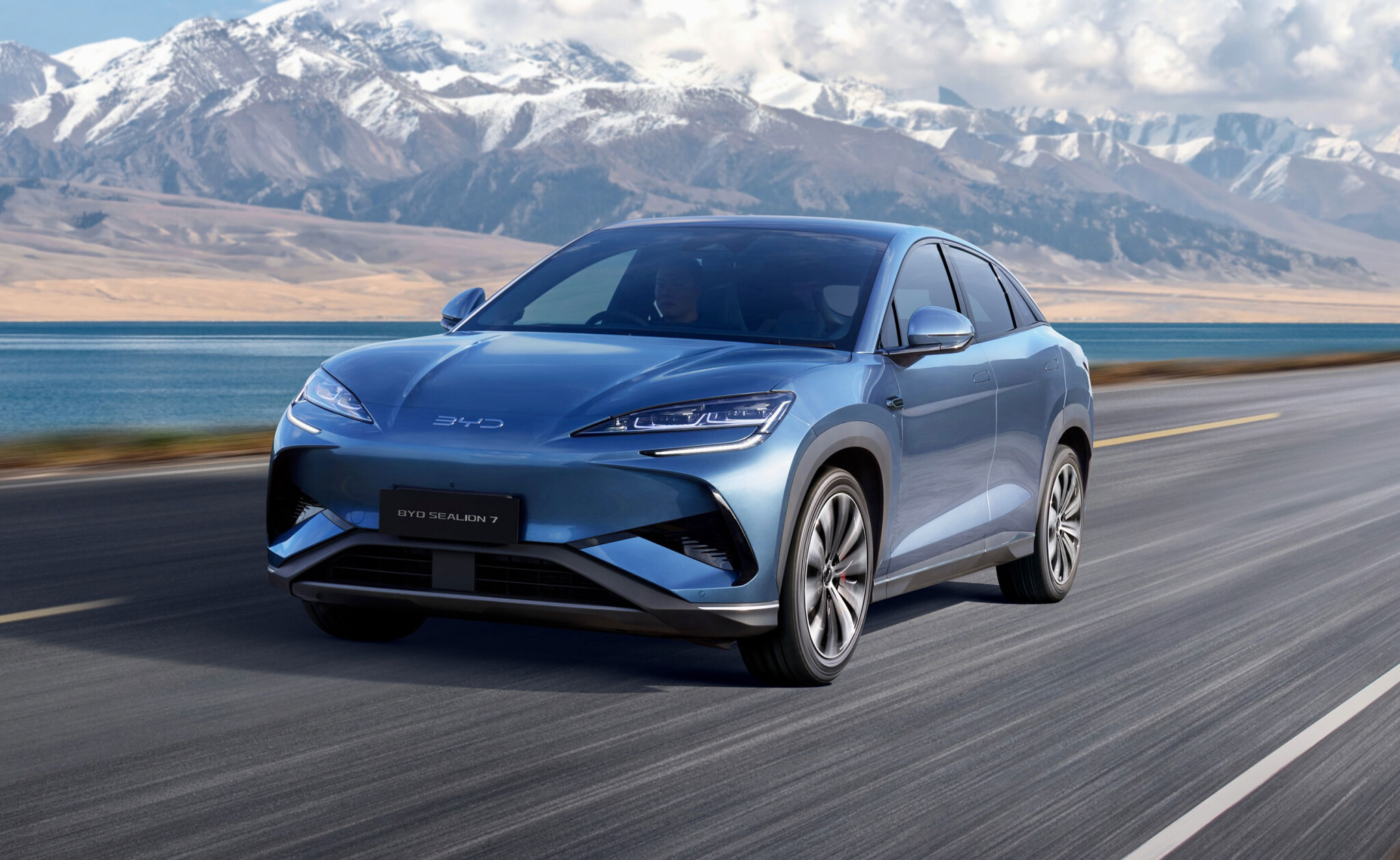
Once minor players in the UK, Chinese carmakers are now scaling the ranks at unprecedented speed. BYD’s local sales have risen quickly – up more than 560 per cent compared to the same period last year. Its growth has propelled it past a host of legacy marques, including Mazda.
4
Meanwhile, brands such as Jaecoo and Omoda, previously unheard of in the region, have leapt from zero sales to several thousand units in just six months. Leapmotor and XPeng are also on the march, both entering the market and already clocking sales in the hundreds, with much larger ambitions. Even newer arrivals, including Skywell, are joining the fray, and Geely and Chery are also confirmed to launch imminently.
Industry watchers say the question is no longer if Chinese manufacturers will top Britain’s new-car sales charts – but when.
A similar transformation is now playing out in Australia. A new report by the Centre for International Economics predicts Chinese car brands are on track to dominate the local market by 2035. Analysts point to a combination of advanced electric vehicle manufacturing, aggressive pricing, and increasing consumer acceptance.
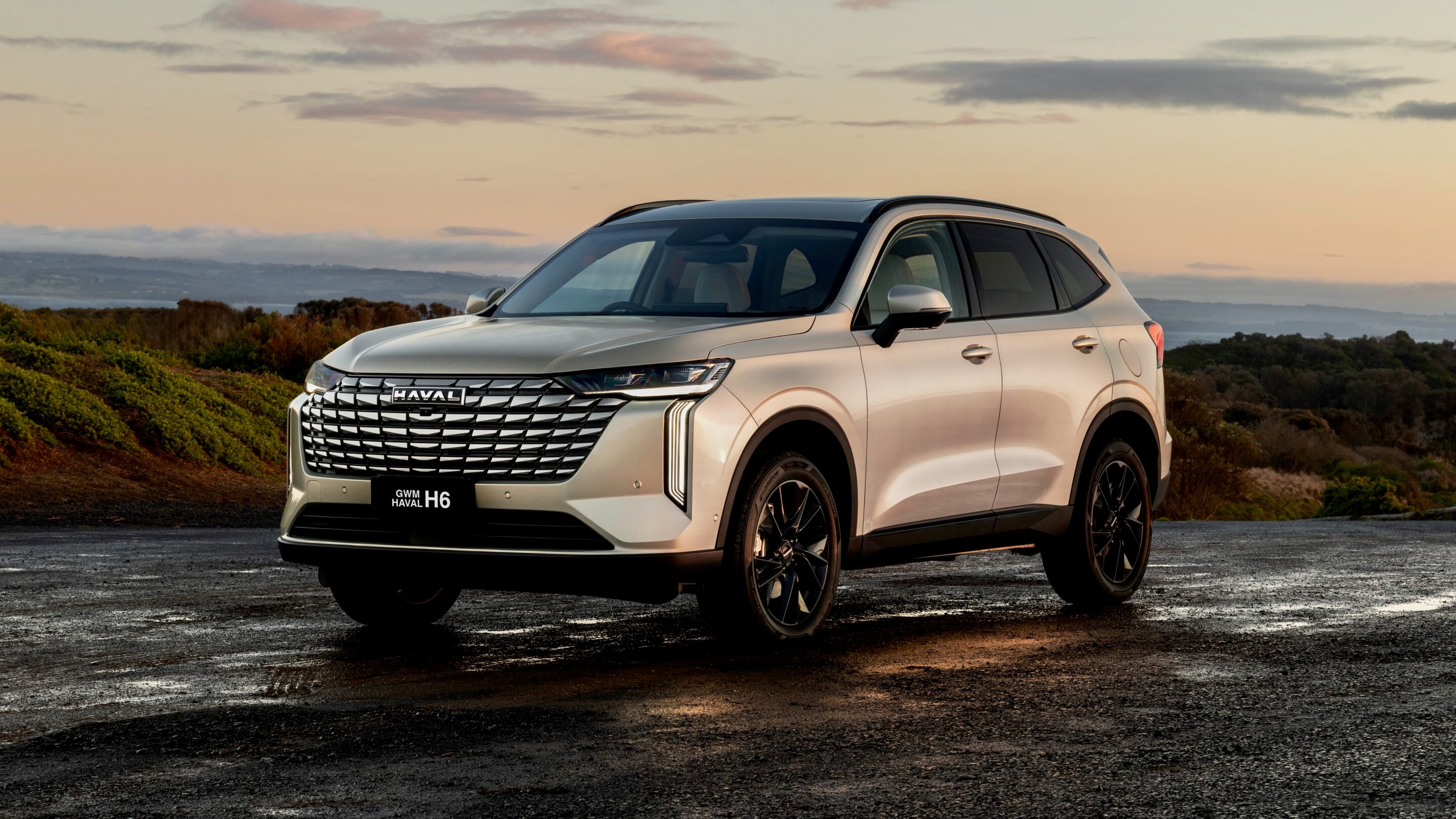
Chinese automakers – including MG, BYD, Chery and GWM – already command a rising share of the Australian new car market and are expected to account for 20 per cent of sales as early as the end of 2025.
1
The shift is being fuelled by affordability, long warranties, and product diversity – from compact EVs to full-size SUVs – alongside a growing appetite for electrified and hybridised transport. With Australia having no domestic car production and federal and state policies encouraging EV adoption, Chinese brands are perfectly positioned to capitalise.
Bargain-aware consumers are clearly voting with their wallets – fuelling the rise of Chinese automakers.
Follow WhichCar/Wheels on Google
Click the button below to make WhichCar by Wheels a preferred source for your news.