News
Gallery 1
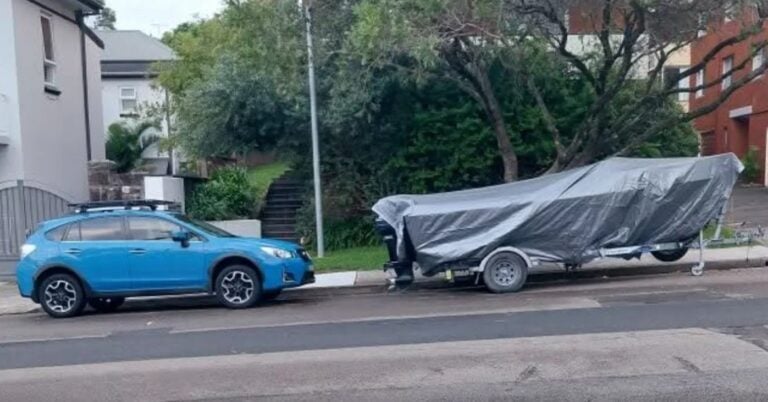
A spate of viral TikToks has suggested Australians don’t need to pay parking fines unless they’re issued by a council. While the videos have gained traction, legal experts warn the reality isn’t so simple.
According to Principal Criminal Lawyer Avinash Singh from Astor Legal, it’s crucial to distinguish between council fines and private parking fines.
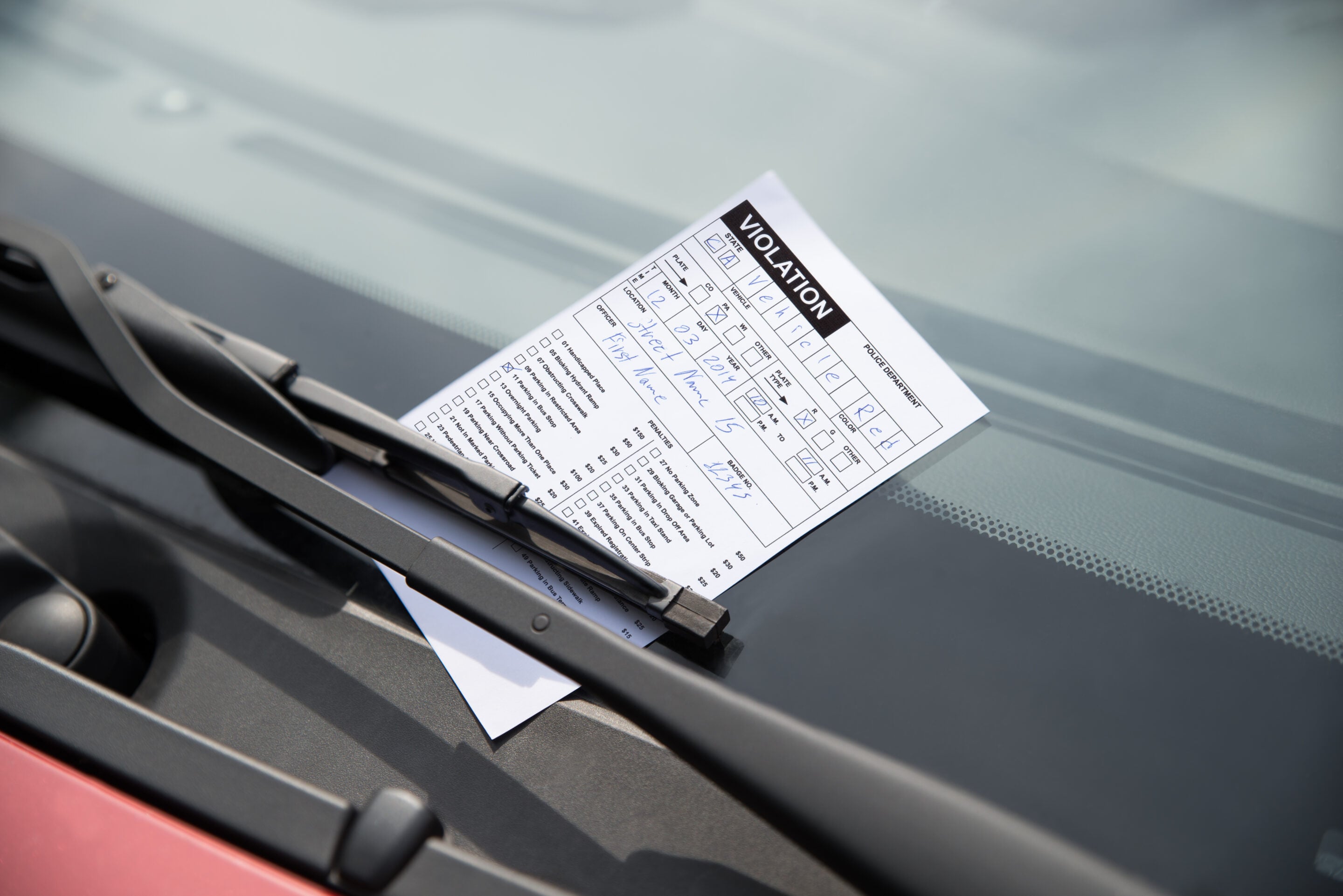
Council-issued fines are backed by government authorities. Failure to pay can result in serious consequences, including suspension of your driver’s licence until the debt is resolved.

Private parking fines, however, are issued by commercial car park operators and are not enforced by state transport agencies. Not paying won’t lead to licence suspension – but that doesn’t mean they can be ignored.
Singh explains: “A company could sue you and have a court order you to pay the fine, plus interest and part of their legal costs. In practice, many don’t pursue small fines as the cost of suing often outweighs the fine itself.”
Typically, non-payment leads to debt collector contact, followed by a letter of demand. If the matter escalates, the operator may file a claim in court.
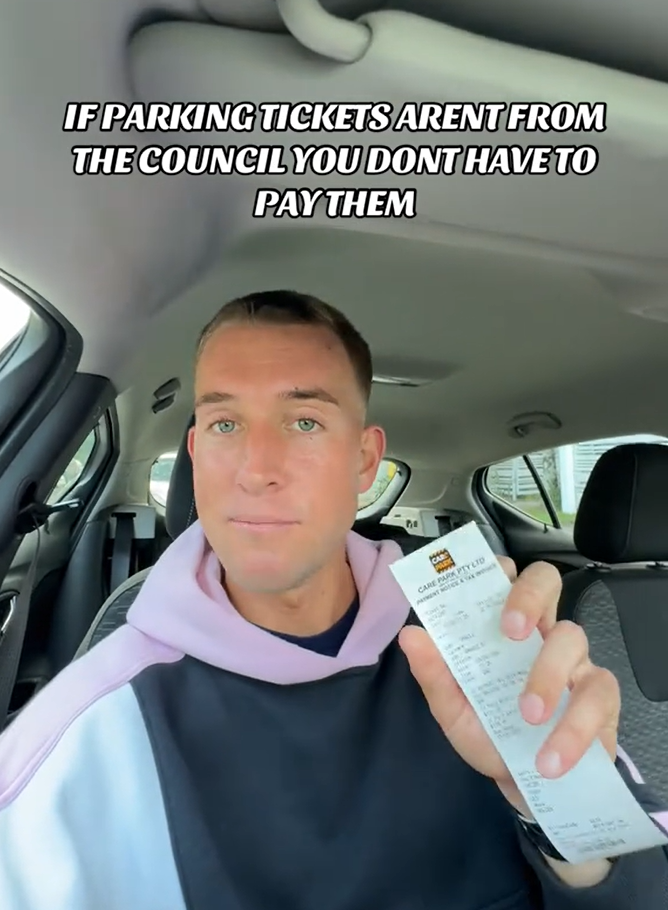
Some suggest private fines amount to a breach of contract – agreed to upon entering a car park. Singh confirms this is correct, but stresses it is a civil matter, not criminal. Recovery still requires court action.
Importantly, clamping or towing a car without consent is illegal under the Local Government Act 1993, with penalties of up to $2200.
Drivers can dispute private fines in court by challenging unclear signage, lack of proper consent, or claiming the contract was unfair.
Follow WhichCar/Wheels on Google
Click the button below to make WhichCar by Wheels a preferred source for your news.