News

Gallery 1
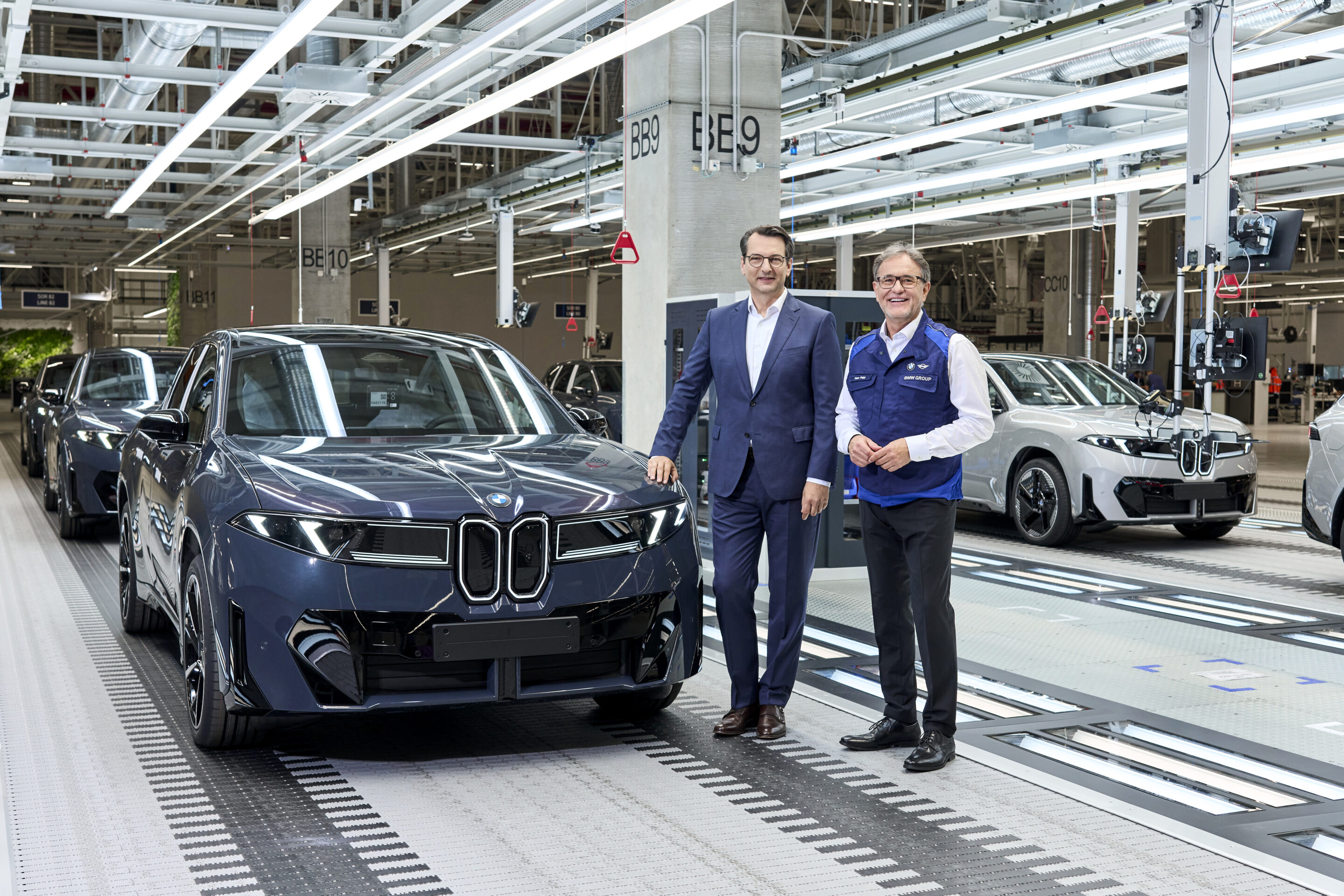
BMW is moving into the final phase before launching its Neue Klasse lineup, with series production of the new all-electric BMW iX3 scheduled to begin in late October at the company’s state-of-the-art facility in Debrecen, Hungary.
Milan Nedeljković (below, right), BMW’s board member for Production, said the milestone signals “a new era of automotive manufacturing,” noting that the plant is the first in the brand’s global network to be designed from the outset under the iFACTORY concept. That framework prioritises fully digital processes, fossil-free operations, and streamlined efficiency.
Hans-Peter Kemser (below, left), head of Plant Debrecen, said building both a new model and a new plant simultaneously was an unprecedented challenge. “We have simplified processes, reduced complexity, digitally validated each operation and leveraged global expertise. The result is a plant with efficient production and the flexibility to integrate additional models.”
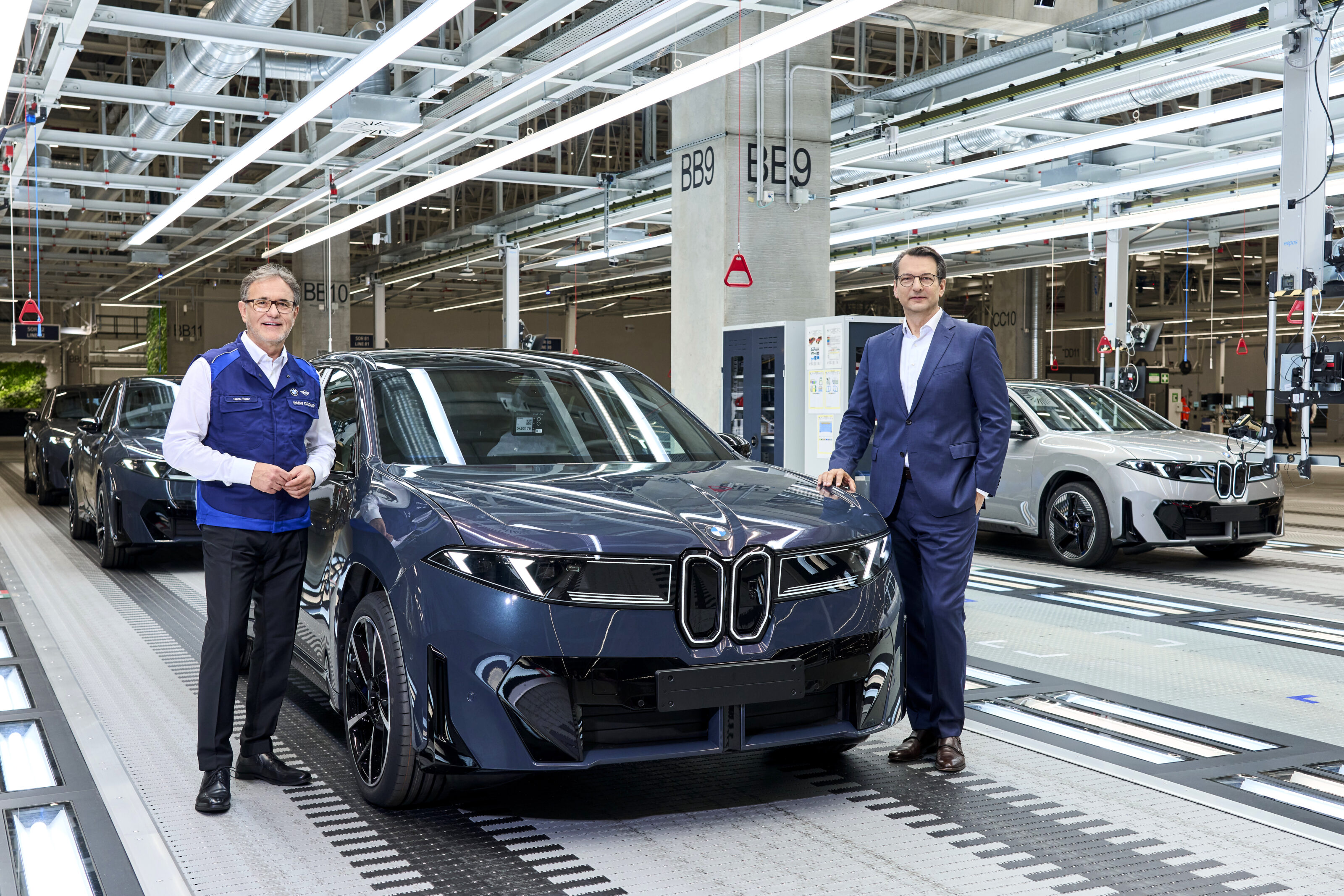
The iX3 will spearhead BMW’s next-generation electric vehicles, with Neue Klasse technologies set to roll out across 40 models and updates by 2027.
Plant Debrecen was planned and tested virtually, enabling exact installation of production lines. In the body shop, more than 1,000 robots were optimally placed using digital simulations, while the press shop uses standardised tooling across BMW’s global network. Artificial intelligence further drives efficiency, with the in-house AIQX platform automating quality checks and feeding real-time feedback to workers.
Debrecen is BMW’s first car plant powered entirely by renewable electricity, with a 50-hectare on-site solar farm supplying a quarter of its energy needs. The paint shop, a major energy consumer, now operates without fossil fuels, cutting annual CO₂ emissions by up to 12,000 tonnes. Thermal storage systems and waste heat recovery deliver further efficiency.
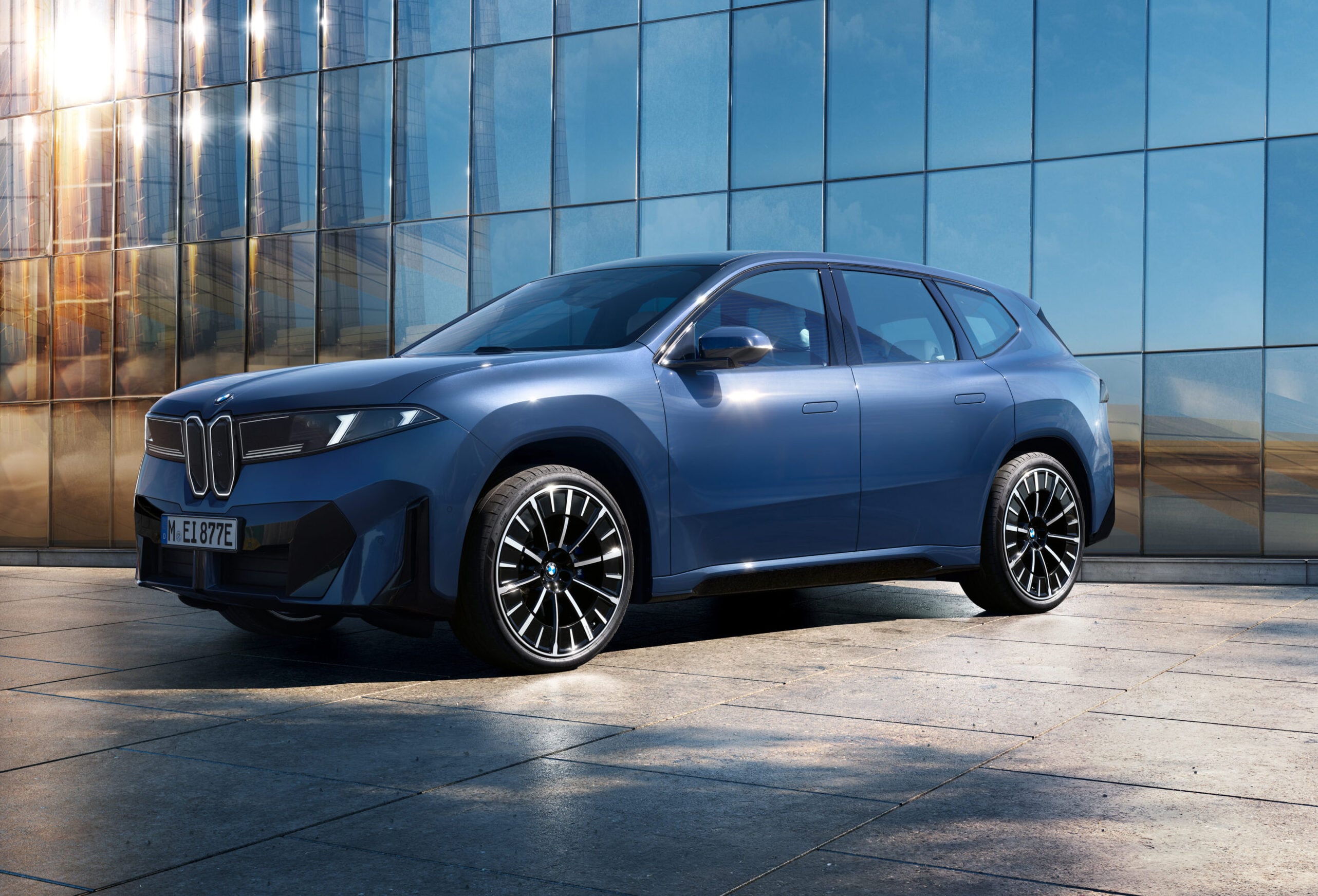
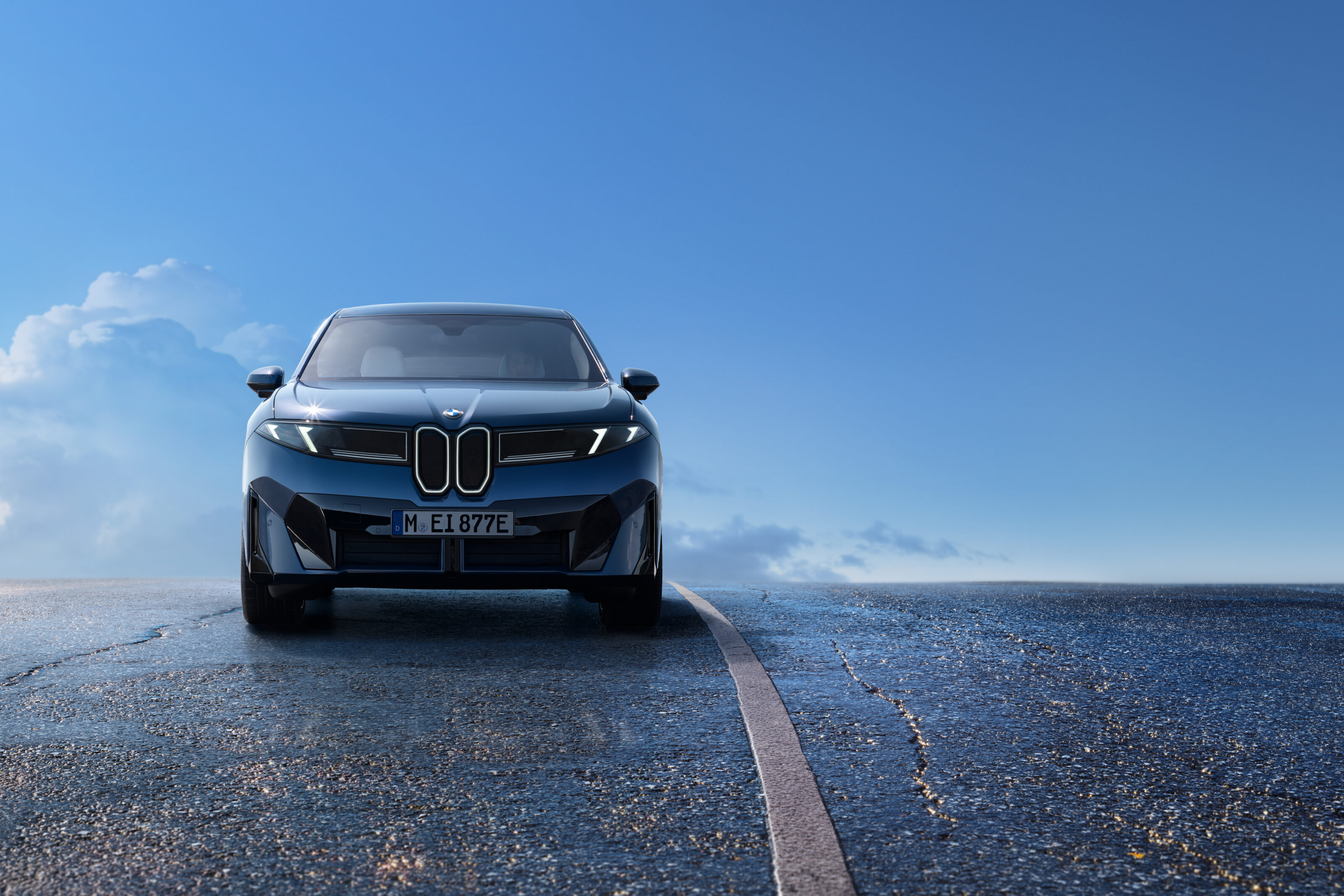
The Hungarian facility will also be the first to assemble BMW’s Gen6 high-voltage batteries. Production processes were refined in pilot plants and are supported by digital twins and AI databases, ensuring zero-defect quality monitoring and efficient local assembly.
With more than 2,000 employees and a design that integrates best practices from BMW plants worldwide, Debrecen will serve as a model factory for the brand’s global transition into the Neue Klasse era.
Follow WhichCar/Wheels on Google
Click the button below to make WhichCar by Wheels a preferred source for your news.