
News
Gallery 1
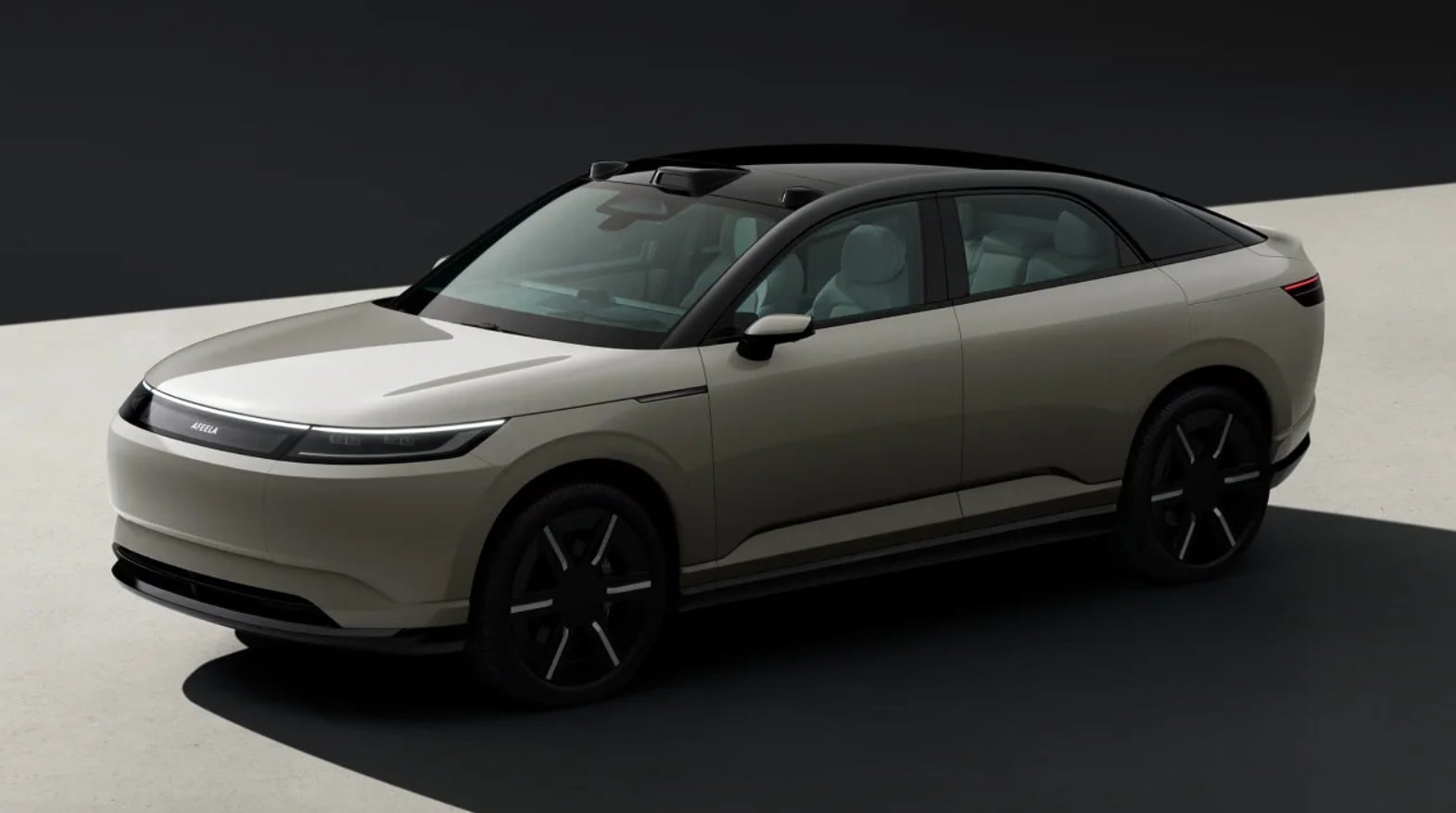
Afeela, the electric vehicle brand formed through a joint venture between Honda and Sony, has revealed its second model at the Consumer Electronics Show in Las Vegas, further underlining its ambition to redefine the car as a rolling software platform.
Known as the Afeela Prototype 2026, the new model will join the previously announced Afeela 1 sedan and place an even stronger emphasis on artificial intelligence, connectivity and autonomous driving technology.
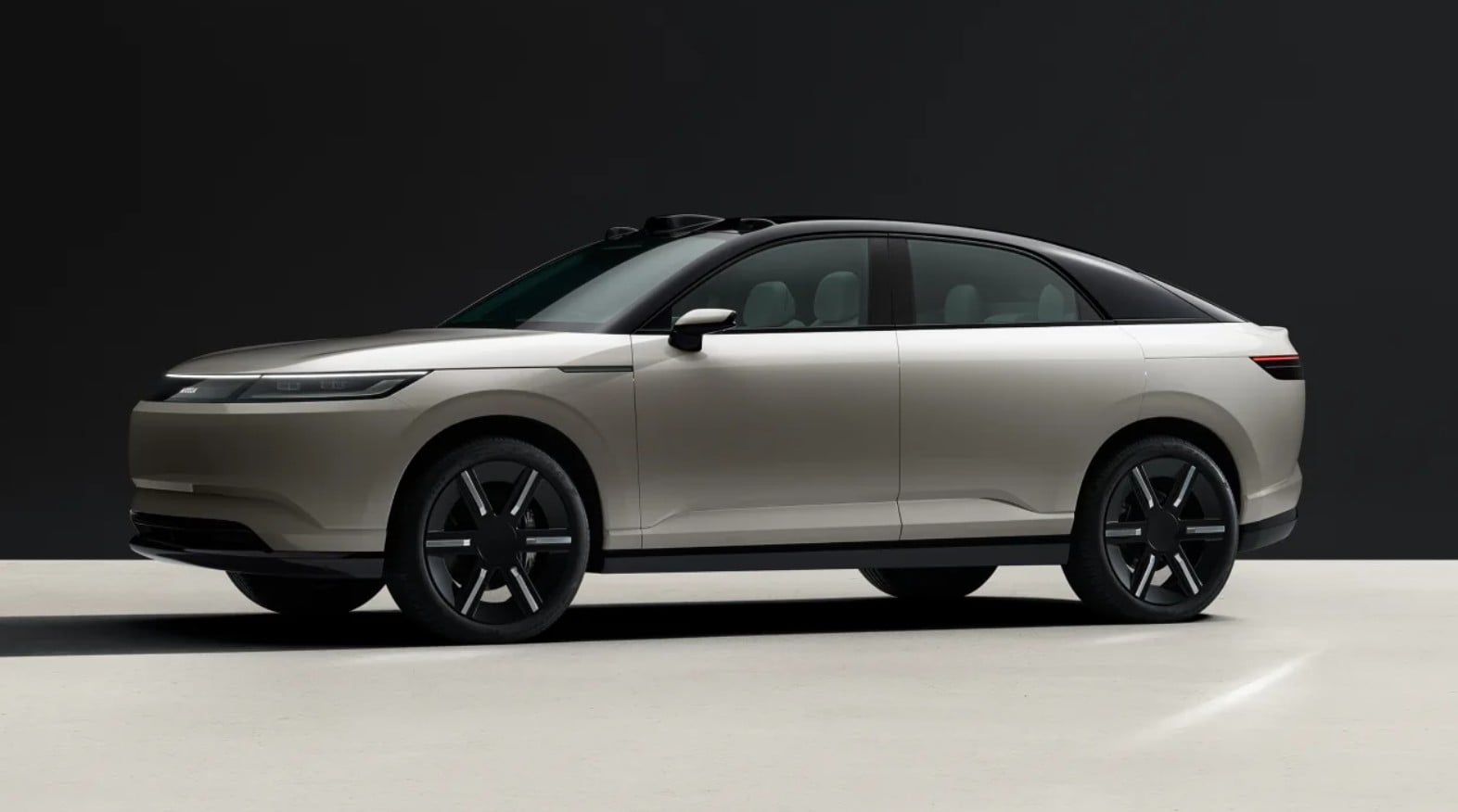
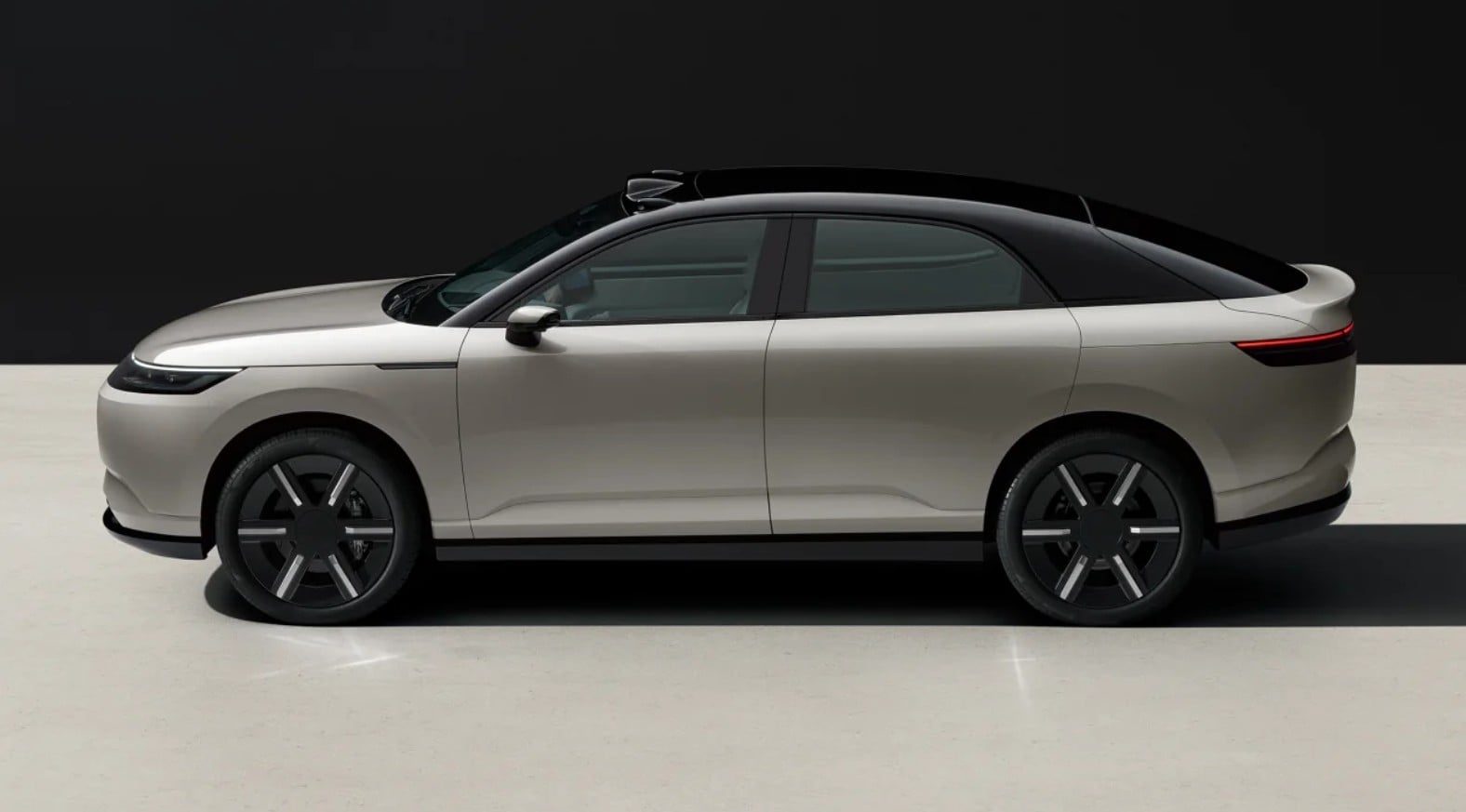
While the Afeela 1 sedan is due to arrive from 2028, the newly revealed Prototype 2026 previews a more practical crossover-style vehicle. It features a higher ride height and a more spacious cabin than the sedan, broadening the brand’s appeal beyond traditional luxury saloons. Production is planned for Honda’s manufacturing facility in the United States, with initial sales confirmed for the US and Japan.
2
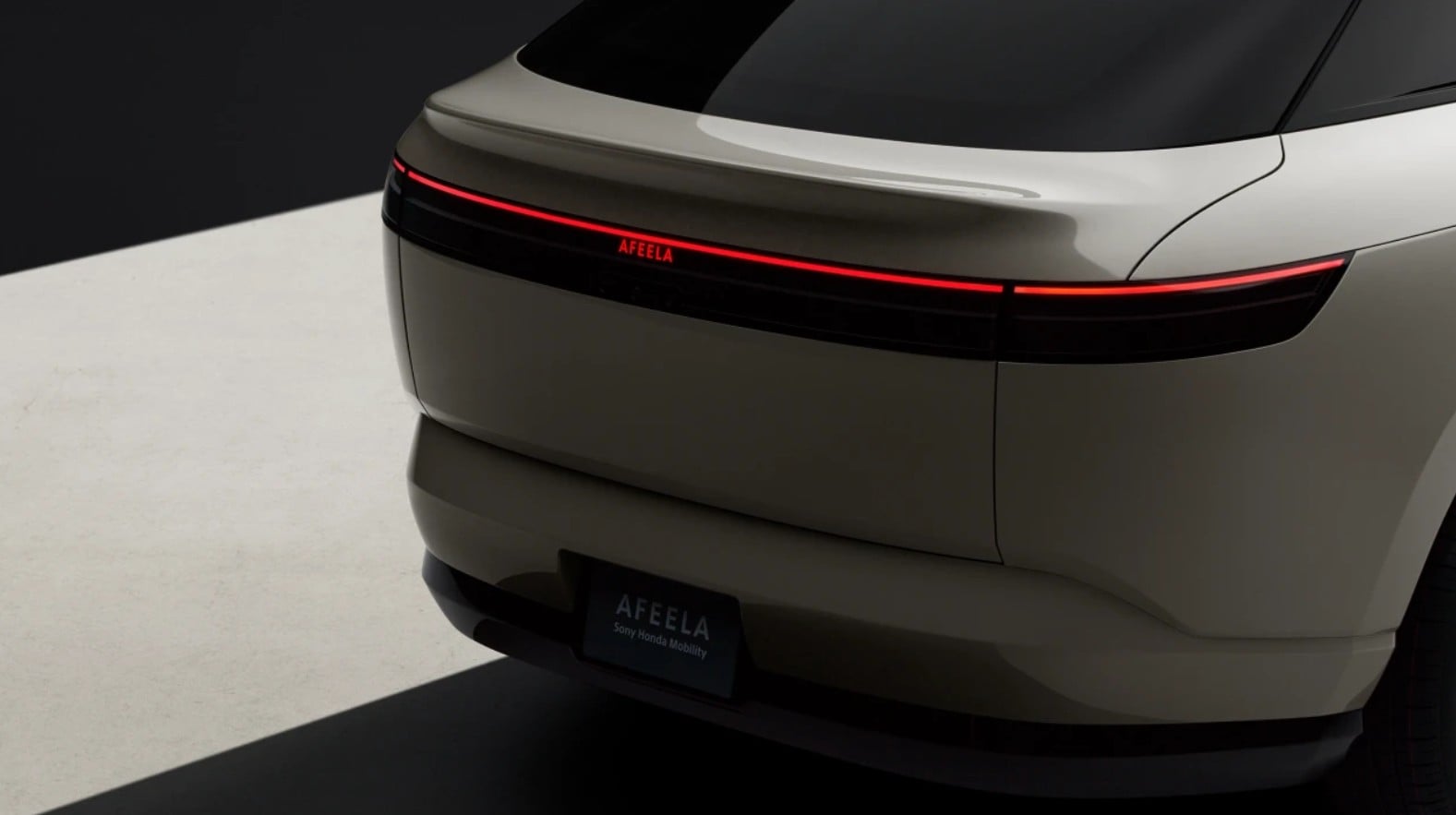
Stylistically, the Prototype 2026 closely follows the design language established by the Afeela 1. The front end features the same rectangular headlight signature and slim external display panel positioned between them, used to communicate information to other road users. The crossover body brings noticeable changes, however, including a more upright roofline finished in black, a larger rear window and an expansive glass roof panel designed to enhance cabin light and openness.
Interior images have not yet been released, but the cabin is expected to mirror the sedan’s high-tech layout. That includes a full-width digital display stretching across the dashboard, digital side mirrors and a distinctive yoke-style steering wheel, all aimed at reinforcing the vehicle’s tech-forward identity.
Technical details remain limited, but the Prototype 2026 is expected to share much of its hardware with the Afeela 1. That suggests a dual-motor, all-wheel-drive setup producing around 358kW, powered by a 91kWh battery. Estimated driving range is likely to sit at roughly 480 kilometres, while DC fast-charging capability is expected to peak at around 150kW.
2
While those figures are competitive rather than class-leading for a vehicle due later in the decade, Afeela’s focus is clearly on software. The brand plans to launch its vehicles with Level 2+ autonomous capability, allowing point-to-point assisted driving under driver supervision. Crucially, all Afeela models will be equipped with the necessary hardware to support Level 4 autonomy in the future, enabling true hands-off, eyes-off driving once regulations allow.
The Afeela brand is unlikely to appear in Australia or Europe in the near term, with early sales limited to select US states and Japan. However, the project is significant for Honda, as the scale and technological learnings from Afeela are expected to influence the brand’s upcoming Series 0 electric vehicles, due to debut globally from later this year.
Ultimately, Afeela represents less a traditional car brand and more a glimpse at how Sony and Honda believe the next generation of vehicles will be defined – by software, autonomy and digital experience first, driving second.
2
Follow WhichCar/Wheels on Google
Click the button below to make WhichCar by Wheels a preferred source for your news.

We recommend
-
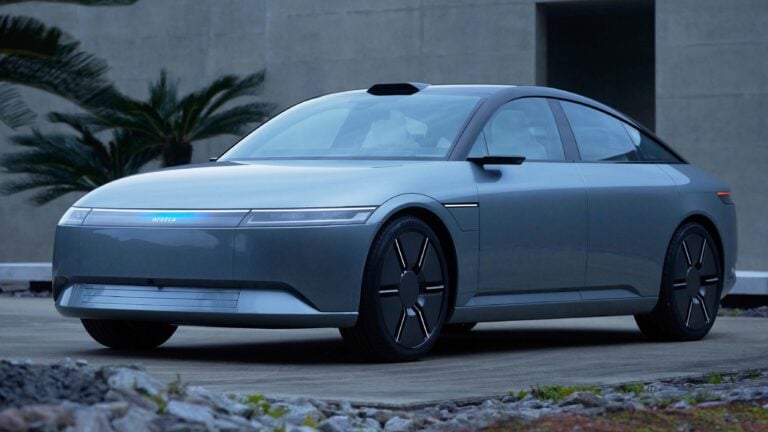 News
NewsVideo: Sony & Honda unveil Afeela brand, 2025 prototype car
It's actually happening: Sony and Honda will launch their Afeela brand soon, and the first car will go on sale in 2025
-
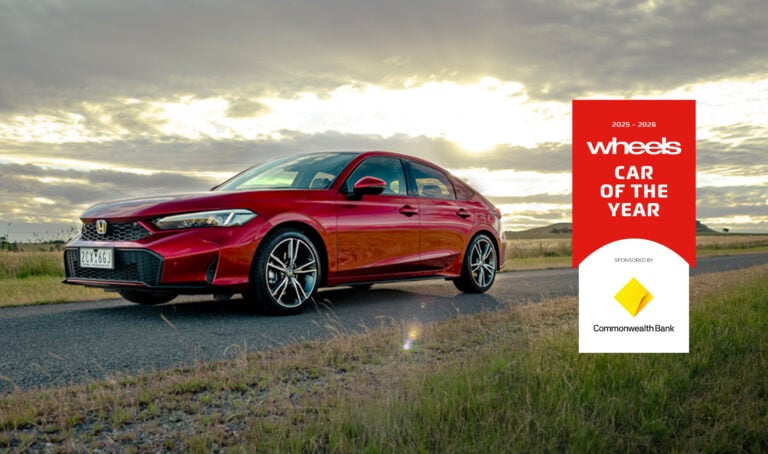 COTY
COTY2025-26 Wheels Car of the Year WINNER: Honda Civic E:HEV L
It’s back to the future for this year’s winner, not just an excellent Honda, but an exceptional car all round.
