
Reviews


Gallery 1
7.5
/10
Score
Score breakdown
7.5
Safety, value and features
8.0
Comfort and space
7.0
Engine and gearbox
8.0
Ride and handling
7.5
Technology
Things we like
- Cabin comfort and quality
- Insulation at speed is excellent
- Range will work for most Aussies
Not so much
- More physical buttons please
- Price likely to rise after initial offer
- Massive screen does have some complexity
This year shapes as one of the most competitive in history for those manufacturers looking to make further inroads into the Australian new-car market. Legacy brands face confrontation like never before in the face of relentless launches and new model releases from challenger brands, largely those based in China. There’s a speed of launch to market never seen before, and manufacturers like Hyundai – now a mainstay in the Australian new car market – have a bumpy road ahead of them.
That’s why the new Elexio – built in Hyundai’s production facility in China – is so important to a brand looking to maximise its position under the new NVES guidelines. There’s certainly a sense that if you can’t beat them, you join them, but the automaker is also keen to emphasise that this is a Hyundai in every sense of the term.
More than three quarters of Hyundai’s portfolio is available with electrification of some sort now, and with even hydrogen on their development table, it has a broader platform than most. Elexio, which sits between Kona and Ioniq 5 in the Hyundai model totem pole, is aimed squarely at city-dwelling EV buyers, with a tech-heavy focus and a modern take on design and functionality inside the cabin. It’s the first Hyundai Wheels has tested without a focused driver display or gauge set, too, something we’ve criticised in the Tesla Model Y. A head-up display promises to ease some of that concern – more on that in a minute.
3
Elexio comes in just the one trim grade at launch, the Elite, priced at $59,990 driveaway. Arriving towards the middle of 2026, a base model Elexio will also join the range, sitting beneath the Elite with a starting price of $58,990 before on-road costs. It’s fair to assume, at that point, the initial driveaway offer for the Elite will revert to regular pricing, likely to be a few thousand dollars more than the current tag. Given Elite trim level usually sits in the middle of a Hyundai model range, the Elexio Elite is definitely more equipped and feels more premium than the naming might suggest.
Some local input has been fed to this new Elexio, too, with consultation between Hyundai Australia not just on ride and handling, as has been happening for a while, but also in regard to the calibration of the suite of electronic safety controls, with a strong program of local evaluation, feedback and consultation back to the factory in China. Hyundai says, springs, dampers and anti-roll bars have all been tested to find the best system for our local road network.
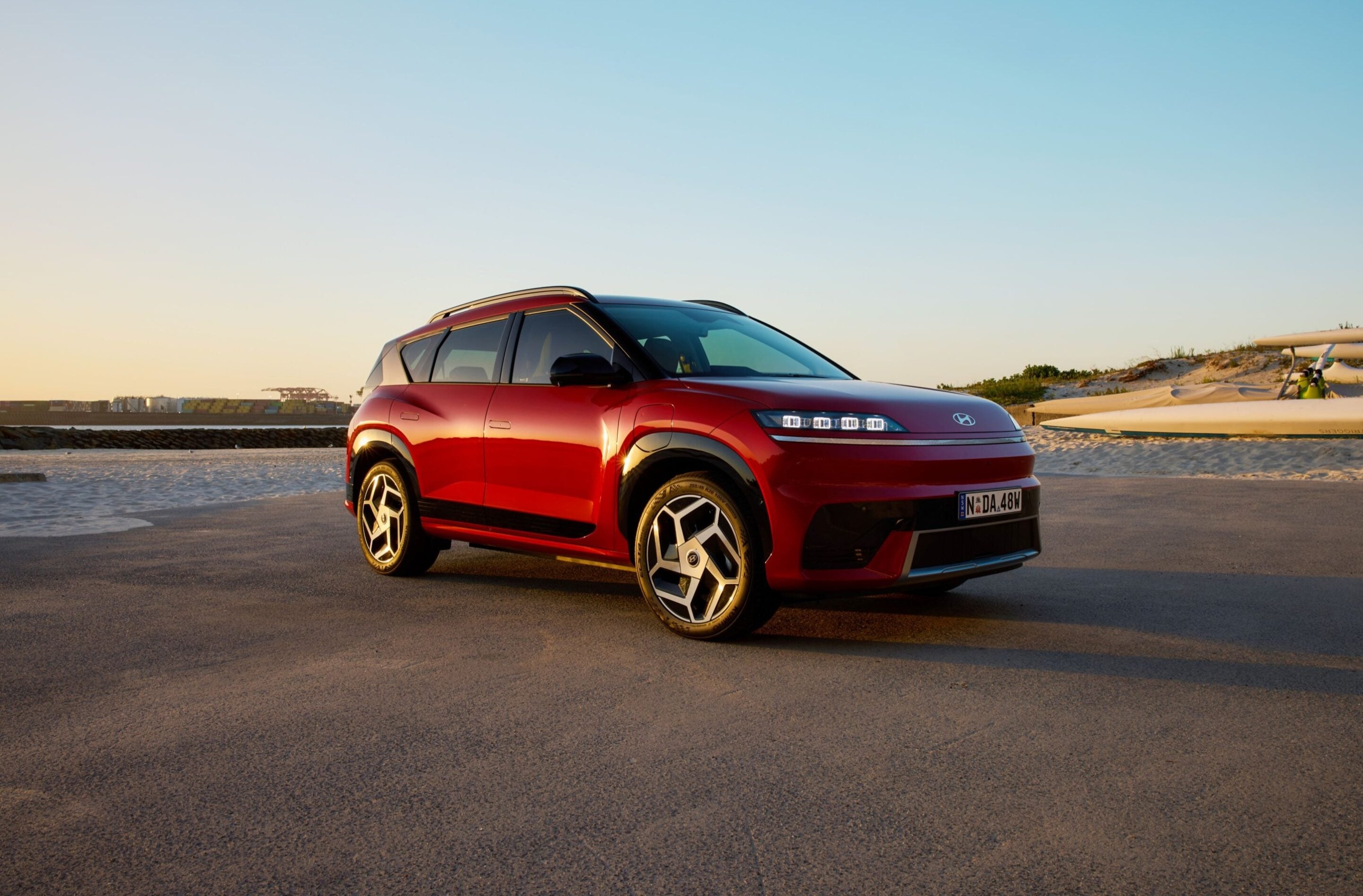
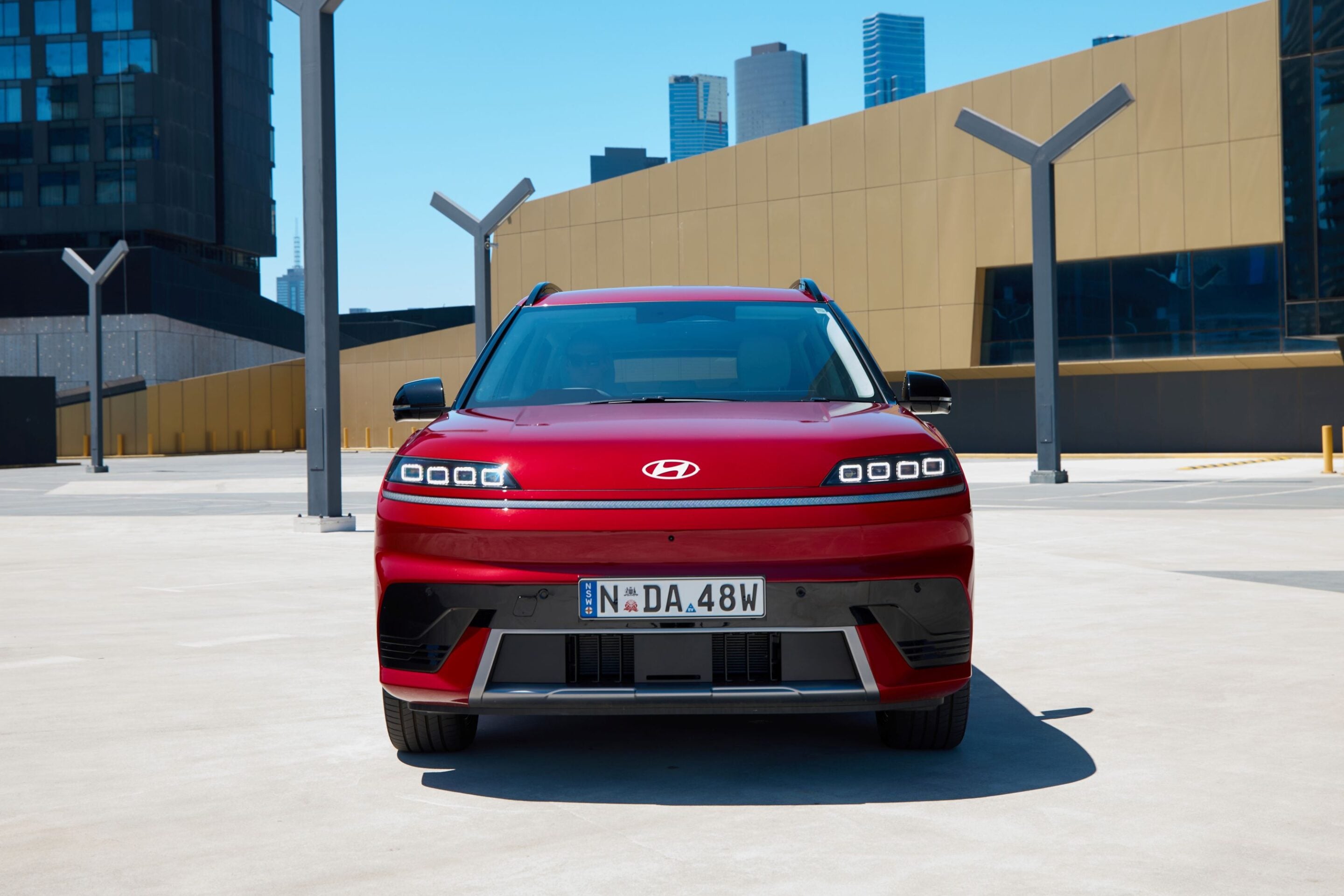
First up, style, and there’s no doubt the Elexio looks more ‘Hyundai’ and less ‘Ioniq’. Whether that is deliberate or not doesn’t matter, but where Ioniq models appeal to those buyers looking to stand out from the crowd, the Elexio will catch the eye of those of you who prefer to be a bit more demure, and more inclined to waft in and out of the SUV crowd without attracting too much attention. That’s to say, Elexio looks a lot more like you’d expect a Hyundai SUV to look in 2026. The one departure is the four headlights that sit either side of the bonnet, giving the Elexio a focused frontal view. Matter of opinion, sure, but we think it’s a good looking vehicle.
Interior and drivetrain
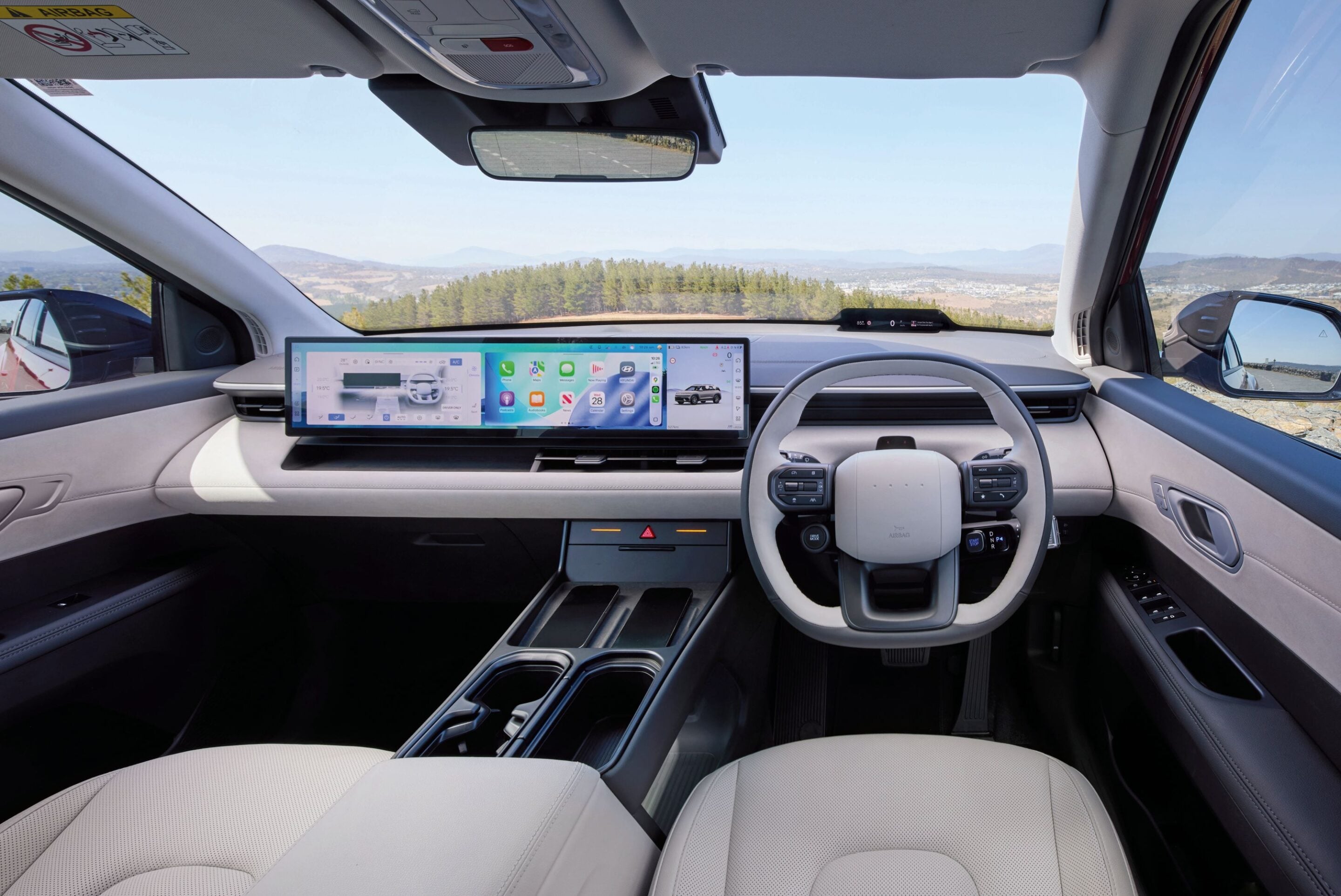
The cabin is the area where Elexio departs from what we’ve come to expect of Chinese-built vehicles. It feels familiar if you’ve driven a Hyundai in the last few years, with the caveat that the massive 27-inch, 4K infotainment screen that fills the dash fascia removes the need for buttons of any kind. The jury is still out on that one, and we’d prefer some physical controls for key inputs. Traditional steering wheel controls take care of some of that functionality, but we’d like controls for key things like the AC for example, to be accessed in the traditional way.
2
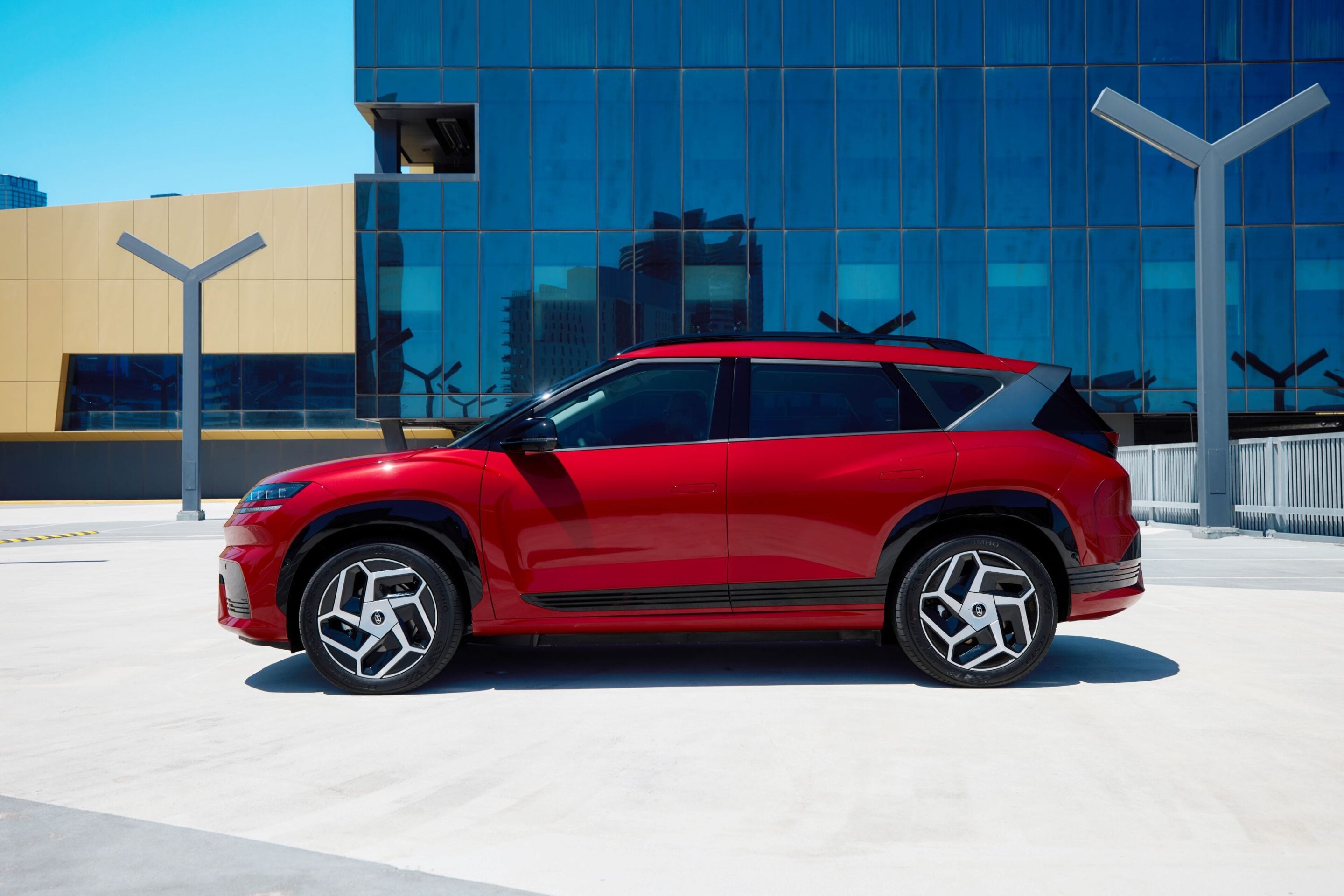
Elexio Elite gets 20-inch wheels, LED head- and tail-lights, an electric tailgate, acoustic glass, roof rails, and 506 litres of storage space in the boot. The front seats – heated and ventilated – have more than enough adjustability to get comfortable behind the wheel, and there’s room in the second row for adults if you don’t have really long-legged occupants up front. We found the infotainment system worked snappily on test – both Apple CarPlay and the proprietary satellite navigation systems, with clear call clarity as well.
There’s a lot to take in across the gigantic screen, some of it too far away from the driver, but it works well. The head-up display is one of the best we’ve ever tested because it isn’t projected onto the windscreen in the traditional way. Rather, it’s projected onto a blacked out section of the screen, meaning it’s crisp and clear in any light.
Elexio gets an 88kWh battery pack with FWD via an electric motor at the front axle, and 160kW/310Nm outputs. WLTP testing claims a driving range of 546km. The E-GMP platform beneath features 400-volt capability, and charging can run from 10 to 80 per cent in as little as 38 minutes.
What’s it like to drive?
On the road, the Elexio is snappy without being too fast and delivers the kind of effortless forward urge that only an EV can produce. The ride is excellent, even on choppy country roads, and one of the highlights is the cabin insulation. At 100km/h on a coarse chip country road, there’s almost no noise entering the cabin, such is the quality of the insulation, meaning you get a much more relaxed cruise than you do in some EVs.
4
The steering and braking are also excellent, but we needed to turn the lane-keep assist system off on country roads, such was its tendency to want to direct where we sat in the lane.
If you’re trying to avoid a pothole, roadkill or debris on the road, that gets annoying very quickly. The safety systems were otherwise unobtrusive though.
There’s no doubt the styling will appeal to more buyers than Kia’s edgy EV5, and while they share the same platform, the Elexio feels different to drive. Whether it can cut through into more Australian new car buyers, most of whom are still cynical about the merits of a full EV remains to be seen.
Does the Elexio feel like a Chinese-built EV? No, and in effect it feels every bit the Hyundai that its badge implies. That’s important for potential buyers, too, to extrapolate on the reasoning of why someone would opt for an electric vehicle from an established brand. Whether it becomes Hyundai’s most successful EV remains to be seen.
It’s still a hefty investment, and EVs still make up less than 10 per cent of all new vehicle sales in Australia.
So, it’s fair to say Australians aren’t yet ready for the electric transition in big numbers.
The Elexio is, though, an impressive example of the form that’s definitely worthy of consideration.
Specs
| Model | Hyundai Elexio |
|---|---|
| Price | From $58,990 plus on-road costs |
| Drivetrain | Single electric motor, front-wheel drive |
| Peak power/torque | 160kW/310Nm |
| Transmission | Single-speed reduction gear |
| Battery | 88.1kWh LFP |
| Peak DC fast charge speed | 150kW |
| 10-80% charge | 38 minutes |
| Claimed range (WLTP) | 540km (Elite)/562km (base) |
| Claimed efficiency | 18.2kWh/100km |
| Dimensions (L/W/H/W-B) | 4615/1875/1695/2750mm |
| Boot space | 506 litres (rear seats up)/1540 litres (rear seats folded) |
| Tare mass | 2080kg – 2105kg |
| Warranty | 5-year/unlimited km (extendable to seven years with dealer servicing), 8-year/160,000km (battery) |
| On sale | Now |
7.5
/10
Score
Score breakdown
7.5
Safety, value and features
8.0
Comfort and space
7.0
Engine and gearbox
8.0
Ride and handling
7.5
Technology
Things we like
- Cabin comfort and quality
- Insulation at speed is excellent
- Range will work for most Aussies
Not so much
- More physical buttons please
- Price likely to rise after initial offer
- Massive screen does have some complexity
Follow WhichCar/Wheels on Google
Click the button below to make WhichCar by Wheels a preferred source for your news.

We recommend
-
 News
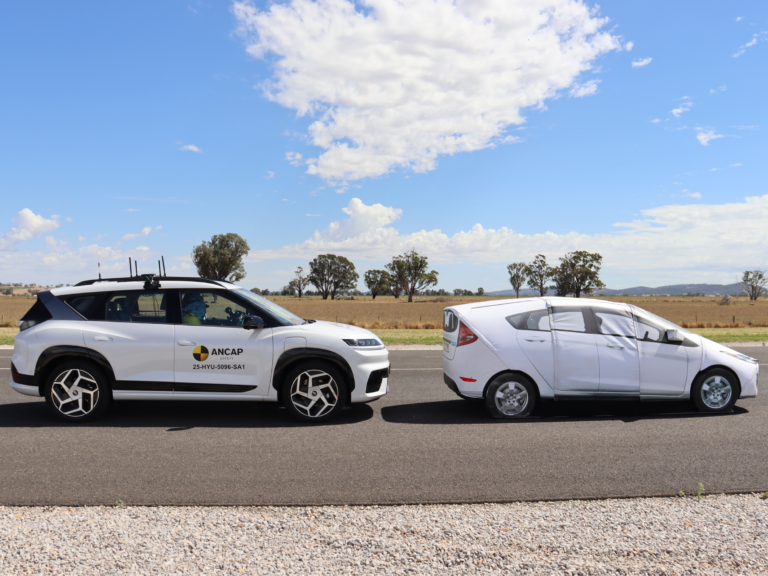
NewsDenza B8 and Hyundai Elexio secure five-star ANCAP ratings
New plug-in hybrid and electric SUVs praised for strong crash protection and advanced safety technology.
-
 Reviews
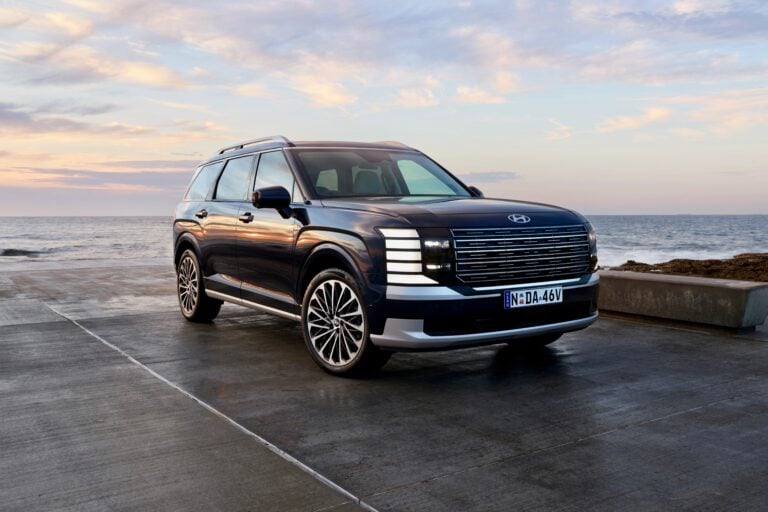
Hyundai Palisade review: Hybrid power now part of luxuriously appointed 2nd gen large SUV
The Hyundai Palisade has entered its second generation with more class, luxury and performance as part of the brand's continuing roll-out of upgraded product.
-
 Reviews
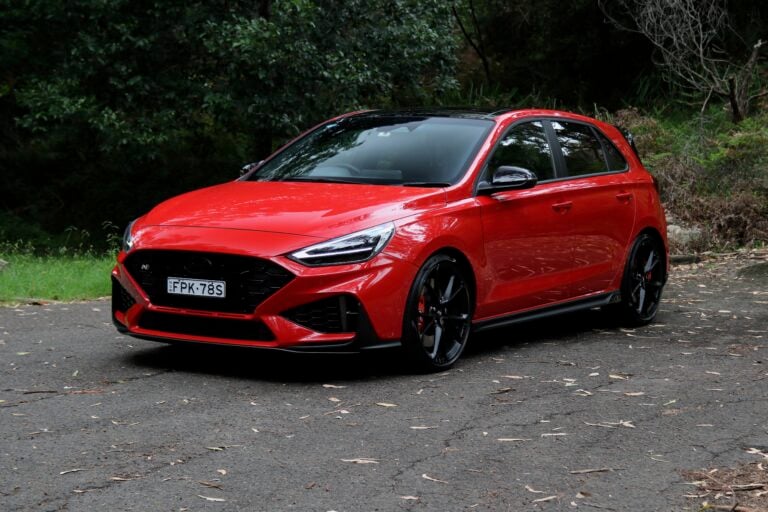
Hyundai i30 N review: Still a masterclass of the hot hatch form
The Hyundai i30 N is hardly the newest kid on the block in the hot hatch world, but is it still one of the best in 2026?
