Features

Gallery 1
First published in the October 1972 issue of Wheels magazine, Australia’s best car mag since 1953. Subscribe here and gain access to 12 issues for $109 plus online access to every Wheels issue since 1953.
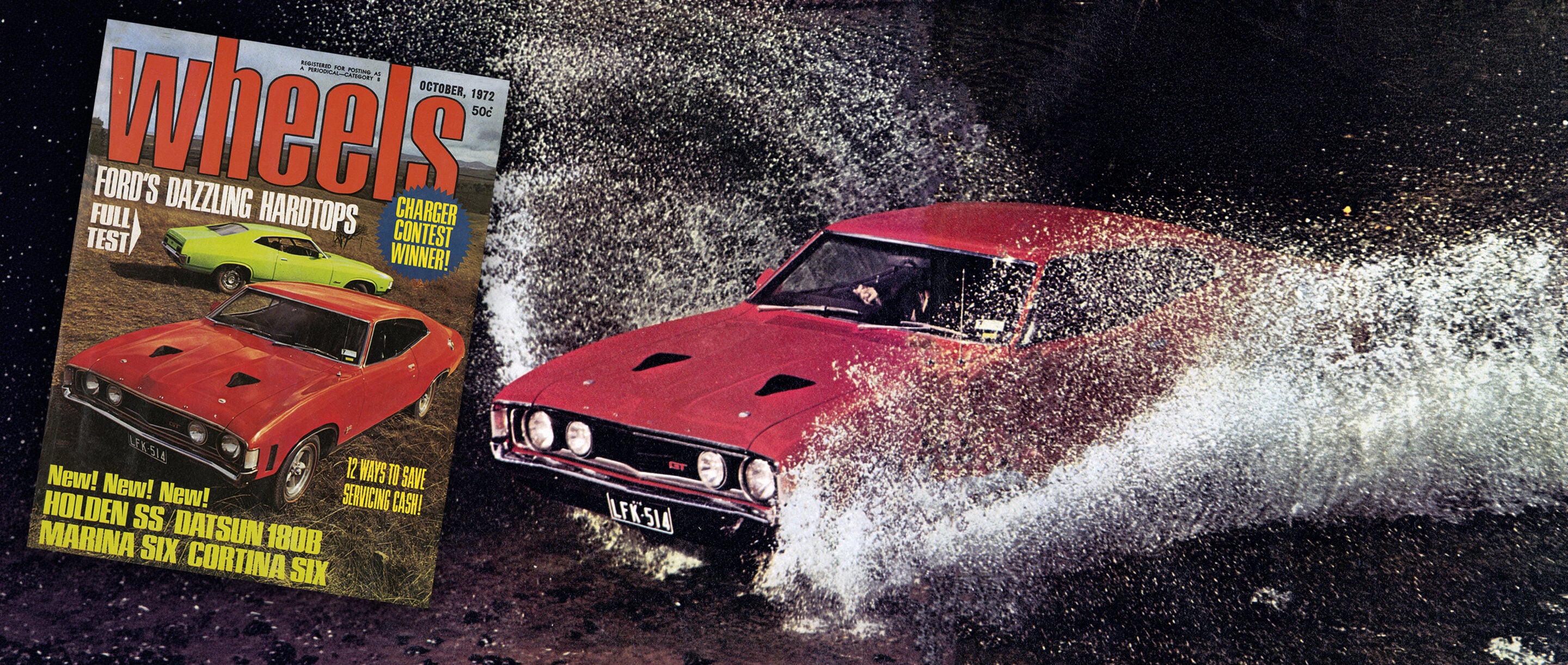
Ford’s new Hardtop range gives it the armament necessary to topple GMH from the top of the sales list in Australia.
Until now, Ford hasn’t had an effective answer to the Monaro or Charger/Valiant Hardtop models although it was Ford who first took the plunge in Australia and came out with a two-door model. But that was back in XM-XP days of 1964-65 when the market wasn’t really ready for innovation. It was enough to have station wagons and sedans and the choice of two engines and two transmissions.
Now four years after Monaro, Ford has replied with a wide range of excitingly styled two-door models which, the company hopes, will take it to market leadership.
1
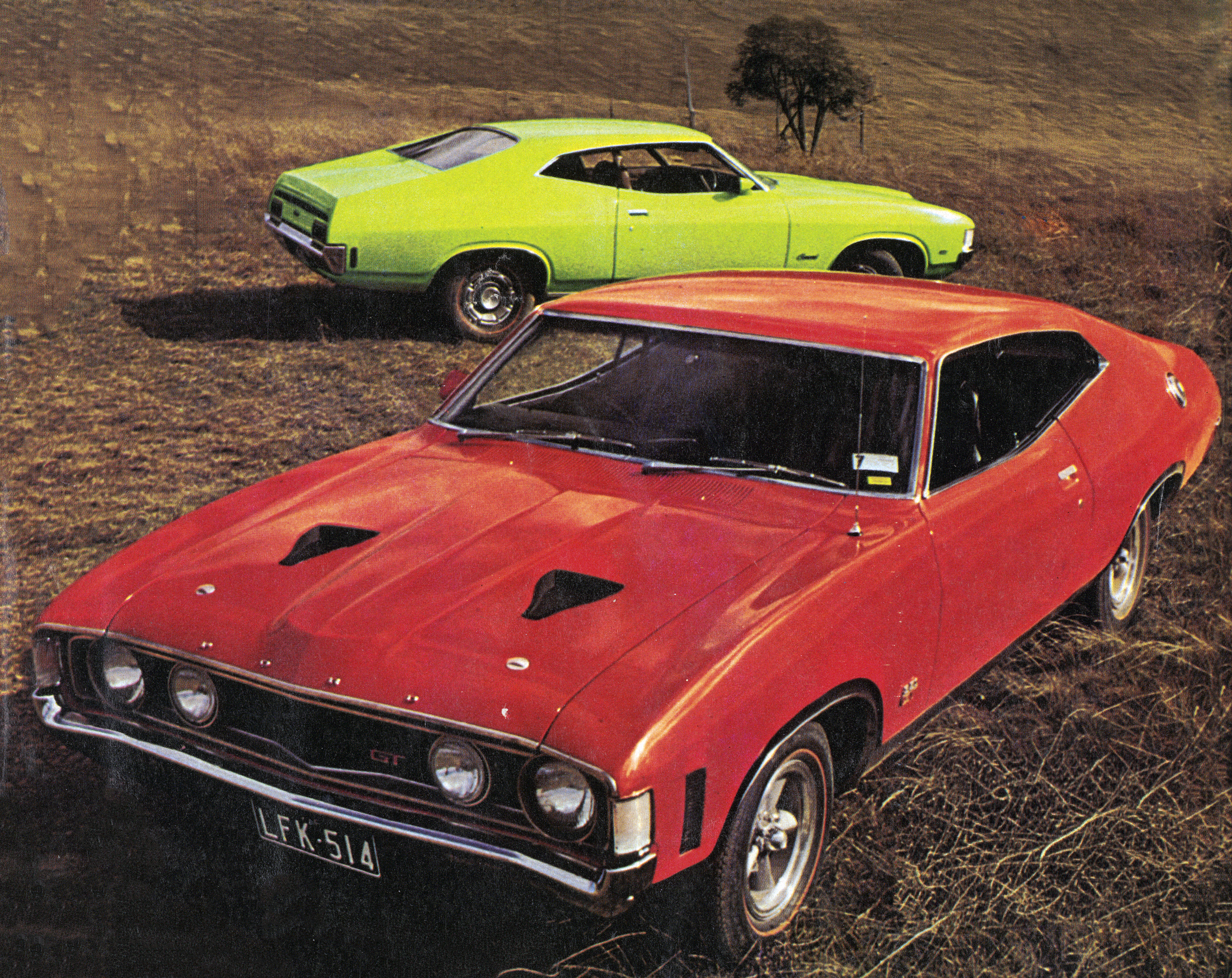
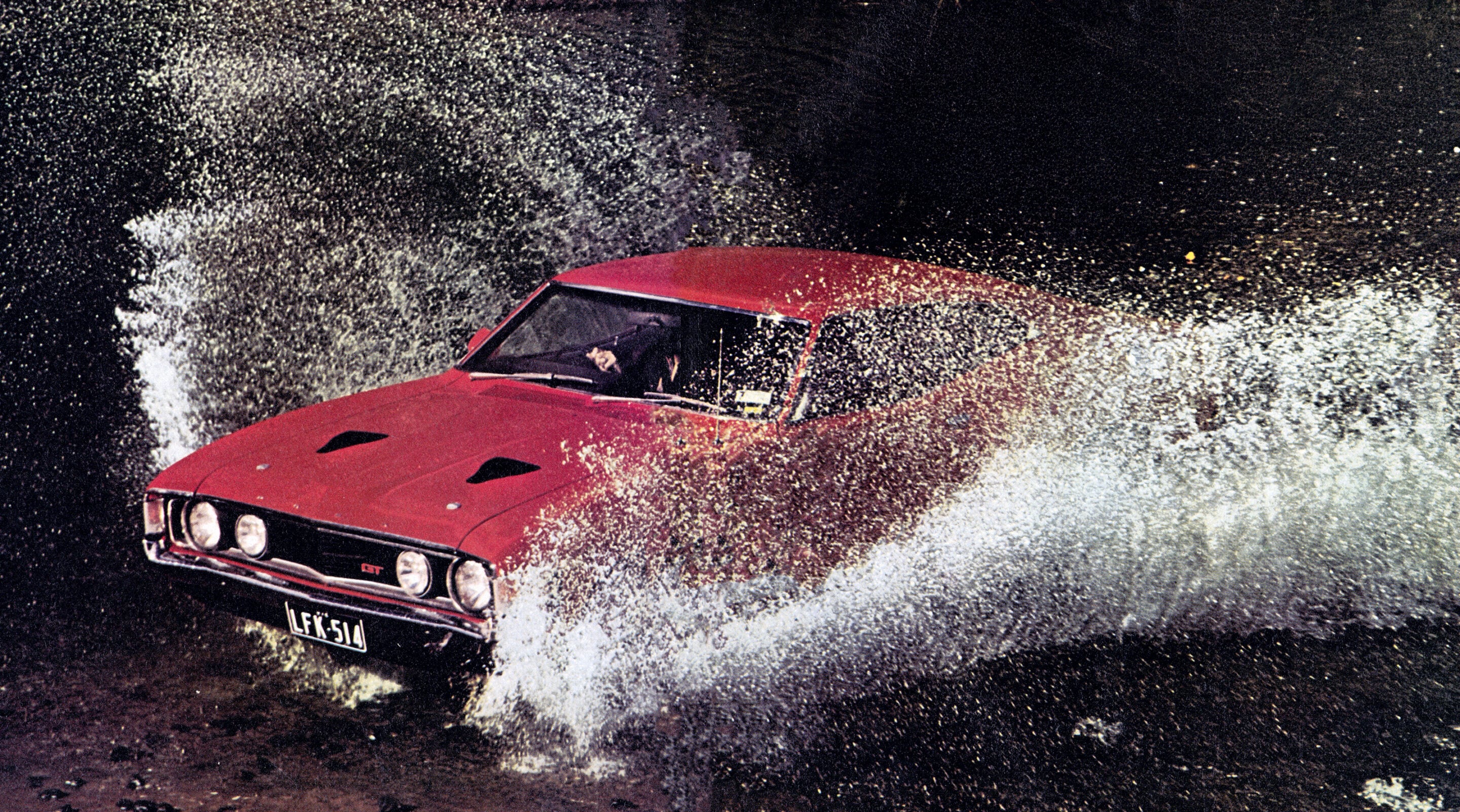
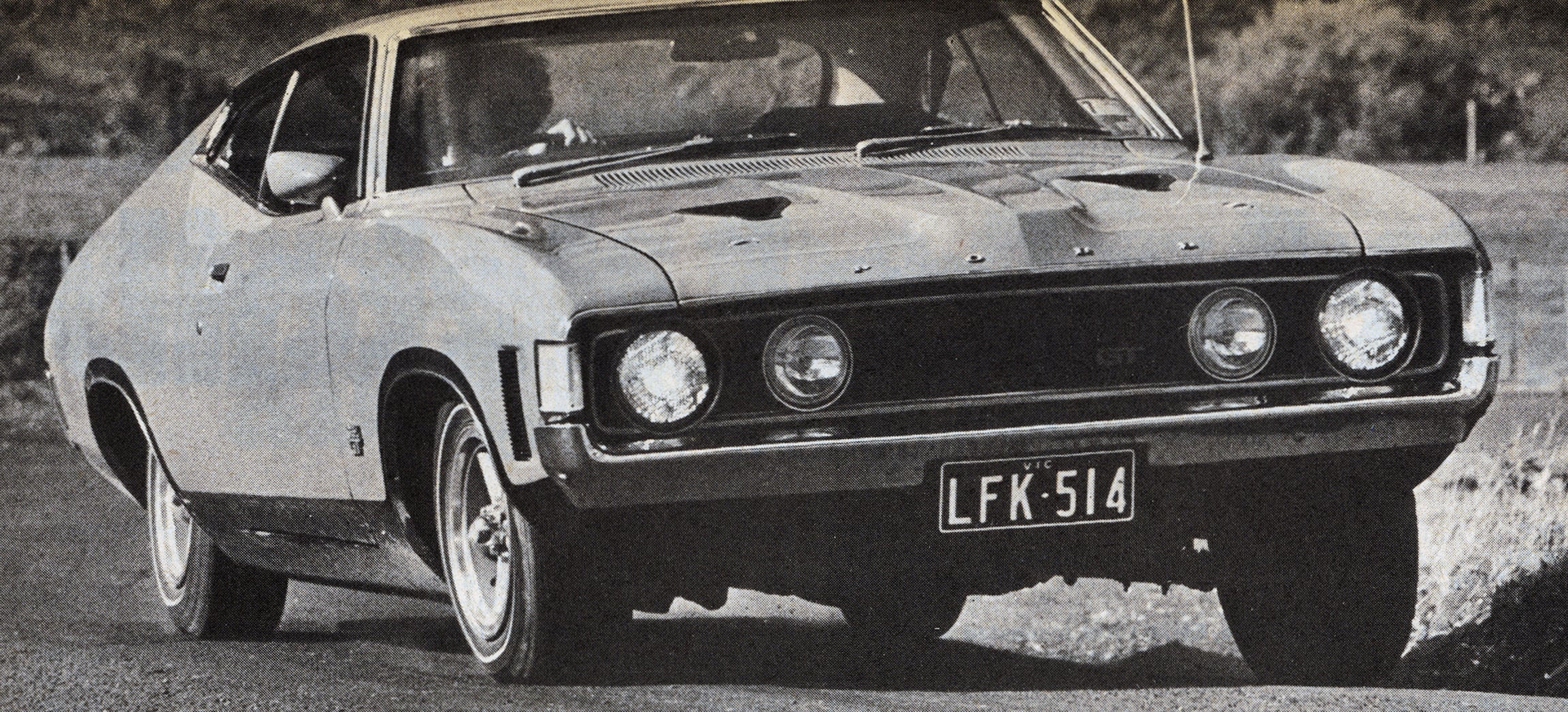
In a secret test drive weeks before the official release, Wheels ran a Fairmont 351 and GT for photographs and road impressions and later, and closer to the on-sale date, carried out full tests on similar cars.
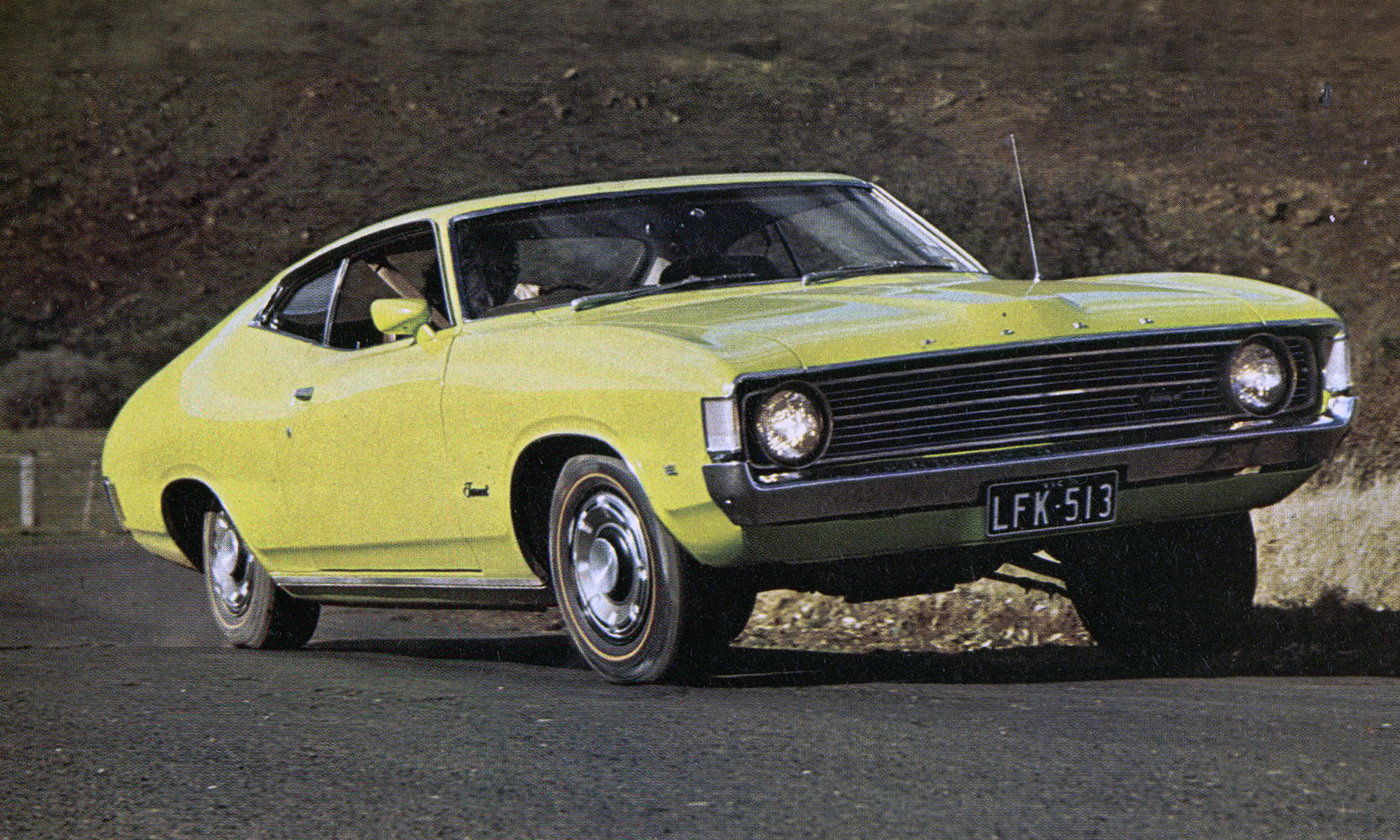
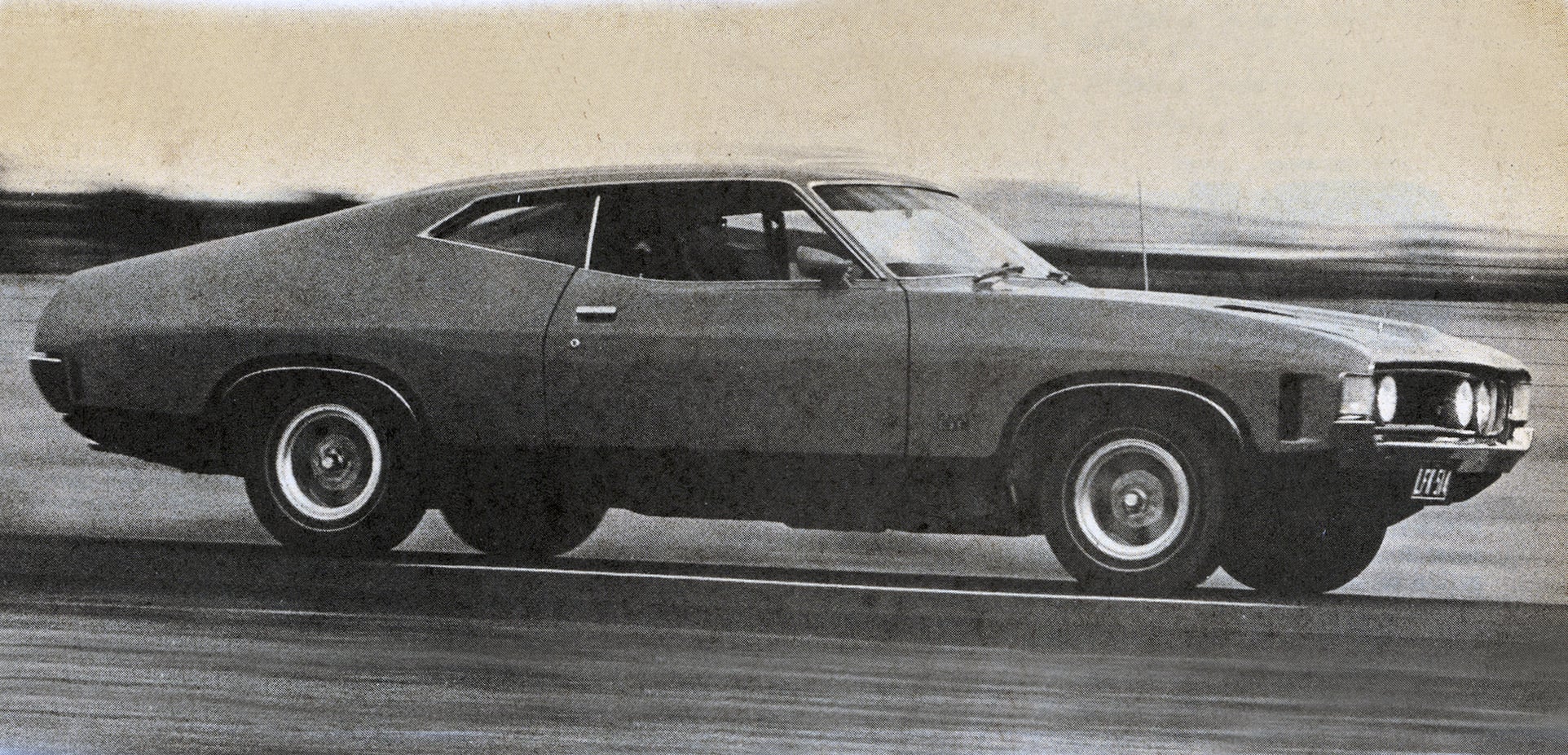
First off, the styling is distinctive and dramatic, easily recognised and in visual terms successful. The car is built on the Falcon 111-inch wheelbase, and not, as has been suggested elsewhere, on the Fairlane 116-inch wheelbase. In profile the Hardtop looks surprisingly short and stubby with a very high waistline and small glass area. From the front it seems flat and wide and at the tail there is a faint suggestion of a spoiler with the tail lights and the boot panel unique to the Hardtop.
Actually the Falcon Hardtop achieves a high degree of difference compared with the sedan, more than the Monaro over the Kingswood, but not quite as much as Charger over the Valiant. On the Falcon the A-pillar, doors, roof, bootlid, lower back panel, tail lights and rear quarter panels are all unique to the Hardtop. The floor pan is the same, as are mechanical features such as engine, transmissions and suspensions, even to having the same shocker and spring rates.
1
Basic dimensions also remain the same but with important exceptions. To give the low, sleek look so desired by the stylists two inches have been cut out of the roof pillars which, of course, lowers the car by the same amount. The actual angle of the windscreen hasn’t changed. Overall length, ground clearance and front and rear tracks are identical to the sedan. But the width is now a massive 77. 5 inches, up 2.7 inches over the sedan. The additional bulk is all in the rear wheel arches, the extra overhang being very obvious from the side.
Why, you might ask? That’s easy. Ford won’t admit it but the Hardtop was, or is, intended to have the seven inch wide, 15-inch diameter, alloy wheels which were going onto the Phase Four GTHO. The extra room was required for the wheels to fit under the arches. So it seems the Hardtop was designed with competition very much in mind.
Ford’s model line-up with the Hardtop makes sense. It starts with the base Falcon 500 and goes through the Fairmont and GT but misses out on the Futura for the simple reason that a 500 Hardtop comes with most of the equipment fitted to the Futura sedan. Reclining bucket seats are standard on all three models, including the 500. The other upgrading feature on the 500 is the extension of the door trim up to the glass. Trim levels on the Fairmont and GT are the same as the sedans.
1
Approach the Hardtop from a distance and you can’t help but notice the Mustang influence in the styling, but open the wide doors (they are actually a full 10 inches longer than the sedan doors) and the front compartment is all Falcon. Slide in behind the wheel and the first thing you notice is the low windscreen height and, apparently, greater rake of the pillars. Then you pick that the steering wheel is higher, which suggests the seat is mounted lower (which it is not – just as the greater rake of the pillars is purely subjective). The lower roofline reduces headroom so tall drivers find it necessary to settle back in a semi-reclined position with the squab at a far from vertical angle.
Visibility through the back windows is about the same as the sedan. That means, of course, you have no hope of seeing the tail from the driver’s seat. The side windows, like the screen, appear rather shallow but this really becomes a problem only for those in the rear.
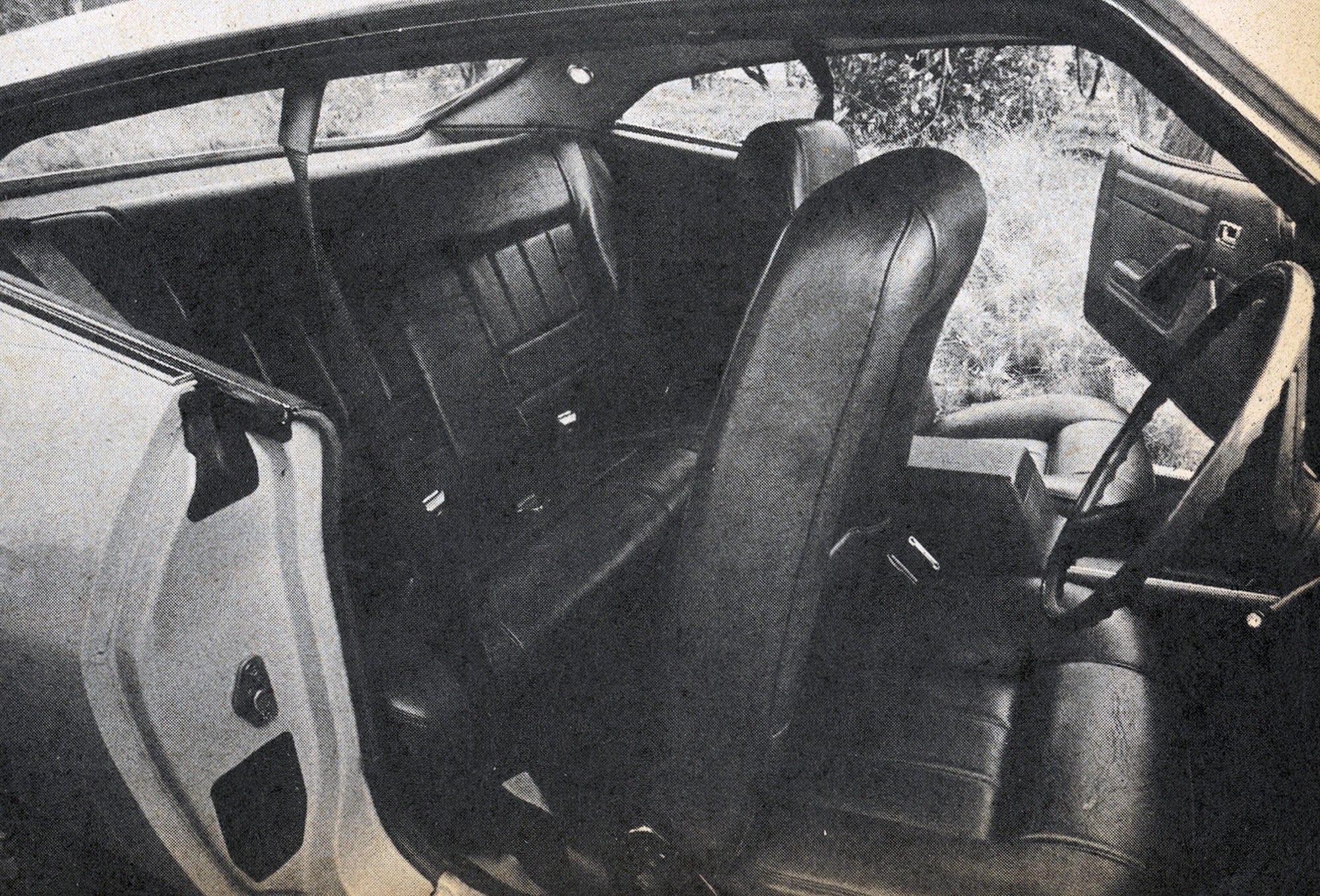
And that’s what the two-door is all about. Access to the rear is good with the wide doors and squabs which flip forward once a small lever, at the foot of the seat, is depressed. Proportions of the rear seat are very good. In fact, apart from a slight reduction in cushion length, they are the same as those on the sedan. The cushion is far enough off the floor for reasonable thigh support and the squab, as on all XA models, is well shaped and padded.
1
So the seat is just fine … now come the problems. Headroom is marginal for tall adults, and there is a solid metal crossmember just in front of the rear window to ensure all those in the back wear their seat belts as tightly as possible to prevent heads making contact with the roof.
Vision through the side windows is also a compromise with the styling. The sweeping waist line, which starts from half-way along the door, continues upwards cutting down on the glass area as it goes. However the small rear windows wind right down so at least those in the back have an independent supply of ventilation.
Ford has also done a remarkable job in reducing wind noise around the frameless door windows. A small metal rim with rubber flares attached runs along the entire upper window line to seal with the glass. It goes under the official title of a “single tube and shoe glass side panel”. Whatever it’s called it works for it is only from the lower forward edge of the front door that any wind roar develops and then only at high speeds.
1
Slam the doors and there is only a slight shimmer of the body panels so the most common problem with the two-doors of flexing panels has apparently been solved. Whether such heavy doors can be prevented from dropping after years of service remains to be seen. Certainly the door hinges appear very solid. And the cars generally feel tighter than other XA Falcons we have driven, which is a good omen.
General road performance is exactly as it is on the sedans. The Fairmont we drove rode softly and exhibited some float in the suspension but general handling was good with the variable ratio power steering taking some getting used to. Surprisingly the GT, with the same size tyres and steering set-up, felt much better with a greater degree of road feel and slightly heavier touch together with more resistance to movement in the steering.
The GT also handled bumps better than the Fairmont, which suggests the firmer suspension is better suited to rough roads. Performance should be on a par with the sedans since the Hardtop’s base weight of 3053 lb is just 17 lb more than the sedans. Certainly both the GT and Fairmont, equipped with the 351 two-barrel engine, had all the acceleration most buyers would ever want.
1
Ford has spent $8.5 million in developing the Hardtop and has hopes of achieving a sales rate of 20 per cent of the total Falcon output. That might be a little optimistic once the initial buyer enthusiasm settles down, but it will surely gain new customers who previously, if they wanted a two-door, had to go either Holden or Valiant.
On the first full month’s build, Ford is scheduling one third of the total Falcon build to Hardtop. Of these 40 per cent will be 500s, 45 per cent Fairmonts and 15 per cent GTs.
If you have always wanted an aggressively styled, two-door Falcon there is no need to wait any longer. Ford has done an excellent job in combining the sheer sportiness of the Charger with the prestige, personal look of the Monaro. Fairlane buyers searching for an equivalent will have to wait until 1973.
Follow WhichCar/Wheels on Google
Click the button below to make WhichCar by Wheels a preferred source for your news.

We recommend
-
 Classic Wheels
From the Wheels archive: Torana A9X vs Monaro 350 in a battle for the ages
Wheels' July 1978 issue saw Bill Tuckey pit the legendary Holden Monaro 350 GTS against The General's newest road warrior, the Torana A9X.
-
 Ford Falcon
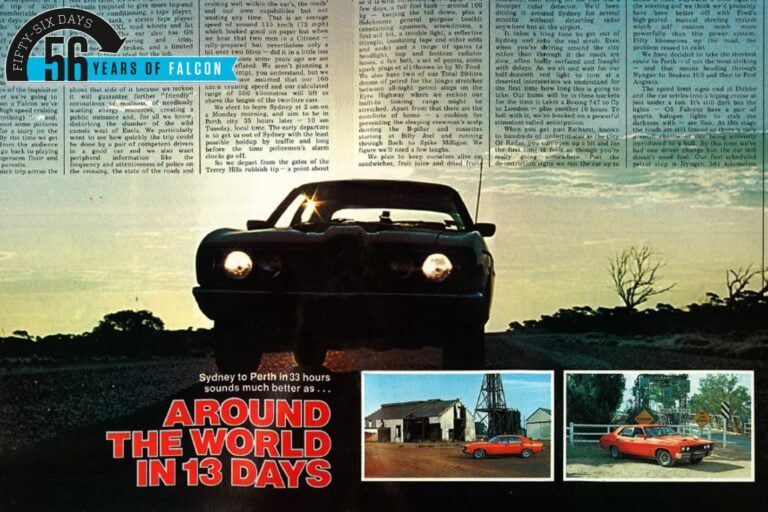
1977 Ford XC Falcon drives from Sydney to Perth
Sydney to Perth in 33 hours sounds much better as …Around the world in 13 days