News

Gallery 1
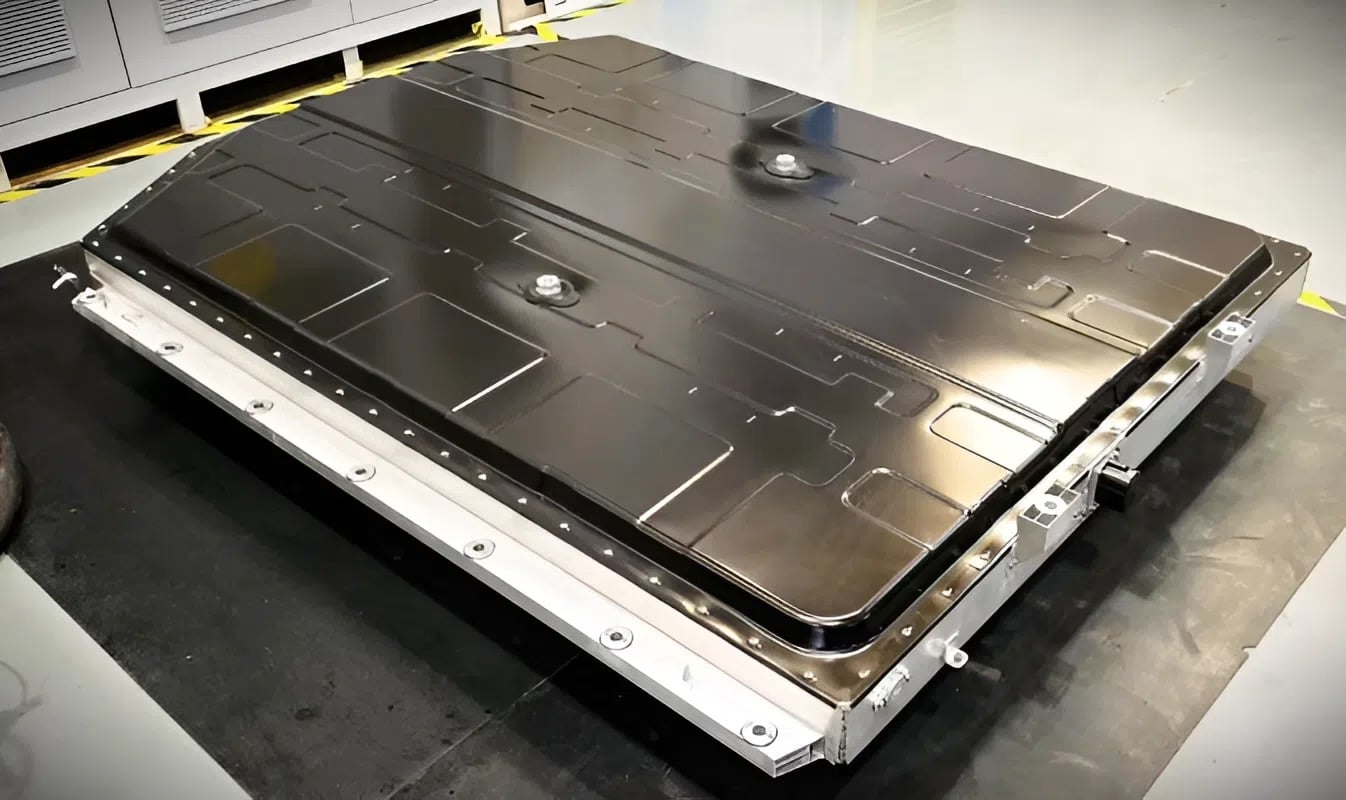
In another step forward for battery technology, Chinese company BAIC (Beijing Automotive Industry Corporation) has revealed a new sodium-ion battery said to deliver a full charge in just 11 minutes.
Labelled as a cost-effective, safer and more sustainable alternative to the widespread lithium-ion batteries currently used in electric vehicles, sodium-ion batteries deliver super fast-charging ability with BAIC’s development battery capable of fully charging an electric car much quicker than existing options.
According to BAIC’s research division, it has completed development of a sample sodium-ion battery which uses a prismatic cell format and achieves an energy density of 170Wh/kg.
It supports super fast ‘4C’ fast charging – that’s a minimum of 360kW – with a full charge completed in 11 minutes, according to the company. BAIC also stated that the battery can operate over a temperature range of -40°C to 60°C, with energy retention exceeding 92 per cent at -20°C, targeting improved cold-climate usability and improving the driving range of EVs in those areas of the world.
4
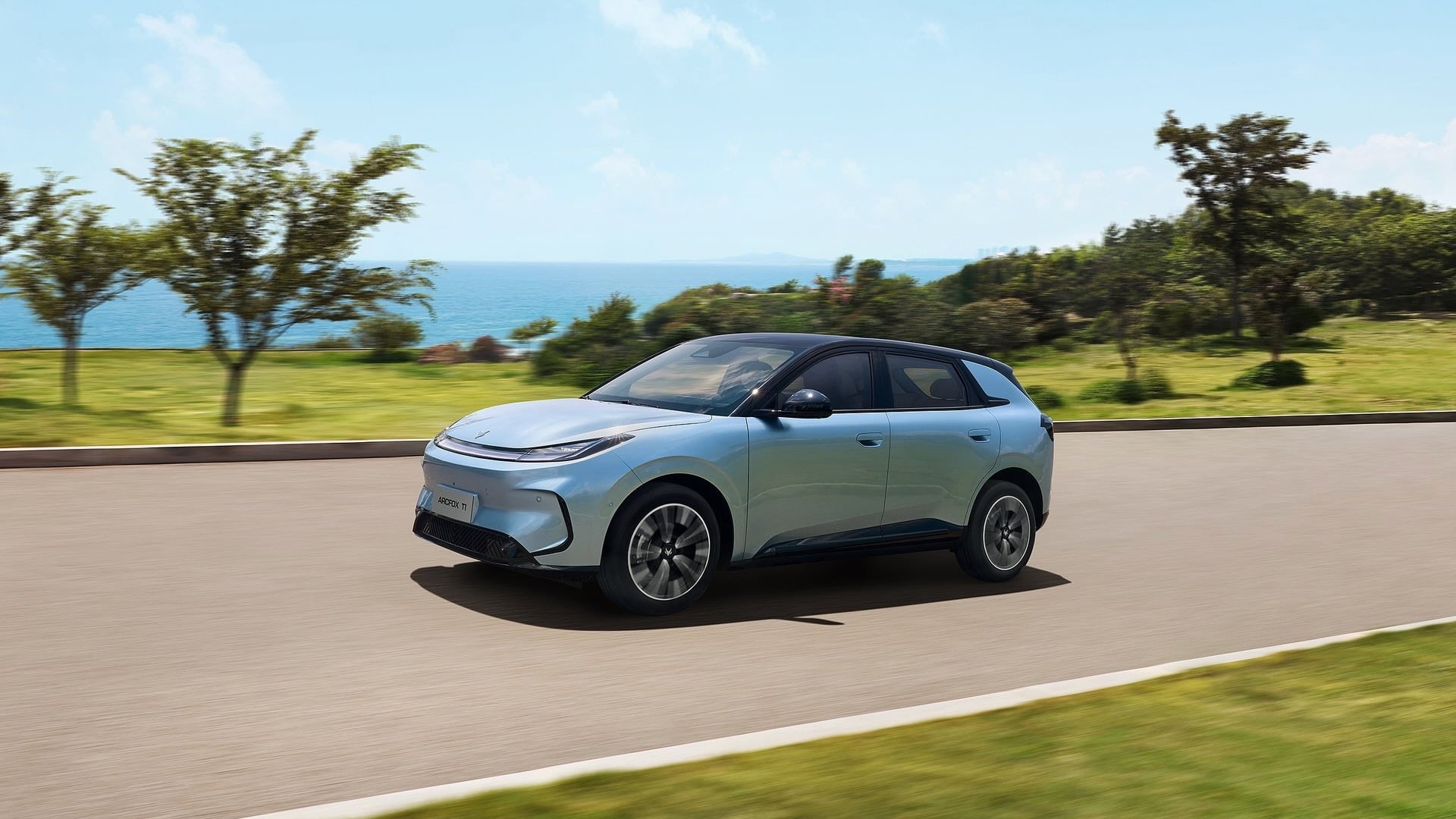
Above: BAIC’s sodium-ion battery could reach production in its Arcfox T1 EV hatchback
BAIC also claims that safety-related tests were completed, with the battery capable of withstanding an overcharge condition of up to 200 per cent without fire or explosion, and it remained stable when exposed to 200ºC heat.
Compared with lithium-ion batteries already used by millions of EVs, sodium-ion batteries require less raw materials to build as well.
Sodium-ion batteries are being evaluated by many Chinese battery manufacturers as a solution for cost-sensitive vehicle segments and for customers in low temperature climates. BAIC is also not the first battery manufacturer to develop a sodium-ion battery, with Changan and CATL announcing that a market launch is planned for the world’s first sodium-ion battery-powered EV in mid-2026. They are targeting a range of over 400km from a battery just 45kWh in size.
Sodium-ion is not the first battery type that BAIC has developed – it also produces both lithium-ion and solid-state batteries as well in its ‘Aurora Battery’ program. BAIC is yet to reveal a timeline for new sodium-ion battery production.
Follow WhichCar/Wheels on Google
Click the button below to make WhichCar by Wheels a preferred source for your news.

We recommend
-
 News
NewsBMW reveals electric 3 Series with long range and fast charging
Neue Klasse-based BMW i3 sedan debuts with up to 900km range, 400kW charging capability and production locked in for Munich from 2026.
-
 News
NewsMore than 240 apartment residents each get an EV charger in sign of things to come
A lack of chargers in apartments is seen as one of the largest barriers to EV ownership, but a new building has installed one charger per apartment to help tackle the problem.
-
 News
NewsWorld-first EV battery tech: Results revealed of testing to verify claims of as little as 10 minutes charging
Would you consider an EV more seriously if charging times were significantly reduced? Donut Lab claims its technology requires just 10 minutes charging for a near-600km range... and now independent test results are in.