
Opinion

Gallery 1
We’re accustomed to politicians, lobbyists and various paid spokespeople telling us that we should all be driving electric vehicles to ‘save the planet’. Evidently, certainly according to them, it’s the only way forward. This current fuel crisis has provided them with the ultimate platform to spruik their wares, too, given the issues with fuel supply.
However, the general public might not be so accustomed to the way in which vehicle manufacturers like to push the same message – usually to journalists at the launch of new vehicles. Those that produce only or largely EVs, do so the loudest, but manufacturers are all guilty of it. ‘We’re responsible corporate citizens’, they say, or ‘we must do our bit for the environment’.
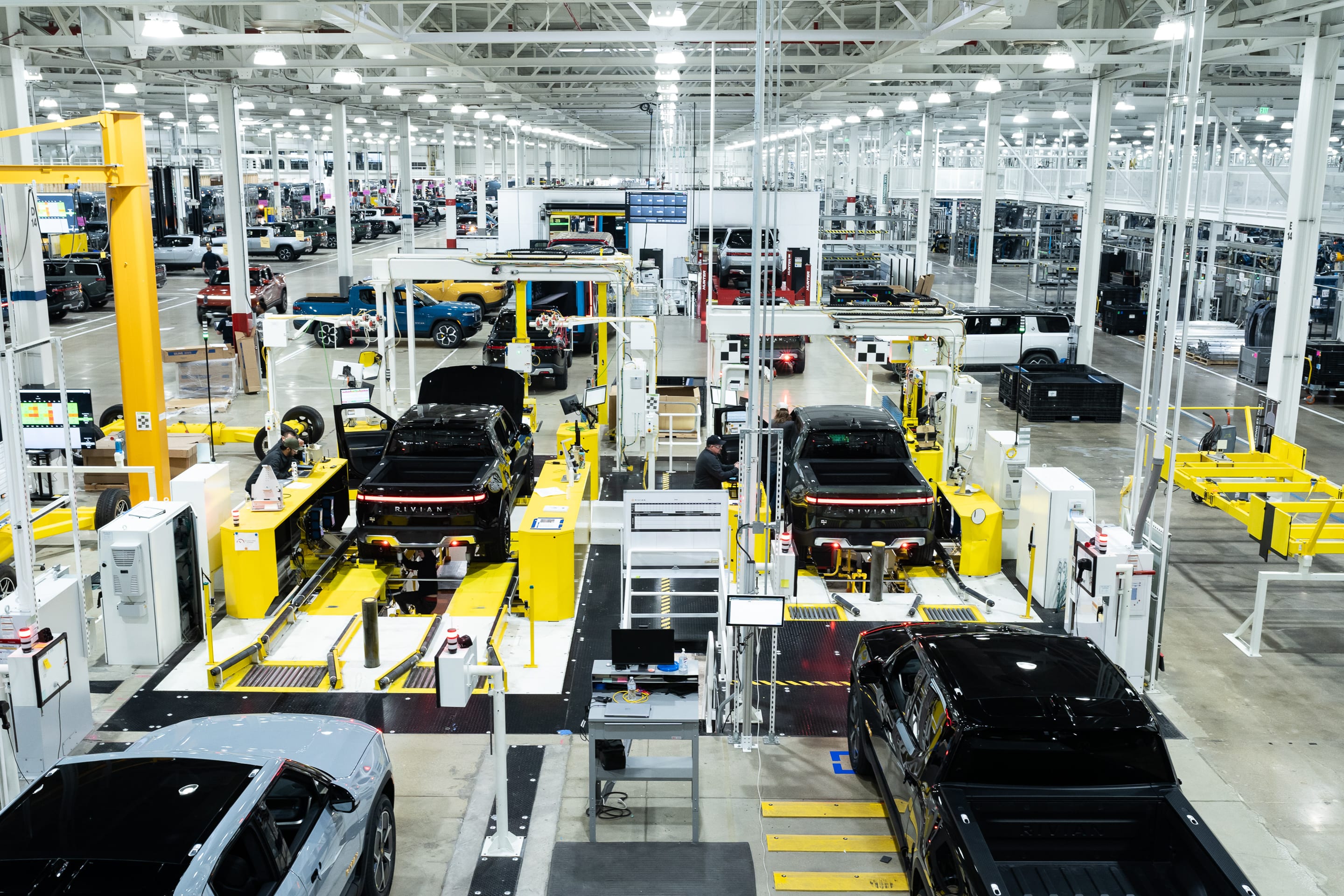
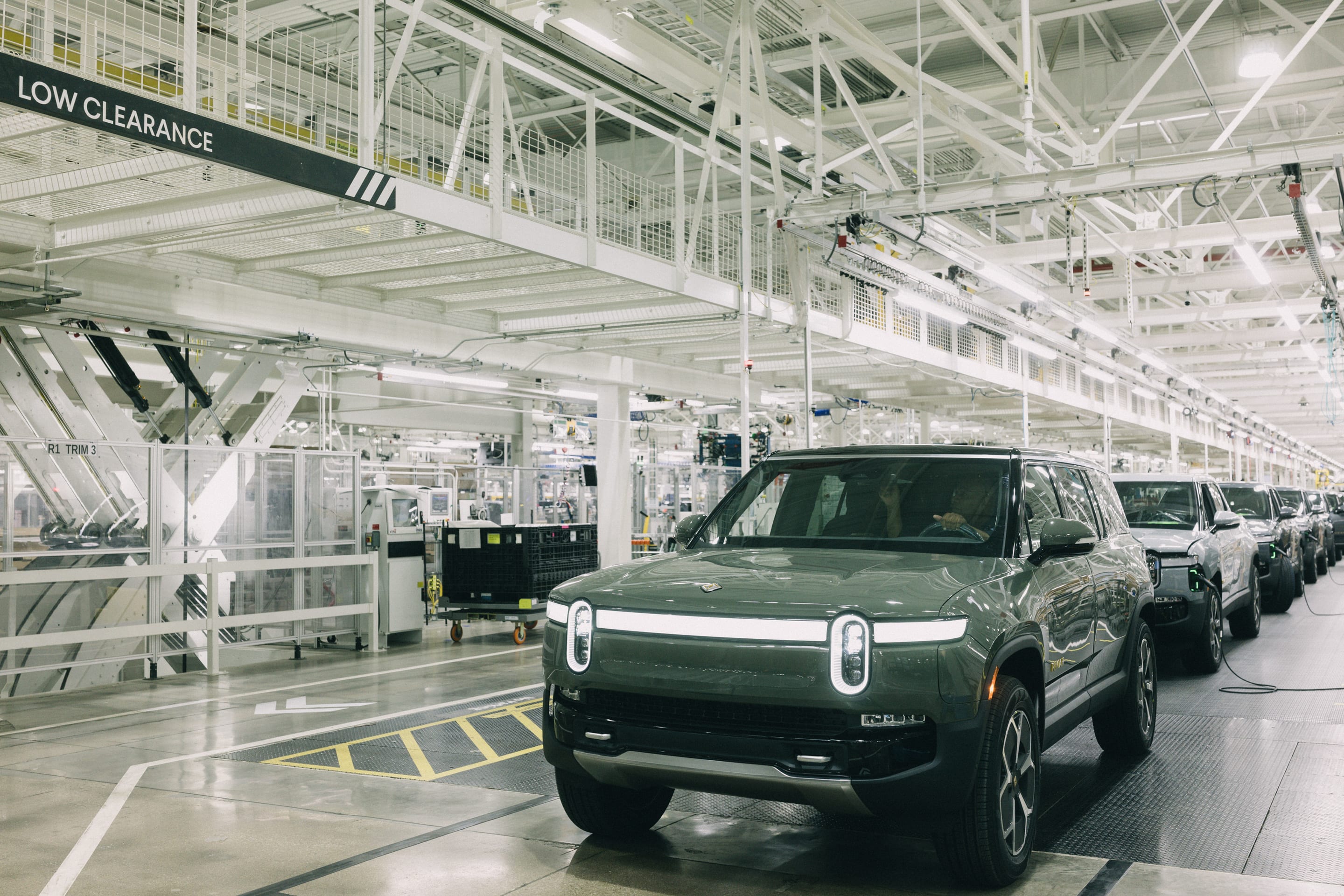
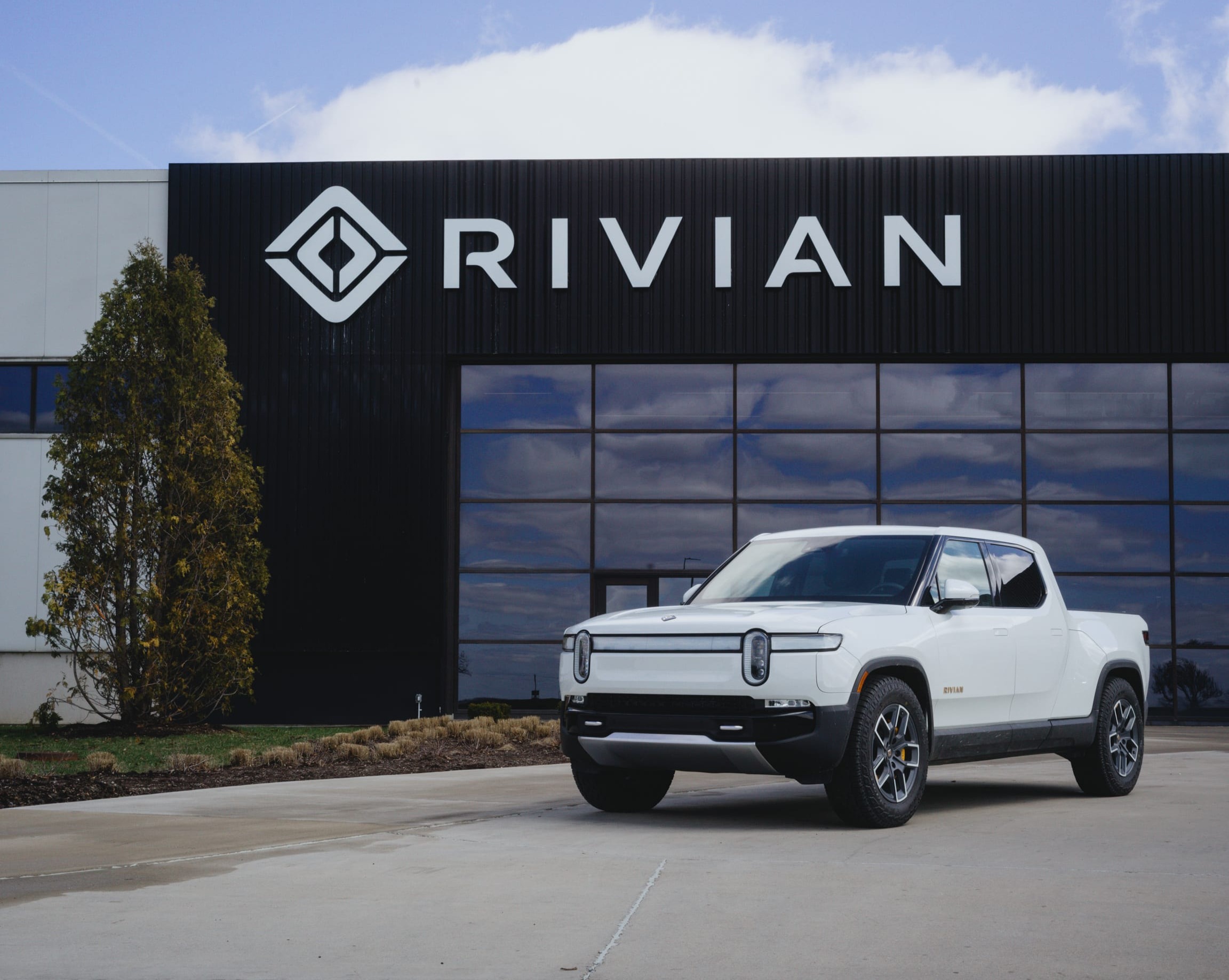
If that’s the case, and they genuinely mean those statements, then they should all take a leaf out of Rivian’s book. The US EV manufacturer has just announced that it would – in an effort to give them a second phase of life – use old battery packs from its EVs to partly power its production plant.
1
The factory in Illinois, will be the beneficiary of up to 10 megawatt-hours of stationary energy storage, by way of a partnership between Rivian and battery-recycling firm Redwood Materials. The way it works, is simple. Rivian sends more than 100 second-life battery packs to Redwood, which then turns those into a storage installation, that should, in theory at least, reduce the Rivian factory’s reliance on the grid for power. During peak times, it could even say the company money.
“EVs represent a massive, distributed and highly competitive energy resource,” Rivian founder and CEO RJ Scaringe said via a statement. “As energy needs grow, our grid needs to be flexible, secure, and affordable. Our partnership with Redwood enables us to utilise our vehicle’s batteries beyond the life of a vehicle and contribute to grid health and American competitiveness.”
In reality, certainly with regard to current, more updated battery technology, it seems that battery packs don’t degrade as quickly as initially feared. That said, the battery pack in your electric vehicle is much the same as a petrol engine that will last longer if its been looked after by the owner. Fast charge your battery every time, and it won’t be as healthy as one that’s always been slow charged.
1
Even so, when a battery pack loses its storage practicality for vehicular use, it can still a valuable asset for storage like the system Redwood is working on. That means it doesn’t need to be broken down and recycled straight away either – something not too many people or businesses want to talk about. If a battery pack is ineffective in a vehicle at 70 or 60 per cent for example, it can still have a genuine second life as a storage device in a different application.
Nissan was one of the first manufacturers to talk openly about second life usage for its battery packs (as far back as 2018), and it’s something every manufacturer should be working on if they truly want to clean up the environment in the way they say they do. After all, the depth and cost of properly recycling an electric vehicle is quite complex and something that must be considered if the betterment of the environment is the ultimate driver of electric vehicle take up.
Follow WhichCar/Wheels on Google
Click the button below to make WhichCar by Wheels a preferred source for your news.

We recommend
-
 News
NewsWorld-first EV battery tech debuts with 595km of range from just 10 minutes of charging
Would you buy an EV that can could replenish its battery in just 10 minutes?World-first production solid-state tech claims that it's possible.
-
 News
NewsMercedes-Benz: ‘One of the toughest engineering challenges’ – solid state batteries – is on the way to revolutionise EVs
New battery technology dubbed “the next big breakthrough” in electric vehicle batteries is being tested by Mercedes-Benz ahead of likely 2030 release, but it’s not an easy task.
